
How AI Is Changing Everyday Life
Introduction:
Artificial Intelligence is no longer a futuristic dream — it’s a reality shaping how we live, work, learn, and connect. From smart assistants to personalized shopping, AI touches almost every part of our day. Let’s explore 20 ways it’s transforming modern life.
1. The Rise of Everyday Artificial Intelligence

Artificial Intelligence quietly runs behind many technologies we use daily — analyzing data, making predictions, and simplifying tasks we once did manually. It’s the invisible helper of the digital era.
2. Smarter Homes

Smart home systems powered by Artificial Intelligence adjust lighting, temperature, and security automatically. Devices like thermostats, sensors, and assistants learn your habits and create comfort efficiently.
3. Voice Assistants in Daily Routine

Whether it’s Alexa, Siri, or Google Assistant, voice-controlled Artificial Intelligence helps set reminders, control devices, or play music — turning multitasking into an effortless habit.
4. Personalized Entertainment

Streaming platforms such as Netflix and Spotify use Artificial Intelligence algorithms to analyze your preferences, recommending shows and music that match your taste.
5. Online Shopping Revolution

E-commerce giants use Artificial Intelligence to predict what you want next. Personalized product suggestions, dynamic pricing, and chatbot support make shopping faster and smarter.
6. Artificial Intelligence in Healthcare

Artificial Intelligence assists doctors in diagnosing diseases, analyzing scans, and predicting patient outcomes. From fitness trackers to early detection tools, is reshaping health care for accuracy and prevention.
7. Smarter Transportation

Self-driving cars, navigation apps, and traffic management systems use Artificial Intelligence to make travel safer and smoother. Route optimization reduces fuel waste and saves time.
8. Financial Management

Artificial Intelligence budgeting apps track expenses, detect fraud, and offer personalized advice. Virtual financial assistants make managing money easier for individuals and businesses alike.
9. Education Reimagined

Artificial Intelligence tutors and adaptive learning platforms personalize lessons based on a student’s strengths and weaknesses, making education more engaging and inclusive.
10. Virtual Workplaces

From Artificial Intelligence-powered meeting transcriptions to scheduling tools, artificial intelligence improves collaboration and productivity in remote work environments.
11. Enhanced Online Security

Artificial Intelligence monitors systems for unusual behavior, identifies cyber threats, and blocks attacks in real time — providing an intelligent shield against digital risks.
12. Smarter Cities
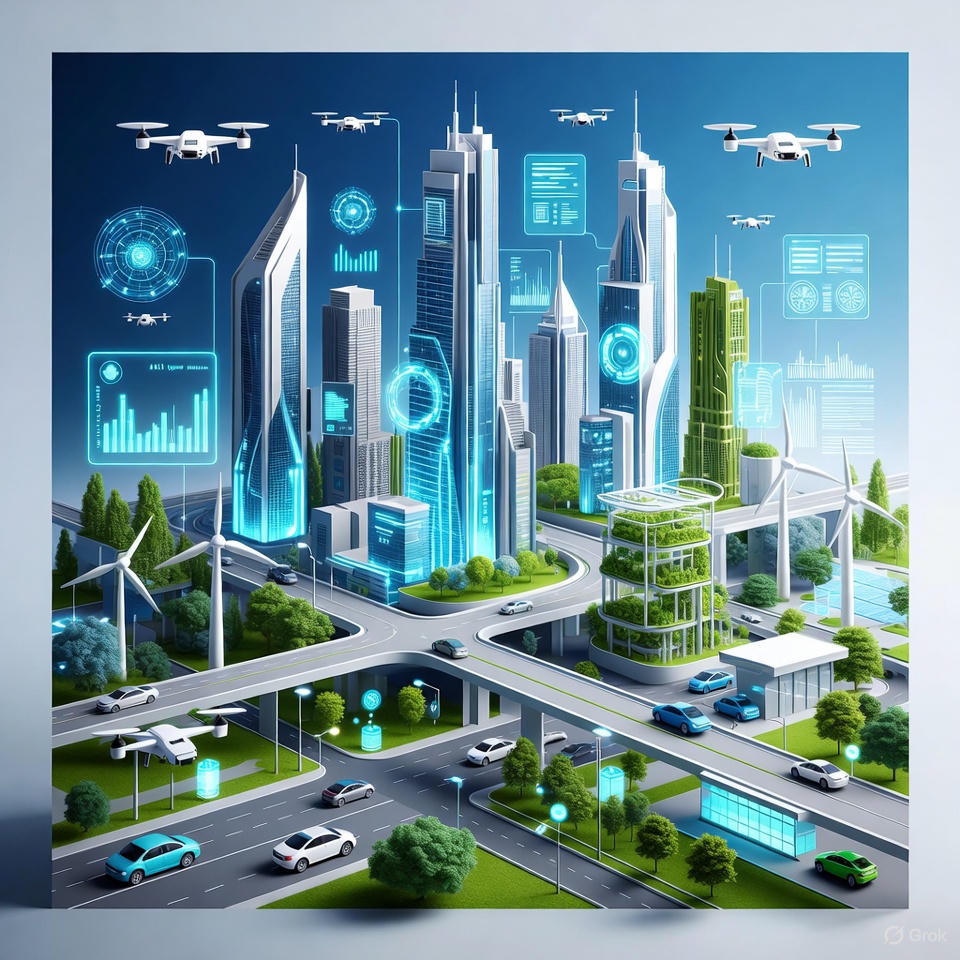
Urban planners use Artificial Intelligence for efficient energy use, waste management, and traffic control. Smart cities aim to balance growth with sustainability and comfort.
13. Artificial Intelligence in Agriculture
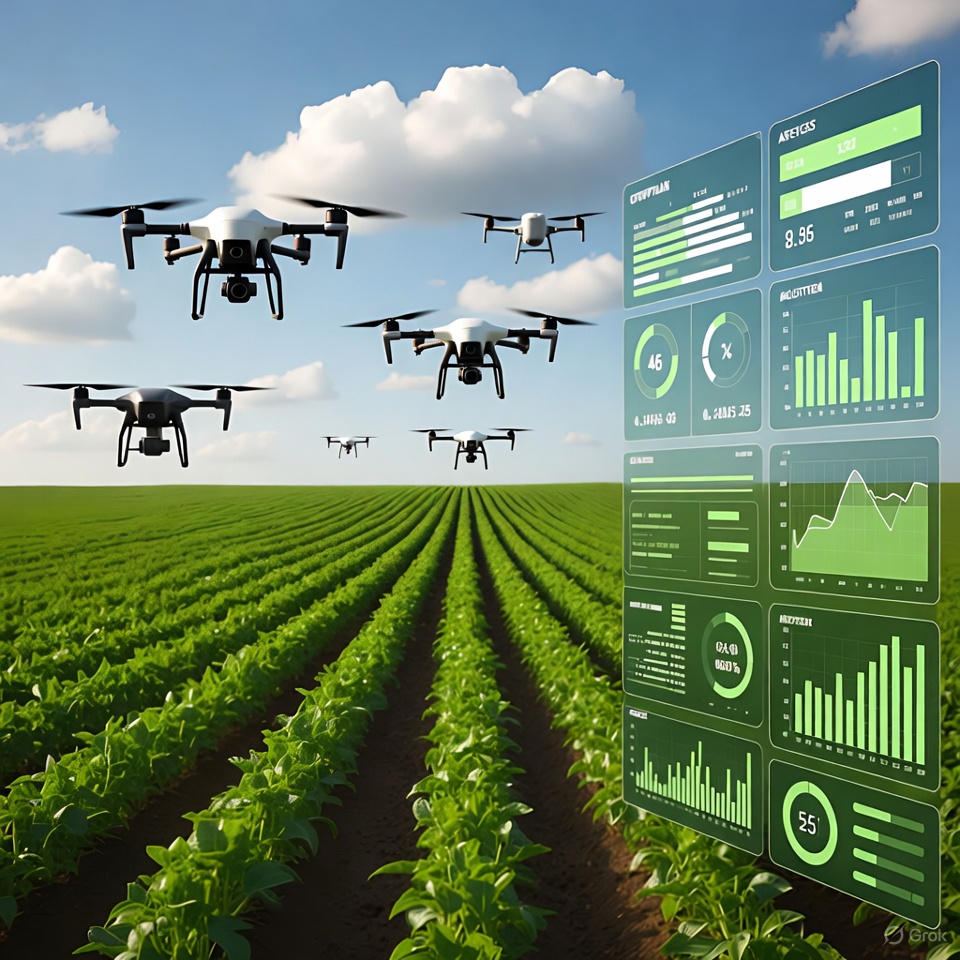
Farmers now rely on Artificial Intelligence-based drones and sensors to predict weather patterns, monitor soil health, and optimize crop yields, ensuring better food security.
14. Creative Industries and Art

Artificial Intelligence tools generate music, design, and even paintings. While creativity remains human-driven, Artificial Intelligence acts as a collaborator, enhancing imagination with precision.
15. Customer Service Evolution

Chatbots and virtual assistants provide 24/7 support. They handle routine queries quickly, allowing human agents to focus on complex issues.
16. Language and Communication
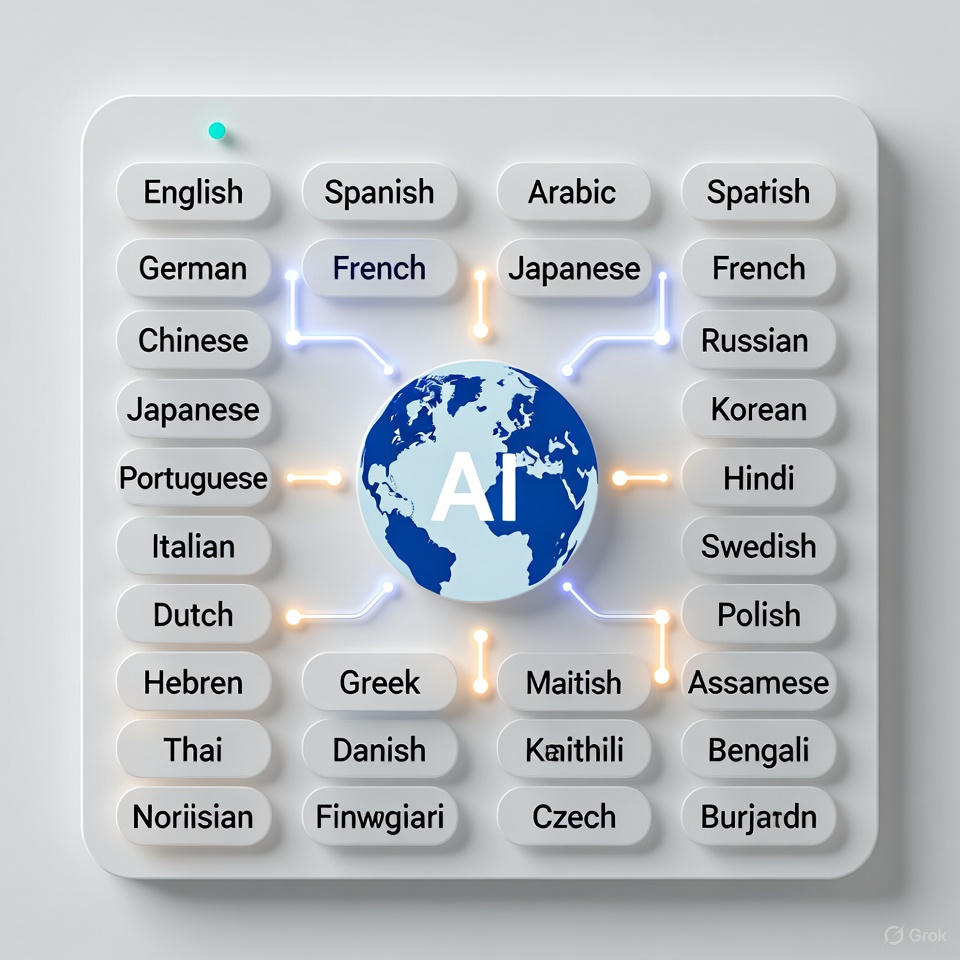
Artificial Intelligence translation tools break language barriers instantly, making global communication seamless and accessible for individuals and businesses.
17. Personalized Fitness and Wellness
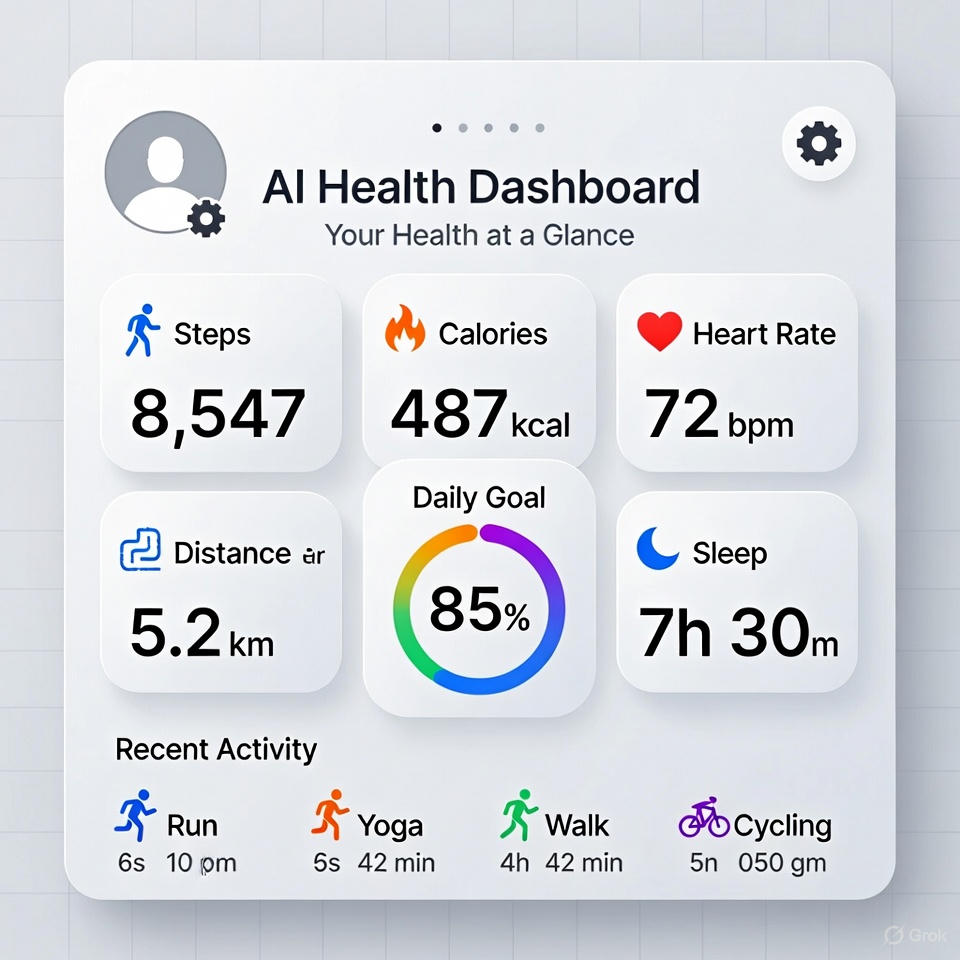
Smart wearables analyze activity levels, sleep, and heart rate using Artificial Intelligence algorithms, giving tailored health insights and motivating lifestyle improvements.
18. Environmental Monitoring

Artificial Intelligence predicts climate patterns, monitors pollution, and supports wildlife conservation by analyzing satellite data — helping protect the planet intelligently.
19. Ethical and Privacy Concerns

With all its benefits, Artificial Intelligence raises important questions about data security and ethics. Transparent and fair systems are vital for long-term trust.
20. The Future of Everyday Artificial Intelligence

As Artificial Intelligence continues evolving, it will become more integrated into daily life — from smart homes to smart cities. The goal is not to replace humans but to empower them to live better, healthier, and more productive lives.
Conclusion
Artificial Intelligence has moved from science fiction to everyday function. It saves time, enhances convenience, and opens endless possibilities for innovation. Living in the age of Artificial Intelligence means embracing technology that learns, grows, and improves alongside us.
Artificial intelligence is rapidly changing how we live and work, but it’s not just about automation—it’s about smarter and more efficient decision-making. In my experience, the real benefit of AI comes when it is used to support human thinking, not replace it.
Instead of relying completely on technology, a balanced approach helps you get better results. Understanding how to use Artificial Intelligence tools effectively can make a significant difference.
Use this guide to explore practical ideas, build awareness, and use Artificial Intelligence in a way that improves your daily life and productivity.