Smart Living in 2026: AI Homes, Sustainable Design & Digital Comfort
Introduction: The Evolution of Smart Living in 2026
Smart living in 2026 marks a transformative era in residential design and daily life, aligning perfectly with smart home trends 2026 that emphasize integration and personalization. Homes are no longer passive structures built merely for shelter; they are intelligent ecosystems designed to adapt, respond, and optimize according to human needs. Over the last decade, rapid advancements in artificial intelligence, sustainable architecture, and connected technologies have reshaped the way we interact with our living spaces. According to smart home trends 2026, the global market is projected to surpass $633 billion by 2032, driven by automation and energy efficiency.
What once felt futuristic—automated lighting, voice assistants, remote security monitoring—has now become foundational. But modern smart living goes beyond convenience. It focuses on long-term efficiency, environmental responsibility, health optimization, digital comfort, and resilience against climate and infrastructure challenges. Smart-home trends 2026 highlight how AI-driven systems are personalizing experiences, with devices learning user behaviors to anticipate needs seamlessly.
Today’s homeowners seek spaces that reduce operational costs, increase property value, improve productivity, and enhance well-being. This shift has pushed architects, interior designers, and technology innovators to collaborate more closely than ever before. In smart-home trends 2026, partnerships between tech firms and designers are expanding, making systems more user-friendly and aesthetically integrated.
Smart living in 2026 is not about filling homes with gadgets. It is about creating cohesive systems where design, sustainability, and intelligent automation function harmoniously. This guide explores how AI homes, green construction, and digital comfort systems are shaping the future of residential living, incorporating the latest smart-home trends 2026 for a more connected and efficient lifestyle. With adoption rates rising to 59% in North America, these trends are becoming essential for modern homes.
1. What Smart Living Really Means Today
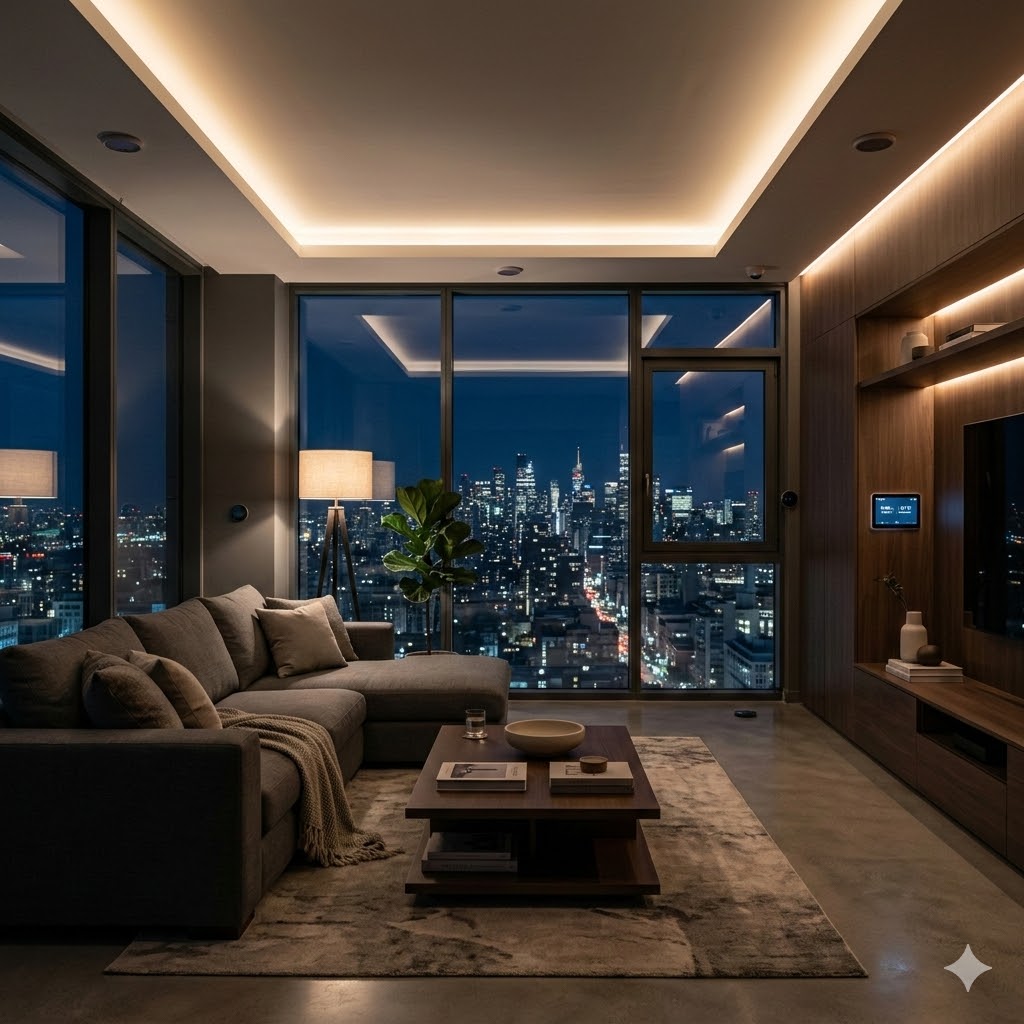
Smart living today represents a lifestyle transformation rather than a technological upgrade. It emphasizes adaptive systems that learn behavior patterns and respond automatically to improve efficiency and comfort. In smart home trends 2026, this means unified ecosystems where devices communicate seamlessly via standards like Matter.
A smart home observes routines such as sleep schedules, work hours, and peak activity times. Instead of requiring constant user input, it anticipates needs. For instance, lighting adjusts gradually in the evening to support relaxation, while climate systems optimize temperatures before occupants return home. Smart-home trends 2026 show that interoperability between brands is key, reducing setup frustrations and enhancing overall usability.
True smart living reduces friction in everyday life. It saves time, lowers mental effort, and minimizes resource waste. It also ensures that convenience does not come at the cost of sustainability. As per smart-home trends 2026, consumers are prioritizing eco-conscious features that cut energy use by up to 30%.
In 2026, intelligence within homes is subtle and integrated. The best smart systems are often invisible—working quietly in the background to enhance comfort and efficiency without overwhelming users with complexity. Smart-home trends 2026 predict a rise in invisible tech, like hidden speakers and sleek controls that blend into design aesthetics. This approach makes homes more responsive, turning them into proactive partners in daily life.
2. AI-Powered Home Automation Systems

Artificial Intelligence is the engine behind modern smart homes. Unlike traditional automation that operates on fixed schedules, AI systems continuously analyze real-time data and improve decision-making over time. Smart-home trends 2026 emphasize AI-driven personalization, where systems adapt to individual preferences for lighting, temperature, and more.
Machine learning algorithms evaluate energy usage patterns, occupancy trends, and environmental conditions. This allows systems to predict when heating or cooling adjustments are needed. AI can also detect irregular appliance behavior, identifying potential maintenance issues before breakdowns occur. In smart-home trends 2026, predictive analytics are extending to energy management, optimizing usage based on weather forecasts and user habits.
For example, if a refrigerator consumes more electricity than usual, the system can alert homeowners early, preventing expensive repairs. Similarly, AI-integrated HVAC systems adapt to seasonal shifts automatically. Smart-home trends 2026 include AI appliances that suggest recipes or adjust settings autonomously, enhancing efficiency.
This predictive intelligence increases efficiency while reducing long-term operational costs. The home evolves into a proactive manager rather than a reactive system. With smart-home trends 2026 focusing on AI integration, homes are becoming more intuitive, learning from data to provide tailored experiences that save time and resources.
3. Voice Assistants and Ambient Intelligence

Voice technology has matured significantly, but ambient intelligence is the next leap forward. Ambient systems integrate sensors, microphones, motion detectors, and behavioral analytics to create seamless experiences. Smart-home trends 2026 highlight gesture and voice control advancements, making interactions more natural and context-aware.
Instead of waiting for commands, smart homes recognize presence and environmental shifts. Lighting can brighten when someone enters a room and dim when it becomes unoccupied. Music systems can adjust volume based on conversation levels. In smart-home trends 2026, emotion recognition in voice assistants allows for mood-based adjustments, like dimming lights for relaxation.
This proactive functionality reduces the need for manual interaction. The environment becomes intuitive and responsive. In 2026, comfort is not requested—it is anticipated. Smart home trends 2026 predict wider adoption of AR/VR interfaces for virtual control, further minimizing physical inputs.
Moreover, multilingual support and improved accuracy in noisy environments are part of smart-home trends 2026, making these systems accessible to diverse households and enhancing overall digital comfort.
4. Energy-Efficient Smart Homes

Energy efficiency remains one of the most compelling benefits of smart living. Rising utility costs and environmental concerns have made intelligent energy management essential. Smart home trends 2026 underscore climate-conscious automation, with systems integrating solar and batteries for up to 30% savings.
Smart homes now feature energy dashboards displaying real-time electricity, water, and gas consumption. These insights encourage responsible habits and help identify inefficiencies. Automated systems power down unused rooms, schedule heavy appliances during off-peak hours, and integrate renewable sources for optimized performance. Over time, these adjustments significantly reduce expenses. Smart-home trends 2026 include real-time monitoring and AI recommendations for further optimization.
Beyond cost savings, energy efficiency supports global sustainability goals, making smart living both financially and ethically beneficial. In smart-home trends 2026, home batteries and supplier-designed ecosystems are rising, providing resilience against outages. This focus on sustainability is transforming how homes consume resources.
5. Sustainable Building Materials and Green Architecture
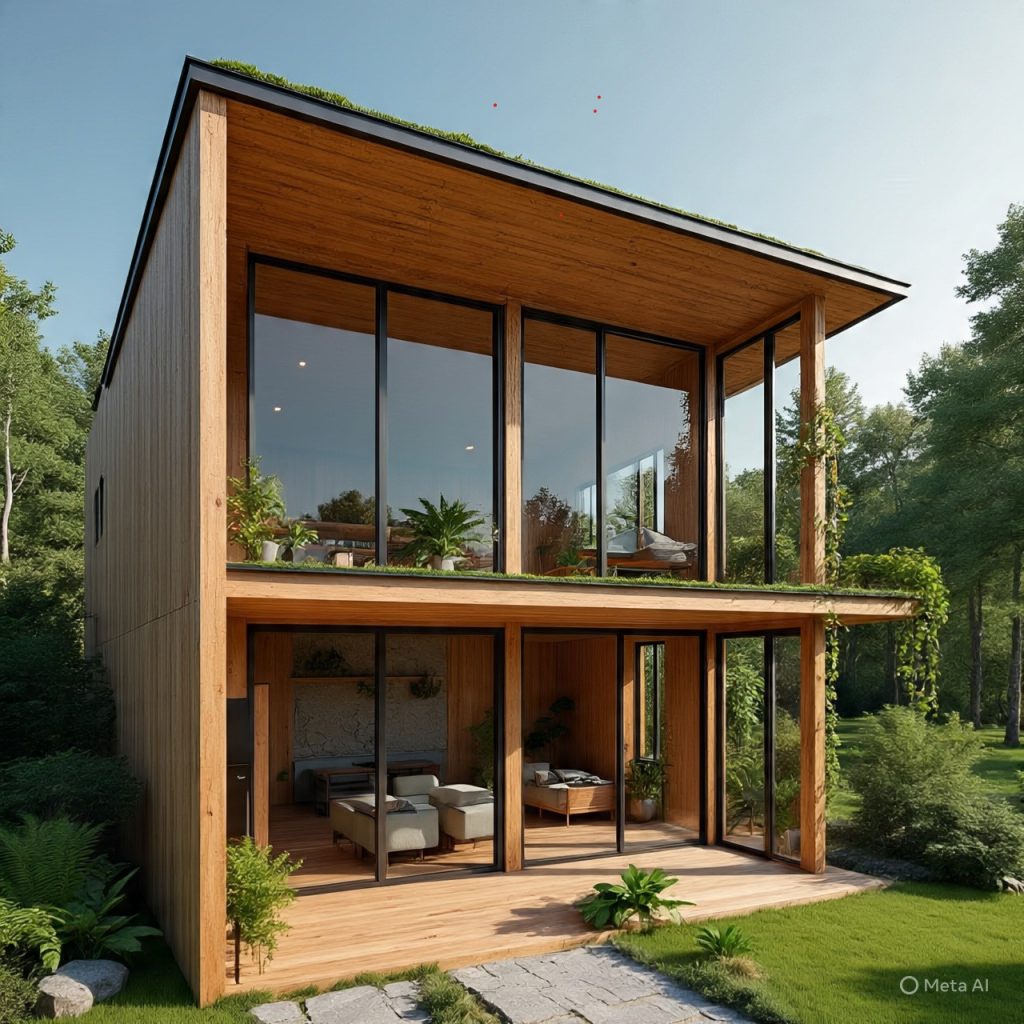
The smartest homes begin with sustainable design principles. Intelligent architecture reduces reliance on excessive technological solutions later. Smart home trends 2026 prioritize eco-friendly materials like low-VOC paints and recycled components for better air quality.
High-performance insulation minimizes heat transfer. Cross-ventilation layouts promote natural airflow. Solar-reflective roofing reduces cooling demands. Low-VOC materials improve indoor air quality. Green construction decreases environmental impact while enhancing comfort and durability. In 2026, sustainability is no longer a niche preference—it is a design standard. Smart home trends 2026 include biophilic designs that incorporate nature for wellness.
Additionally, sustainable trends extend to water conservation systems and energy-efficient windows, aligning with smart home trends 2026 for lower carbon footprints and long-term durability.
6. Solar Integration and Renewable Energy Systems

Solar power has become increasingly efficient and accessible. Modern smart homes integrate photovoltaic panels with battery storage systems to ensure energy independence. Smart-home trends 2026 forecast greater solar adoption, with AI optimizing generation and storage.
Homeowners can monitor solar generation in real time, store excess electricity for nighttime use, and even sell surplus energy back to the grid in some regions. AI further optimizes solar performance by predicting peak usage times and adjusting consumption accordingly. This synergy between renewable energy and smart management systems represents the future of sustainable living. Smart home trends 2026 emphasize home energy management systems (HEMS) for predictive analytics.
With falling costs, solar integrations are part of smart-home trends 2026, making homes semi-independent and reducing reliance on traditional grids.
7. Climate-Resilient Home Design

Climate resilience is now central to architectural planning. Extreme weather events, rising temperatures, and infrastructure instability demand adaptive solutions. Smart home trends 2026 include flood-resistant materials and backup systems for power reliability.
Flood-resistant foundations, reinforced roofing, advanced drainage systems, and backup power supplies are becoming standard in smart construction. Resilient homes protect both occupants and investments. In 2026, future-proofing properties against environmental challenges is a critical component of intelligent living. Smart-home trends 2026 highlight energy storage for outages, enhancing resilience.
These designs incorporate smart sensors for early weather warnings, aligning with smart-home trends 2026 for proactive protection.
8. Advanced Smart Security Systems

Security technology has evolved beyond surveillance cameras and alarm systems. AI-powered systems analyze behavior patterns to differentiate between normal activity and potential threats. Smart home trends 2026 focus on predictive security with facial recognition and real-time alerts.
Facial recognition entry systems enhance access control. Remote monitoring allows homeowners to check security feeds from anywhere. Instant alerts notify users of unusual activity. Integrated smart locks, motion sensors, and emergency coordination tools create comprehensive safety networks. Security is no longer reactive—it is preventive. Smart-home trends 2026 show a 151% growth in security tech adoption since 2019.
Privacy features like encrypted data are key in smart-home trends 2026, addressing vulnerabilities in connected devices.
9. Smart Kitchens and Intelligent Appliances

Kitchens are becoming data-driven environments designed for efficiency and sustainability. Smart refrigerators track food expiration dates and suggest meal ideas based on available ingredients. Smart home trends 2026 include AI nutrition assistants that personalize recipes for health goals.
Ovens adjust cooking times automatically, while touchless faucets conserve water. Inventory management systems reduce food waste by notifying homeowners of low supplies. These innovations simplify daily tasks and promote healthier, more organized living. In smart-home trends 2026, robotic assistance for meal prep is emerging.
Integrated chargers in countertops reflect multi-tasking in smart home trends 2026, blending functionality with design.
10. Smart Bathrooms and Water Optimization

Water conservation is a growing priority. Smart showers monitor usage and suggest efficient patterns. Leak detection systems prevent structural damage and waste. Smart-home trends 2026 feature water purification systems for wellness.
Automated temperature controls improve comfort while minimizing energy consumption. Sensor-based fixtures enhance hygiene and reduce unnecessary water flow. Efficient water systems are essential for sustainable living in resource-conscious communities. Smart-home trends 2026 include real-time water monitoring dashboards.
These optimizations align with smart home trends 2026 for sustainability, reducing bills and environmental impact.
- Indoor Climate Control and Air Quality Monitoring
11. Indoor Climate Control and Air Quality Monitoring

Indoor air quality significantly impacts health. Smart homes now track humidity levels, pollutant concentration, and airflow efficiency. Smart home trends 2026 prioritize air purification and circadian systems for better well-being.
Automated ventilation systems respond dynamically to maintain optimal conditions. Air purification technologies reduce allergens and harmful particles. Healthy indoor environments support respiratory health and overall well-being, making climate control a vital aspect of smart living. In smart-home trends 2026, integration with wearables enhances monitoring.
Acoustic treatments for noise control are part of smart home trends 2026, creating serene spaces.
12. Smart Lighting and Circadian Rhythm Support

Lighting design now supports biological rhythms. Circadian lighting systems mimic natural daylight patterns, promoting productivity during the day and relaxation at night. Smart-home trends 2026 see tunable lighting as a wellness staple.
Adjustable color temperatures reduce blue light exposure before bedtime, improving sleep quality. Scene-based lighting enhances mood and ambiance. Lighting has evolved from aesthetic enhancement to wellness optimization. Smart-home trends 2026 include motion-triggered systems for energy savings.
With 31% adoption, smart lights are central to smart home trends 2026.
13. The Role of IoT in Smart Living

The Internet of Things connects devices into unified ecosystems. Appliances, security systems, lighting, and energy monitors communicate seamlessly. Smart-home trends 2026 rely on IoT for scalability via Matter standards.
This interconnected framework allows centralized control via smartphones or integrated panels. Data-driven insights improve decision-making and performance optimization. IoT integration ensures scalability and adaptability for future technological upgrades. In smart-home trends 2026, over 17 connected devices per household are average.
Privacy-focused IoT is a priority in smart home trends 2026, with decentralized networks.
14. Digital Minimalism and Hidden Technology

In 2026, technology blends with design rather than dominating it. Built-in charging stations, concealed wiring, and integrated panels preserve aesthetic harmony. Smart home trends 2026 promote invisible tech for minimalist homes.
Minimalist smart homes prioritize clean lines and clutter-free environments. Invisible innovation supports visual simplicity. This balance between form and function defines modern residential design. Smart-home trends 2026 include art TVs that double as decor.
These discreet features enhance luxury in smart home trends 2026.
15. Smart Furniture and Adaptive Spaces

Urban lifestyles demand flexible spaces. Smart furniture adapts to multiple purposes, transforming living rooms into offices or guest areas instantly. Smart home trends 2026 feature modular designs with ergonomic adjustments.
Adjustable ergonomic desks improve posture. Smart beds track sleep patterns. Modular seating maximizes functionality. Adaptive design enhances spatial efficiency in compact homes. In smart-home trends 2026, robotic furniture for automation is rising.
This flexibility supports hybrid living in smart home trends 2026.
16. Health Monitoring and Wellness Integration
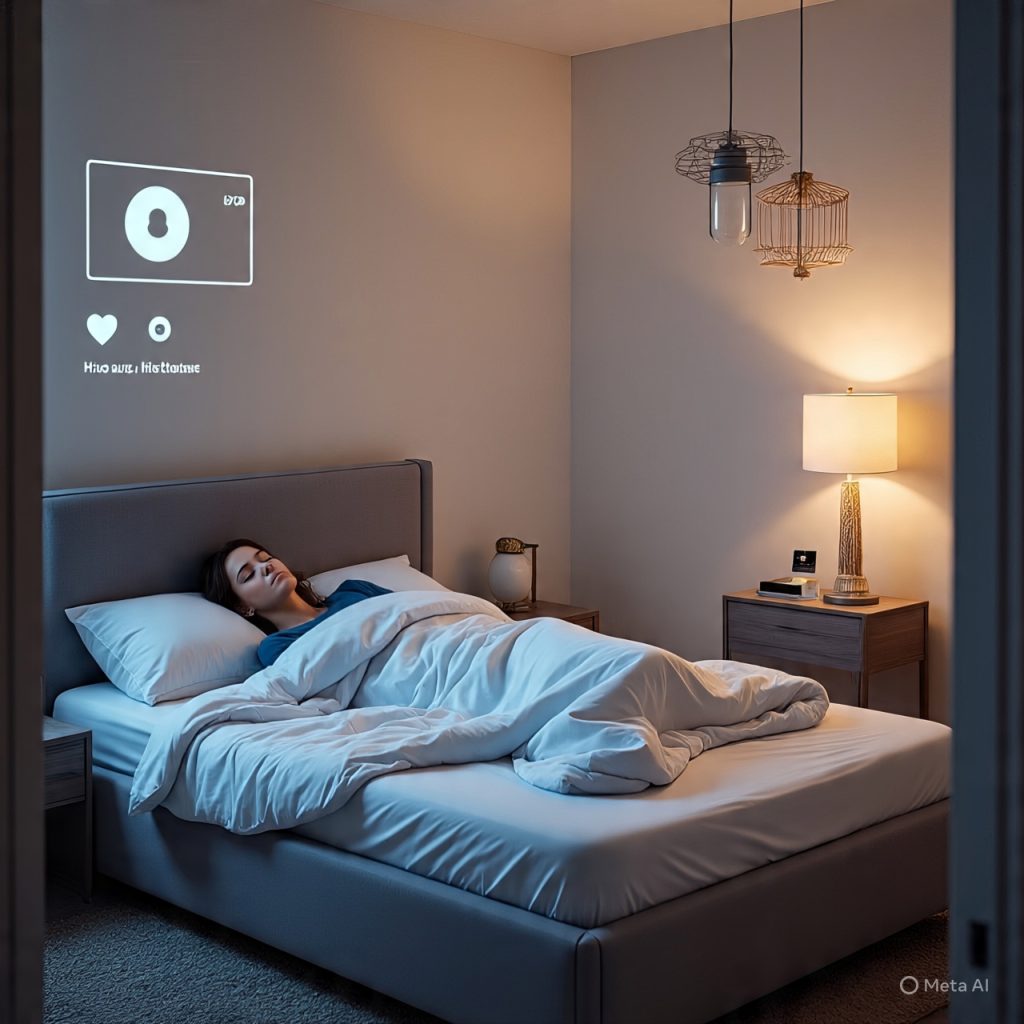
Smart homes increasingly integrate health technologies. Systems sync with wearable devices to track sleep, heart rate, and activity levels. Smart-home trends 2026 emphasize wellness tech like sleep trackers and air monitors.
Environmental adjustments support relaxation and stress reduction. Automated reminders encourage hydration and healthy routines. Homes are evolving into proactive wellness partners. Smart-home trends 2026 include medication dispensers and personalized workouts.
With 32% having AI wellness features, this is key in smart home trends 2026.
17. Remote Work and Hybrid Living Solutions

Hybrid work models require dedicated home offices. Soundproofing technology reduces distractions. Productivity lighting supports focus. Smart home trends 2026 integrate high-speed connectivity for seamless video calls.
High-speed connectivity and video conferencing integration ensure professional functionality within residential settings. The modern home must accommodate both career and personal life seamlessly. In smart-home trends 2026, AI minimizes distractions with automated settings.
These solutions reflect evolving work habits in smart home trends 2026.
18. Data Privacy and Cybersecurity Considerations

Increased connectivity introduces digital risks. Strong encryption, secure routers, and regular software updates are essential safeguards. Smart-home trends 2026 stress privacy-first tech with opt-in data models.
Homeowners must prioritize cybersecurity when implementing smart systems. Trustworthy platforms and secure configurations protect sensitive information. Security must be embedded from the beginning. Smart home trends 2026 include blockchain for secure transactions in real estate.
Addressing vulnerabilities is crucial in smart-home trends 2026.
19. Cost Considerations and Long-Term Value

While smart upgrades require initial investment, long-term returns are significant. Energy savings, increased property value, and enhanced market appeal justify costs. Smart-home trends 2026 show smart homes command higher resale prices.
Smart homes often command higher resale prices due to efficiency and modern features. Strategic planning ensures maximum return on investment. In smart home trends 2026, ROI from energy savings can recoup costs quickly.
This value proposition drives adoption in smart-home trends 2026.
20. The Future of Smart Living Beyond 2026

The next evolution includes fully autonomous systems capable of self-diagnosing maintenance issues and optimizing performance without intervention. Smart-home trends 2026 point to AI subscriptions for ongoing optimizations.
Advancements in AI, renewable energy, and sustainable materials will deepen integration. Homes may eventually function as semi-independent energy ecosystems. The future promises greater intelligence with even simpler user experiences. Beyond 2026, smart home trends will include more AR-guided maintenance and robotic assistance.
These developments build on current smart home trends 2026 for even smarter living.
Final Thoughts: Building a Future-Ready Smart Home
Final Thoughts:
Smart living in 2026 is about thoughtful integration rather than technological excess. It combines artificial intelligence, sustainability, wellness, and design harmony into one cohesive vision, as highlighted in smart home trends 2026. A future-ready home enhances daily life quietly and efficiently. It reduces environmental impact, increases security, supports health, and adapts to changing lifestyles.
The most successful smart homes are not defined by the number of devices they contain, but by how seamlessly those devices work together to improve quality of life. As innovation continues, intelligent and sustainable homes will set the global standard for modern living, driven by smart-home trends 2026 that prioritize personalization and efficiency. With market growth accelerating, embracing these trends ensures homes remain relevant and valuable.
Modern technology has become an essential part of daily life, helping people stay organized, connected, and productive. In my experience, the right tools can save time and reduce effort when used properly.
Instead of using too many apps or systems, focus on simple and effective solutions that match your needs. A clear and practical approach always works better.
Use this guide to simplify your digital habits and create a more balanced and efficient routine.