Cultural Travel: Discovering the Beautiful Heritage of Food, Art and Fashion.
Introduction: Where Culture and Curiosity Meet.
Cultural travel goes beyond sightseeing—it’s about experiencing the heartbeat of a place. It’s in the flavors of its food, the stories woven into its art, and the fabrics of its traditional clothing. Traveling through the lens of culture allows us to connect with people, history, and heritage in profound and personal ways.
1. Cultural Travel and the Soul of a Destination Through Food
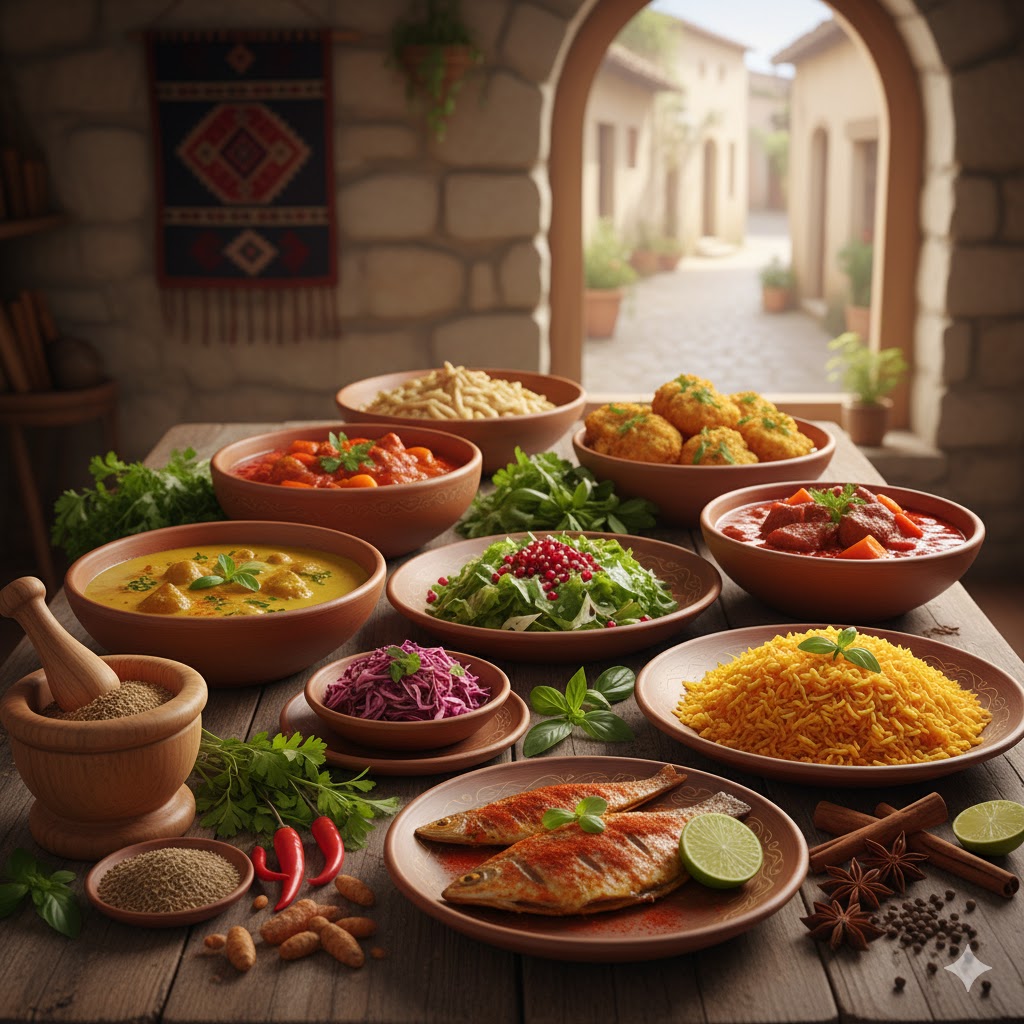
Cuisine is often the first gateway into understanding a culture. Every dish carries a story of local ingredients, traditions, and community. From savoring Moroccan tagines to enjoying Italian pasta handmade by locals, culinary experiences reflect centuries of shared history and flavor.
2. Cultural Travel Through Street Food and Local Life.

Street food is where authenticity thrives. Whether it’s tacos in Mexico City, samosas in Delhi, or crepes in Paris, these humble bites capture the everyday spirit of a place. Eating like a local offers a genuine, unfiltered glimpse into daily life and shared cultural habits.
3. Cultural Travel Experiences: Culinary Workshops and Farm Visits.
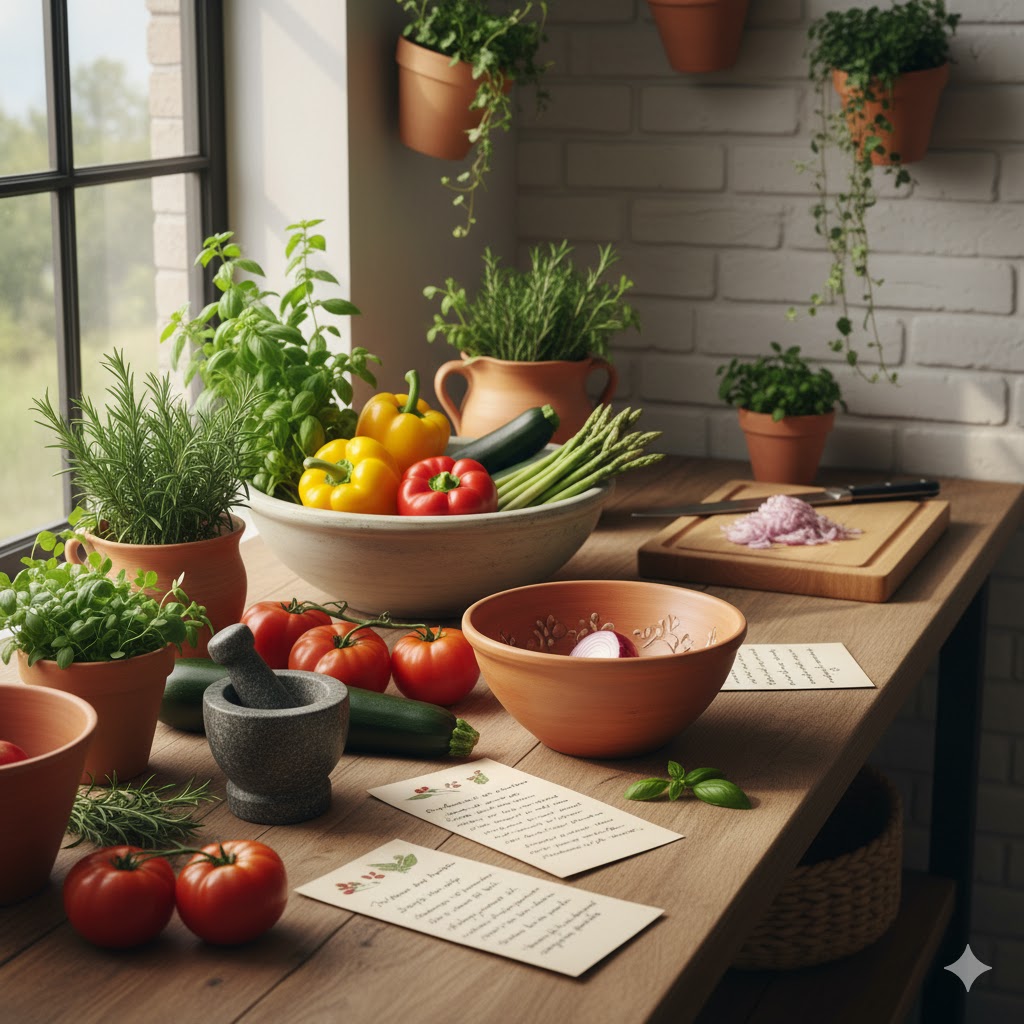
Joining a local cooking class or visiting a farm deepens your cultural immersion. Learning to make regional dishes from locals connects travelers to traditions passed down through generations. It’s travel that feeds both the body and the soul.
4. Cultural Travel and Art as a Reflection of History.
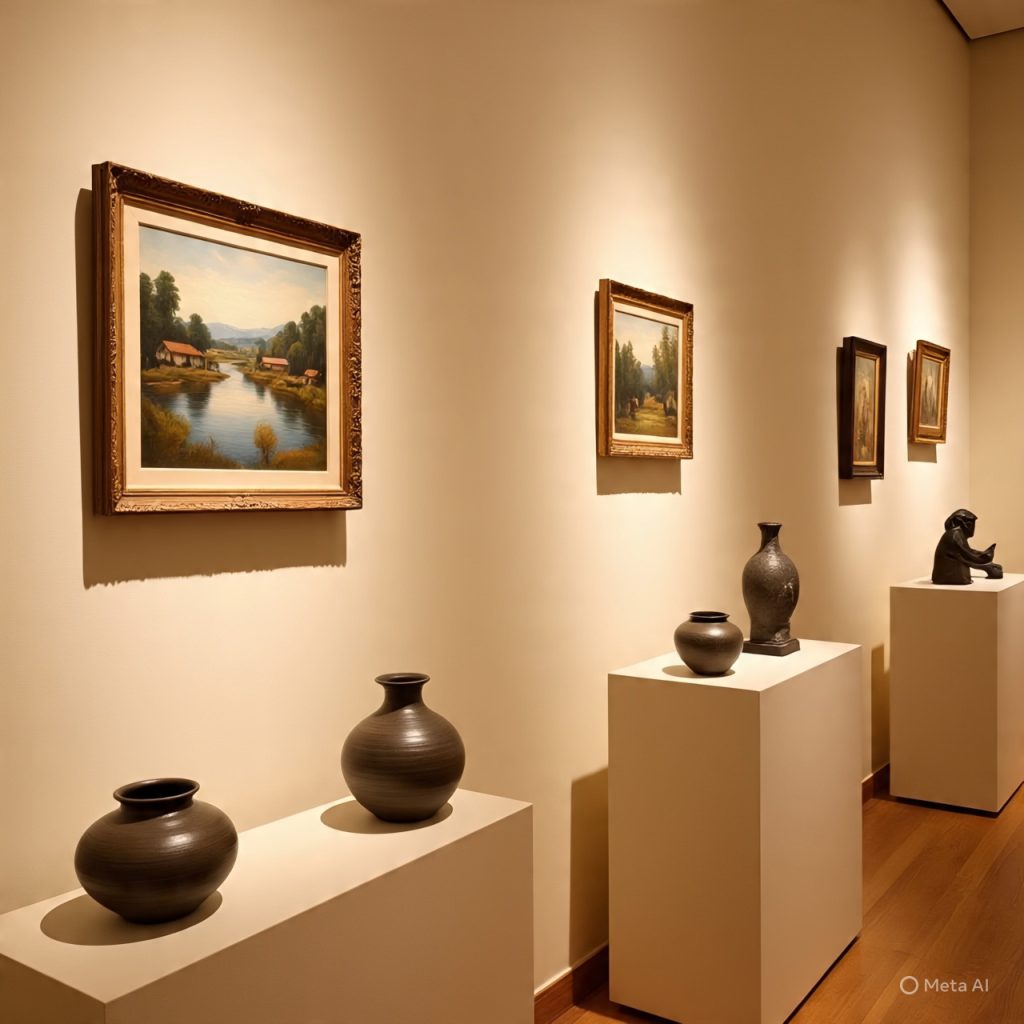
Art is the visual language of culture. From cave paintings to contemporary murals, every brushstroke reveals stories of identity, faith, and emotion. Museums, galleries, and even street walls tell tales of resilience and reinvention across centuries.
5. Traditional Art Forms in Cultural-Travel Around the World.

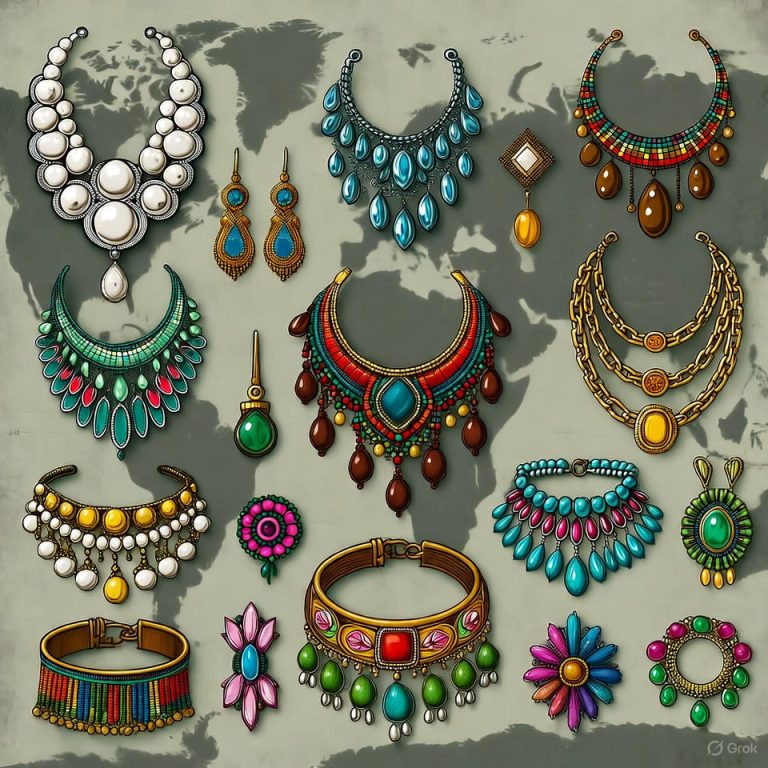
Each region boasts unique art forms—Japanese calligraphy, Indian Madhubani, African beadwork, or Turkish ceramics. Observing artisans at work or participating in workshops allows travelers to witness craftsmanship that defines a nation’s creative spirit.
6. Cultural-Travel and Fashion as Cultural Identity

Cultural festivals blend food, art, and fashion into one vibrant celebration. Attending Rio’s Carnival, India’s Holi, or Japan’s Gion Matsuri immerses visitors in color, sound, and community energy—each moment becoming a living piece of art.
7. Architecture as Cultural Expression
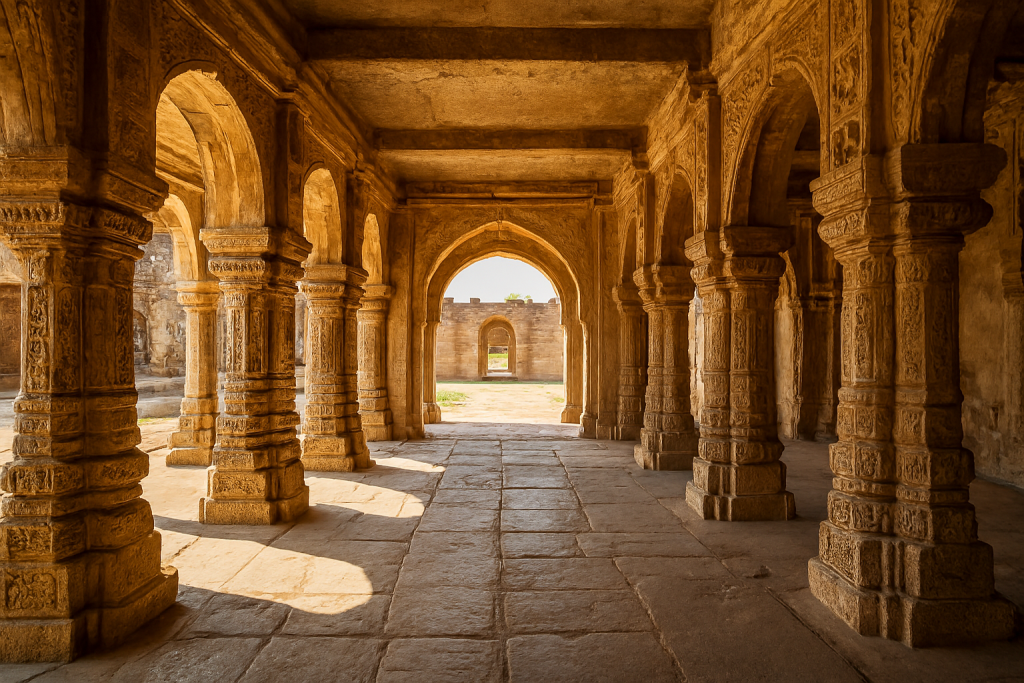
Every building tells a story, and Cultural Travel brings these narratives to life. Ancient temples, Gothic cathedrals, and desert forts reflect faith, climate, and craftsmanship. Exploring these structures feels like walking through history, observing how culture shaped its surroundings through design and detail
8. Fashion: The Fabric of Identity
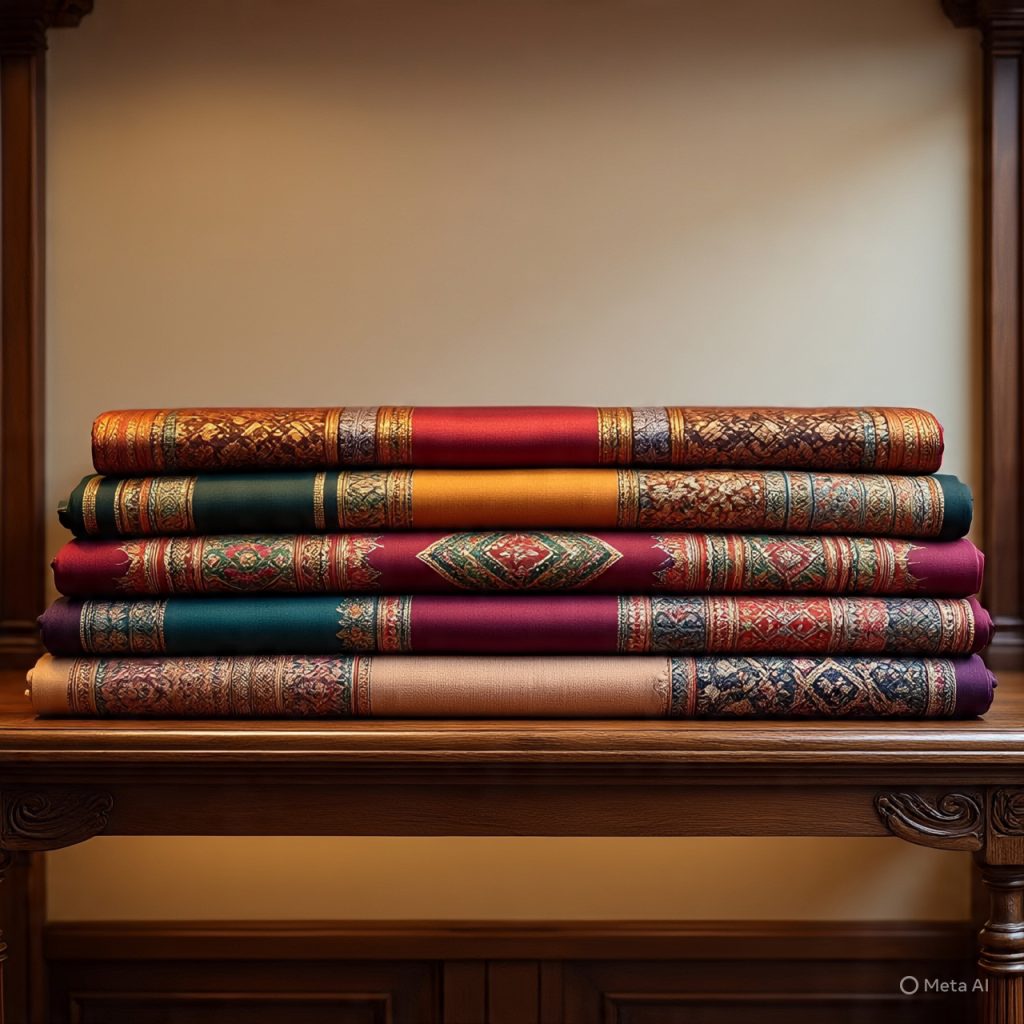
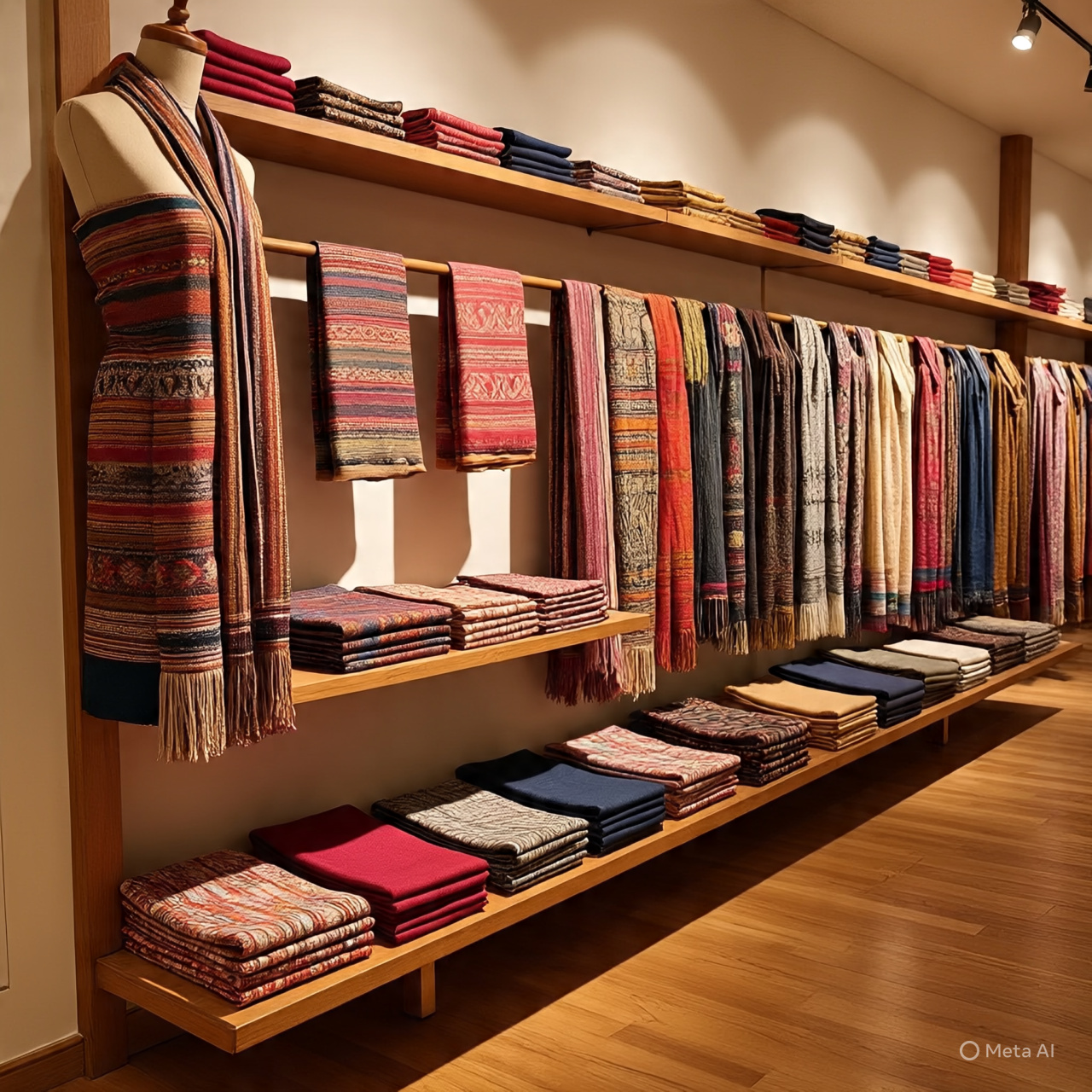
Traditional clothing carries the identity of a community, making fashion an essential part of Cultural Travel. From the intricate embroidery of Palestinian dresses to the elegance of Japanese kimonos, each garment embodies generations of artistry, symbolism, and pride — connecting heritage with modern aesthetics
9. Local Markets and Artisan Bazaars
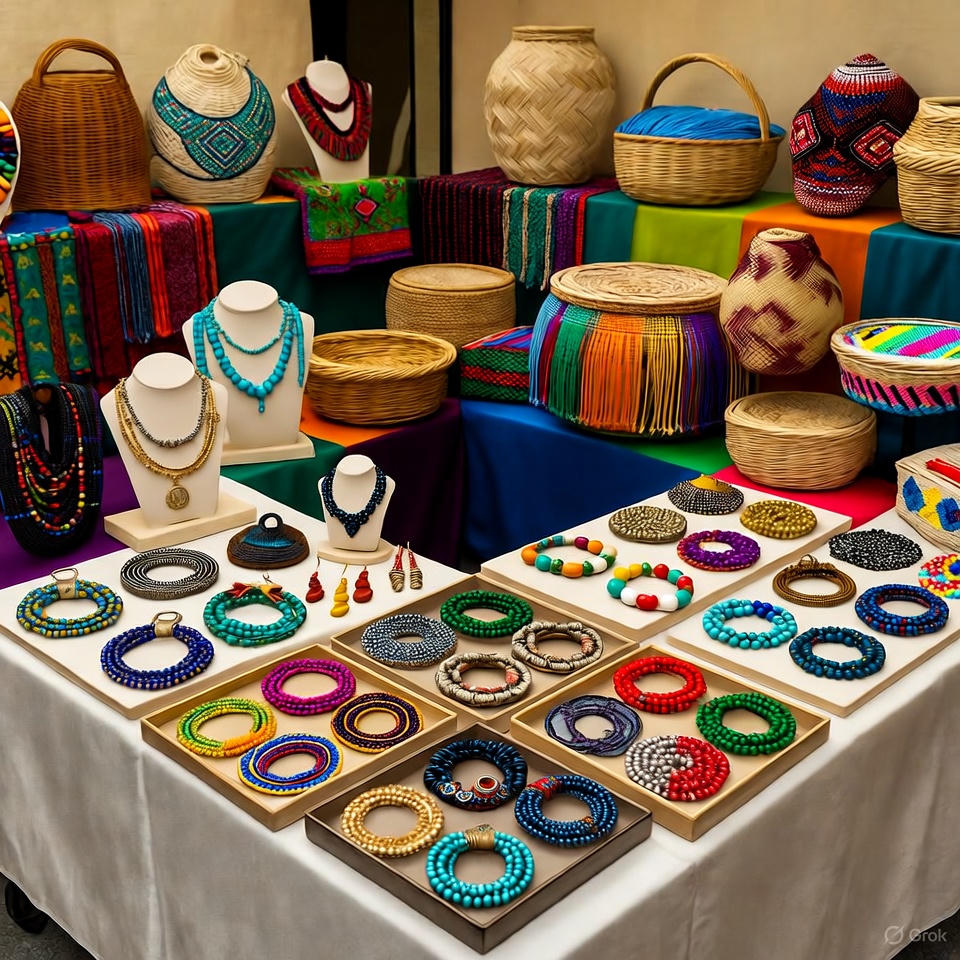
Markets are cultural treasure troves and a highlight of authentic Cultural Travel. Handwoven fabrics, handmade jewelry, and local pottery reveal the artistry and livelihood of local communities. Exploring these spaces supports artisans while offering a tangible connection to their heritage
10. Modern Designers Reviving Traditions

Across the world, designers are blending traditional techniques with modern silhouettes. Whether it’s African prints on streetwear or South Asian handlooms in contemporary fashion, cultural revival through design keeps heritage relevant for new generations.
11. Fusion Food and Global Palates

Just as fashion evolves, so does food. Cultural exchange has given rise to fusion cuisine—think sushi burritos, butter chicken pizza, or matcha tiramisu. These creations celebrate global unity while honoring diverse culinary roots.
12. Immersive Art Experiences

Interactive installations, open-air exhibits, and local galleries bring travelers face-to-face with modern creativity. Cities like Berlin, Kyoto, and Marrakech have become hubs where heritage meets contemporary artistic expression.
13. Preserving Heritage Through Craftsmanship

Handcrafted art, weaving, pottery, and metalwork represent cultural continuity. Supporting local artisans during travel not only sustains traditional livelihoods but also preserves ancestral skills threatened by modernization.
14. Culinary Heritage and Sustainability
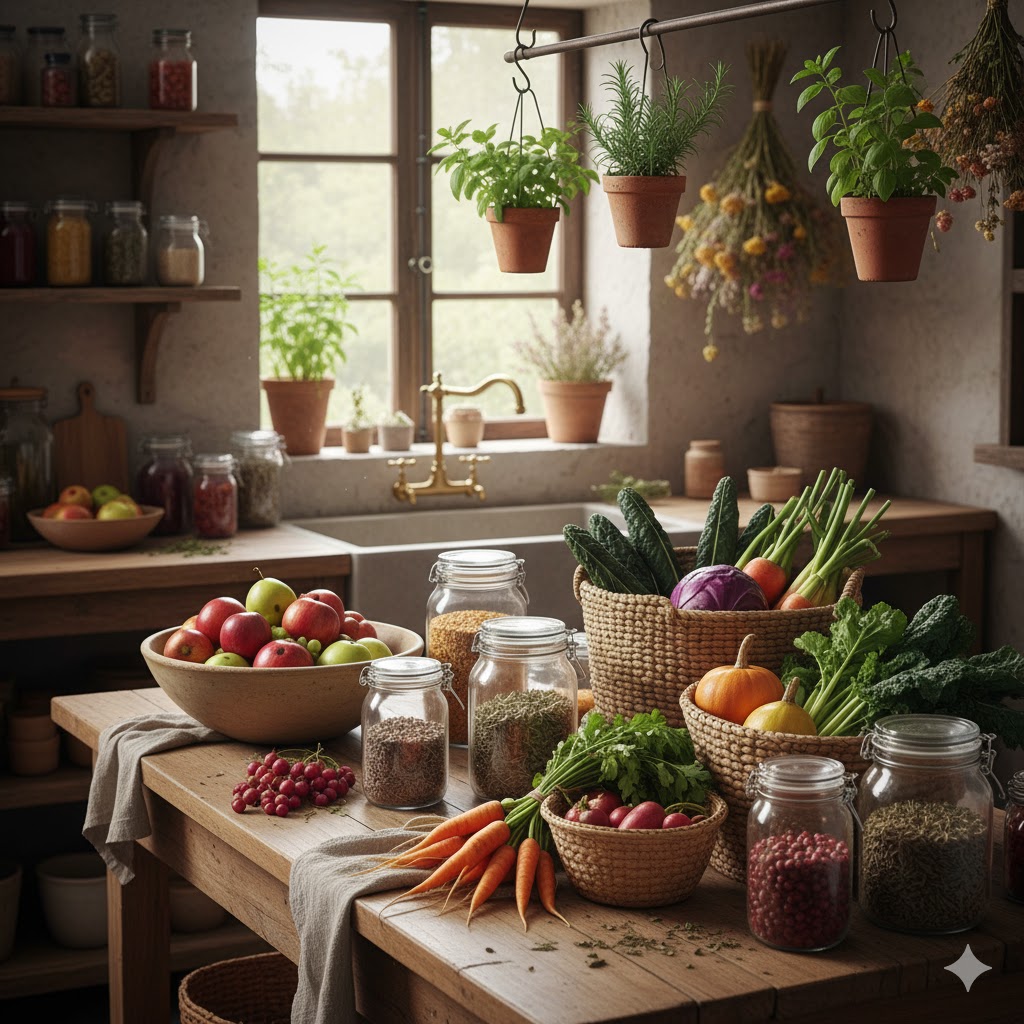
Many traditional cuisines emphasize sustainability—local ingredients, seasonal eating, and minimal waste. Learning about these practices inspires travelers to bring home lessons in mindful, eco-friendly living rooted in culture.
15. Fashion Tourism: Dressing the Part
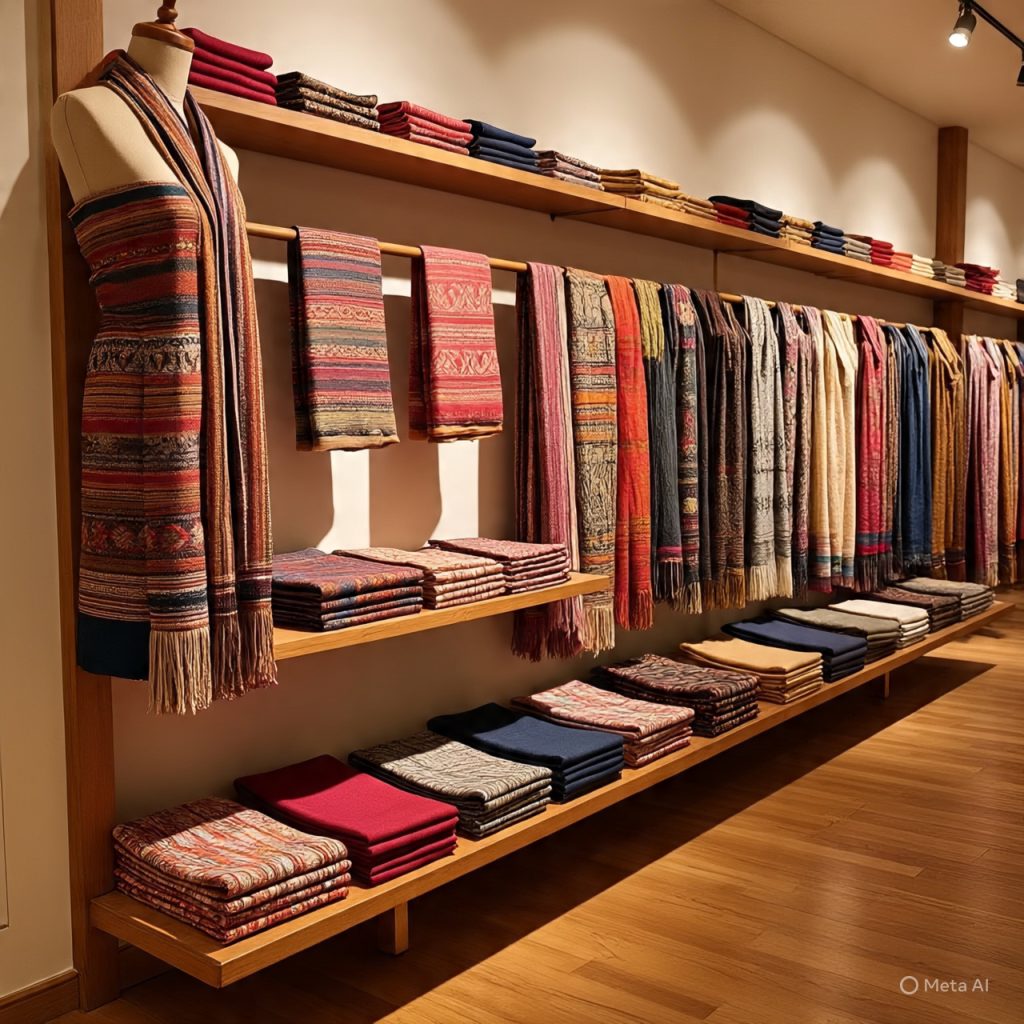
Some travelers explore destinations through fashion—learning local dressing customs or trying regional textiles. Visiting weaving centers in Bali or silk markets in Thailand adds depth to the travel experience and appreciation for artisanal detail.
16. Art Trails and Heritage Walks
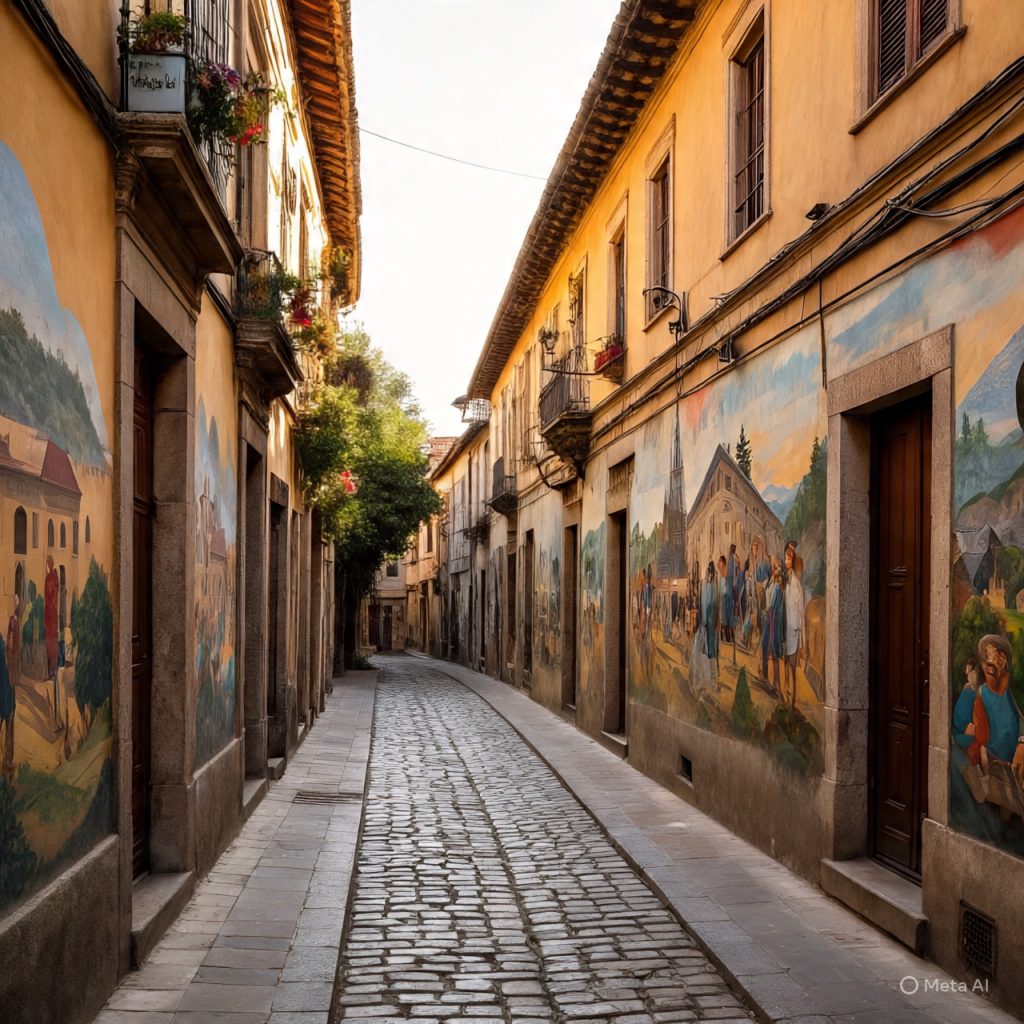
Cities around the world offer heritage walks that combine architecture, art, and storytelling. These experiences reveal how neighborhoods evolved, how art influenced politics, and how traditions survive through space and time.
17. Storytelling Through Food and Fabric
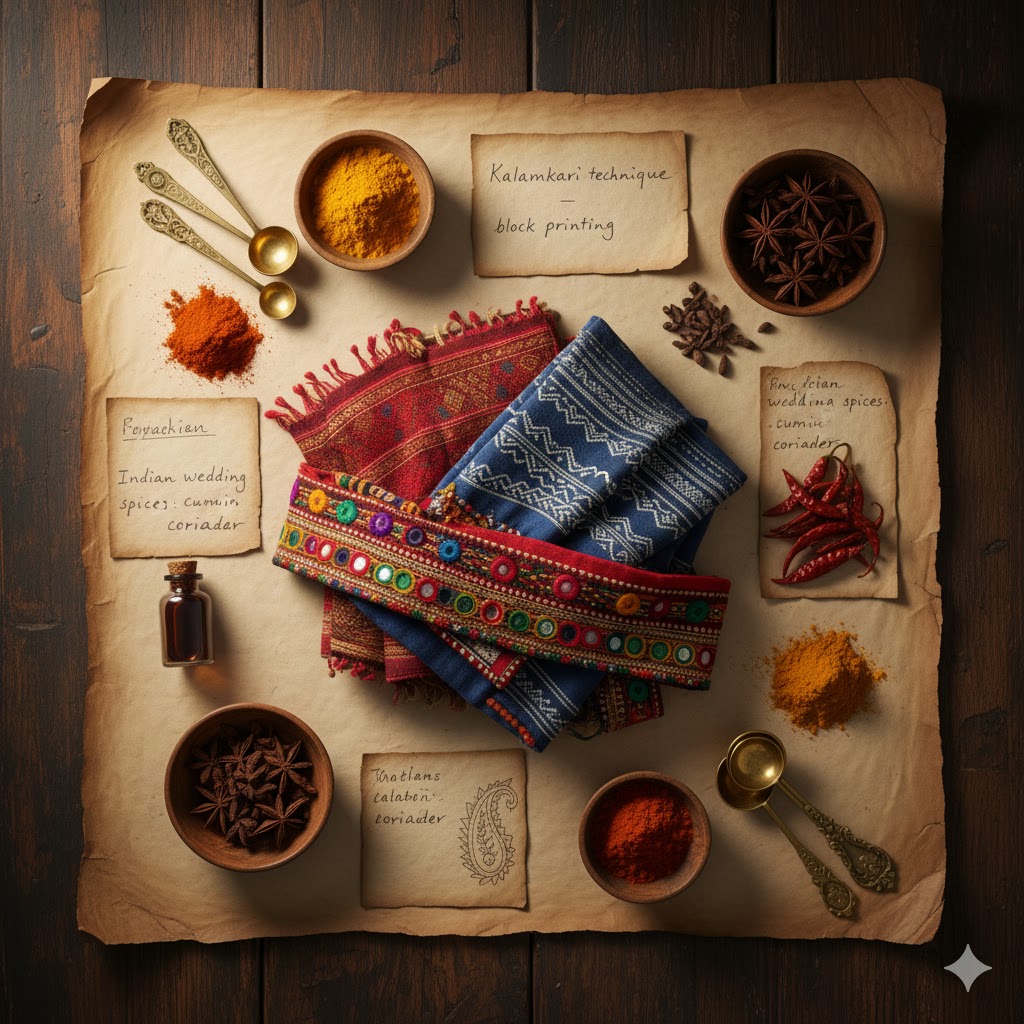
Every meal and every piece of fabric carries a narrative. From the spices of Middle Eastern kitchens to the handwoven patterns of Andean textiles, storytelling lives in textures, colors, and flavors passed down over centuries.
18. Cultural Exchange and Respectful Travel
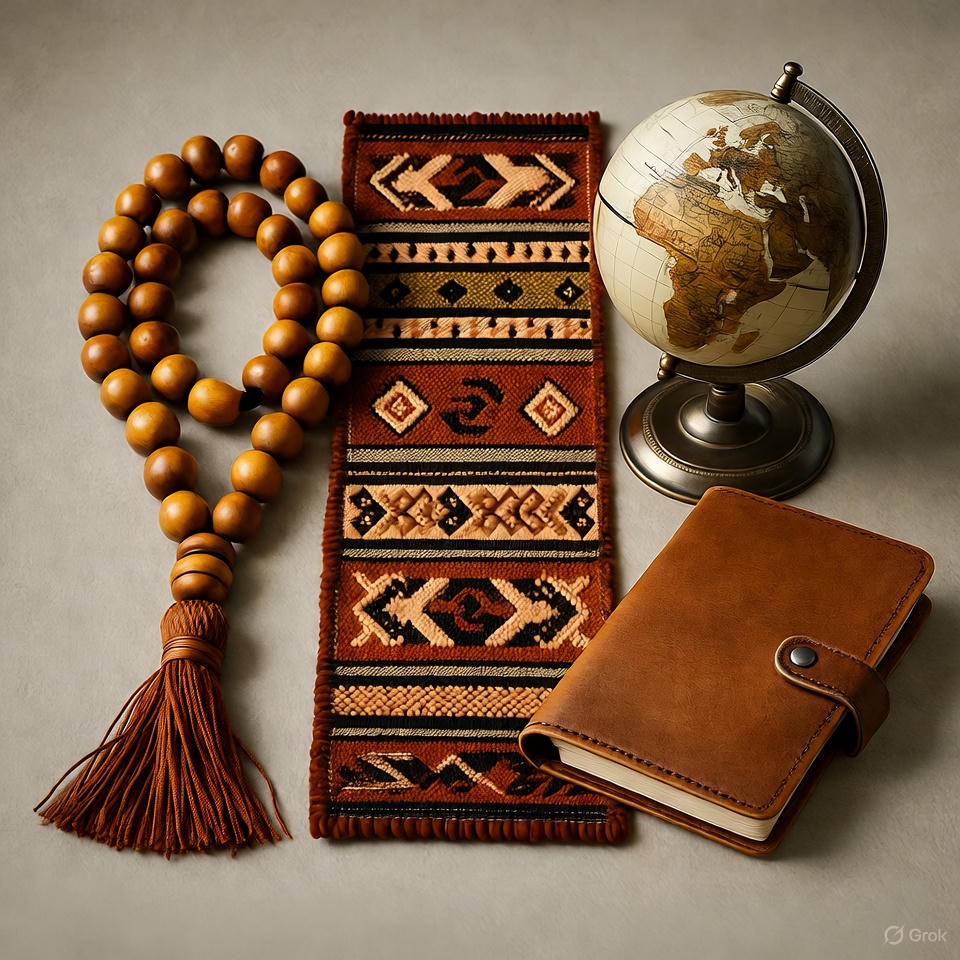
True cultural exploration comes with respect. Learning a few local phrases, understanding traditions, or dressing modestly at religious sites shows appreciation. Responsible travelers engage rather than observe, ensuring cultural exchanges remain mutual and meaningful.
Final Thoughts: Traveling with Heart and Heritage
Cultural travel is a journey of understanding—where art, food, and fashion become teachers. It invites us to slow down, connect, and appreciate the diversity that makes humanity so rich. By exploring heritage through creative expressions, we don’t just discover the world—we discover ourselves.