Smart Strategies for Staying Healthy in a Fast-Paced World
Introduction:
Maintaining good health has become a challenge in today’s fast-paced environment. Long working hours, digital overload, and disrupted routines can weaken physical and mental well-being. The good news is that adopting Healthy Living Strategies doesn’t require huge lifestyle changes. Small, consistent habits create long-term results.
This blog explores smart, realistic, and science-backed Healthy Living Strategies that help you stay energetic, focused, and balanced — even when life gets busy.
1. Start With Balanced and Simple Nutrition
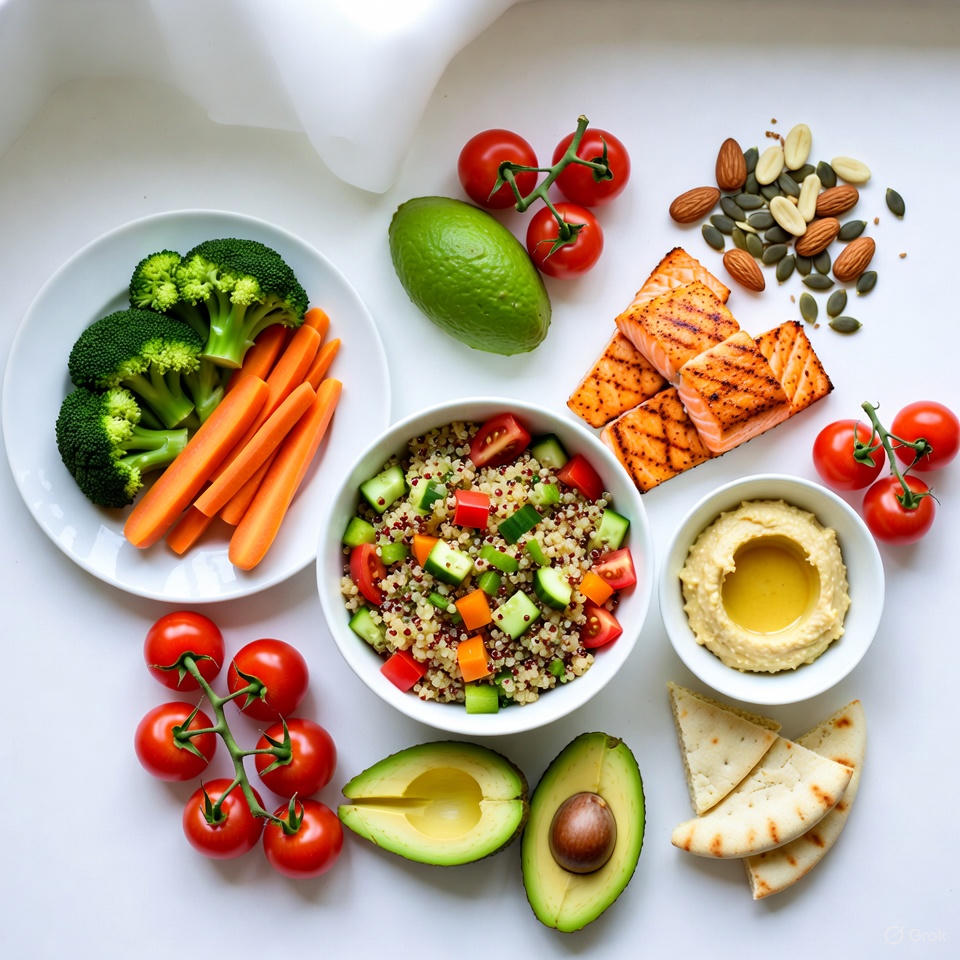
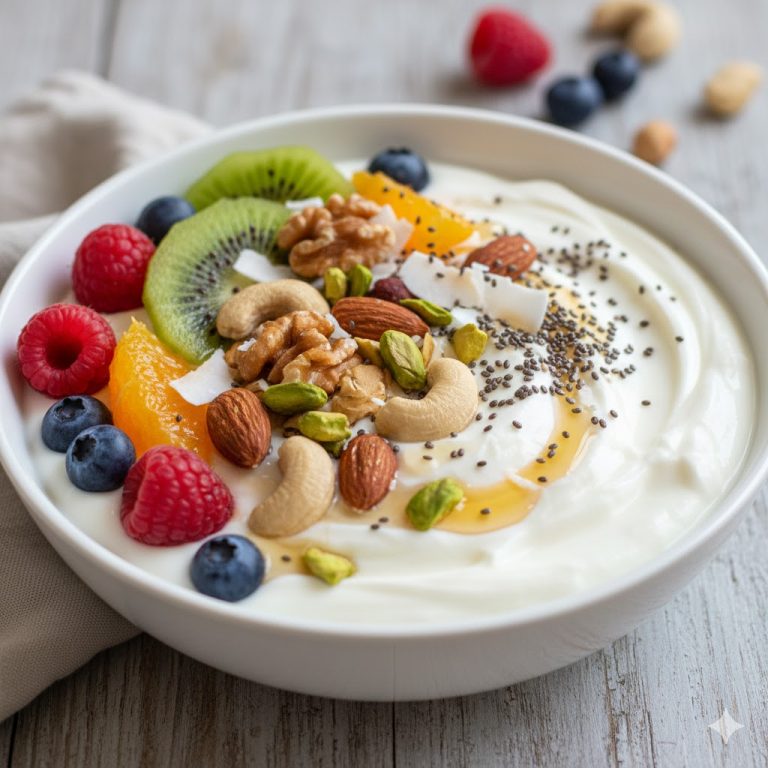
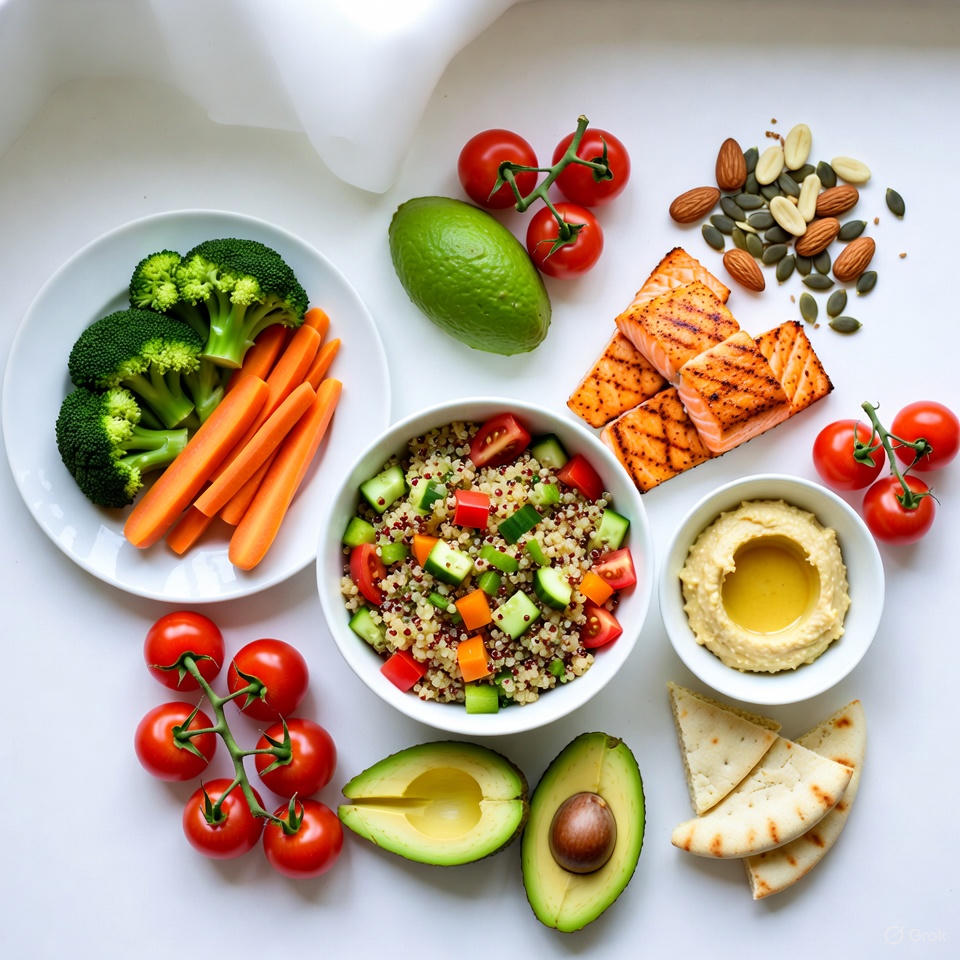
Healthy eating does not require complicated diets. Choosing balanced meals with whole grains, lean proteins, fruits, vegetables, and healthy fats is enough to support energy and immunity. One of the most effective Healthy Living Strategies is meal prepping, which helps avoid unhealthy snacking and fast food. Simple options like smoothies, salads, soups, and roasted vegetables easily fit into daily routines.
2. Hydration: The Most Ignored Health Habit

Most people underestimate the importance of drinking enough water. Dehydration leads to fatigue, headaches, poor focus, and digestive issues. Among essential Healthy Living Strategies, proper hydration plays a key role in physical and mental performance. Herbal teas, lemon-infused water, and electrolyte-balanced drinks further support daily hydration needs.
3. Daily Movement: Fitness Without the Gym
Physical movement plays a major role in Healthy Living Strategies. You don’t need a gym membership or advanced training. Simple habits such as walking for 30 minutes, using stairs, stretching at your desk, or doing body-weight exercises at home can improve blood flow, cholesterol levels, metabolism, and mood. Even short 5-minute movement breaks every hour prevent stiffness and fatigue.
4. Strength Training for Long-Term Health

Strength training is often overlooked, but it is essential for muscle health, bone density, and metabolism. Activities like resistance-band workouts, light weights, or push-ups and squats help build a stronger body. Just 20 minutes, three times a week, can provide long-term benefits such as reduced risk of injury and improved posture.
5. Healthy Sleep: The Foundation of Well-Being
A good night’s sleep repairs the body, restores energy, and supports brain function. Aim for 7–8 hours of high-quality sleep every night. Smart sleep strategies include:
- Reducing screen time before bed
- Keeping the bedroom dark and cool
- Following a fixed sleep schedule
- Limiting caffeine in the evening
Healthy Living Strategies are incomplete without improving sleep consistency.
6. Stress Management in a Digital Age

Stress is one of the biggest threats to health today. Constant notifications, workload pressure, and digital distractions increase mental fatigue. Simple stress-control techniques such as deep breathing, mindfulness, journaling, and taking short digital breaks help maintain mental clarity. Nature sounds, aromatherapy, and quiet reflection also assist in calming the mind.
7. Healthy Gut, Healthy Body
Gut health plays a major role in immunity, mood, and digestion. Adding probiotics (yogurt, kefir), fiber-rich foods, and fermented items like pickles or kimchi supports healthy gut bacteria. Drinking warm water, reducing processed sugar, and maintaining regular mealtimes also improve gut function.
8. Avoiding Unhealthy Habits: The Smart Approach
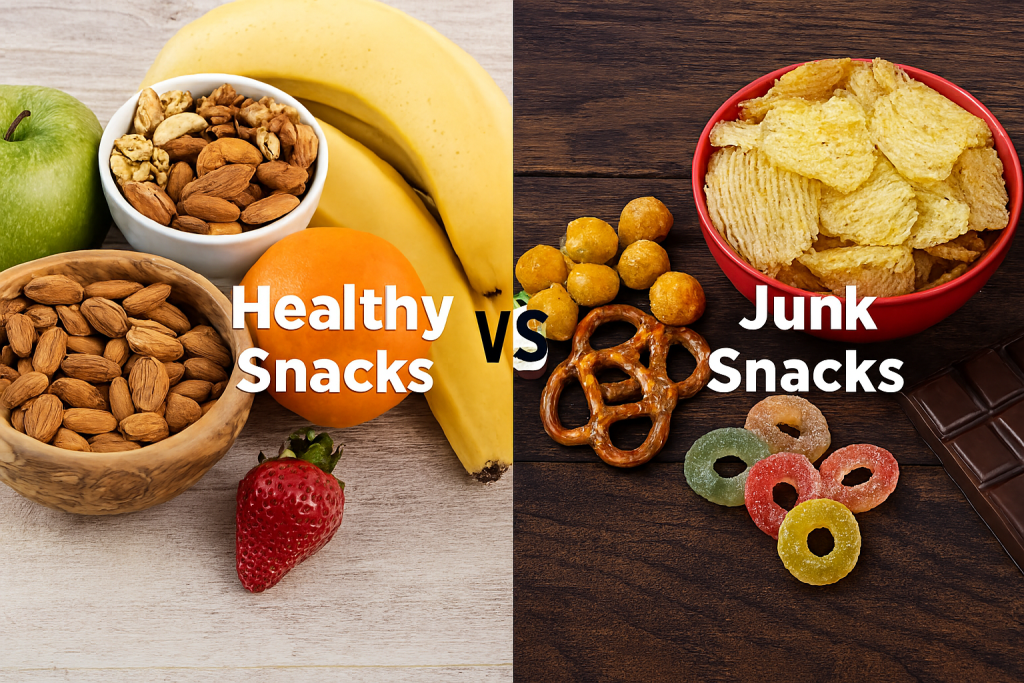
Healthy Living Strategies encourage replacing bad habits with better alternatives instead of restrictive rules. Examples include:
- Replacing sugary drinks with infused water
- Choosing nuts instead of chips
- Eating fruit instead of dessert
- Watching portion sizes
- Reducing late-night snacking
Small, manageable substitutions have a powerful long-term impact.
9. Preventive Health Care: Stay Ahead of Problems
Regular checkups, blood tests, dental exams, and eye tests help detect issues early. Monitoring blood pressure, blood sugar, and cholesterol levels ensures long-term wellness. Using health apps or smart devices for tracking your daily steps, heart rate, and sleep quality increases awareness and encourages consistent habits.
10. Technology for Better Health
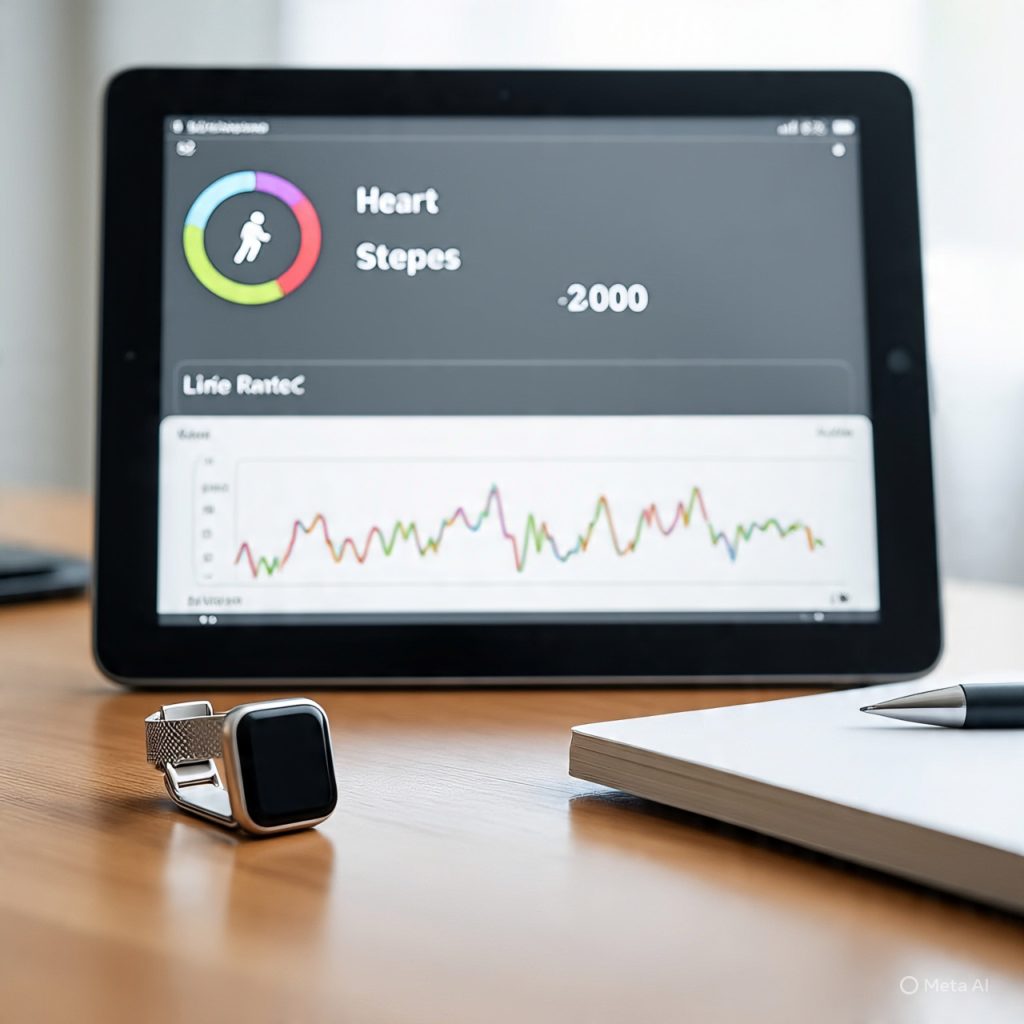
Technology can support healthy living if used wisely. Health apps, calorie trackers, guided workout videos, meditation apps, smartwatches, and meal-planning tools all help maintain discipline. They provide reminders, measure progress, and motivate you to stay consistent. Technology becomes a powerful partner in improving daily habits.
Conclusion:
Building a healthy lifestyle is not about perfection — it is about consistency. These practical Healthy Living Strategies support physical, mental, and emotional well-being without overwhelming routines. Whether you begin with better hydration, mindful eating, daily movement, or stress control, every step contributes to long-term vitality.
By following sustainable Healthy Living Strategies, anyone can create a balanced, energetic, and healthier life — even in a fast-paced world.