12 Healthy Eating for a Better Lifestyle
Introduction
A healthy eating lifestyle is not just a diet—it is a long-term commitment to better living. In today’s fast-paced world, people often turn to quick meals, sugary snacks, and processed foods due to convenience. However, adopting healthy eating habits helps improve energy levels, maintain ideal weight, protect the body from diseases, and boost mental clarity. This blog explores simple, practical, and science-backed ways to transform your eating habits without stress.
1. Start Your Day With a Balanced Breakfast.

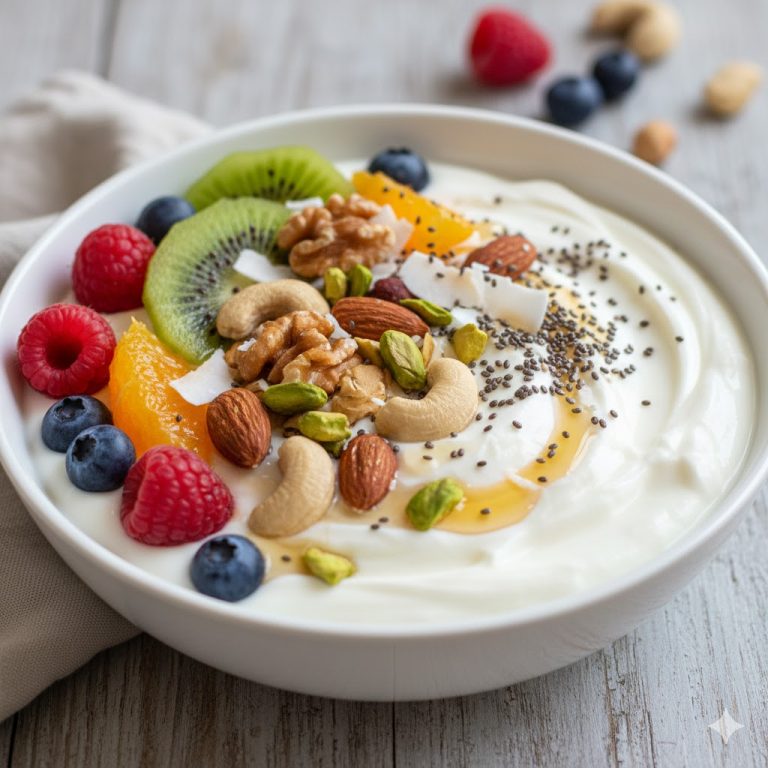
A balanced breakfast fuels your body after long hours of sleep and sets the tone for healthy eating throughout the day. Including whole grains, proteins, and fruits helps maintain steady energy levels and improves concentration. Avoid sugary cereals and processed foods, and instead choose nutrient-dense options like oatmeal, eggs, smoothies, or yogurt bowls. A nutritious breakfast supports metabolism and prevents unhealthy cravings later in the day
2. Add More Fresh Vegetables to Every Meal.

Morning meals play a crucial role in long-term healthy eating habits. When breakfast is skipped, energy drops and overeating becomes more likely later. Planning simple breakfasts in advance makes consistency easier. Overnight oats, boiled eggs, or fruit with nut butter are quick options that support a balanced lifestyle without extra effort
3. Choose Whole Grains Over Refined Grains.

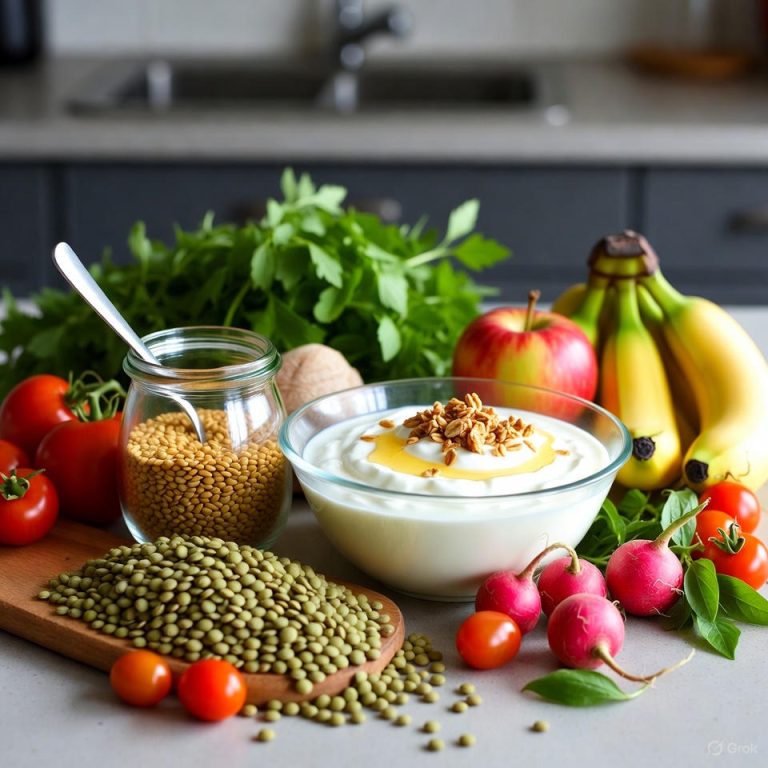
Whole grains such as brown rice, quinoa, oats, and whole-wheat bread are essential for healthy-eating. They provide fiber, vitamins, and minerals that support digestion and heart health. Unlike refined grains, whole grains help maintain steady blood sugar levels and keep you full for longer, reducing unhealthy snacking
4. Increase Your Water Intake.

Hydration is a key part of healthy eating and overall wellness. Drinking enough water supports digestion, boosts energy, and improves skin health. Replace sodas and sugary drinks with water, herbal teas, or infused water. Aim for at least 6–8 glasses daily to support body functions and appetite control
5. Reduce Sugar and Processed Foods.

Excess sugar consumption leads to weight gain, fatigue, and chronic health problems. A major step toward healthy eating is reducing packaged foods, sugary drinks, and desserts. Choose natural alternatives like fruits, nuts, dates, or small amounts of honey to satisfy sweet cravings while protecting your health
6. Eat Healthy Snacks Between Meals.
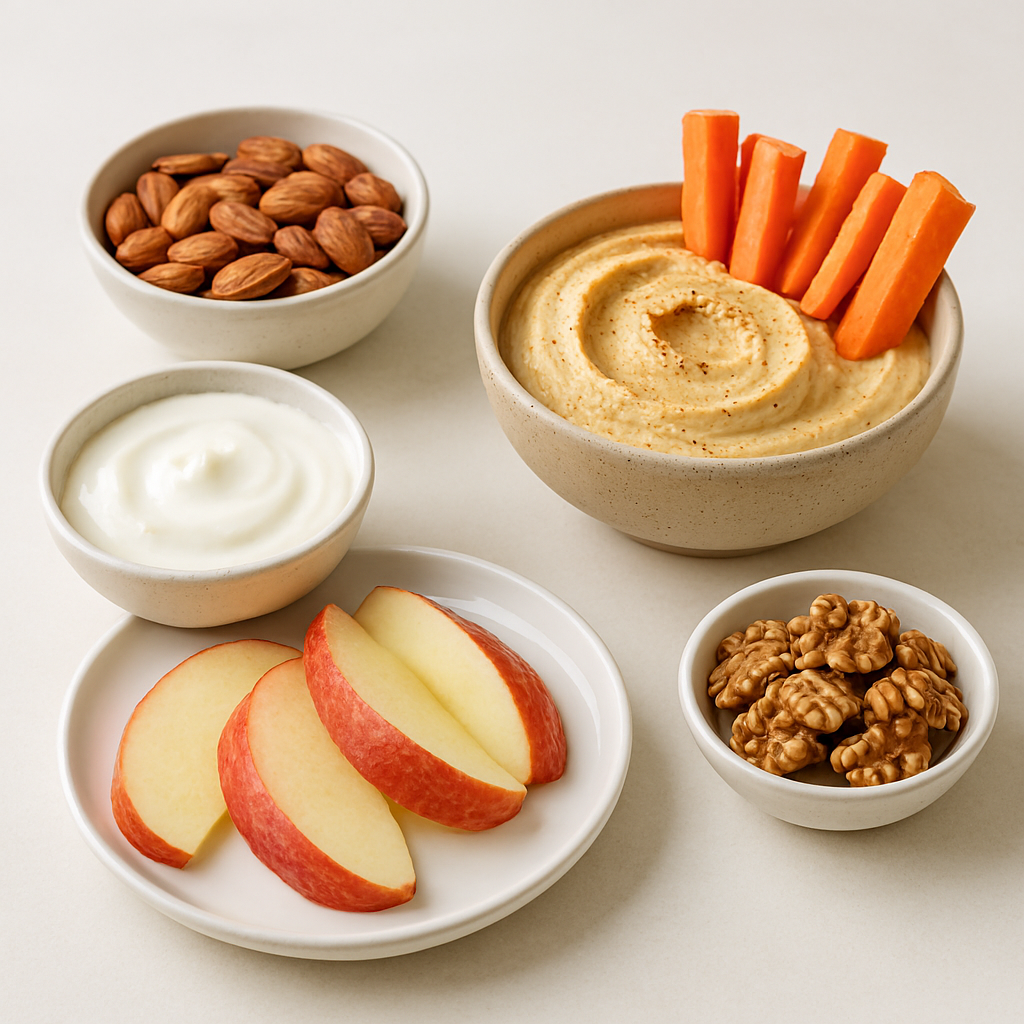
Healthy snacking prevents overeating during main meals. Choose nuts, fruits, yogurt, or hummus instead of chips or cookies.
7. Focus on Lean Proteins.

Choose lean proteins like fish, chicken breast, beans, tofu, and lentils. They help build muscles, improve metabolism, and keep you full longer.۔
8. Use Healthy Cooking Methods.

Shift from deep-frying to healthier methods like steaming, baking, and grilling. These methods reduce unnecessary calories.
9. Practice Mindful Eating.

Avoid eating in a hurry. Eat slowly, chew well, and enjoy every bite. This helps control overeating and improves digestion.
10. Prepare Meal Plans for the Week.

Weekly meal planning saves time and ensures healthier food choices. Prepare a simple menu with balanced meals and snacks.
11. Understand Portion Control.
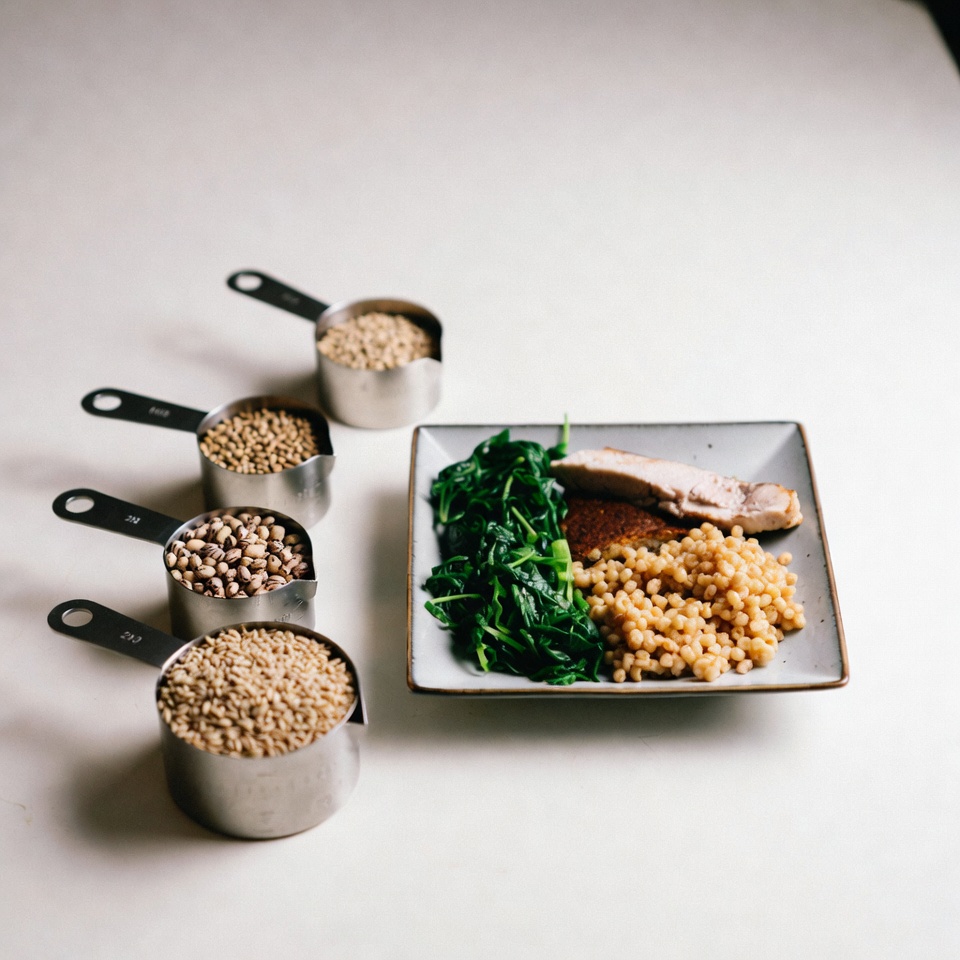
Even healthy foods can cause weight gain if eaten in large portions. Use smaller plates, and stop eating when you feel satisfied—not full.
12. Build Long-Term Healthy Habits.

Healthy eating is a lifestyle, not a temporary plan. Make slow and steady changes rather than drastic shifts. Consistency brings long-term results.
Final Thoughts:
A healthy eating lifestyle is achievable for everyone. With balanced meals, mindful choices, and simple daily habits, you can improve your physical and mental well-being. Start small, stay consistent, and enjoy a healthier life.