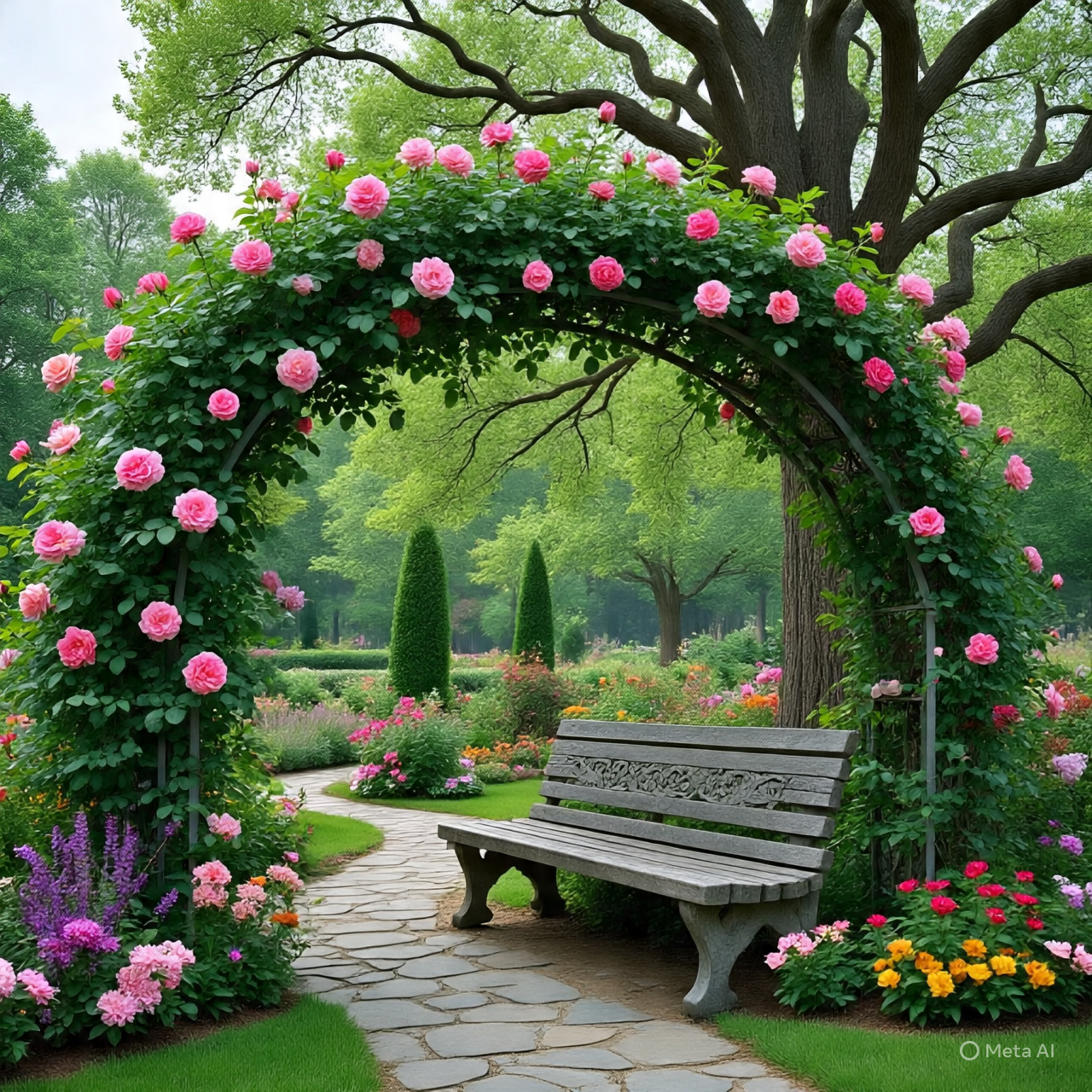
Create Your Perfect English Cottage Garden Paradise.
Introduction:
An English Cottage Garden is more than just a collection of flowers—it’s a living canvas of color, fragrance, and timeless charm. Known for its romantic appeal and slightly wild elegance, this garden style celebrates nature in its most graceful form.
Whether you have a spacious yard or a compact backyard, creating your own English Cottage Garden is about blending layered blooms, soft textures, and rustic details into a harmonious outdoor retreat filled with personality.
1. Understanding the English Cottage Garden Style.
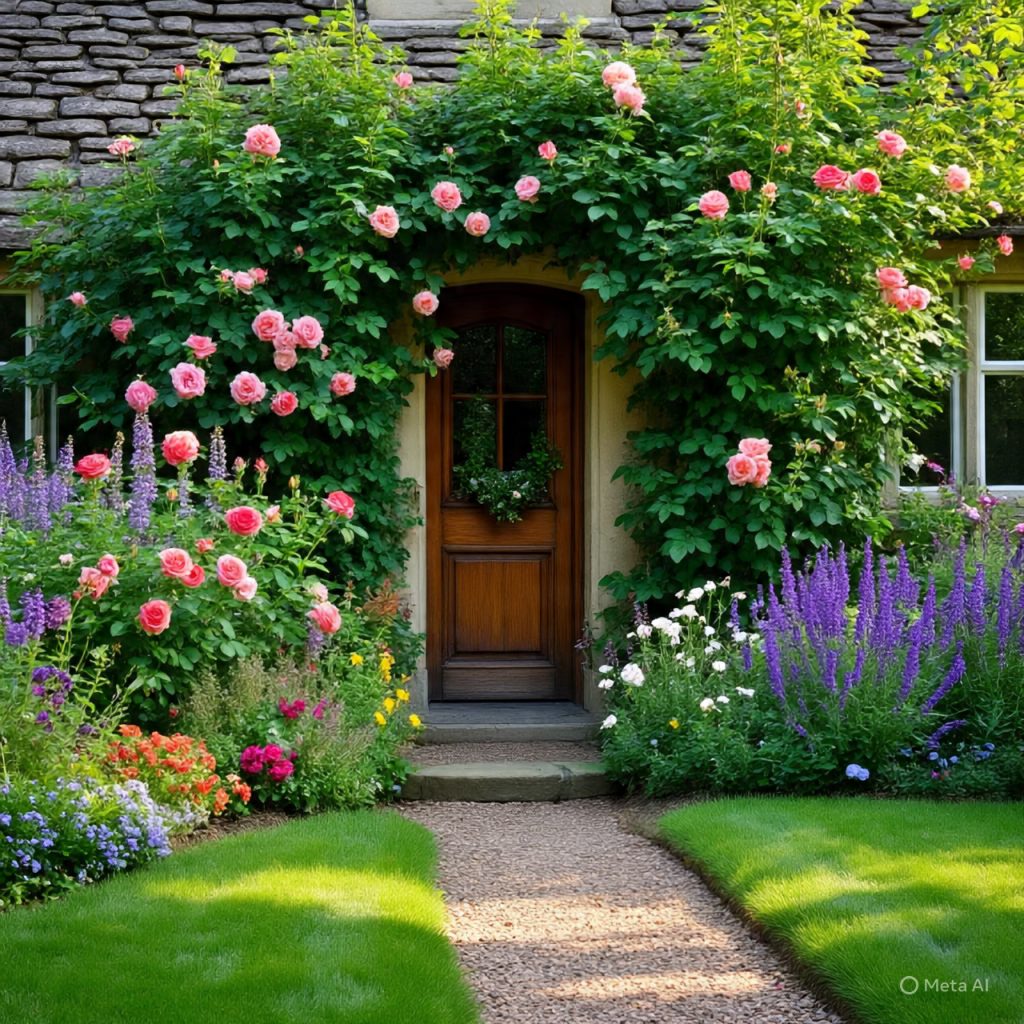
The English cottage garden originated in rural England during the 16th century, where practicality met beauty. People grew flowers alongside vegetables and herbs, creating informal yet functional landscapes. Today, this style symbolizes effortless grace—lush, unstructured, and always bursting with life.
Key features include:
- Layered planting with overlapping blooms
- Curved pathways and climbing vines
- Mix of perennials, herbs, and shrubs
- Rustic materials like stone and wrought iron
2. Choosing the Right Plants.
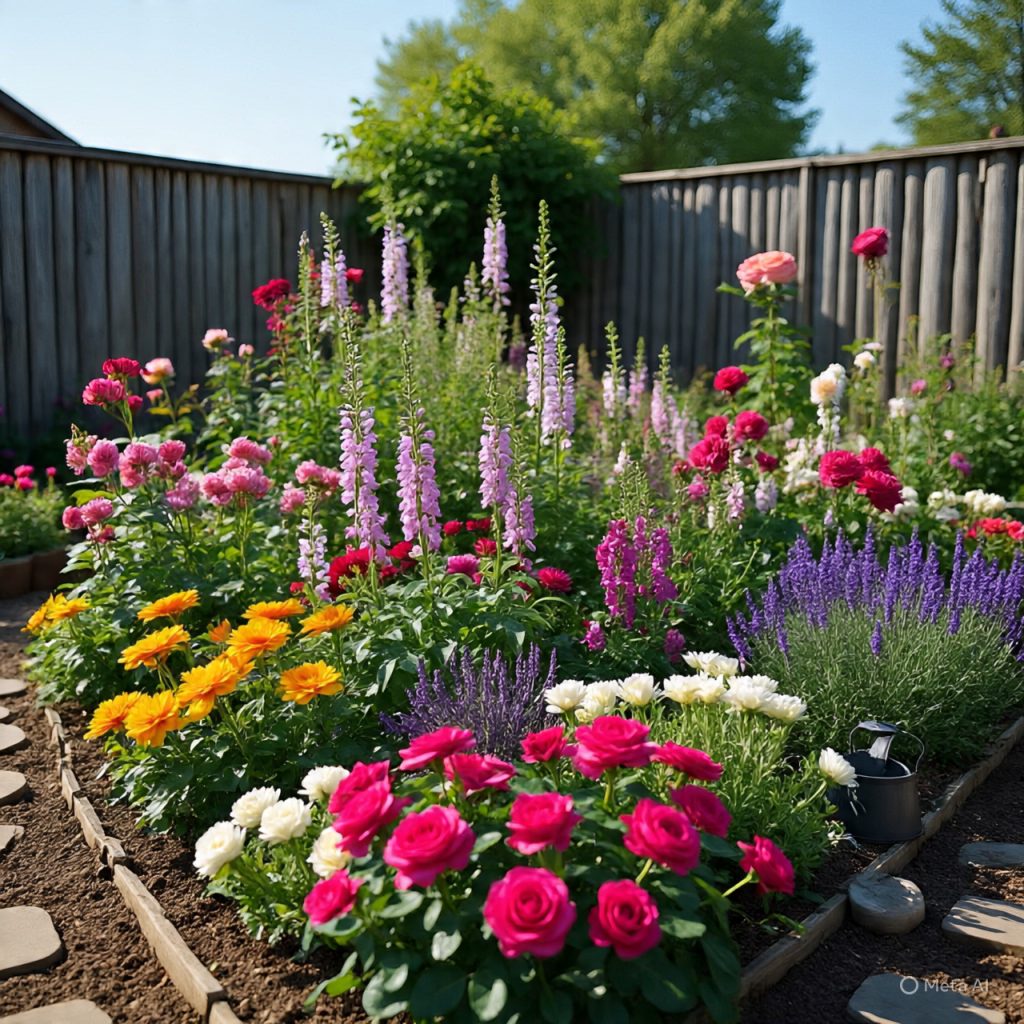
An authentic cottage garden celebrates abundance. Think layers of color, texture, and fragrance all year round.
Classic English cottage plants:
- Roses: Climbing or shrub roses for timeless elegance
- Lavender: Adds fragrance and structure
- Foxgloves & Delphiniums: For height and drama
- Peonies & Hollyhocks: Romantic, old-fashioned favorites
- Sweet Peas & Poppies: For splashes of seasonal color
Tip: Mix heights and hues to mimic a naturally “wild” effect—no strict order, just pure beauty.
3. Designing for Structure and Flow.
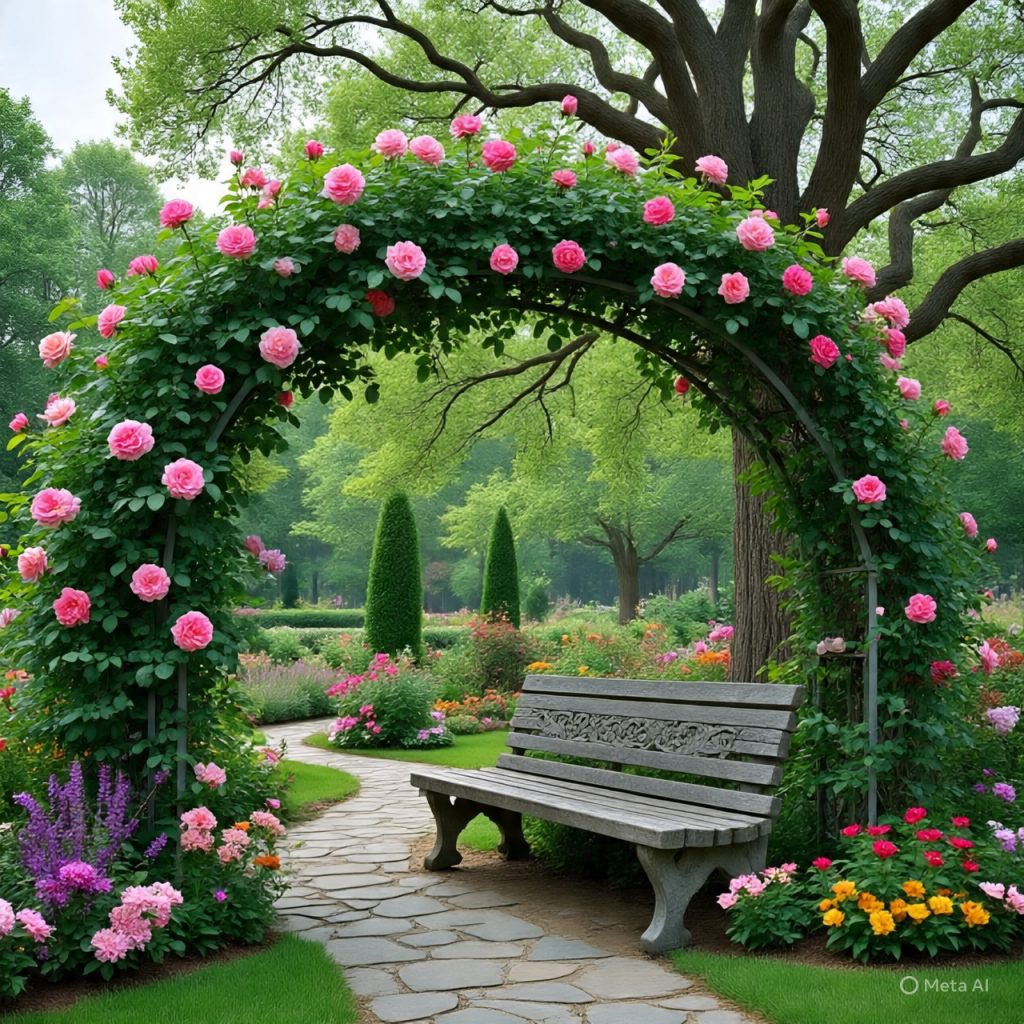
While the English cottage garden appears free-form, it’s secretly well-planned. Structure comes from pathways, hedges, and focal points.
Design essentials:
- Winding gravel or brick paths to guide visitors
- Wrought-iron arches draped in climbing roses
- Picket fences or stone borders for definition
- A birdbath, bench, or sundial as a focal centerpiece
Every path should lead to a visual “moment”—a hidden corner, a floral archway, or a rustic gate.
4. Adding Color Harmony and Layers.
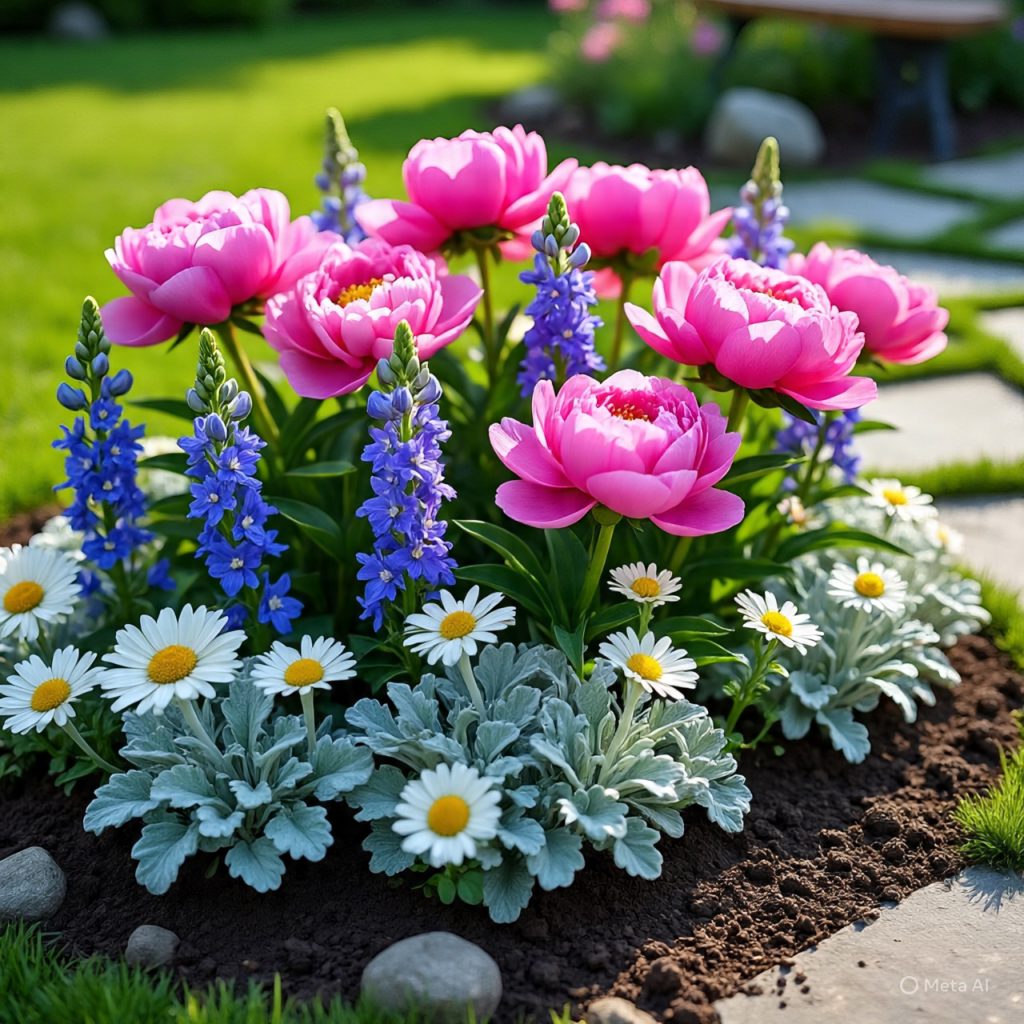
Cottage gardens thrive on color, but harmony is key. Aim for a palette that transitions gently between tones.
Color tips:
- Combine soft pastels like blush pink, lavender, and ivory
- Add deep accents—burgundy roses or indigo delphiniums—for contrast
- Use evergreens and silver foliage (like lamb’s ear or sage) for year-round texture
Layer tall plants at the back, medium blooms in the middle, and ground covers up front for depth and natural flow.
5. Incorporating Edible Beauty.
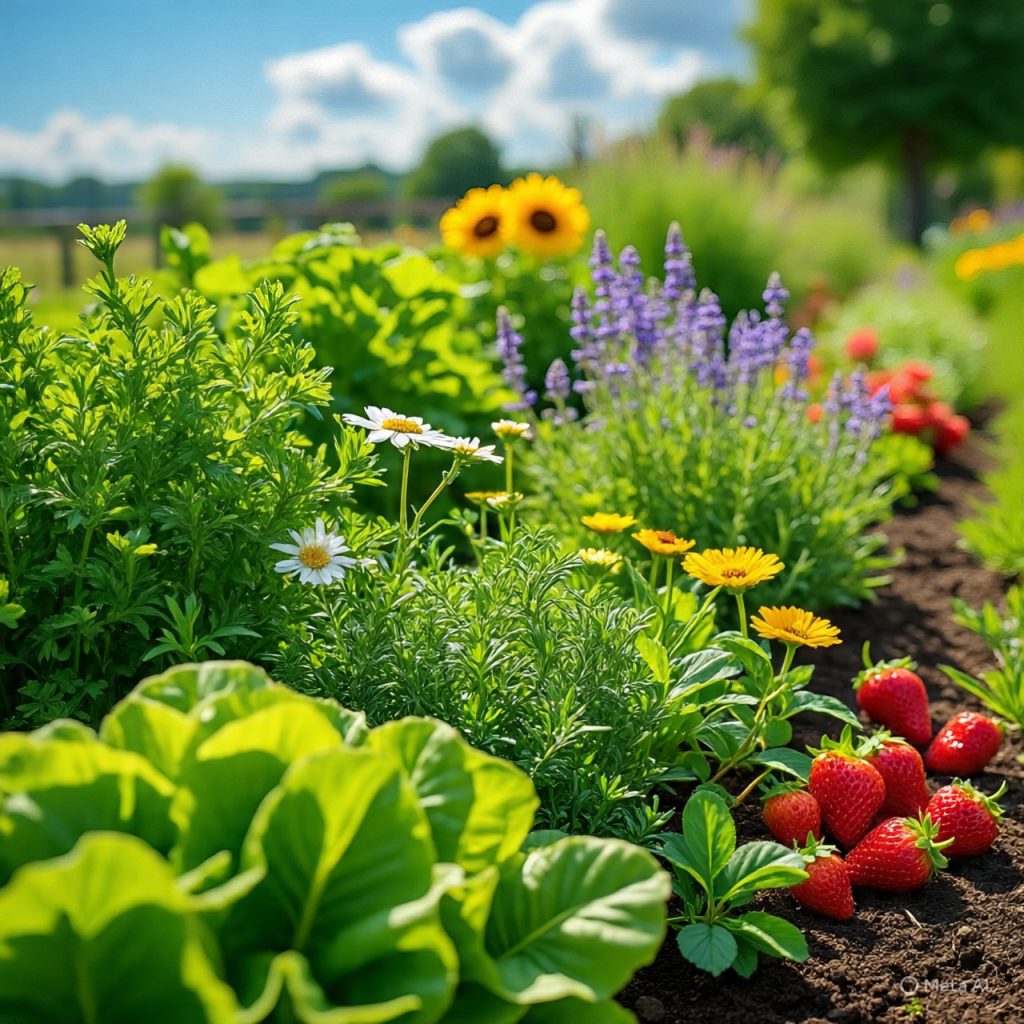
The charm of an English cottage garden also lies in practicality—flowers and food growing side by side.
Include:
- Herbs: Rosemary, thyme, chives, mint
- Vegetables: Kale, lettuce, or beans along borders
- Fruiting plants: Strawberries or currant bushes for a sweet touch
Interplanting adds variety and supports pollinators, enriching the garden’s ecosystem.
6. Encourage Wildlife and Pollinators.
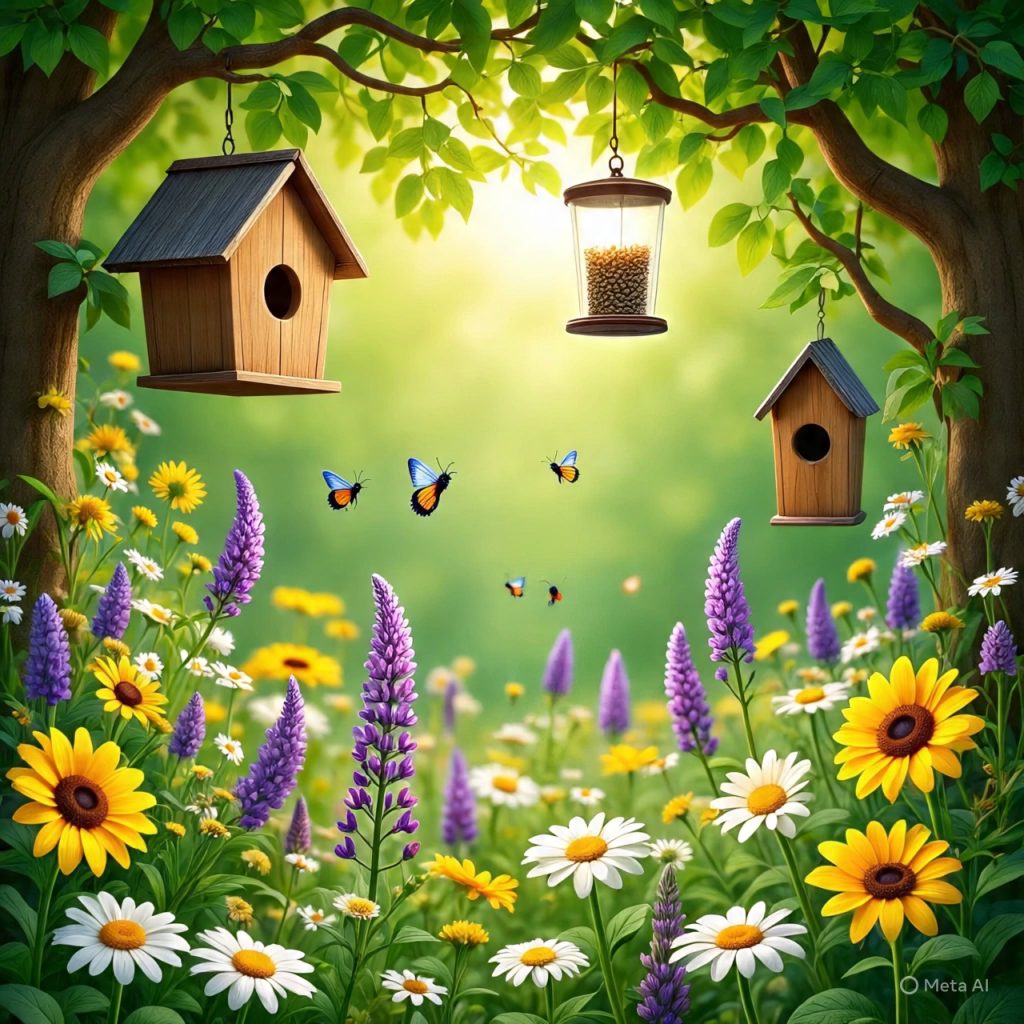
A true English garden hums with life. Invite bees, butterflies, and birds to create a self-sustaining paradise.
Try adding:
- Birdhouses and feeders
- Butterfly-friendly plants like buddleia
- Bee hotels and wildflower corners
This not only adds beauty but also keeps your garden healthy and thriving.
7. Rustic Details and Garden Accessories.
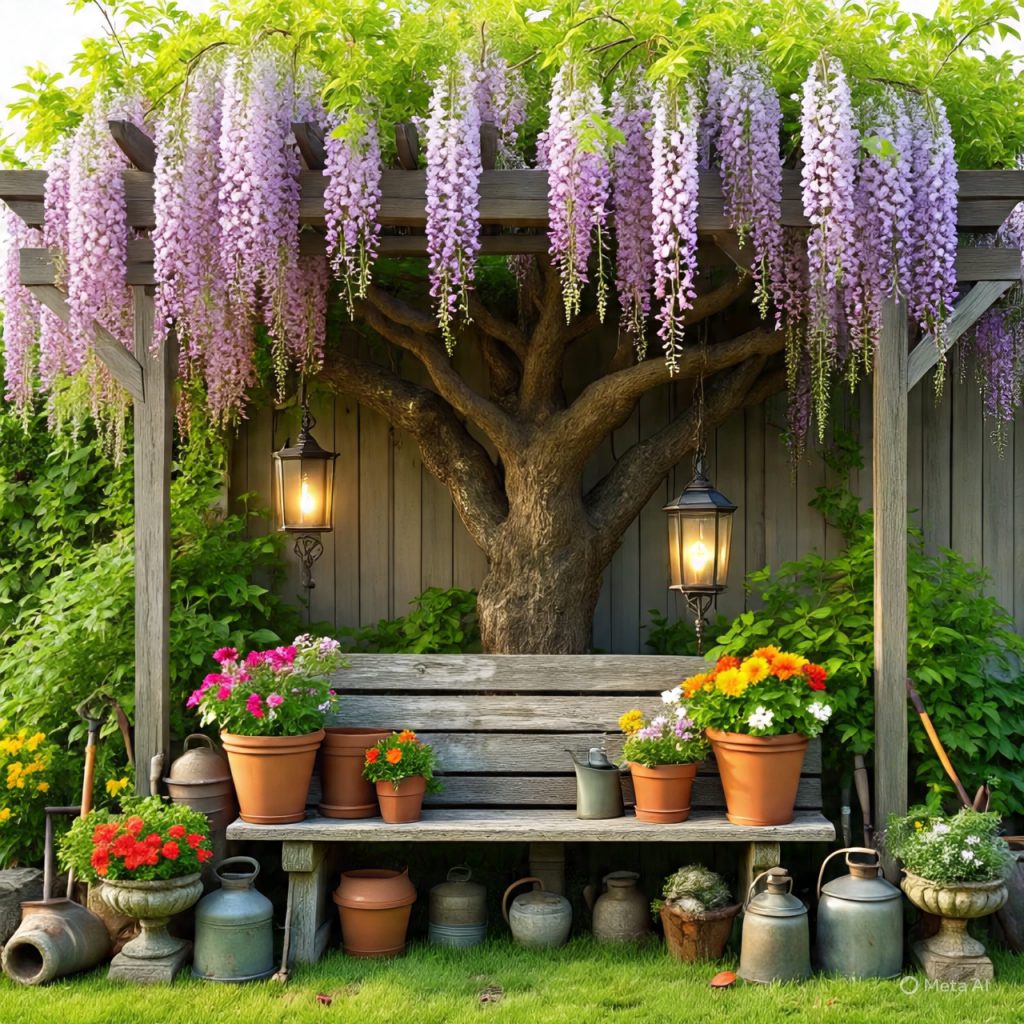
Accessories complete the story of a cottage garden. Choose materials that age gracefully and add character.
Ideas include:
- A weathered wooden bench tucked under a tree
- Stone pots and terracotta urns
- Iron lanterns and vintage watering cans
- A rustic pergola with hanging wisteria
These details turn your garden into an inviting retreat.
Maintaining Your English Cottage Garden Paradise۔
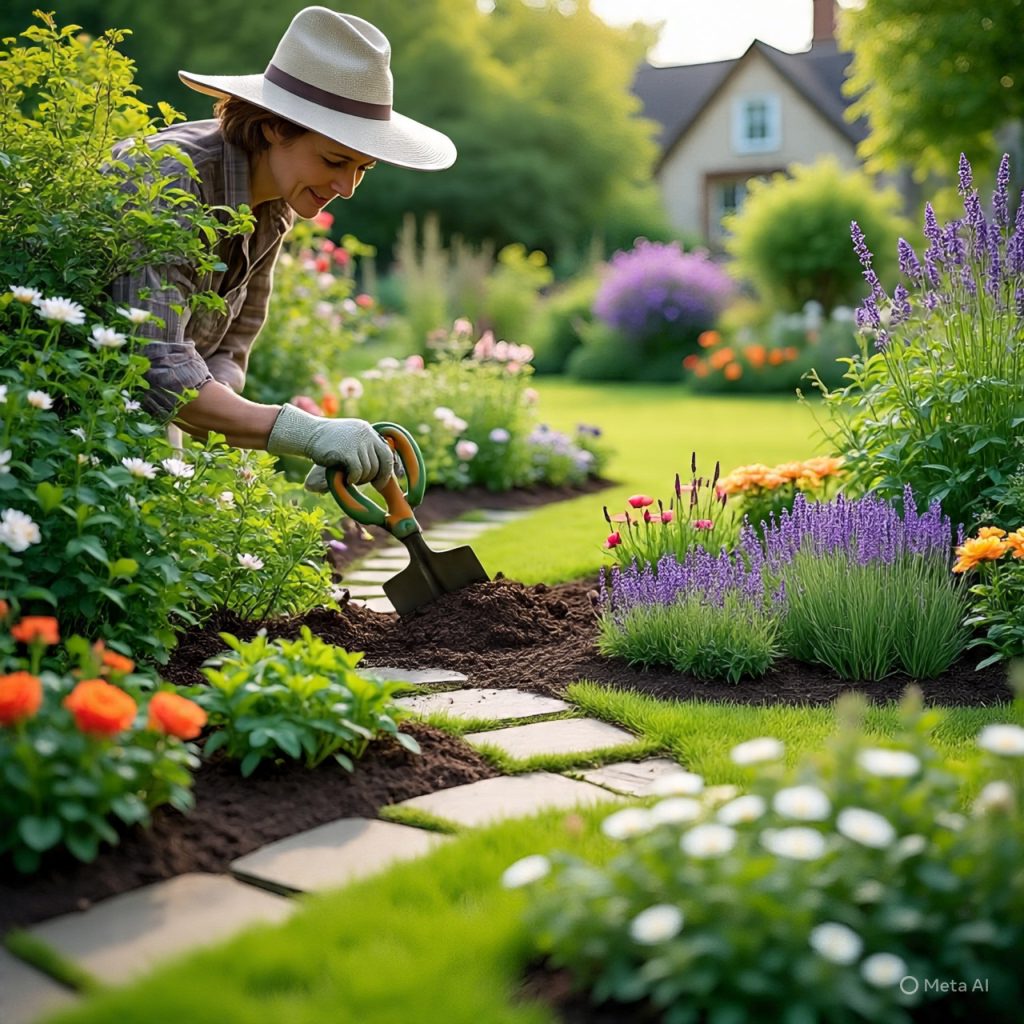
Cottage gardens may look wild, but they still need care. Regular pruning, deadheading, and soil nourishment keep your blooms healthy and long-lasting.
Maintenance checklist:
- Deadhead spent flowers to promote regrowth
- Trim herbs regularly for flavor and fullness
- Add compost or organic mulch each season
- Divide perennials every few years to refresh growth
Remember, imperfection is part of the charm—don’t worry if plants spill over or intertwine. That’s what makes it magical!
9. Maintaining Your Paradise.
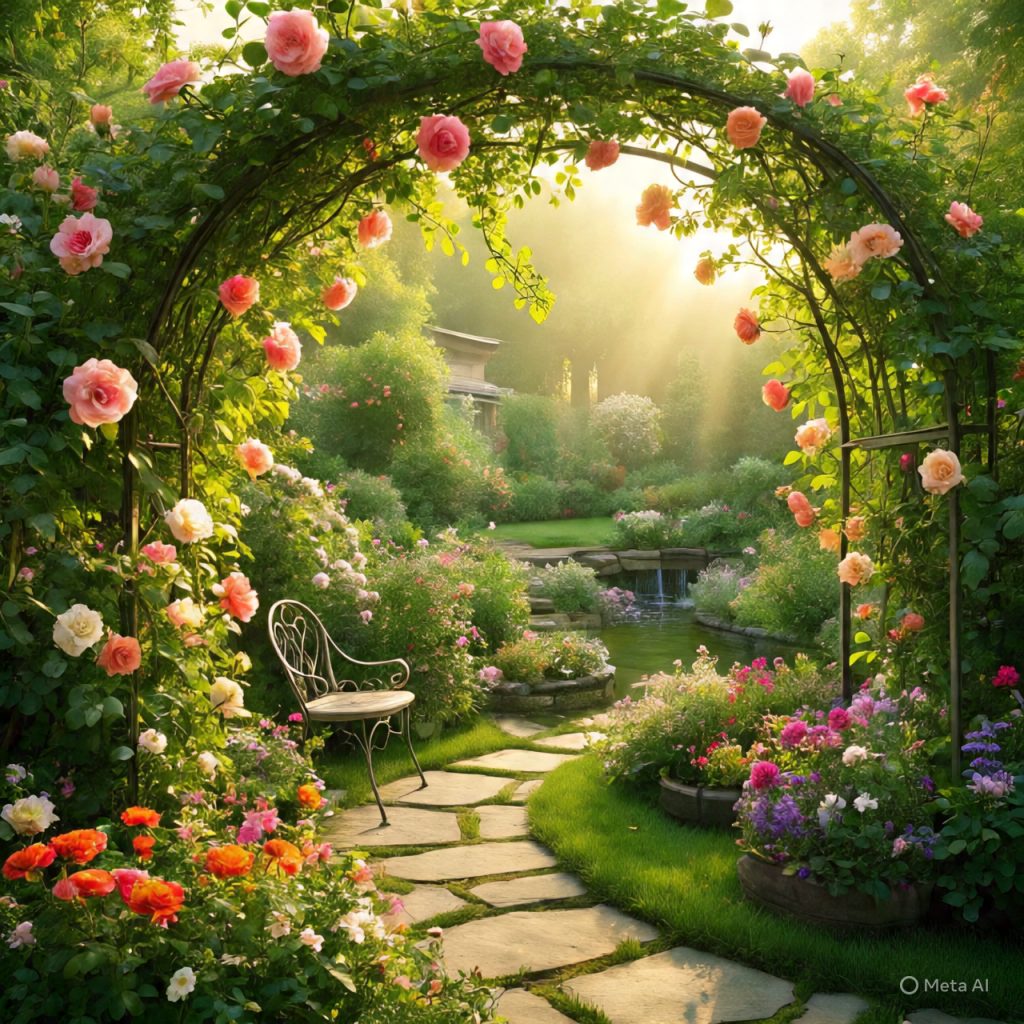
Cottage gardens might look wild, but they still appreciate a little love. Gentle maintenance keeps them lush and balanced.
Simple care tips:
- Deadhead regularly to encourage new blooms
- Prune climbing plants to maintain shape
- Compost often for healthy soil
- Mulch to retain moisture and suppress weeds
Embrace a touch of imperfection—overlapping flowers and soft edges are part of the beauty.
10. Creating a Personal Retreat.
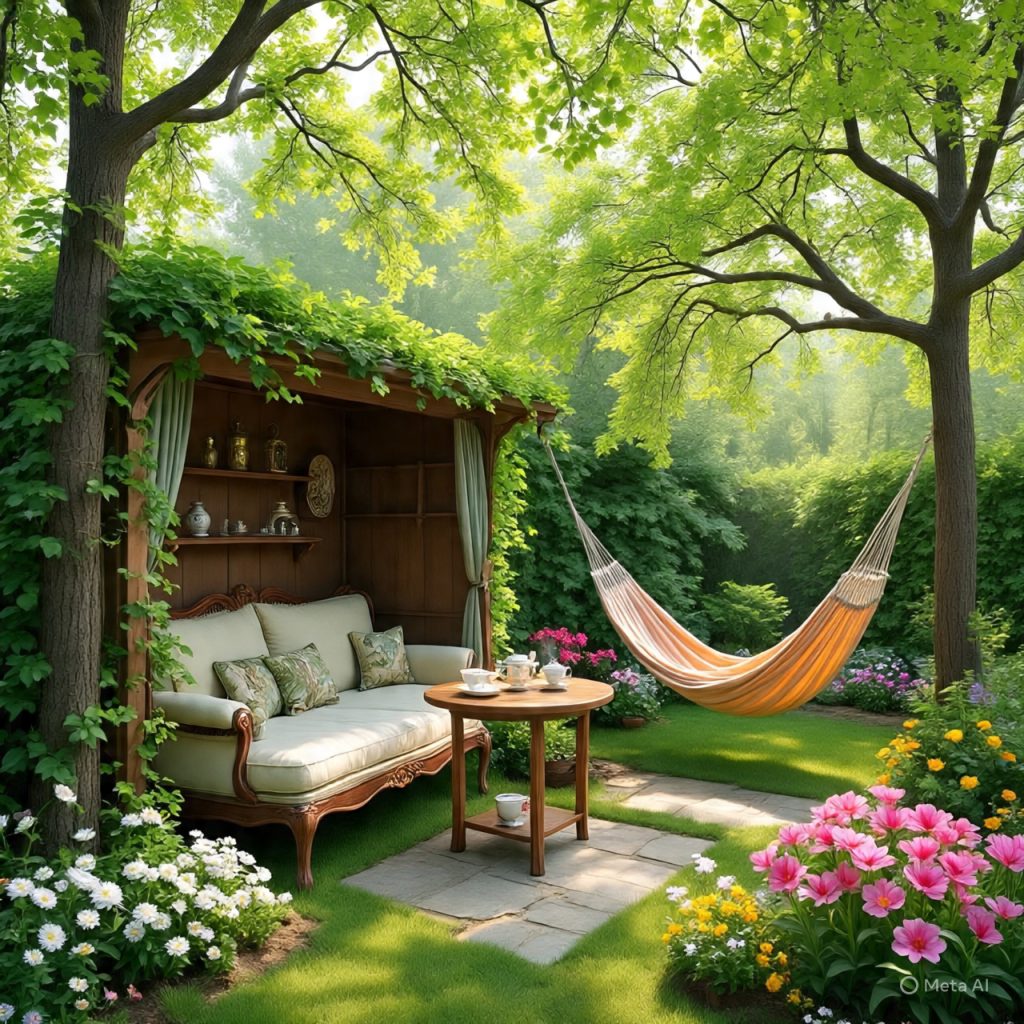
Finally, your English cottage garden should reflect you. Add elements that make it feel like a private escape — a cozy reading nook, a hammock, or a tea table under the vines.
This is your sanctuary — a place to slow down, breathe deeply, and reconnect with nature. Let every flower tell your story, and every path lead you to peace.
Conclusion:
Creating your perfect English Cottage Garden is about embracing nature’s rhythm—free-flowing yet elegant, cozy yet vibrant. With the right mix of flowering plants, climbing vines, herbs, and rustic accents, any outdoor space can become a peaceful sanctuary.
Let your garden grow a little wild. Let it tell a story through every bloom and pathway. And most importantly, let it become your own timeless slice of the English countryside