Productive Japanese Home Office Designs: Minimalism Meets Efficiency.
Introduction.
In today’s world, where remote work has become a lifestyle, designing a Japanese home office that fosters calm, clarity, and creativity is more important than ever. Japanese design principles—rooted in simplicity, balance, and a deep connection to nature—offer an ideal foundation for a productive workspace. Whether you live in a compact apartment or a spacious home, a well-planned Japanese home office helps you stay organized, inspired, and focused throughout the day while maintaining a peaceful atmosphere.
1. The Essence of Japanese Minimalism.
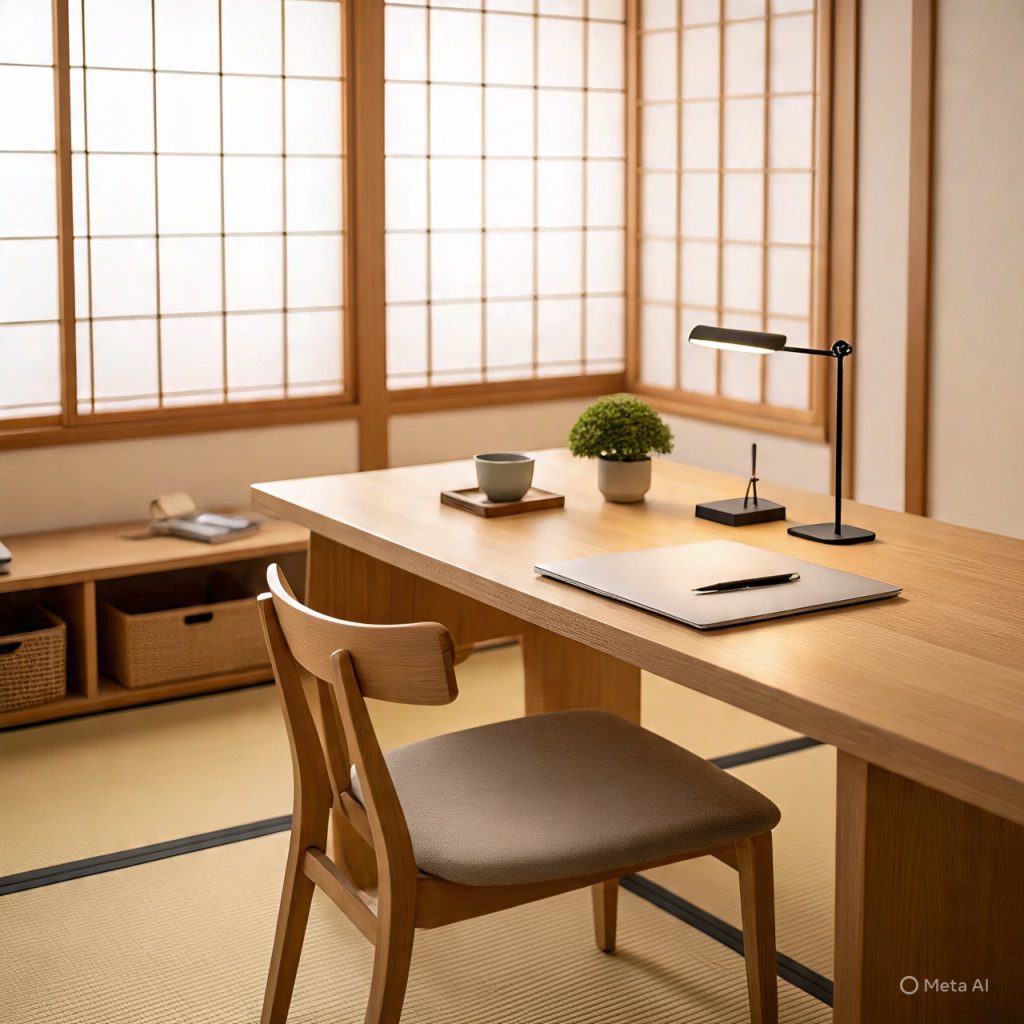
At the heart of a Japanese home office lies the philosophy of “Ma”—the beauty of empty space. This approach emphasizes decluttering and keeping only what truly adds value to your life and work. A minimalist Japanese home office eliminates distractions and encourages mental clarity, allowing you to focus entirely on the task at hand.
2. Natural Light and Connection with Nature.
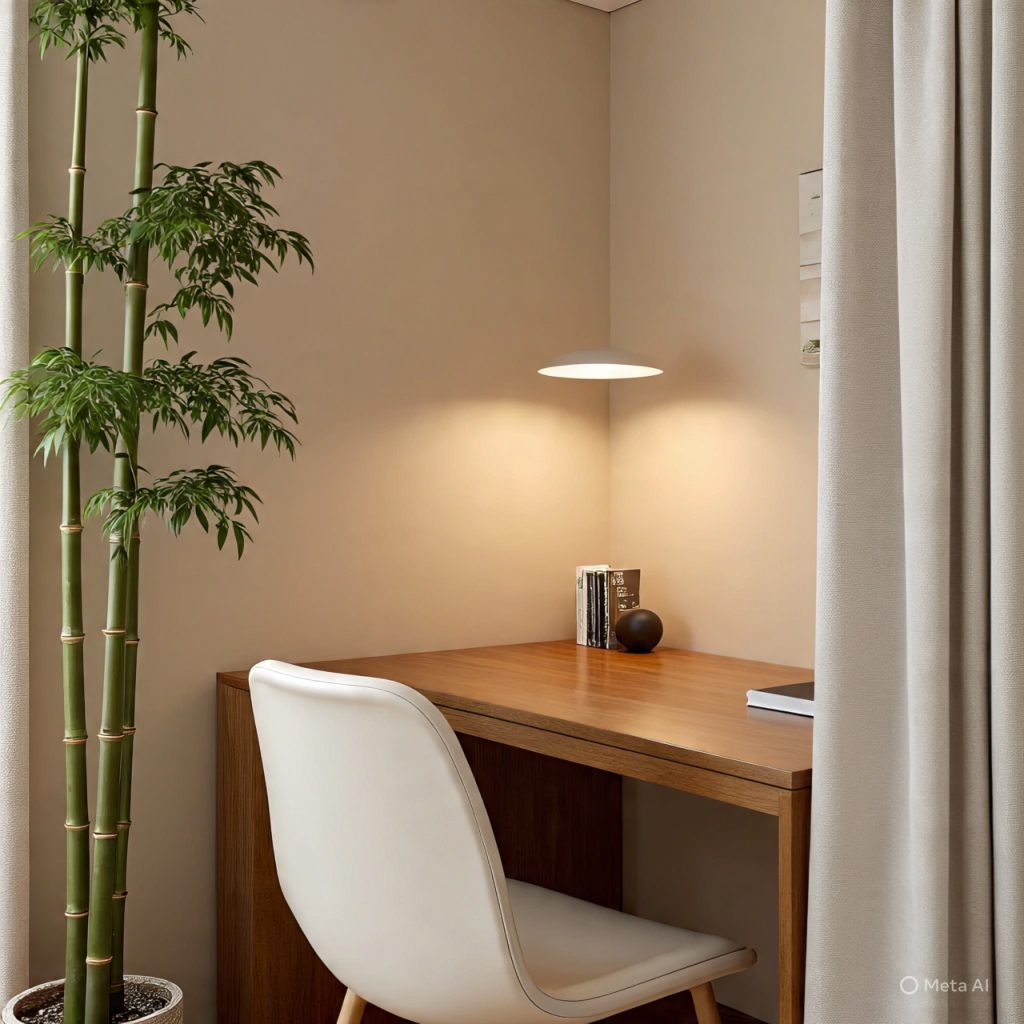
A well-designed Japanese home office embraces “Shizen,” or the natural world. Bringing in daylight and outdoor views helps reduce stress and improves productivity. Large windows, bamboo blinds, and light curtains allow soft, diffused sunlight to fill the Japanese home office with calm energy
3. Clean Lines and Neutral Colors.
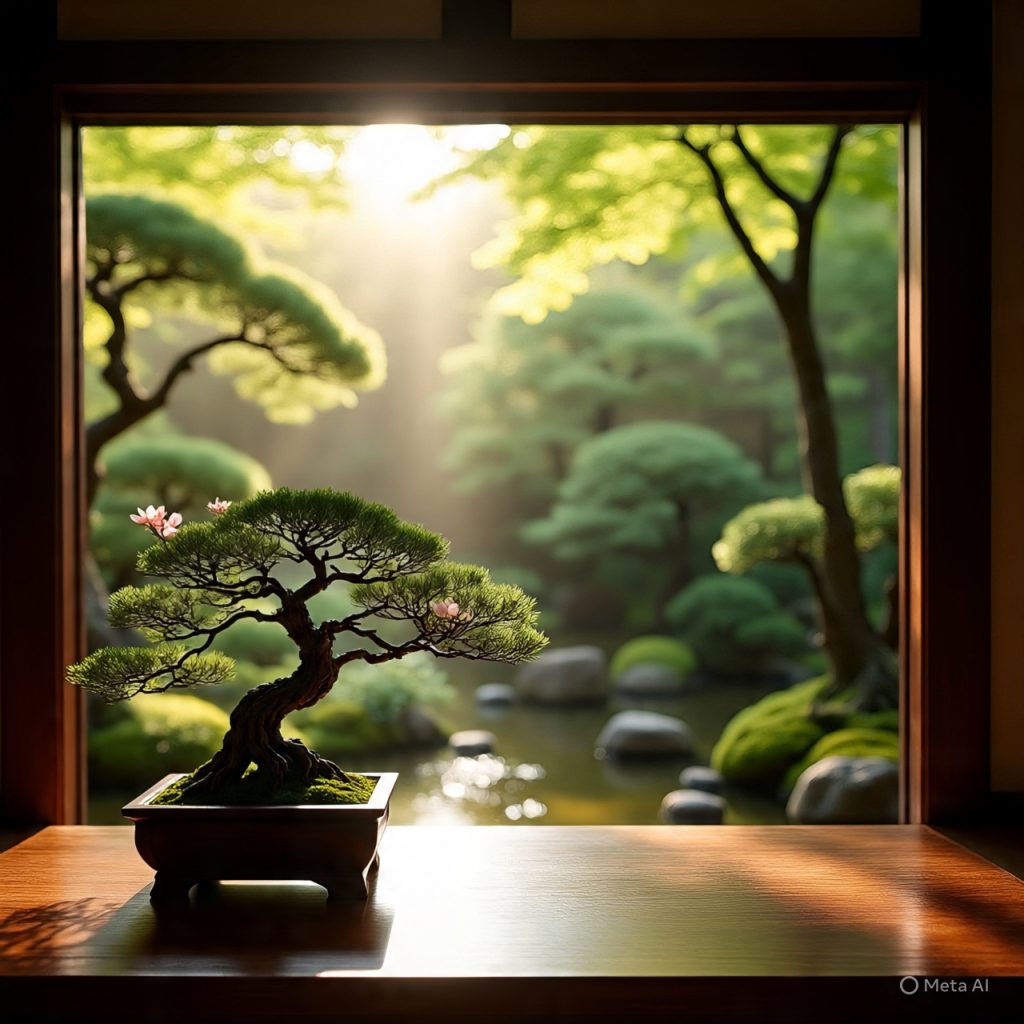
A productive Japanese home office favors clean architectural lines and a neutral color palette. Shades of beige, white, gray, and soft wood tones promote tranquility and mental focus, creating a workspace that feels balanced and serene
4. Multifunctional Furniture for Small Spaces.
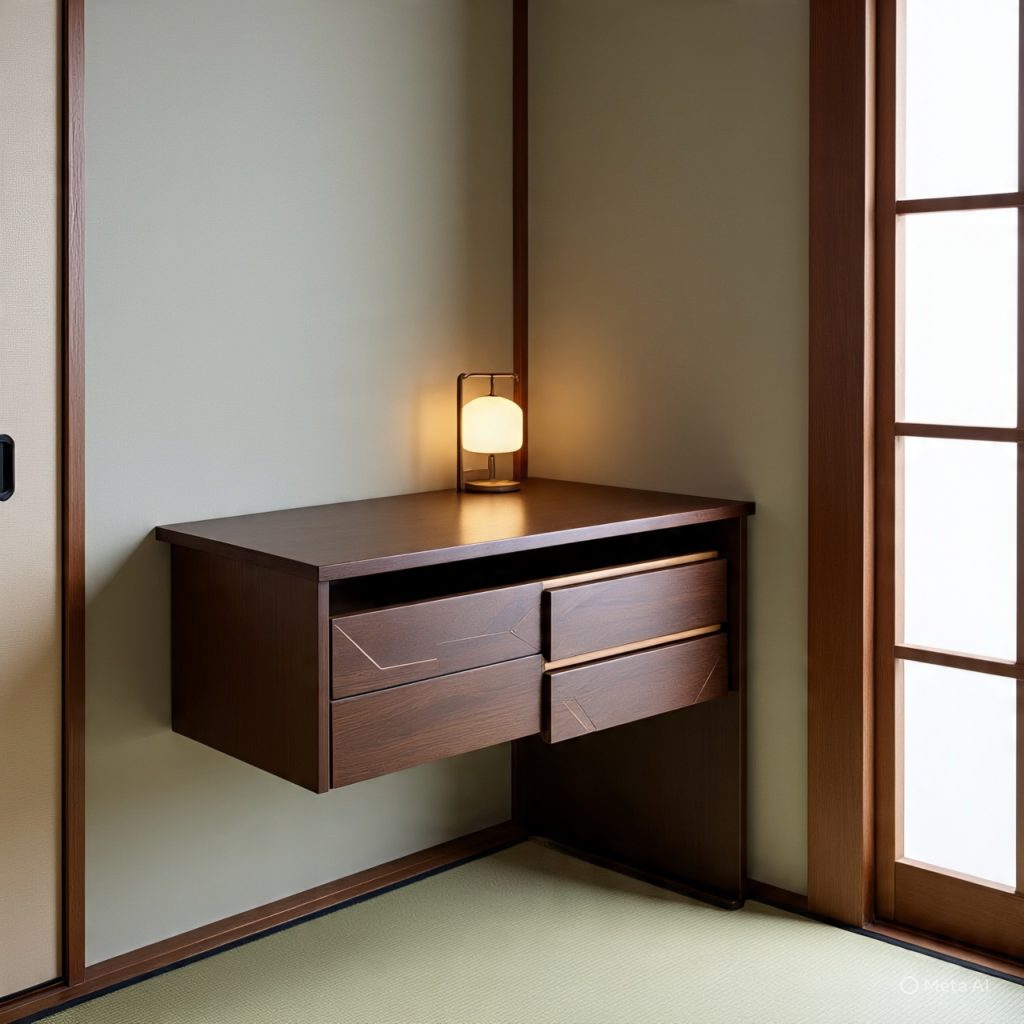
Japanese interiors are known for efficient use of space, and a Japanese home office is no exception. Compact, multifunctional furniture—such as foldable desks and hidden storage—helps maintain order without sacrificing comfort
5. Zen-Inspired Decor.
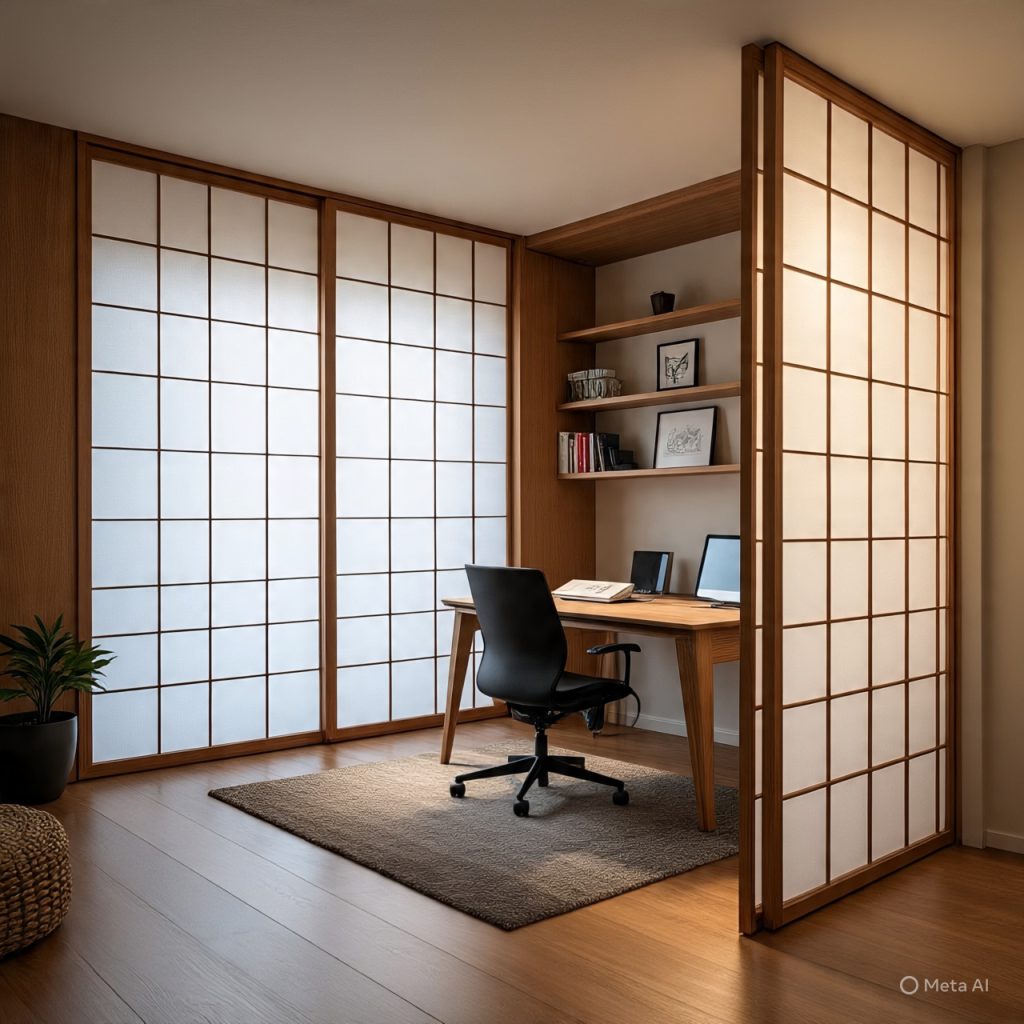
Zen principles play a key role in shaping a calm Japanese home office. Natural materials like bamboo, linen, and stone encourage mindfulness, while minimal décor helps create a focused and peaceful work environment
6. Organized Storage Solutions.
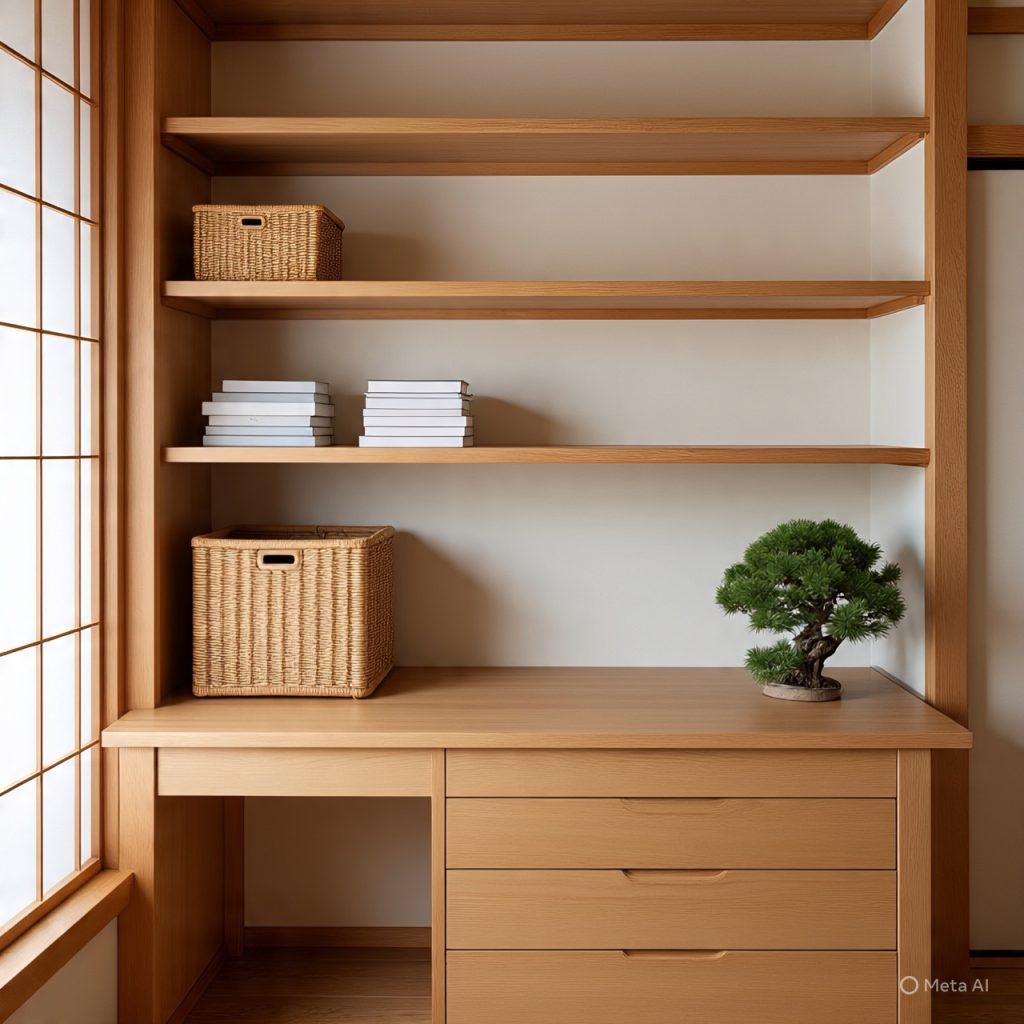
Clutter can quickly disrupt focus. Japanese office design integrates hidden or modular storage to maintain visual harmony. Sliding shoji doors, built-in cabinets, or minimalist shelving help conceal files and devices.
Tip: Use woven baskets, wooden boxes, or minimalist drawers to store cables, stationery, and documents neatly.
7. Incorporate Tatami and Natural Textures.
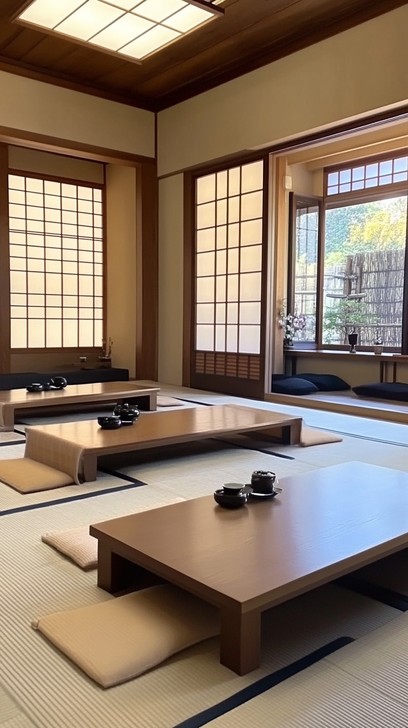
Tatami mats, rattan, and raw wood textures add depth and comfort to your workspace. These elements provide warmth without overwhelming the space.
Design Tip: Layer a neutral tatami mat under your desk area or add a low seating corner for reading or reflection breaks.
8. The Role of Lighting.
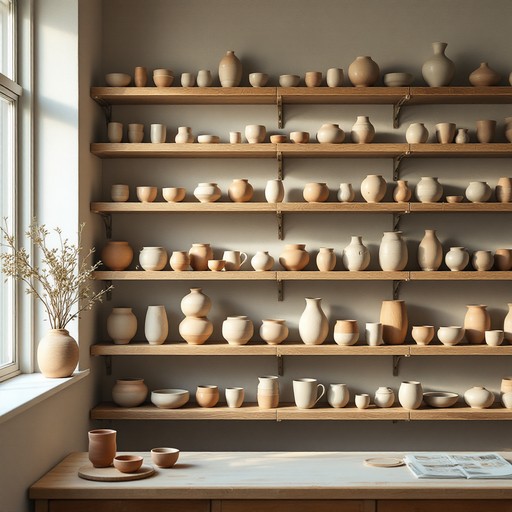
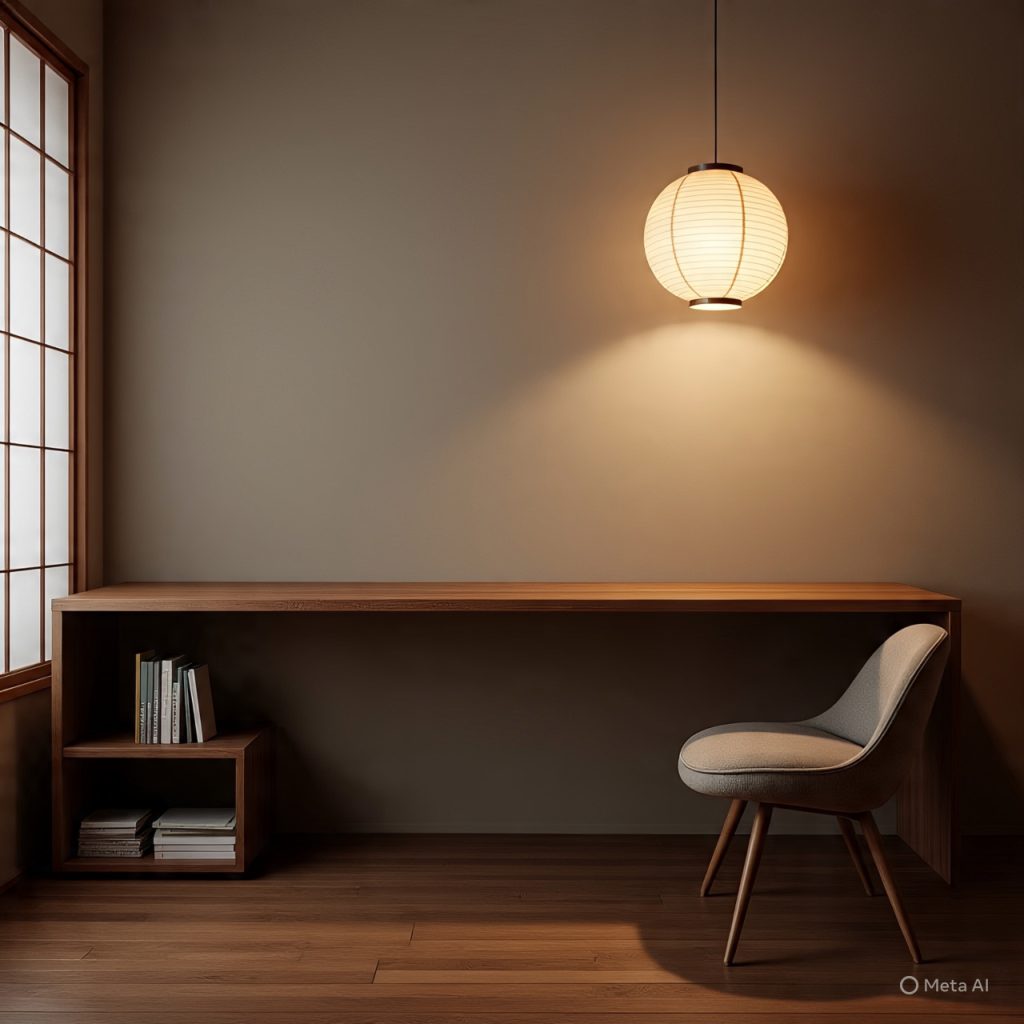
Lighting plays a key role in Japanese design. A blend of natural and ambient light ensures both comfort and concentration. Soft, warm tones help you work efficiently without strain.
Tip: Use paper lanterns, washi-covered lamps, or adjustable LED desk lights to create a balanced, cozy atmosphere.
9. Biophilic Elements.
Plants are a vital part of Japanese interiors—they purify the air and promote well-being. From bonsai trees to peace lilies, greenery adds life and calm energy to your office.
Tip: Start with one or two low-maintenance plants and place them where you can easily see them while working. Avoid overcrowding.
10. Personal Touch with Wabi-Sabi Philosophy.
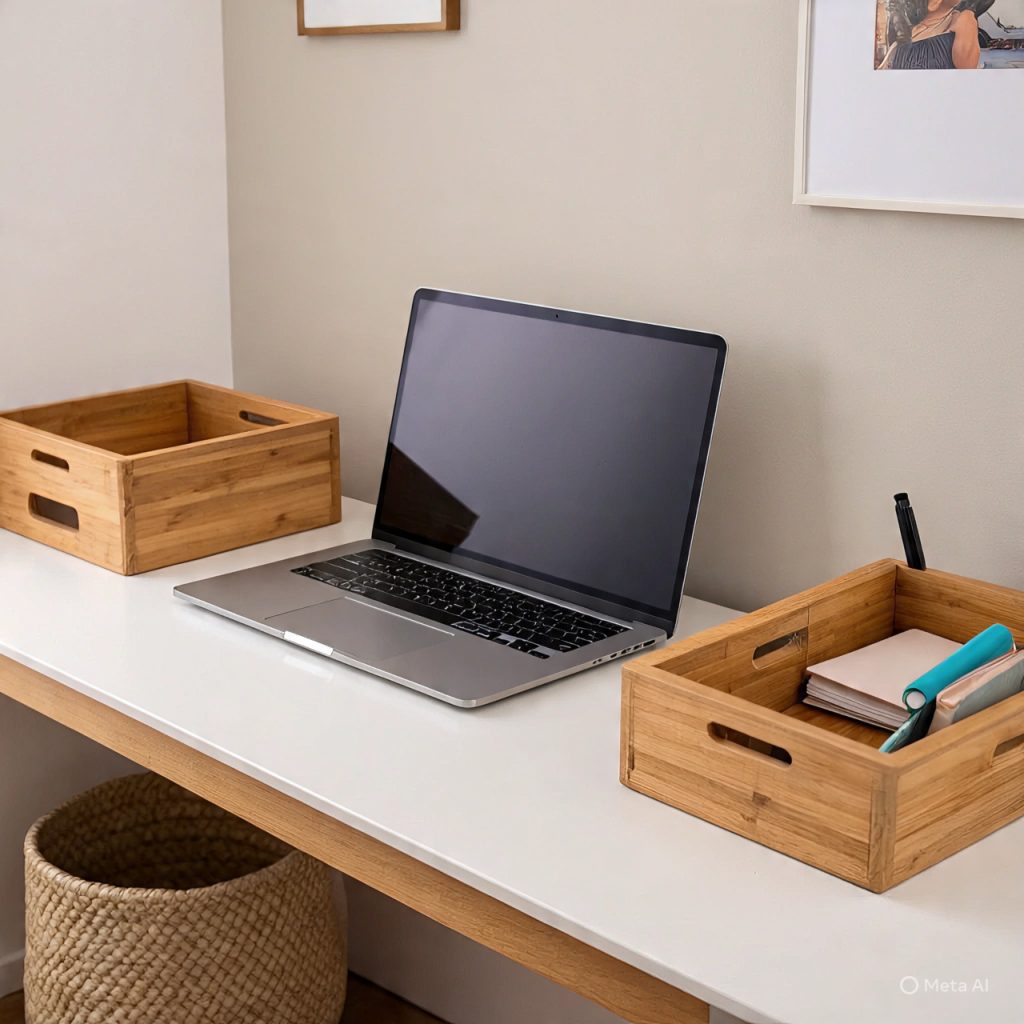
Wabi-Sabi celebrates imperfection and authenticity. Your Japanese home office doesn’t have to be flawless—it just needs to feel natural and personal. A slightly weathered wooden desk or handmade ceramic cup can make your workspace feel genuine and grounded.
Tip: Choose décor that feels meaningful rather than trendy; it will create a stronger emotional connection to your space.
11. Sound and Scent for Mindful Focus.
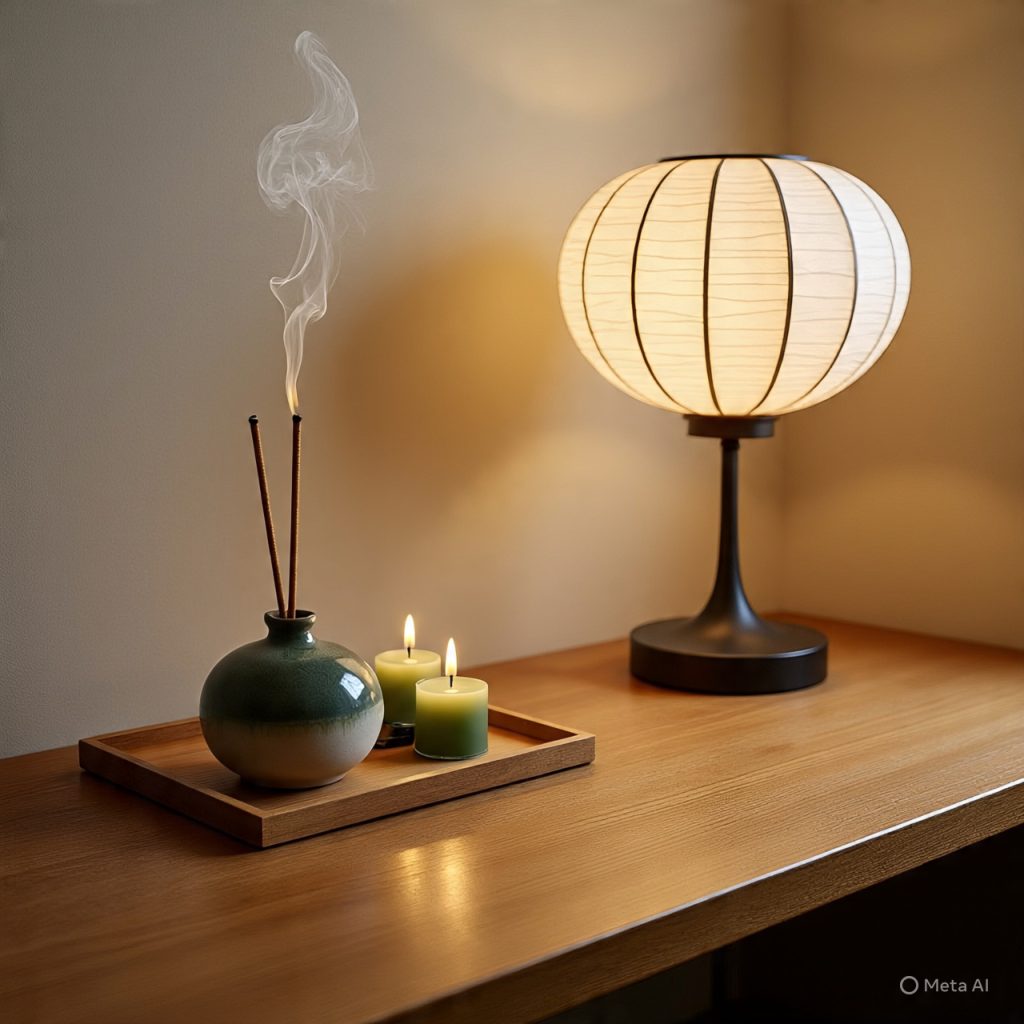
In Japanese interiors, sensory balance is as important as visual harmony. A quiet environment enhances focus and reduces stress, while subtle natural scents can promote relaxation and alertness.
Incorporate calming ambient sounds—like soft instrumental music or nature-inspired tones—and delicate scents such as hinoki (Japanese cypress), sandalwood, or green tea.
Tip: Use a small ceramic incense holder or an essential oil diffuser for gentle, earthy fragrances that help sustain deep concentration throughout your workday.
12. Low-Profile Tech Integration.
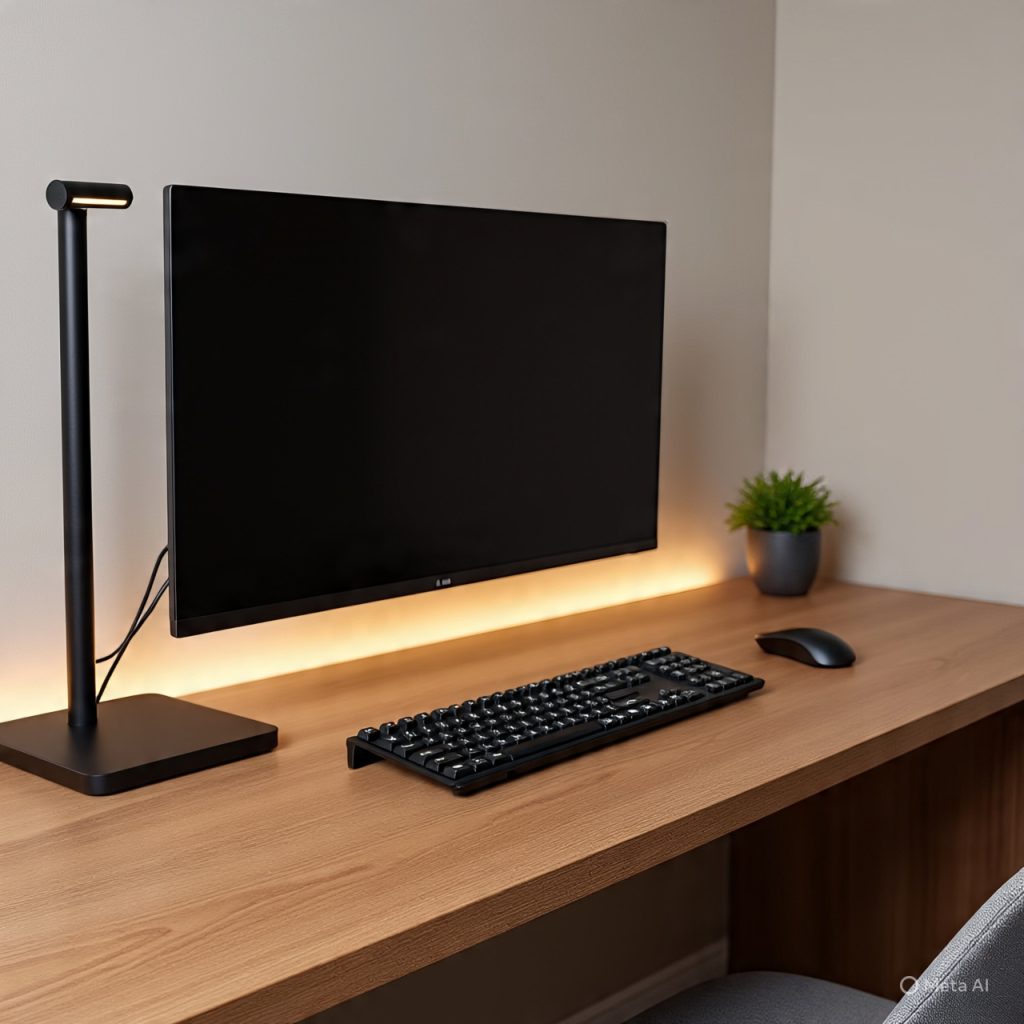
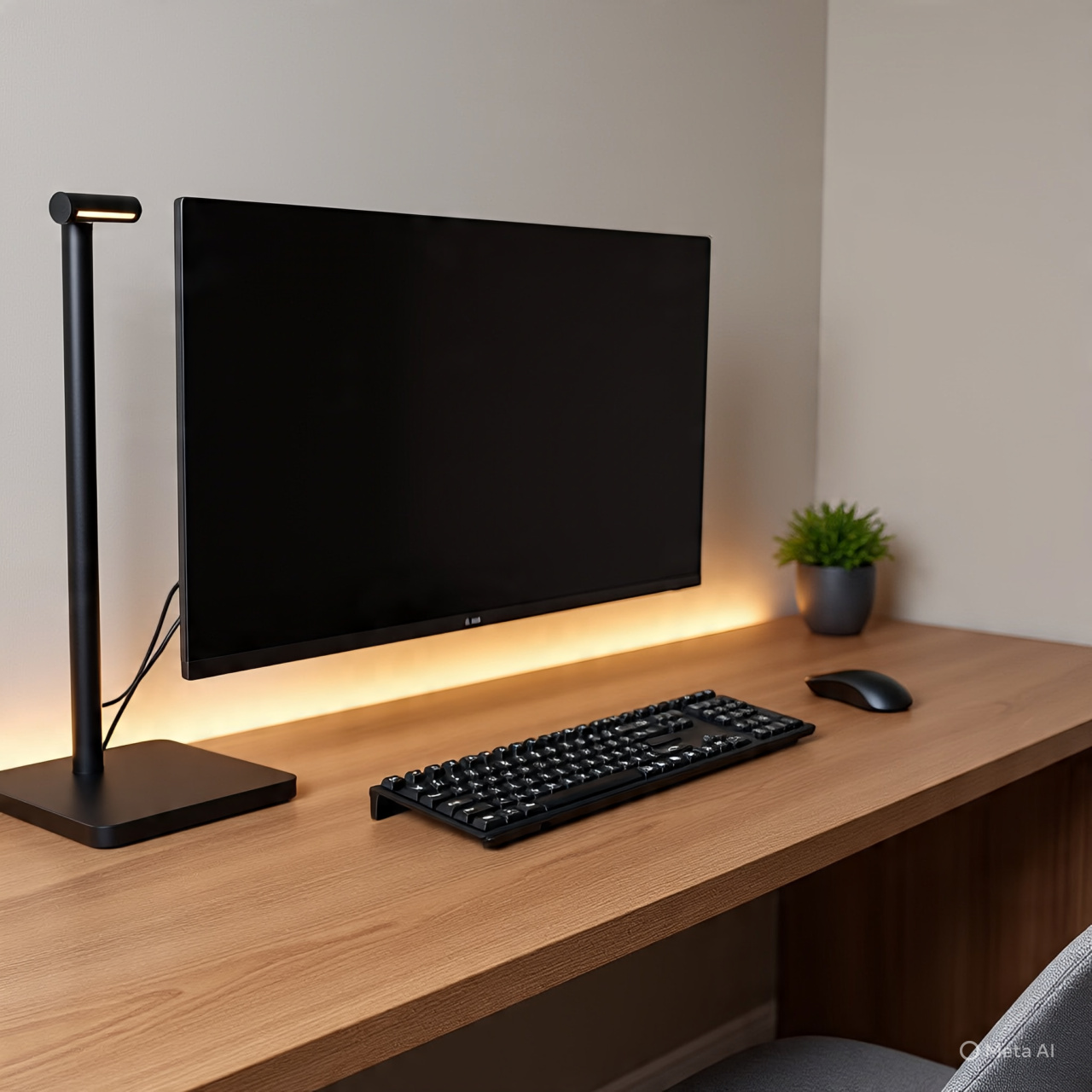
Technology is essential in modern workspaces, but it shouldn’t dominate the aesthetic. Japanese offices often integrate devices subtly, keeping them secondary to natural materials and clean lines.
Use cable management boxes, wireless accessories, and minimalist monitor stands to maintain a neat and balanced setup.
Design Tip: Conceal wires behind wood panels or use woven fabric sleeves that match your decor’s tone for an uncluttered, seamless look.
13. Art and Cultural Accents.
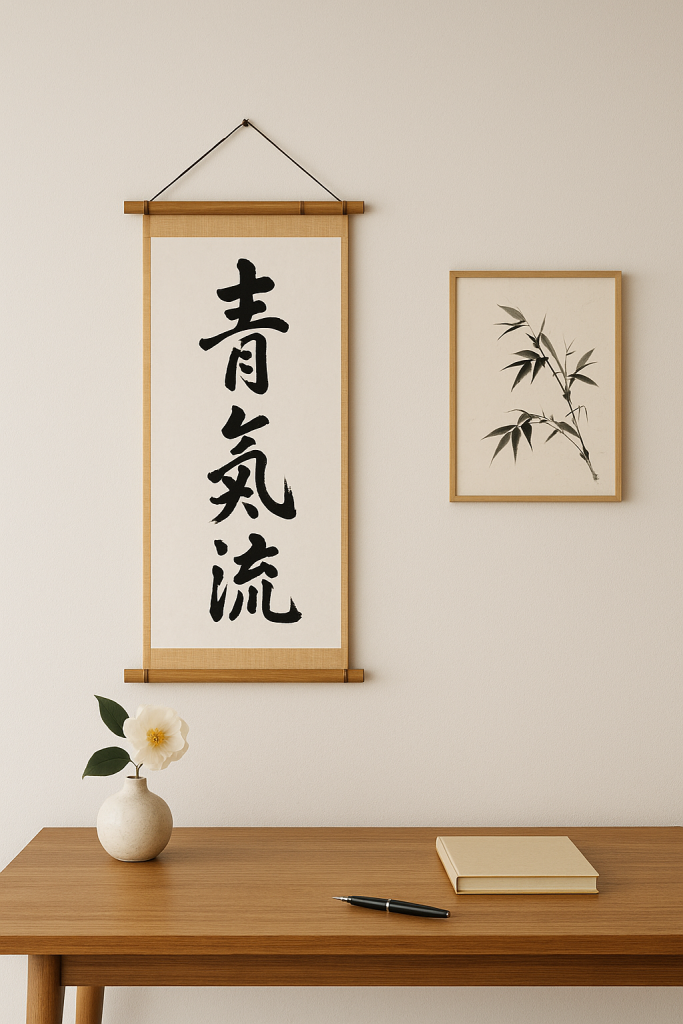
Adding a touch of Japanese art can enhance the soul of your home office without breaking its minimal aesthetic. Consider simple calligraphy scrolls, sumi-e (ink wash) paintings, or washi paper wall art.
These elements reflect mindfulness and tradition, inspiring calm and focus during work hours.
Tip: Choose one or two meaningful art pieces rather than filling the walls—Japanese design values open space and visual breathing room.
14. Lighting Transitions from Day to Night.
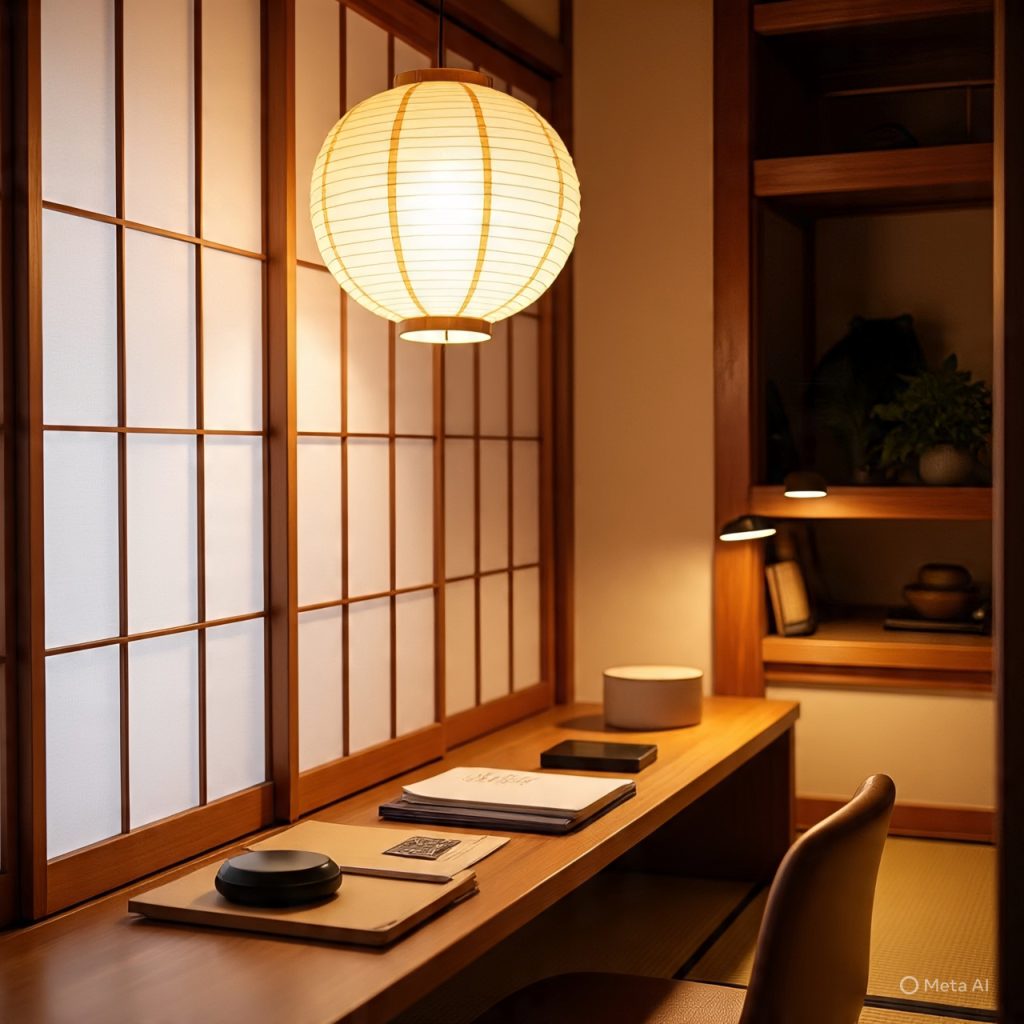
A truly functional Japanese home office adapts gracefully to time and mood. During the day, soft daylight energizes your mind; in the evening, warm accent lighting encourages calm reflection.
Blend natural and artificial lighting through layered sources—paper lanterns, recessed lights, or warm-tone LED lamps—to maintain comfort without glare.
Pro Tip: Add a dimmer switch or smart bulbs to adjust lighting intensity according to the time of day or type of work.
15. Creating Ritual and Balance.
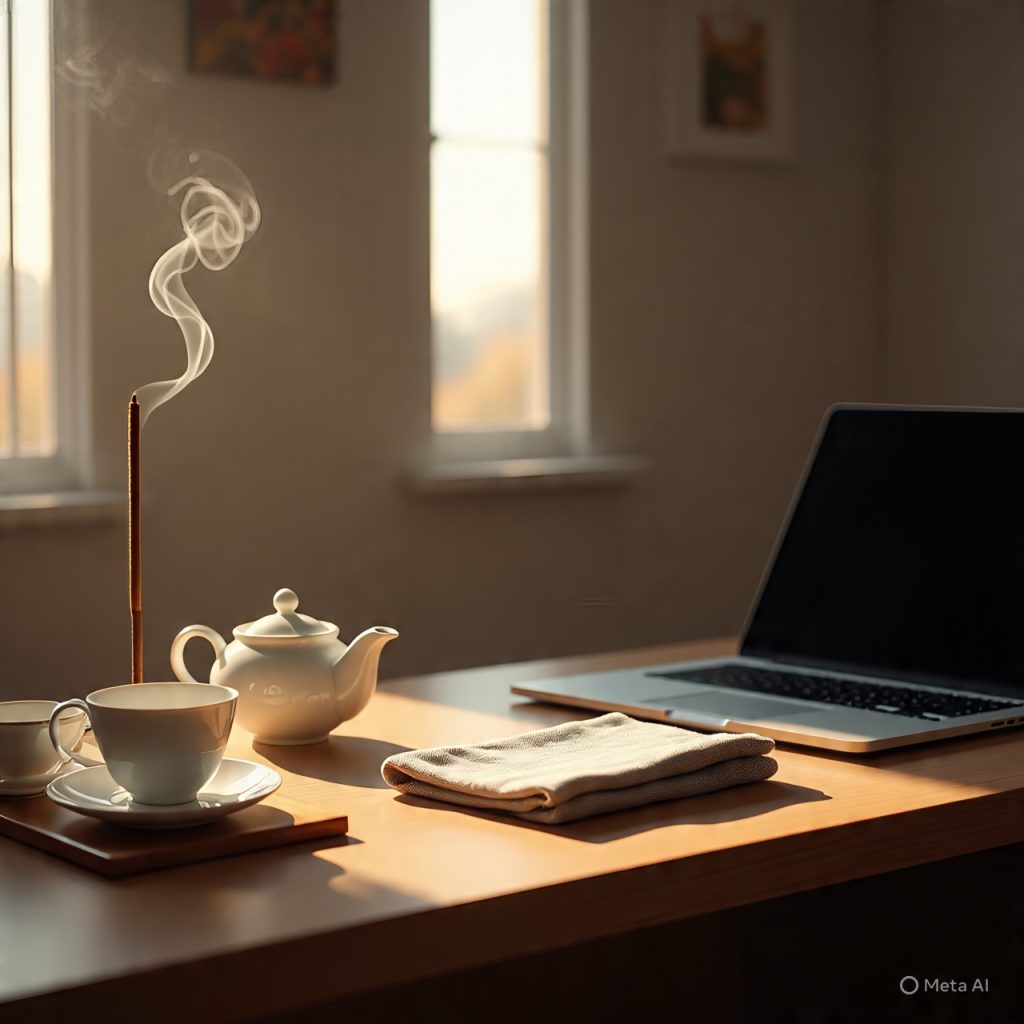
Japanese design philosophy extends beyond aesthetics—it’s a lifestyle centered on intention and balance. Incorporate small rituals to mark the start and end of your workday: lighting incense, making tea, or tidying your desk.
These mindful transitions reinforce boundaries between work and personal life, improving focus and emotional well-being.
Tip: End each day by closing your laptop, cleaning your space, and preparing a fresh cup of tea—simple acts that signal rest and renewal.
Conclusion:
A Japanese-inspired home office offers more than just style—it’s a philosophy of mindful productivity. Every design choice, from natural materials to lighting and layout, nurtures focus, balance, and serenity.
By embracing these ideas, you can transform your workspace into a place of quiet strength and lasting inspiration—a true harmony of work and wellness.