The Sweet & Tangy Magic of Tamarind Chutney: A Delicious Flavor Every Kitchen Needs.
Introduction: A Timeless Blend of Sweetness and Spice.
Tamarind Chutney—also known as Imli ki Chutney—is one of the most iconic condiments in South Asian cuisine. Loved for its perfect balance of sweet, tangy, and mildly spicy notes, this chutney enhances the flavor of countless snacks and meals. From street food chaats to home-cooked appetizers, this rich, dark, glossy chutney adds a depth of taste that instantly brings excitement to every bite. In this blog, we explore its ingredients, variations, health benefits, pairing ideas, and the art of making it truly irresistible.
1. The Unique Flavor Profile of Tamarind Chutney.
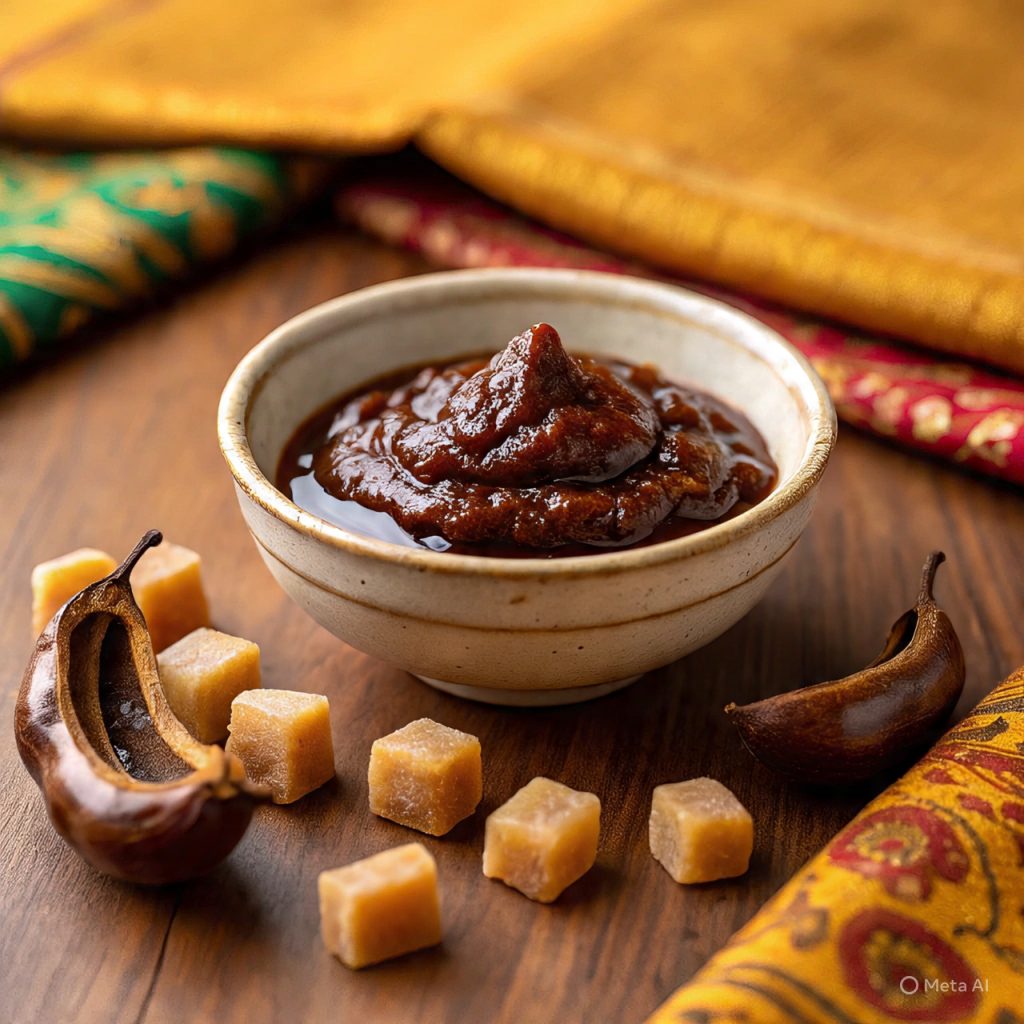
Tamarind Chutney is defined by its striking combination of flavors—sweetness from jaggery or sugar, tanginess from tamarind pulp, and warmth from spices like roasted cumin and chili powder. This balanced profile makes it an essential dipping sauce for fried snacks, chaats, and even grilled dishes. Unlike other chutneys that rely solely on herbs, this chutney has a thick, syrupy texture that feels luxurious on the palate.
2. Key Ingredients Behind the Perfect Taste.
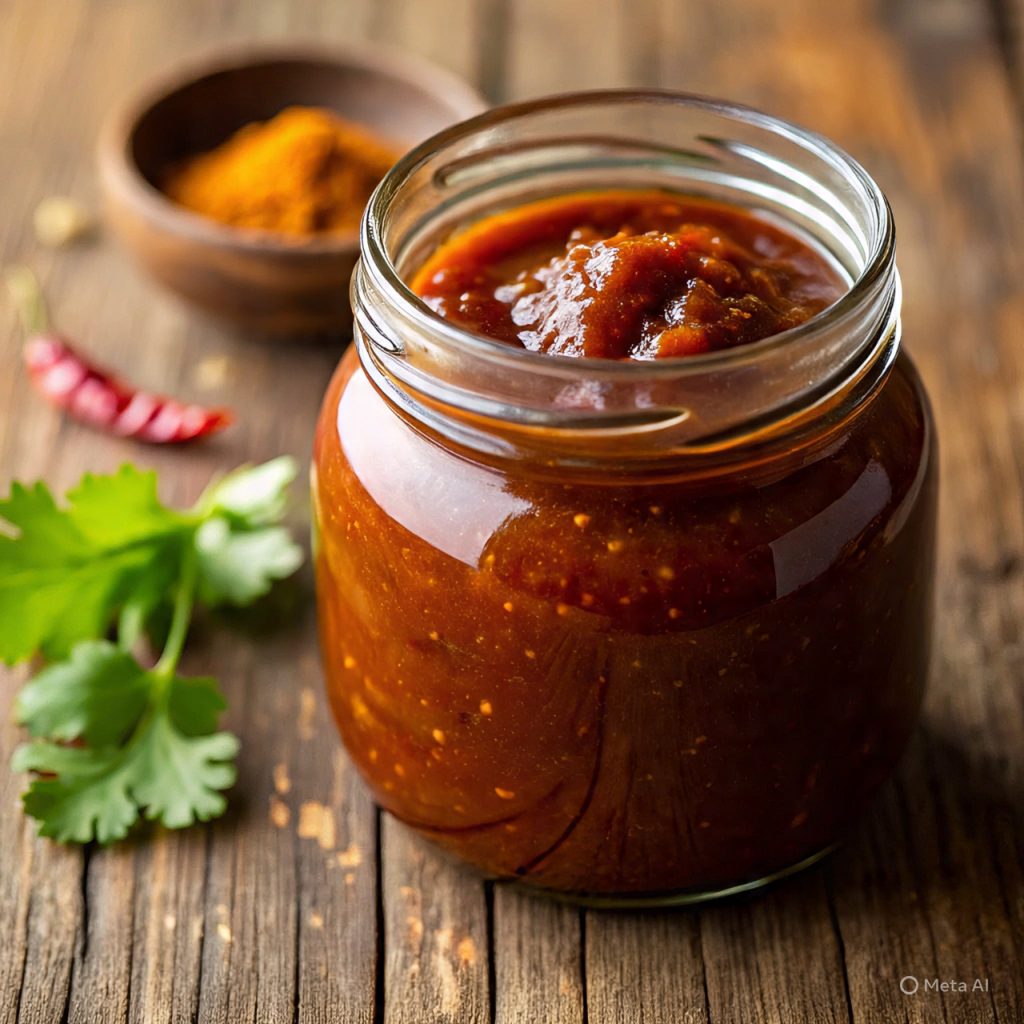
The soul of this chutney is tamarind pulp, which provides depth and acidity. Jaggery or brown sugar adds sweetness and thickness, while spices like black salt, ginger powder, roasted cumin, and red chili bring heat and aroma. When simmered together, these ingredients create a beautifully glossy sauce that coats food perfectly and stays fresh for longer.
3. Traditional vs. Modern Variations.
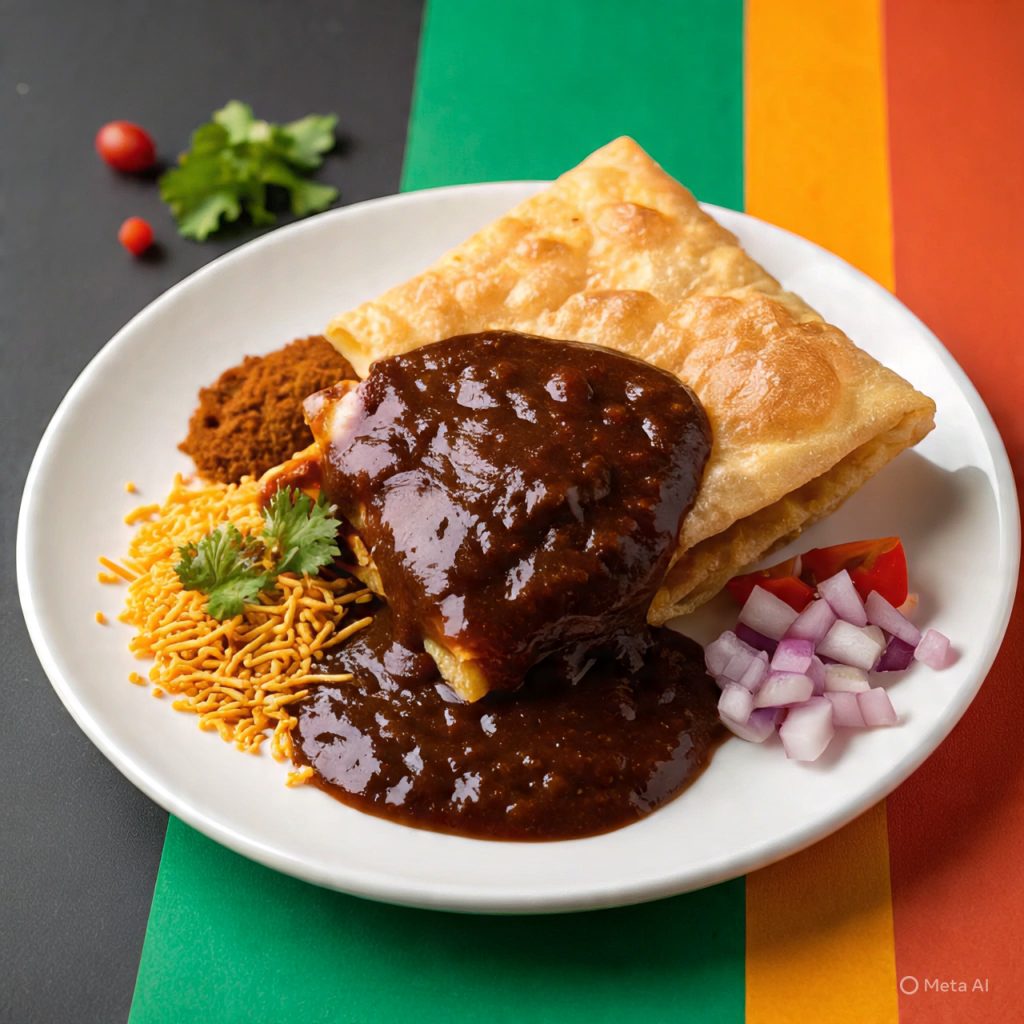
Different regions create their own twist on this chutney. In some households, dates are added to create a richer and smoother texture. Others use honey instead of sugar for a healthier version. Gujarati-style chutney is sweeter, while Pakistani-style chutney may include a hint of chili flakes for extra heat. These variations let you customize the chutney based on personal preference and the dishes you plan to serve.
4. The Perfect Consistency for Every Dish.
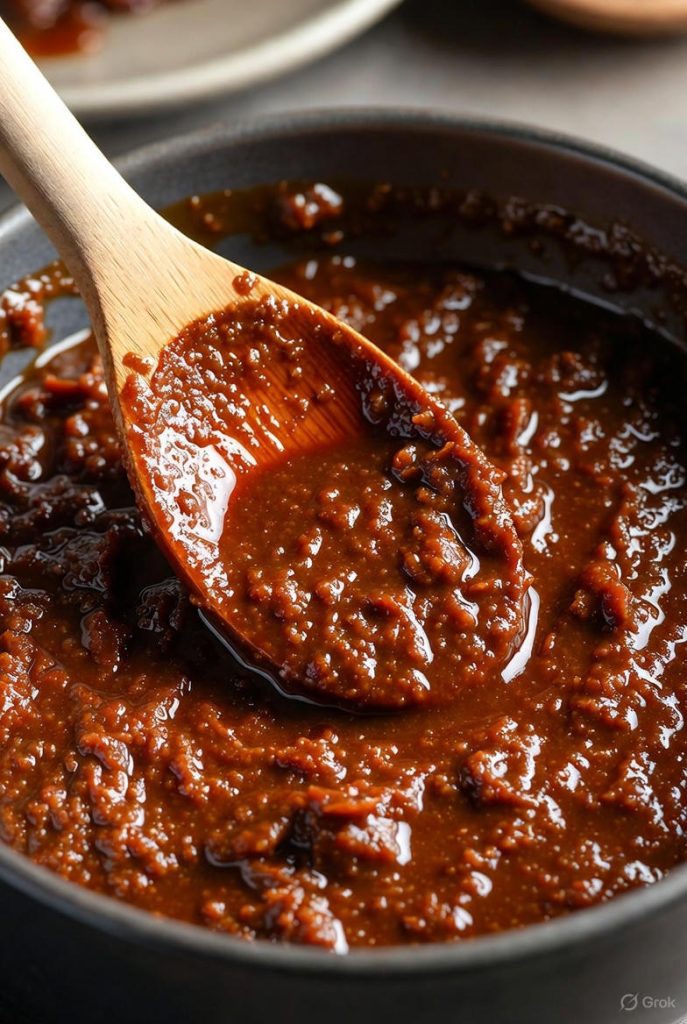
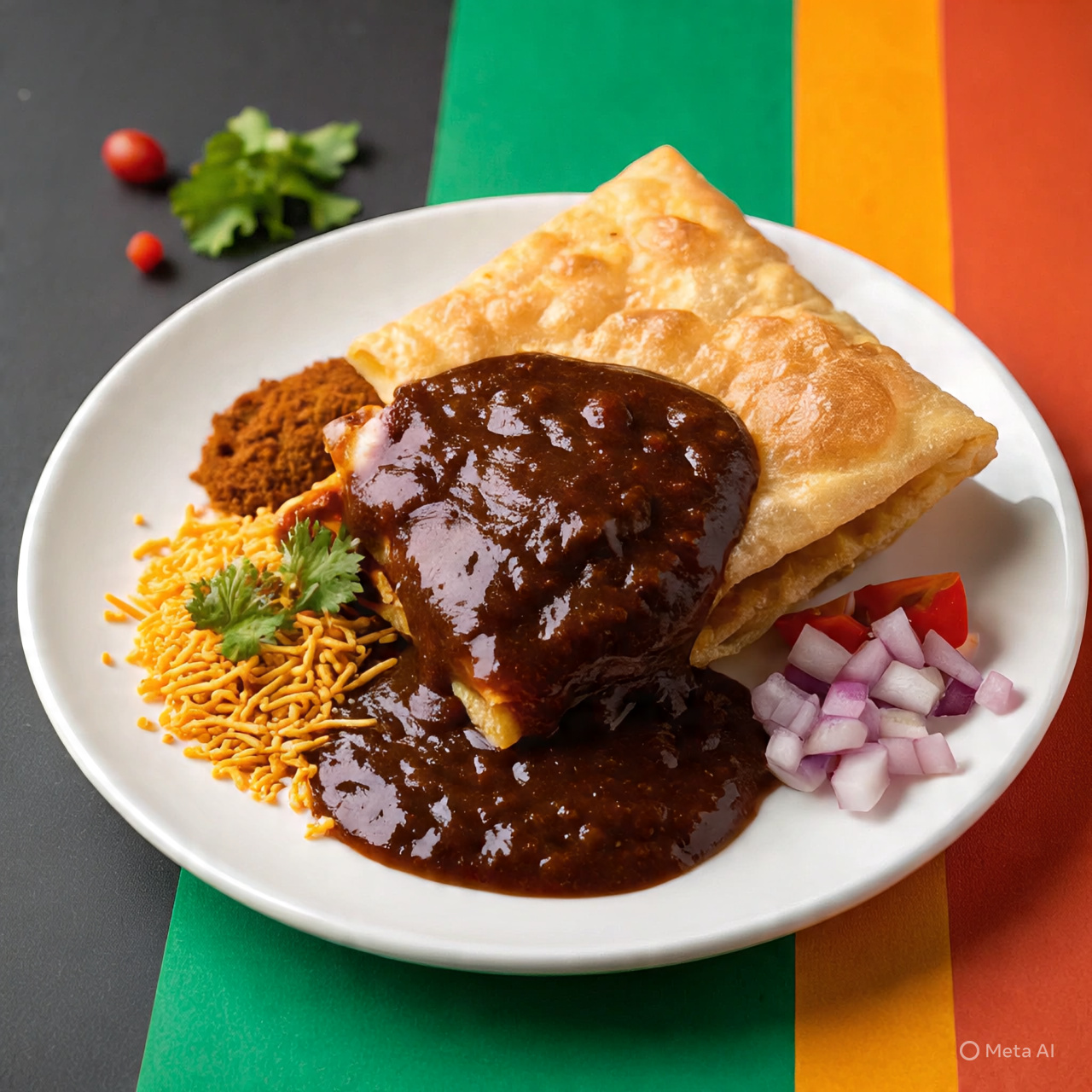
A good tamarind chutney should have a smooth, thick, and pourable consistency. It should coat snacks without dripping excessively and blend seamlessly with chaats. Achieving this texture depends on slow simmering, proper balancing of jaggery and tamarind, and straining the mixture for a silky finish. A well-prepared chutney elevates even the simplest dishes through its professional texture.
5. A Chutney Every Snack Lover Needs.
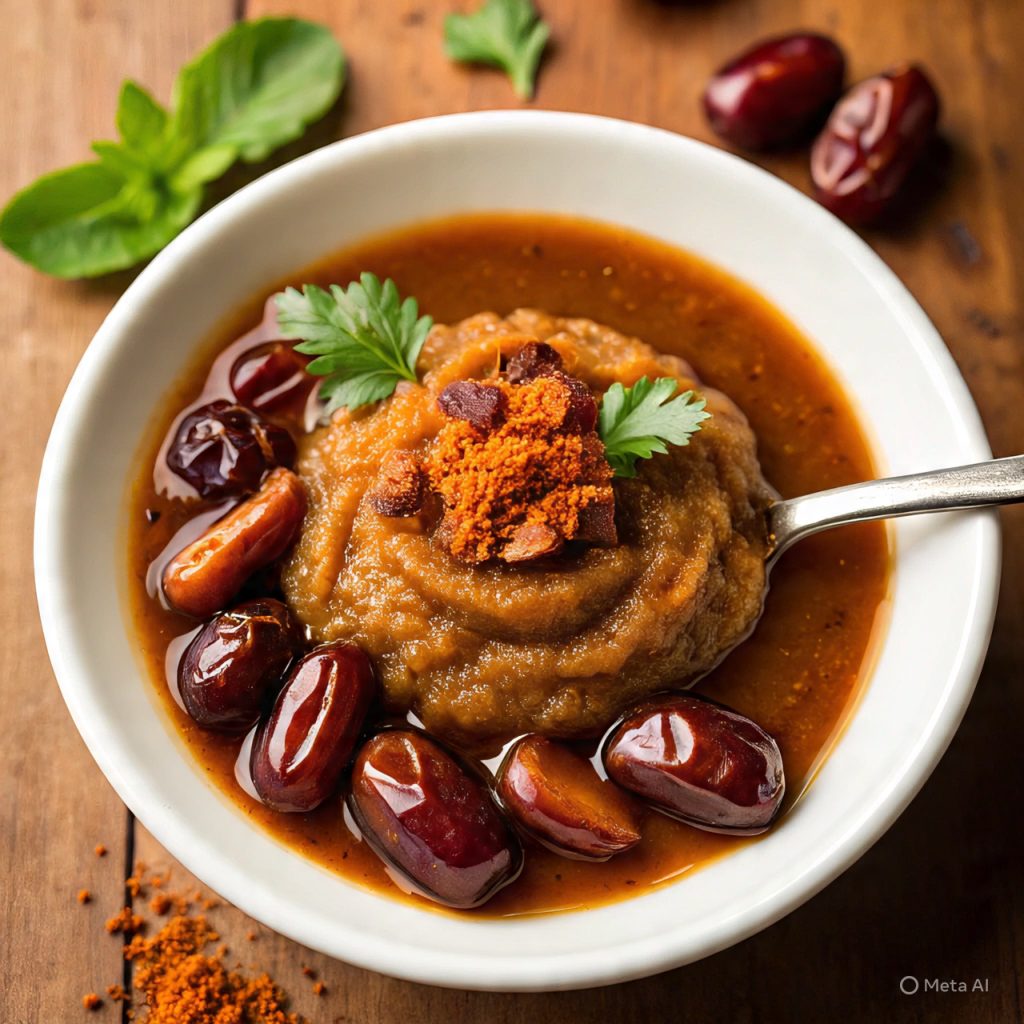
Tamarind Chutney is a must-have for samosas, pakoras, bhail puri, papdi chaat, golgappas, dahi baray, and rolls. Its sweet tang cuts through the oiliness of fried snacks, enhancing flavor without overwhelming the original taste. Even a small teaspoon can transform the experience of a dish—this is why no snack platter feels truly complete without it.
6. Creative Uses Beyond Traditional Snacks.
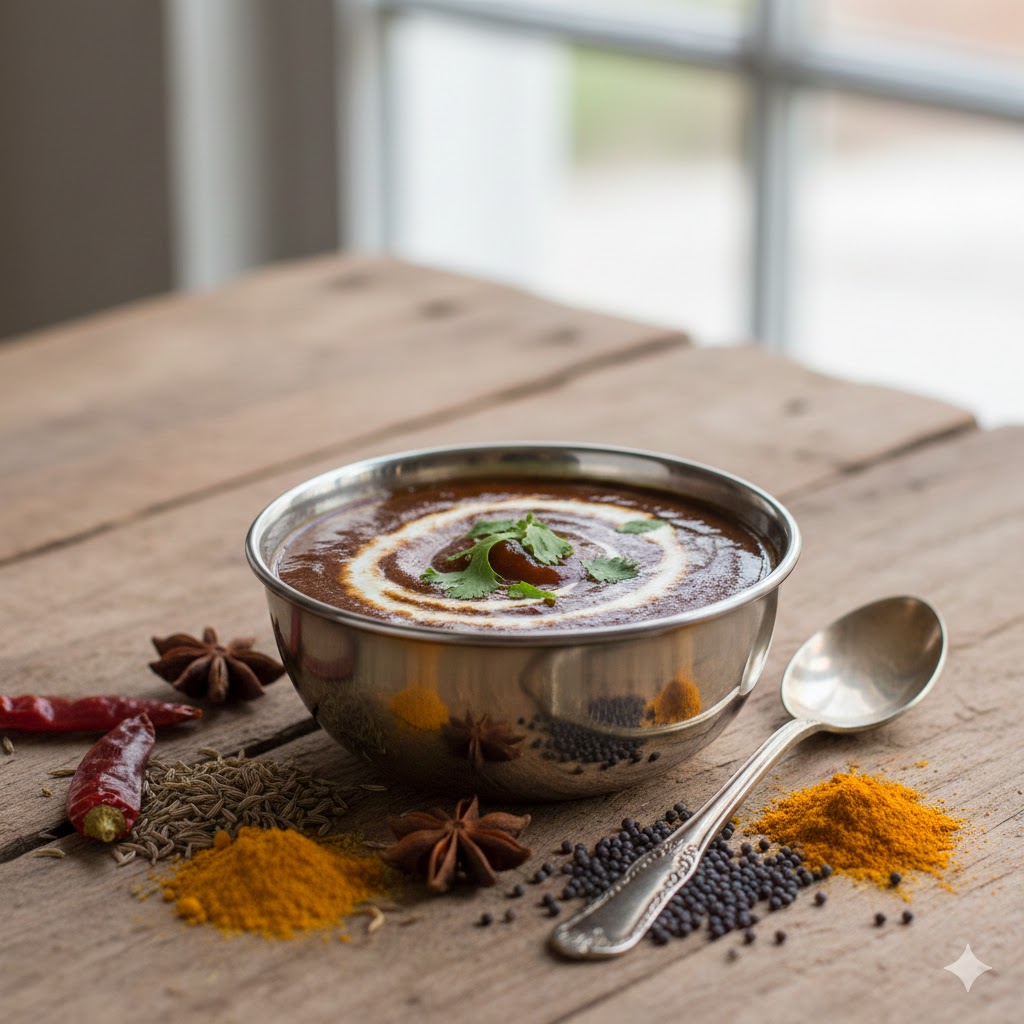
While usually paired with chaats and appetizers, tamarind chutney is surprisingly versatile. It can be used as a glaze for grilled chicken, a drizzle over salads, a dipping sauce for roasted vegetables, or even a tangy spread in sandwiches. Mixing it with yogurt creates a creamy “imli raita” that works beautifully with biryani and pulao.
7. Health Benefits You Didn’t Expect.
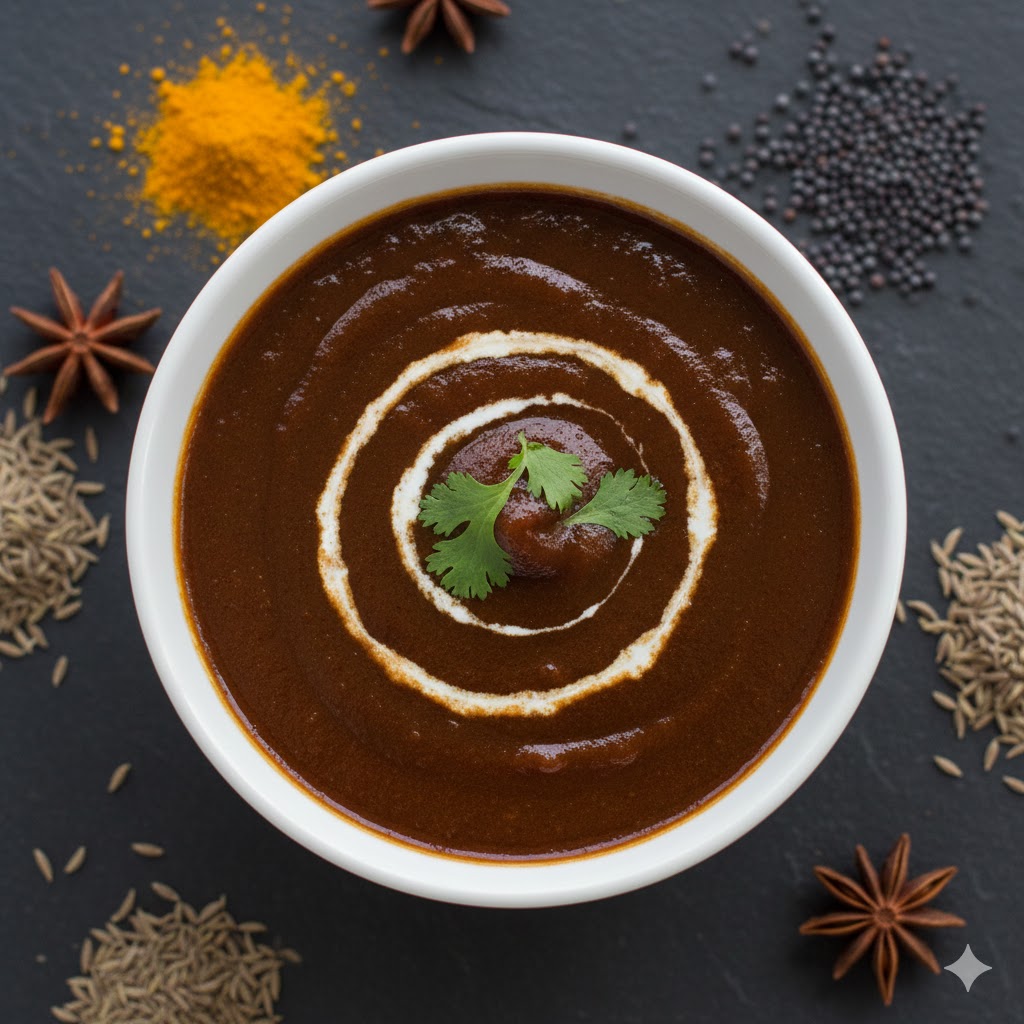
Tamarind is rich in antioxidants, vitamins, and minerals. It supports digestion, boosts metabolism, and helps relieve acidity. Jaggery strengthens immunity and promotes gut health. When compared to processed sauces, tamarind chutney is a naturally nutritious alternative—especially when prepared at home with minimal additives.
8. Long-Lasting and Easy to Store.
One of the biggest advantages of tamarind chutney is its long shelf life. The natural acidity of tamarind acts as a preservative. When stored in an airtight glass jar and refrigerated, the chutney can stay fresh for 3–4 weeks. Its flavor deepens over time, making it even more delicious. For long-term storage, it can be frozen in small portions and thawed as needed.
9. Common Mistakes and How to Avoid Them.
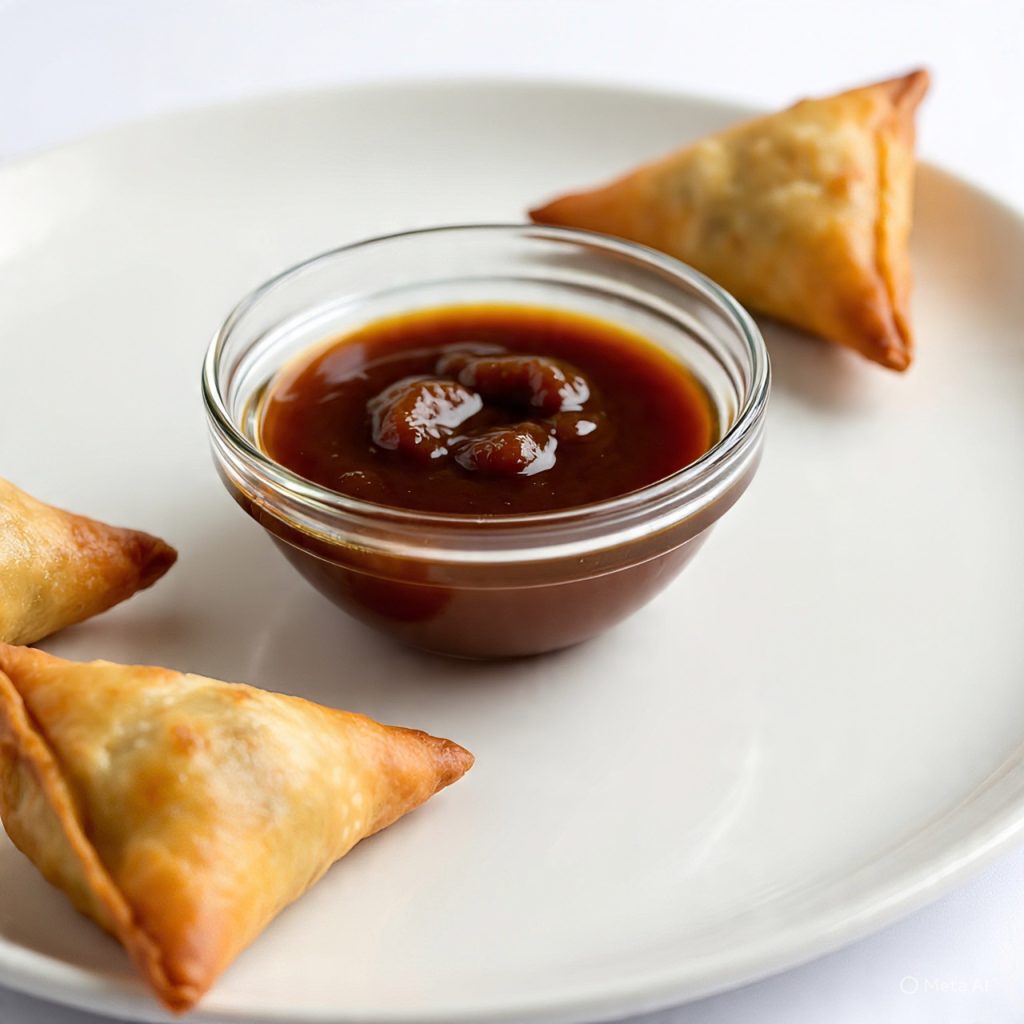
Some people cook the chutney too long, causing bitterness. Others use too much water, resulting in a thin and runny texture. To avoid these issues, always balance the tamarind with sweetness, simmer gently, and adjust spices gradually. Straining the chutney removes fibers and ensures a professional, restaurant-style finish.
10. Serving Ideas to Make Every Plate Beautiful.
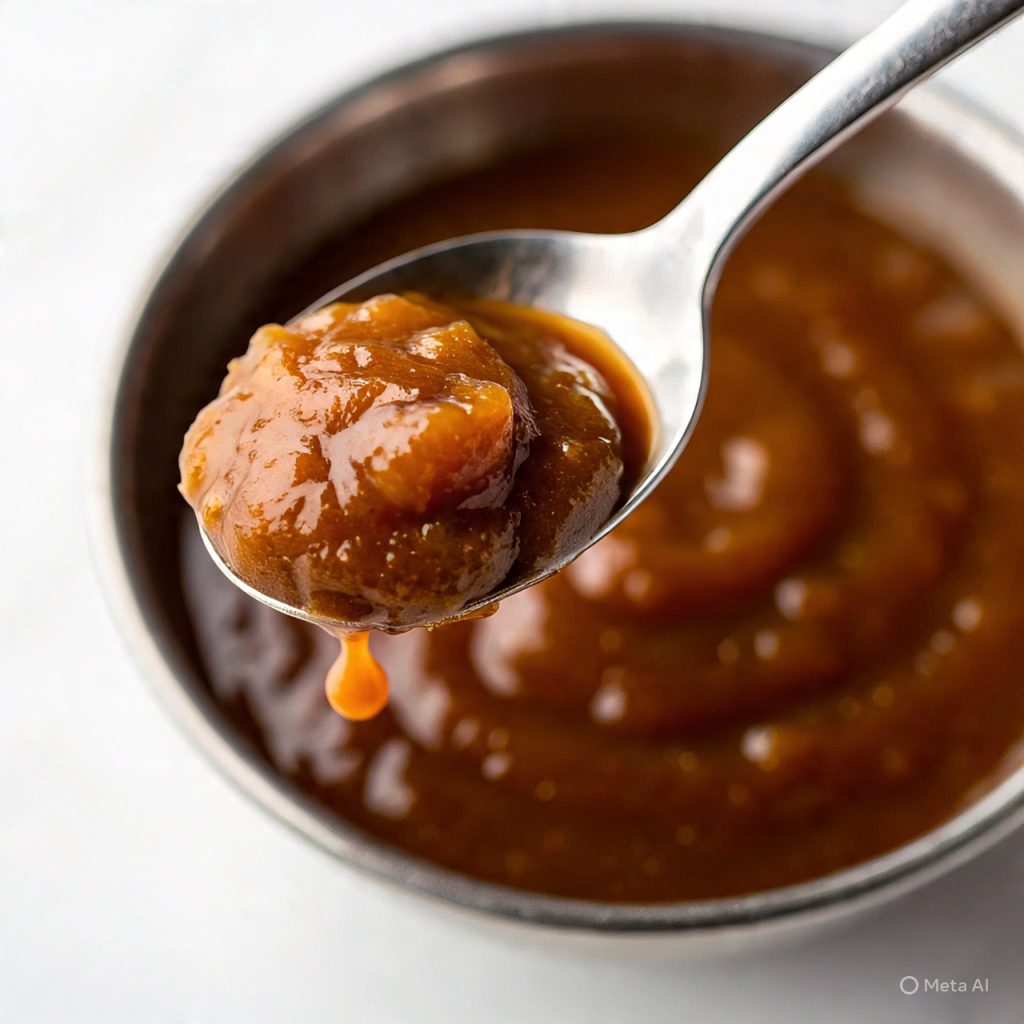
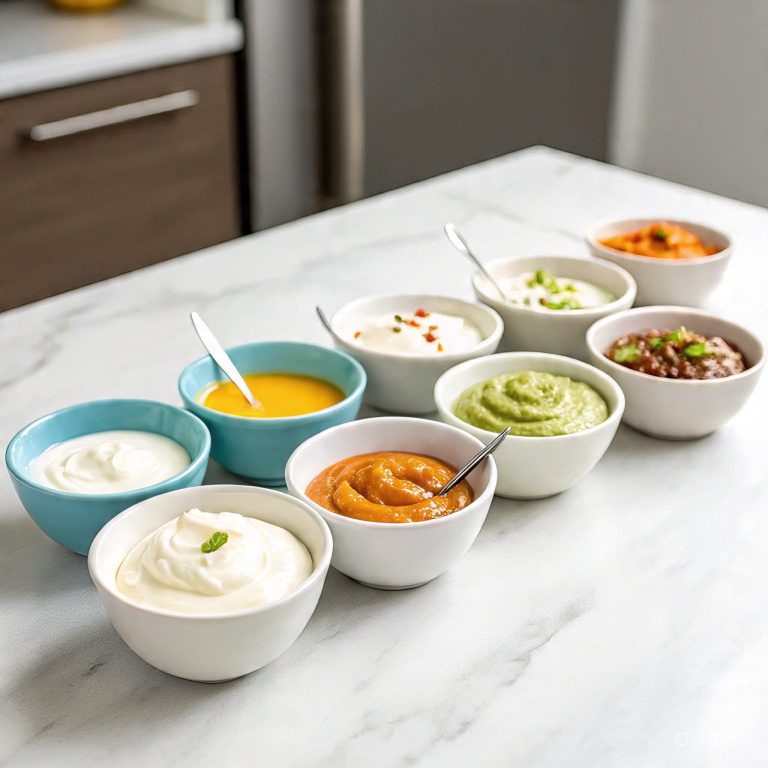
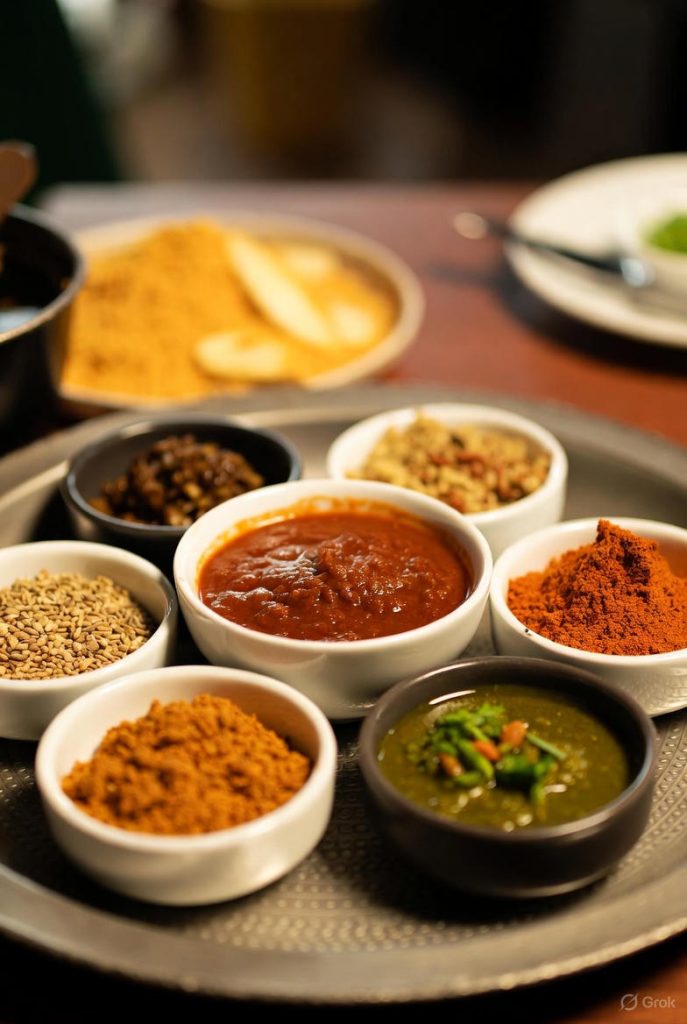
Presentation makes the chutney even more delightful. Serve it in small ceramic bowls or glass jars for a clean, modern look. Drizzle it artistically over snacks or chaats to create a street-food-style appeal. Pair it with green chutney for a colorful and vibrant contrast—the classic “green and brown” duo that defines South Asian cuisine.
Final Thoughts: A Staple That Brings Life to Every Meal
Tamarind Chutney is more than just a sauce—it’s a rich, aromatic blend that carries culture, tradition, and comfort in every spoonful. Its sweet-and-sour harmony complements dishes beautifully and transforms simple food into flavorful memories. Whether you’re preparing street-food-style snacks or experimenting with modern fusion cuisine, this chutney is your secret ingredient for delicious results every time.