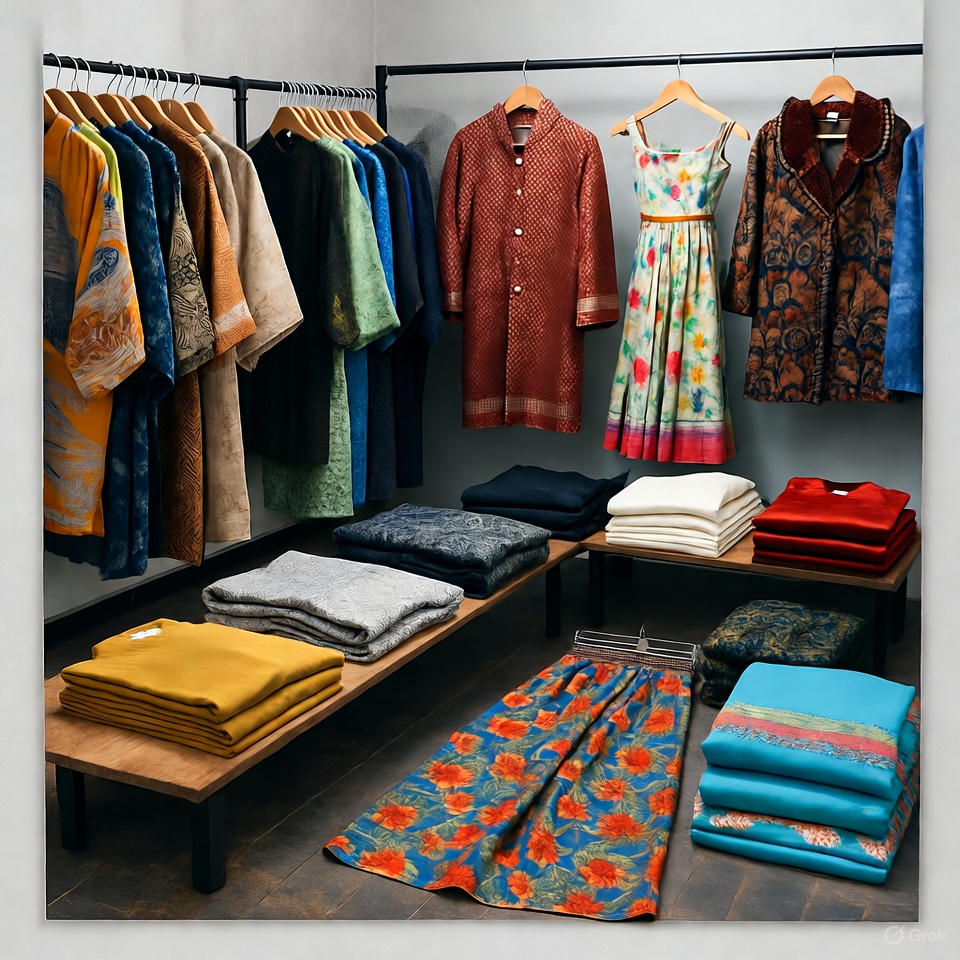
Cultural Fashion Comeback: Handcrafted, Heritage, and Modern Vibes.
Introduction.
Fashion trends may change with the seasons, but heritage never goes out of style. The past few years have seen a powerful cultural fashion comeback, celebrating handwoven fabrics, artisanal embroidery, and age-old craftsmanship. In 2025, these traditional elements are being reinterpreted through modern silhouettes and minimalist aesthetics — creating a perfect harmony between craft and contemporary.
1. The Revival of Handcrafted Fashion.
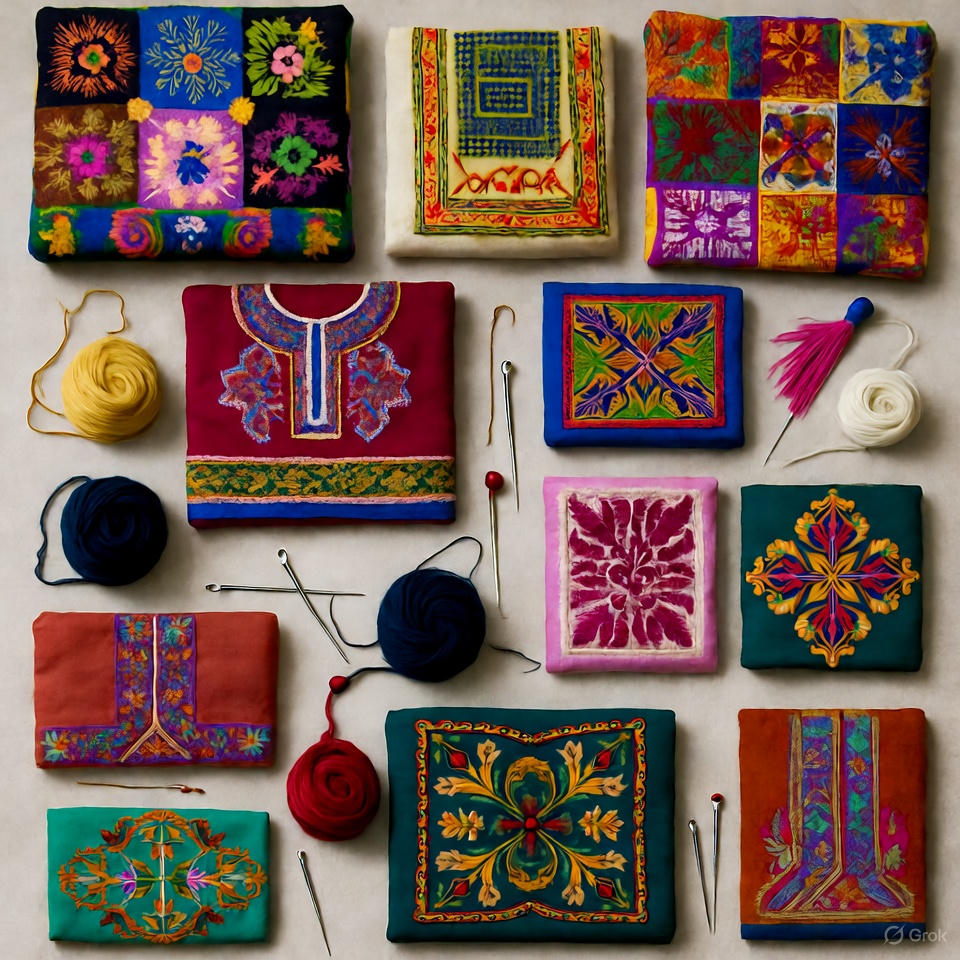
In an era of mass production, handcrafted clothing has regained immense value. Consumers are drawn to pieces that carry a human touch — a story behind every stitch, a culture behind every motif. This shift reflects a growing desire for authenticity in fashion.
2. Heritage as Modern Identity.
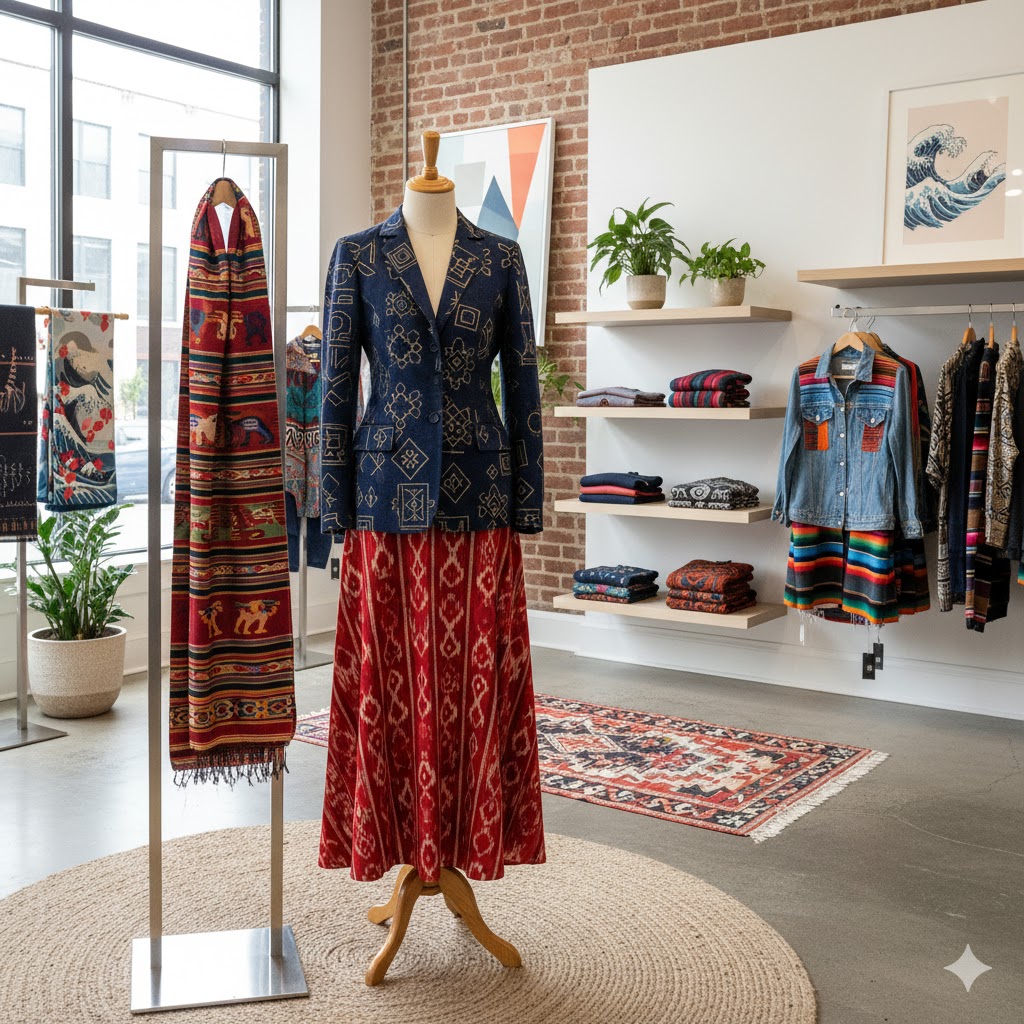
Cultural fashion is no longer seen as “traditional wear.” It’s an identity statement. Wearing heritage-inspired pieces in modern life connects people to their roots while expressing individuality. From embroidered jackets to handloom skirts, heritage now lives confidently on the city streets.
3. The Global Influence of Local Crafts.
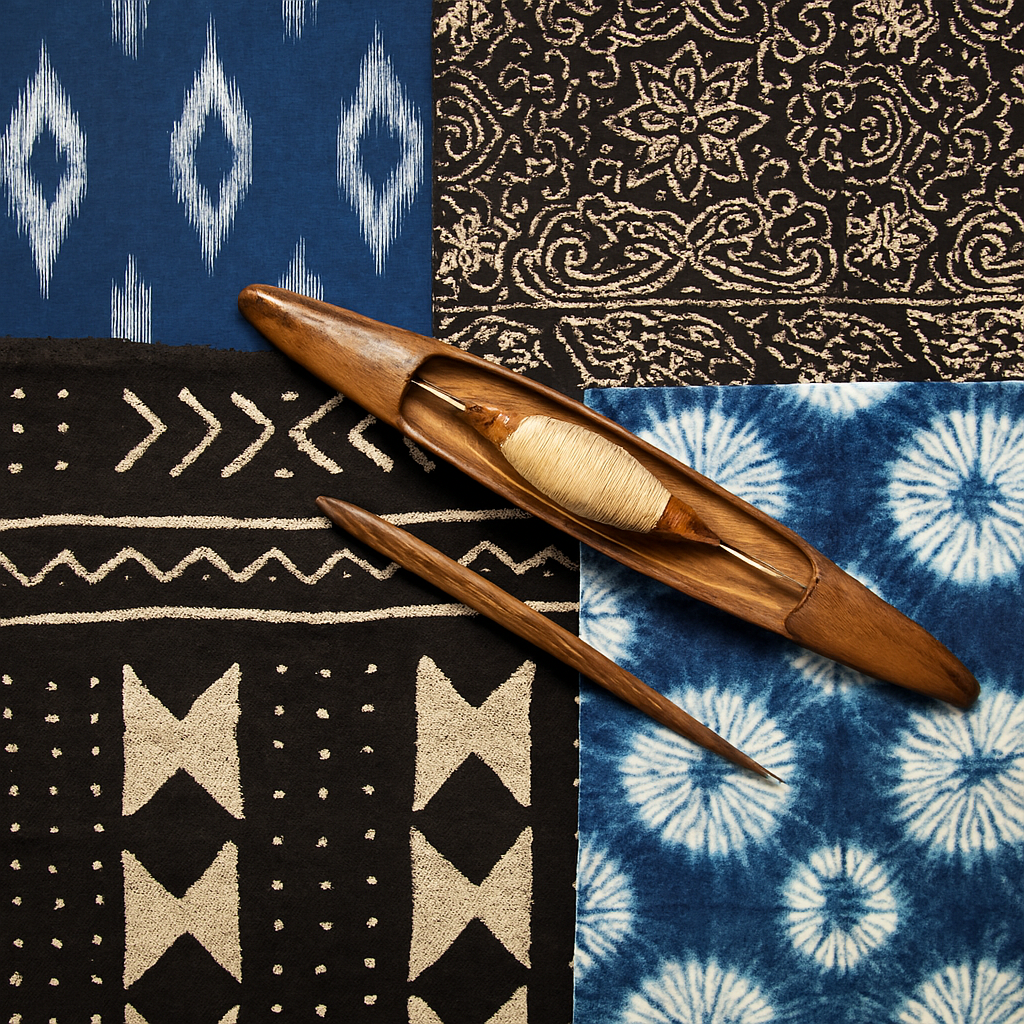
Designers from India, Morocco, Mexico, Japan, and Africa are redefining global fashion through their regional crafts. The world has started to recognize the beauty of techniques like kantha stitching, mud cloth printing, ikat weaving, and shibori dyeing. Each pattern carries generations of history.
4. The Art of Hand Embroidery.
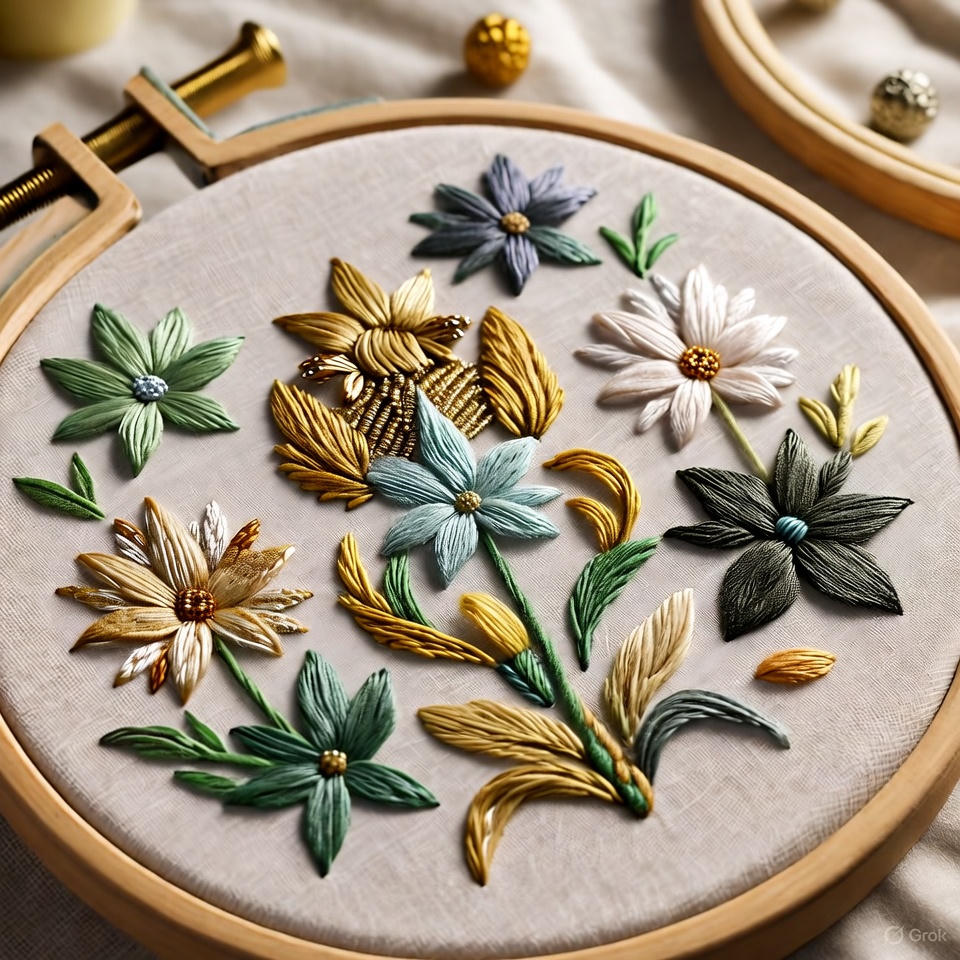
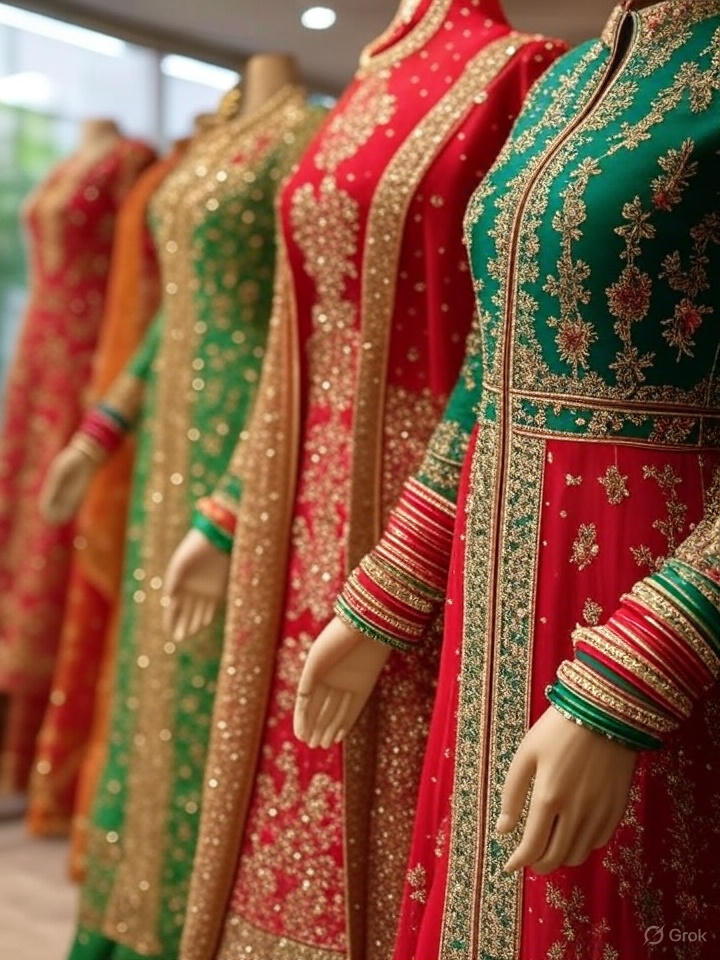
Embroidery is at the heart of cultural fashion’s return. Whether it’s mirror work from Gujarat, gold zari threads from Lucknow, or hand-stitched suzani from Uzbekistan — these details turn ordinary garments into timeless art pieces.
5. Weaving Stories: The Loom Legacy.
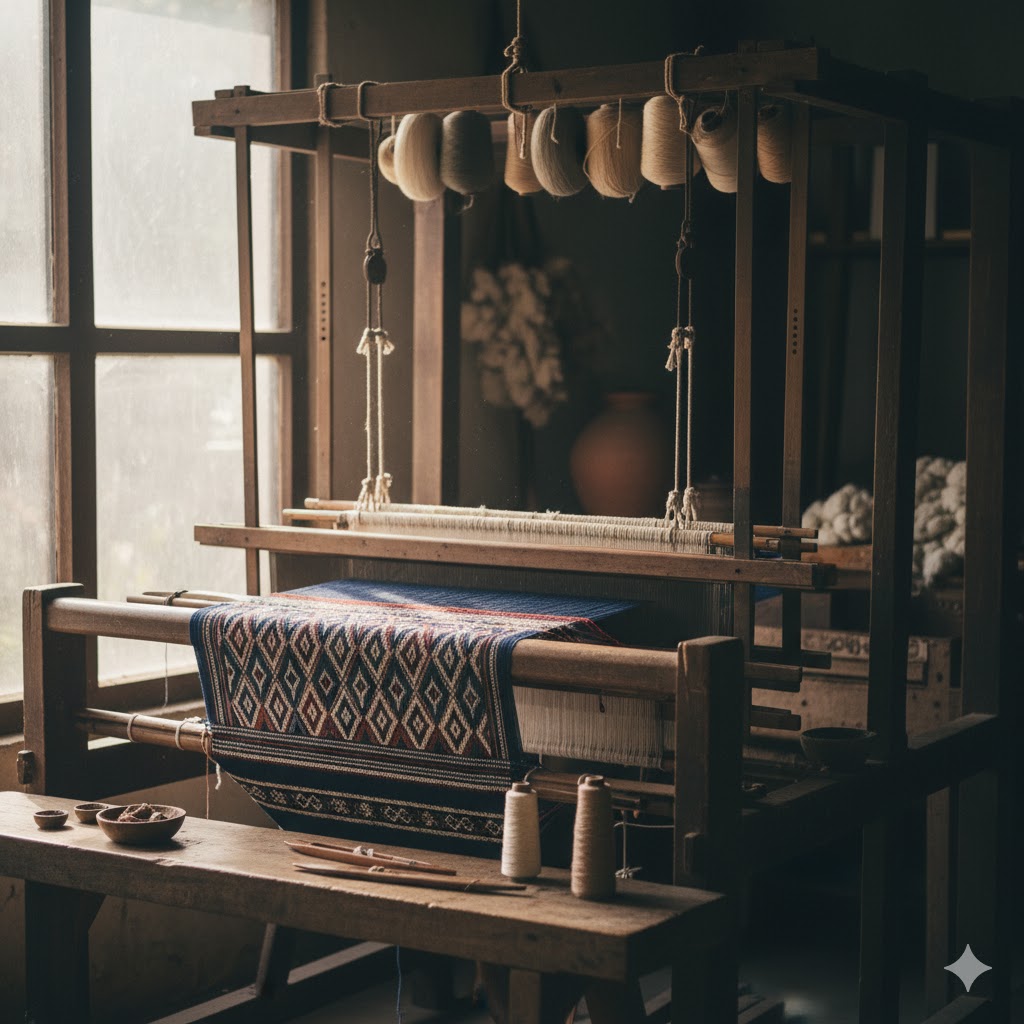
Handloom fabrics are symbols of patience and precision. In 2025, designers are showcasing khadi, jamdani, linen, and silk weaves in bold new ways — pairing them with modern tailoring and minimal cuts. The result is texture-rich, breathable luxury.
6. Sustainability Meets Style.
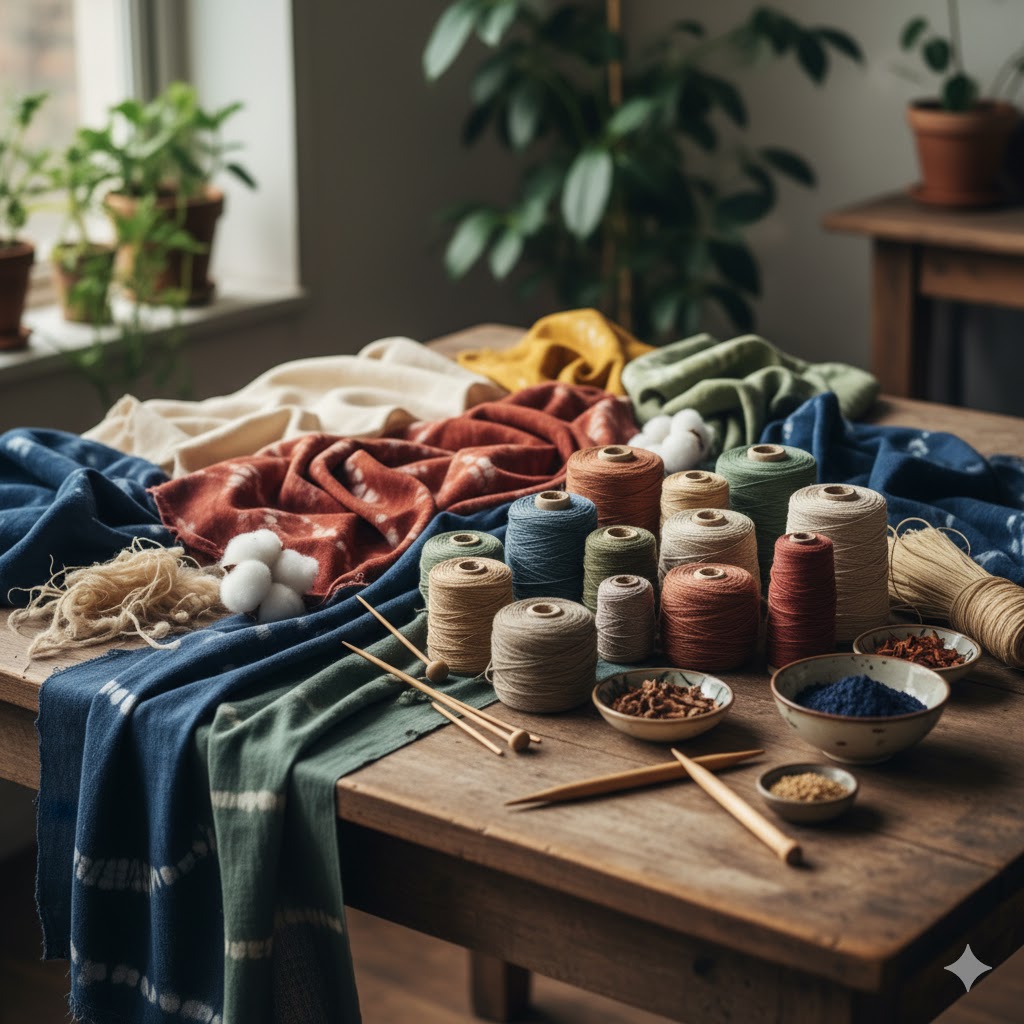
Cultural fashion naturally aligns with sustainability. Most traditional crafts use natural dyes, handwoven fibers, and eco-conscious techniques. By reviving them, designers are promoting both environmental and cultural preservation — proving that style and responsibility can coexist beautifully.
7. The Rise of the Artisanal Label.
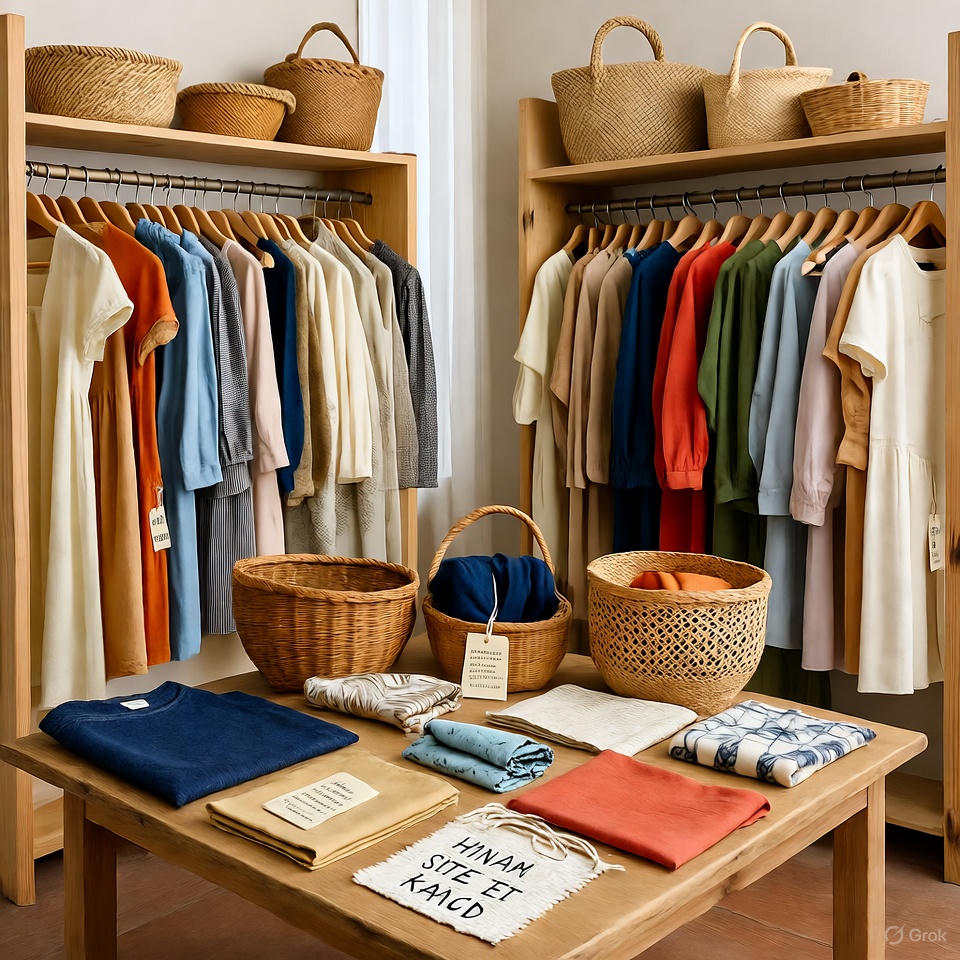
Boutique brands and local ateliers are thriving. Consumers prefer smaller labels that value craftsmanship over volume. These brands highlight artisans, tell their stories, and showcase cultural fashion as wearable art — unique, ethical, and deeply human.
8. Modern Silhouettes, Traditional Soul.
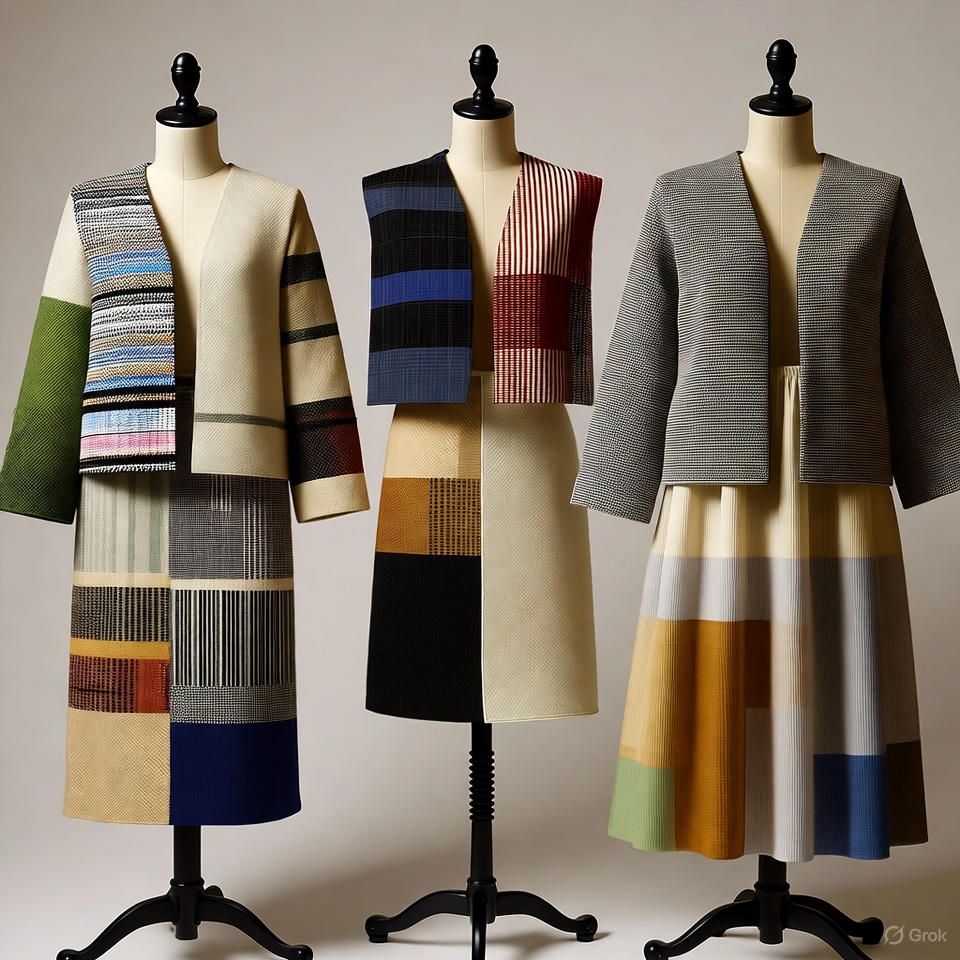
The modern twist comes in the form of silhouettes. Designers are reshaping traditional fabrics into contemporary fits — cropped jackets made from handloom, A-line dresses with tribal prints, and draped trousers inspired by regional attire. It’s heritage reimagined for the modern wardrobe.
9. The Power of Detail.
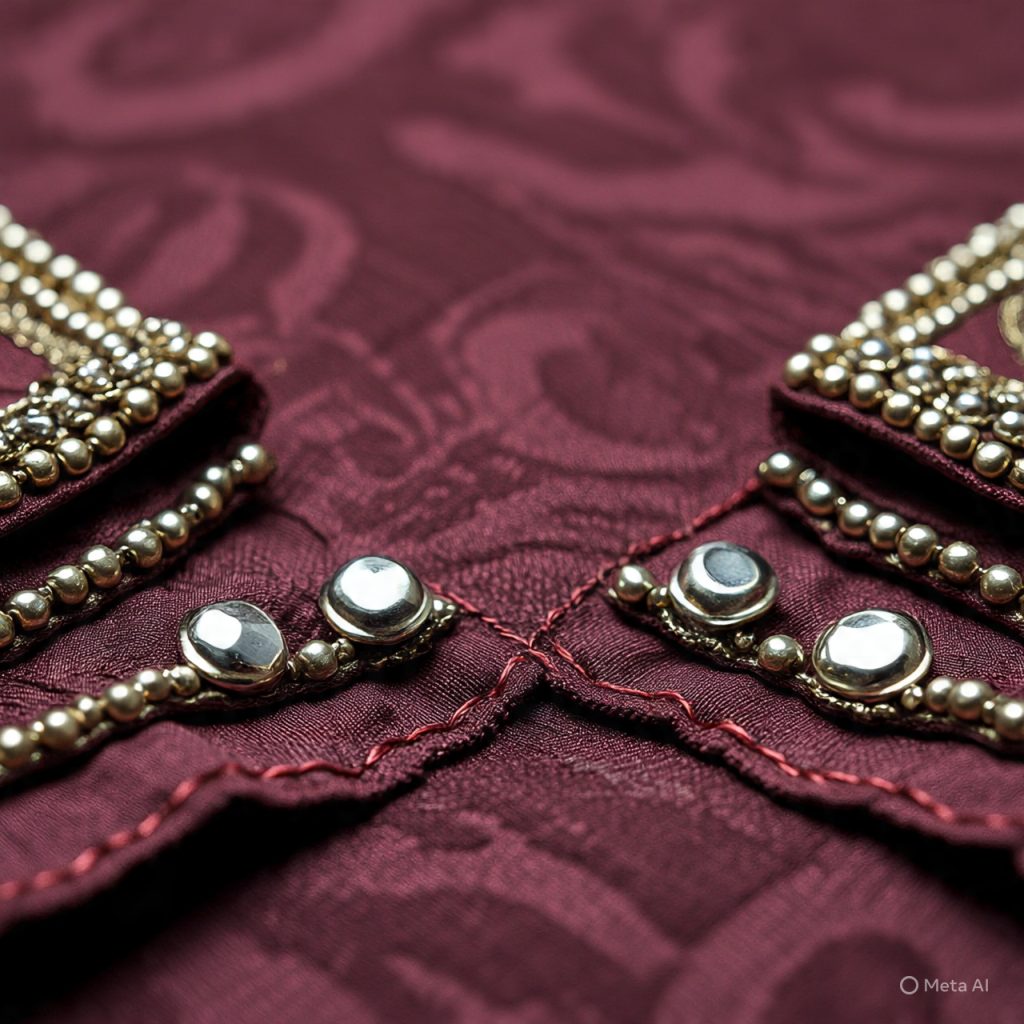
In cultural fashion, details matter — be it handcrafted buttons, block-printed linings, or hand-beaded collars. Each detail adds authenticity, texture, and visual storytelling. Small elements give garments emotional depth that factory-made pieces often lack.
10. Color Palettes Inspired by Nature.
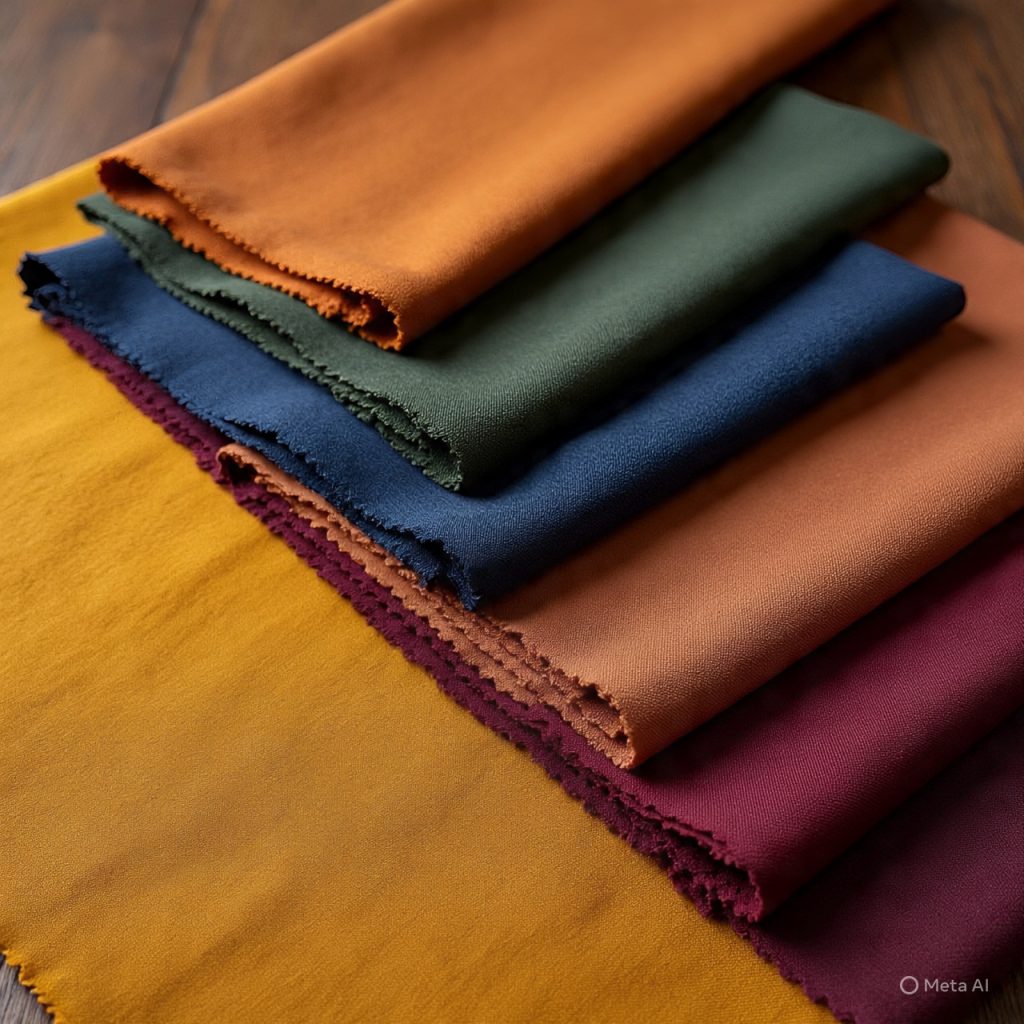
Heritage fashion draws heavily from nature’s colors — earthy browns, deep maroons, turmeric yellows, and indigo blues. These tones not only symbolize tradition but also align with modern minimalism, creating a sophisticated, grounded aesthetic.
11. Accessories with a Cultural Twist.
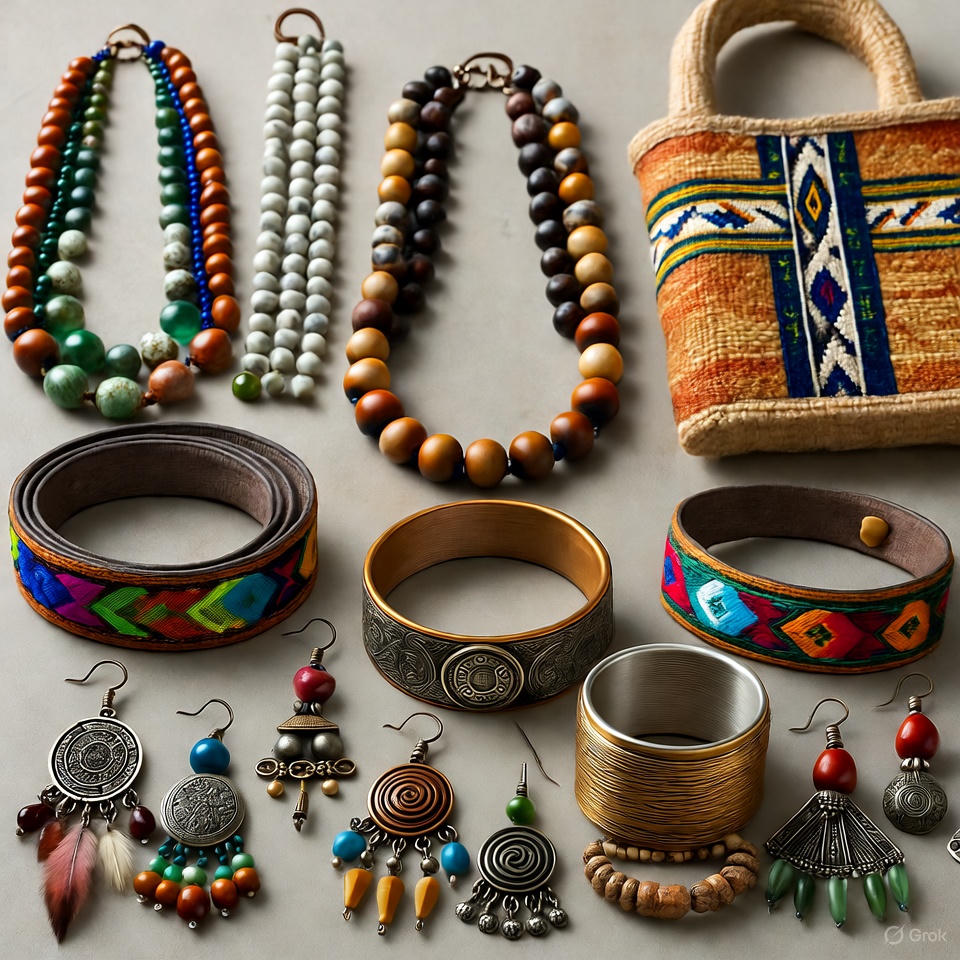
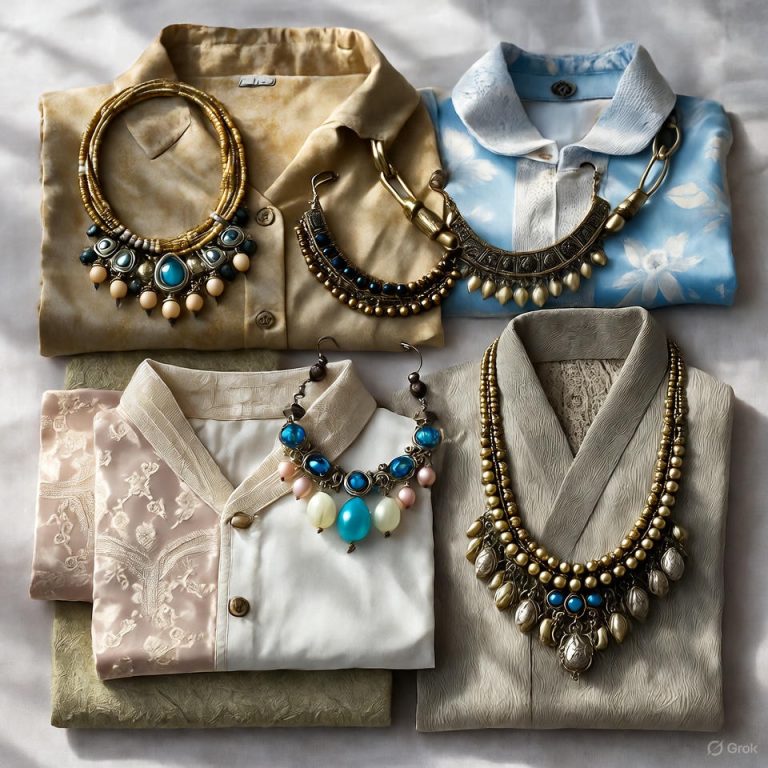
Accessories play a crucial role in the cultural fashion revival. Handcrafted jewelry, beaded clutches, embroidered belts, and woven scarves add texture and history to modern outfits. They’re the bridge between then and now.
12. Global Runways Embracing Tradition.
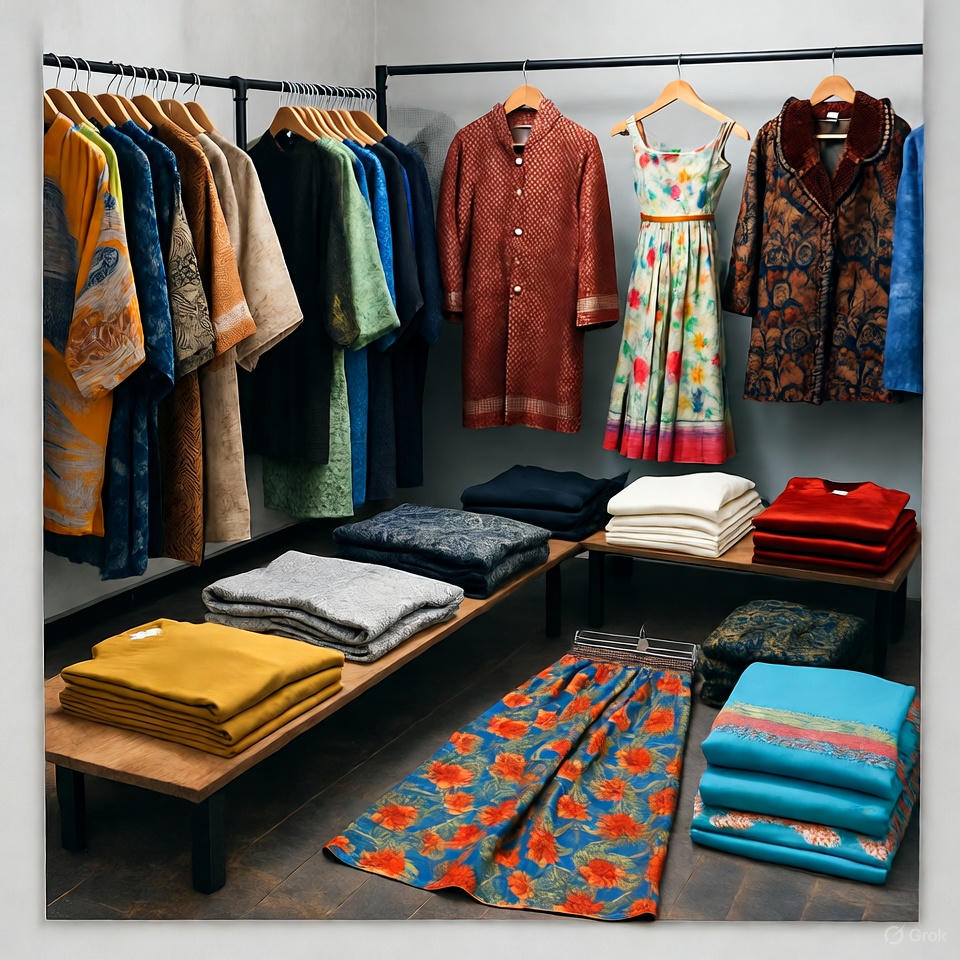
Major fashion weeks in Paris, Milan, and New York are spotlighting cultural craftsmanship. Designers collaborate with artisans worldwide, creating collections that blend old-world artistry with urban fashion. This fusion gives heritage a global stage.
13. Craftsmanship as a Luxury Statement.
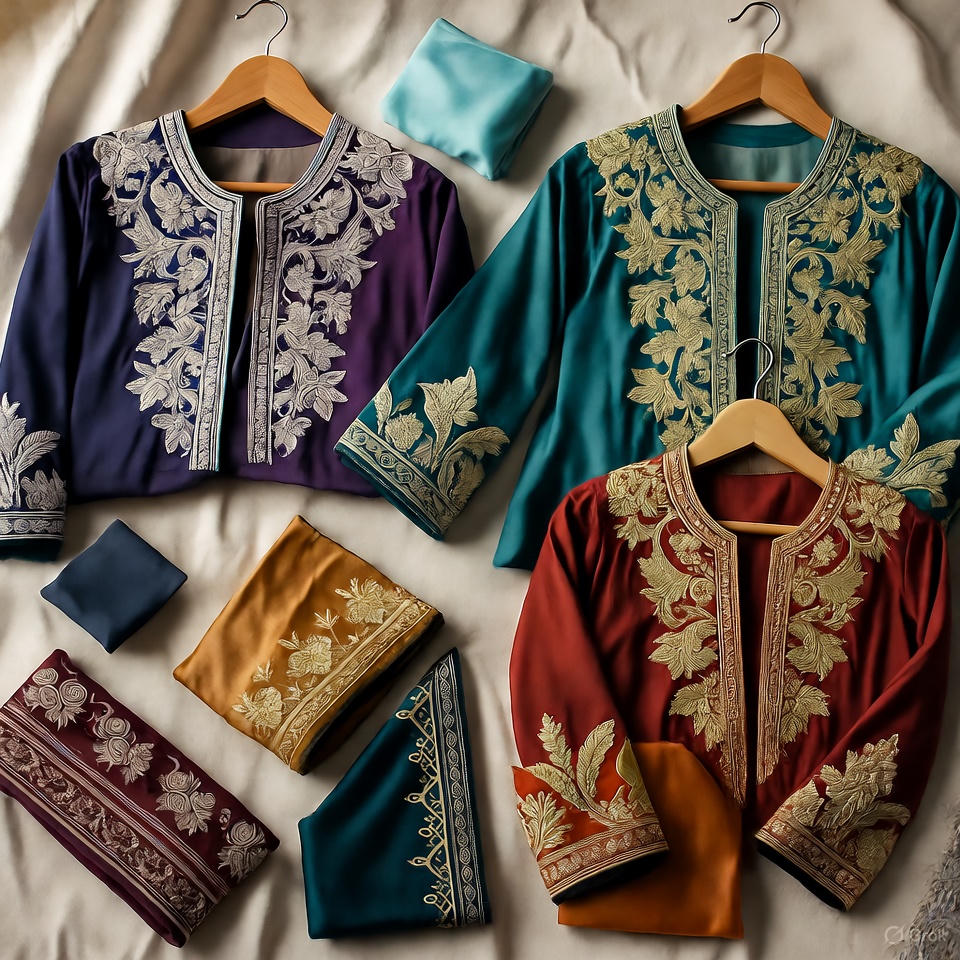
Luxury today isn’t about logos — it’s about craftsmanship. Owning a hand-embroidered coat or a hand-dyed kimono means investing in hours of artistry and skill. In 2025, “handmade” is the new symbol of high fashion.
14. Youth and Heritage: The New Connection.
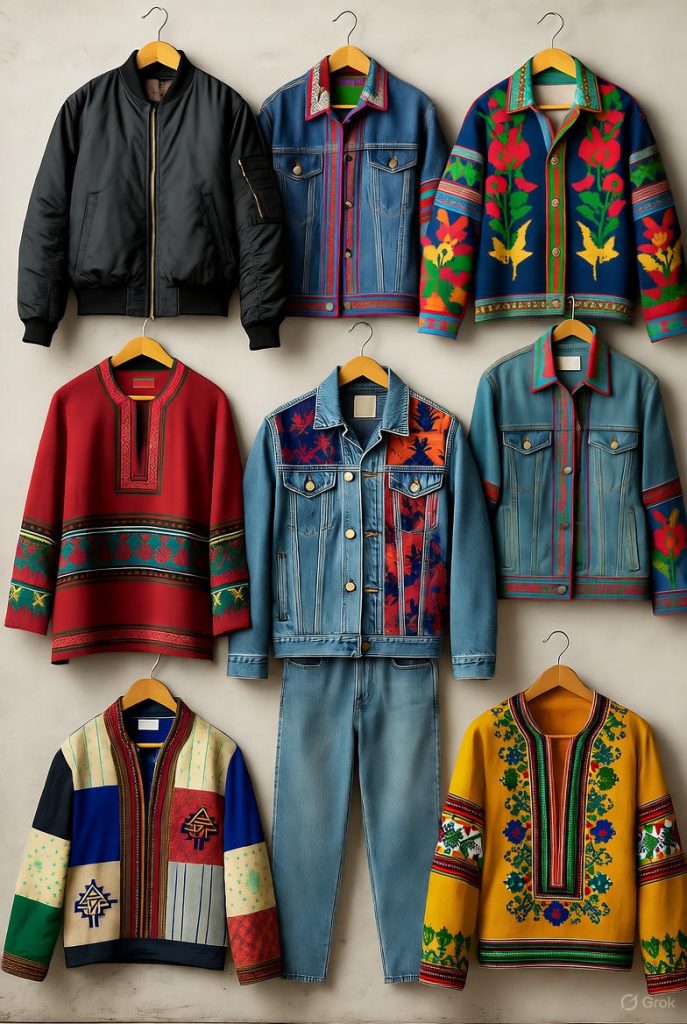
Younger generations are reconnecting with their cultural roots through fashion. Social media has played a huge role — turning handcrafted styles into cool, conscious trends. Wearing traditional prints with sneakers or styling sarongs as skirts has become a form of cultural pride.
15. The Gender-Neutral Evolution.
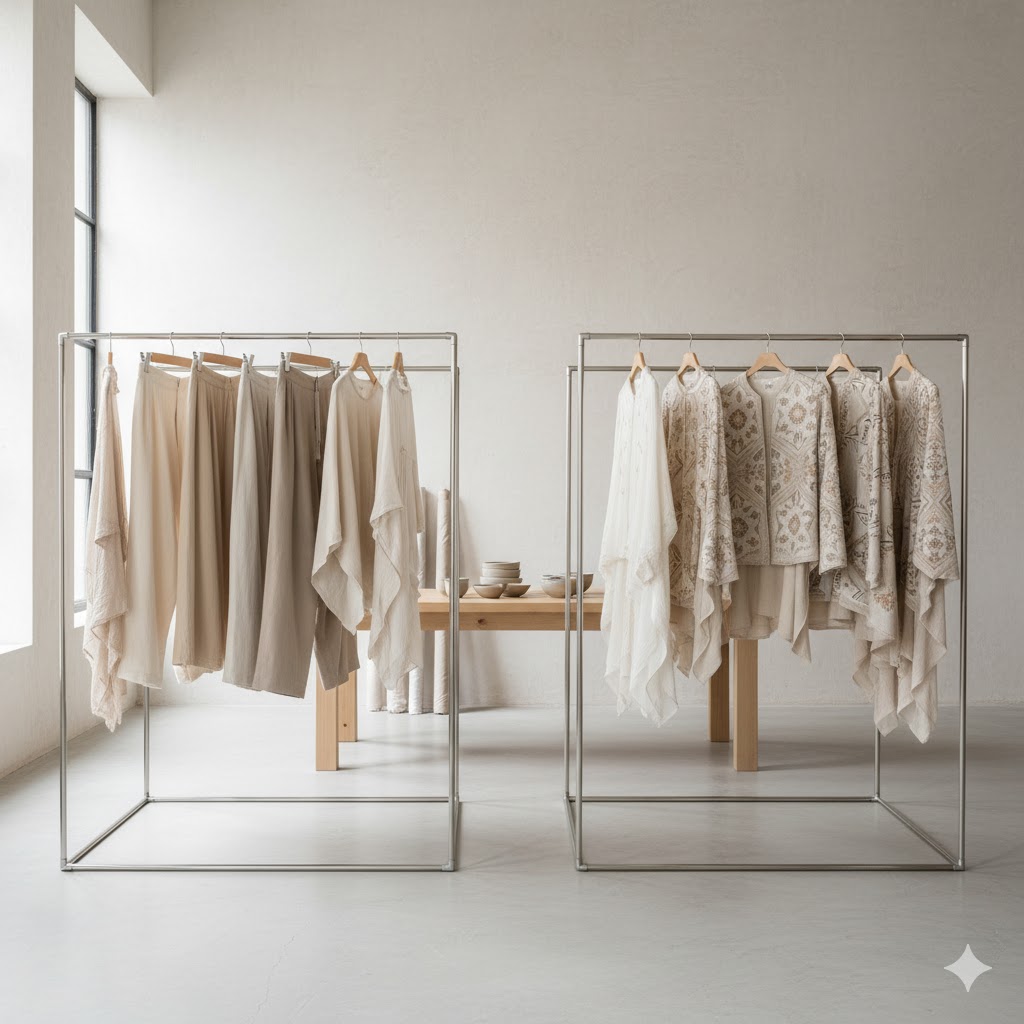
Cultural-fashion has also embraced gender fluidity. Handcrafted fabrics and silhouettes are being designed to suit all identities. Flowy kurtas, embroidered jackets, and wrap trousers are now worn beyond gender boundaries — emphasizing comfort and self-expression.
16. The Role of Technology in Preserving Craft.
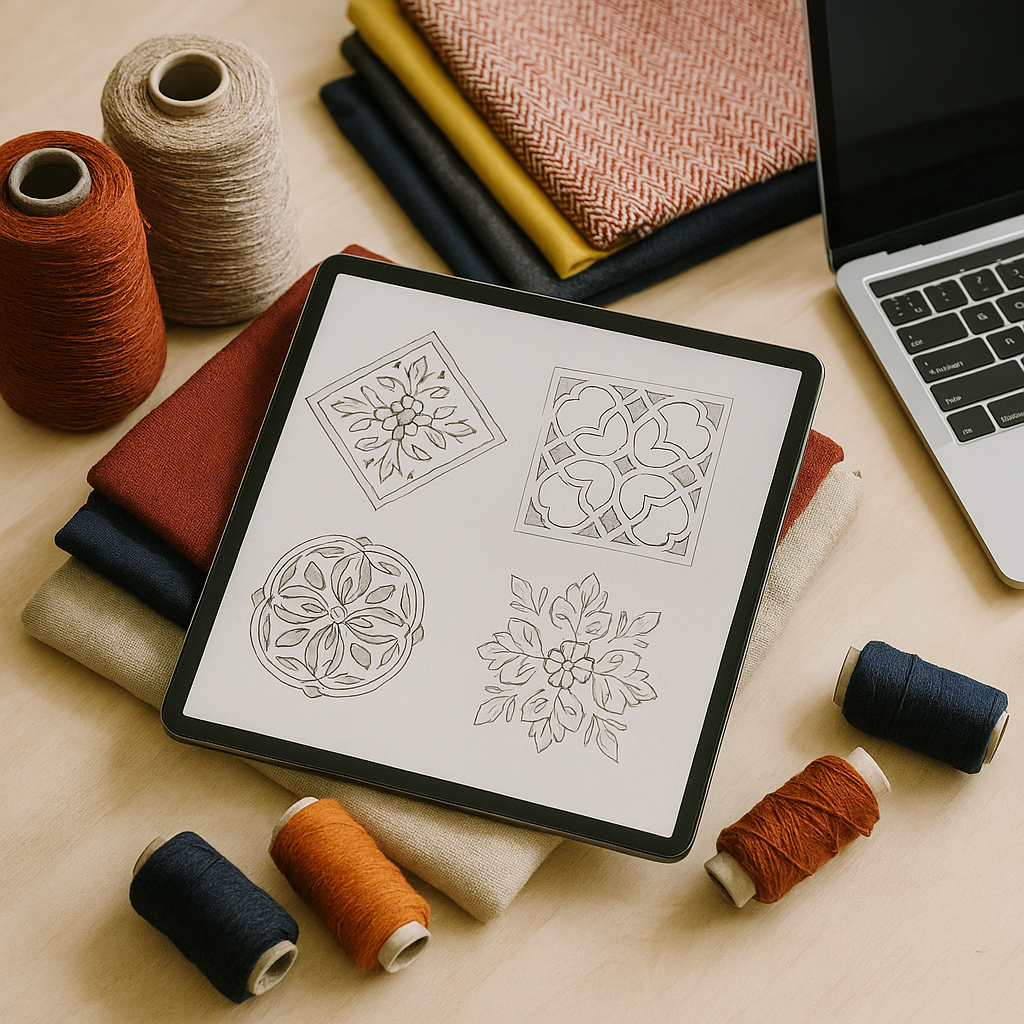
Ironically, technology is helping protect tradition. Digital platforms enable artisans to sell globally, while AI design tools document lost patterns and motifs. This blend of digital innovation and handmade skill ensures cultural crafts evolve without losing their essence.
17. Styling Cultural Fashion for the Urban World.
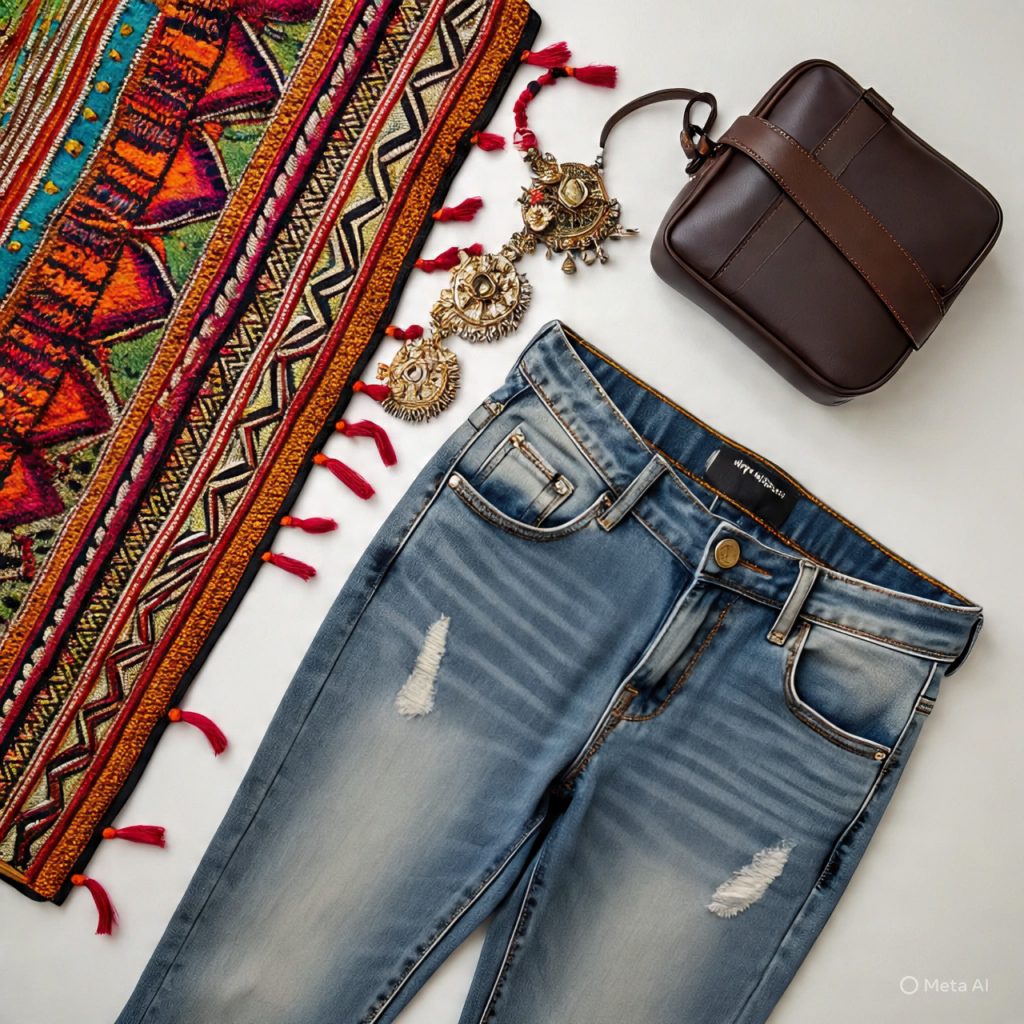
Mixing heritage with daily wear is easier than ever. Pair a handwoven jacket with jeans, an embroidered shawl over a monochrome outfit, or tribal jewelry with a modern dress. The key is balance — keeping the look effortless, not costume-like.
18. Styling Cultural-Fashion for the Urban World.
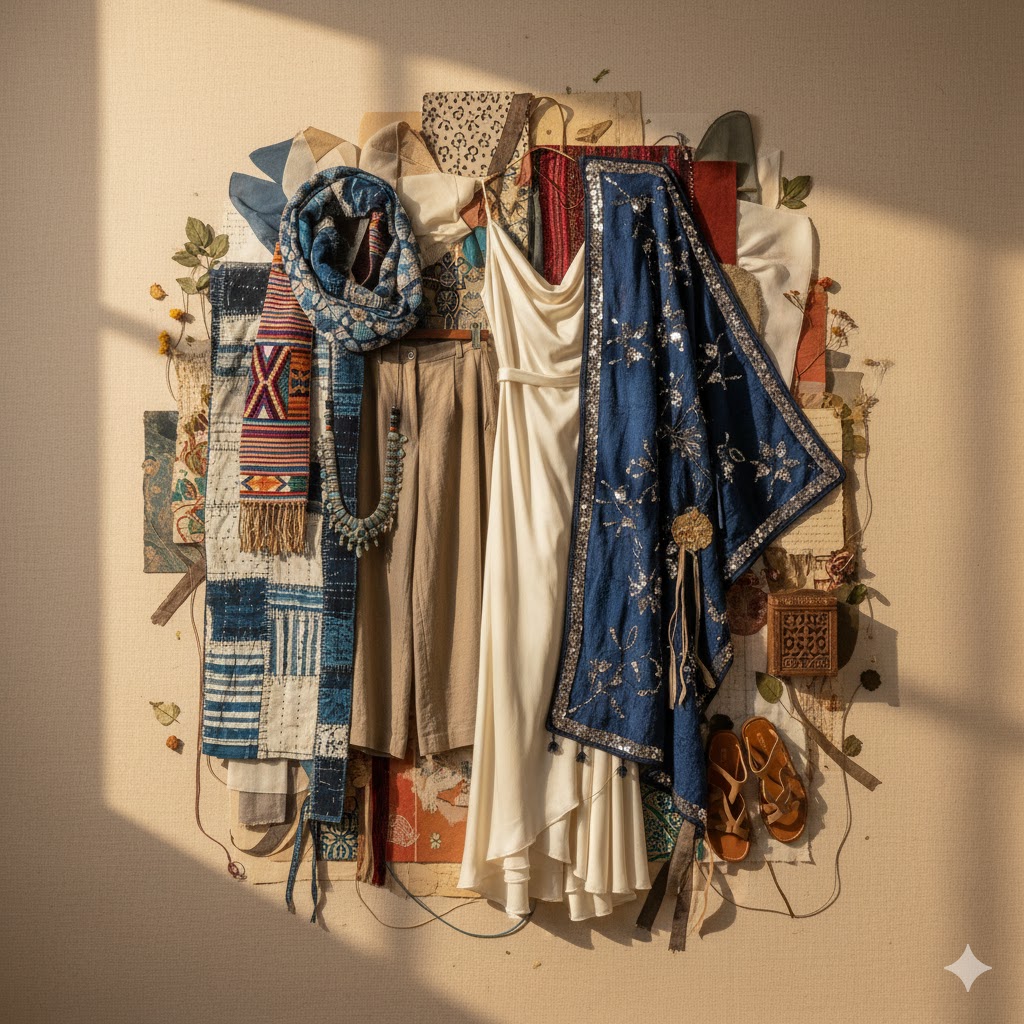
Mixing heritage with daily wear is easier than ever. Pair a handwoven jacket with jeans, an embroidered shawl over a monochrome outfit, or tribal jewelry with a modern dress. The key is balance — keeping the look effortless, not costume-like. This blending of cultures in street and office wear gives authenticity a fresh, wearable form.
Final Thoughts.
The cultural fashion comeback is not just a trend — it’s a revival of pride, artistry, and purpose. As fashion races ahead with digital speed, handcrafted and heritage pieces remind us to pause, to value the maker’s touch, and to honor where our clothes come from.
In 2025 and beyond, the fusion of handmade and high style will continue to inspire designers and consumers alike. Cultural-fashion is living proof that when we carry our roots forward — through weaves, colors, and patterns — we’re not just wearing clothes; we’re wearing stories that connect the past to the present, beautifully and meaningfully.