The Power of Education: 12 Essential Ways Learning Shapes a Better Future
Introduction
Education is the foundation of personal growth, social development, and economic strength. It empowers individuals with knowledge, practical skills, and the ability to think critically in real-life situations. In today’s fast-evolving world, formal schooling is no longer limited to textbooks or classrooms—it has become a holistic journey that shapes character, creativity, values, and long-term success.
Modern academic development encourages curiosity, adaptability, and lifelong improvement. From structured studies to informal knowledge-building experiences, this journey plays a crucial role in shaping confident and capable individuals. This blog explores the essential pillars of learning and academic growth, and how each contributes to building an informed, skilled, and responsible generation
1. The Purpose of Modern Education

Modern learning goes far beyond reading and writing. Its primary purpose is to build problem-solving abilities, confidence, adaptability, and a broader understanding of the world. Today’s academic systems focus on preparing individuals to respond effectively to change and contribute meaningfully to society.
By encouraging analytical thinking and creativity, structured learning environments help students become independent thinkers rather than passive receivers of information
2. Early Childhood Education Matters

The early years of life are critical for cognitive, emotional, and social development. Early learning experiences introduce children to basic habits such as curiosity, discipline, and interaction with others. These formative years shape how children respond to challenges later in life.
A strong foundation in early learning ensures better academic performance, emotional stability, and positive behavior patterns in later stages
3. Classroom Environment and Learning Behavior
A supportive classroom environment significantly boosts motivation and improves learning outcomes. When instructors create safe, inclusive, and interactive spaces, students feel encouraged to participate and express ideas freely.
Healthy learning environments improve concentration, reduce stress, and enhance academic performance by promoting collaboration and mutual respect
4. Importance of Digital Literacy
In the digital era, learners must understand how to use technology responsibly and effectively. Digital literacy includes familiarity with online tools, research skills, data awareness, and ethical internet behavior.
These competencies prepare individuals for modern careers, global communication, and informed decision-making in a technology-driven world
5. Teacher’s Role in Student Growth
Teachers play a vital role as mentors, guides, and motivators. Their instructional methods, communication style, and encouragement shape how students absorb knowledge and develop confidence.
Effective educators inspire curiosity, critical thinking, and a love for lifelong learning that extends far beyond the classroom
6. Parental Involvement in Education
Families play a significant role in shaping a child’s academic journey. When parents participate in school activities, assist with learning tasks, and promote discipline, children perform better and feel supported.
Strong collaboration between families and institutions creates a balanced learning environment that nurtures confidence and responsibility
7. Emotional and Social Learning (SEL)
Academic success is not limited to grades—it also includes emotional intelligence and social awareness. Social and emotional learning helps individuals manage emotions, build relationships, and make responsible decisions.
These skills improve behavior, empathy, mental well-being, and long-term personal growth.
8. Skill-Based Education for the Future
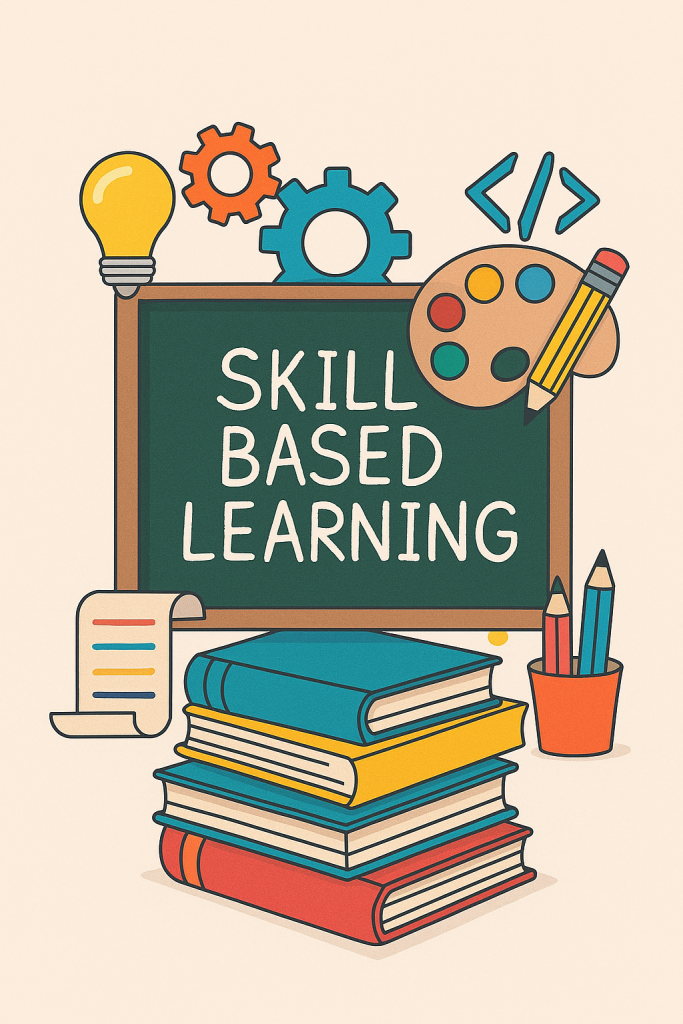
The modern job market demands practical abilities such as communication, teamwork, creativity, coding, and problem-solving. Skill-based learning equips individuals with hands-on experience and real-world readiness.
This approach bridges the gap between theoretical knowledge and professional application, strengthening career confidence
9. Inclusive Education for All Children
Inclusive learning ensures that every child—regardless of ability, gender, or background—has equal access to opportunities. It promotes acceptance, diversity, and fairness within learning environments.
Inclusive classrooms foster empathy and cooperation, helping build a more harmonious and understanding society
10. Lifelong Learning Mindset
Learning does not end with formal schooling. A lifelong learning mindset encourages continuous curiosity, personal improvement, and professional growth throughout life.
This mindset helps individuals stay relevant, adaptable, and confident in an ever-changing global landscape
11. Importance of Co-Curricular Activities
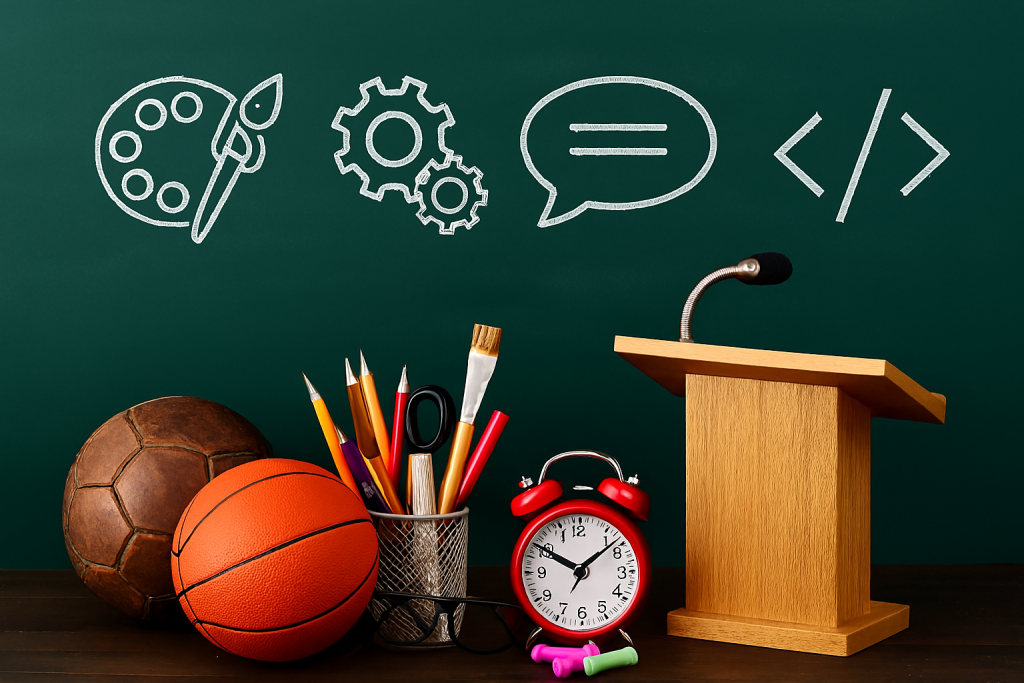
Activities such as sports, arts, debates, and community service play a crucial role in overall development. They foster leadership, discipline, teamwork, and creativity.
A balanced learning journey integrates both academic knowledge and extracurricular engagement for holistic growth
12. Education and Future Careers

Academic preparation lays the groundwork for future opportunities and career success. Career-oriented learning helps individuals identify strengths, interests, and suitable professional paths.
Strong foundational learning ensures long-term stability, adaptability, and success in an increasingly competitive world
۔
Final Thoughts
Learning is one of the most powerful investments in a better future. It develops the mind, strengthens character, and opens doors to countless opportunities across personal and professional life. From early learning stages to advanced skill-building, every phase of academic growth shapes individuals and societies alike.
Strong learning values, when nurtured consistently, create resilient communities and innovative thinkers. A commitment to continuous development today ensures a brighter, more stable tomorrow for future generations.
Education is not limited to classrooms—it is a continuous journey of growth and improvement. In my experience, when consistency and curiosity work together, learning becomes more effective.
Small daily efforts can create a big impact over time, so staying consistent is more important than doing everything at once.
Use this guide as a foundation to build knowledge, improve skills, and move toward a better future with confidence