The Rise of Fusion Fashion: Where Heritage Meets Modern Chic.
Introduction.
Fashion is more than fabric — it’s a living dialogue between history and the present. Over the last decade, a quiet revolution has been unfolding across global runways: Fusion Fashion. It celebrates the art of combining traditional craftsmanship with modern silhouettes, allowing wearers to express both cultural pride and cosmopolitan taste. In 2025, fusion style isn’t a niche — it’s a statement of individuality, inclusivity, and innovation.
1. Understanding the Essence of Fusion Fashion.
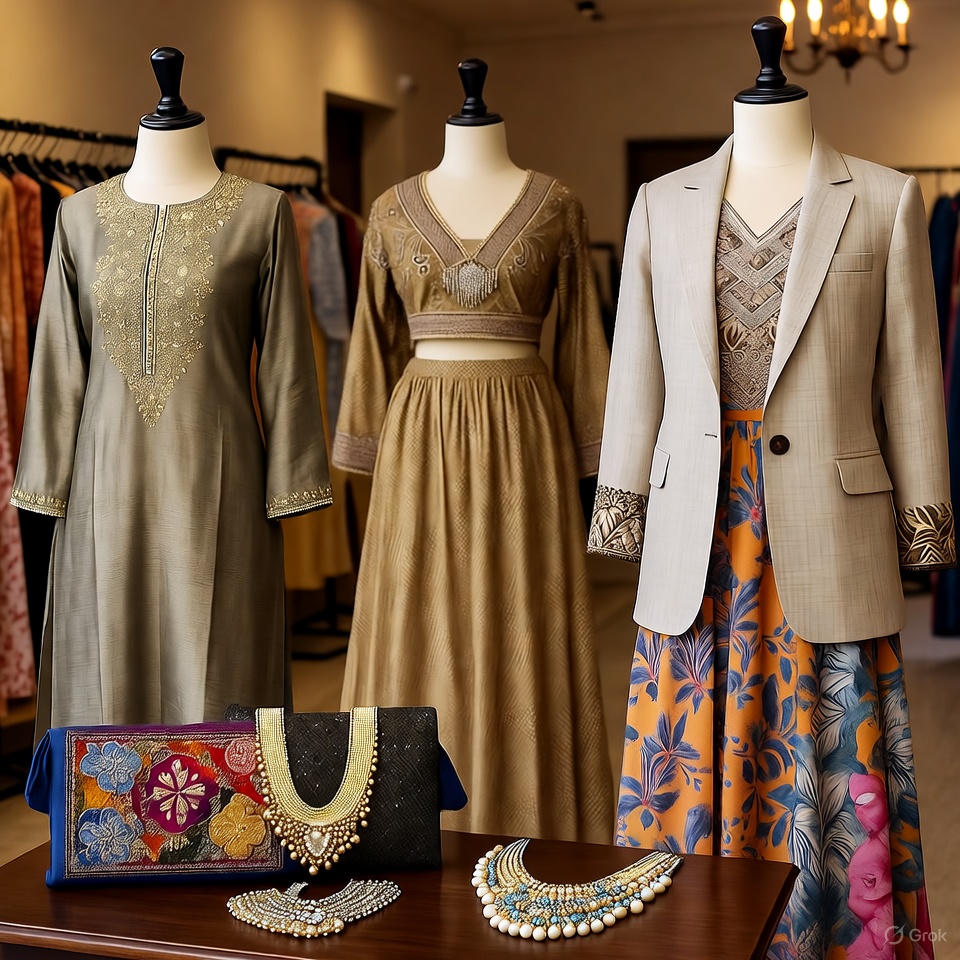
Fusion fashion blends the timeless with the contemporary. It takes handcrafted techniques, indigenous textiles, and cultural embroidery, pairing them with modern tailoring, minimal cuts, and urban styling. The result? Outfits that feel globally inspired yet deeply personal.
Think of a crisp linen blazer paired with a block-printed kurta, or a kimono-style wrap dress made from handwoven cotton. It’s about layering stories — not just clothes.
2. Global Influences and Cross-Cultural Blends.
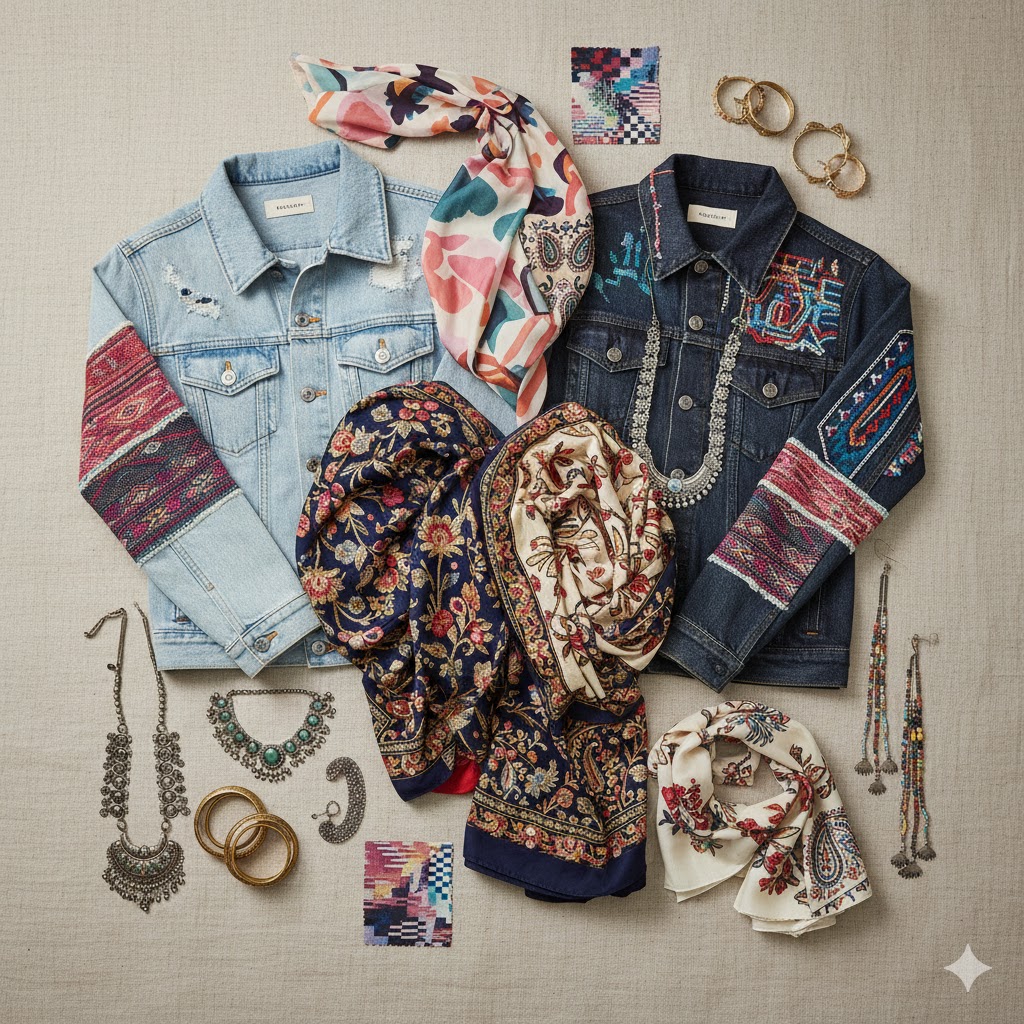
From New York to New Delhi, designers are embracing cultural fusion as a celebration of diversity.
- In Asia, traditional saris, abayas, and cheongsams are reimagined with structured cuts and modern fabrics.
- In Africa, Ankara prints are merging with Western streetwear silhouettes.
- In Europe, embroidered jackets and beaded bags inspired by South Asian craftsmanship are redefining luxury wear.
Fashion houses are no longer focused solely on geography — they’re inspired by shared aesthetics that transcend borders.
3. Why Fusion-Fashion Resonates Today.
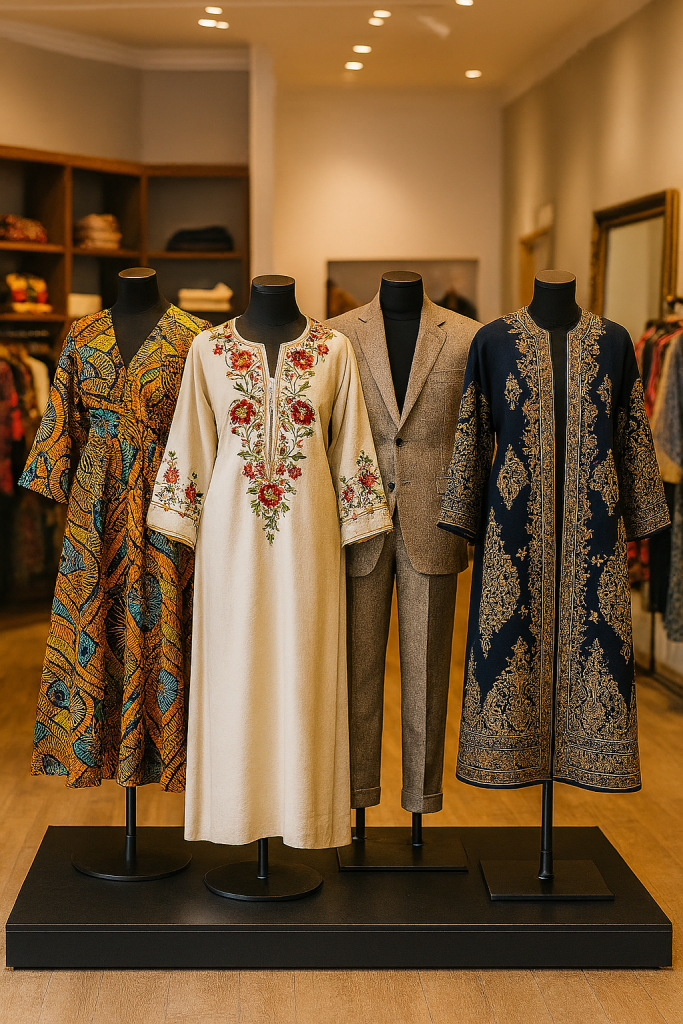
Modern consumers value meaning as much as style. They want to wear pieces that carry heritage, sustainability, and story. Fusion fashion fits this mindset perfectly:
- It promotes slow fashion by valuing craftsmanship.
- It offers versatility, adapting traditional designs into contemporary wardrobes.
- It celebrates identity, allowing people to express their roots while feeling globally connected.
The rise of social media has further accelerated this movement, as influencers from diverse backgrounds showcase cultural mashups with pride.
4. Designers Leading the Movement.
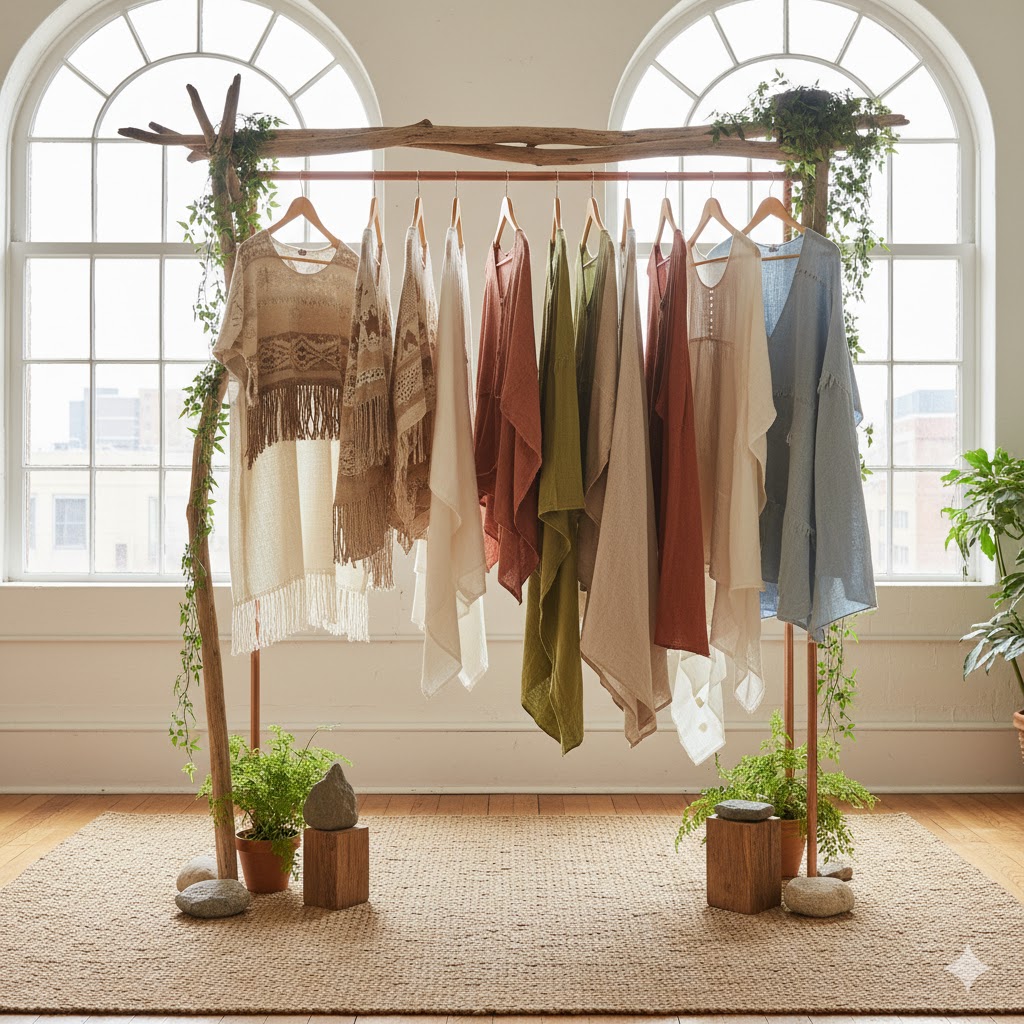
Several designers have become torchbearers of this global style renaissance:
- Anita Dongre and Sabyasachi Mukherjee in India have redefined bridal couture by combining royal motifs with modern minimalism.
- Maki Oh from Nigeria fuses Yoruba dyeing traditions with avant-garde tailoring.
- Zimmermann and Johanna Ortiz highlight tropical motifs and artisanal embroidery in modern silhouettes.
What connects them all is their shared belief — that tradition is not old-fashioned; it’s timeless.
5. Signature Elements of Fusion Wear.
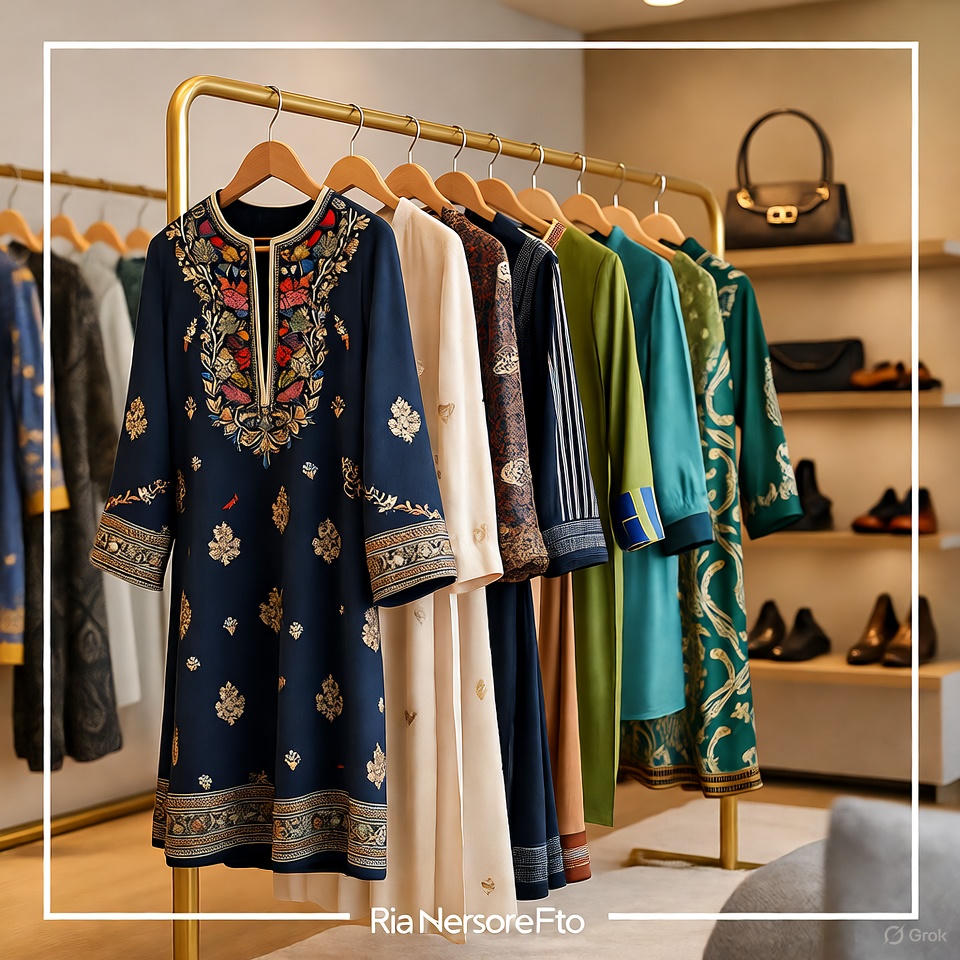
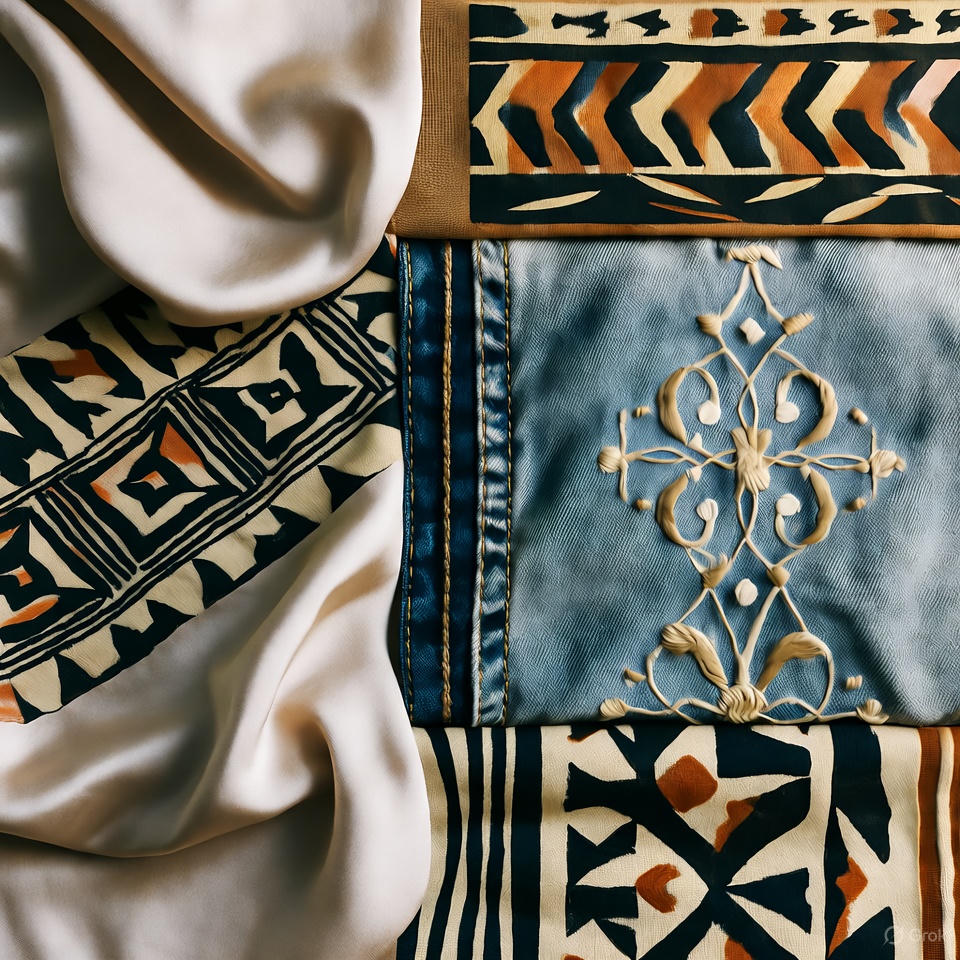
Fusion fashion thrives on subtle contrasts:
- Fabrics: Silk, khadi, and organza paired with denim, chiffon, or satin.
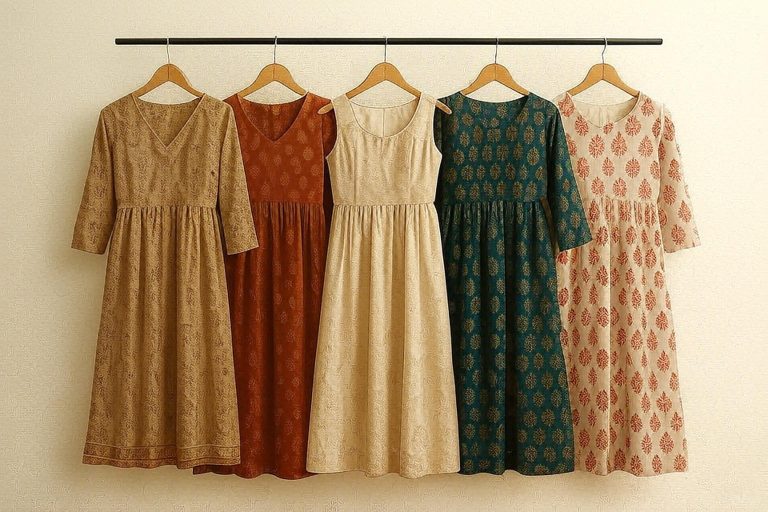
- Patterns: Tribal prints with geometric lines, hand block motifs with digital accents.
- Cuts: Traditional drapes paired with structured jackets or asymmetrical hemlines.
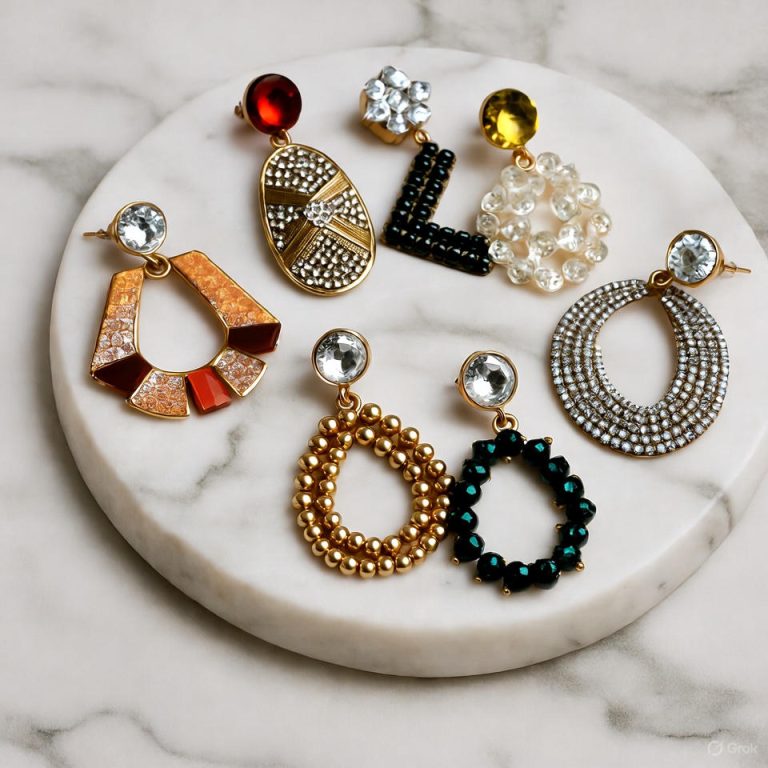
- Accessories: Ethnic jewelry, embroidered belts, or handcrafted bags add the finishing touch.
Every detail speaks of harmony — between heritage and innovation.
6. Styling Fusion-Fashion for Everyday Wear.
You don’t need a runway to wear fusion fashion. Here are some easy ways to make it part of your daily wardrobe:
- Pair a flowy embroidered tunic with tailored trousers.
- Add a statement ethnic stole to a monochrome outfit.
- Mix bohemian jewelry with structured western silhouettes.
- Wear block-printed skirts with neutral blouses or blazers.
Fusion-fashion is flexible — it fits into work meetings, brunches, and festive evenings effortlessly.
7. The Role of Sustainability.
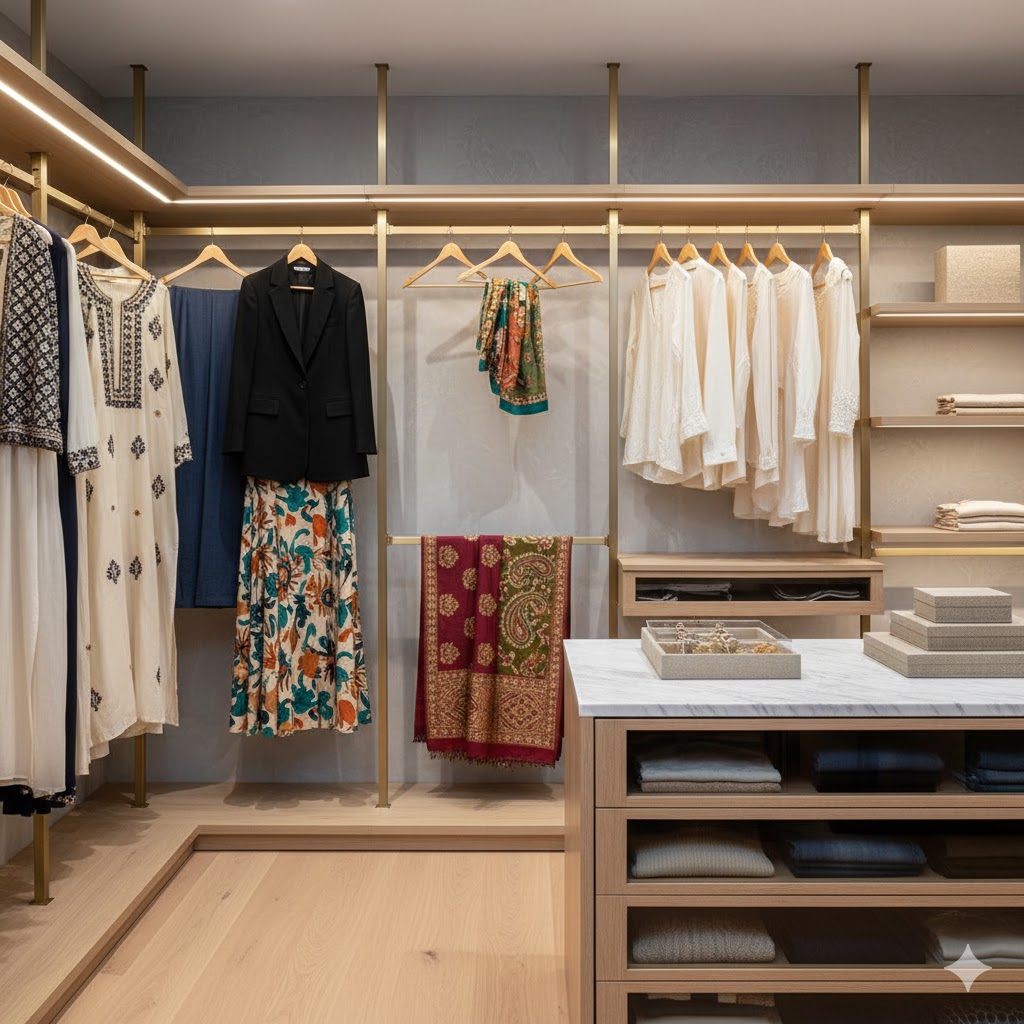
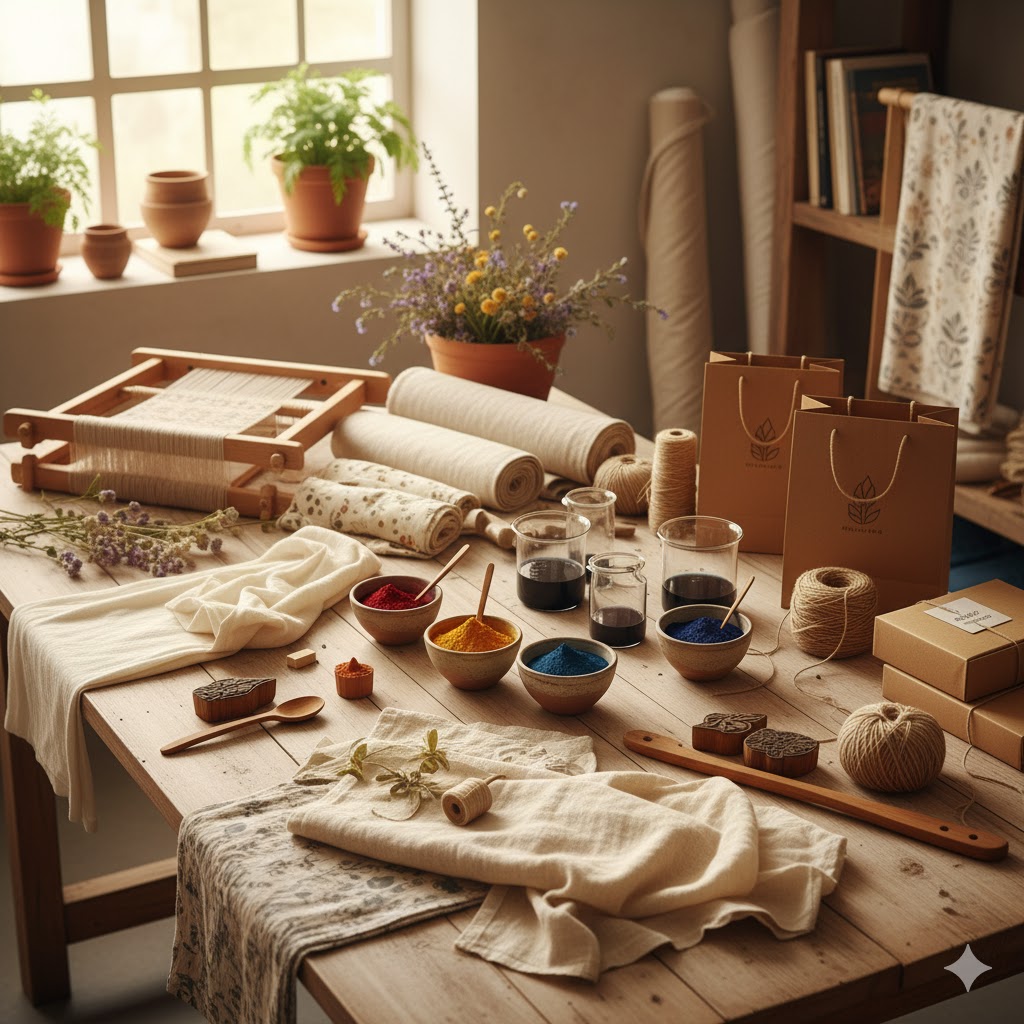
One of the most powerful aspects of fusion fashion is its alignment with sustainability. Many designers now collaborate with artisans to revive lost weaving, dyeing, and embroidery traditions. By blending these crafts into modern designs, they ensure that ancient skills survive and thrive.
Consumers, too, are embracing this change — preferring handmade over mass-produced, natural dyes over synthetics, and purpose over excess.
8. The Digital Push: How Social Media Shapes Fusion Trends.
Instagram, TikTok, and Pinterest have become digital fashion runways. Influencers are mixing cultures, designers are showcasing global collaborations, and small brands are finding international audiences. A Pakistani dupatta styled with a Parisian blazer or African prints worn with Tokyo streetwear — these visual stories have created a global aesthetic movement driven by creativity and openness.
9. How to Build Your Own Fusion Wardrobe.
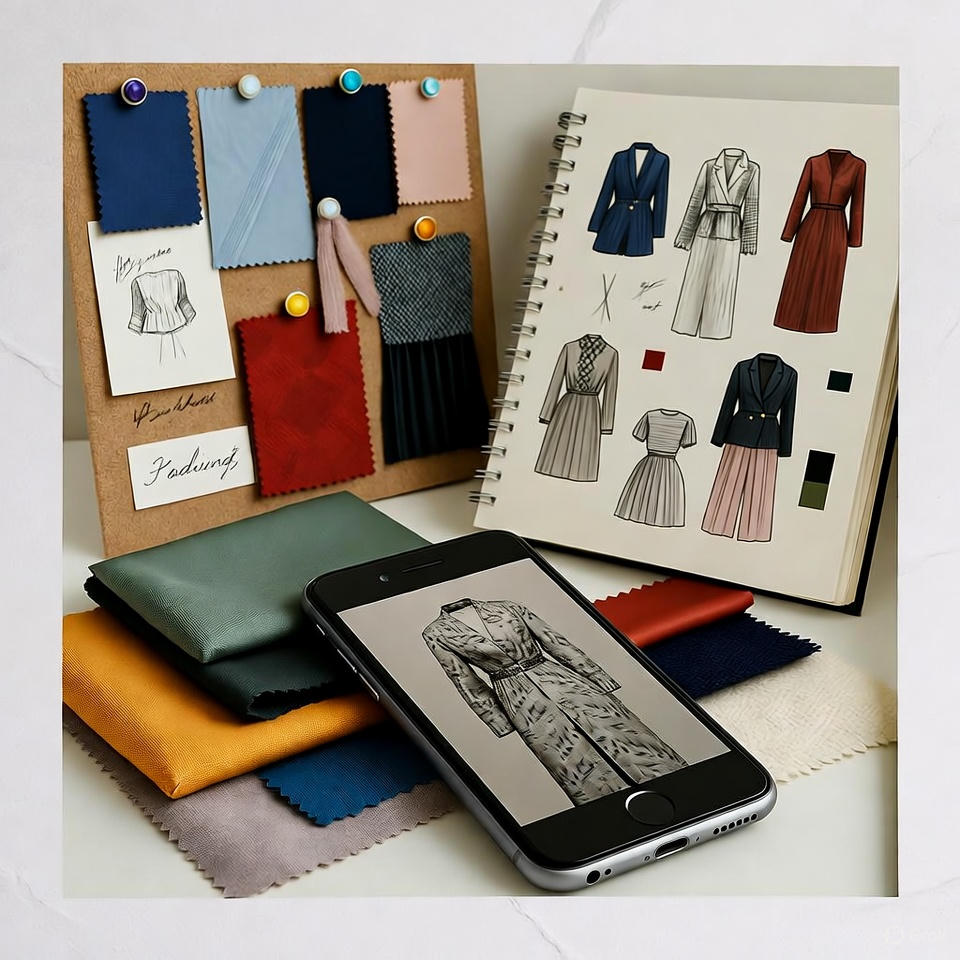
Creating your own fusion look doesn’t require a designer label — it just needs imagination.
Here’s how to start:
- Identify your cultural favorites – patterns, fabrics, or accessories that define your roots.
- Mix modern basics – denim, white shirts, crop tops, or blazers.
- Balance textures – combine one traditional piece with a sleek, neutral item.
- Play with proportions – long tunics with cropped pants, or layered skirts with fitted tops.
Confidence is your best accessory — wear your mix with pride.
10. The Future of Fusion-Fashion.
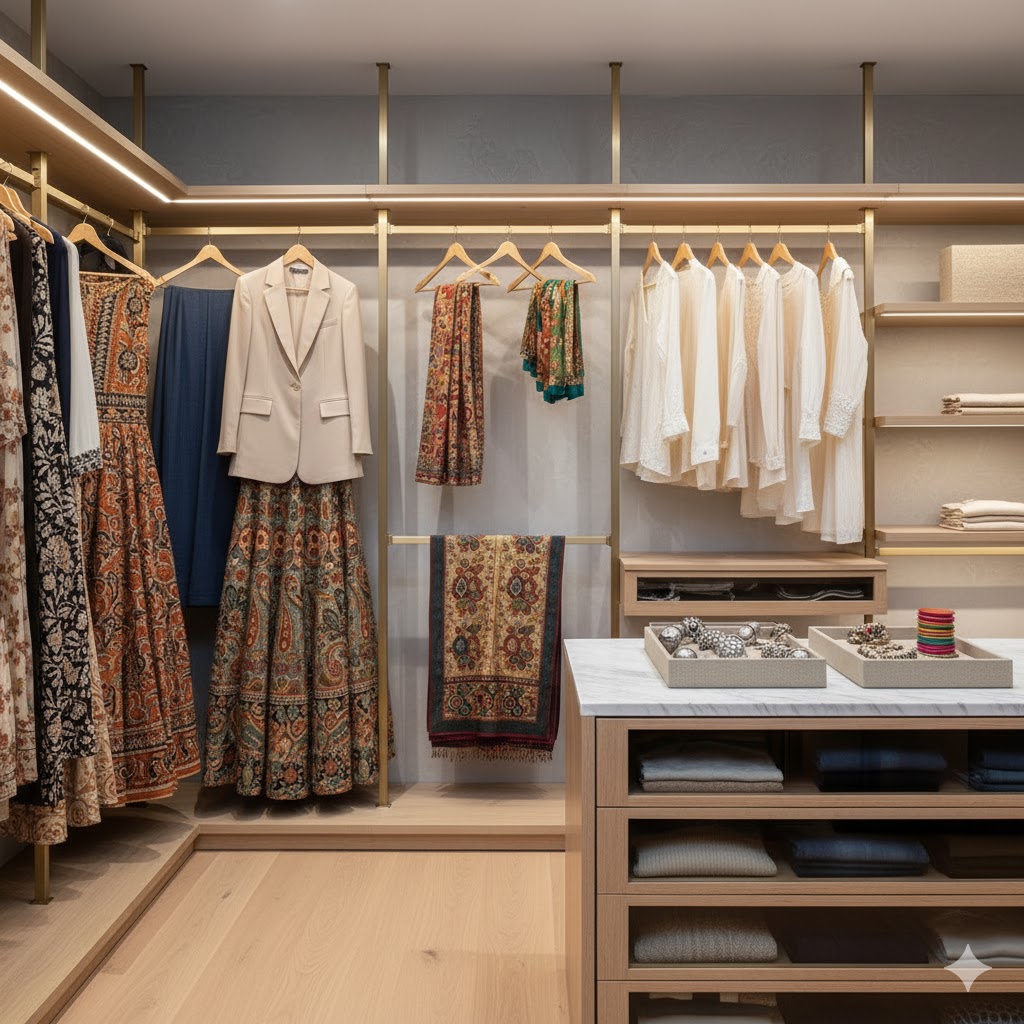
As the world becomes more interconnected, the boundaries between “traditional” and “modern” are fading fast. The future of fashion lies in conversation, not contrast — where every outfit tells a global story.
Fusion fashion isn’t just about design; it’s about identity, heritage, and evolution. It empowers people to honor where they come from while celebrating where they’re going.
Final Thoughts.
The rise of fusion fashion reminds us that style is a shared language — one that doesn’t erase origins but amplifies them. It’s a movement woven from respect, creativity, and cross-cultural dialogue. In a time when the world often feels divided, fashion becomes a bridge — colorful, elegant, and full of meaning.