
Mental Wellness & Storytelling: How Stories Heal the Mind and Strengthen the Heart
1. Introduction: Why Stories Matter

Storytelling is one of the oldest healing tools known to humanity. Long before therapy existed, people told stories to express emotions, make sense of the world, and find comfort. Today, storytelling continues to support mental wellness by helping people process experiences, reduce stress, and build meaningful connections.
کہانی سنانے کا ایک قدیم ترین علاج ہے جو انسانیت کے لیے جانا جاتا ہے۔ تھراپی کے وجود سے بہت پہلے، لوگوں نے جذبات کا اظہار کرنے، دنیا کا احساس دلانے اور سکون حاصل کرنے کے لیے کہانیاں سنائیں۔ آج، کہانی سنانا لوگوں کو تجربات پر عمل کرنے، تناؤ کو کم کرنے، اور بامعنی روابط استوار کرنے میں مدد دے کر ذہنی تندرستی کی حمایت کرتا ہے۔
2. The Psychology Behind Storytelling
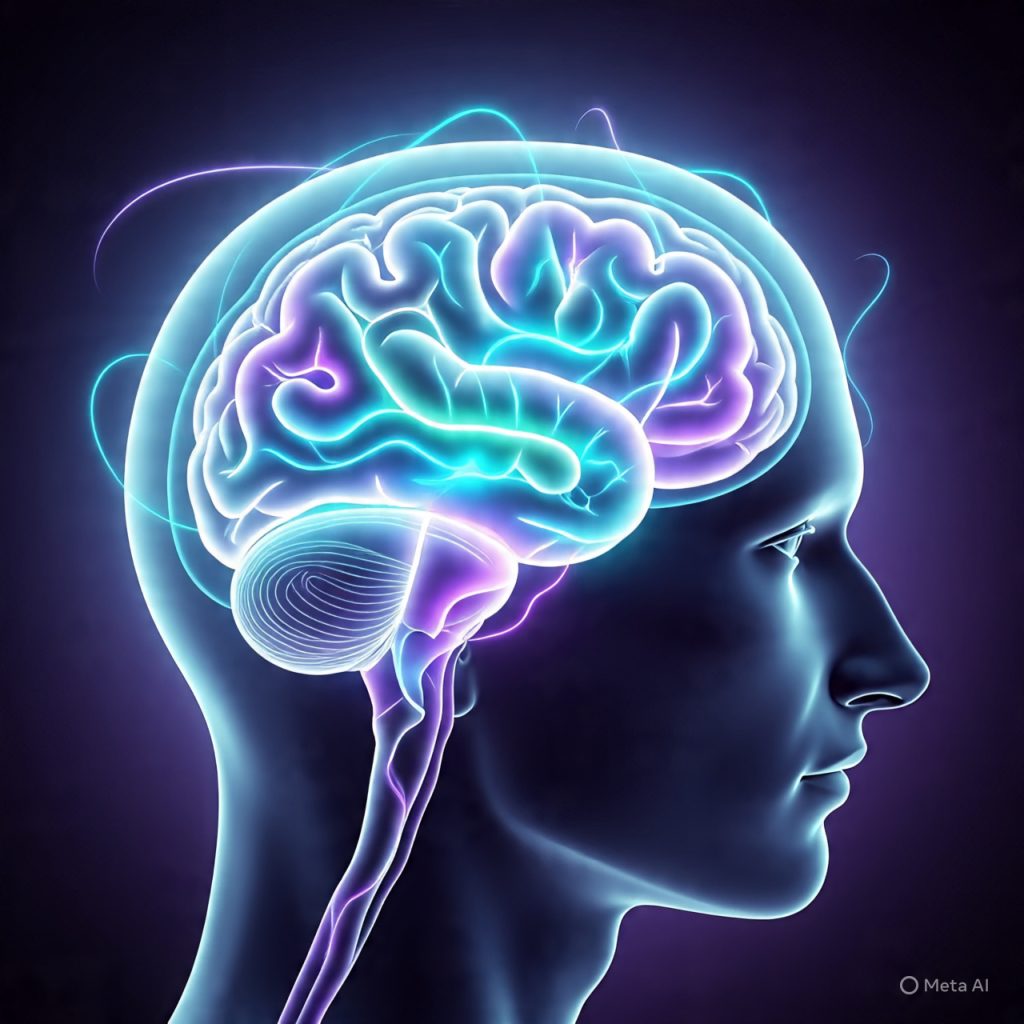
When we hear or tell a story, the brain releases oxytocin—the “empathy hormone.” This chemical response helps us trust others, feel safe, and understand emotions more deeply. Stories also activate multiple brain regions, making emotional processing easier and more natural.
3. Storytelling as Emotional Release

Many individuals struggle to express feelings directly. Storytelling provides a safer, creative way to release emotions and support mental wellness. Whether through a fictional narrative or a personal memory, sharing a story helps lighten emotional burdens and reduces internal tension.
4. Building Self-Awareness Through Narratives

Writing or speaking about your life helps you understand recurring patterns, beliefs, and reactions. By turning experiences into stories, you can observe yourself from a distance—allowing clarity, self-awareness, and improved mental wellness to emerge.
5. Healing Trauma with Storytelling

Trauma often feels like a tangled thread that the mind can’t easily organize. Storytelling gently restructures scattered memories and emotions, promoting emotional healing and mental wellness. Through guided writing, journaling, or therapeutic storytelling, individuals can reclaim control and reduce distress linked to traumatic experiences.
6. Storytelling for Stress Reduction

Creating or listening to stories activates the parasympathetic nervous system—the body’s calming response. This reduces stress, lowers heart rate, and encourages relaxation. Many people find relief through reading novels, watching meaningful films, or writing short reflections.
7. Strengthening Connections and Empathy

Sharing stories builds bridges between people. When we describe our challenges, victories, or fears, others feel seen and understood. Storytelling fosters community, empathy, and stronger relationships—all essential for mental well-being.
8. Cultural Stories and Identity

Cultural stories—folk tales, family histories, traditions—play a vital role in shaping identity. They remind us of our roots, values, and place in the world. Knowing and sharing these stories provides emotional grounding and strengthens personal identity.
9. The Power of Journaling

Journaling is one of the simplest forms of storytelling. It helps you track emotions, release stress, and organize thoughts. Even writing for ten minutes a day can improve mood, reduce anxiety, and enhance emotional clarity.
10. Storytelling in Therapy
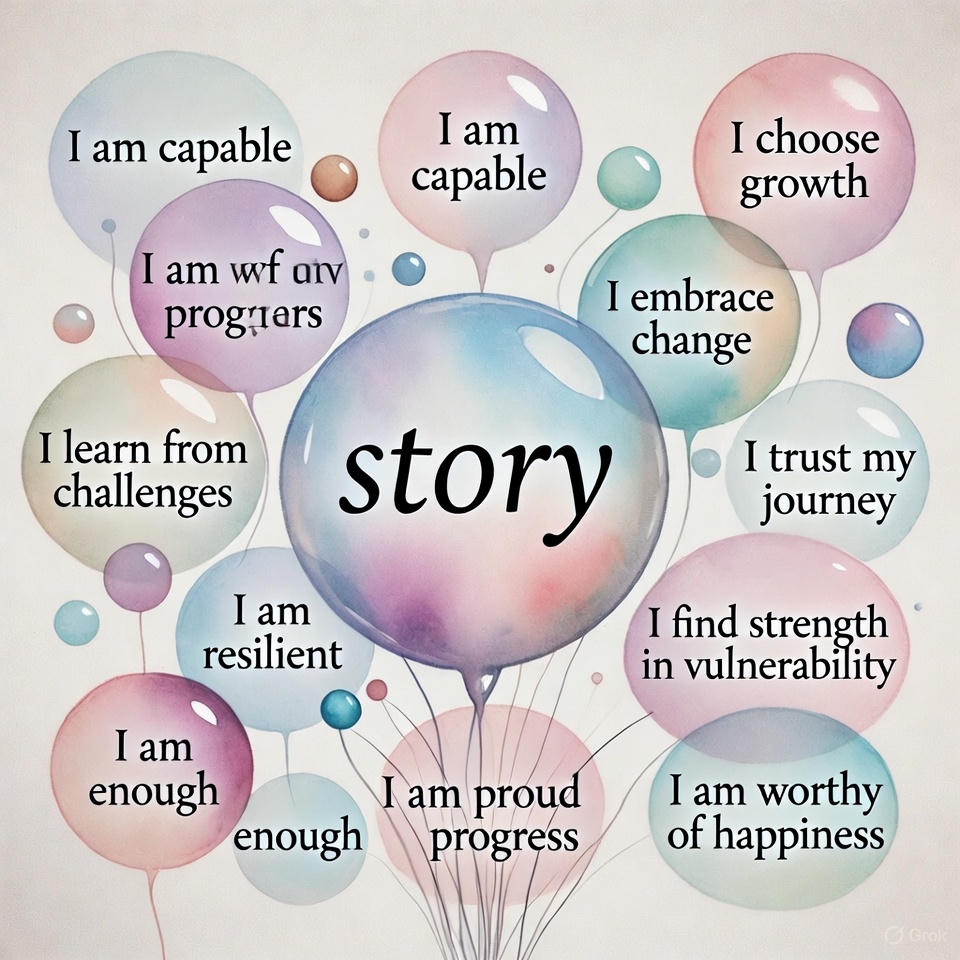
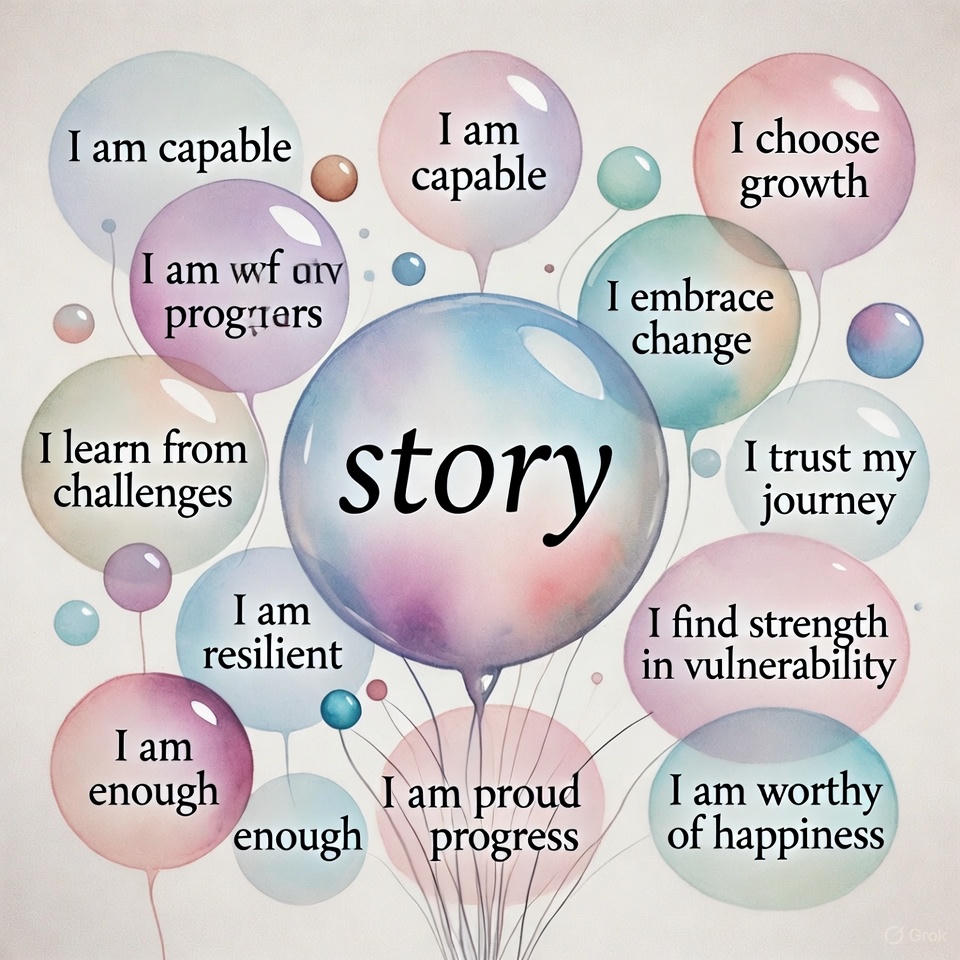
Therapists often use narrative therapy, where clients rewrite unhelpful beliefs and create healthier internal stories. This helps individuals break free from negative self-talk and replace it with empowering narratives.
11. Creative Storytelling for Mental Wellness

Fiction, poetry, and imaginative writing are powerful tools for healing. Creating characters or worlds allows you to explore emotions indirectly and experiment with hope, courage, and resilience. This creative expression boosts confidence and reduces emotional pressure.
12. How to Start Your Own Healing Story

Here are simple ways to add storytelling to daily life:
- Write a short reflection each evening
- Share memories with family or friends
- Record voice notes about your feelings
- Create fictional stories inspired by your emotions
- Read empowering books that mirror your experiences
These practices help you connect with your emotional world and build inner strength.
Conclusion
Storytelling offers a gentle, natural path toward mental wellness and emotional balance. Whether through personal reflections, cultural narratives, or creative writing, stories help us heal emotional wounds, gain clarity, and build resilience. By embracing storytelling, we unlock a powerful tool for long-term mental strength and inner well-being.


