Climate-Resilient Living
Introduction: Why Climate-Resilient Living Matters
Climate Resilience: As the world faces rising temperatures, unpredictable weather patterns, and increasing natural disasters, climate-resilient living is no longer optional — it’s essential. Building resilience helps protect our homes, communities, and lifestyles from the growing impacts of climate change.
1. Understanding Climate Resilience
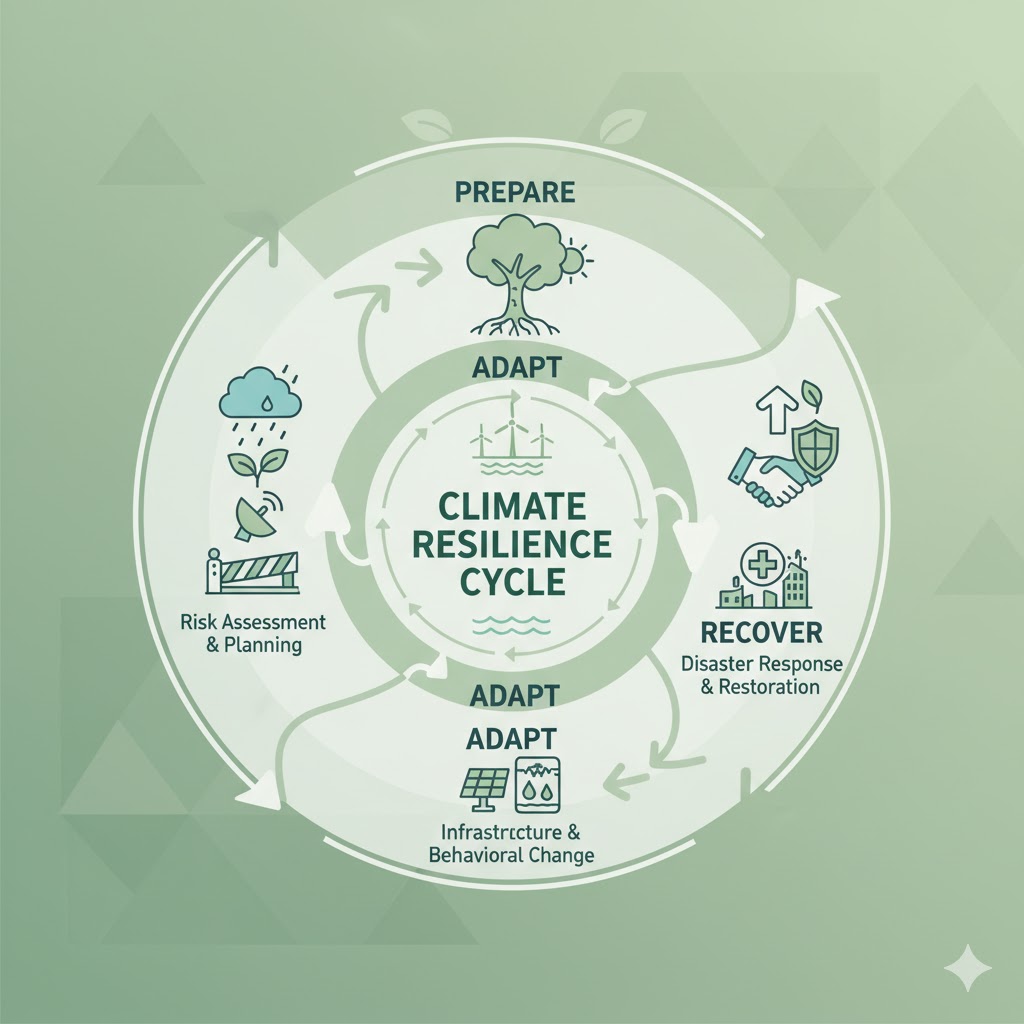
Climate resilience means preparing in advance, adapting smartly, and reducing vulnerability. It involves making choices that keep us safe, reduce long-term risks, and support a sustainable future.
2. Assessing Your Local Climate Risks
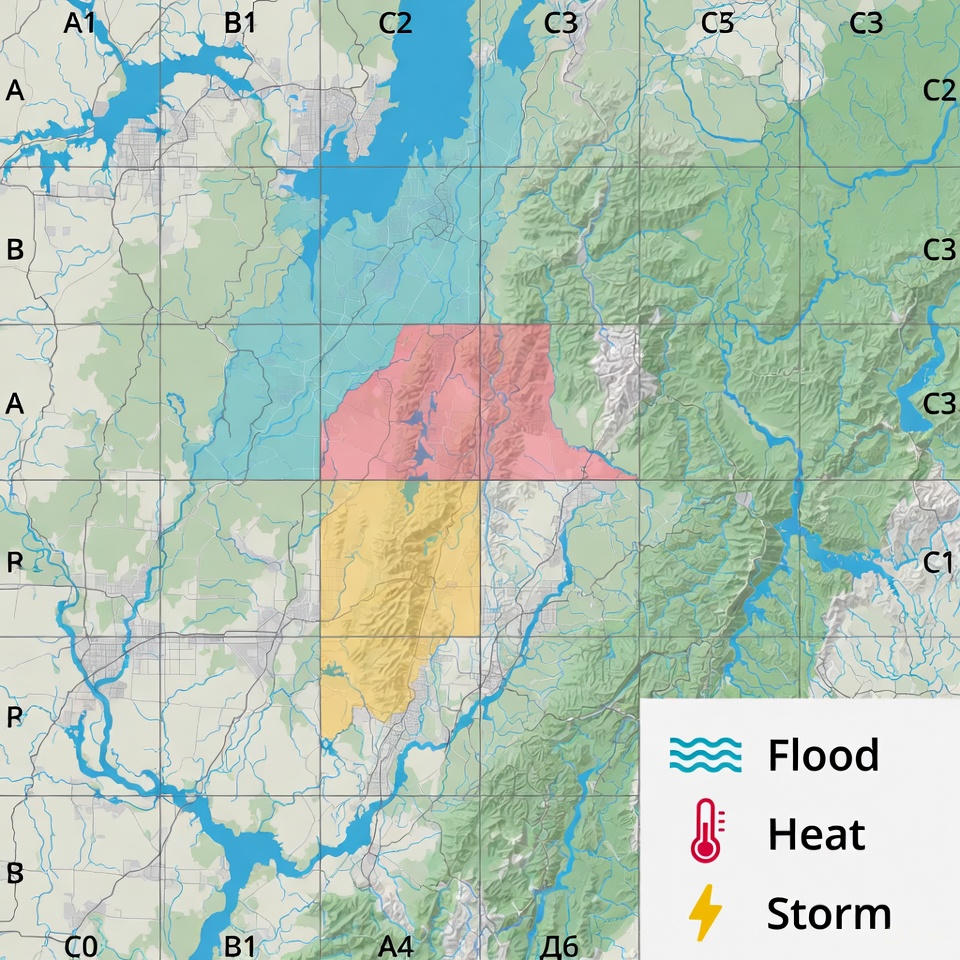
Every region faces unique risks — heatwaves, floods, droughts, or storms. Understanding these threats helps individuals and families plan better. Check local climate reports, government alerts, and environmental maps.
3. Strengthening Your Home Structure
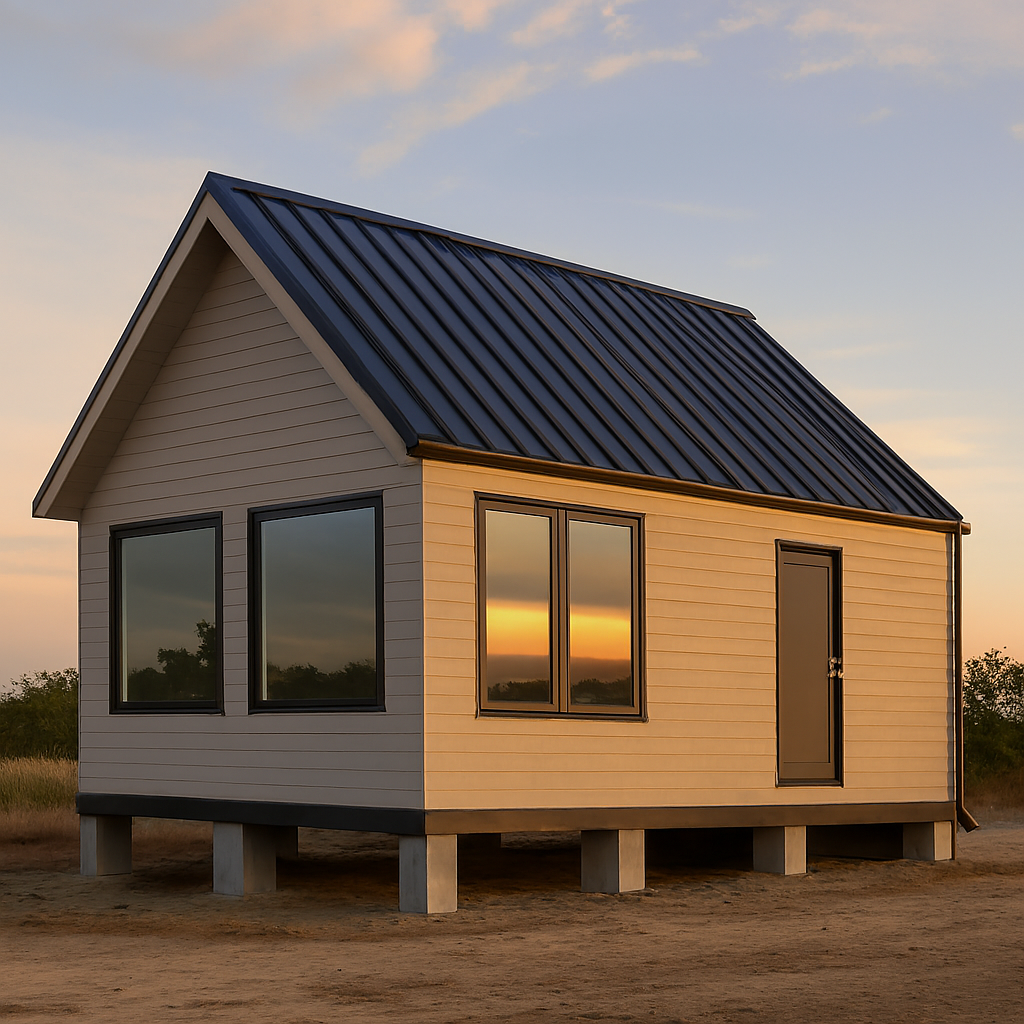
Homes designed with stronger foundations, storm-proof windows, and heat-resistant materials enhance climate-resilience against environmental stress. Even small upgrades, like sealing gaps and reinforcing roofs, contribute significantly to a home’s overall resilience
4. Energy Efficiency for Climate Protection

Energy-efficient homes not only reduce emissions and costs but also improve climate resilience during heatwaves and power shortages. Simple steps like installing LED lighting, proper insulation, and energy-smart appliances provide long-term protection and comfort
5. Solar Power as a Long-Term Solution
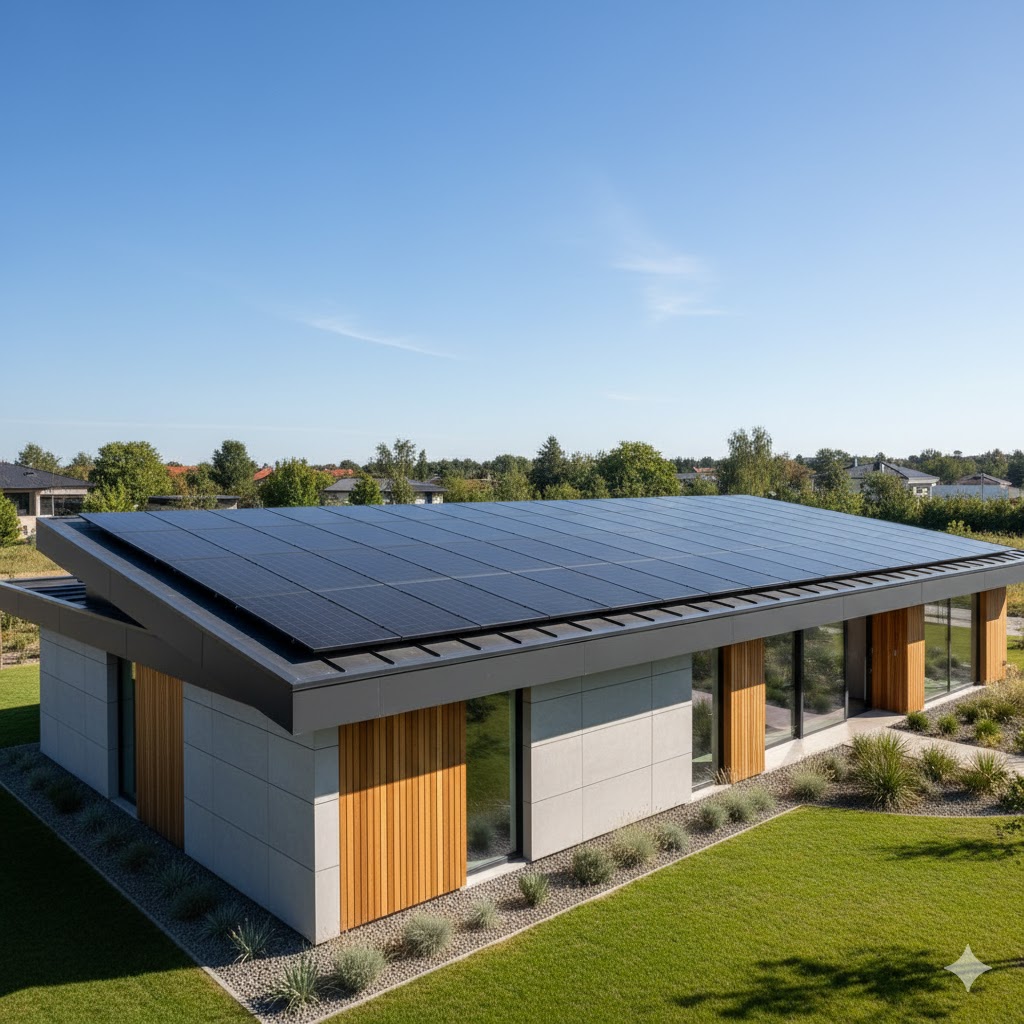
Solar energy provides stability when electricity grids are stressed during extreme weather. Installing rooftop solar panels or using portable solar chargers increases independence and reduces carbon footprint.
6. Water Conservation at Home

Climate change affects water cycles, making conservation essential. Low-flow fixtures, leak repairs, rainwater harvesting, and mindful usage help reduce the strain on local water systems.
7. Rainwater Harvesting Systems
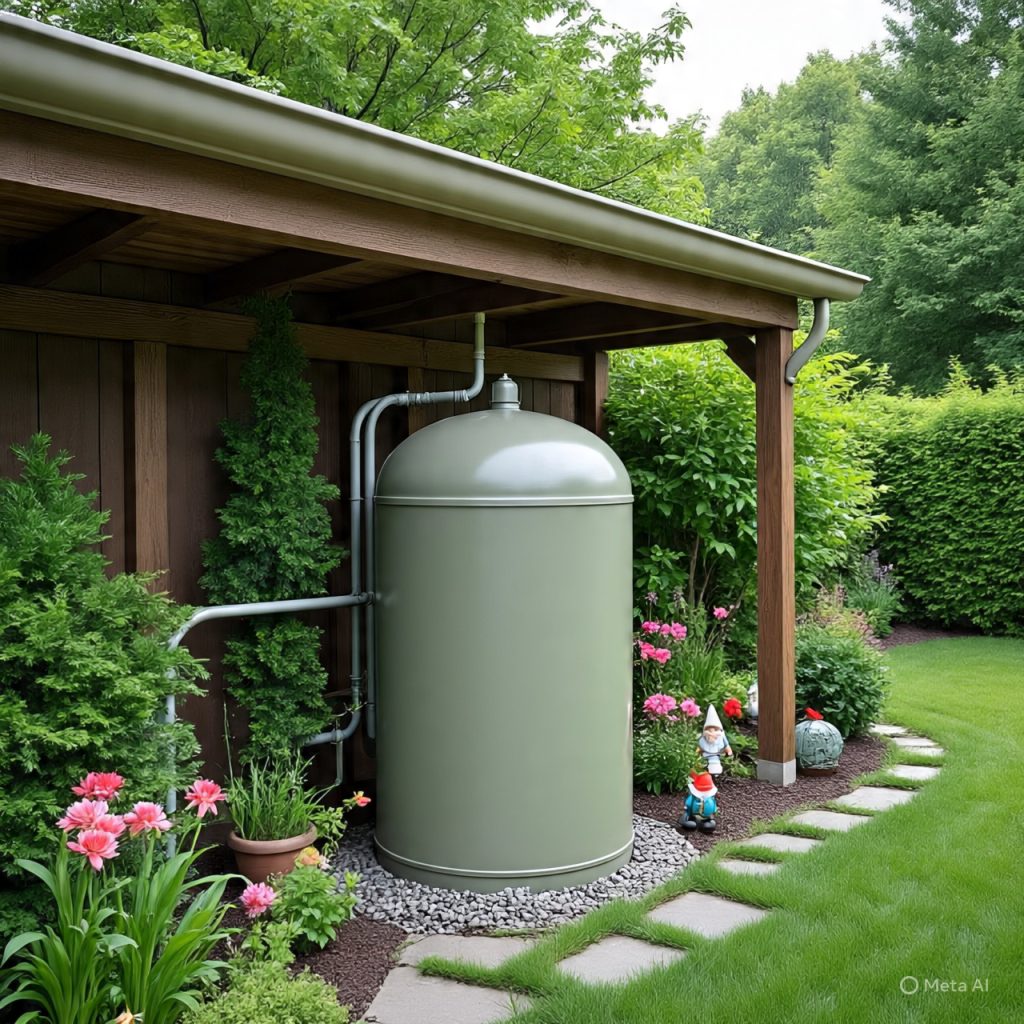
Collecting rainwater is a cost-effective technique for irrigation and emergency use. From simple barrels to advanced filtration, harvesting reduces dependence on municipal water during drought.
8. Growing a Climate-Smart Garden

Native plants and drought-resistant species support climate resilience by requiring less water and thriving in local conditions. Mulching, composting, and drip irrigation further strengthen climate-resilience in home gardens, making them more adaptable to changing weather patterns.
9. Managing Waste Responsibly

Recycling, composting, and reducing single-use plastics contribute directly to climate resilience by lowering emissions and easing pressure on landfills. Building climate resilience begins with everyday habits that reduce overall environmental impact and promote long-term sustainability..
10. Community Preparedness and Local Action
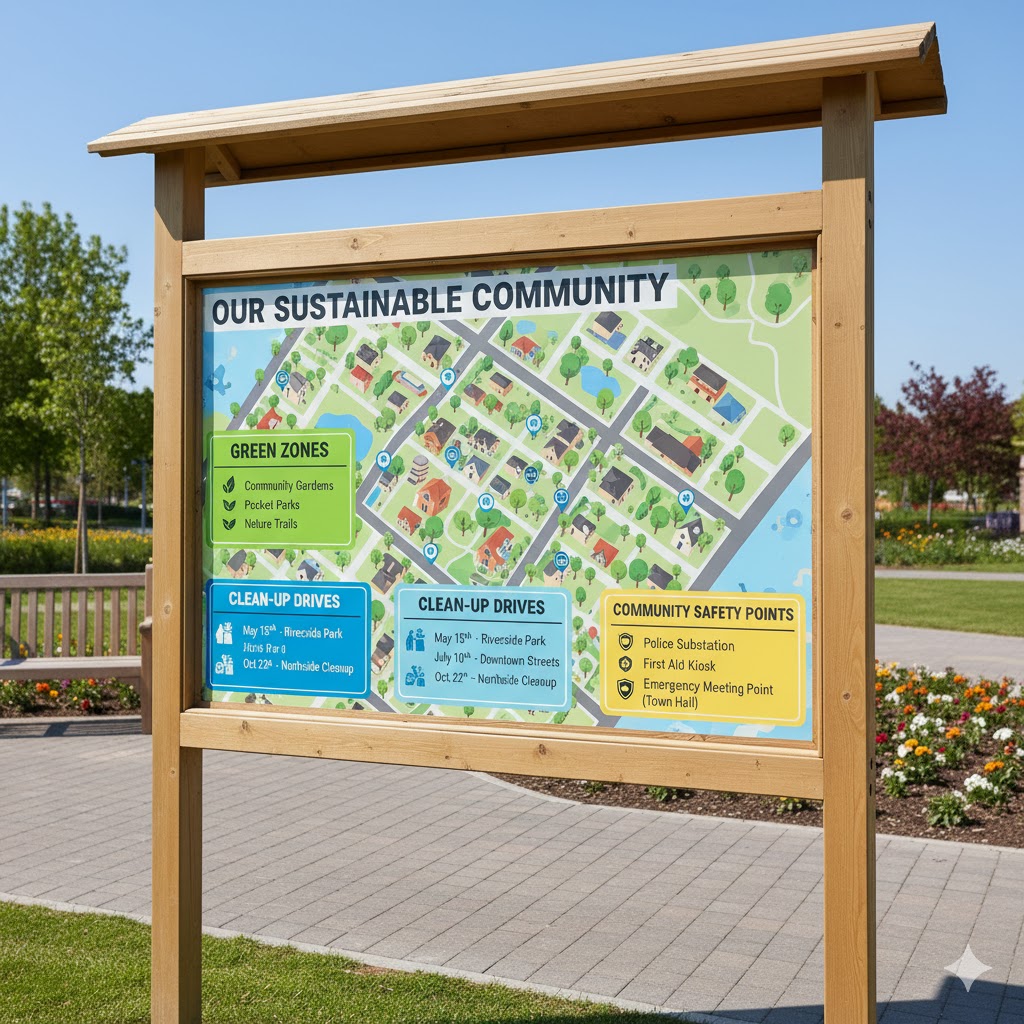
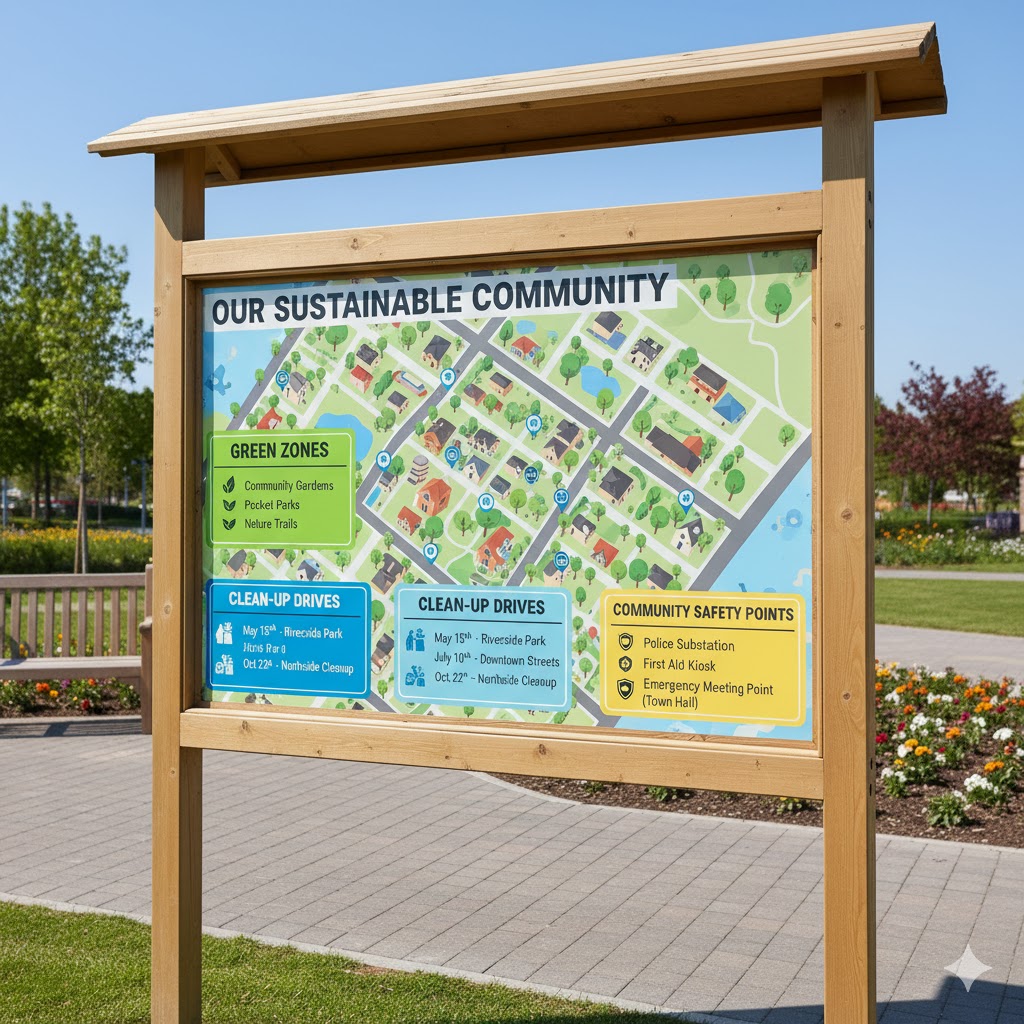
Resilient communities fare better during extreme conditions. Participating in local clean-ups, tree-planting drives, and disaster preparedness programs strengthens collective safety. These efforts build stronger social networks and promote climate resilience, helping neighborhoods respond more effectively to floods, heat waves, and other environmental challenges
11. Smart Emergency Kits for Every Household

Climate emergencies demand readiness. Stock essentials like water, non-perishable food, flashlights, multi-tools, medicines, and power banks. A well-prepared emergency kit supports climate-resilience by reducing panic and ensuring survival when assistance or services are delayed during extreme weather events
12. Digital Alerts and Early Warning Systems

Technology plays a major role in climate resilience. Mobile weather alerts, disaster apps, and government warning systems notify people in advance and minimize casualties.
13. Reducing Carbon Footprint at Home

Lowering emissions through mindful choices — using public transport, choosing sustainable products, and reducing waste — directly contributes to long-term climate stability.
14. Resilient Food Choices

Buying local produce, eating more plant-based foods, and avoiding highly processed items reduce environmental impact. Climate-friendly food habits also support health and community farming.
15. Eco-Friendly Transportation Options
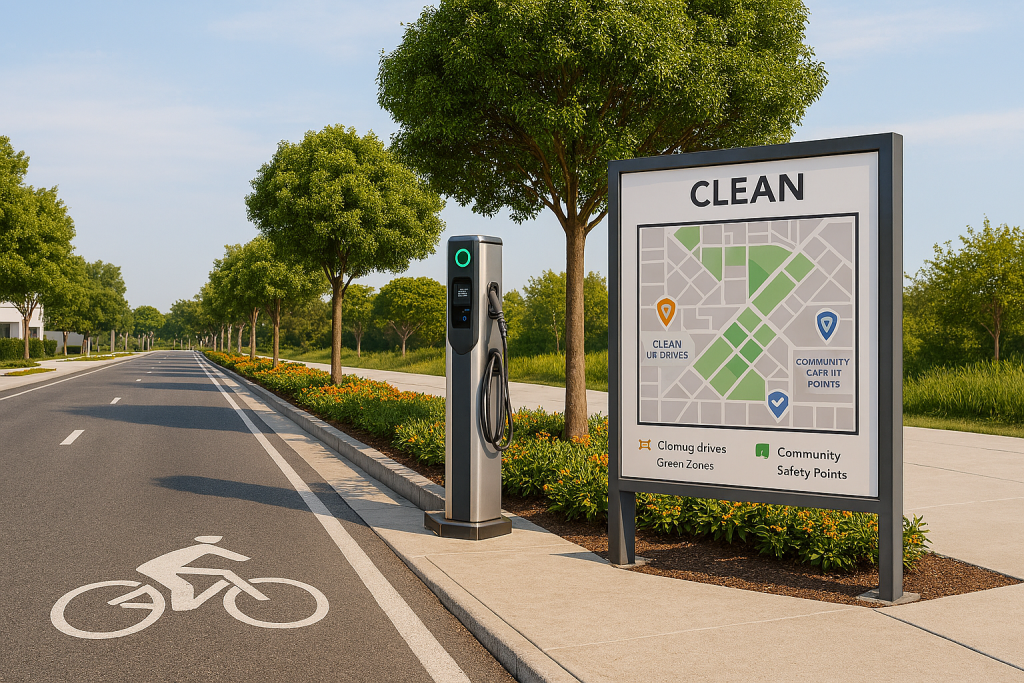
Walking, cycling, electric scooters, and public buses reduce pollution and resource consumption. Fuel-efficient or hybrid vehicles also play a crucial role in resilient lifestyles.
16. Protecting Biodiversity in Your Area

Local wildlife and plant species help maintain ecological balance. Supporting conservation programs, avoiding pesticide overuse, and planting pollinator-friendly flowers strengthen biodiversity resilience.
17. Climate-Smart Financial Planning

Insurance for floods, fires, or storms can safeguard property. Investing in sustainable funds and energy-efficient upgrades protects your finances from climate related surprises.
18. How Lifestyle Changes Make a Big Difference

Reducing consumption, choosing quality items, and maintaining responsible habits shape a sustainable, resilient future. Small changes multiply when entire communities adopt them.
Final Thoughts: A Resilient Future Starts at Home
Climate resilient living isn’t a trend — it’s a necessity. By making conscious choices today, we protect our families, homes, and environment for future generations. Every step counts, and the journey begins at home.
Technology is not just about innovation—it’s about making everyday life easier, faster, and more efficient. In my experience, when technology is used wisely, it simplifies tasks and improves overall productivity.
Instead of getting overwhelmed by constant updates, focus on tools and solutions that truly add value to your daily routine. Practical use of technology always matters more than following trends.
Use this guide as a foundation, explore what works best for you, and adapt technology in a way that supports your lifestyle with confidence.