Garments & Clothing Essentials: Understanding Fabrics, Fashion, and Modern Apparel
Introduction:
The garments industry is one of the most dynamic and essential parts of the global economy. From everyday wear to luxury fashion, clothing shapes how we present ourselves to the world. Style is no longer just a necessity—it has become a form of expression, lifestyle, and identity. Whether you’re exploring fabric types, style categories, or clothing care, understanding the world of apparel helps you make better fashion choices and enhances your personal wardrobe. This blog explores the essentials of clothing, including fabric knowledge, style trends, production processes, and practical tips for choosing the right outfit.
For a complete overview, read our Men’s Summer Style Guide for 40°+ Weather
۔گارمنٹس ہماری روزمرہ زندگی میں نہ صرف ضرورت ہیں بلکہ شخصیت اور انداز کی ترجمانی بھی کرتی ہیں۔
مختلف فیبرکس، اسٹائلز اور مٹیریل کو سمجھنا بہتر فیشن انتخاب میں مدد دیتا ہے۔
اس بلاگ میں ہم لباس کے بنیادی اجزاء، اقسام اور جدید رجحانات کو آسان زبان میں جانیں گے
1. The Importance of Garments in Daily Life.

Clothing plays a central role in comfort, protection, and personal expression. The outfits we wear reflect our personality, mood, and cultural identity. For many people, style is a blend of fashion and function. A high-quality outfit can boost confidence, enhance appearance, and make daily activities easier. In professional environments, attire often communicates professionalism and attention to detail, while casual wear promotes comfort and relaxation.
لباس ہمارے آرام، تحفظ اور شخصیت کے اظہار کا اہم ذریعہ ہے۔
اچھا لباس اعتماد بڑھاتا ہے اور پیشہ ورانہ ماحول میں مضبوط تاثر چھوڑتا ہے۔
کیژول، فارمل یا اسپورٹس—ہر قسم کا لباس اپنی ضرورت اور موقع کے مطابق معنی رکھتا ہے۔
2. Types of Fabrics Used in Garment Making.

Types of Fabrics Used in Garment Making. Fabric is the foundation of every garment. Natural fabrics such as cotton, linen, wool, and silk are known for comfort and breathability. Cotton is ideal for summer, wool for winter, and silk for special occasions. Synthetic fabrics like polyester, nylon, and spandex offer durability, flexibility, and water resistance. Blended fabrics combine the benefits of both natural and synthetic fibers, creating versatile materials suitable for daily wear.
ہر لباس کی بنیاد اس کا فیبرک ہوتا ہے، جو موسم اور استعمال کے مطابق منتخب کیا جاتا ہے۔
کاٹن، سلک، لینن اور وول قدرتی آرام دیتے ہیں جبکہ پولی ایسٹر اور نائیلون مضبوطی فراہم کرتے ہیں۔
بلینڈڈ فیبرکس دونوں اقسام کے فوائد کو یکجا کر کے روزمرہ استعمال کے لیے بہترین انتخاب بنتے ہیں۔
3. Garment Categories and Clothing Styles

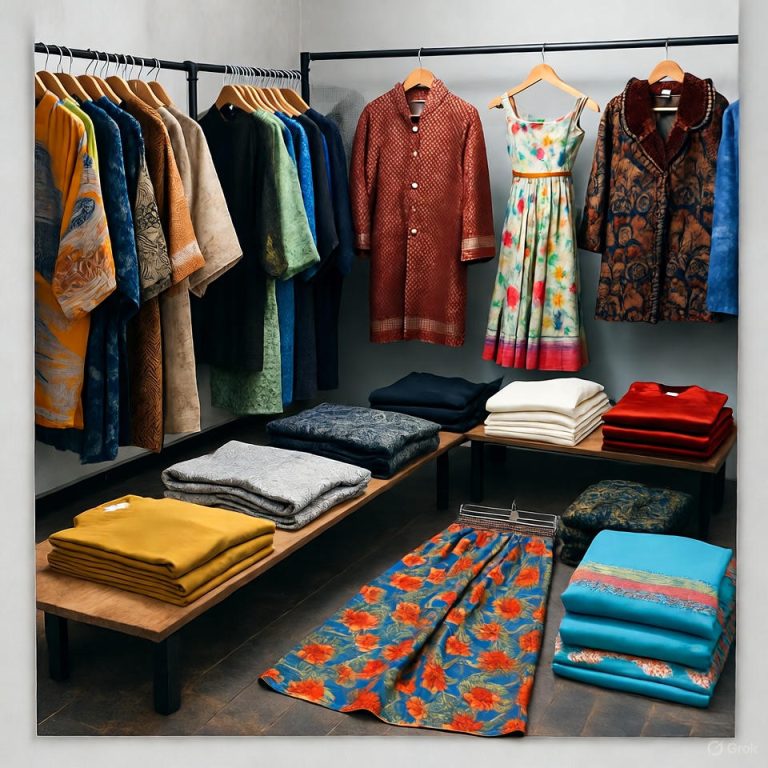
Garments come in many categories, each designed for different needs. Casual wear includes T-shirts, jeans, and hoodies meant for daily comfort. Formal wear is designed for events and professional settings—suits, dress shirts, gowns, and tailored trousers. Sportswear focuses on stretch, moisture control, and comfort during physical activities. Ethnic and cultural garments highlight traditional designs and heritage. Each style serves a unique purpose in shaping personal fashion.
لباس مختلف کیٹیگریز میں آتا ہے جیسے کیژول، فارمل، اسپورٹس اور ثقافتی پہن
ہر کیٹیگری کا مقصد الگ ہوتا ہے اور یہ ہماری روزمرہ ضروریات کو پورا کرتی ہے۔
اپنے لائف اسٹائل کے مطابق درست کیٹیگری کا انتخاب فیشن میں آسانی پیدا کرتا ہے۔
4. Importance of Fit and Comfort.
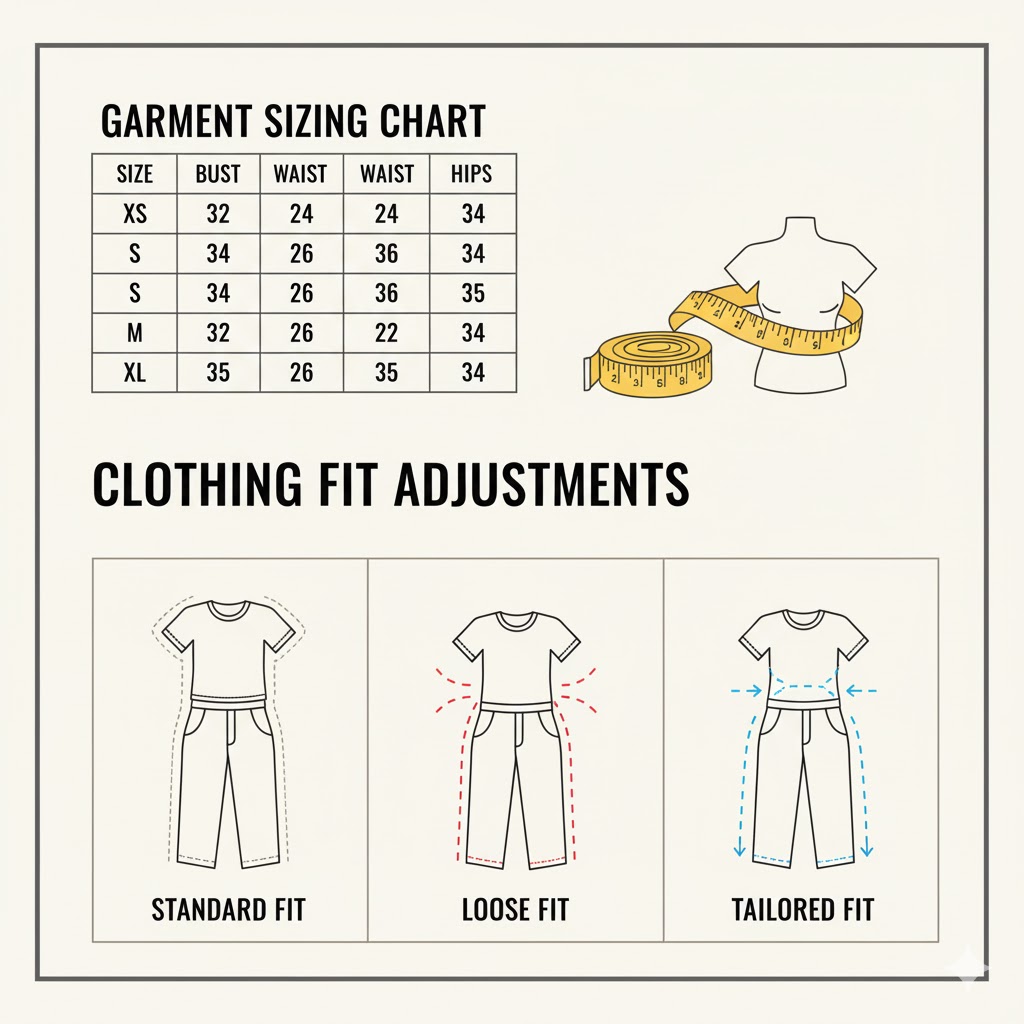
A well-fitted outfit not only enhances appearance but also ensures comfort. Clothing that is too loose may look unstructured, while overly tight pieces can restrict movement. Comfort depends on fabric softness, breathability, and flexibility. Good tailoring can completely transform how an outfit fits the body. Understanding body shape and selecting apparel that complements it helps create a balanced and stylish look
ایک اچھا لباس تبھی مکمل ہوتا ہے جب اس کا فٹ جسم کے مطابق ہو۔
بہت ڈھیلا لباس بے ڈھنگا لگتا ہے جبکہ بہت تنگ لباس تکلیف دہ ہو سکتا ہے۔
صحیح فٹنگ اور نرم، سانس لینے والے فیبرکس روزمرہ پہننے کو بہتر بناتے ہیں۔
5. Color, Patterns, and Style Matching.

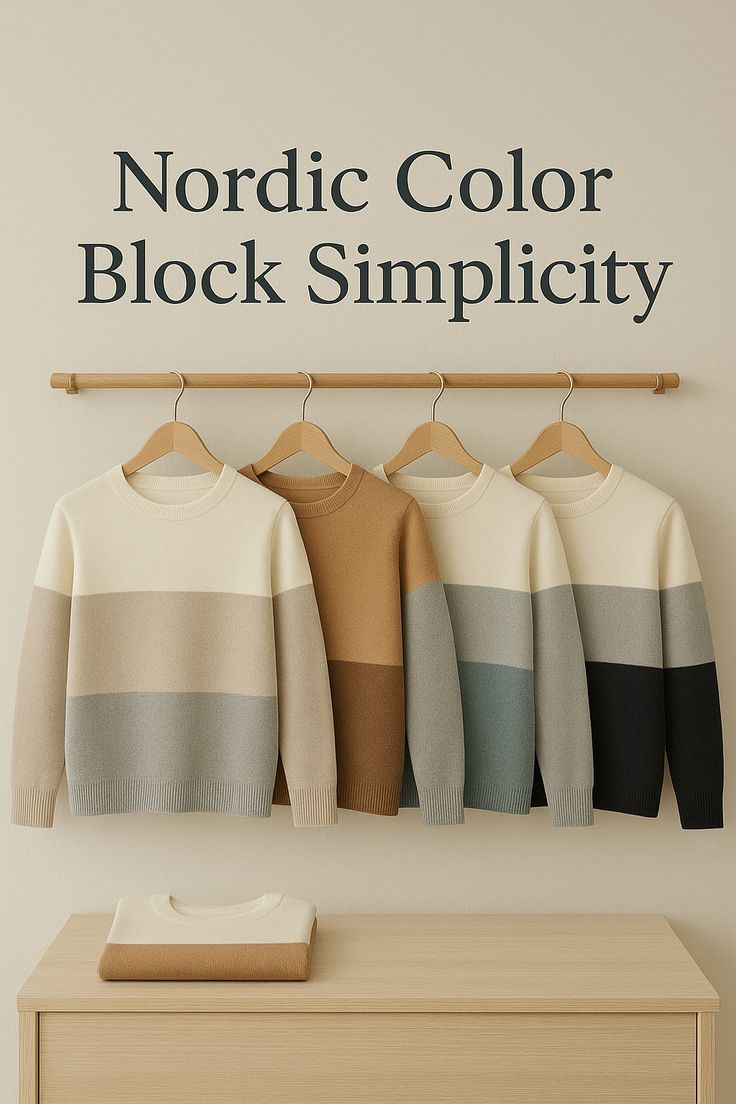
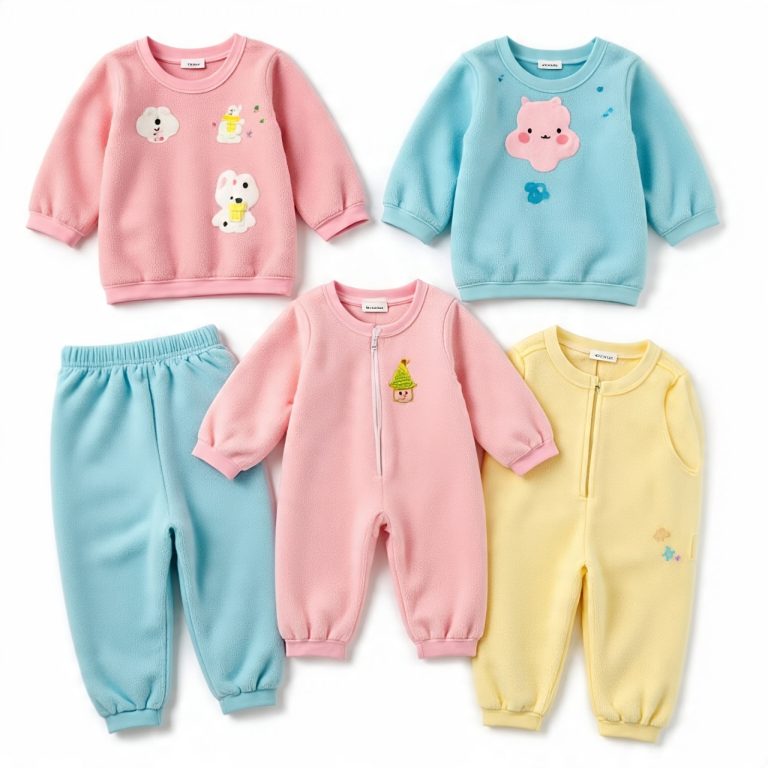
Colors and patterns significantly influence garment appeal. Neutral colors—black, white, beige, navy—are versatile and easy to match. Bright colors create bold statements, while pastels offer a soft and elegant look. Patterns such as stripes, florals, checks, and abstract designs add personality to outfits. The key to good styling lies in pairing colors and patterns harmoniously so that they complement rather than clash.
رنگوں اور ڈیزائنوں کا درست انتخاب کسی بھی لباس کو دلکش بناتا ہے۔
نیوٹرل رنگ ہمیشہ آسانی سے میچ ہوتے ہیں جبکہ بولڈ رنگ اسٹیٹمنٹ دیتے ہیں۔
پیٹرن اور رنگوں میں توازن رکھ کر اسٹائل کو مزید خوبصورت بنایا جا سکتا ہے۔
6. Seasonal Clothing Essentials.

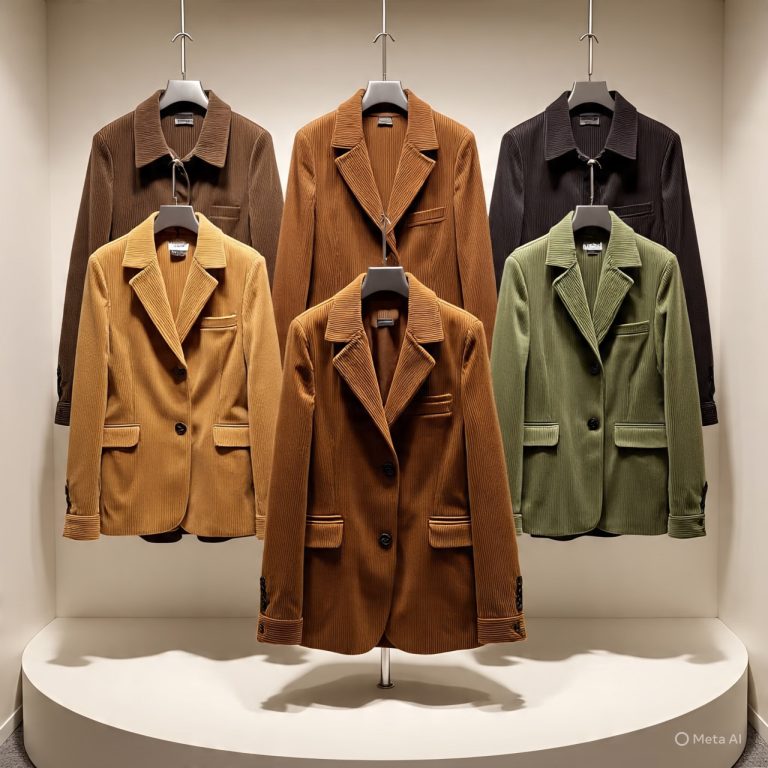
Each season requires specific types of garments. Summer clothing includes light fabrics like cotton and linen that promote ventilation. Winter garments focus on layering, with sweaters, jackets, wool coats, and thermals providing warmth. Spring and autumn demand transitional pieces—light jackets, cardigans, and breathable knits. Seasonal wardrobe planning makes dressing more comfortable and stylish throughout the year.
ہر موسم اپنی نوعیت کے مطابق مختلف کپڑوں کا تقاضا کرتا ہے۔
گرمیوں میں ہلکے اور سانس لینے والے فیبرکس جبکہ سردیوں میں گرم، تہہ دار لباس پسند کیا جاتا ہے۔
بہار اور خزاں کے لیے درمیانی وزن کے کپڑے بہترین انتخاب ہوتے ہیں
7. Garment Care and Maintenance.

Proper care extends the life of any clothing item. Washing according to fabric instructions prevents damage and fading. Delicate materials such as silk or wool often require gentle washing or dry cleaning. Storing outfits in cool, dry spaces helps maintain their shape and color. Regular ironing or steaming keeps clothing looking fresh. Good care practices are an investment that saves money and enhances wardrobe longevity
لباس کی صحیح دیکھ بھال اس کی عمر بڑھا دیتی ہے اور اسے نیا دکھاتی ہے۔
ہر فیبرک کی دھلائی اور اسٹوریج کے اصول الگ ہوتے ہیں جن پر عمل ضروری ہے۔
آہستہ دھونا، مناسب طریقے سے سکھانا اور استری کرنا لباس کو دیرپا بناتا ہے۔
8. Sustainable and Ethical Garments.

Sustainability is becoming a major focus in the fashion industry. Eco-friendly clothing made from organic cotton, recycled fabrics, or biodegradable materials is gaining popularity. Ethical production ensures safe working conditions, fair wages, and environmentally conscious manufacturing. Consumers are now more aware of how their choices impact the planet and prefer brands that prioritize sustainability and transparency
سستینیبل فیشن ماحول دوست مٹیریل اور محفوظ پیداواری طریقوں کو ترجیح دیتا ہے۔
آرگینک کاٹن، ری سائیکلڈ فیبرکس اور فیئر ٹریڈ پالیسیز اس کا حصہ ہیں۔
لوگ اب ایسے برانڈز کو پسند کرتے ہیں جو ماحولیاتی ذمہ داری نبھاتے ہیں۔
9. The Role of Technology in Garment Production.

Technology has revolutionized apparel manufacturing. Automated cutting machines, digital printing, and 3D design tools speed up production and improve precision. Smart fabrics—such as moisture-wicking or temperature-regulating materials—are becoming popular in sportswear. Online retail and AI-driven style recommendations make shopping more personalized and efficient. Technology continues to shape the future of fashion, making clothing more functional and innovative
جدید ٹیکنالوجی نے گارمنٹ انڈسٹری کو تیز، بہتر اور زیادہ درست بنا دیا ہے۔
ڈیجیٹل پرنٹنگ، 3D ڈیزائن اور اسمارٹ فیبرکس لباس کو مزید جدید بنا رہے ہیں۔
آن لائن شاپنگ اور AI اسٹائل گائیڈز خریداری کے تجربے کو آسان بنا رہے ہیں۔
10. Choosing the Right Garments for Your Lifestyle.

Selecting clothing depends on daily routine, personal taste, and climate. A versatile wardrobe includes casual basics, office wear, seasonal outfits, and a few statement pieces. Comfort should always come first, followed by fit and functionality. Understanding your style helps you invest in quality pieces that feel good and look great, creating a wardrobe that supports your lifestyle and boosts your confidence.
روزمرہ ضرورت، پیشہ ورانہ ماحول اور موسمی حالات لباس کے انتخاب پر اثر ڈالتے ہیں۔
ایک ورسٹائل وارڈروب میں کیژول، فارمل اور فیشن پیسز کا توازن ہونا ضروری ہے۔
آرام، فٹ اور اسٹائل کو مدنظر رکھ کر لباس کا انتخاب اعتماد بڑھاتا ہے۔
Conclusion:
Clothing is more than fabric—it is a combination of style, comfort, culture, and innovation. From selecting the right material to maintaining outfits properly, every detail contributes to building a functional and stylish wardrobe. As trends evolve, quality, sustainability, and personal expression remain at the heart of the fashion industry. Whether you enjoy modern style or simply want durable apparel, understanding fabrics and fit helps you make informed and confident choices
لباس محض کپڑا نہیں بلکہ شخصیت، ثقافت اور معیار کا مجموعہ ہے۔
درست انتخاب اور مناسب دیکھ بھال سے آپ کا وارڈروب مزید پائیدار اور اسٹائلش بنتا ہے۔
گارمنٹس کو سمجھ کر آپ ہر موقع کے لیے بہتر، باوقار اور جدید انداز اپنا سکتے ہیں