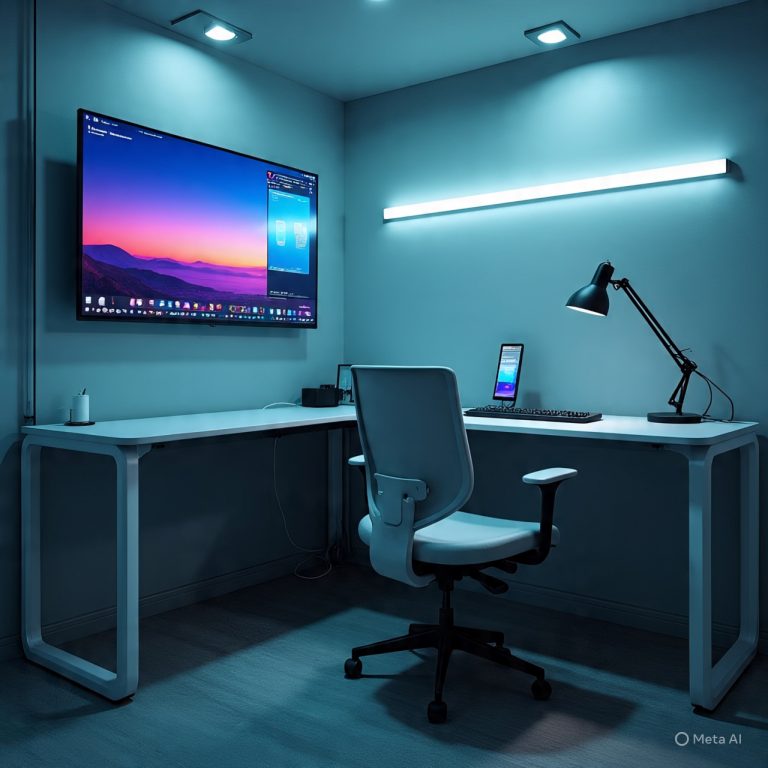
The Future of Remote Work
Remote work has transformed from a temporary solution into a long-term global shift. As businesses increasingly adopt hybrid and fully remote models, the way we work, communicate, and build careers is changing rapidly. The future of remote work is not just about where we work—it’s about how we work smarter, faster, and more meaningfully.
Below is a complete 20-section breakdown exploring what the future holds.
1. A New Era of Flexibility

Remote work gives people freedom to structure their day. This flexibility is becoming a standard expectation, especially among younger professionals seeking better work–life balance.
2. Hybrid Work Becomes the Norm

Companies around the world are adopting hybrid models—some office days, some remote. This offers the best of both worlds: collaboration plus independence.
3. Digital Workspaces Replace Physical Ones

Cloud-based platforms, shared online hubs, and real-time collaboration tools are becoming the new workplace. The “office” now lives inside apps like Slack, Teams, and Notion.
4. Global Talent Pools Expand

Companies no longer hire based on location. Instead, they hire the best talent from anywhere in the world, opening doors for skilled workers across continents.
5. Automation Supports Remote Teams

AI and automation tools are simplifying tasks like scheduling, customer support, and data entry. This shift allows remote employees to focus on creativity and strategy.
6. Rise of Remote-First Companies

A growing number of businesses are built entirely online. These remote-first companies prioritize digital workflows, asynchronous communication, and global hiring from day one.
7. New Work–Life Boundaries

As remote work expands, workers face new challenges: avoiding burnout, setting boundaries, and creating routines. The future will focus on building healthy digital habits.
8. Home Offices Get Smarter

People are investing in ergonomic furniture, noise-canceling headphones, and AI-powered lighting for productivity. Smart home technology is becoming essential for workspaces.
9. Digital Nomad Lifestyle Grows

More professionals are choosing to travel while working. Countries are now offering digital nomad visas, recognizing the economic value of remote workers.
10. Virtual Reality (VR) Collaboration
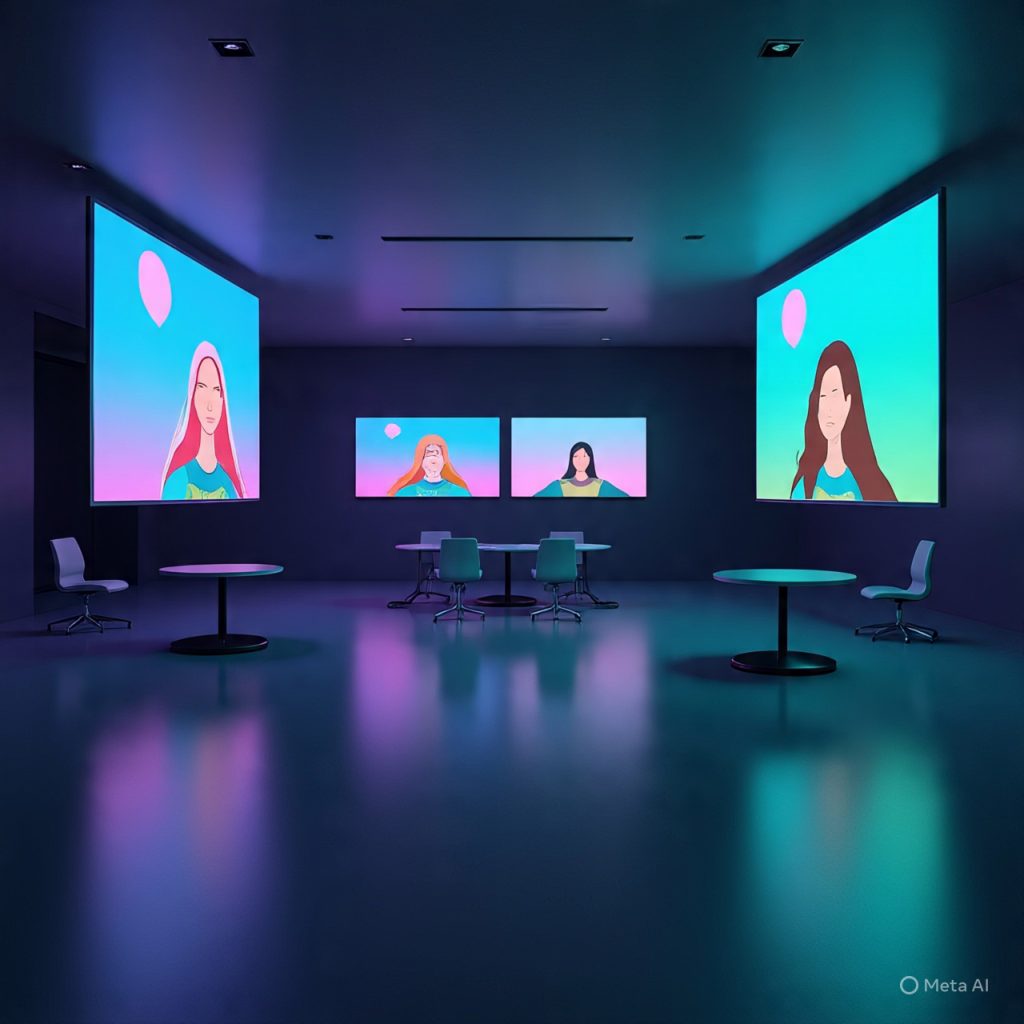
Future meetings may take place in VR rooms where teams collaborate virtually as avatars. This technology aims to replace physical conference rooms.
11. Focus on Output, Not Hours
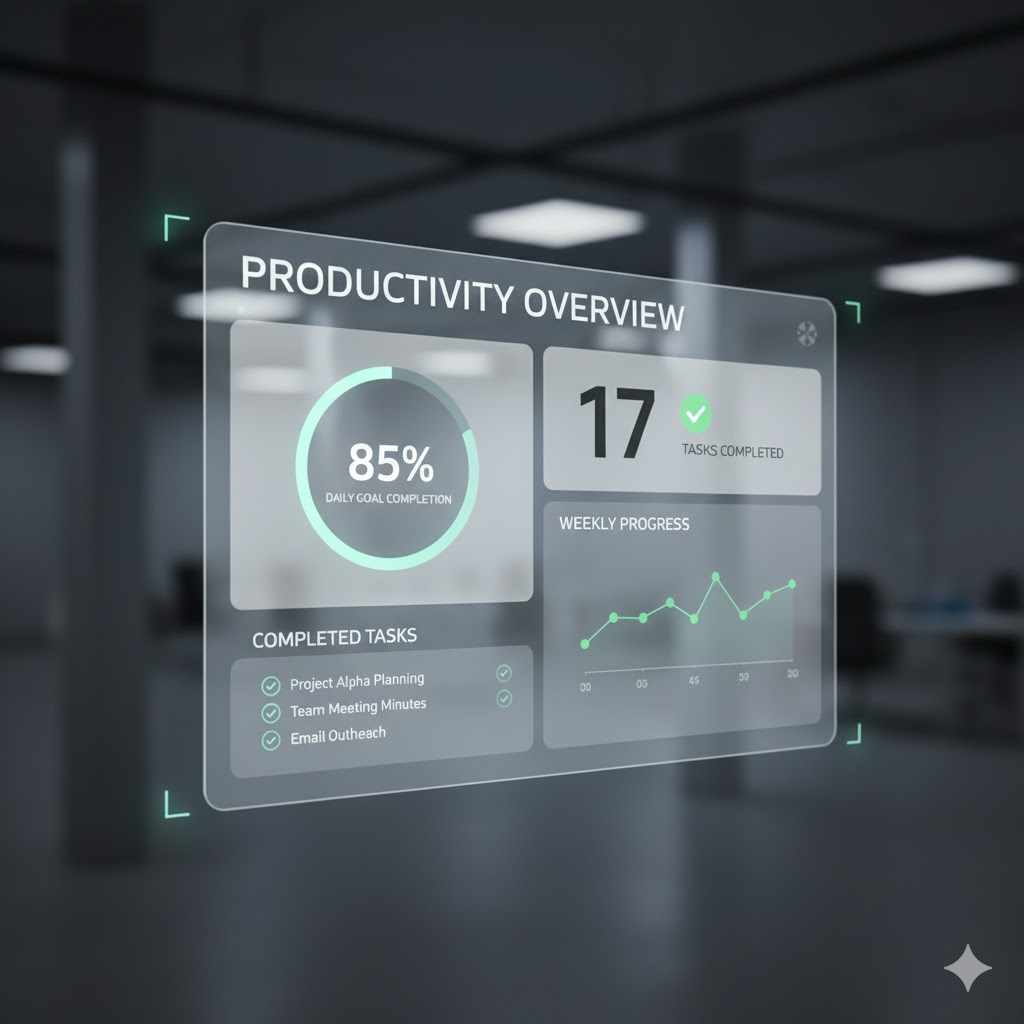
Traditional “9 to 5” schedules are fading. Companies are adopting output-based systems that reward results, not time spent behind a desk.
12. Cybersecurity Becomes a Priority

With more people working remotely, companies must strengthen data protection. Secure networks, VPNs, and two-factor authentication are becoming standard.
13. Remote Training and Upskilling

Online courses, virtual training, and AI-powered coaching tools will help employees learn new technologies and grow in their careers from home.
14. Mental Health Support Increases
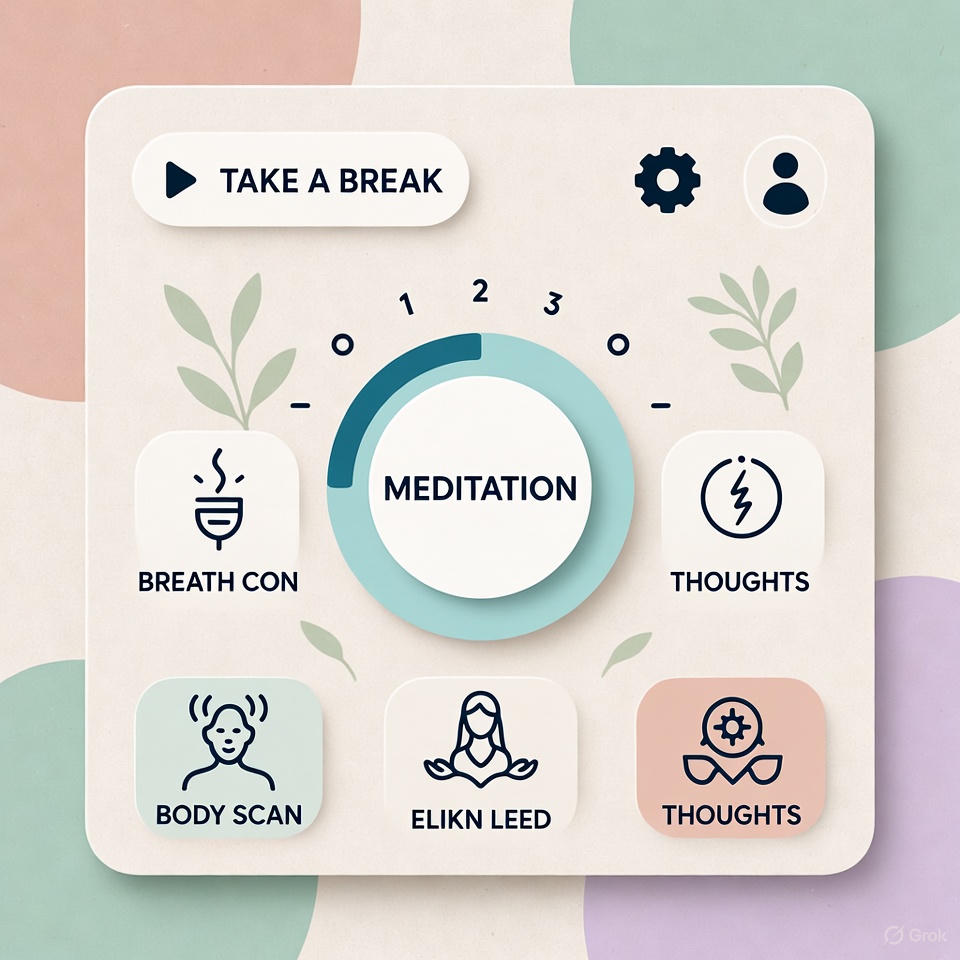
Employers are recognizing the need for mental wellness programs. Virtual therapy, wellness days, and mindfulness tools will become part of employee benefits.
15. Collaboration Tools Get Smarter

Tools like Zoom, Notion, Figma, and Google Workspace will continue evolving with AI features that automate tasks, improve communication, and reduce workload.
16. Transparency and Trust Become Core Values
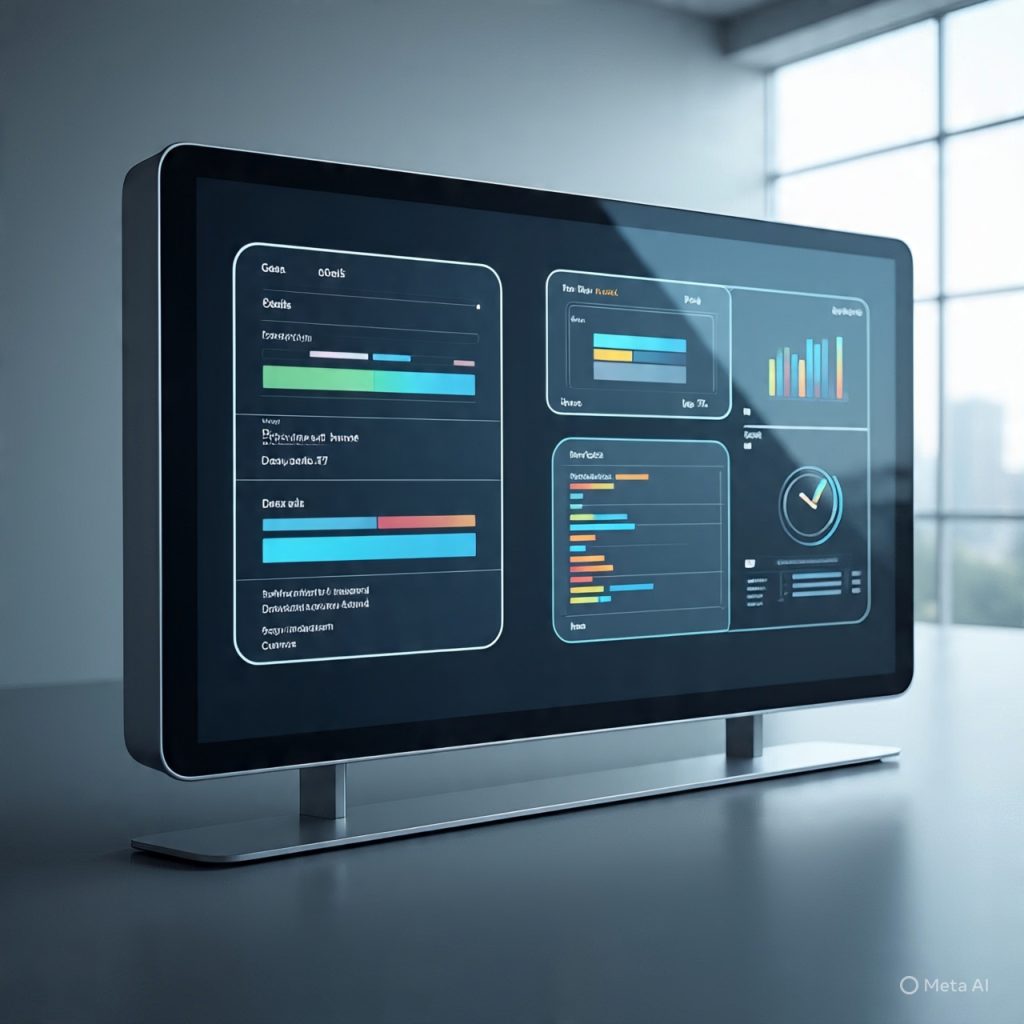
Remote work requires trust. Companies will adopt clearer communication, shared dashboards, and transparent systems to keep everyone aligned.
17. Gig and Freelance Economy Expands
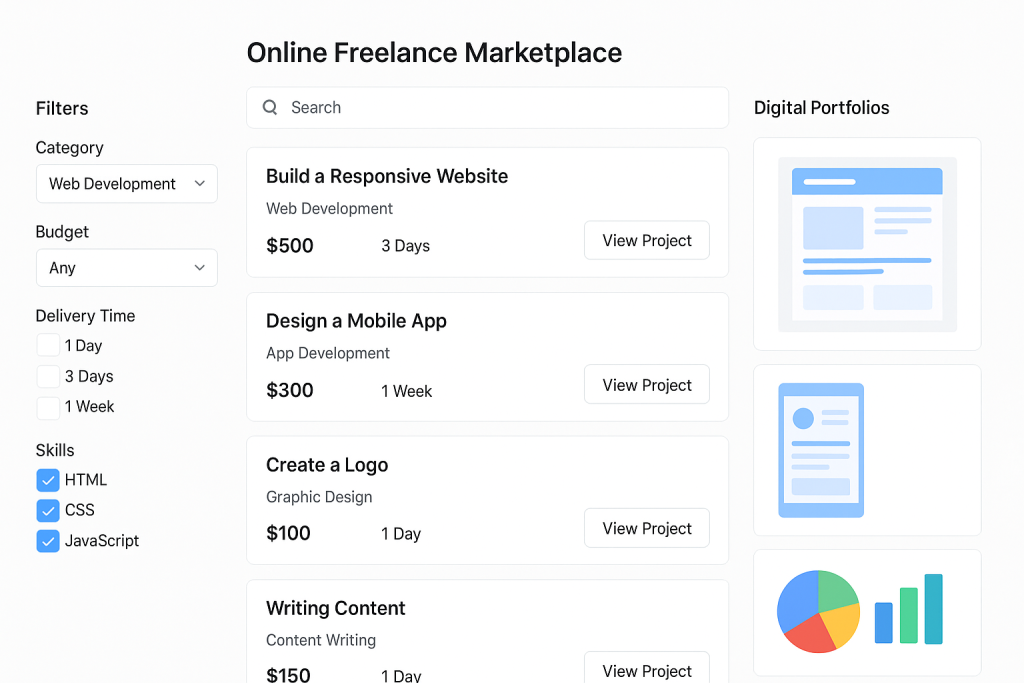
Freelancers, consultants, and independent workers will become a major part of the global workforce. Online platforms will make finding remote jobs even easier.
18. Office Spaces Will Transform

Offices won’t disappear—they will become collaboration hubs for brainstorming and team-building rather than daily desk work.
19. Remote Leadership Skills Evolve

Leaders will need strong communication, empathy, and digital management skills. Future managers must inspire teams without relying on physical presence.
20. The Remote Future Is Already Here

Remote work is not a trend—it’s the foundation of a new professional world. As technology evolves, people will gain more freedom, better opportunities, and the ability to shape their careers from anywhere.
Conclusion
The future of remote work is bright, global, and deeply connected to technology. It offers flexibility, inclusivity, and limitless opportunities for those ready to embrace it. Whether you’re an employee, business owner, or freelancer, adapting to the remote-first world will open the door to a more productive and fulfilling future.
Modern technology has become an essential part of daily life, helping people stay organized, connected, and productive. In my experience, the right tools can save time and reduce effort when used properly.
Instead of using too many apps or systems, focus on simple and effective solutions that match your needs. A clear and practical approach always works better.
Use this guide to simplify your digital habits and create a more balanced and efficient routine.