

Terrace Garden Ideas: A Smart Way to Create Green Living Spaces
Introduction
Urban living often limits access to natural green spaces, but a thoughtfully designed Terrace Garden can solve this challenge beautifully. Modern terrace-garden planning transforms unused rooftops into refreshing outdoor areas that support relaxation, sustainability, and visual harmony. Whether small or spacious, a rooftop garden improves air quality, reduces heat, and creates a private escape above city noise. With the right design approach, plant selection, and layout strategy, green terraces can become functional extensions of living spaces while adding long-term value to homes.
1: Understanding the Purpose of Green Terrace Design

A terrace garden should be planned with a clear purpose. Some homeowners prefer relaxation spaces, while others focus on growing plants or vegetables. Defining the purpose early helps shape layout, furniture, and plant choices. A well-planned green terrace balances beauty with usability, ensuring the space remains enjoyable throughout the year.
2: Structural Safety and Load Considerations

Before developing a Terrace Garden, structural strength must be evaluated. Soil, pots, water features, and furniture add weight. Consulting an expert ensures the terrace can safely support garden elements. This step is essential for long-term terrace-garden durability and overall safety.
3: Terrace Garden Layout Planning

Efficient layouts maximize space without overcrowding. Zoning areas for seating, plants, and walkways improves movement and comfort. A successful terrace-garden layout creates openness while maintaining visual balance between greenery and functional zones.
4: Plant Selection for Rooftop Garden Spaces
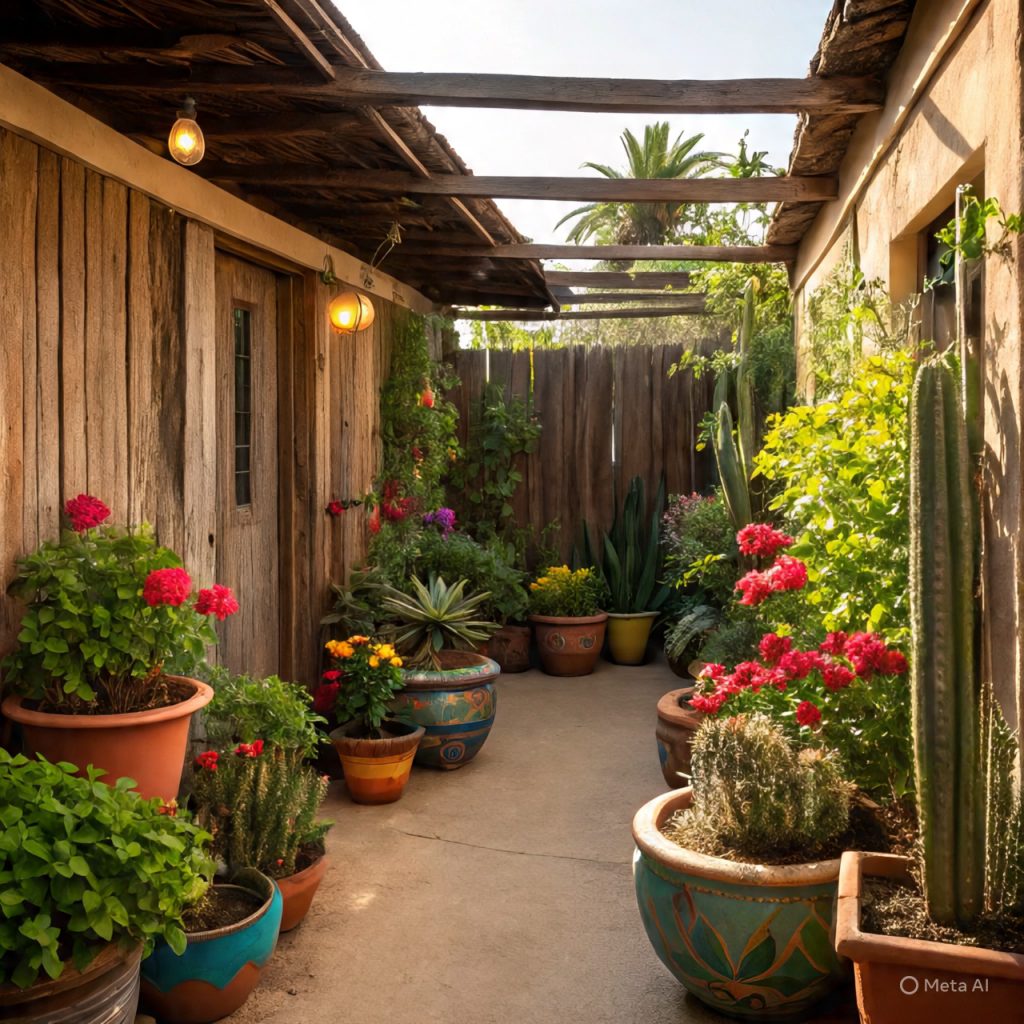
Choosing the right plants is critical for rooftop environments. Hardy, low-maintenance plants perform best in exposed conditions. Climbers, shrubs, and potted trees enhance vertical and horizontal appeal. Smart plant selection ensures healthy growth and year-round freshness in a green terrace setup.
5: Container Gardening in Terrace Design

Containers offer flexibility and design freedom. Pots, raised beds, and planters allow easy rearrangement. Container gardening is ideal for compact rooftops and is a practical terrace-garden solution for urban homes.
6: Terrace Garden Flooring Options

Flooring defines the overall character of a rooftop garden. Wooden decks, outdoor tiles, artificial grass, or stone finishes are popular choices. Proper flooring improves safety, drainage, and comfort in a terrace-garden environment.
7: Shading Solutions for Terrace Comfort

Pergolas, umbrellas, shade nets, and green canopies protect plants and users from harsh sunlight. Shade structures make the Terrace Garden usable during warmer hours while enhancing visual appeal and comfort.
8: Watering and Drainage Systems

Efficient watering systems prevent plant stress and water waste. Drip irrigation and proper drainage keep roots healthy. Smart water management is essential for maintaining a sustainable terrace-garden setup.
9: Lighting Ideas for Terrace Ambience

Soft lighting extends usability into the evening. Solar lights, wall-mounted fixtures, and pathway lighting enhance safety and mood. Lighting transforms a terrace-garden into a calm and inviting night-time retreat.
10: Furniture and Seating for Terrace Living

Comfortable furniture adds functionality. Weather-resistant seating, swings, and benches support relaxation. A well-furnished Terrace Garden becomes an ideal space for social gatherings or quiet moments.
11: Privacy Solutions in Terrace Spaces

Privacy is important in urban terraces. Screens, tall plants, bamboo panels, or vertical gardens offer seclusion. These solutions help create a peaceful and intimate terrace-garden atmosphere without blocking airflow.
12: Low-Maintenance Terrace Garden Strategies
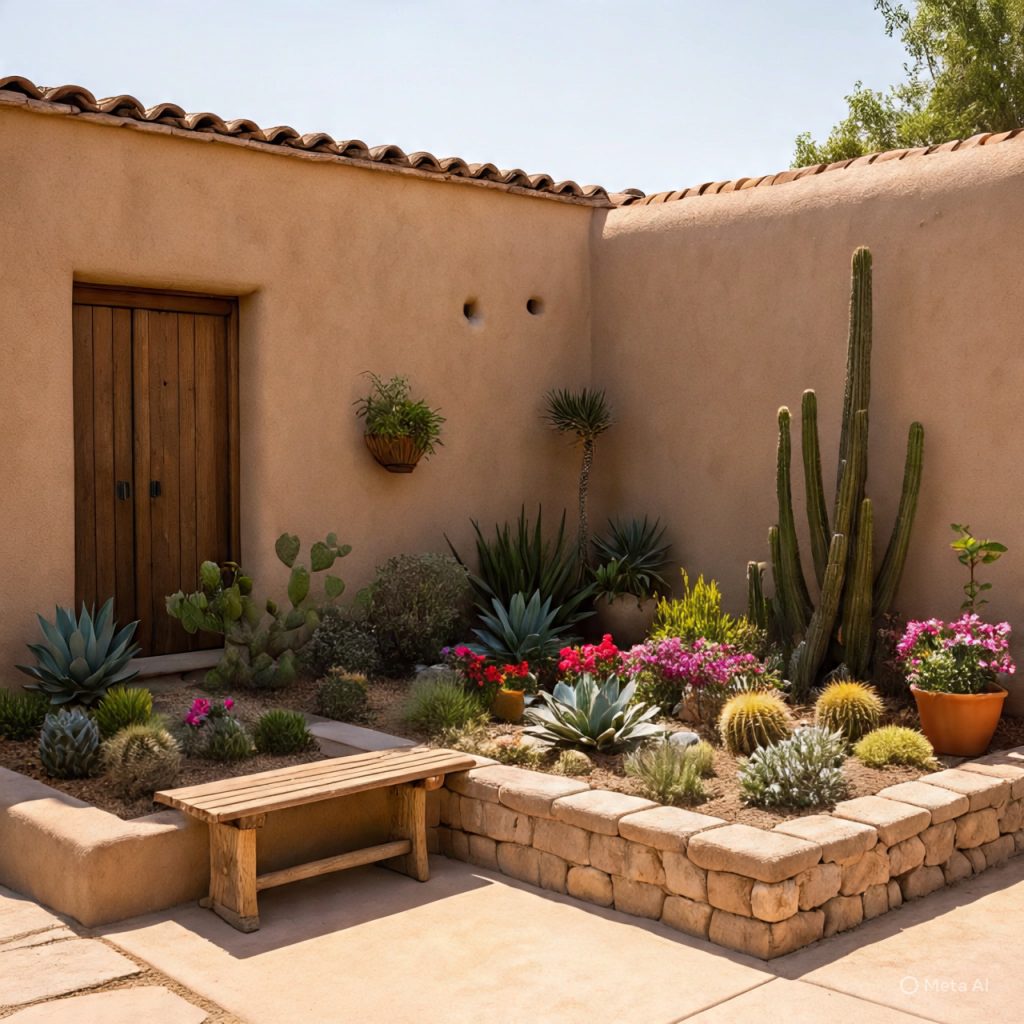
Low-maintenance gardens save time and cost. Native plants, mulching, and simple layouts reduce upkeep. These strategies ensure the terrace-garden remains attractive with minimal effort.
13: Sustainable Green Terrace Practices

Sustainability adds long-term value. Composting, rainwater use, and eco-friendly materials support environmental balance. A sustainable Terrace Garden benefits both homeowners and nature.
Final Thoughts
A thoughtfully designed Terrace Garden is more than a decorative feature—it is a lifestyle enhancement. Smart terrace-garden planning improves comfort, visual appeal, and environmental quality. By combining functional layouts, suitable plants, and sustainable practices, homeowners can transform rooftops into peaceful green sanctuaries. With consistent care and mindful design, terrace gardens remain valuable, relaxing, and visually appealing outdoor spaces that enhance everyday living and long-term property value.pleasing spaces for years to come.


