

Sustainable Residential Outdoor Design: Eco-Friendly Homes & Gardens
Sustainable Residential Outdoor Design is no longer a trend—it’s a necessity for modern homes. Integrating eco-friendly principles into gardens, terraces, balconies, and front elevations creates spaces that are beautiful, functional, and environmentally responsible. A well-planned Sustainable Residential Outdoor Design improves air quality, reduces energy use, and adds long-term property value while supporting healthy living.
From rainwater harvesting and composting to native plant selection and climate-aware material use, eco-friendly design connects homeowners with nature while enhancing daily comfort. Modern sustainable outdoor spaces combine aesthetics, efficiency, and mindfulness, making every square foot purposeful and inspiring.
1: Understanding Sustainable Residential Outdoor Design

Sustainable Residential Outdoor Design balances beauty, functionality, and environmental responsibility. It focuses on reducing energy consumption, conserving water, and using natural materials while enhancing visual appeal. Homeowners benefit from healthier surroundings, lower maintenance costs, and spaces that feel connected to nature.
2: Planning Your Eco-Friendly Outdoor Spaces
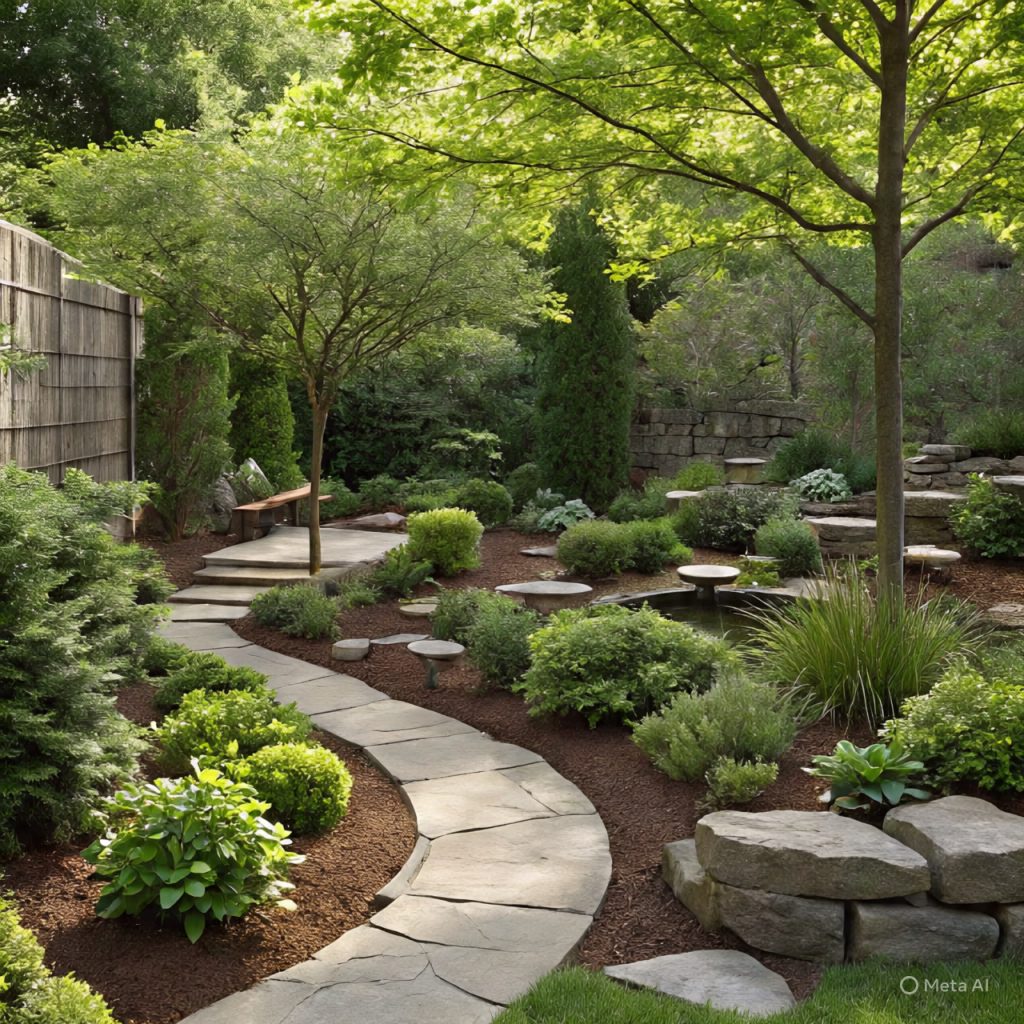
Before starting, define your goals: relaxation, edible gardens, or visual appeal. Planning involves layout design, sun orientation, wind patterns, and resource management. A strategic plan ensures that your Sustainable Residential Outdoor Design achieves both aesthetic and functional objectives.
3: Choosing Climate-Responsive Plants

Native and climate-adapted plants thrive with minimal maintenance. Drought-resistant shrubs, perennials, and climbers reduce water needs while supporting local biodiversity. Smart plant selection is essential for a low-maintenance, eco-friendly Residential Outdoor Design.
4: Water Management Systems

Efficient water use is key. Rainwater harvesting, drip irrigation, and self-watering planters conserve resources. Proper drainage prevents waterlogging and protects plant health. Sustainable Residential Outdoor Design incorporates these systems seamlessly into the layout.
5: Eco-Friendly Materials and Finishes
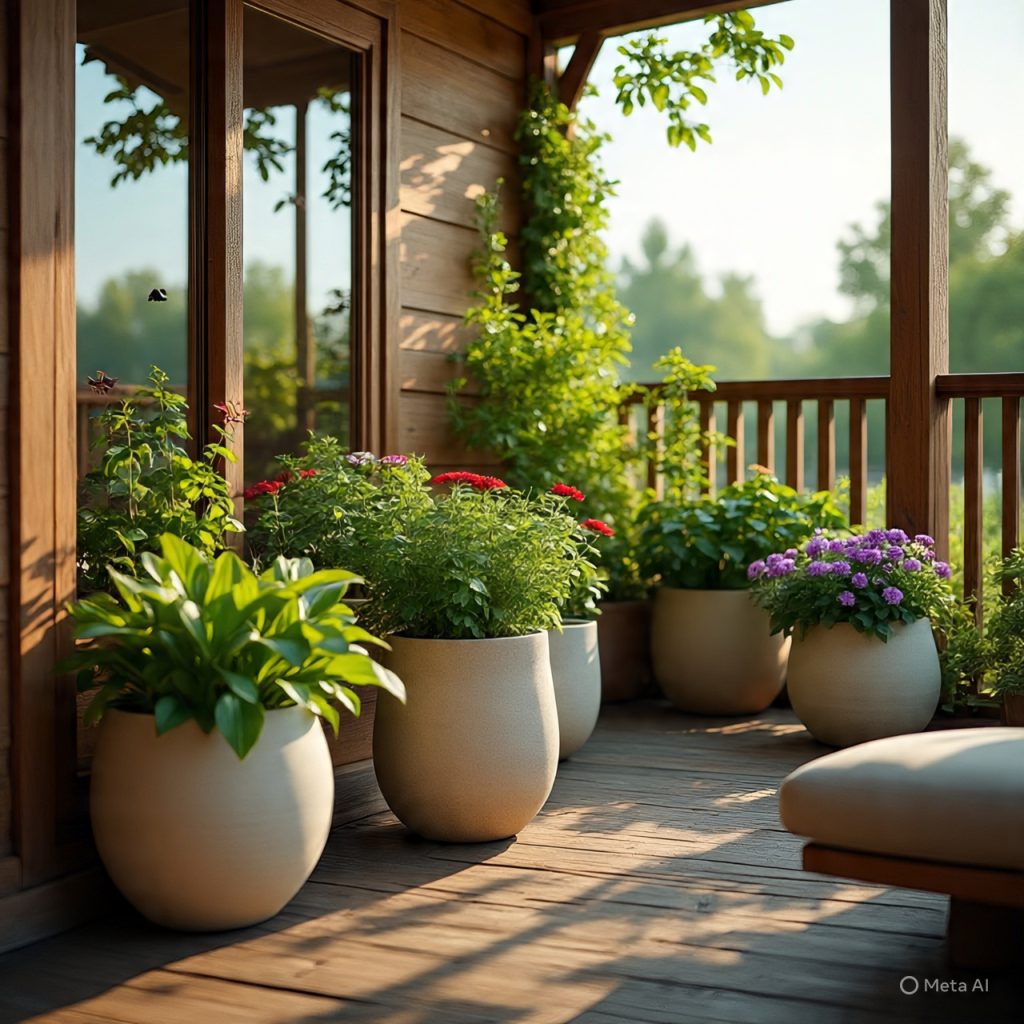
Materials define durability and environmental impact. Reclaimed wood, recycled composites, natural stone, and low-VOC paints reduce carbon footprint while enhancing aesthetic appeal. Limiting material variety keeps the design timeless and maintenance-friendly.
6: Sustainable Outdoor Furniture & Decor

Weather-resistant furniture from sustainable sources complements your eco-friendly outdoor space. Bamboo, recycled plastic, and FSC-certified wood are popular choices. Outdoor decor should balance visual interest with durability and environmental responsibility.
7: Energy-Efficient Lighting Solutions
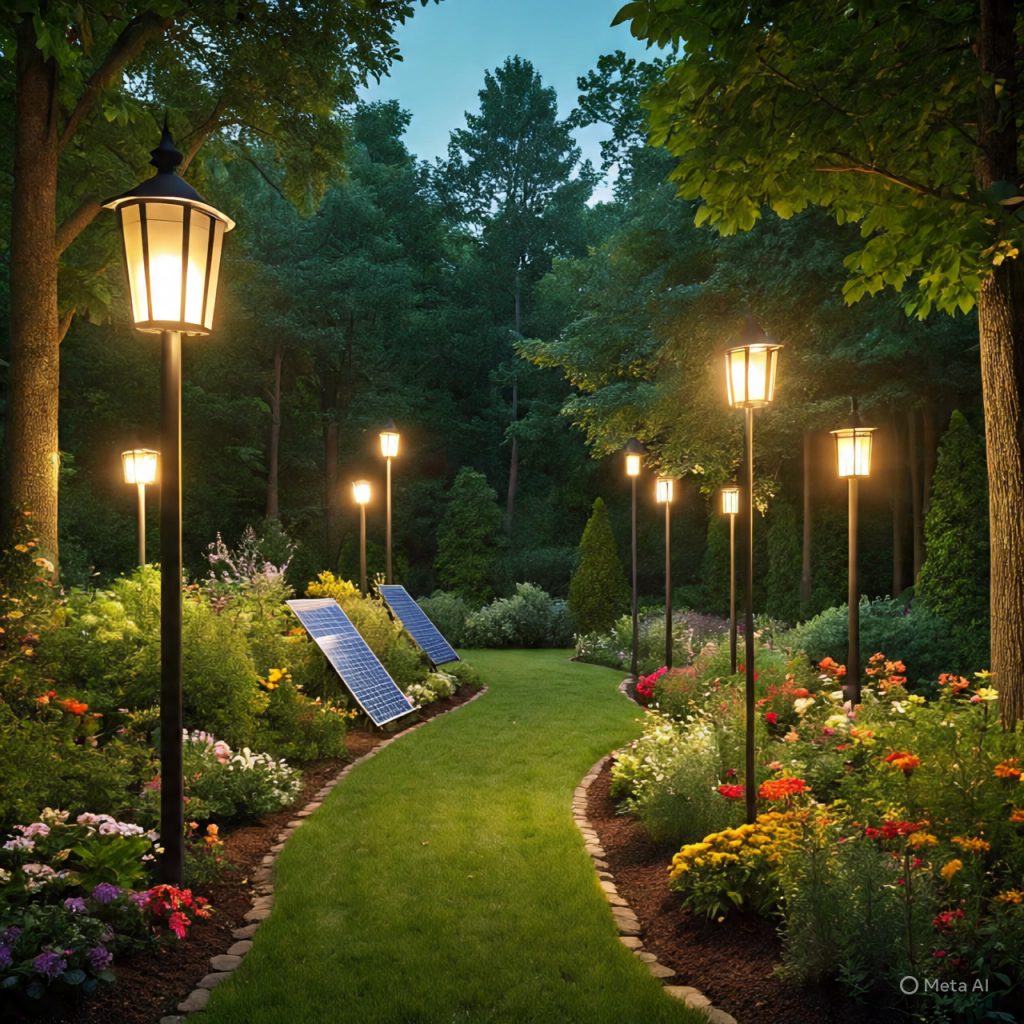
Solar-powered lights, LED fixtures, and motion-sensor options reduce energy consumption. Thoughtful lighting enhances mood, safety, and usability during evenings without unnecessary waste, aligning with Sustainable Residential Outdoor Design principles.
8: Composting and Organic Gardening

Composting kitchen waste and garden trimmings supports soil health, reduces landfill impact, and creates nutrient-rich mulch. Organic fertilizers and natural pest control integrate seamlessly into eco-conscious Residential Outdoor Design practices.
9: Green Roofs and Terrace Gardens
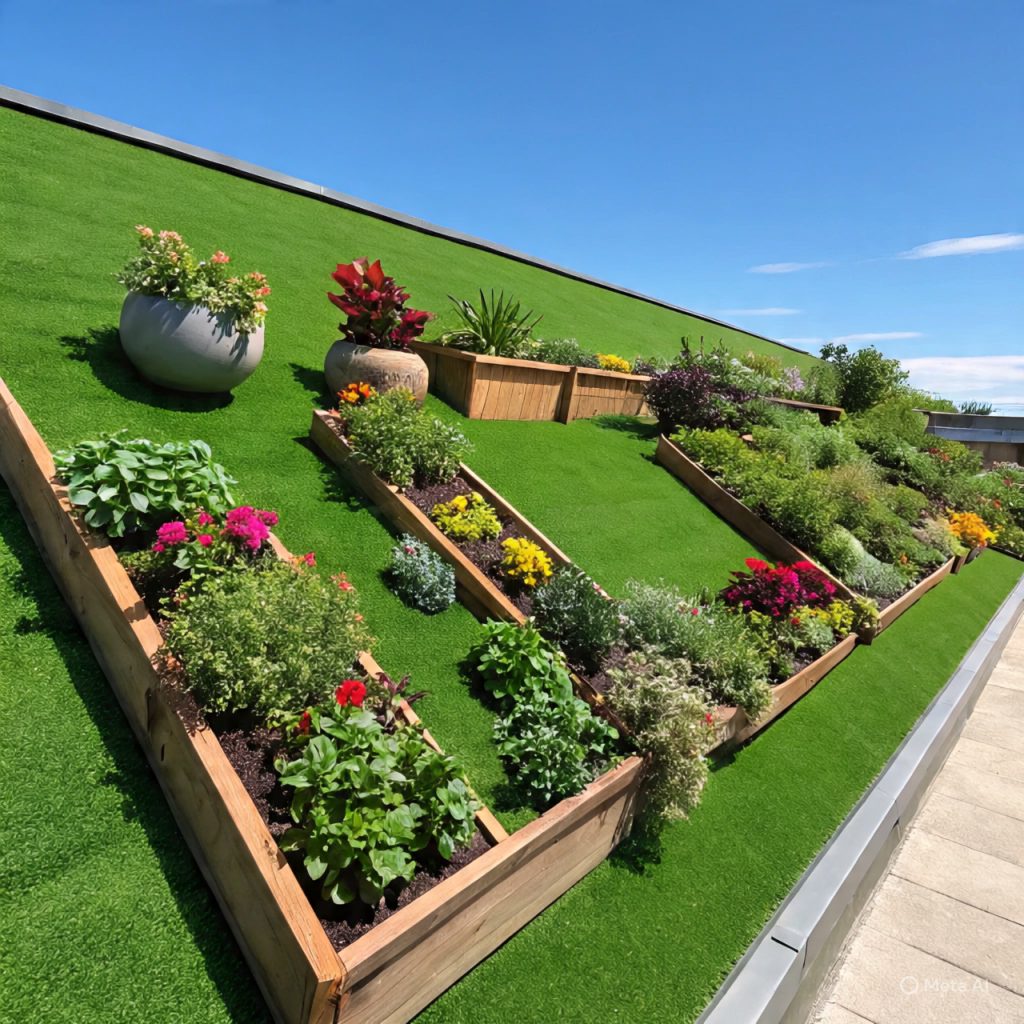
Terraces and roofs can be transformed into green spaces that insulate homes, reduce heat, and provide urban greenery. Sustainable Residential Outdoor Design utilizes lightweight soil mixes, container plants, and efficient layouts to create thriving rooftop gardens.
10: Privacy and Zoning with Natural Elements

Screens, trellises, and tall native plants create privacy while maintaining ecological harmony. Zoning outdoor areas for seating, gardening, and pathways ensures usability without sacrificing environmental integrity.
11: Low-Maintenance Eco Strategies
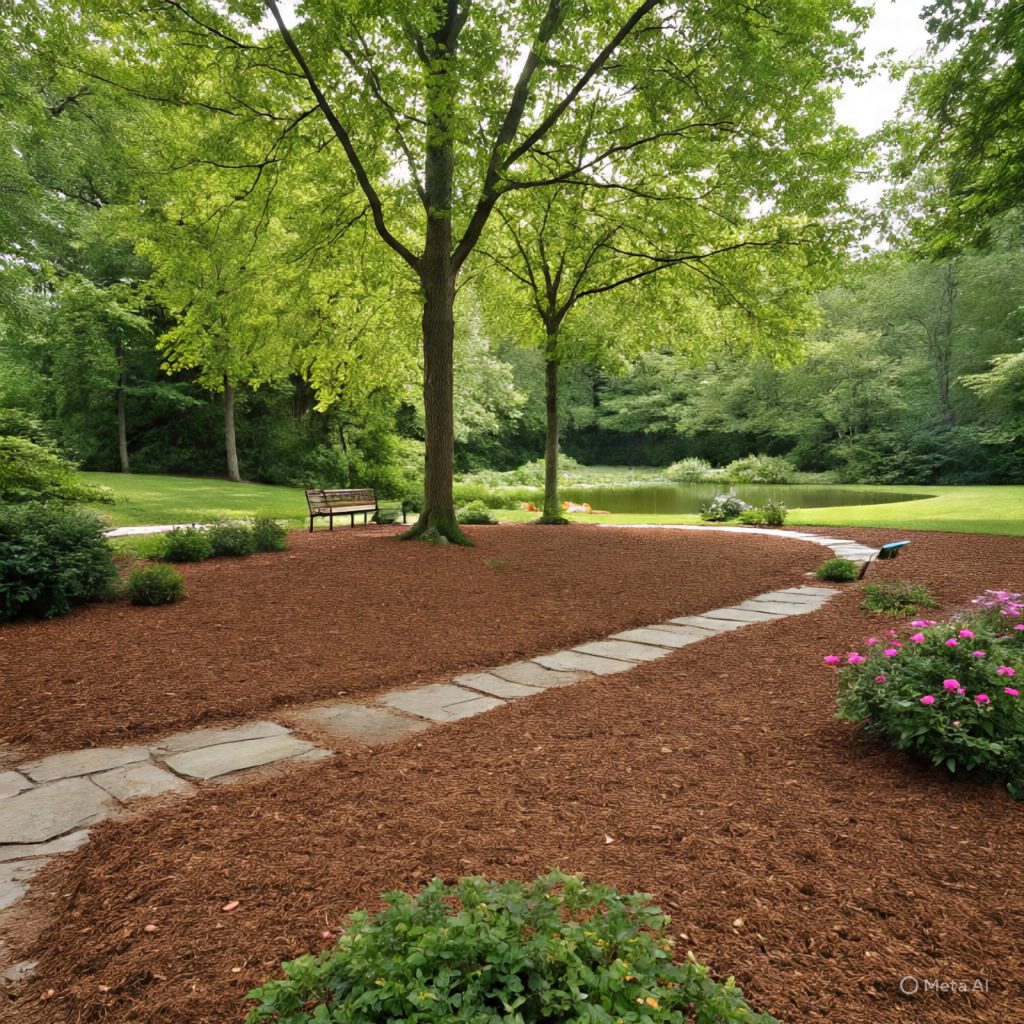
Mulching, native plants, and automated irrigation reduce time and effort. Sustainable Residential Outdoor Design emphasizes low-maintenance approaches that ensure longevity and visual appeal with minimal intervention.
12: Community & Lifestyle Benefits
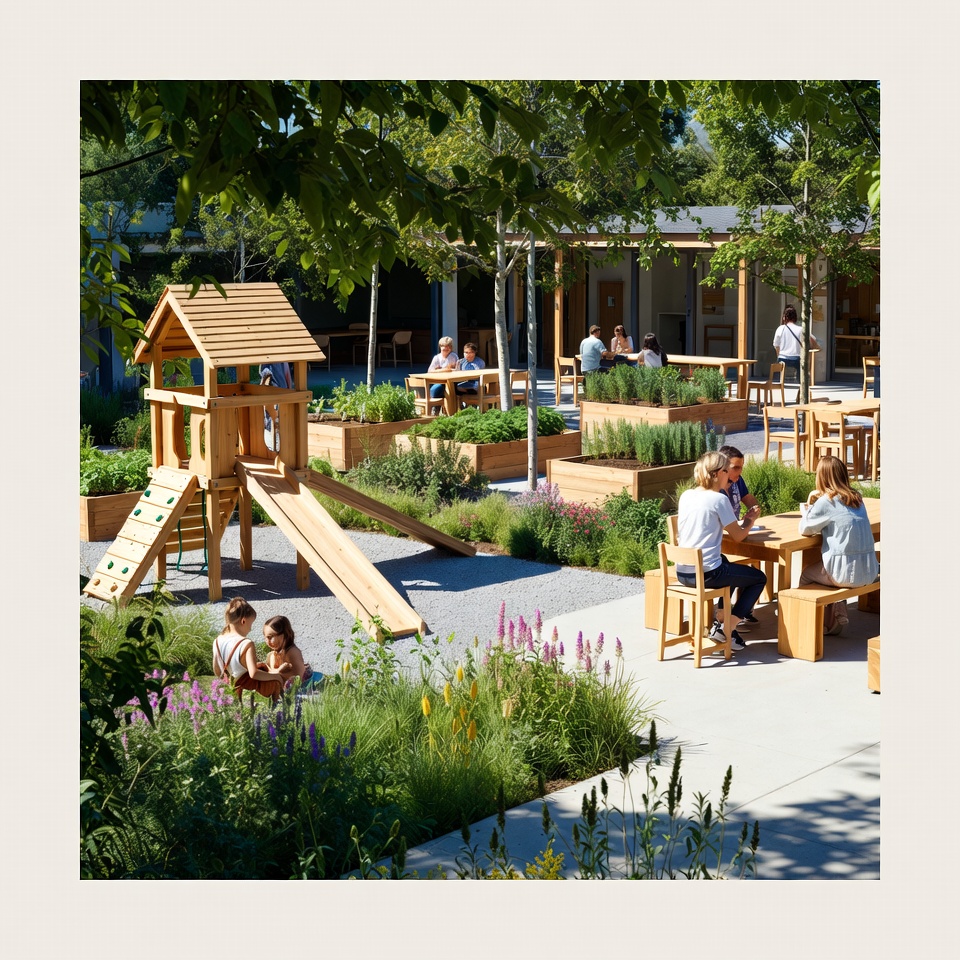
Sustainable outdoor spaces encourage family interaction, outdoor learning, and community engagement. They also enhance mental health, provide educational opportunities, and promote a lifestyle that respects nature.
13: Functional & Sustainable Outdoor Living Areas

A functional and sustainable outdoor dining area designed for eco-friendly residential living, combining comfort, greenery, and practical use
Final Thoughts
Sustainable Residential Outdoor Design transforms ordinary outdoor areas into eco-friendly, functional, and visually appealing spaces. By integrating climate-responsive plants, eco-conscious materials, energy-efficient lighting, and smart water management, homeowners create healthy, serene, and low-maintenance environments. Every element—from gardens to terraces—can reflect environmental responsibility without sacrificing beauty. Thoughtful Sustainable Residential Outdoor Design ensures long-term value, comfort, and connection with nature, making homes not just aesthetically pleasing but genuinely sustainable.
Related Topics:
- Terrace Garden Ideas: A Smart Way to Create Green Living Spaces
- Home Garden Ideas: Smart & Inspiring Ways to Refresh Your Space.
- Balcony Garden Ideas for Small Homes: Smart, Fresh & Relaxing Spaces
- 7 Powerful Residential Outdoor Design Ideas That Truly Work
- French Countryside Ranch Houses: Rustic Elegance Inspired by Provence
- Budget-Based Front Elevation Design: Smart Exterior Ideas for Every Budget
- https://www.bhg.com/


