

Kitchen Garden at Home: Simple Steps for Fresh & Healthy Living
Introduction
Creating a Kitchen Garden at Home is one of the most practical ways to bring freshness, health, and sustainability into daily life. A home kitchen garden allows families to grow fresh vegetables, herbs, and greens right outside their kitchen or on balconies, terraces, and backyards. This approach not only reduces grocery costs but also ensures chemical-free produce and encourages healthier eating habits. With thoughtful planning and basic care, a kitchen garden can easily fit into modern lifestyles while adding greenery and positivity to the home environment.
1: Understanding the Concept of a Kitchen Garden at Home

A kitchen garden focuses on growing daily-use vegetables and herbs near the living space. The goal is convenience, freshness, and efficiency. A well-planned Kitchen Garden at Home supports everyday cooking while promoting self-sufficiency.
2: Choosing the Right Space for Kitchen Gardening

Selecting the correct location is essential. Balconies, terraces, backyards, or even window sills can work. Adequate sunlight and ventilation help plants grow well and stay healthy.
3: Soil Preparation for Kitchen Garden Success

Healthy soil is the foundation of productive gardening. Mixing garden soil with compost improves nutrients and drainage. Proper soil preparation increases yield in a Kitchen Garden at Home.
4: Selecting Vegetables for Kitchen Garden at Home

Leafy greens, tomatoes, chilies, herbs, and seasonal vegetables grow well in home gardens. Choosing easy-to-grow plants makes gardening enjoyable and productive.
5: Container Gardening for Small Kitchen Gardens

Containers are ideal for limited spaces. Pots, grow bags, and recycled containers allow flexible arrangements. Container gardening makes a Kitchen Garden at Home accessible even in apartments.
6: Sunlight Requirements in Kitchen Garden at Home

Most vegetables need 4–6 hours of sunlight daily. Observing light patterns helps place plants correctly. Balanced sunlight ensures strong growth and healthy harvests.
7: Watering Techniques for Kitchen Gardens

Consistent watering keeps plants stress-free. Overwatering should be avoided to protect roots. Smart watering routines support long-term Kitchen Garden at Home sustainability.
8: Organic Practices for Healthy Produce

Organic compost, natural pest control, and mulching keep plants healthy. These practices protect soil quality and produce safe, chemical-free food for families.
9: Pest Control in Home Kitchen Gardens

Pests can be managed naturally using neem oil, garlic spray, or companion planting. Natural methods maintain balance without harming plants or soil.
10: Maintenance Tips for Kitchen Garden at Home

Regular pruning, removing dead leaves, and checking soil moisture keeps the garden productive. Simple routines help maintain a thriving Kitchen Garden at Home.
11: Harvesting and Using Fresh Produce

Harvesting at the right time improves taste and nutrition. Freshly picked vegetables enhance meals and encourage healthy cooking habits at home.
12: Sustainable Benefits of Kitchen Gardening
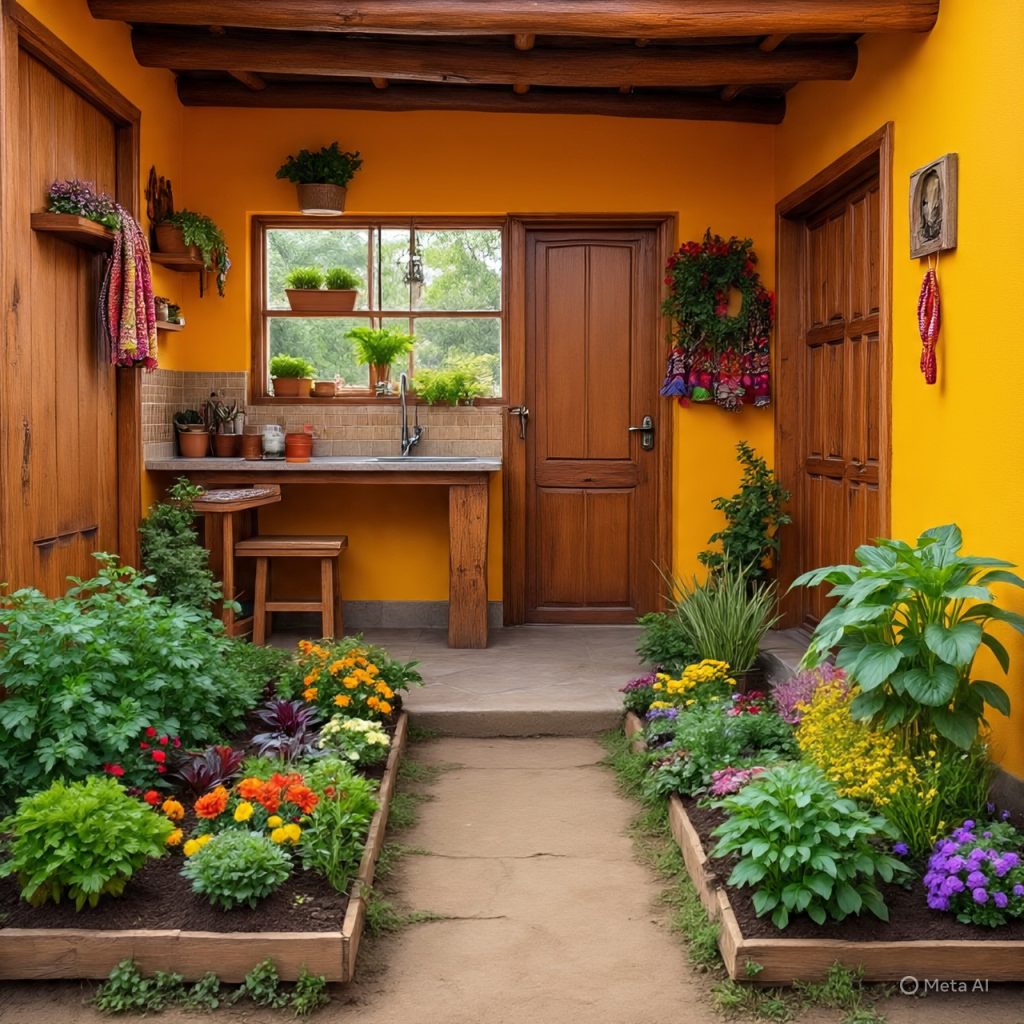
Kitchen gardens reduce food waste, lower expenses, and promote eco-friendly living. A sustainable Kitchen Garden at Home benefits both health and the environment.
Final Thoughts
A Kitchen Garden at Home is not just a gardening trend; it is a practical lifestyle choice that supports health, sustainability, and daily convenience. Growing your own vegetables and herbs builds confidence in food quality while reducing dependency on market produce. Over time, a kitchen garden encourages mindful eating, lowers household expenses, and creates a calming routine within busy urban life.
With consistent care, even small spaces can deliver impressive harvests. A well-maintained Kitchen Garden at Home strengthens the connection between nature and living spaces, improves air quality, and adds visual freshness to the home environment. As families spend more time cooking and harvesting together, kitchen gardening also promotes learning, responsibility, and environmental awareness for all age groups. In the long run, this simple green practice turns homes into healthier, happier, and more self-sufficient living spaces


