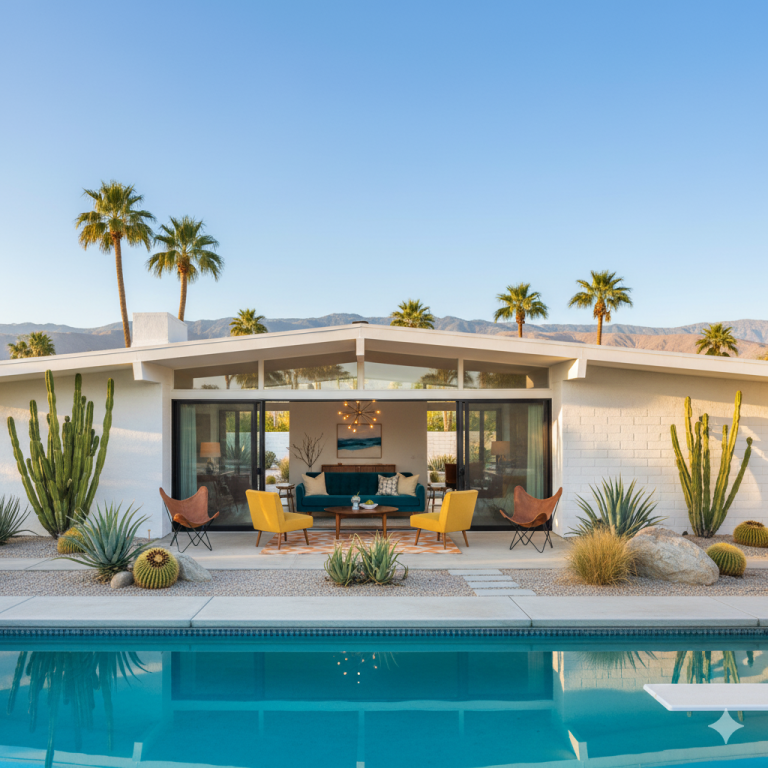
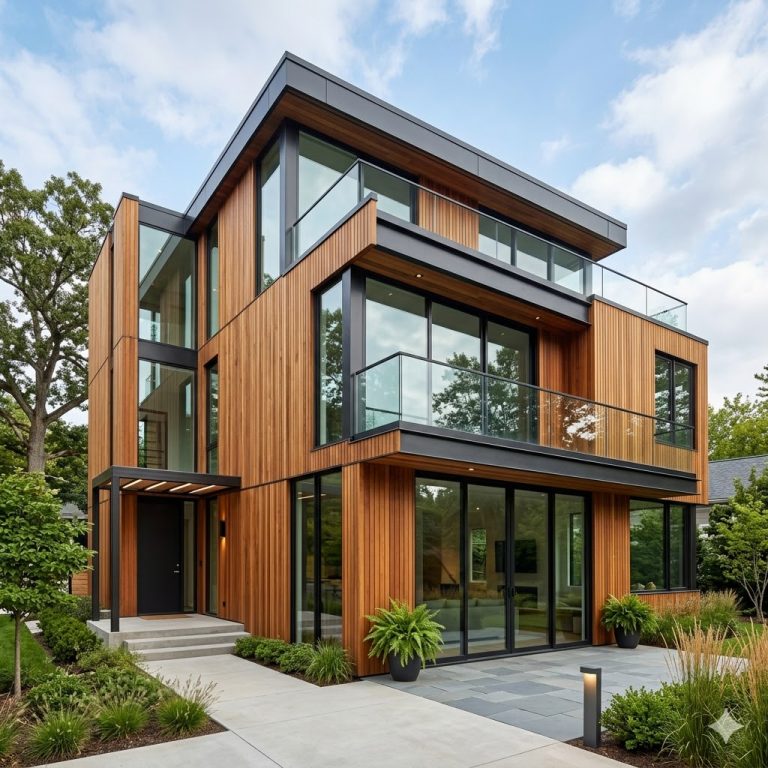
Budget-Based Front Elevation Design: Smart Exterior Ideas for Every Budget.
Budget Based front Elevation Design
Budget based front elevation design focuses on creating visually appealing facades while respecting financial constraints. A well-thought-out budget-based front elevation design ensures maximum impact with minimal cost.
Front elevation is the visual identity of a home, but many homeowners believe an attractive exterior always requires a high budget. In reality, smart planning, material selection, and design balance can create a stunning front elevation at any price point. Whether you are building on a limited budget, working with a mid-range investment, or aiming for a premium look, understanding budget-based elevation strategies helps you achieve maximum visual impact without unnecessary expense. This guide explains how front elevation design changes across different budgets and how to make informed choices at each level.
In addition, budget-based front elevation design helps homeowners avoid unnecessary expenses by focusing on functionality, long-term durability, and climate suitability. A well-calculated budget not only improves visual appeal but also reduces future maintenance costs, ensuring that the exterior remains attractive, practical, and value-driven for years without frequent repairs or upgrades
1. Understanding Budget-Based Front Elevation Planning.

Budget Based Front Elevation Design: Prioritizing Visual Impact on a Budget”
2. Key Factors That Influence Front Elevation Cost.

Elevation cost depends on materials, labor complexity, plot width, height, lighting, and detailing. Simplified geometry and fewer finishes significantly reduce expenses.
3. Low-Budget Front Elevation Design Principles.

Low-budget elevations rely on clean lines, minimal textures, and smart color contrast. Simplicity becomes the strongest design element.
4. Affordable Material Choices for Low Budgets.

Cement plaster textures, exterior paint, basic stone strips, and mild steel railings are cost-effective yet visually appealing options.
5. Color Strategies for Budget-Friendly Elevations.

Using just two balanced colors in a budget based front elevation design helps reduce cost and avoids visual clutter. Light base tones combined with a single accent color create a clean, attractive look without extra expense.
6. Lighting Ideas That Don’t Increase Cost.

In a budget based front elevation design, wall-mounted LED lights and focused warm lighting can highlight key features of the façade without relying on expensive fixtures or complex wiring. Simple lighting enhances beauty and style efficiently.
7. Mid-Range Front Elevation Design Approach.

Mid-range budgets allow better material variety and controlled detailing. This range balances durability with modern aesthetics.
8. Popular Materials for Mid-Range Elevations.

Natural stone cladding, textured concrete panels, wooden finish tiles, and aluminum frames elevate appearance without luxury pricing.
9. Combining Texture and Color in Mid Budgets.

Using one textured surface with a neutral color palette adds depth while keeping the design visually balanced.
10. Balcony and Boundary Integration in Mid Budgets.

Simple glass railings, metal screens, or horizontal slats enhance elevation without heavy structural cost.
11. Luxury Front Elevation Design Philosophy.

Luxury elevations focus on proportion, symmetry, premium finishes, and architectural detailing rather than excessive decoration.
12. High-End Materials Used in Luxury Elevations.

Marble cladding, natural wood panels, high-performance glass, and custom metalwork define premium front elevations.
13. Lighting as a Luxury Design Tool.

In a budget based front elevation design, layered lighting, concealed LED strips, and wall washers can dramatically enhance textures and architectural depth at night. Thoughtful exterior lighting highlights key design features without increasing structural costs, making the elevation appear more refined and visually striking..
14. Cost Control Even in Luxury Designs.

Even in a budget based front elevation design, smart budget control is essential. Limiting premium materials to focal areas—such as the entrance frame or feature wall—maintains elegance without overspending. Strategic material placement ensures a balanced and sophisticated look.
15. Comparing Visual Impact Across Budgets.

A well-planned budget based front elevation design can look cleaner and more cohesive than a poorly executed luxury façade. Clear proportions, balanced materials, and thoughtful detailing matter far more than price. Strong design principles always outweigh excessive spending..
16. Common Budget Planning Mistakes to Avoid.

Overusing materials, ignoring maintenance costs, and copying unsuitable designs often lead to budget overruns and visual imbalance.
17. Front Elevation Budget Allocation Guide.

Allocate budget wisely: 40% materials, 25% finishes, 20% lighting and detailing, and 15% contingency for adjustments.
18. Long-Term Maintenance Cost Considerations.

Low-maintenance materials save money over time, especially in dusty, hot, or humid environments.
19. Choosing the Right Design for Your Budget.

Understanding lifestyle, climate, and plot size ensures your chosen elevation remains practical and visually appealing.
20. Smart Design Beats Big Budgets.

Front elevation beauty does not depend on money alone. Strategic planning, simplicity, and material intelligence create timeless exteriors at any budget level.
How to Design a Front Elevation on a Budget (Without Compromising Quality)
Budget front elevation is not about reducing cost blindly. It is about making smart design decisions.
Most homeowners try to save money by cutting materials or skipping design elements. This often leads to poor results.
A better approach is to:
- simplify the design
- use fewer materials
- focus on high-impact areas
- avoid unnecessary complexity
Modern budget elevation works on the principle of “less but better”. Simple layouts and minimal detailing help control cost while maintaining visual quality.
Where You Should Spend and Where You Should Save
Not every part of the elevation needs equal investment.
Spend On:
- main entrance area
- focal wall
- lighting
Save On:
- large plain walls
- unnecessary textures
- decorative elements
This strategy ensures your house looks premium even with limited budget.
Best Budget-Friendly Materials That Still Look Premium
Choosing the right material makes the biggest difference.
- textured paint → most affordable and versatile
- brick cladding → durable and timeless
- stone veneer → premium look at lower cost
- fiber cement panels → modern and low maintenance
These materials are widely used because they balance cost, durability, and appearance.
The “Minimal Material Rule” (Most Important Concept)
One of the biggest reasons budget houses look cheap is overuse of materials.
Instead, follow this:
- 1 base material (70%)
- 1 secondary material (20–30%)
- 1 accent (optional)
Too many materials increase cost and reduce visual clarity.
Smart Design Tricks That Save Money
You don’t need expensive materials to create a strong elevation.
Use these instead:
- paint contrast to create depth
- vertical lines to add height
- simple geometric shapes
- aligned windows and doors
Even paint alone can create structure and visual layers when used correctly.
How Lighting Can Replace Expensive Materials
Lighting is one of the cheapest ways to upgrade your elevation.
- wall lights highlight texture
- warm LED creates depth
- focused lighting improves night view
Instead of adding more materials, use lighting to enhance what you already have.
Budget Planning Strategy for Front Elevation
A well-planned budget avoids future problems.
Consider:
- material cost
- labor cost
- maintenance cost
- long-term durability
A slightly higher initial investment in the right material can reduce maintenance costs over time.
Common Budget Design Mistakes
- trying to copy luxury designs
- using too many materials
- choosing cheap but low-quality materials
- ignoring maintenance
- poor color combinations
These mistakes increase cost and reduce overall quality.
How to Make a Budget House Look Expensive
This is what actually works:
- keep design simple
- use light and neutral colors
- add one focal element
- use lighting effectively
- maintain symmetry
A well-balanced simple design often looks more premium than an over-designed one.
Final Insight
Budget front elevation is not about spending less.
It is about spending smart.
When you focus on proportion, material selection, and simplicity, you can create a modern and attractive house front without exceeding your budget.
Focus on clean layouts, balanced colors, and practical features rather than expensive elements. A well-designed small elevation can look modern, elegant, and highly functional.
Use this guide as a foundation to create a cost-effective and stylish front elevation that suits your needs.