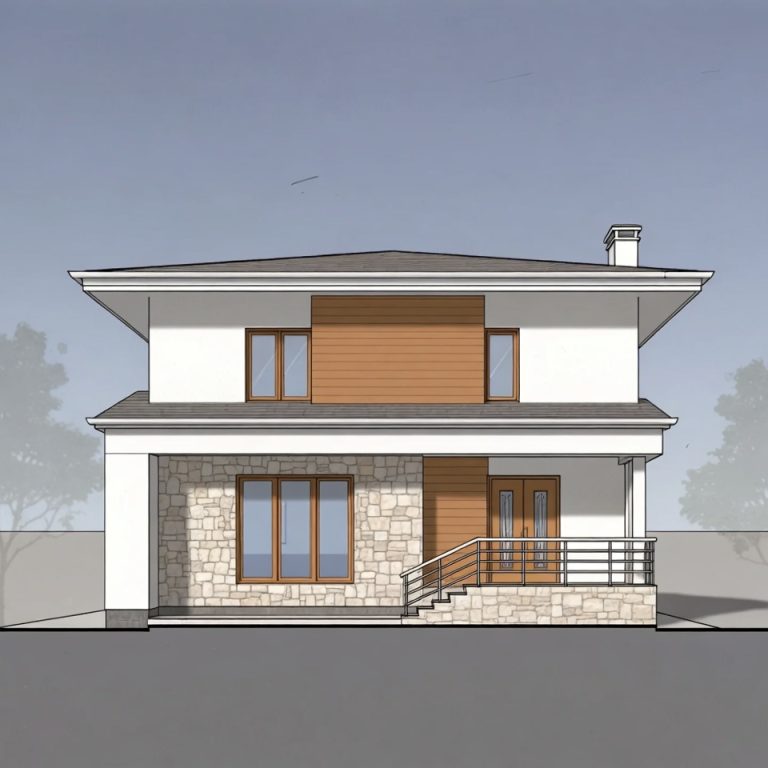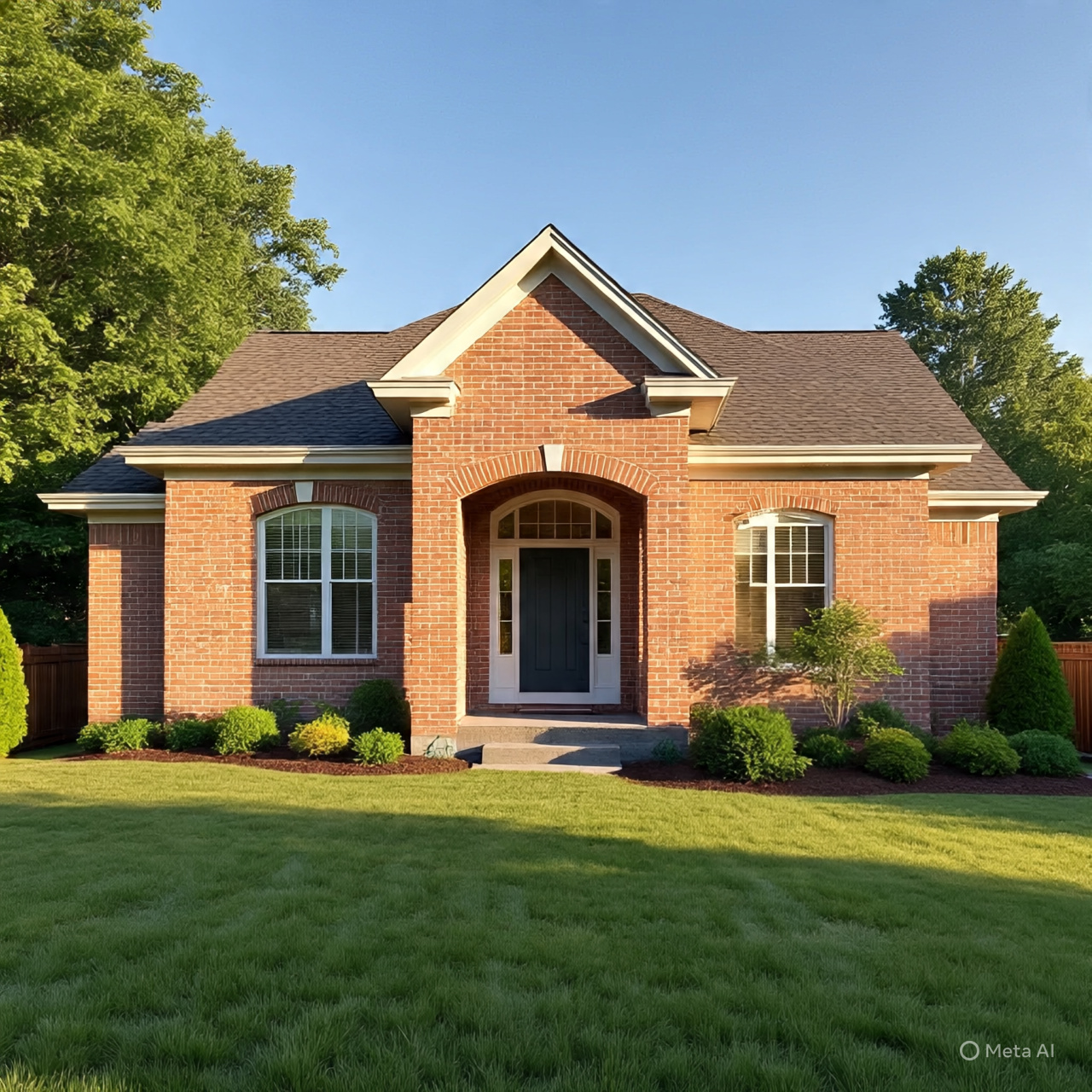
Front Elevation Design Based on Sun Orientation
Front Elevation Design Based on Sun Orientation: Front elevation design plays a critical role in how a home looks, feels, and performs over time. While many homeowners focus on style, color, and materials, one of the most powerful and often ignored design factors is sun orientation. The direction a home faces determines how much heat, glare, and natural light it receives throughout the day. A poorly oriented front elevation can lead to uncomfortable interiors, higher energy bills, faded finishes, and increased maintenance. On the other hand, a smart front-elevation design based on sun orientation improves comfort, enhances energy efficiency, and ensures long-term visual balance.
Understanding how sunlight interacts with your home allows you to design an elevation that works naturally with the environment rather than against it. By carefully considering sun paths, shading elements, and window placement, homeowners and architects can create front elevations that maximize natural light, reduce heat gain, and highlight architectural features, resulting in a home that is both beautiful and sustainable.
1. Understanding Sun Orientation in Home Design
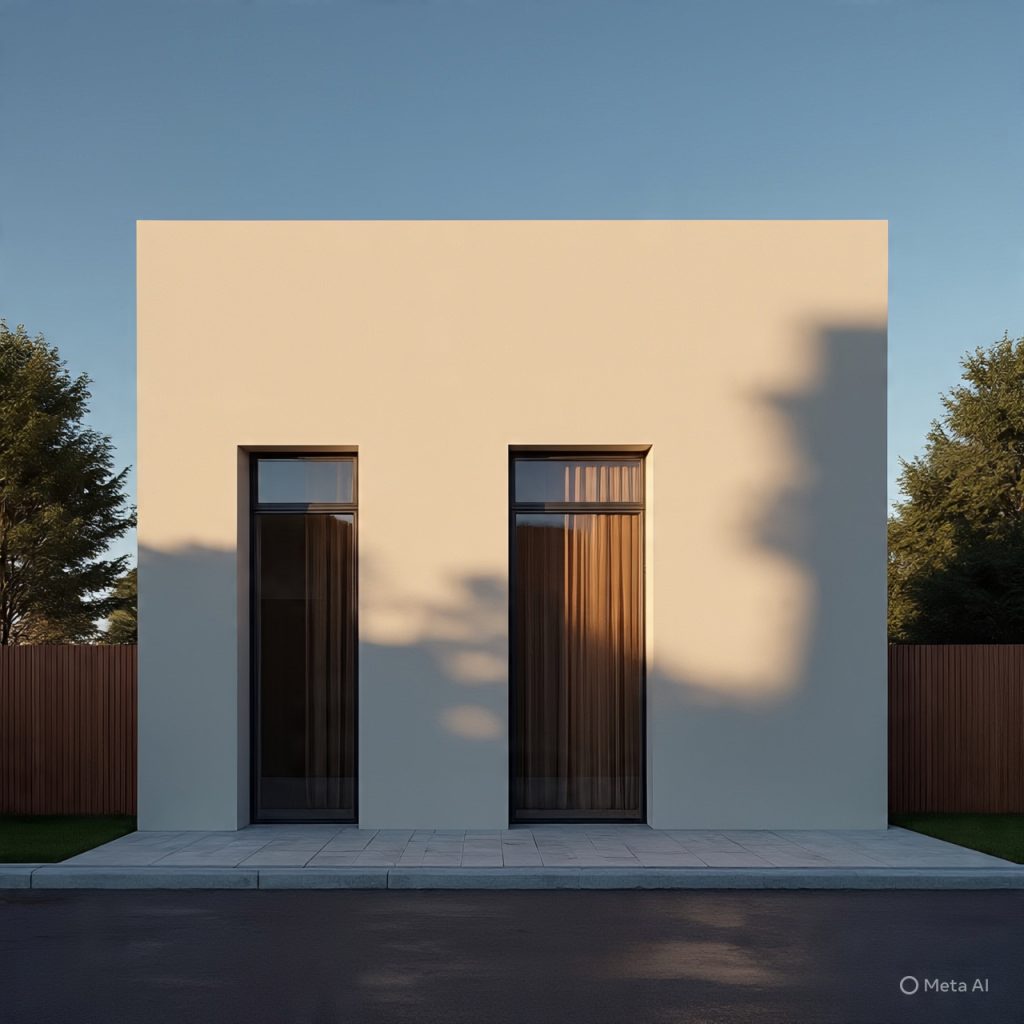
In Front Elevation Design Based on Sun Orientation, sun orientation refers to the direction your home faces in relation to the sun’s daily path. This directly affects light exposure, heat gain, and shadow movement across the elevation. Proper planning ensures the façade responds intelligently to climate conditions while enhancing comfort and efficiency.
2. How Sun Direction Impacts Front Elevation Performance
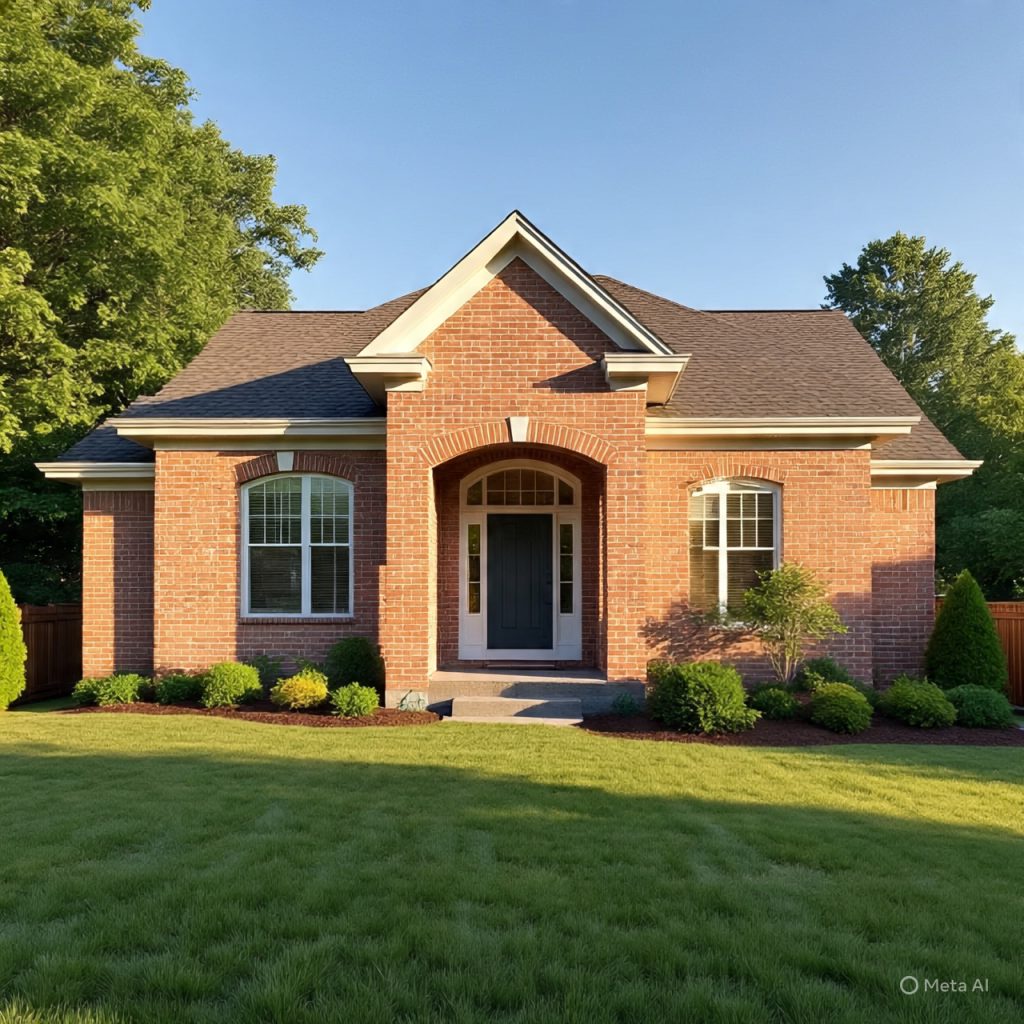
Different sun angles influence temperature, brightness, and material aging. Front elevation design based on sun orientation that manages sunlight effectively reduces overheating and uneven lighting inside the home.
3. East-Facing Front Elevation Design Benefits
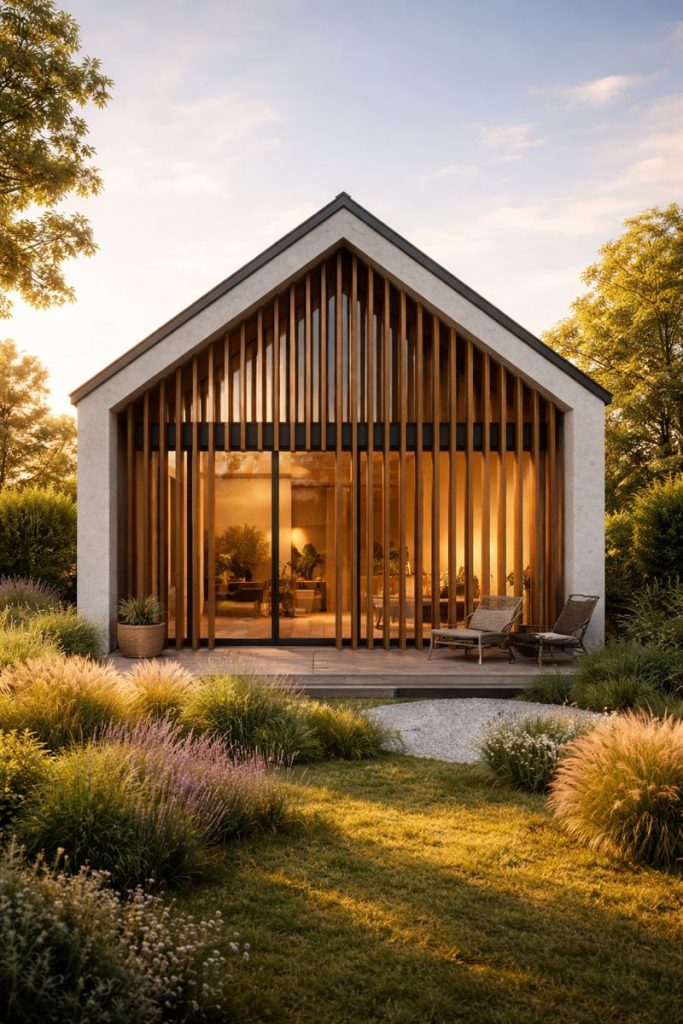
East-facing elevations receive gentle morning sunlight, creating bright interiors without excessive heat. Applying front elevation design based on sun orientation ensures balanced openings and light finishes for optimal indoor comfort.
4. West-Facing Front Elevation Design Challenges
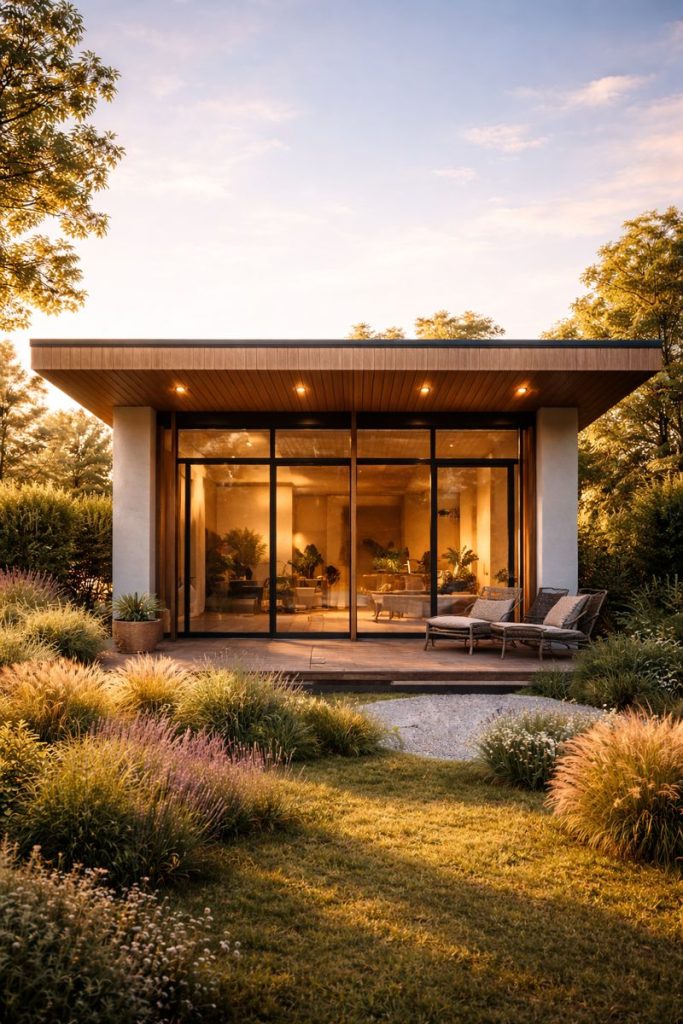
West-facing homes experience intense afternoon sun, which can cause overheating and glare. Using smart front elevation design based on sun orientation helps minimize discomfort during warmer months through proper shading and material selection.
5. Smart Shading Solutions for West Exposure
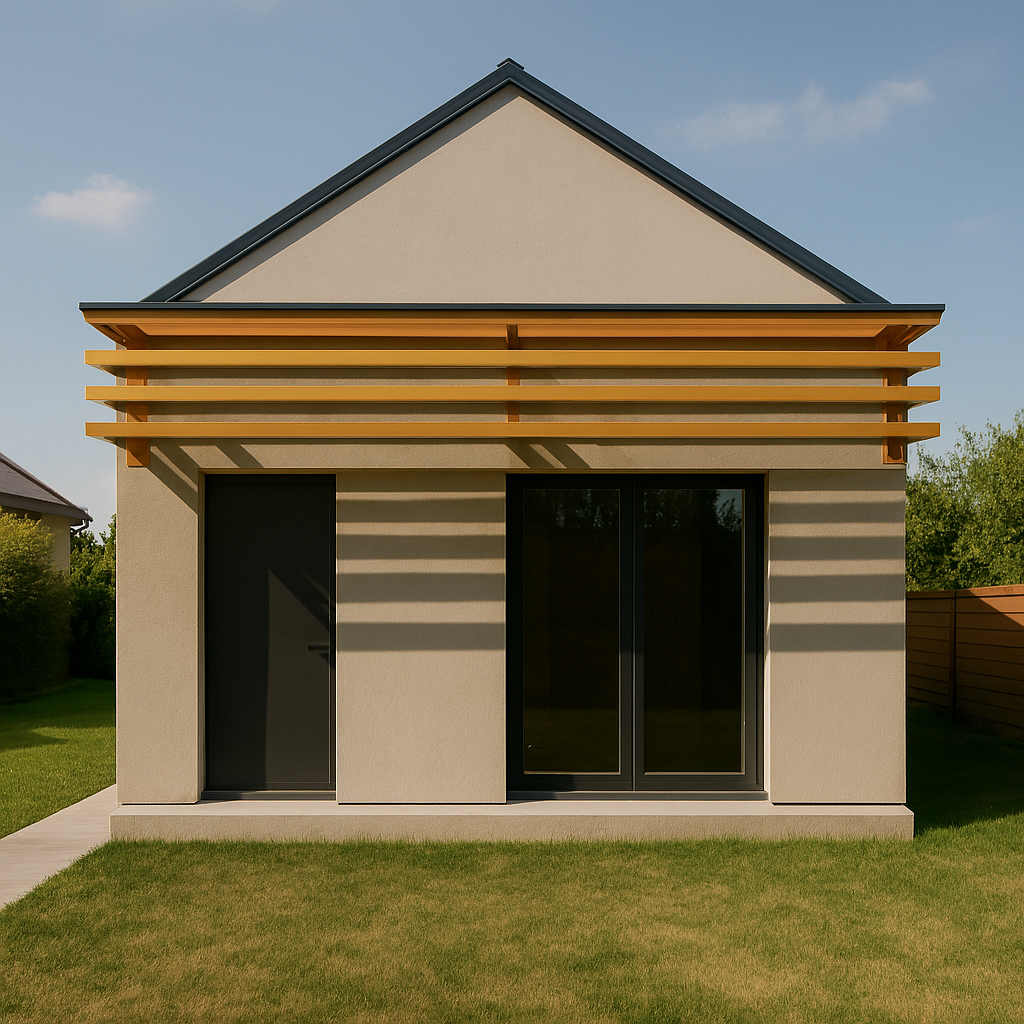
Effective Front Elevation Design Based on Sun Orientation incorporates vertical louvers, textured walls, recessed windows, and deeper overhangs to control harsh sunlight. These architectural elements reduce glare and overheating while preserving a clean, modern elevation appearance.
6. South-Facing Front Elevation Design Advantages
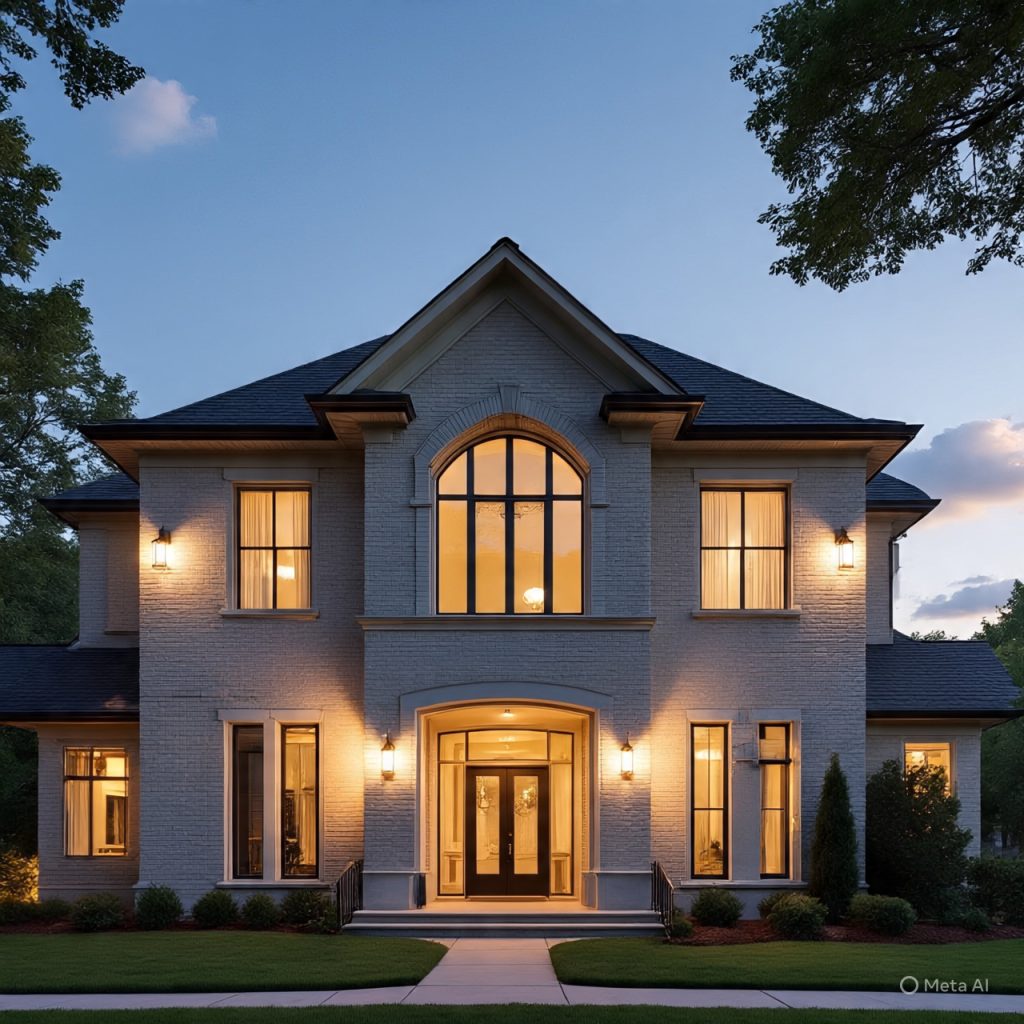
In Front Elevation Design Based on Sun Orientation, south-facing elevations require special attention as they receive consistent sunlight throughout the day. Horizontal shading devices are particularly effective, allowing winter warmth to enter while blocking excess summer heat and improving overall energy performance.
7. North-Facing Front Elevation Considerations
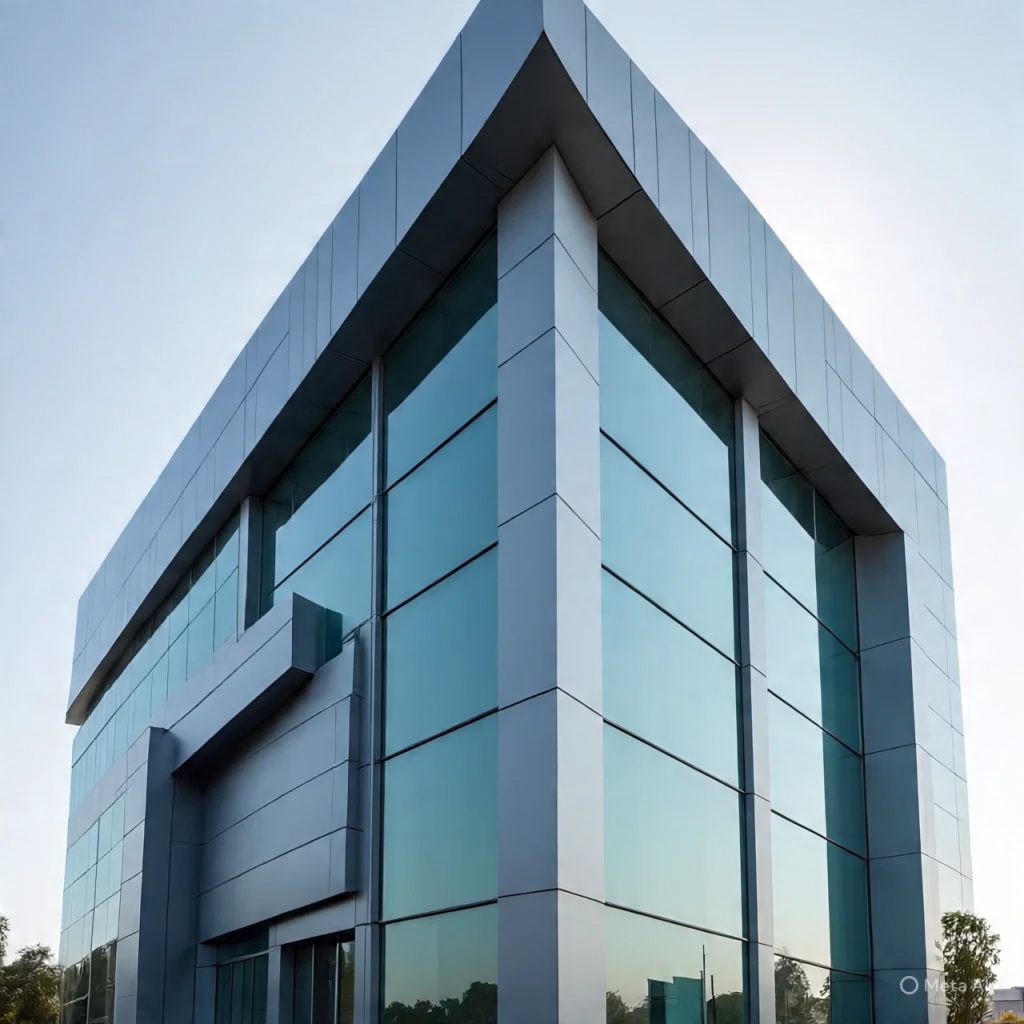
North-facing elevations receive indirect sunlight, resulting in cooler interiors. Architectural lighting and contrast materials prevent the facade from appearing flat or dull.
8. Choosing Exterior Materials Based on Sun Exposure
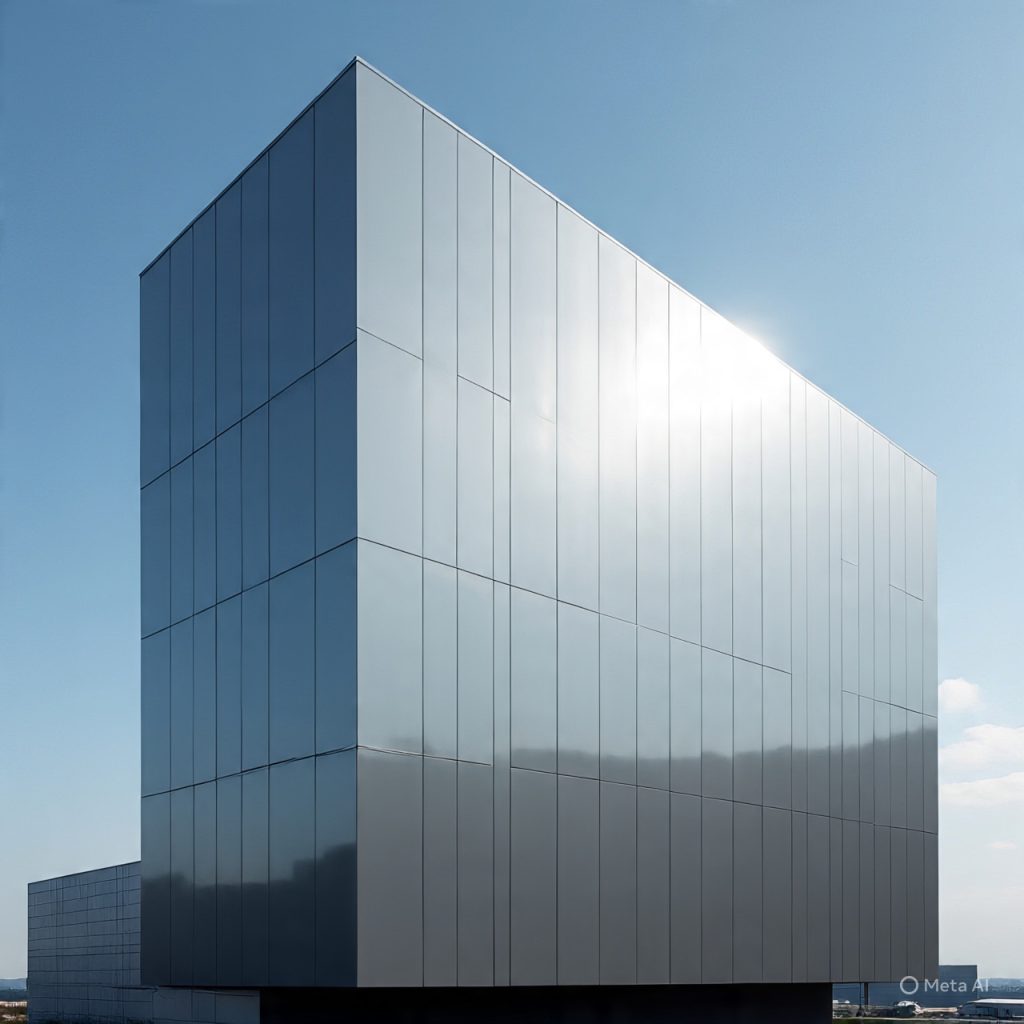
Sun-exposed elevations require materials that resist fading, cracking, and heat absorption. Durable finishes extend the lifespan of the front elevation.
9. Color Selection and Heat Reflection
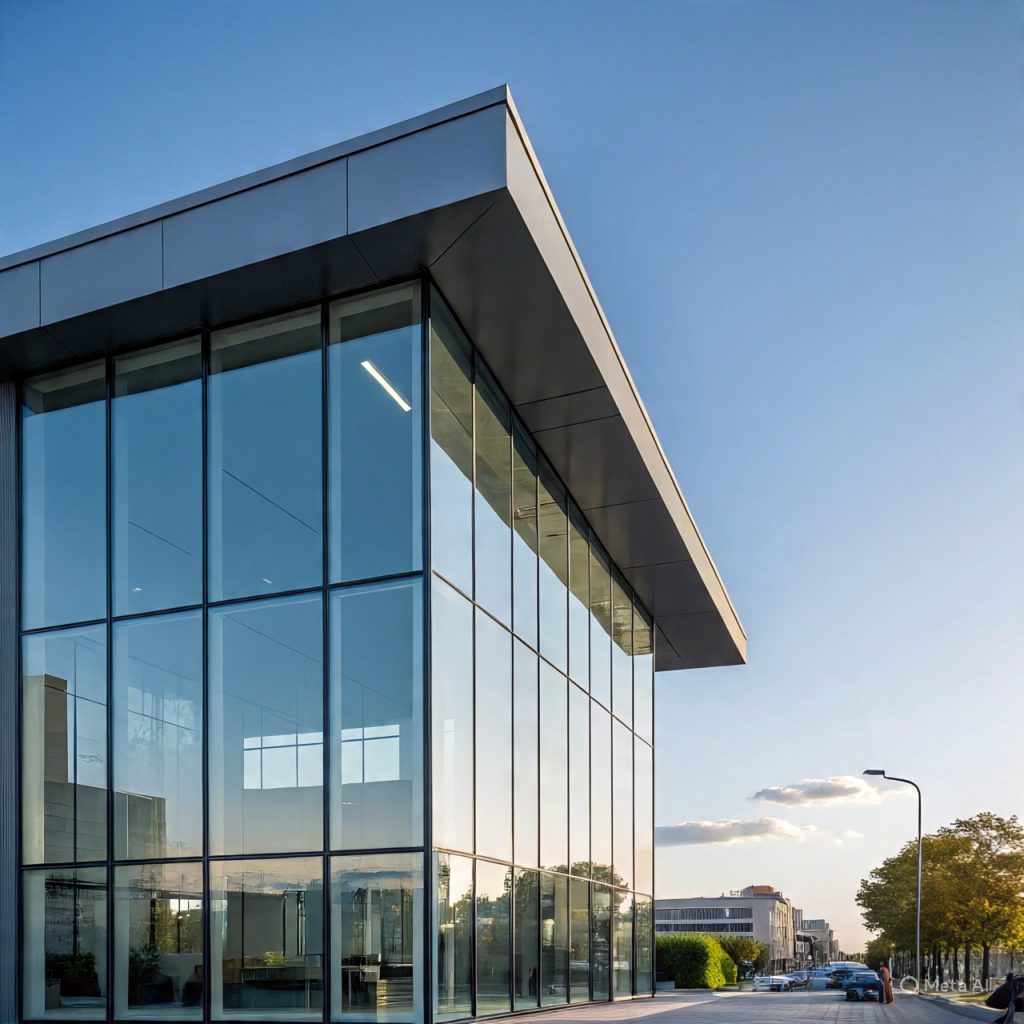
Lighter colors reflect sunlight and reduce heat buildup, while darker tones absorb heat. Color choices should align with sun direction for better thermal comfort.
10. Glass Placement and Sun Control Strategy
Glass enhances modern elevation design but must be positioned carefully. Proper orientation and shading prevent glare, overheating, and privacy issues.
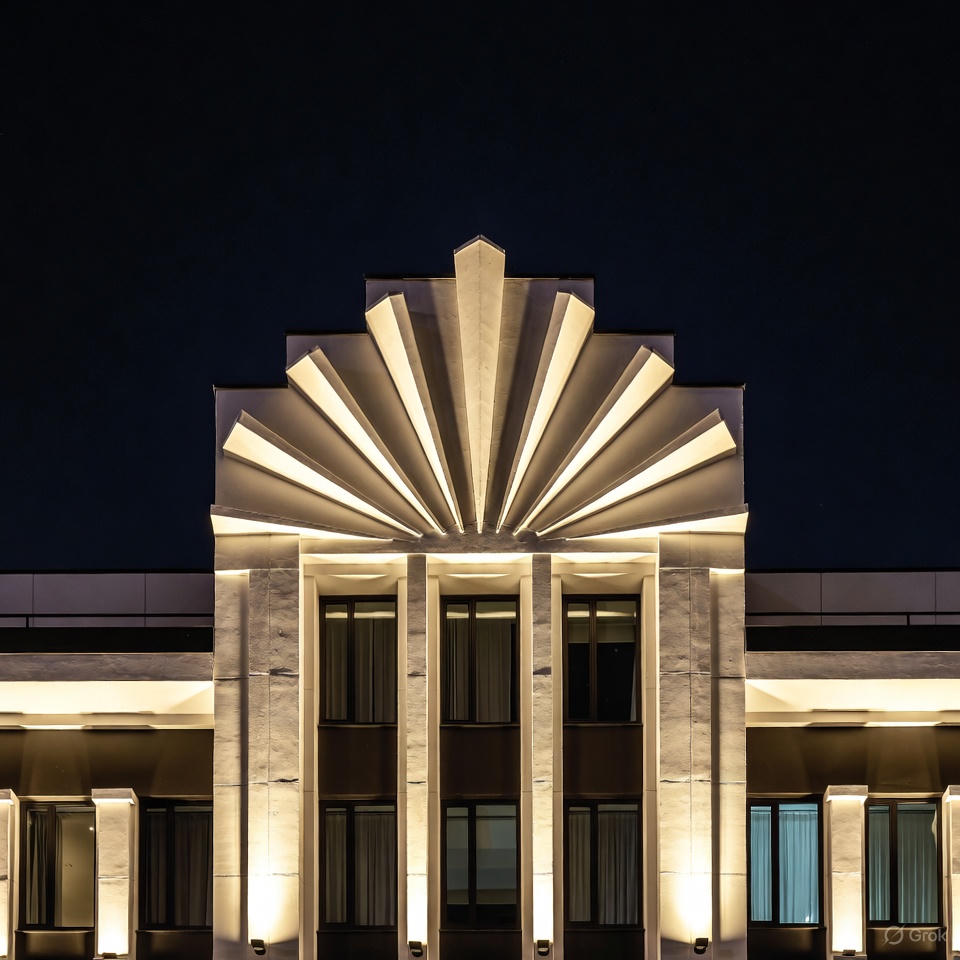
11. Exterior Lighting in Sun-Oriented Elevation Design
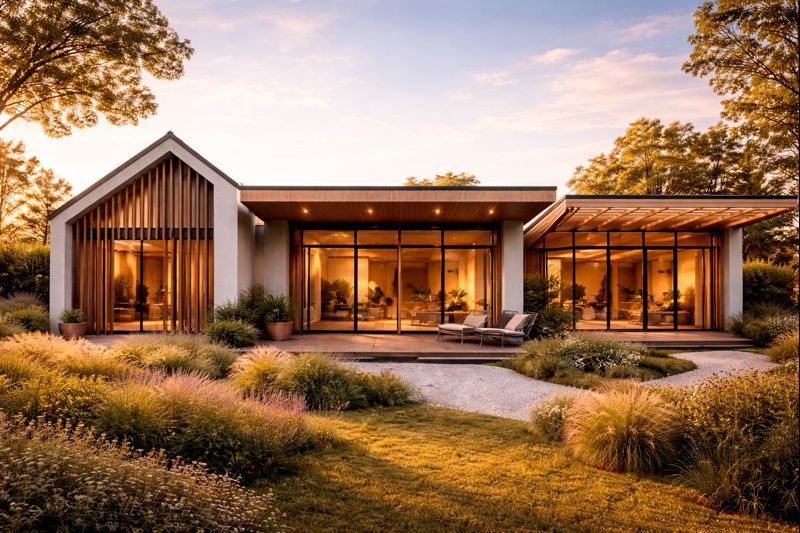
Glass enhances modern elevation design but must be positioned carefully. Proper orientation and shading prevent glare, overheating, and privacy issues.
12. Long-Term Energy Efficiency and Comfort Benefits
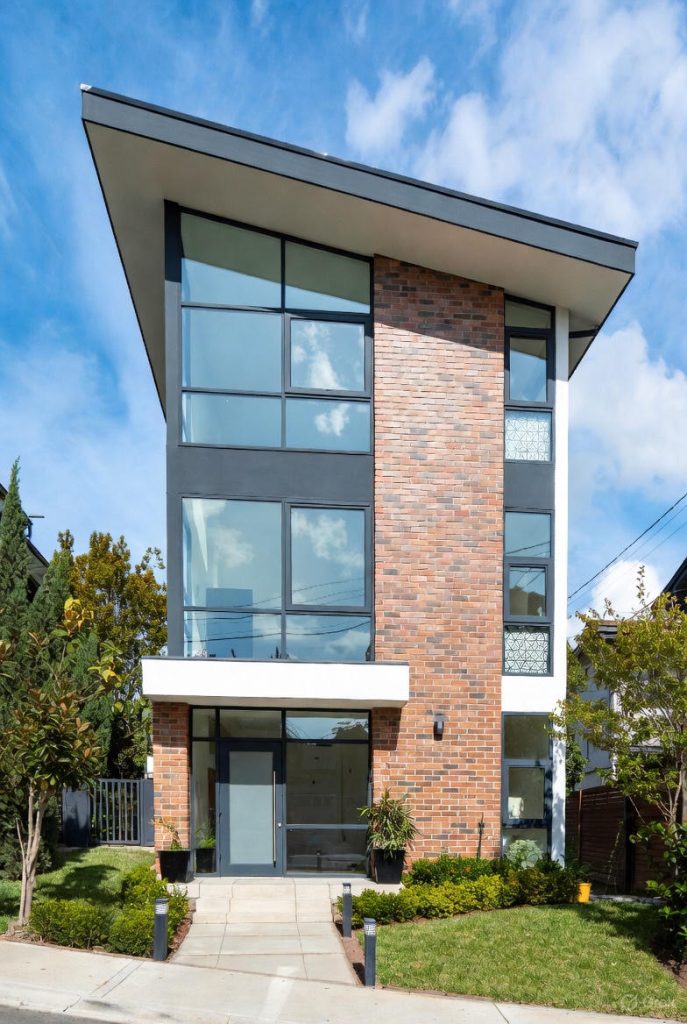
A front elevation designed according to sun orientation reduces dependency on artificial cooling and lighting, improving energy efficiency and everyday comfort.
How Sun Orientation Impacts Front Elevation Design
Front elevation design based on sun orientation is not just about direction—it directly affects how your house performs every day.
Sun orientation refers to how your house is positioned according to the sun’s path and natural light exposure. It influences:
- natural lighting in house
- heat gain and thermal comfort
- energy efficiency
- ventilation and airflow
A well-oriented house can reduce the need for artificial lighting and cooling systems, improving both comfort and long-term cost efficiency.
Understanding Sun Direction in House Design
Before designing elevation, it is important to understand how sunlight moves.
- East-facing houses receive morning sunlight
- West-facing houses get strong afternoon heat
- North-facing houses receive balanced light (in many regions)
- South-facing houses may receive consistent sunlight depending on climate
Each direction creates a different lighting condition, which directly impacts front elevation design and material choice.
Best Front Elevation Design Based on Sun Orientation
East Facing Front Elevation Design
East-facing homes receive soft morning sunlight.
- ideal for bright and fresh look
- works well with light colors
- less heat exposure
This direction is often preferred for comfortable daylight without overheating.
West Facing Front Elevation Design
West-facing houses receive strong afternoon sun.
- requires shading elements
- use darker or heat-resistant materials
- avoid large exposed glass areas
Without proper design, west-facing elevations can overheat quickly.
North Facing Front Elevation Design
North-facing homes receive consistent and balanced light.
- ideal for modern elevation design
- works well with glass and open facades
- provides stable lighting throughout the day
This orientation is often considered energy-efficient in many climates.
South Facing Front Elevation Design
South-facing homes receive maximum sunlight exposure.
- useful in colder climates for warmth
- requires shading in hot regions
- works well with controlled openings
Proper design can help balance heat and light effectively.
Design Strategies for Sun-Oriented Front Elevation
To design a house front elevation based on sunlight direction, focus on these key elements:
- window placement according to sun path
- shading devices like overhangs or louvers
- material selection based on heat resistance
- ventilation planning for airflow
Correct orientation helps achieve passive heating in winter and cooling in summer, reducing energy consumption.
How Sunlight Affects Materials and Colors
Sun exposure changes how materials behave over time.
- dark colors absorb more heat
- light colors reflect sunlight
- wood may fade in strong sunlight
- stone and concrete handle heat better
Choosing the right material and color based on sun direction improves durability and long-term performance.
Common Mistakes in Sun-Based Elevation Design
- ignoring sun direction during design
- placing large windows on west side
- no shading elements
- using heat-sensitive materials
- poor ventilation planning
These mistakes lead to overheating, higher energy bills, and reduced comfort.
Smart Tips for Sun-Oriented Elevation Design
- analyze sun path before designing
- use shading for west-facing sides
- maximize natural light on east and north sides
- balance heat and ventilation
- choose materials based on climate
Even small design adjustments can significantly improve energy efficiency and living comfort.
Final Insight
Front elevation design based on sun orientation is not just an architectural choice—it is a performance decision.
When your house is designed according to sunlight, it becomes:
- more comfortable
- more energy-efficient
- more sustainable
The best elevations are not just visually appealing.
They are designed to work with nature, not against it.
Rather than relying solely on visual trends, homeowners who adopt sun-oriented design principles create elevations that remain functional, efficient, and visually appealing for years to come. Incorporating landscaping, overhangs, and reflective surfaces further optimizes sunlight management, ensuring your home stays bright, comfortable, and energy-efficient throughout every season.
In my experience, a well-balanced front elevation design creates both visual appeal and long-term value. Use this guide as a foundation, adapt it to your needs, and build a design that feels modern, practical, and timeless.