
12 Powerful Ways Biophilic Home Décor Transforms Interiors.
Introduction:
Biophilic Home Décor: Modern interiors often prioritize technology, minimalism, and efficiency, yet many homes feel emotionally cold or disconnected. As people spend more time indoors, this separation from nature can quietly affect comfort, focus, and overall well-being. Biophilic home décor offers a powerful and positive solution by reintroducing nature-inspired elements into interior spaces. Rather than being a decorative trend, biophilic design is rooted in the idea that humans thrive when they feel connected to the natural world. Through thoughtful use of light, plants, materials, and organic forms, biophilic interiors create homes that feel calmer, healthier, and more inviting.
1. Understanding Biophilic Home Décor.
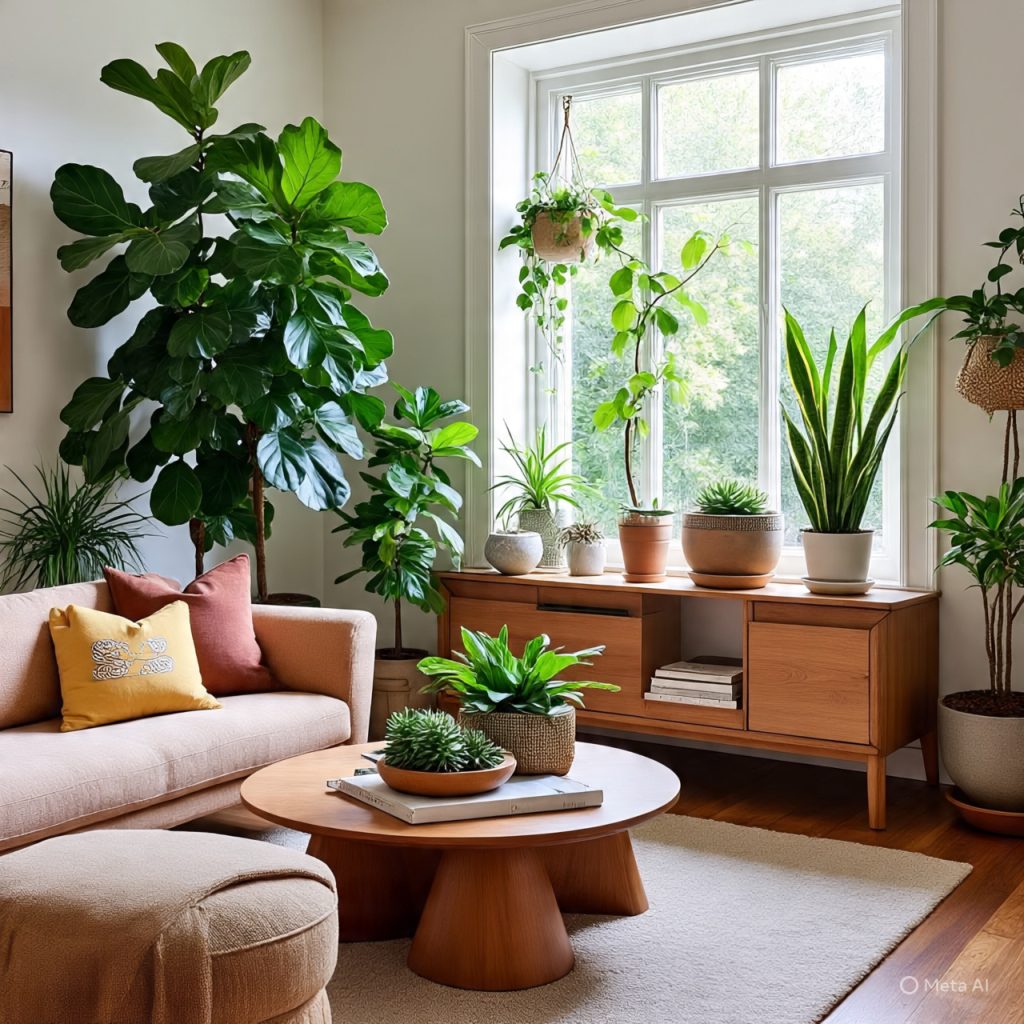
Biophilic home décor is an interior design approach that integrates natural elements into living spaces. It focuses on strengthening the relationship between people and nature through visual, physical, and emotional connections. Biophilic Home Décor encourages the use of light, greenery, natural textures, and open layouts to create spaces that feel alive and restorative. Rather than treating nature as decoration, this philosophy makes it an essential part of the design structure, shaping how a space looks and feels every day.
2. Why Humans Naturally Respond to Nature-Inspired Interiors.
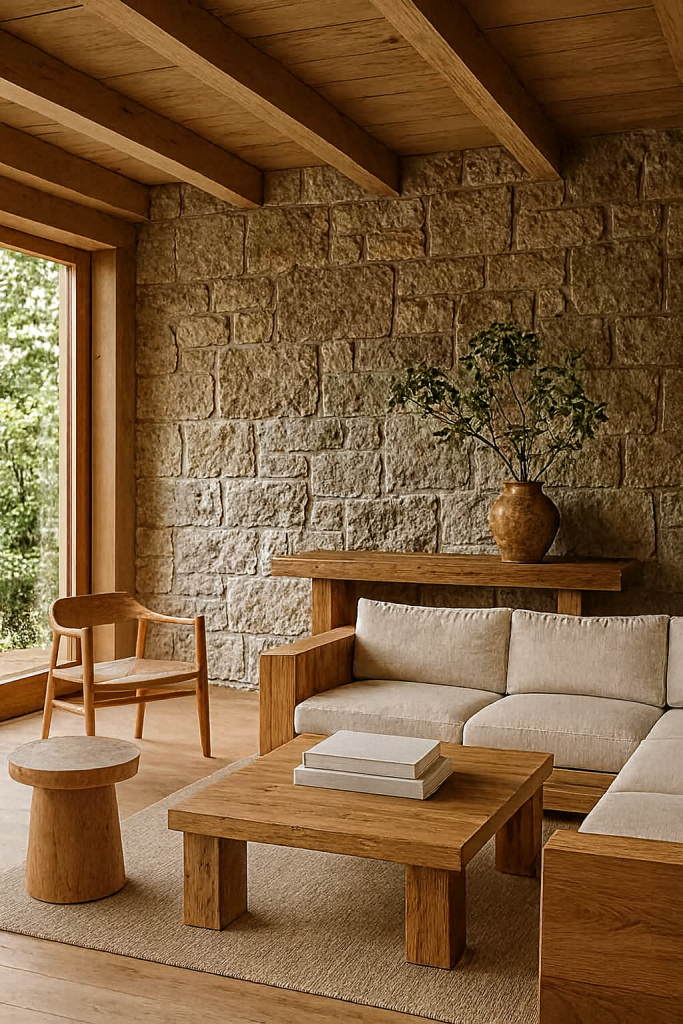
Humans have an instinctive attraction to natural environments. Interiors that reflect nature feel more comforting and balanced, helping occupants feel relaxed and mentally refreshed. Research shows that exposure to natural elements can reduce stress, improve focus, and enhance overall well-being. This is why Biophilic Home Décor is increasingly popular in modern homes, where people seek calm and connection within fast-paced urban lifestyles.
3. The Role of Natural Light in Biophilic Design.
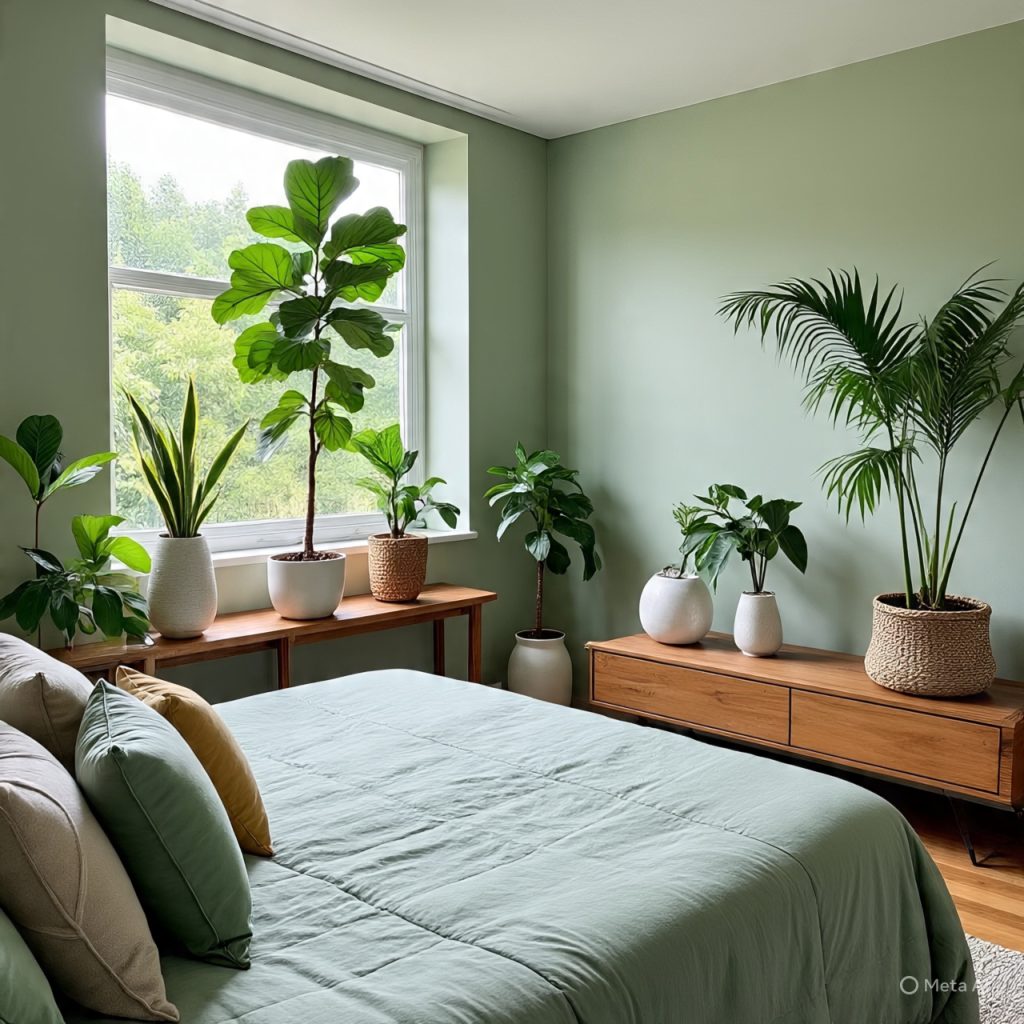
Natural light is one of the most important components of biophilic interiors. Well-lit spaces improve mood, support healthy sleep patterns, and reduce reliance on artificial lighting. Large windows, sheer curtains, and reflective surfaces help maximize daylight. In Biophilic Home-Décor, natural light is not just functional—it becomes a design feature that enhances openness and vitality.
4. Indoor Plants as Living Design Elements.
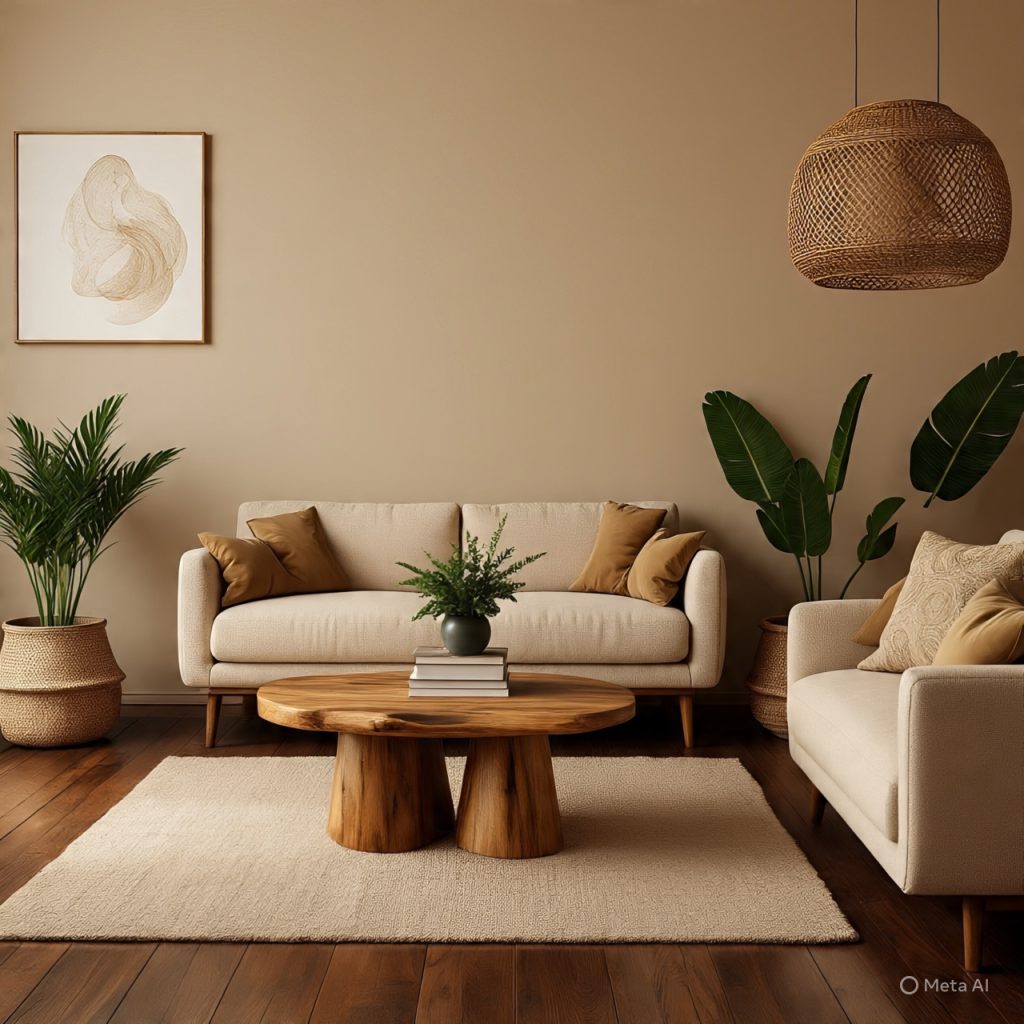
Plants add vitality to interiors while improving air quality. Even small amounts of greenery can soften hard surfaces and bring warmth to modern spaces. From statement floor plants to compact herb gardens, greenery introduces movement and life that static décor cannot replicate.
5. Nature-Inspired Materials and Textures.
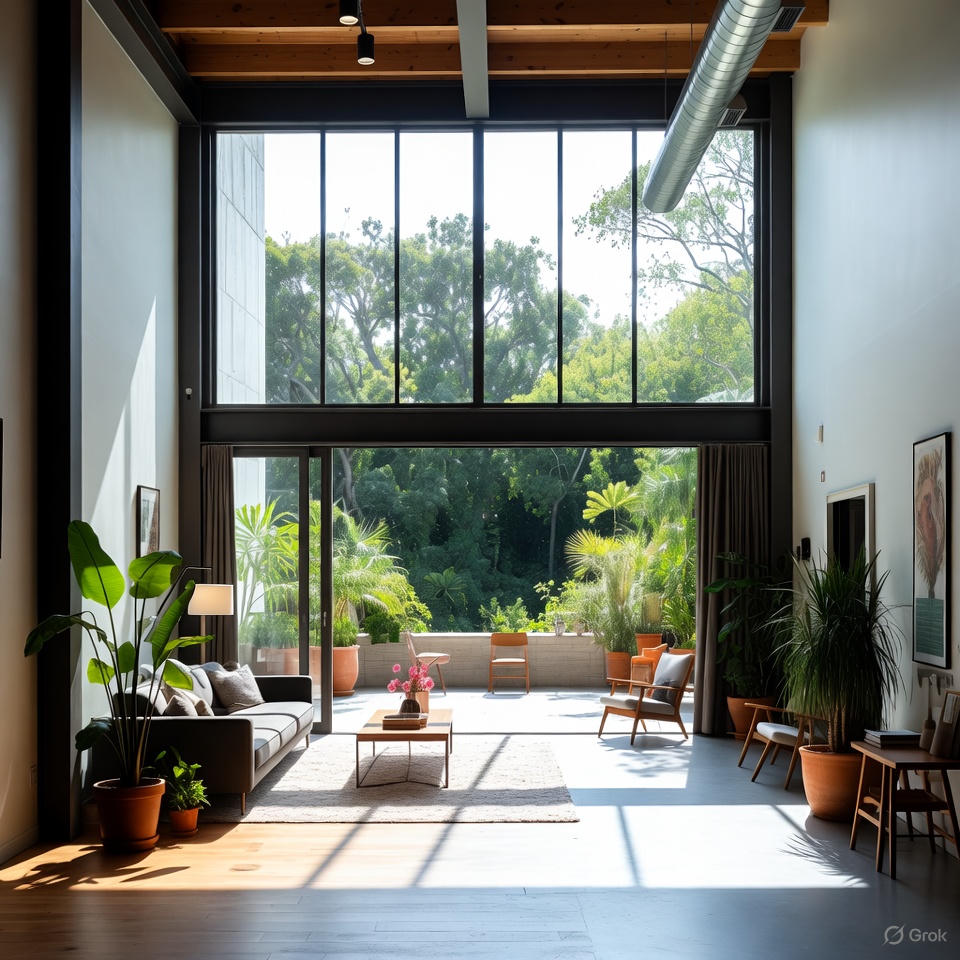
Materials such as wood, stone, clay, linen, and bamboo add authenticity and tactile comfort. These elements create interiors that feel grounded and timeless. Layering textures—like rough stone against soft textiles—adds depth while maintaining harmony with nature.
6. Earthy Color Palettes That Calm the Mind.
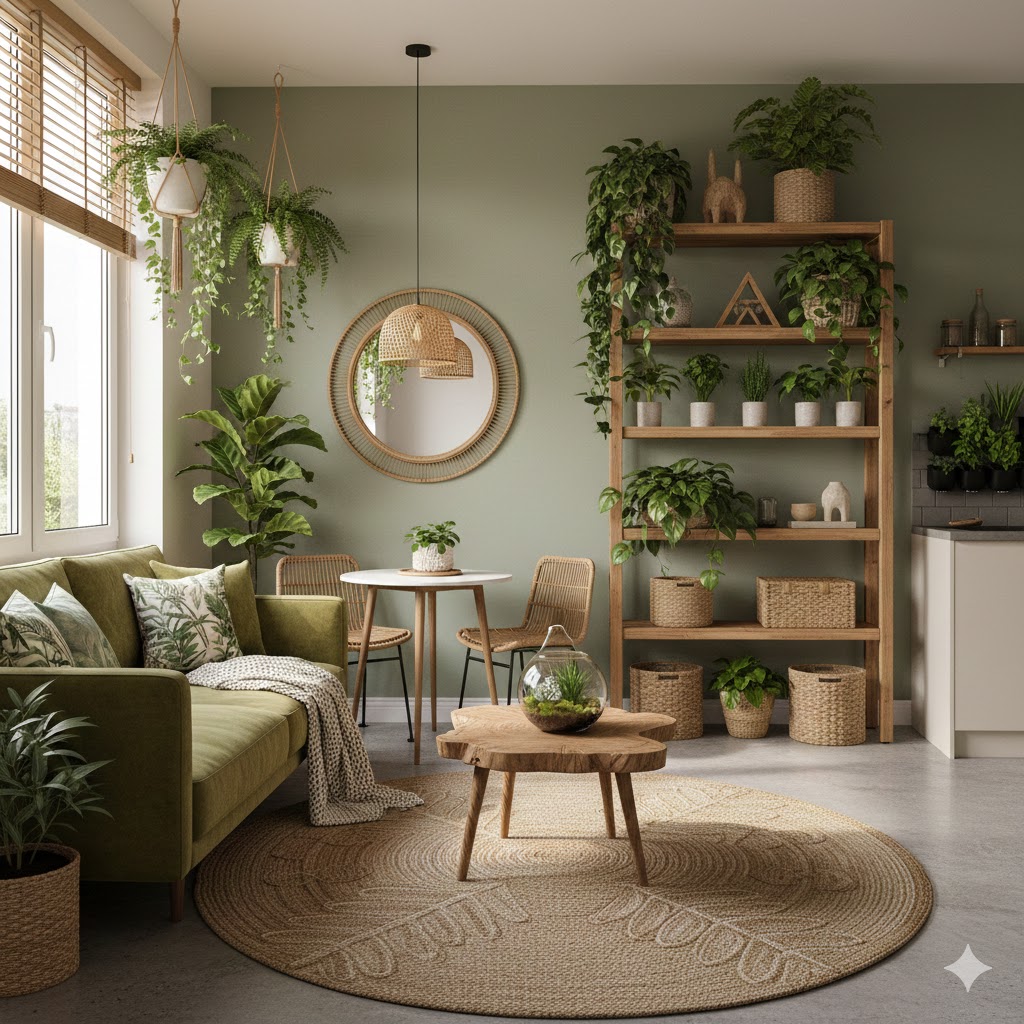
Colors inspired by nature—soft greens, warm browns, neutral whites, and muted blues—help create soothing environments that reduce visual stress and overstimulation. These palettes mirror outdoor landscapes, making interiors feel cohesive and serene.
7. Organic Shapes and Flowing Forms.
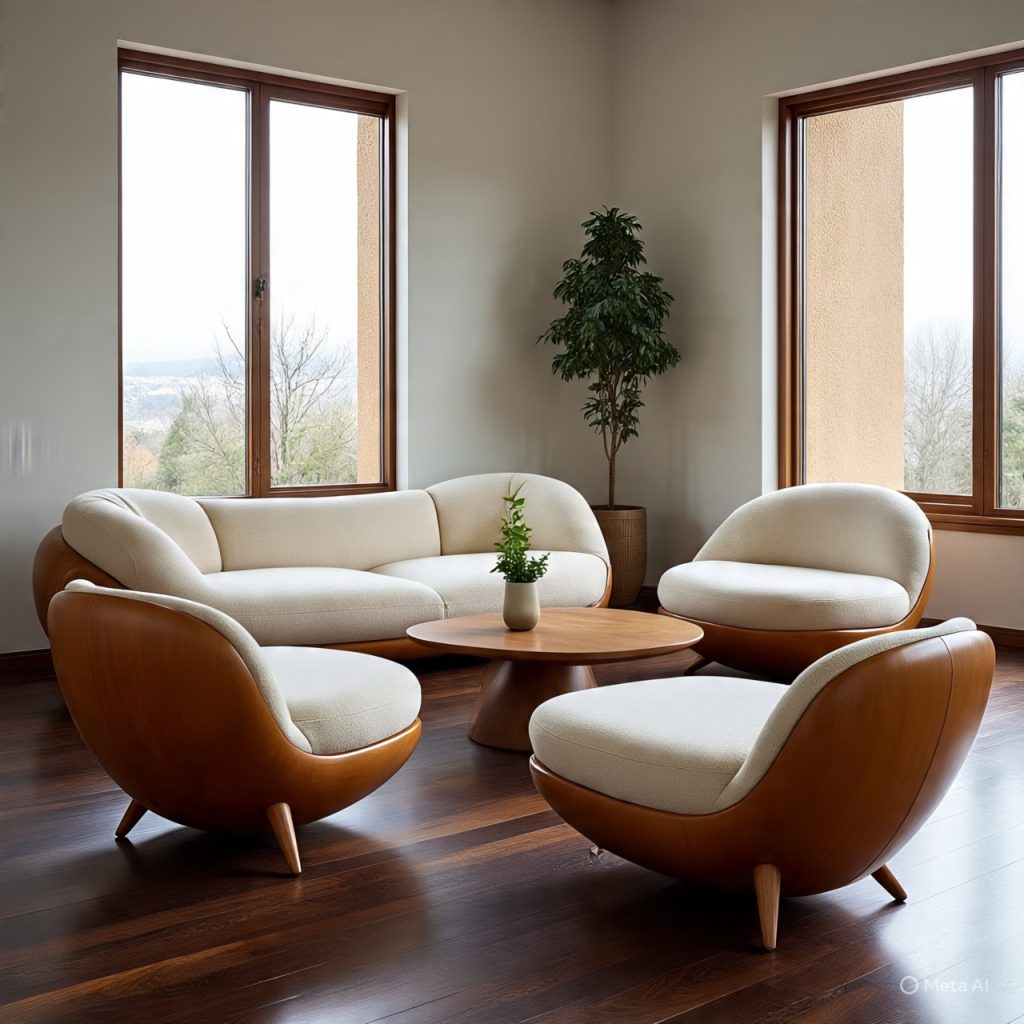
Curved furniture, rounded décor, and fluid layouts reflect natural forms found in landscapes. These shapes make interiors feel more welcoming and less rigid. Organic silhouettes reduce harsh lines and contribute to a softer, more harmonious atmosphere.
8. Creating a Visual Connection to the Outdoors.
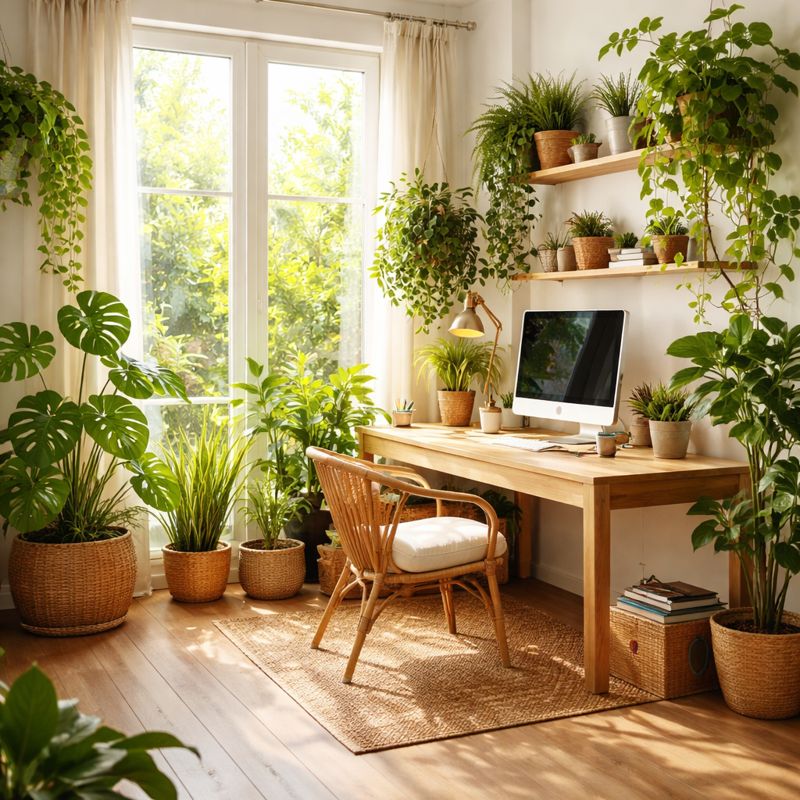
Views of gardens, balconies, trees, or even the sky strengthen the indoor–outdoor relationship. This connection enhances comfort and creates a sense of openness.
9. Biophilic Home Décor for Small Spaces.
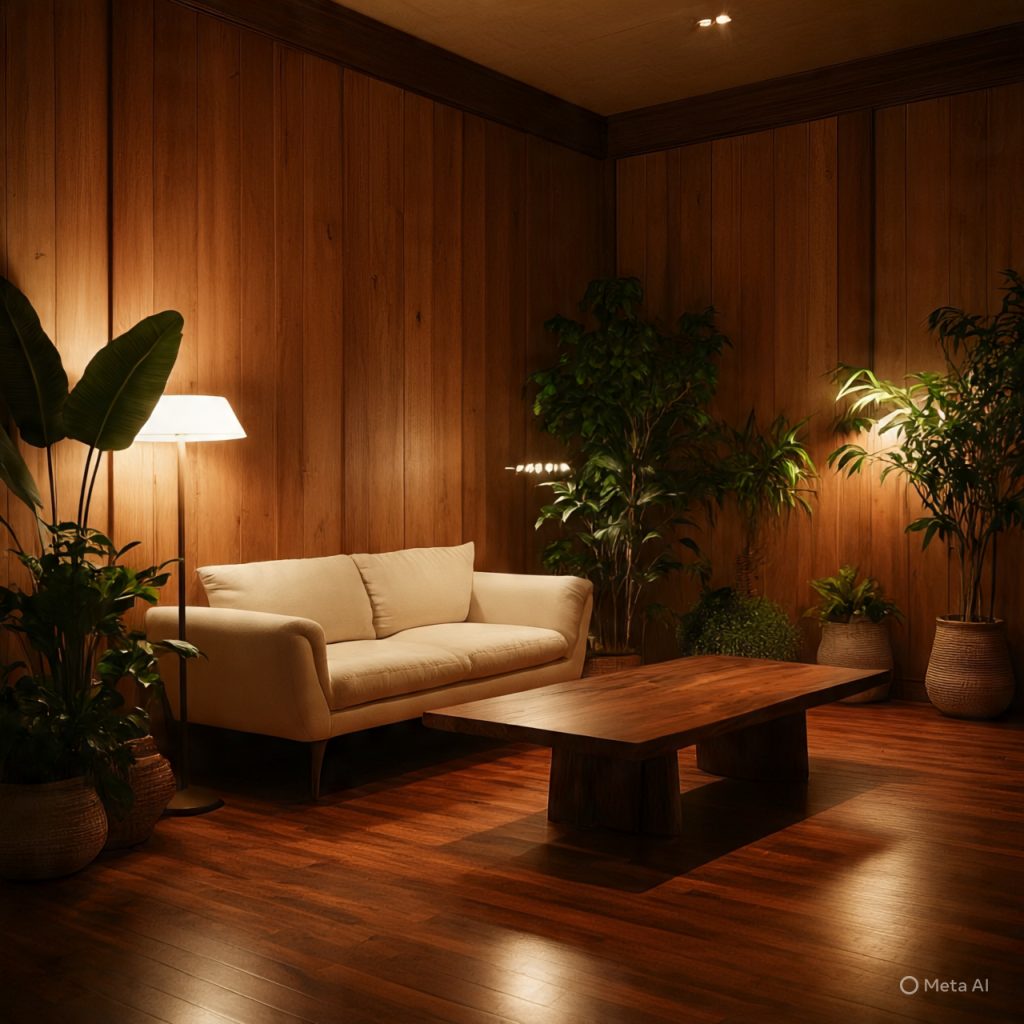
Small homes and apartments can still benefit from biophilic design. Vertical plants, natural finishes, and strategic lighting make compact interiors feel fresh and open.
10. Health and Well-Being Benefits.
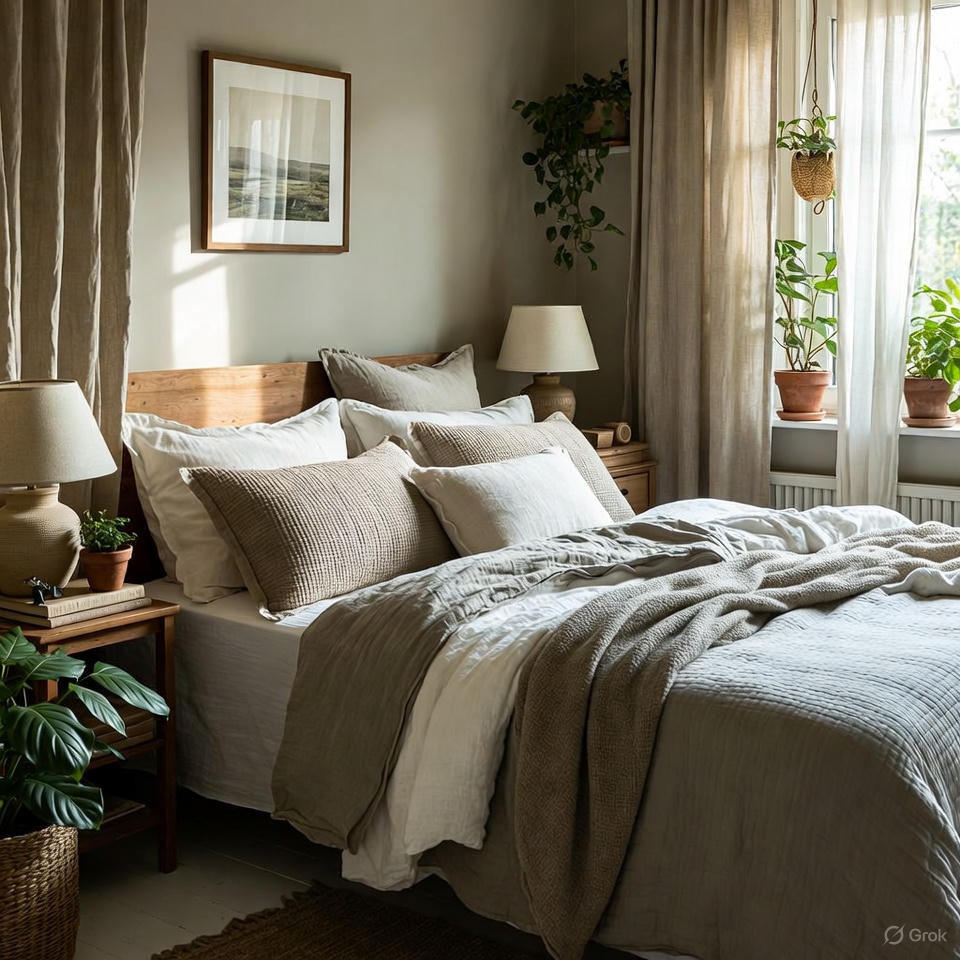
Biophilic interiors support reduced stress levels, improved concentration, better mood, and enhanced overall well-being—making them ideal for modern lifestyles.
11. Common Biophilic Design Mistakes to Avoid.
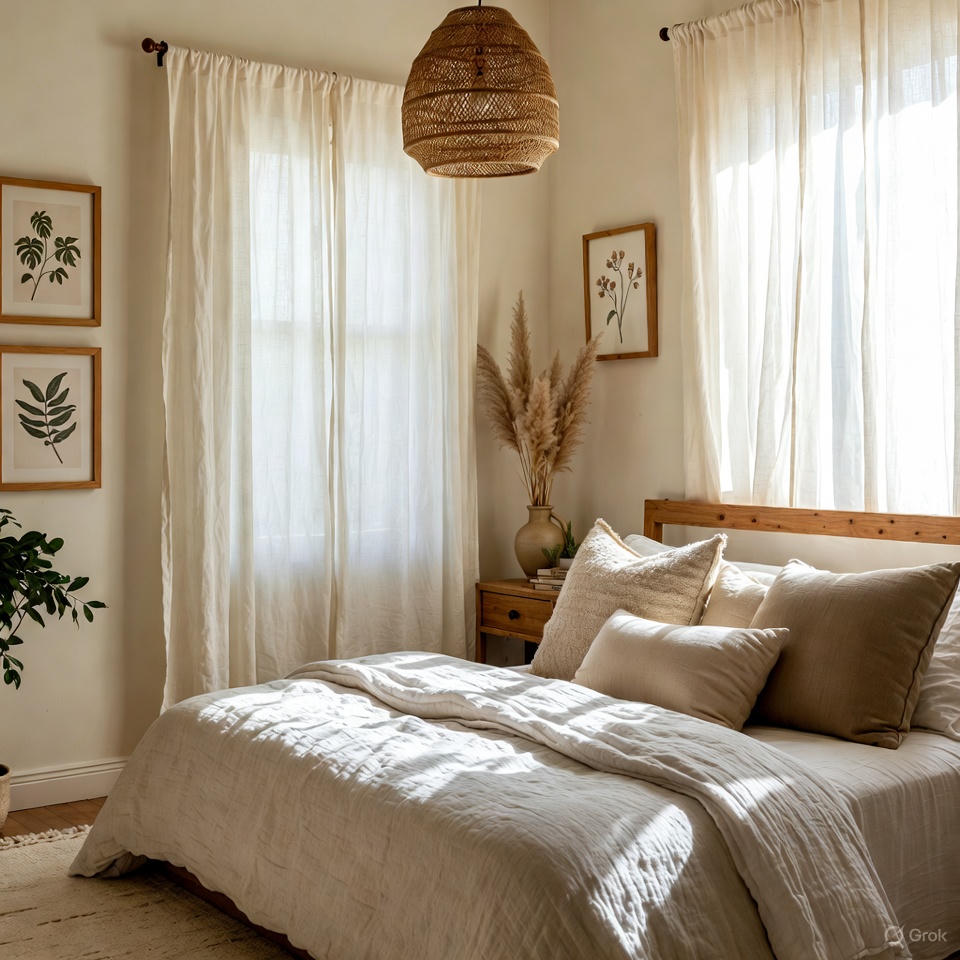
Overcrowding spaces with plants, using artificial-looking materials, or ignoring lighting balance can weaken the impact of biophilic décor rather than enhance it.
12. Designing Timeless Biophilic Interiors.
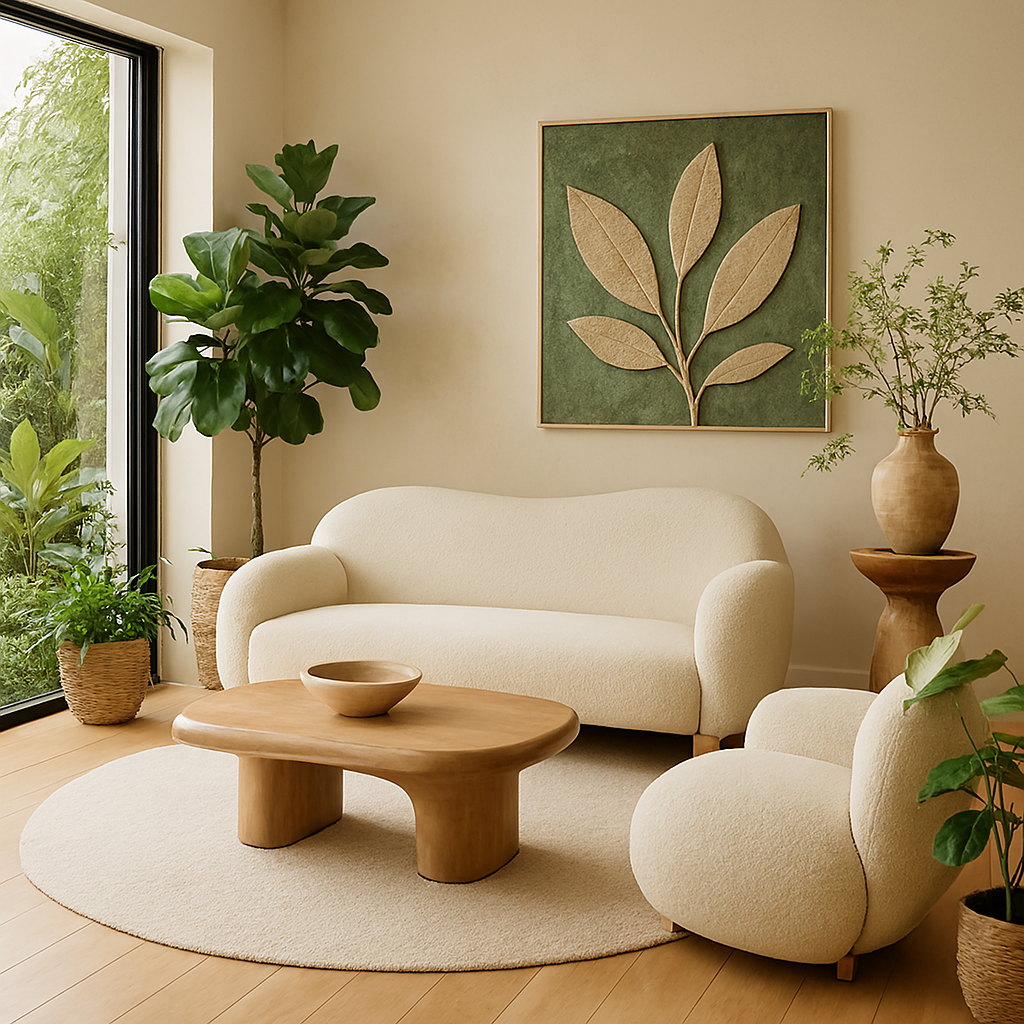
A balanced approach that blends natural elements with contemporary design ensures interiors remain elegant, functional, and visually appealing for years to come.
Final Thoughts:
Biophilic home décor is more than a style choice—it is a positive shift toward healthier living. By integrating natural light, greenery, textures, and organic forms, homeowners can create interiors that support emotional balance and physical comfort. Biophilic Home Décor promotes sustainability, mindfulness, and long-term well-being by reconnecting daily life with natural rhythms. Whether introduced subtly through plants and materials or applied holistically across the home, this approach transforms interiors into spaces that feel alive, calming, and deeply connected to nature.
Home decor is not just about appearance—it’s about creating a space that truly feels comfortable and functional. In my experience, when colors, lighting, and layout are balanced, the environment naturally feels better.
Instead of following every trend, focus on choices that match your lifestyle. Simple and functional design always lasts longer and feels more practical.
Use this home decor guide as a starting point, adjust it to your needs, and keep improving your space over time.


