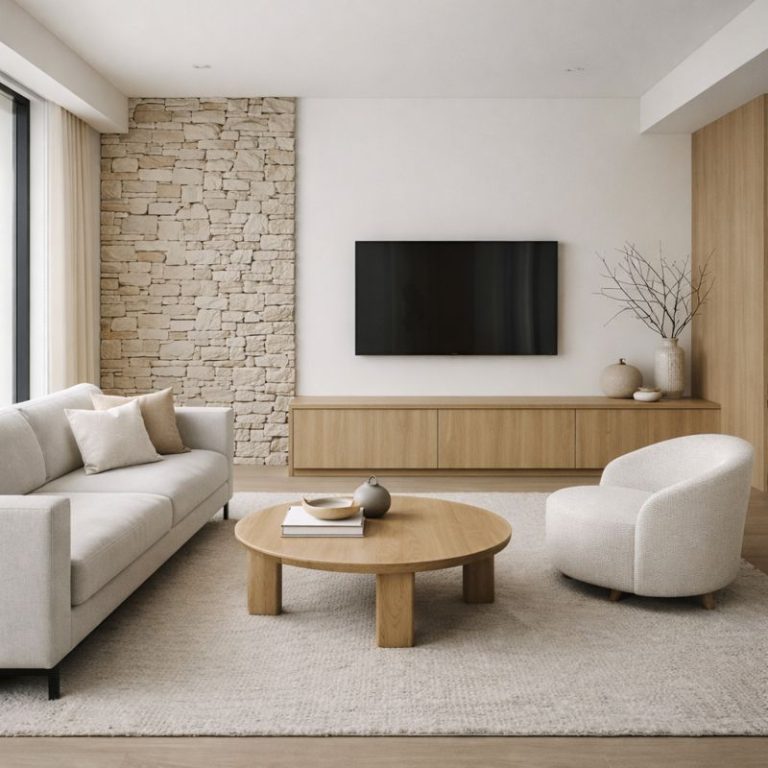
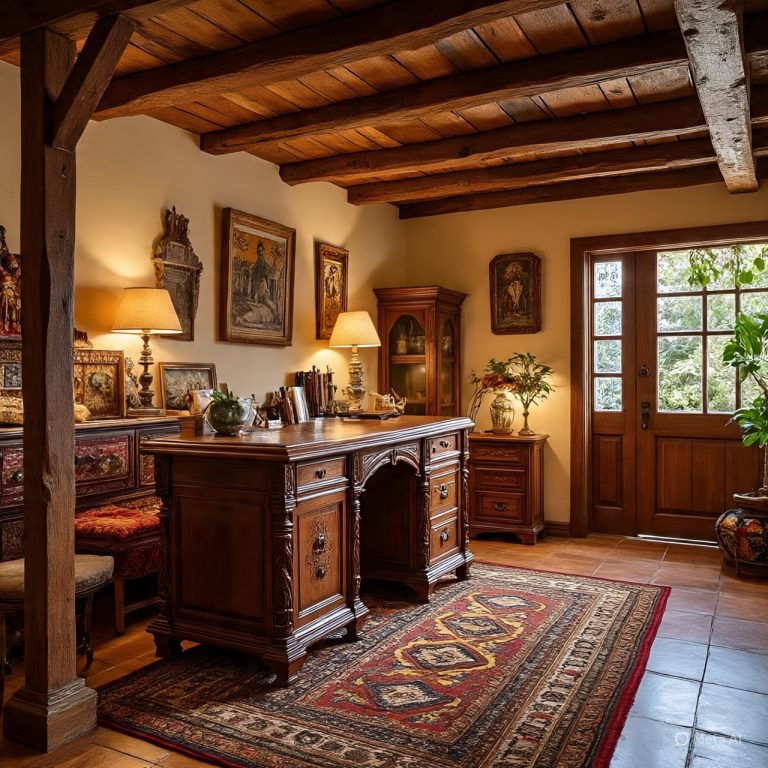
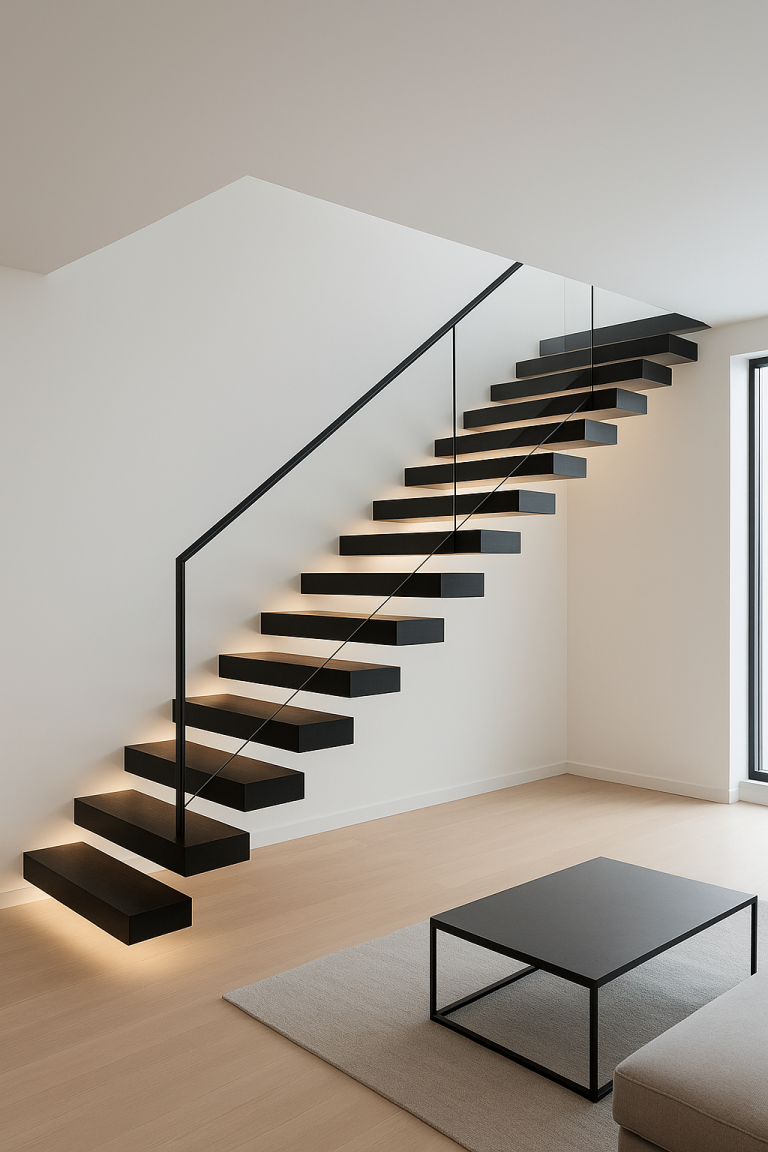
Layered Home Décor: How Designers Create Depth & Warmth.
Introduction:
Layered home décor is more than just stacking furniture or placing rugs over carpets. It is an artful combination of textures, colors, lighting, and accessories that brings life to any space. When executed correctly, layering creates a sense of depth, warmth, and personality in your home. Through thoughtful layering, designers create depth by carefully balancing elements so that each piece enhances the overall aesthetic without overwhelming the room. This approach transforms ordinary interiors into inviting, cozy, and visually dynamic spaces that tell a story through every corner
1. Understanding the Concept of Layering.
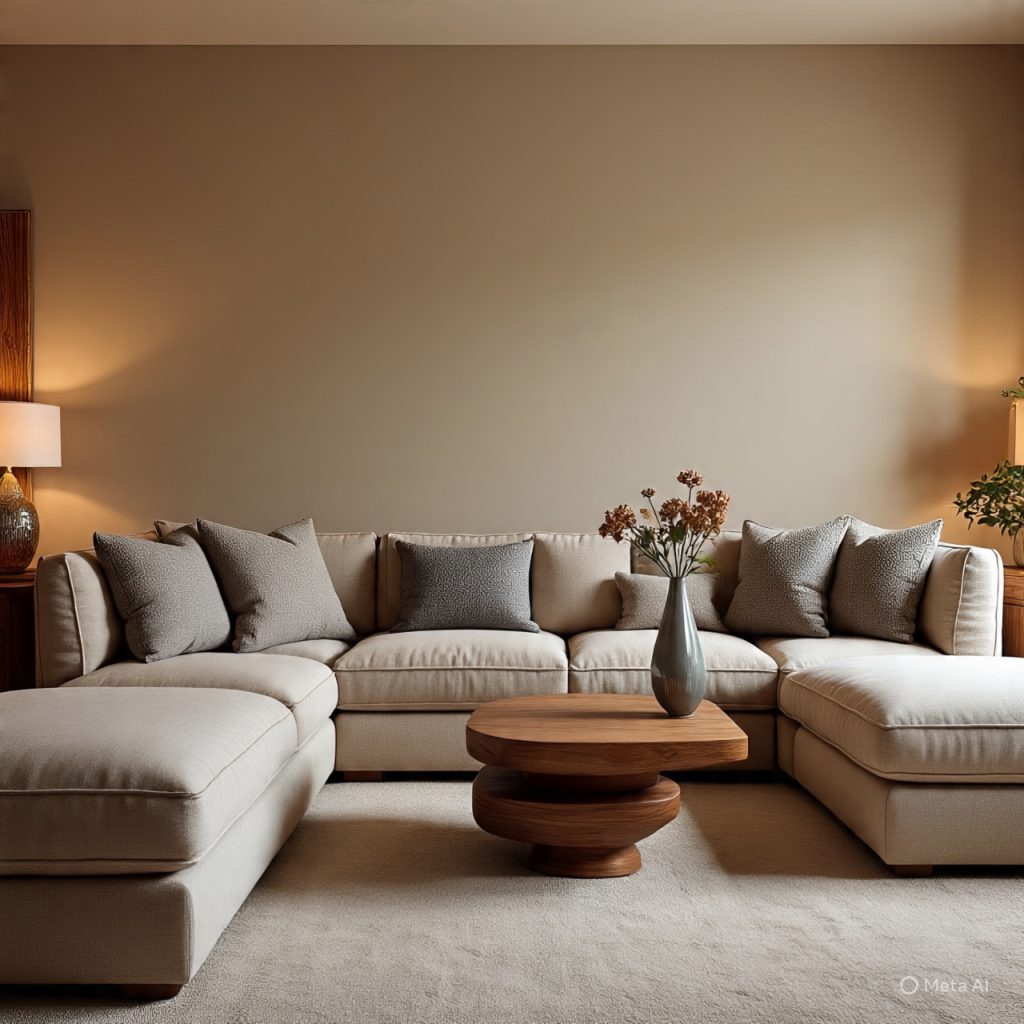
Layering in home décor is about creating visual and tactile interest by combining multiple elements. This could mean mixing fabrics, adding rugs over wooden floors, or incorporating different types of lighting. The goal is to create a rich, harmonious environment that feels both intentional and comfortable. Layering ensures that no space looks flat or one-dimensional, which is why it is a favorite technique among professional designers.
2. Color as a Foundation.
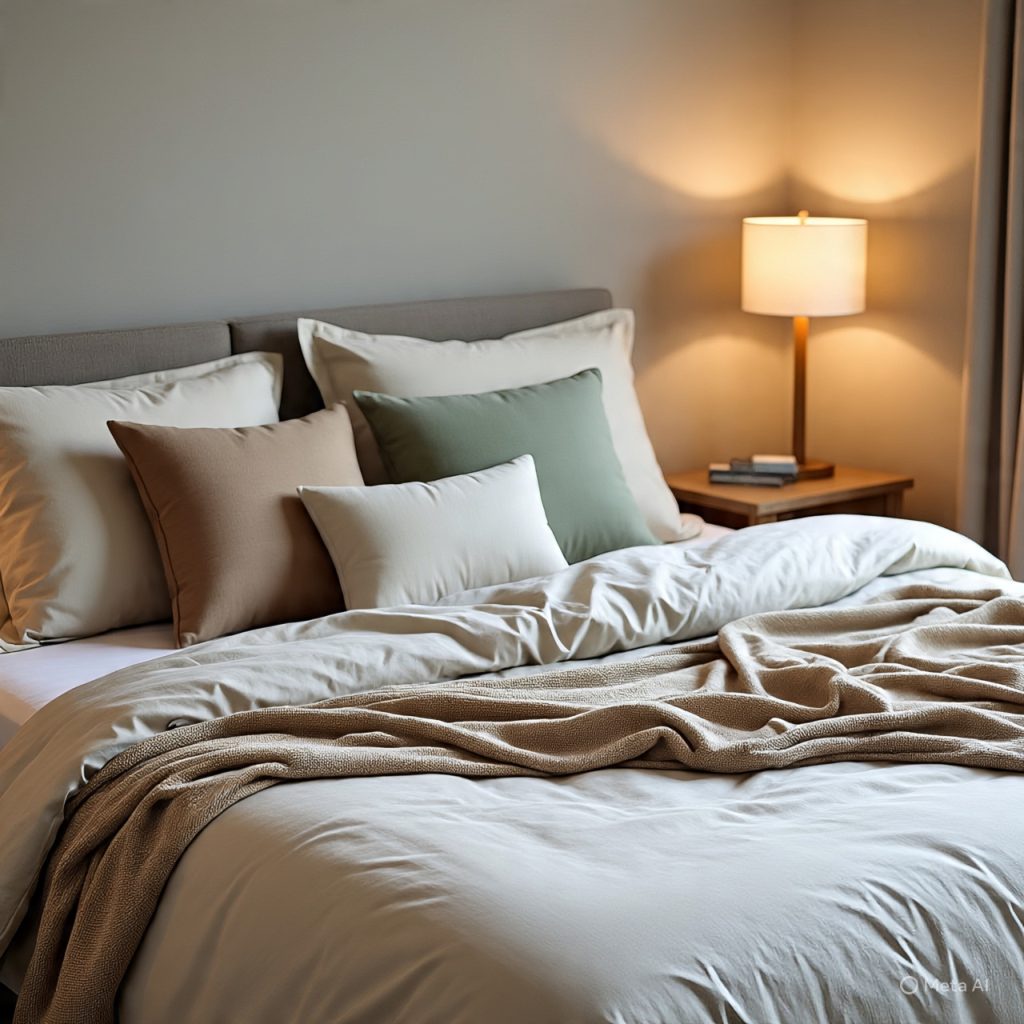
The foundation of layered décor often starts with color. Designers carefully select a palette that complements the room’s function and mood. By layering shades of the same color or combining contrasting hues, they can add depth without clutter. Soft neutrals paired with accent colors can create a cozy atmosphere, while bold shades in moderation provide energy and focus points. Proper color layering is a subtle yet powerful way to make rooms feel complete.
3. Texture Plays a Key Role.
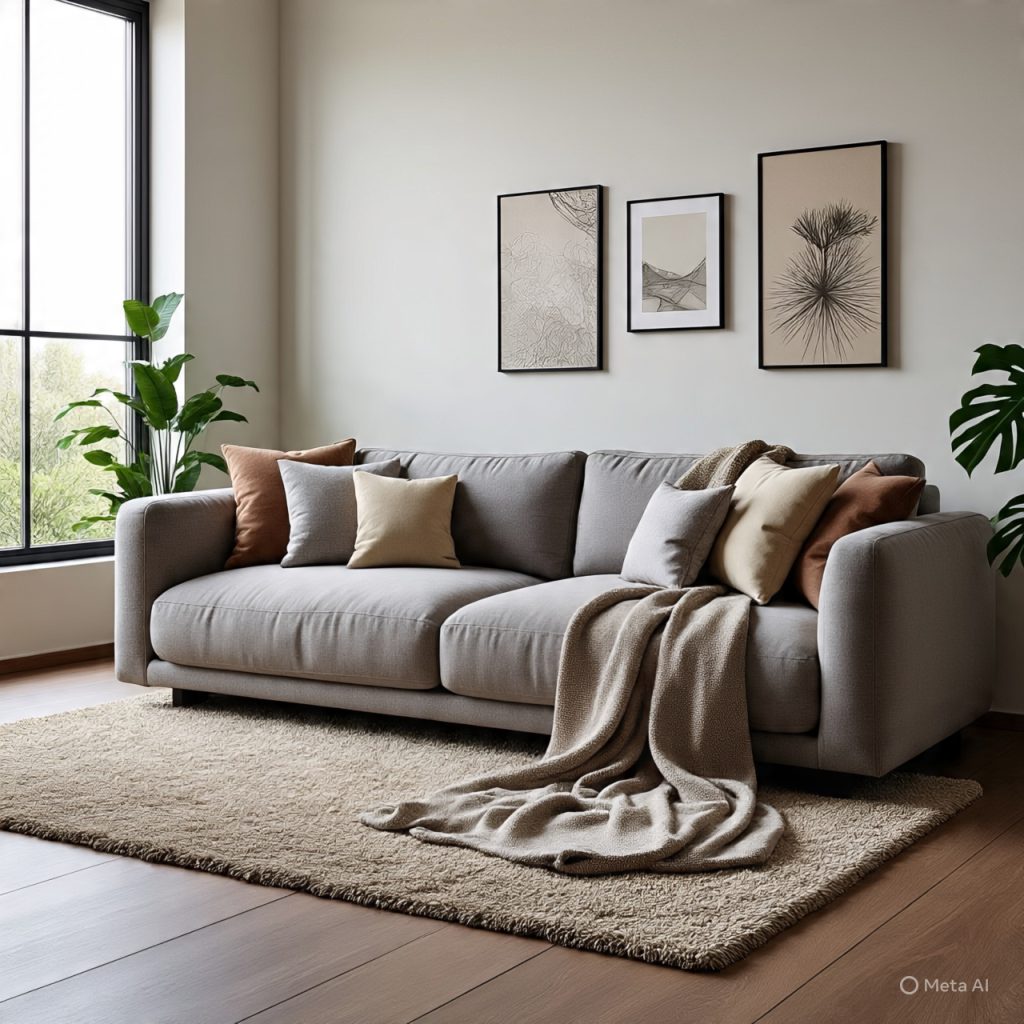
Textures are what make layered spaces tactile and visually engaging. Combining smooth, rough, soft, and metallic surfaces gives rooms character. For instance, a velvet sofa with a wool throw, linen cushions, and a jute rug creates a multi-dimensional experience. Designers create depth by carefully selecting textures that complement each other, adding warmth and inviting touch to every corner.
4. Strategic Furniture Arrangement.
Furniture placement is crucial in layered décor. Designers create depth by arranging pieces at varying distances and angles, avoiding a rigid or flat setup. Layering furniture helps to establish zones within open spaces, making the room feel both spacious and cohesive. This careful arrangement ensures that each item contributes to the overall flow and comfort of the home.
5. Lighting Layers for Atmosphere.
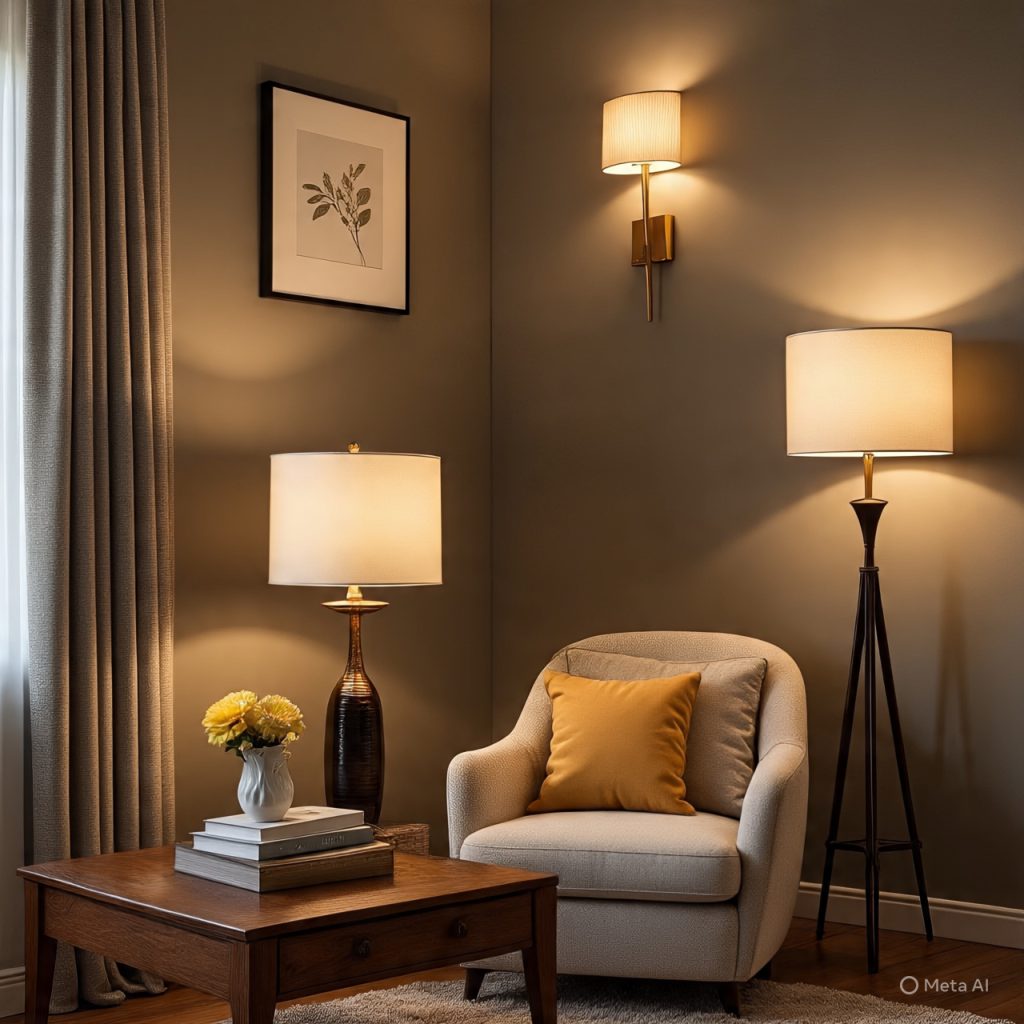
Lighting is an essential tool for adding depth. Combining ambient, task, and accent lighting allows designers to highlight textures, colors, and focal points. Warm lighting softens the room, creating inviting shadows and enhancing the sense of depth. Strategically placed floor lamps, sconces, and table lamps can transform even a simple room into a layered, cozy haven.
6. Incorporating Rugs and Flooring.
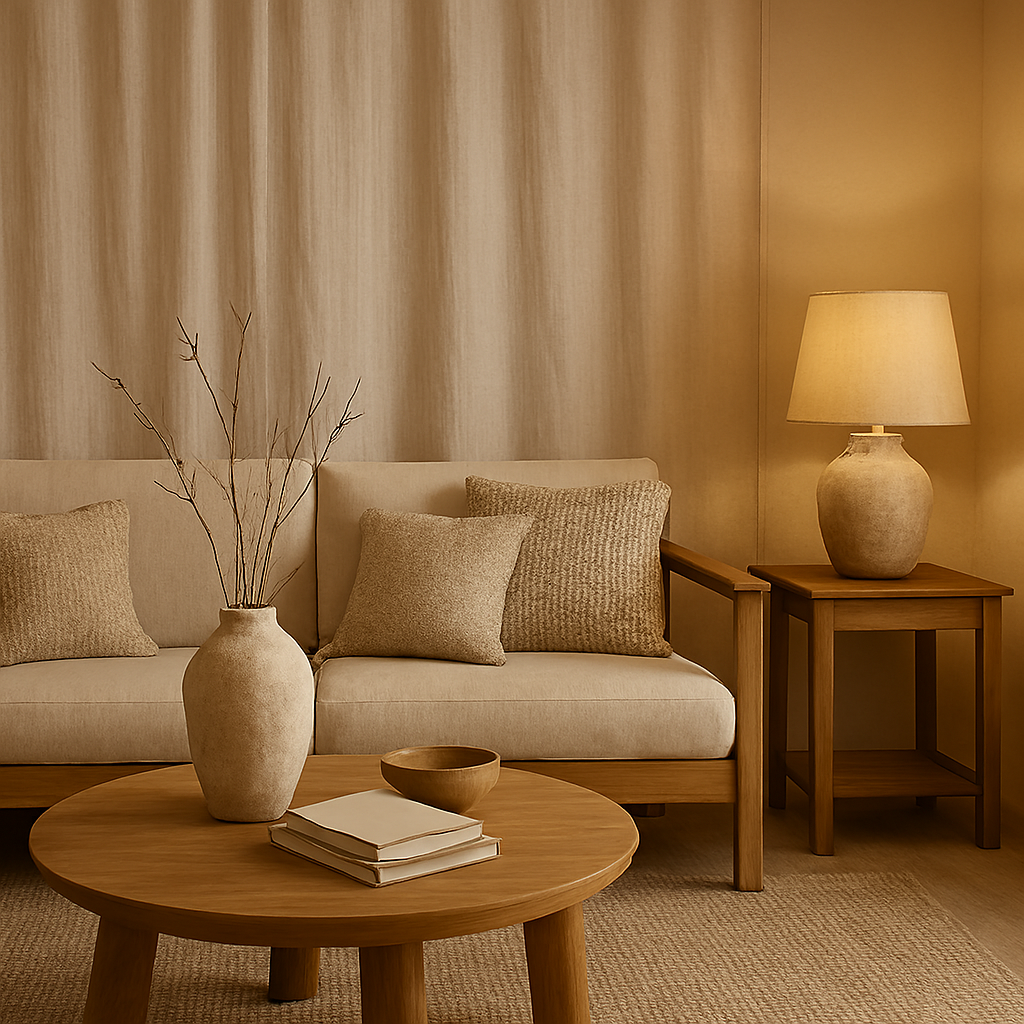
Layered rugs over hardwood or tiled floors are a classic technique designers use to create warmth. Different sizes, textures, and patterns of rugs add dimension while defining spaces. For example, layering a patterned rug over a neutral base rug not only protects the floor but also adds personality and comfort. This method subtly draws the eye through the space, enhancing its layered aesthetic.
7. Art and Wall Décor.
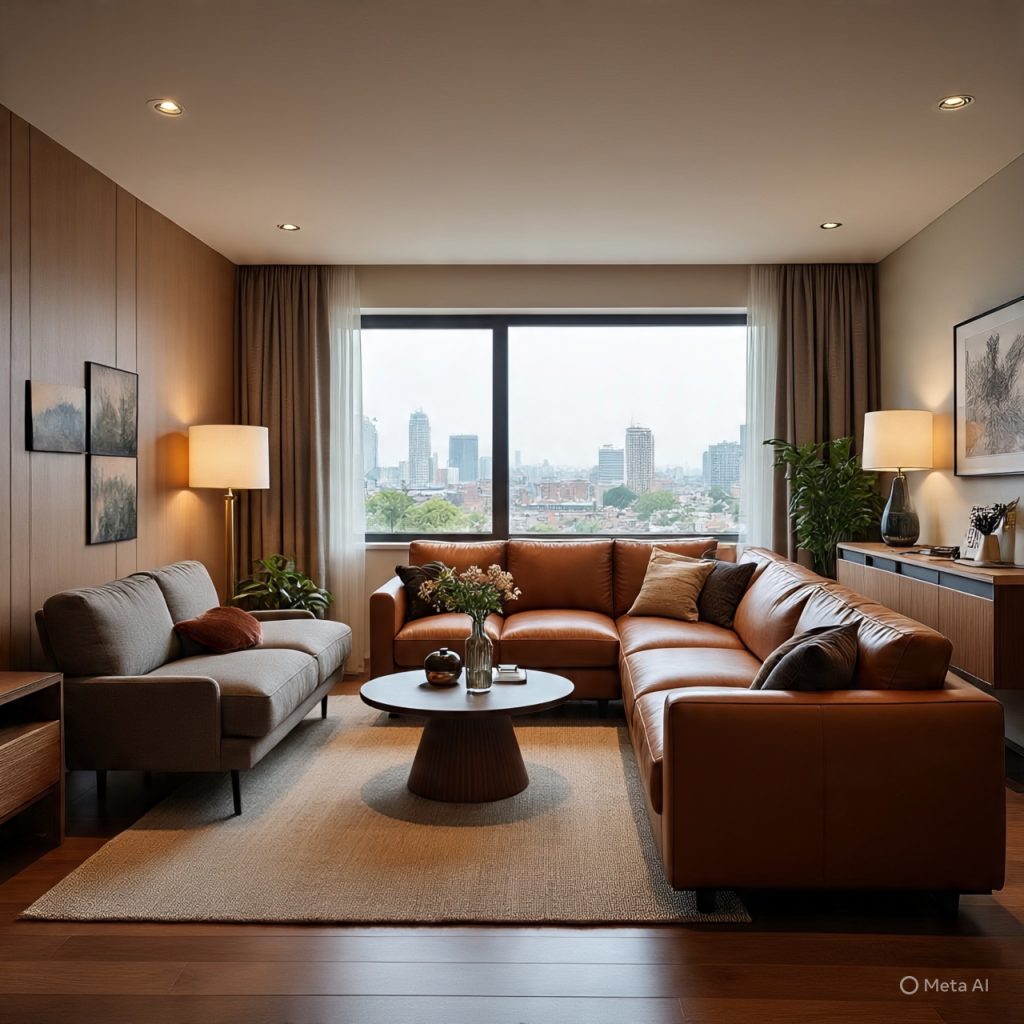
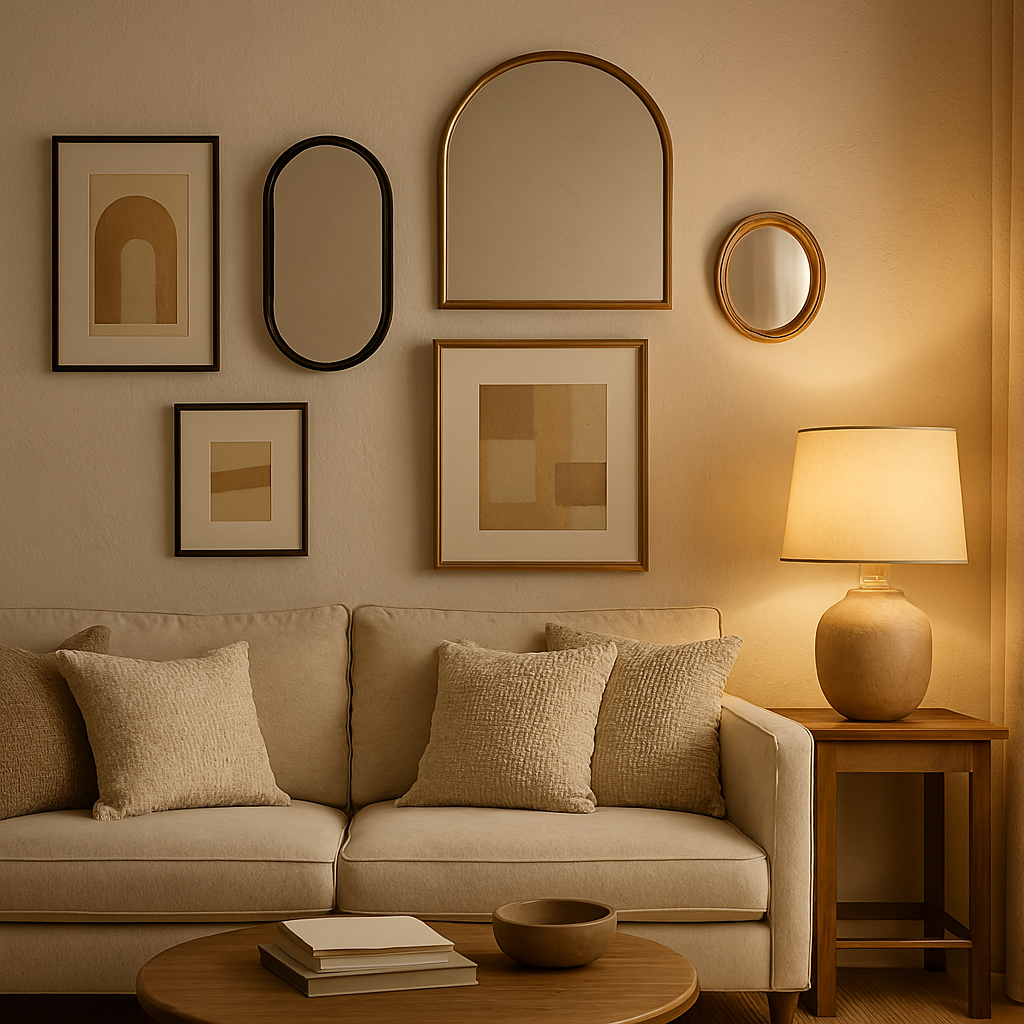
Art, mirrors, and wall décor are perfect for layering visual interest. Designers create depth by mixing framed artworks, sculptural pieces, and mirrors of varying sizes. Grouping pieces together or using asymmetrical arrangements encourages the eye to explore the room, making it feel alive and multidimensional. Properly layered walls complement furniture and lighting, ensuring the entire room feels cohesive.
8. Soft Furnishings and Accessories.
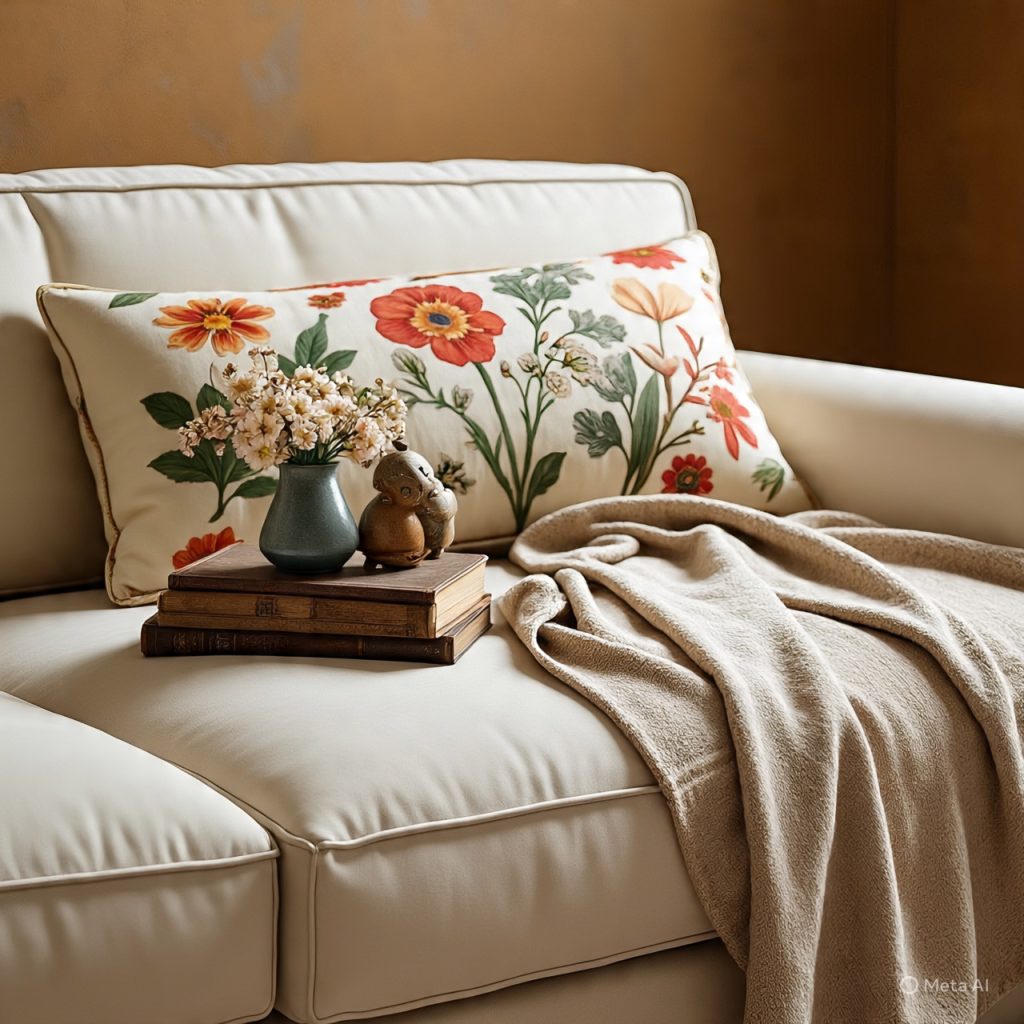
Cushions, throws, and decorative objects are essential tools for layering. By mixing colors, patterns, and textures, designers create a rich, lived-in look. Accessories like books, vases, or plants add personality and warmth. These small details, when layered thoughtfully, make spaces feel complete without appearing overcrowded.
9. Natural Elements for Warmth.
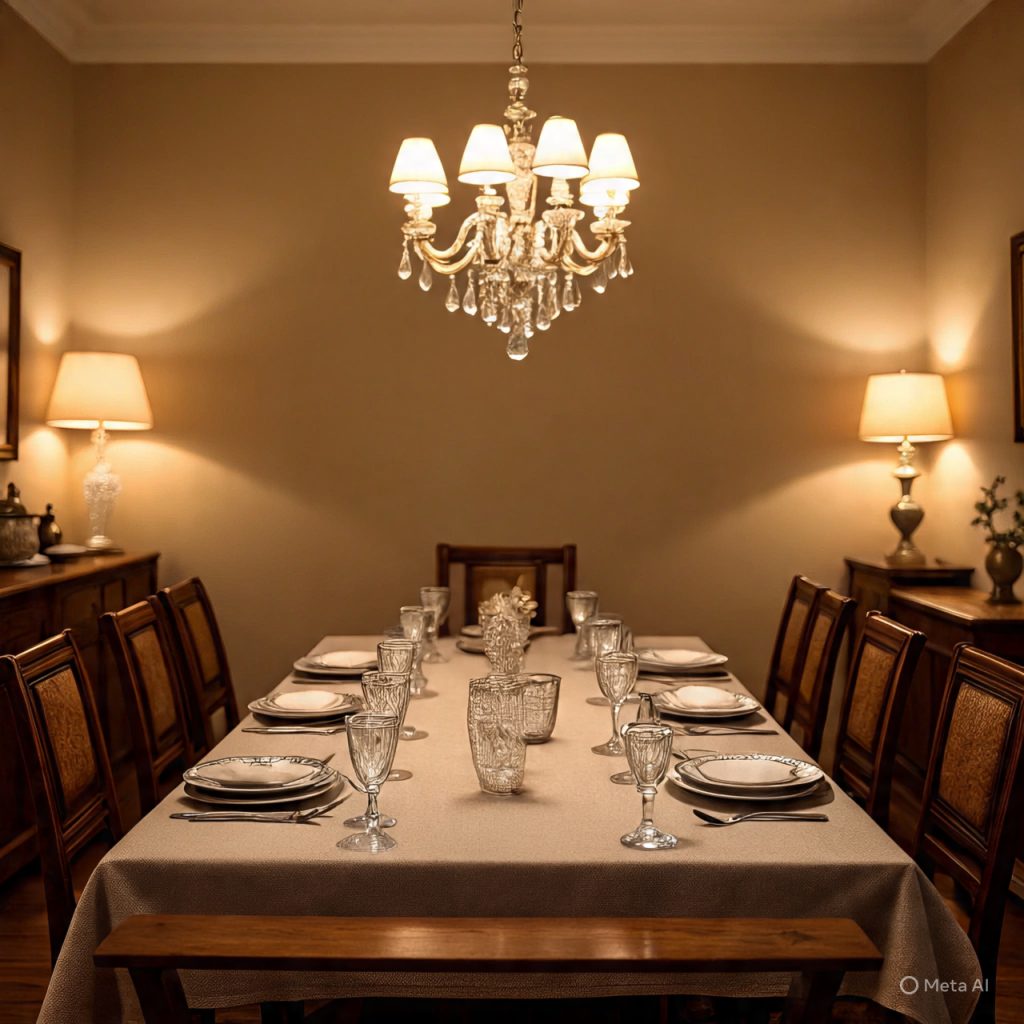
Introducing natural elements like wood, stone, or plants adds organic warmth and dimension to a space. Skilled designers create depth by integrating these elements at different levels—such as tall plants, low wooden tables, or textured stone sculptures. When designers create depth through layered natural materials, nature’s textures complement interior fabrics and finishes, balancing the room while enhancing its visual richness.
10. Creating Focal Points.
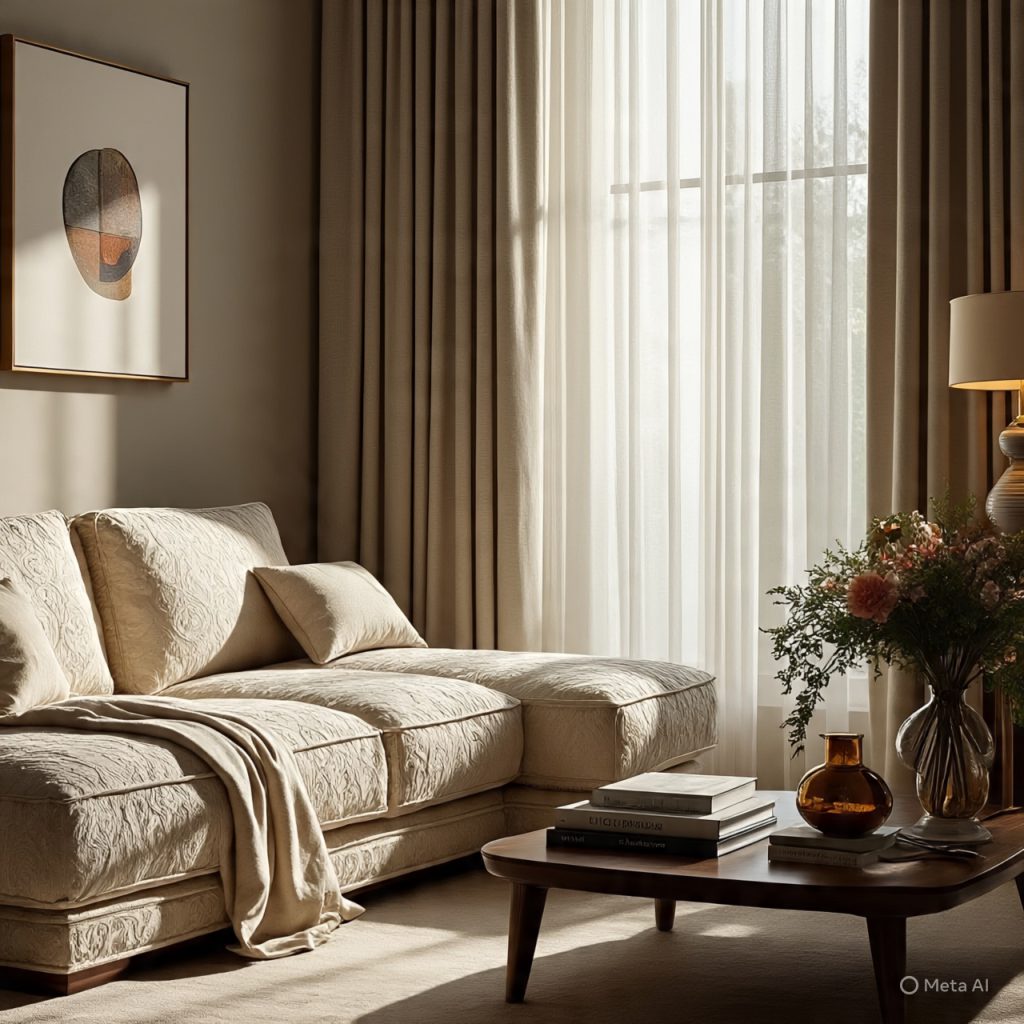
Every layered room needs a clear focal point. Designers create depth by directing attention to one or two key elements, such as a statement sofa, a curated gallery wall, or a distinctive light fixture. When designers create depth through intentional focal points, the space avoids feeling chaotic and instead gains visual structure. These anchors allow surrounding layers to harmonize while reinforcing the overall design composition..
Final Thoughts:
Layered home décor is a masterful blend of color, texture, lighting, furniture, and accessories. When designers create depth, they transform ordinary interiors into inviting, dynamic spaces that feel warm and lived-in. The key is balance—each layer should enhance the room without overwhelming it. By understanding and applying these layering techniques, homeowners can achieve a professional, cozy, and visually engaging interior that reflects personality and style.
In my experience, small and consistent efforts lead to the best results over time. Use this guide as your foundation, adapt it to your needs, and move forward with confidence