Smart Living Home Design: Building Comfortable, Efficient Modern Homes.
Introduction:
Smart living home design is about building spaces that genuinely support comfort, efficiency, wellness, and long-term sustainability. Today’s modern homes are no longer judged only by aesthetics—they are evaluated by how seamlessly they fit into daily routines, reduce stress, promote health, and adapt to evolving lifestyles. A truly intelligent home combines thoughtful layouts, balanced technology integration, natural elements, and clearly defined functional zones. Whether you live in a compact apartment or a spacious house, the right design approach can dramatically improve quality of life while keeping the space practical, eco-conscious, and ready for the future. In 2026, this trend is accelerating with AI-powered automation, biophilic elements, and modular systems taking center stage.
1. Understanding Smart Living Home Design Principles.
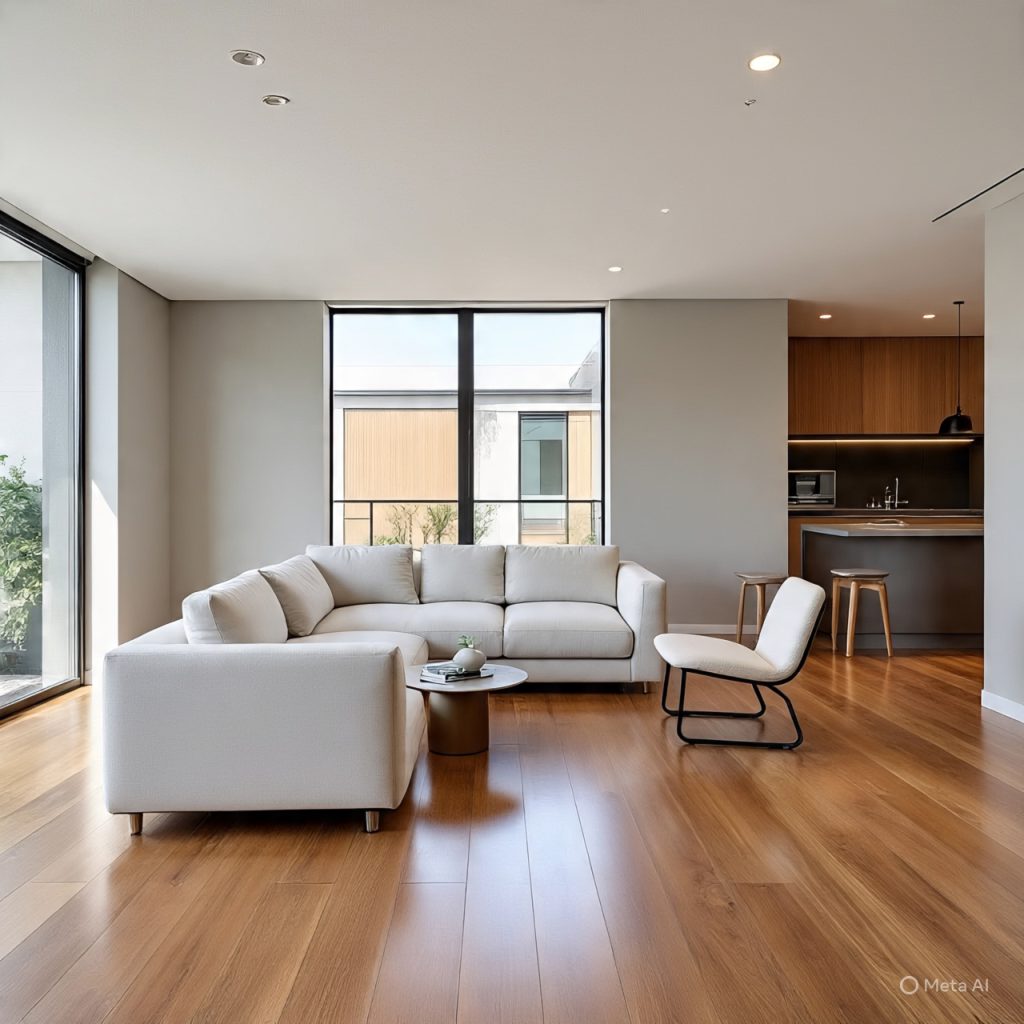
Every great smart living home starts with intentional planning. Instead of focusing solely on decoration, the emphasis is on usability, smooth flow, and genuine comfort. Each decision—whether it’s the placement of furniture, choice of materials, or lighting strategy—serves a real purpose: easier movement, lower energy use, better emotional well-being, or long-term adaptability. These foundational principles ensure the home remains functional and enjoyable for decades, not just months.
2. Space Planning in Smart Living Home Design.
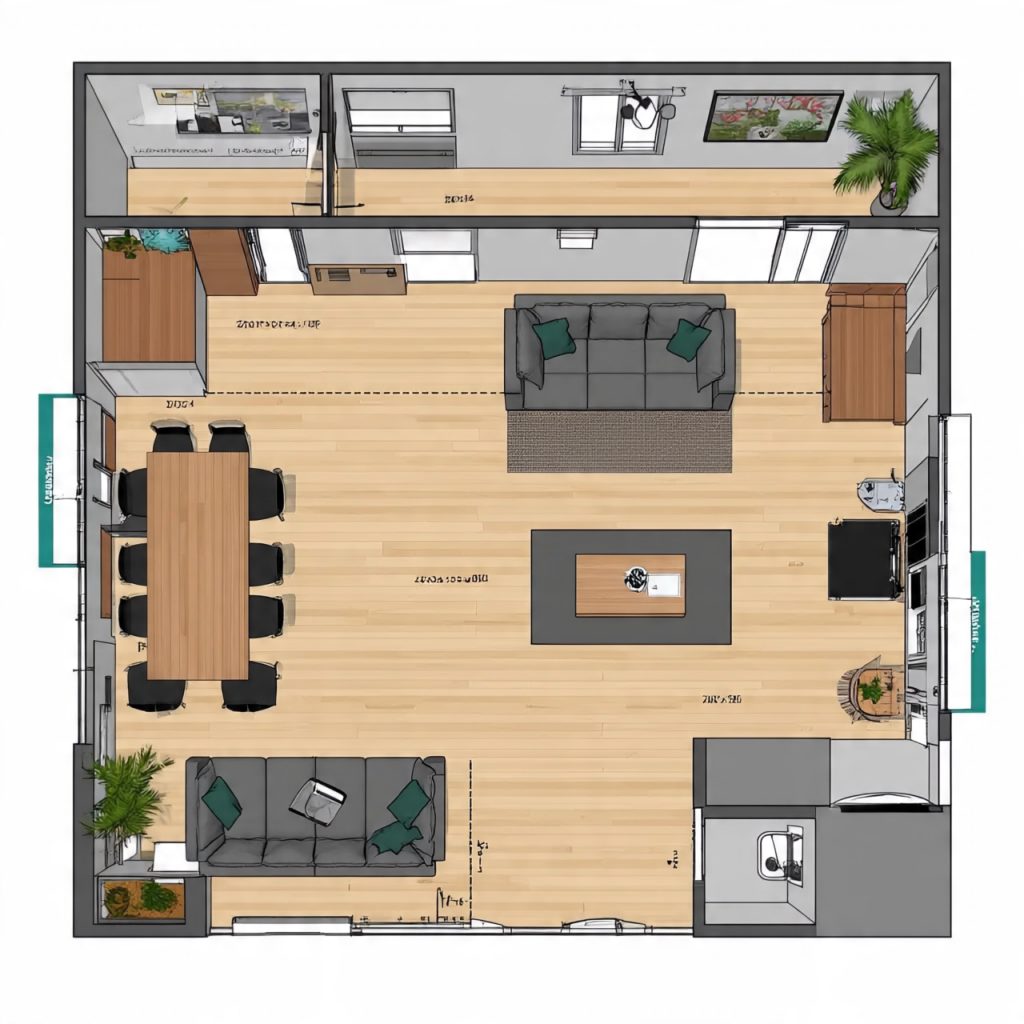
Effective space planning lies at the heart of any modern efficient home. Rooms and zones should be arranged to support everyday activities without creating bottlenecks or wasted space. Logical transitions between living, dining, cooking, and private areas create a calm, stress-free environment. In 2026, designers increasingly use sliding partitions, multi-purpose furniture, and open-yet-zoned layouts to make even smaller homes feel spacious and versatile.
3. Natural Light as a Core of Smart Living Home Design.
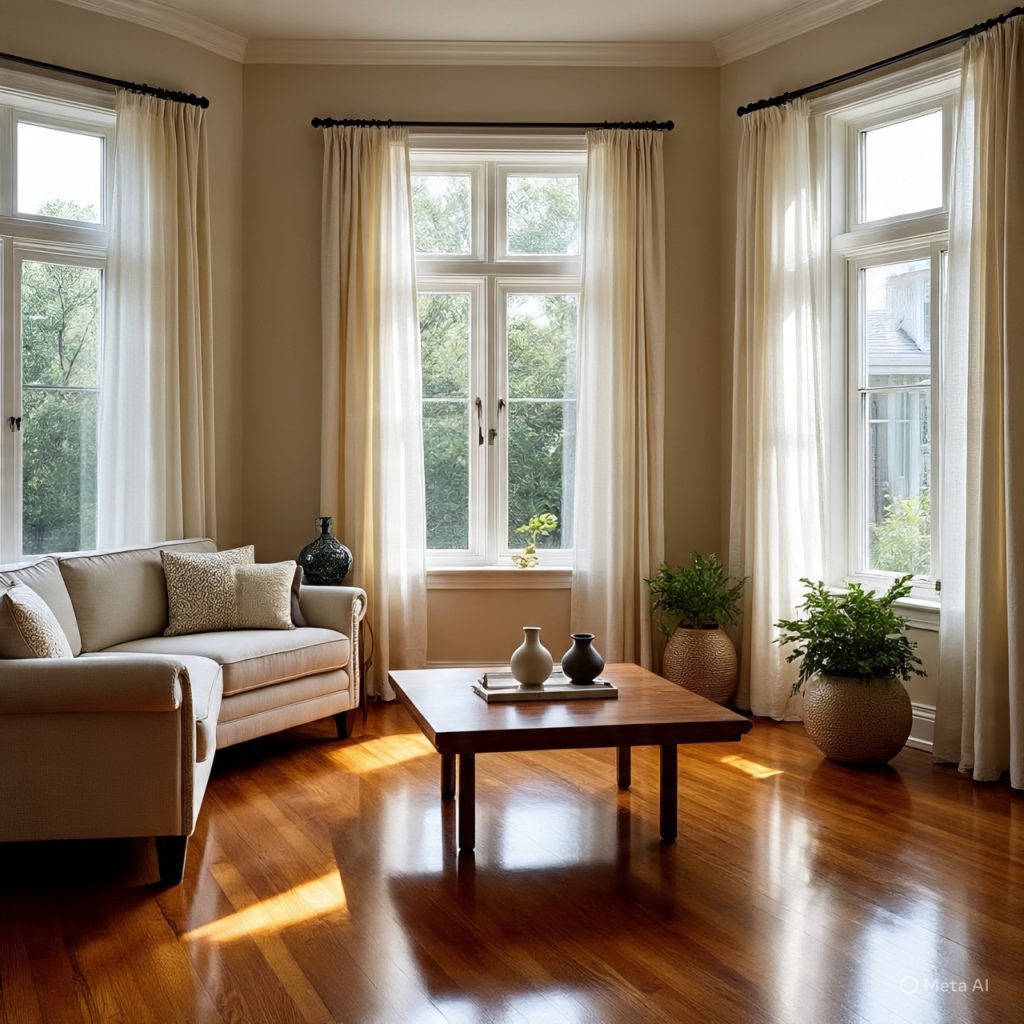
Abundant natural light is one of the most powerful (and free) tools for improving mood, productivity, and overall health. Large windows, strategically placed skylights, glass doors, and light-reflecting surfaces bring in daylight and reduce reliance on artificial lighting. Warm, inviting interiors result naturally when sunlight is prioritized. Popular 2026 features include light wells, clerestory windows, and automated shades that adjust throughout the day.
4. Smart Living Home Design and Indoor Comfort.
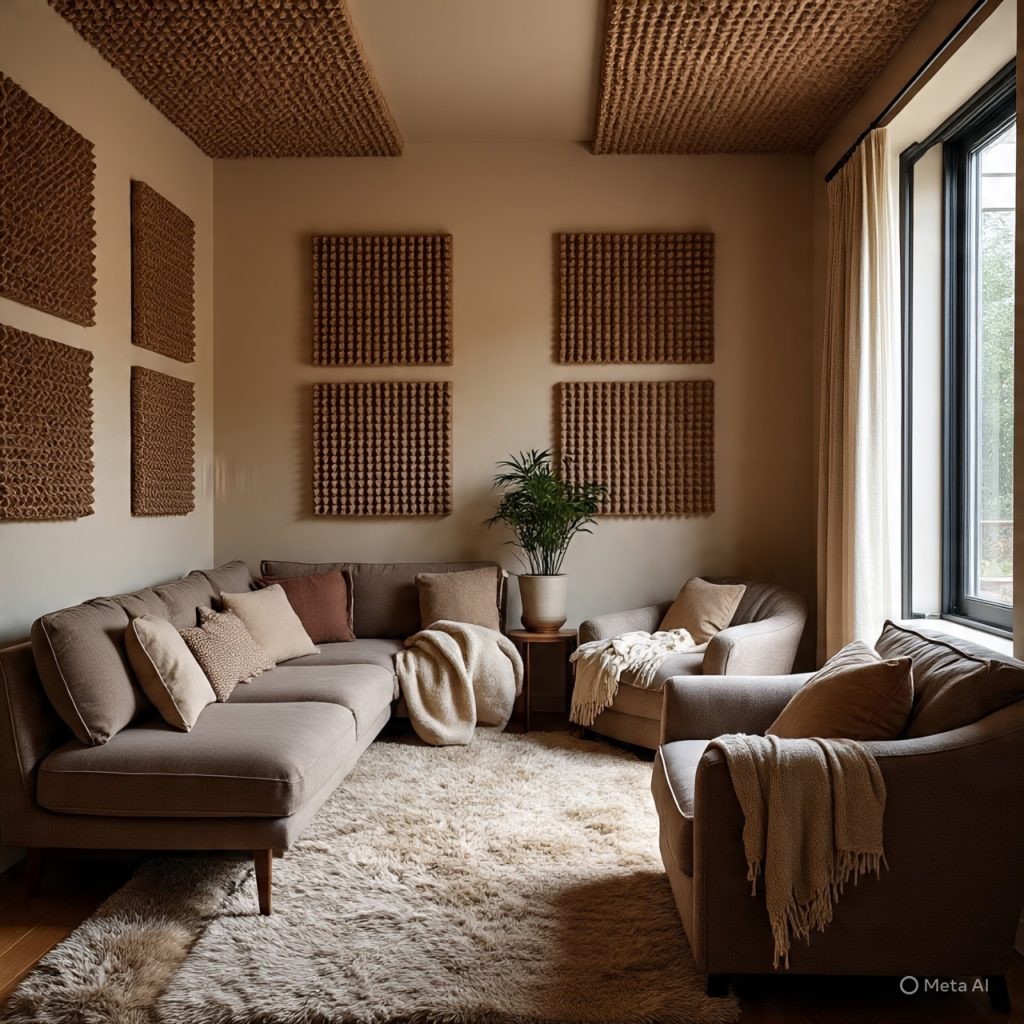
Comfort extends far beyond soft sofas and cozy rugs. It includes thermal balance, excellent acoustics, proper ventilation, and thoughtful material choices. A well-designed home maintains consistent temperature, minimizes echo and outside noise, and ensures fresh air circulation—helping residents rest deeply and focus clearly. Acoustic panels, smart HVAC systems, and breathable natural fabrics are key elements gaining popularity right now.
5. Technology Integration in Smart Living Home Design.
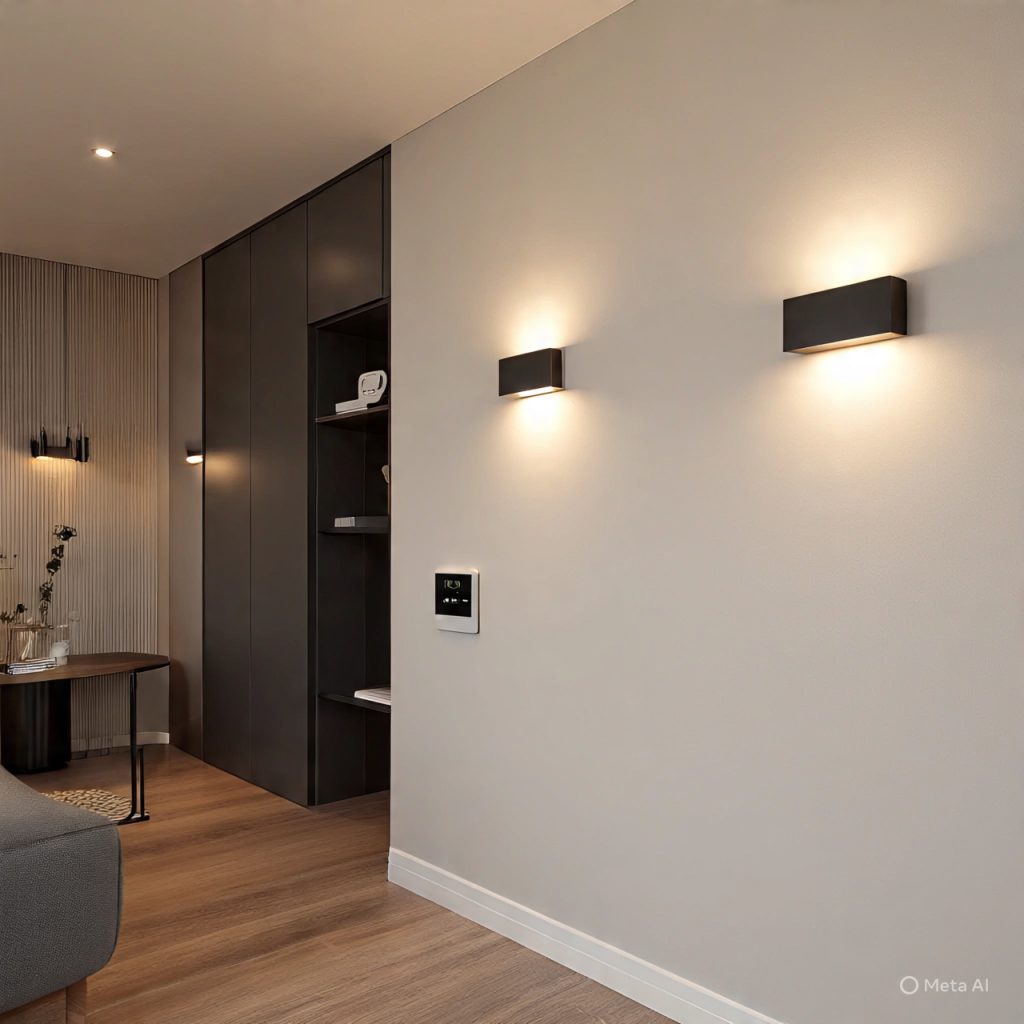
Technology should enhance life, never complicate it. Smart lighting, climate control, voice-activated assistants, and advanced security become truly valuable when they work intuitively and reliably. The best modern homes hide the tech—sensors, wires, and controls blend into walls and furniture so the space feels calm and human-centered. In 2026, AI-driven predictive systems (learning your routines and adjusting automatically) are becoming standard.
6. Functional Zoning in Smart Living Home Design.
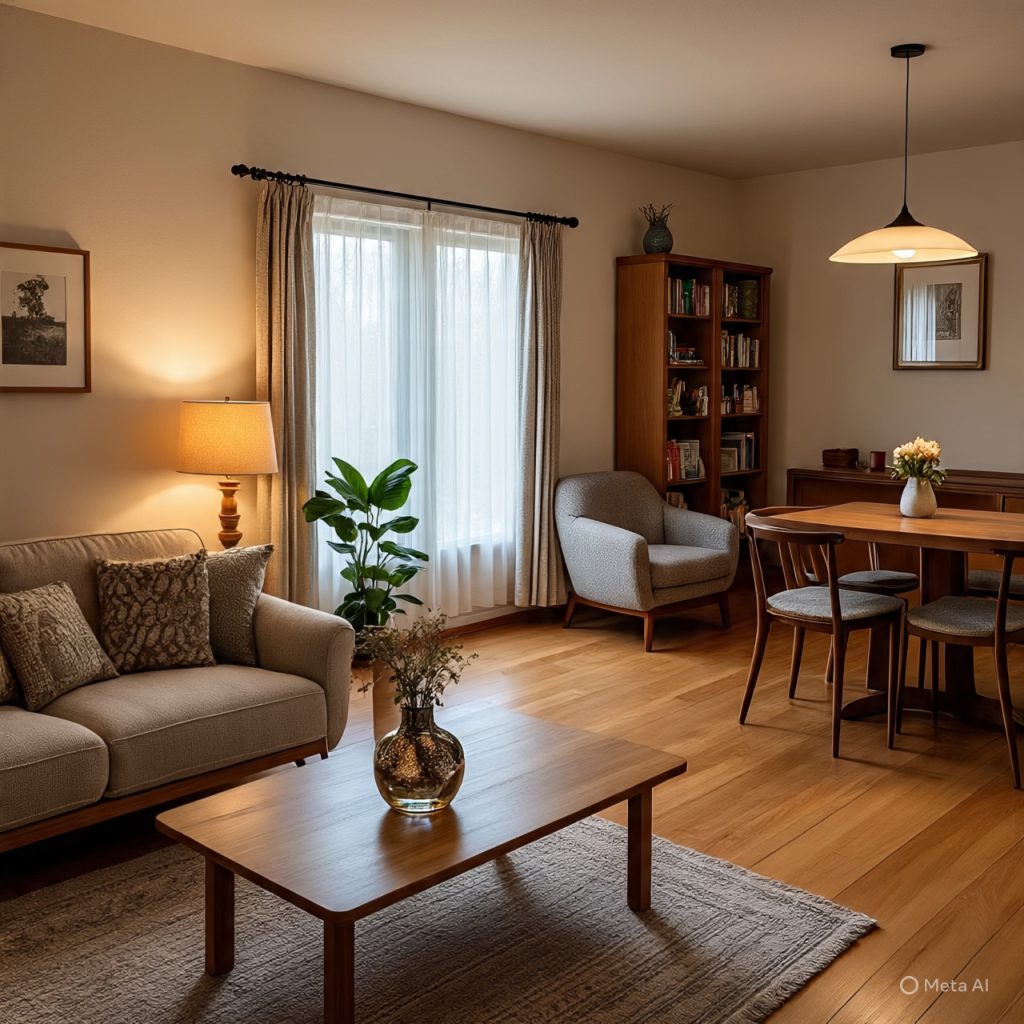
Dividing the home into clear zones—for work, relaxation, socializing, cooking, and rest—dramatically improves productivity and mental clarity. Zoning prevents activities from overlapping and creates a natural rhythm to the day. Flexible room dividers, area rugs, and strategic furniture placement help define these zones without permanent walls.
7. Sustainable Materials for Smart Living Home Design.
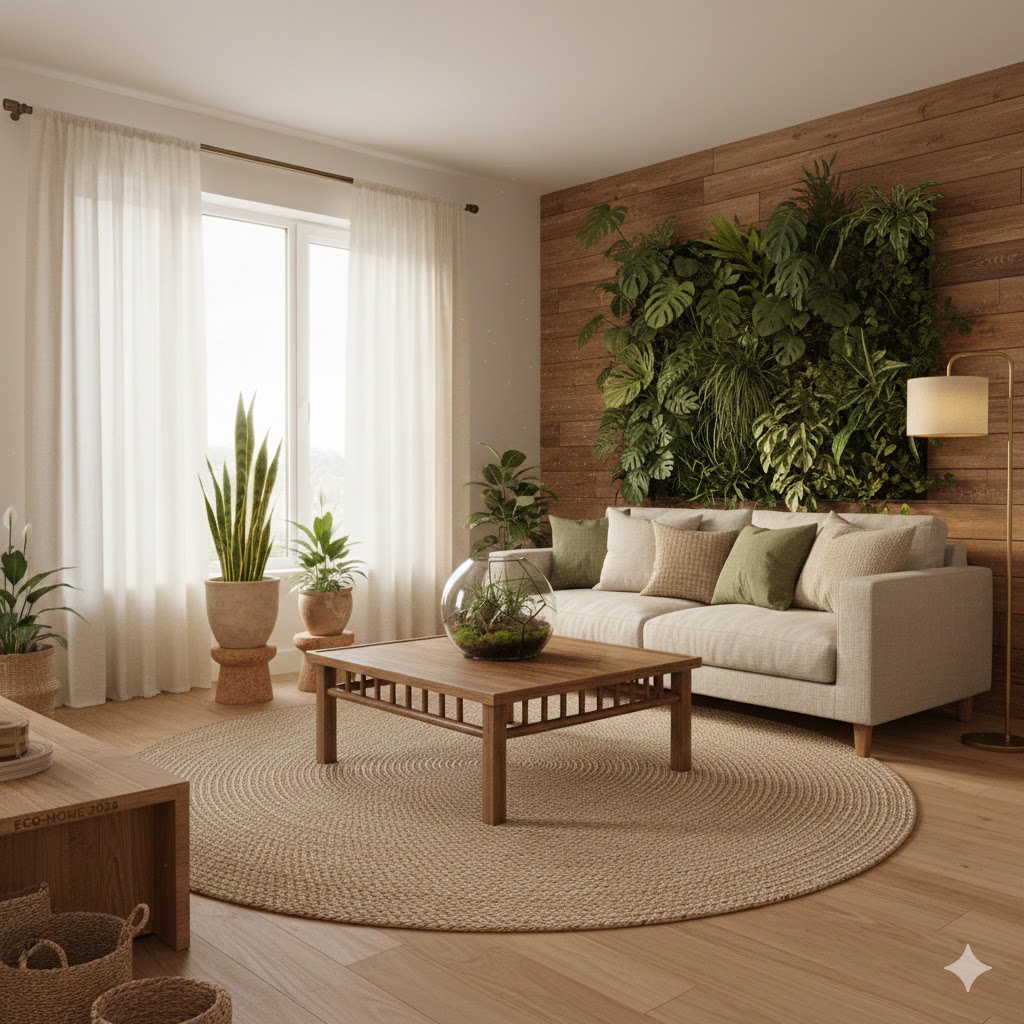
Long-term value comes from eco-conscious choices. Low-VOC paints, recycled wood, bamboo flooring, energy-efficient windows, and durable stone surfaces lower maintenance costs and reduce environmental impact. In 2026, circular materials (made from recycled content) and carbon-negative options are leading the way toward greener, healthier homes.
8. Smart Storage Solutions for Modern Homes.
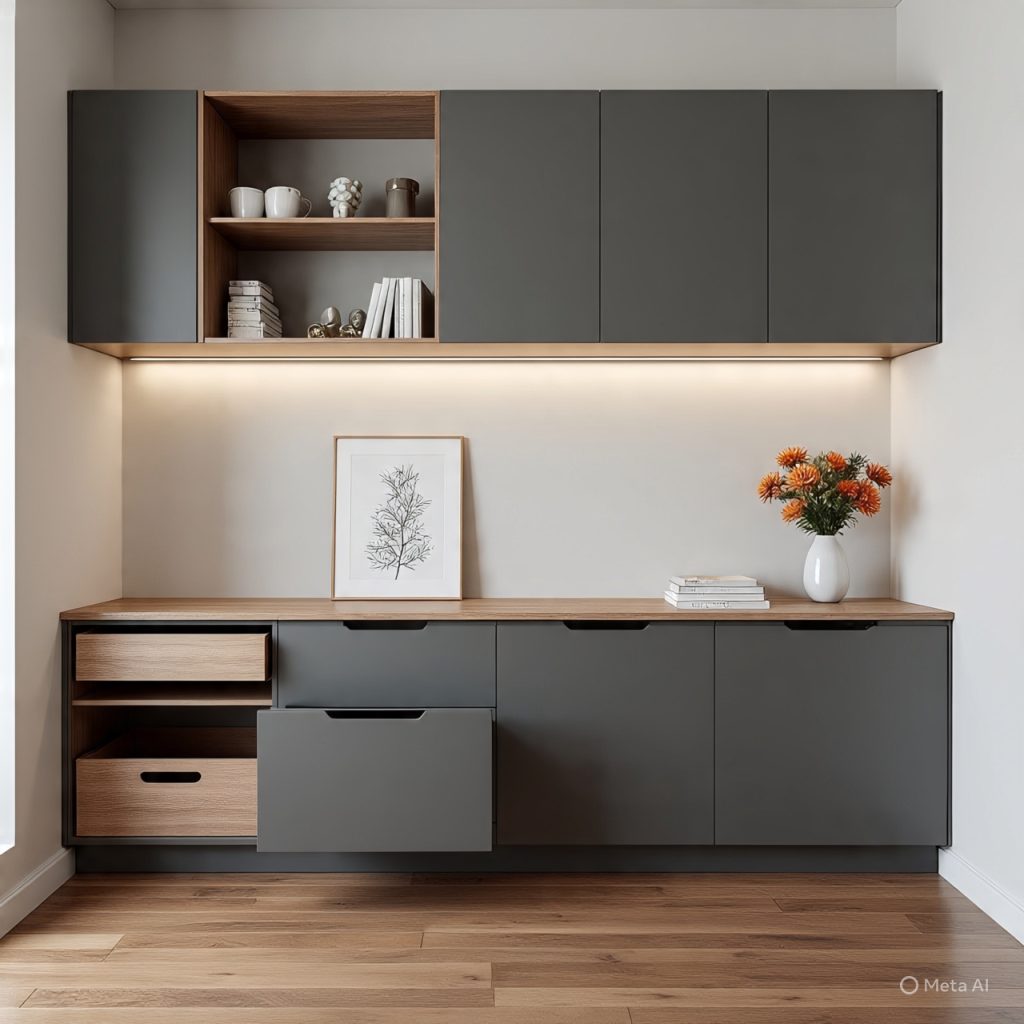
Clutter is the enemy of calm. Built-in cabinets, floor-to-ceiling shelving, under-stair storage, pull-out drawers, and hidden compartments keep everything organized and out of sight. Smart storage turns wasted space into functional areas and makes daily life smoother and less stressful.
9. Wellness-Focused Interiors.
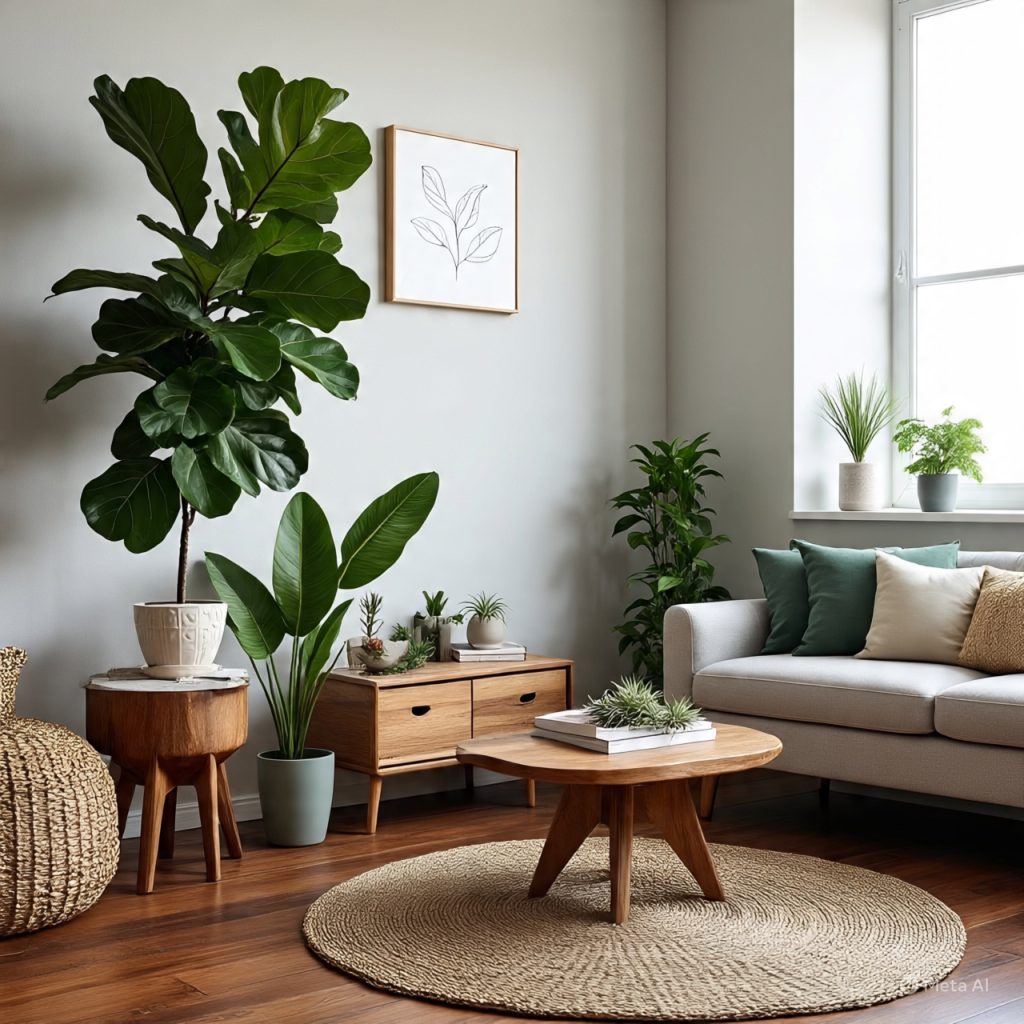
Wellness-focused interiors are now non-negotiable. Soft neutral palettes, natural textures (wood, linen, stone), indoor plants, and biophilic design elements (bringing nature indoors) support mental and physical health. Calming layouts, soundproof quiet zones, and circadian lighting that mimics natural daylight cycles help residents recharge naturally.
10. Smart Living Home Design for Work-From-Home Spaces.
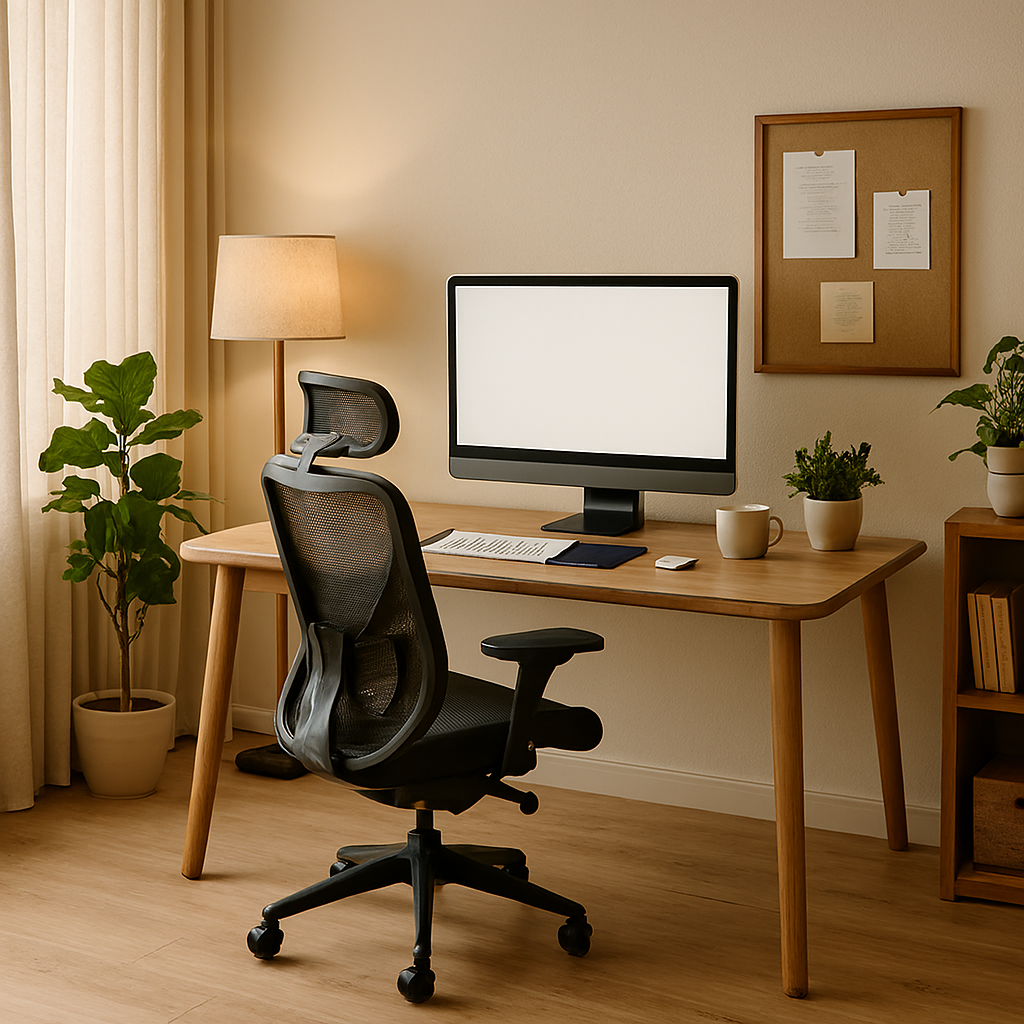
With remote and hybrid work still dominant in 2026, dedicated workspaces are essential. Ergonomic desks, adjustable chairs, glare-free lighting, good ventilation, and acoustic separation boost focus and reduce fatigue. The key is integration—the workspace should feel like part of the home, not an intrusive addition.
11. Outdoor Extensions of Smart Living Homes.
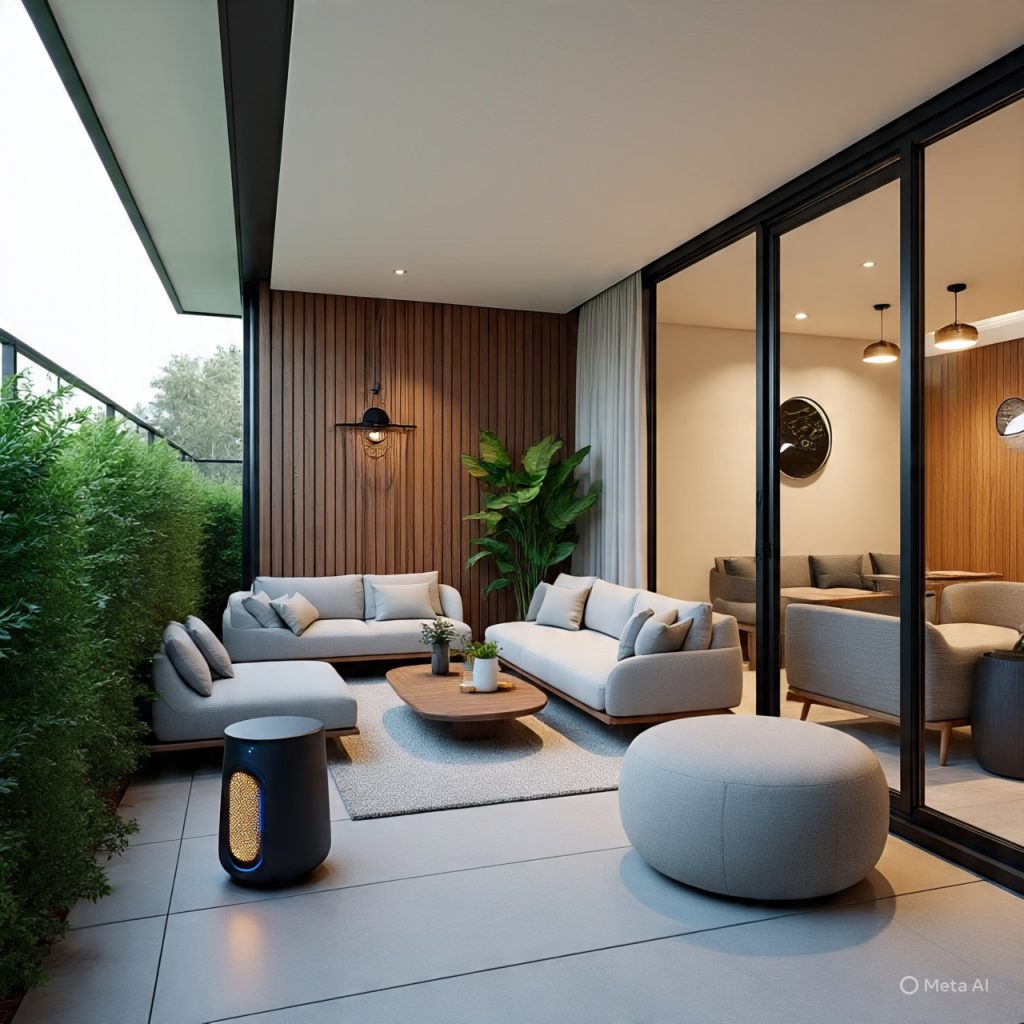
Balconies, terraces, rooftop gardens, and patios act as natural extensions of indoor living. Even a small outdoor area with seating, plants, and shade can improve mental clarity and strengthen the connection to nature. Outdoor kitchens, weather-resistant furniture, and smart irrigation make these spaces usable year-round.
12. Energy Efficiency in Smart Living Home Design.
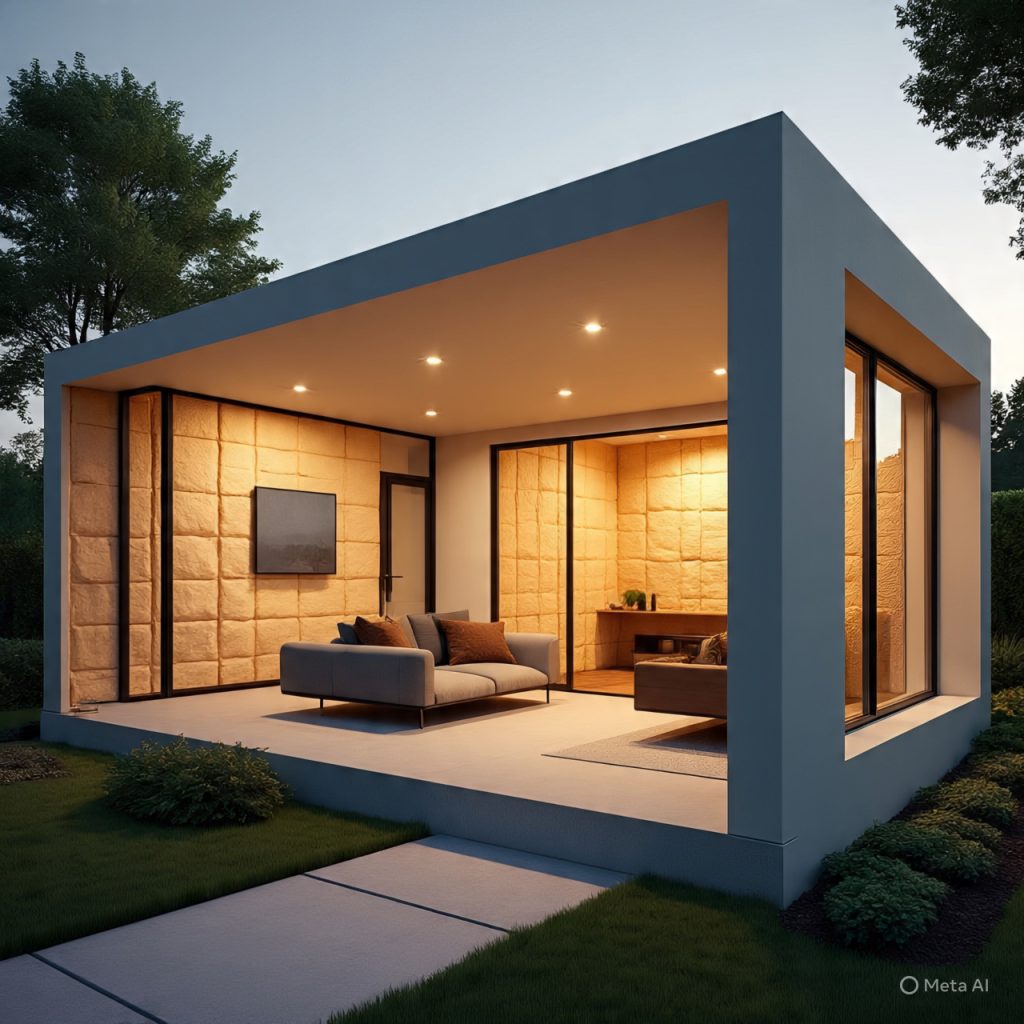
Energy-efficient homes save money and reduce environmental footprint. High-quality insulation, LED/smart lighting, solar-ready roofs, heat-recovery ventilation, and real-time energy monitoring systems support responsible consumption without sacrificing comfort. Passive design strategies (orientation, shading, natural ventilation) are making a strong comeback.
13. Adaptable Layouts for Future Needs.
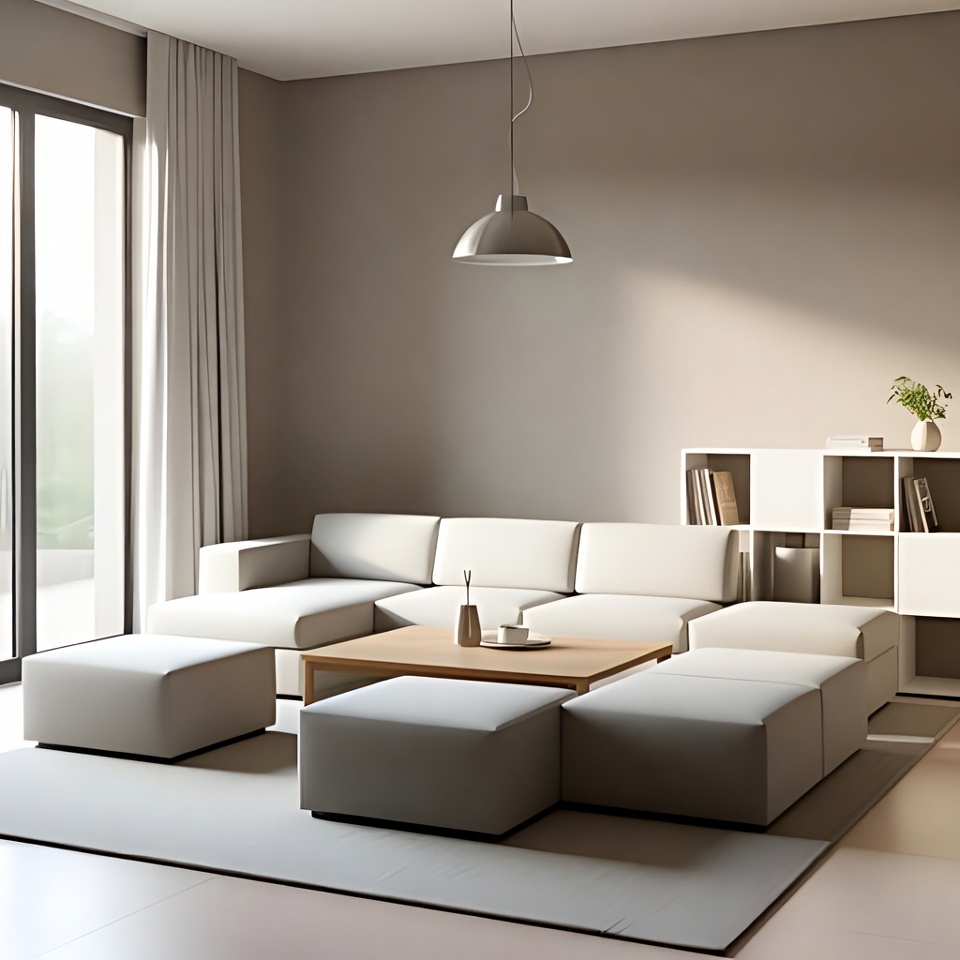
Homes should evolve with time. Flexible layouts, modular furniture, and scalable systLife changes—families grow, work habits shift, aging happens. Flexible layouts, modular furniture, movable walls, and scalable tech allow the home to evolve without major renovations. Multi-functional rooms and universal design features (wide doorways, zero-step entries) prepare the space for every stage of life.ems allow adaptation to changing family needs. Smart living homes reduce the need for frequent renovations.
14. Emotional Connection Through Personal Design.
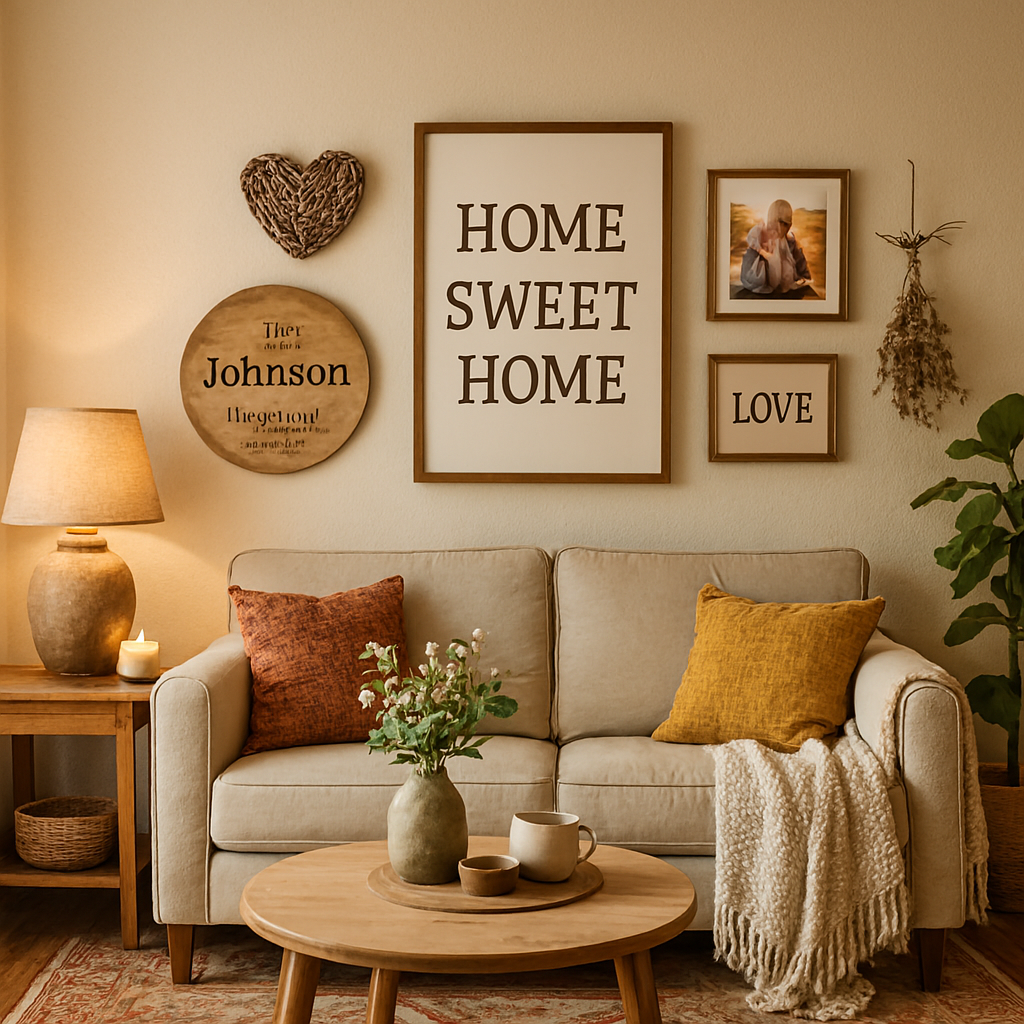
A home should feel personal, not like a showroom. Meaningful artwork, family heirlooms, custom shelving, favorite colors, and thoughtful details create emotional warmth and belonging. When residents see themselves reflected in the space, comfort and happiness naturally increase.
15. Long-Term Value of Smart Living Home Design.
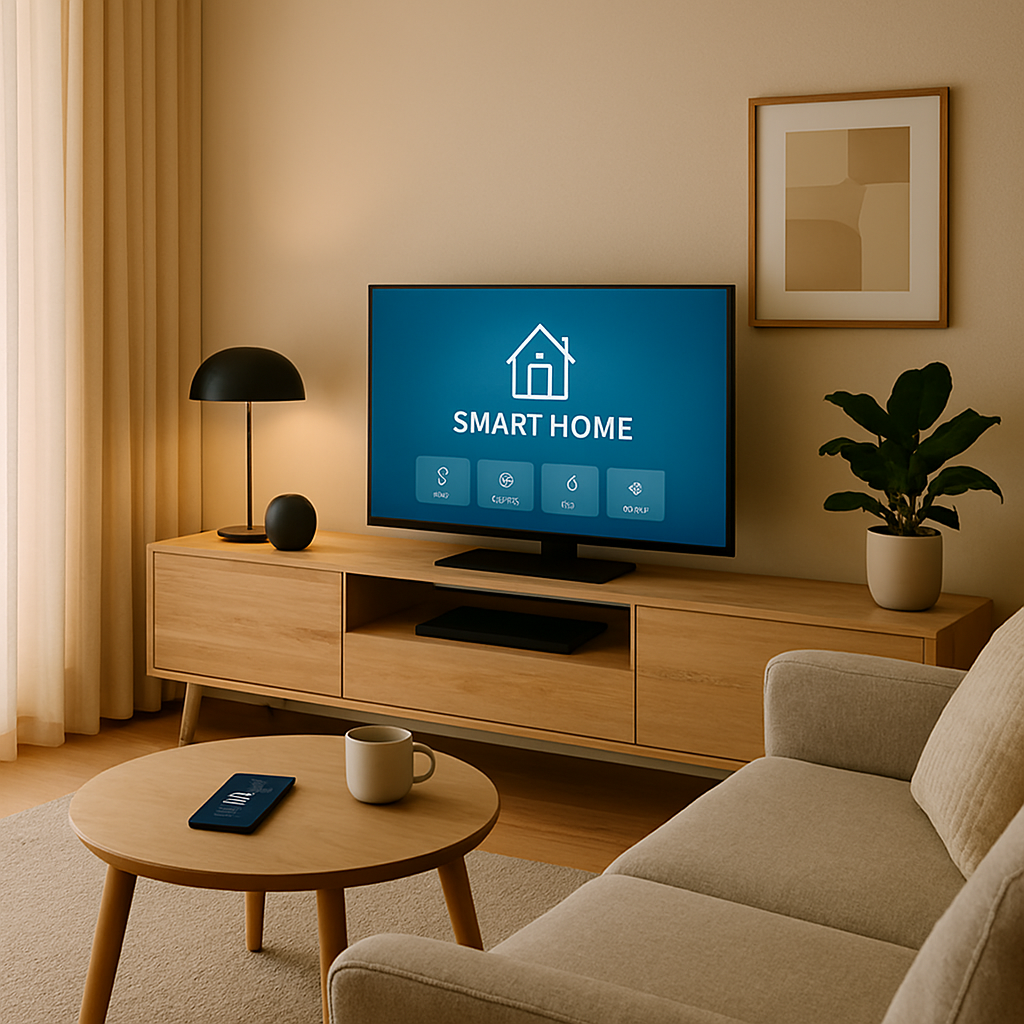
Homes designed with intelligence, efficiency, sustainability, and adaptability hold and even increase in value. Today’s buyers (especially in 2026) actively seek properties that offer lower running costs, better wellness, and future-readiness—making smart living design one of the smartest real-estate investments you can make.
Final Thoughts:
Smart living home design isn’t about following fleeting trends—it’s about intentional, thoughtful living. By thoughtfully blending functionality, sustainability, comfort, technology, and personal expression, you can create a home that truly supports modern life. A well-designed space doesn’t just shelter you—it nourishes your routines, protects your well-being, and adapts gracefully as your needs change. When every choice is purposeful, your home becomes more than four walls; it becomes the foundation for a richer, more balanced life.
In my experience, small and consistent efforts lead to the best results over time. Use this guide as your foundation, adapt it to your needs, and move forward with confidence