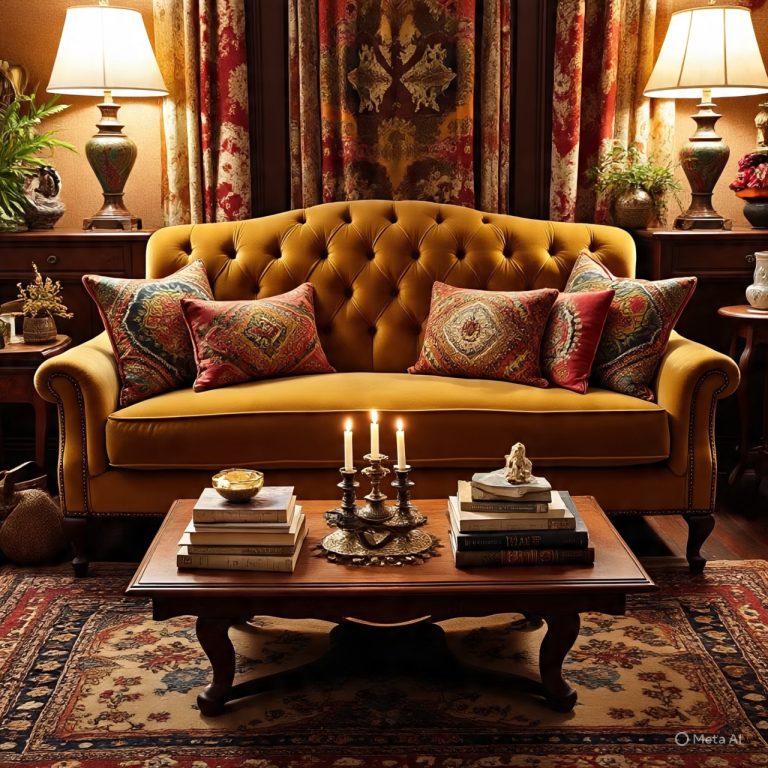
Intentional Home Design & Décor: Creating Beautiful, Functional Spaces with Purpose۔
Intentional home design and décor focuses on creating spaces that are not just visually appealing, but deeply functional and emotionally balanced. Unlike trend-driven interiors, this approach blends thoughtful planning with purposeful décor choices to design homes that feel calm, cohesive, and timeless. Every color, material, and layout decision serves a reason—enhancing daily living while reflecting personal style. This philosophy connects modern home design principles with meaningful décor, resulting in spaces that feel curated rather than crowded.
1. What Makes Intentional Home Design Different.
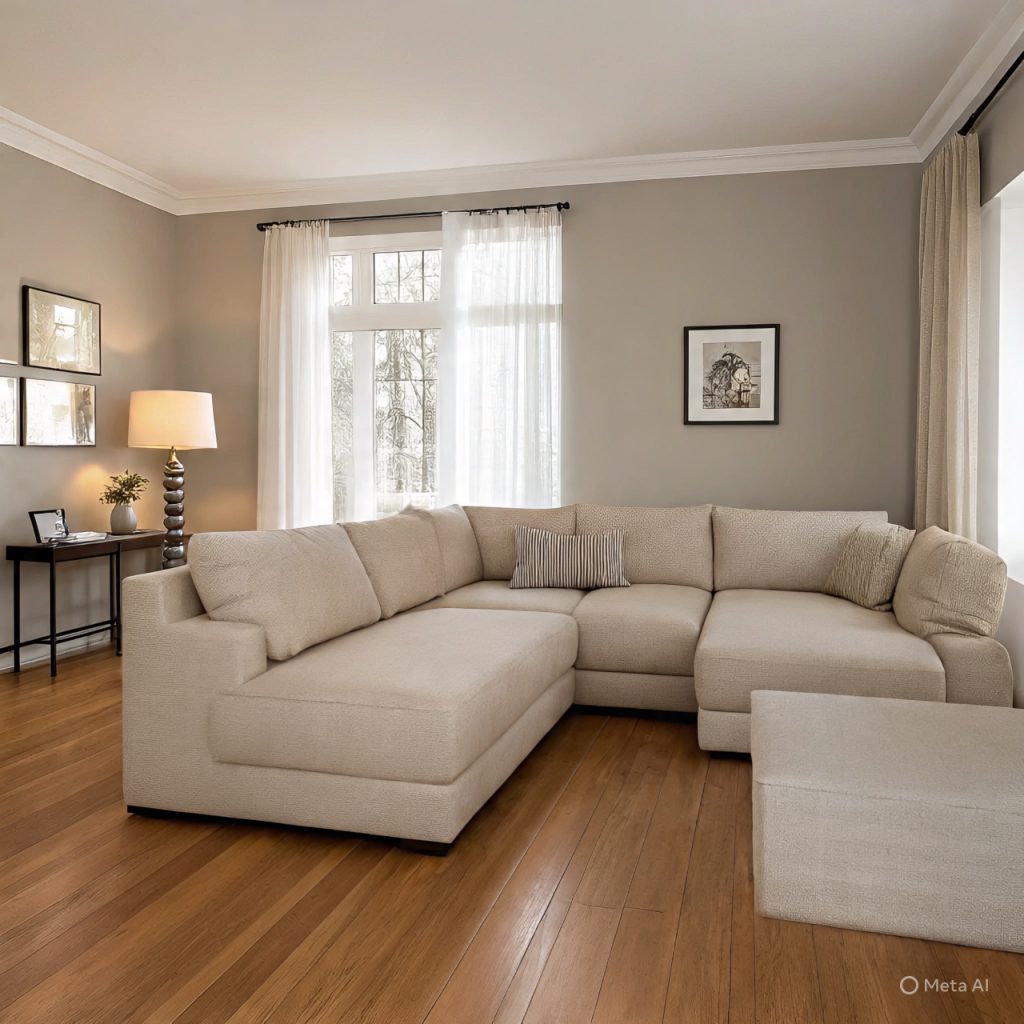
Intentional home design and décor begins with understanding how a space is actually used. Instead of filling rooms with decorative elements, this approach prioritizes flow, proportion, and functionality. Furniture placement, lighting direction, and storage solutions are planned before décor is added, ensuring the home feels effortless and refined.
2. Purpose-Driven Décor Choices That Add Value.
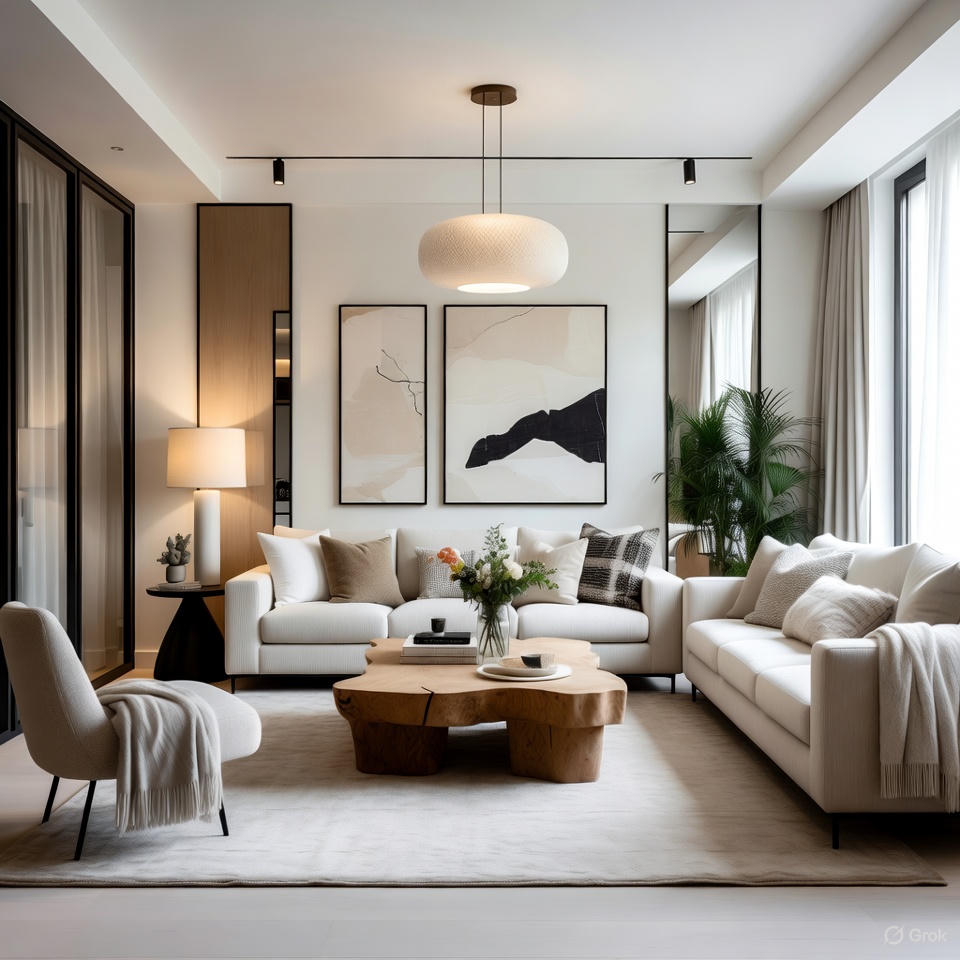
In intentional home design and décor, every décor item has a role. Artwork anchors a wall, rugs define zones, and accessories add warmth without clutter. This reduces visual noise while making interiors feel layered and complete. Quality is favored over quantity, which naturally elevates the home’s aesthetic.
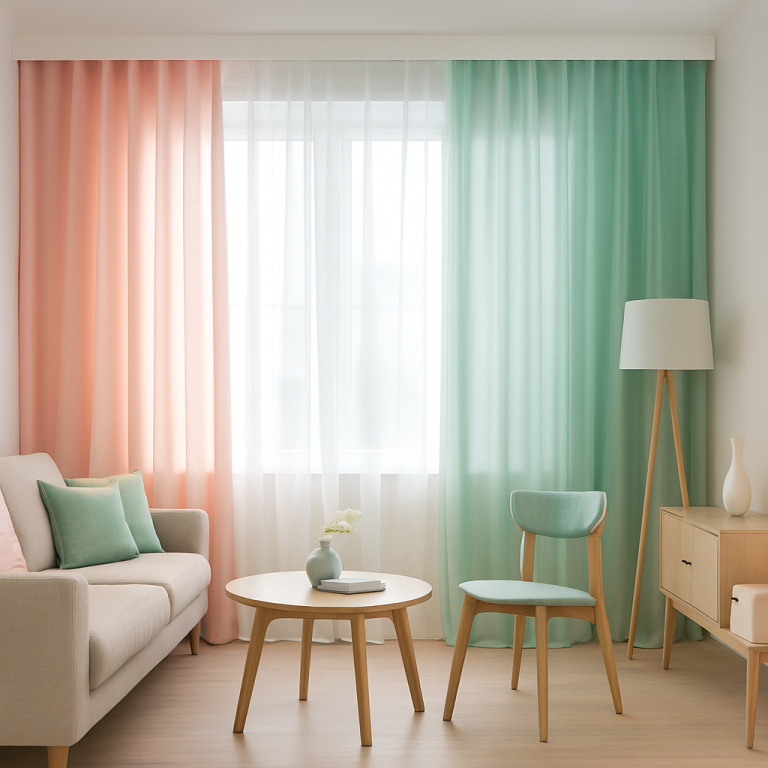
3. Color Palettes That Create Visual Calm.
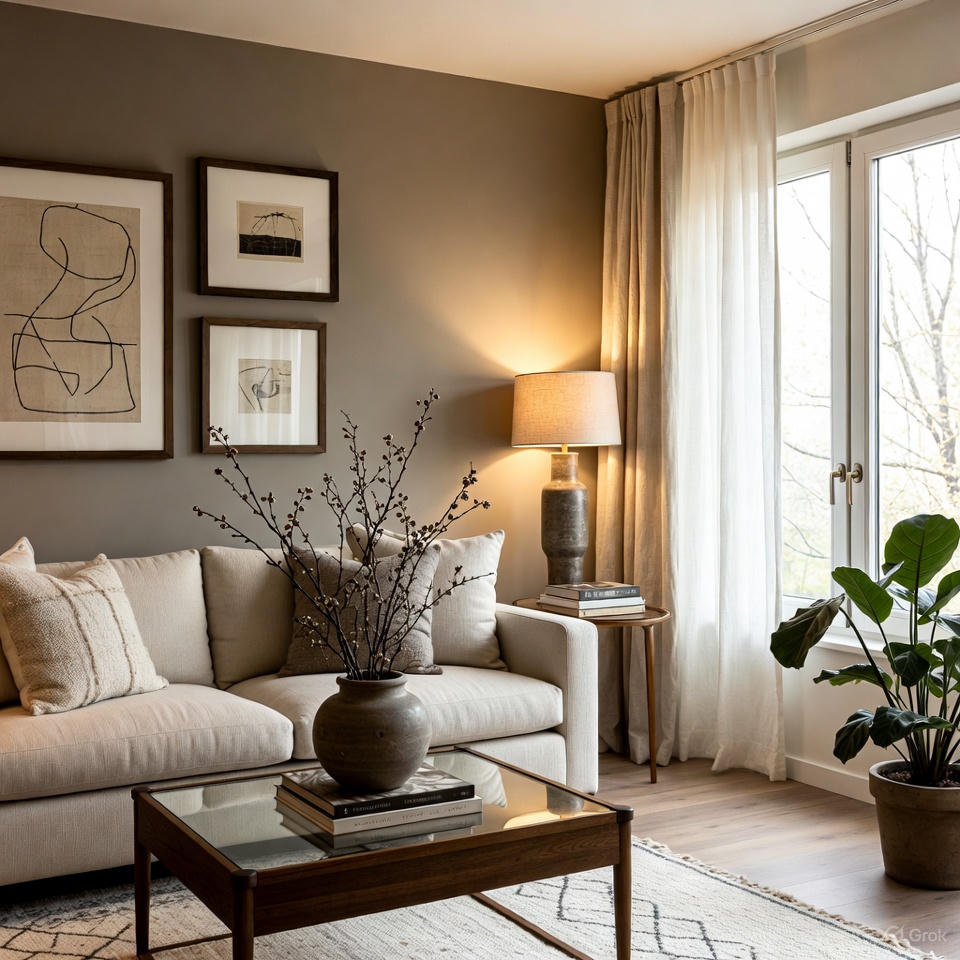
Neutral bases combined with controlled accent tones define intentional interiors. Soft greys, warm beiges, muted greens, or earthy browns help maintain balance. When used correctly, intentional home design and décor color schemes bring harmony, making spaces feel larger, brighter, and more cohesive.
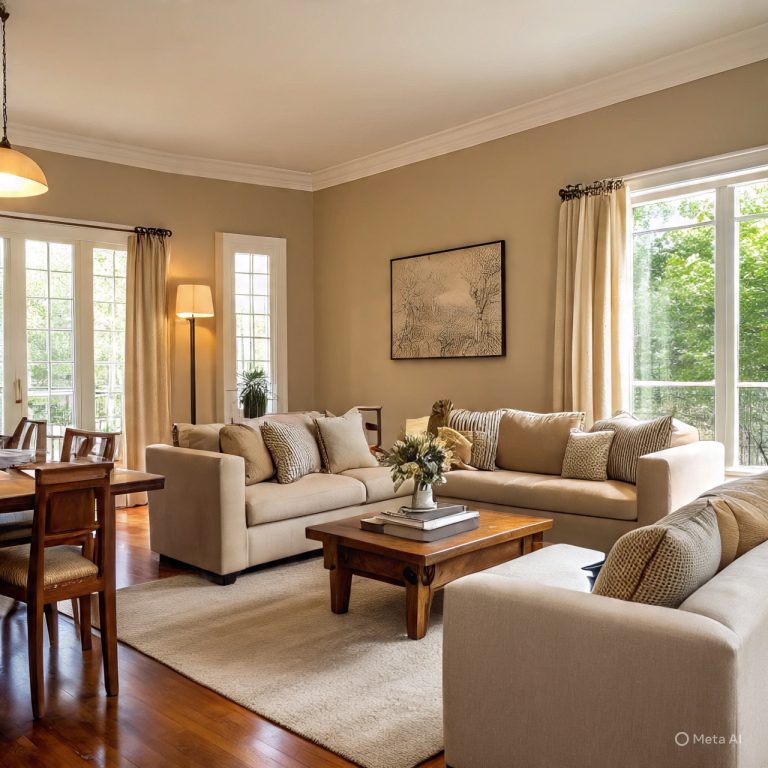
4. Furniture That Supports Daily Living.
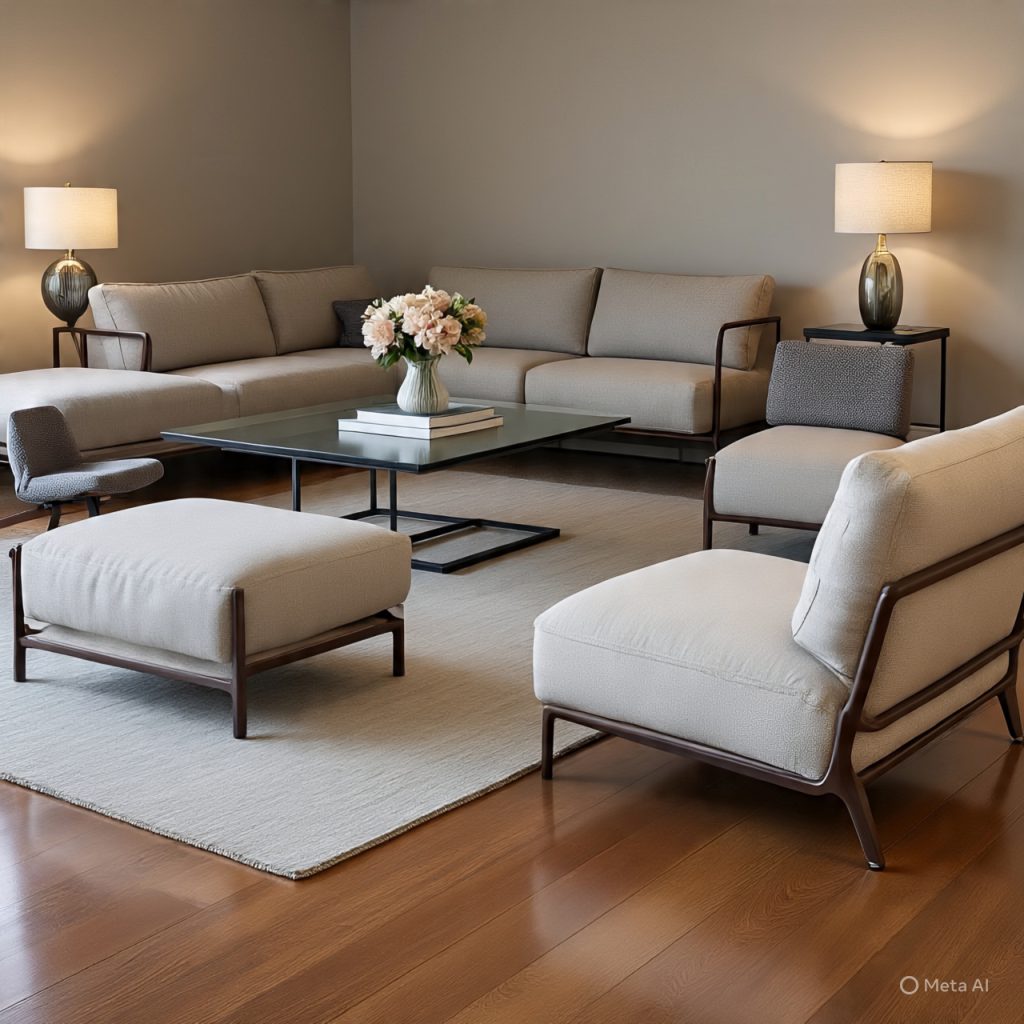
Furniture selection is central to intentional home design and décor. Pieces are chosen not only for appearance but for comfort, scale, and durability. Modular sofas, multifunctional tables, and ergonomic seating ensure the space adapts to real-life needs without sacrificing style.
5. Storage Planning as a Hidden Design Element.
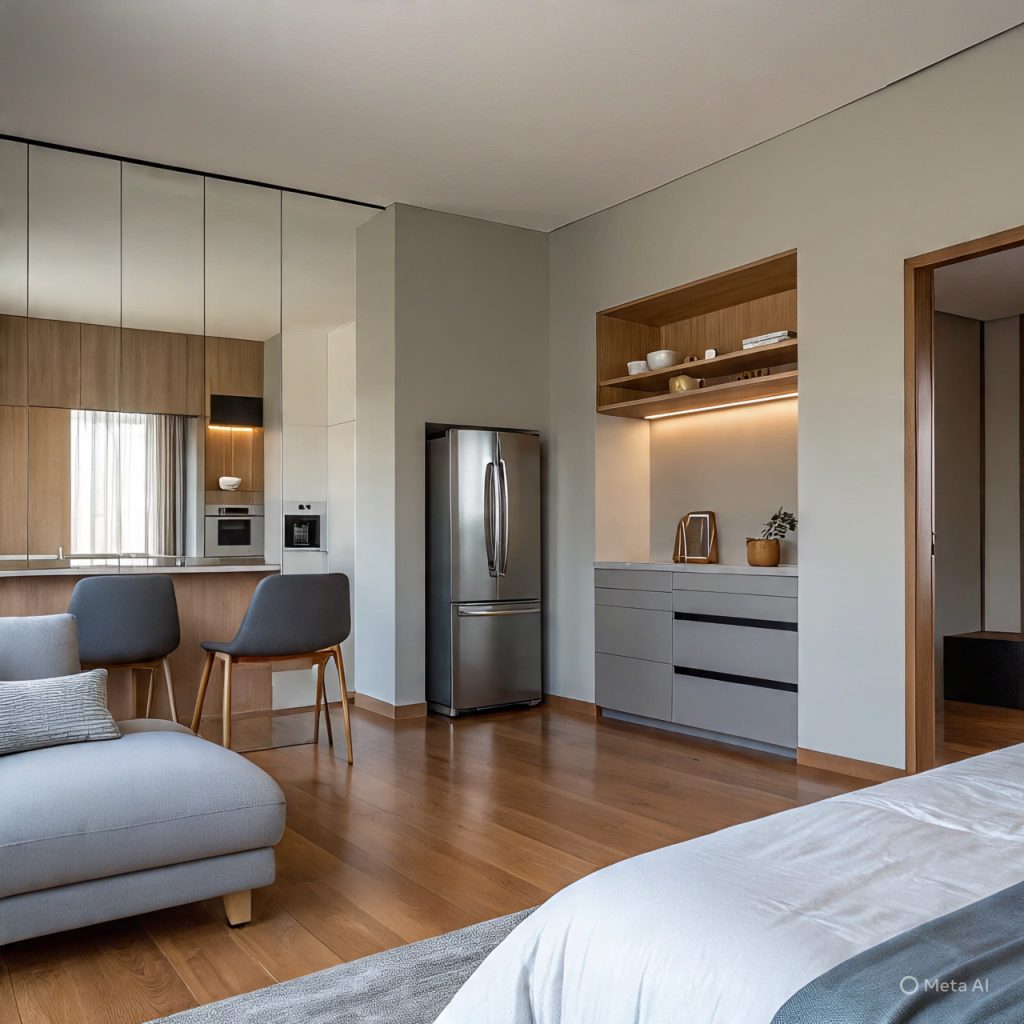
One of the most overlooked aspects of intentional home design and décor is smart storage planning. Built-in cabinets, concealed shelving, and multi-purpose storage solutions help maintain visual clarity without sacrificing practicality. When storage is thoughtfully integrated into the design, rooms remain open, breathable, and clutter-free. This approach supports a minimalist aesthetic while ensuring daily essentials are easily accessible, reinforcing both beauty and functionality
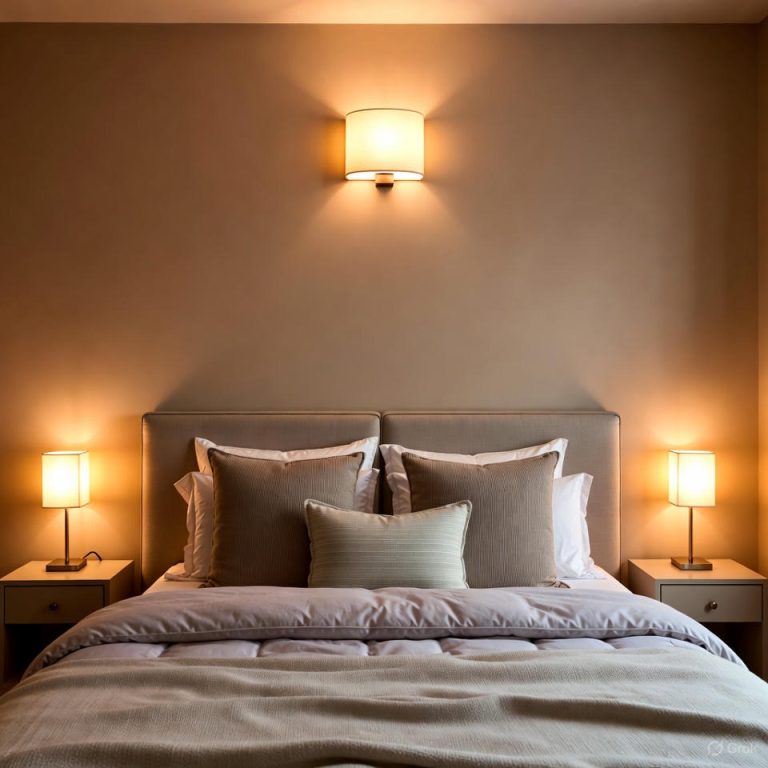
6. Lighting as a Design Tool.
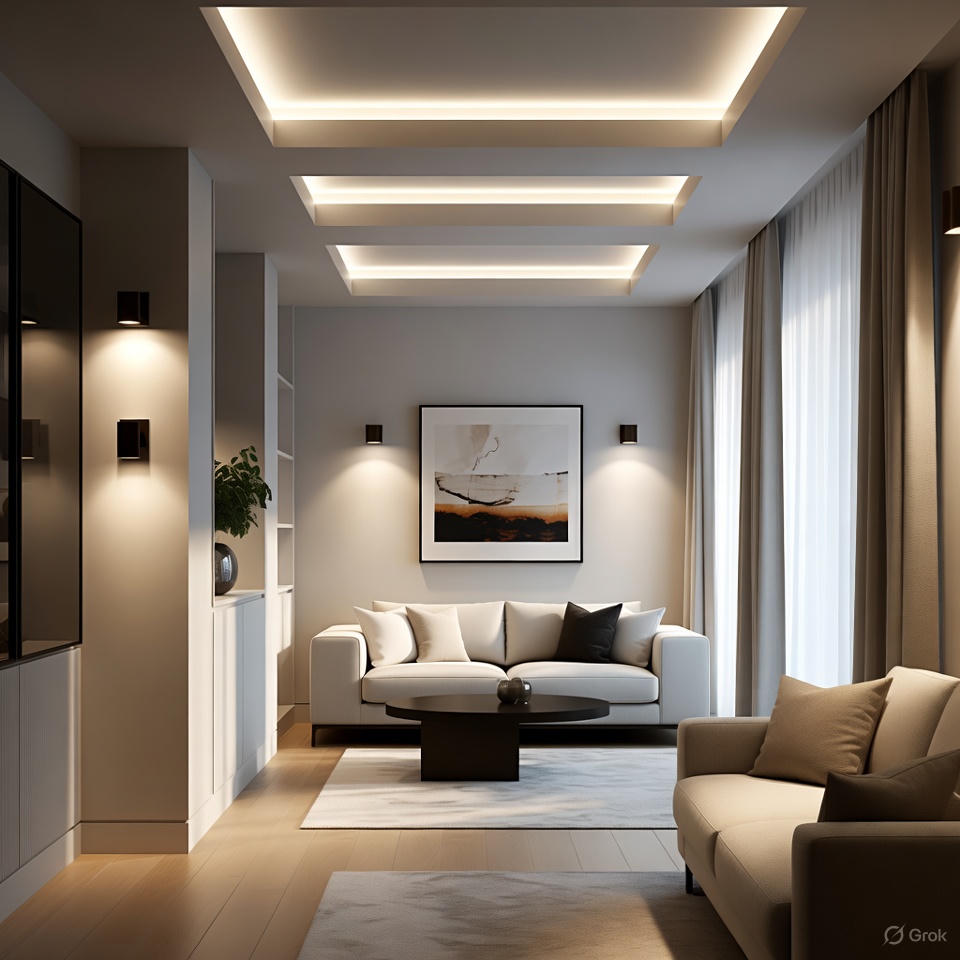
Layered lighting transforms intentional interiors. Natural light is maximized, while ambient, task, and accent lighting work together to enhance mood and usability. Thoughtfully placed lighting adds depth and highlights architectural details, reinforcing the purpose-driven nature of the design.
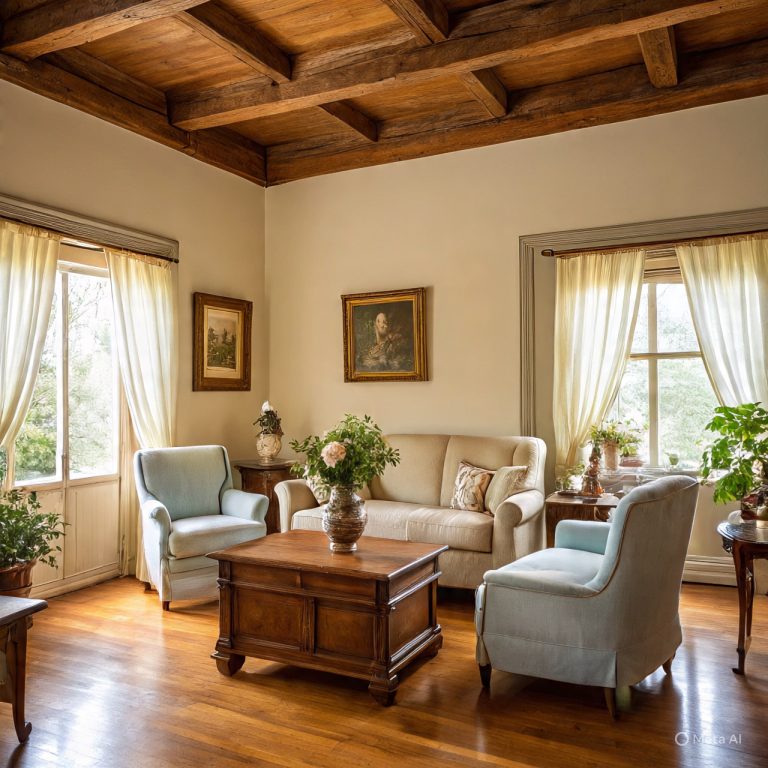
7. Textures That Add Warmth Without Clutter.
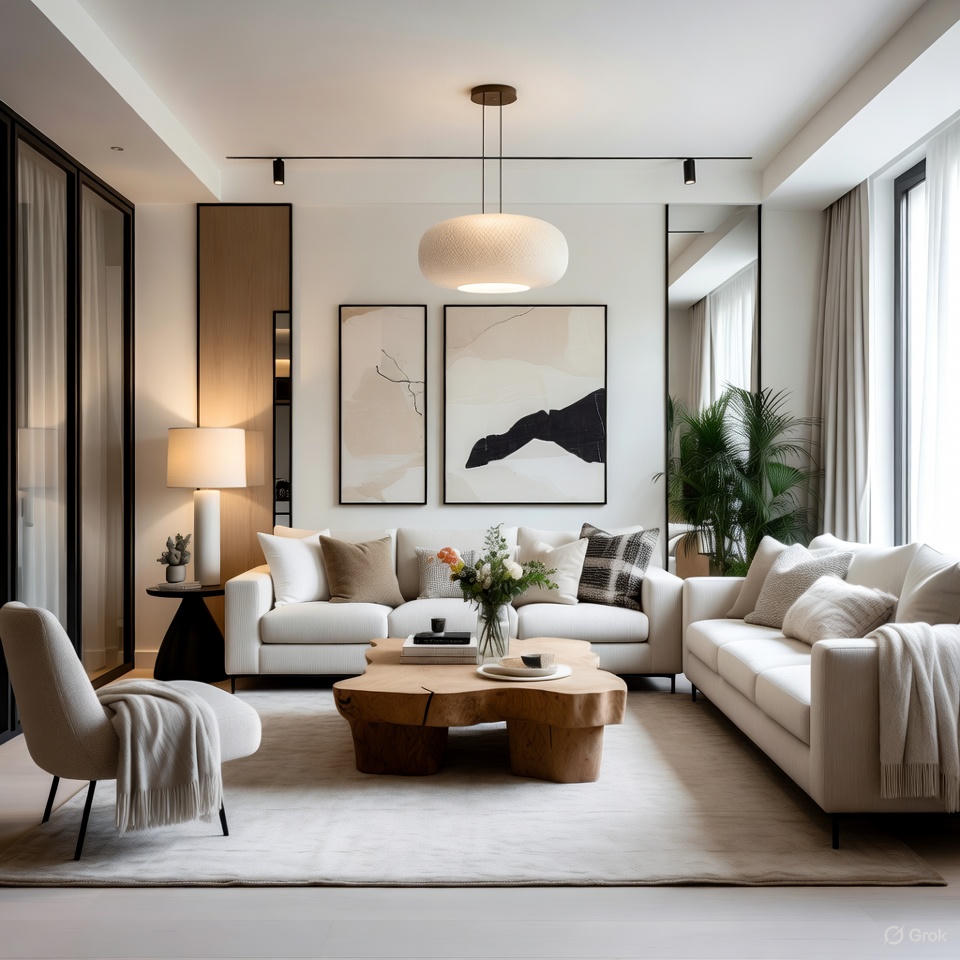
Texture plays a vital role in intentional home-design and décor. Linen curtains, wooden finishes, stone surfaces, and soft textiles create visual interest without overpowering the space. This subtle layering keeps interiors engaging while maintaining simplicity.
8. Designing for Longevity, Not Trends.
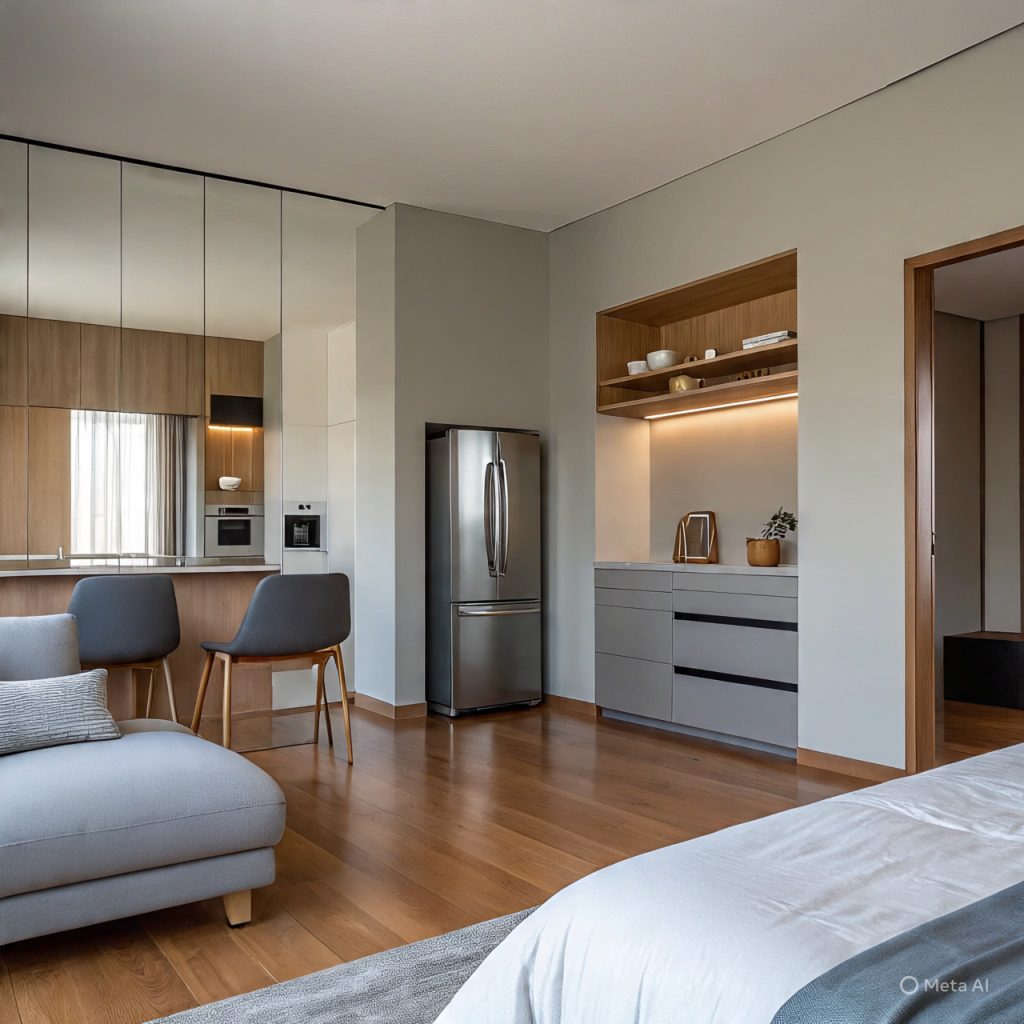
Unlike trend-heavy styling, intentional home design and décor focuses on longevity. Timeless layouts, classic materials, and adaptable décor ensure the home remains stylish for years. This approach reduces the need for frequent updates, saving both effort and cost.
9. Emotional Comfort Through Spatial Balance.
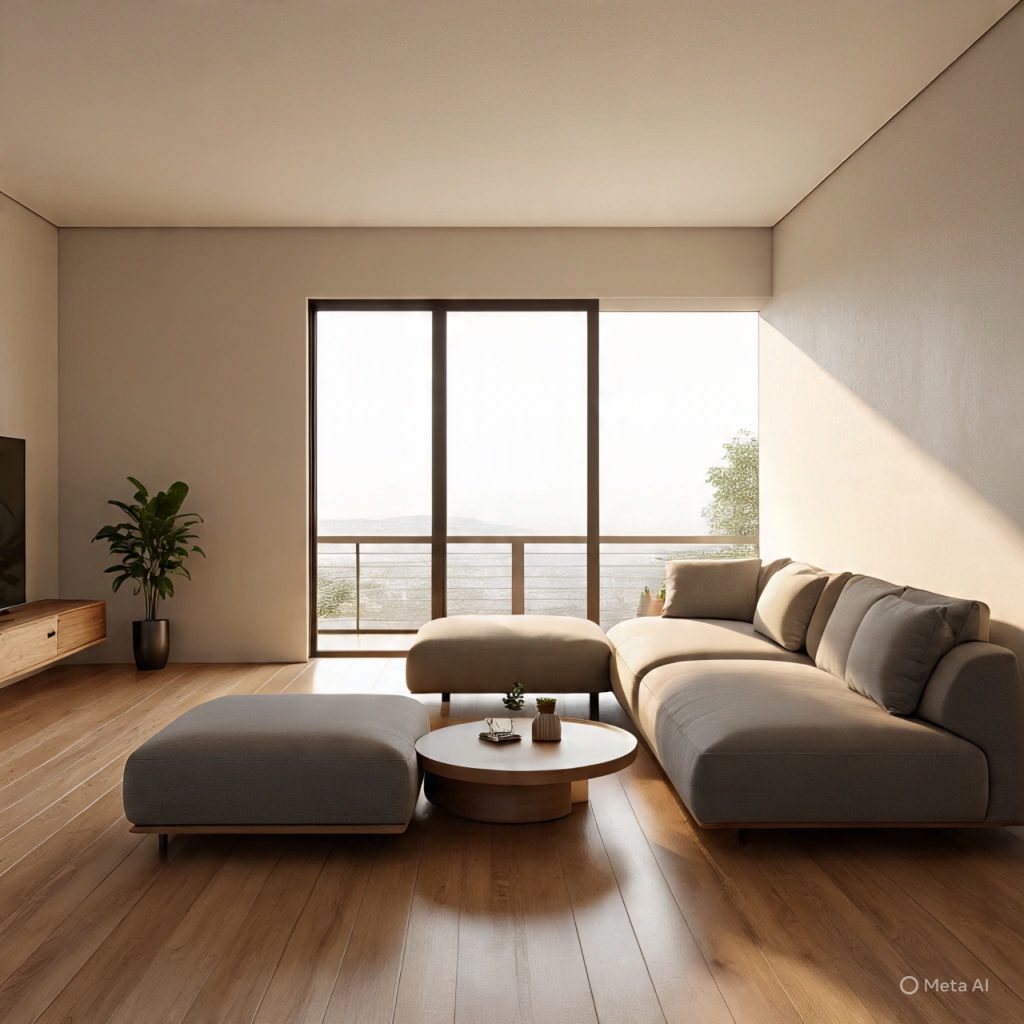
Beyond visuals, intentional home-design and décor also influences emotional well-being. Balanced spacing, uncluttered surfaces, and consistent material use create a sense of order and calm. Homes designed with intention reduce sensory overload and promote relaxation. This emotional comfort is what truly differentiates intentional interiors from purely decorative spaces, making the home feel restorative and welcoming
Final Thoughts:
Intentional home design and décor is not about limiting creativity—it is about directing it with clarity and purpose. When every element serves a function and contributes to visual harmony, homes naturally feel more refined and livable. This design philosophy creates interiors that support daily routines, adapt to changing needs, and remain visually relevant over time. By focusing on intention rather than excess, homeowners can achieve spaces that are elegant, functional, and deeply satisfying to live in.
Home decor is not just about appearance—it’s about creating a space that truly feels comfortable and functional. In my experience, when colors, lighting, and layout are balanced, the environment naturally feels better.
Instead of following every trend, focus on choices that match your lifestyle. Simple and functional design always lasts longer and feels more practical.
Use this home decor guide as a starting point, adjust it to your needs, and keep improving your space over time.