Transitional Home Décor: Perfect Balance Between Modern & Classic.
Introduction:
Design trends often swing between ultra-modern and deeply traditional, but transitional style offers a refined middle ground. Transitional Home Décor blends the clean lines and simplicity of modern design with the warmth, elegance, and familiarity of classic interiors. This balanced approach creates spaces that feel timeless rather than trendy, stylish yet comfortable, and visually polished without being overly formal. It is an ideal choice for homeowners who appreciate harmony, subtle sophistication, and long-term appeal.
1. Understanding Transitional Design Philosophy

Transitional design is rooted in balance. It avoids extremes by combining modern simplicity with classic comfort. Straight lines coexist with gentle curves, and minimalism is softened by texture and warmth. The result is a calm, welcoming environment that feels both current and enduring.
2. Neutral Color Palettes as the Foundation

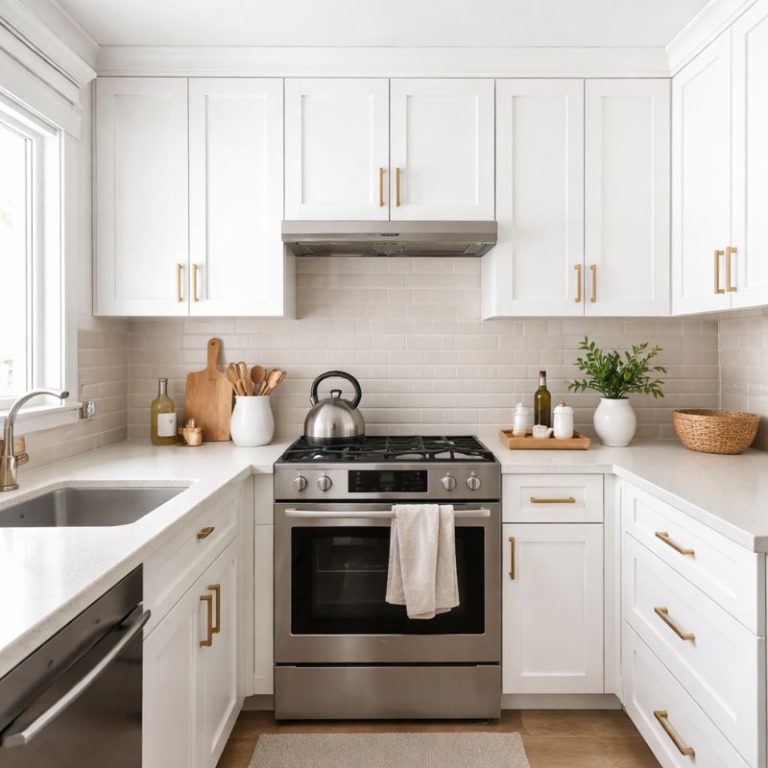
Neutral colors are the backbone of transitional interiors. Shades like beige, cream, taupe, soft gray, and off-white create a calm canvas. These tones allow modern and traditional elements to coexist naturally without visual conflict, making spaces feel cohesive and elegant.
3. Transitional Home Décor Through Balanced Furniture Choices

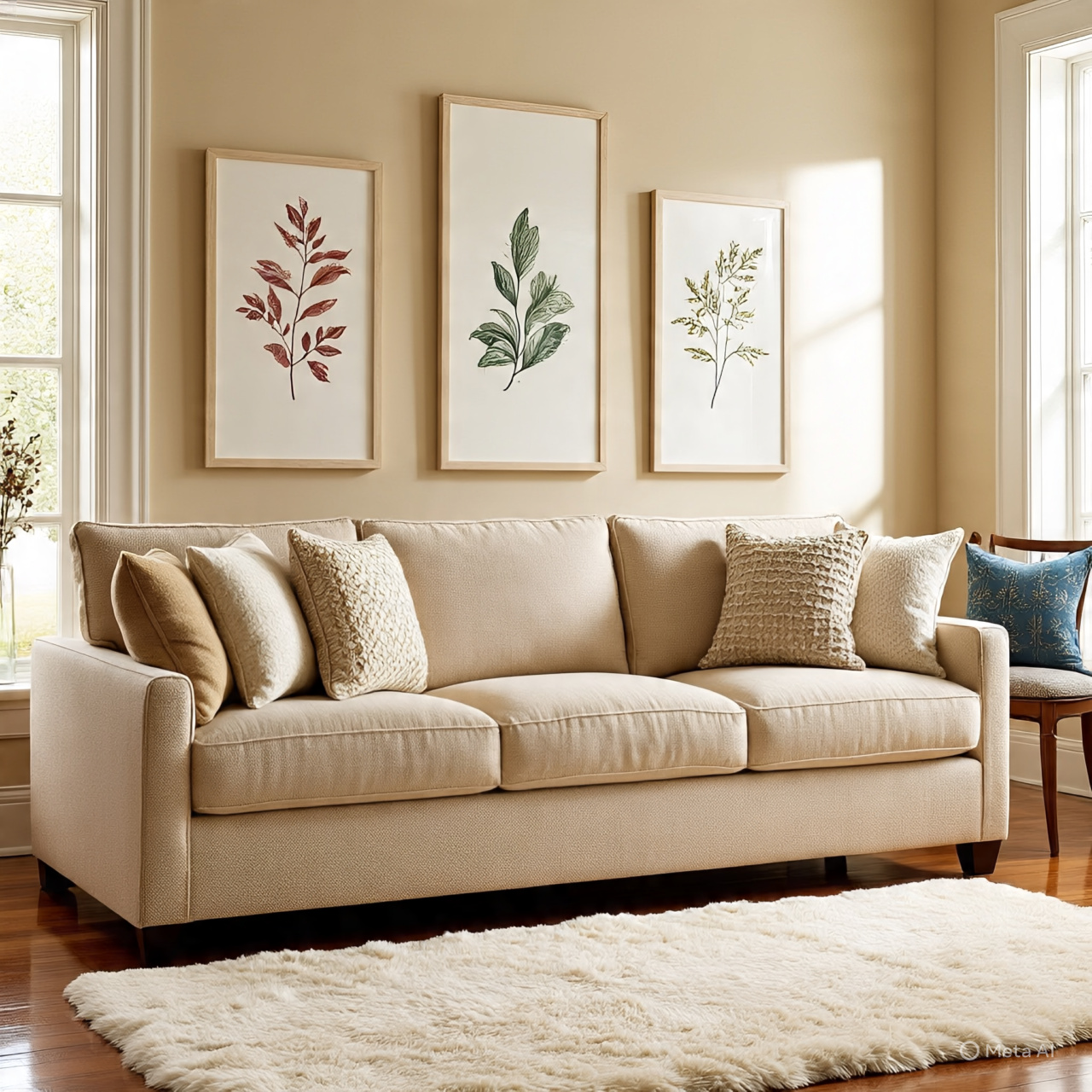
Furniture in Transitional Home-Décor often features classic silhouettes with simplified detailing. Think upholstered sofas with clean lines, timeless armchairs in neutral fabrics, and wooden tables with subtle modern finishes. This balance ensures comfort while maintaining a contemporary edge.
4. Mixing Modern and Classic Materials

Material selection plays a key role in transitional spaces. Smooth surfaces like glass and metal pair beautifully with wood, stone, and soft fabrics. This thoughtful mix adds depth and richness while keeping the overall design grounded and refined.
5. Transitional Home Décor in Lighting Design

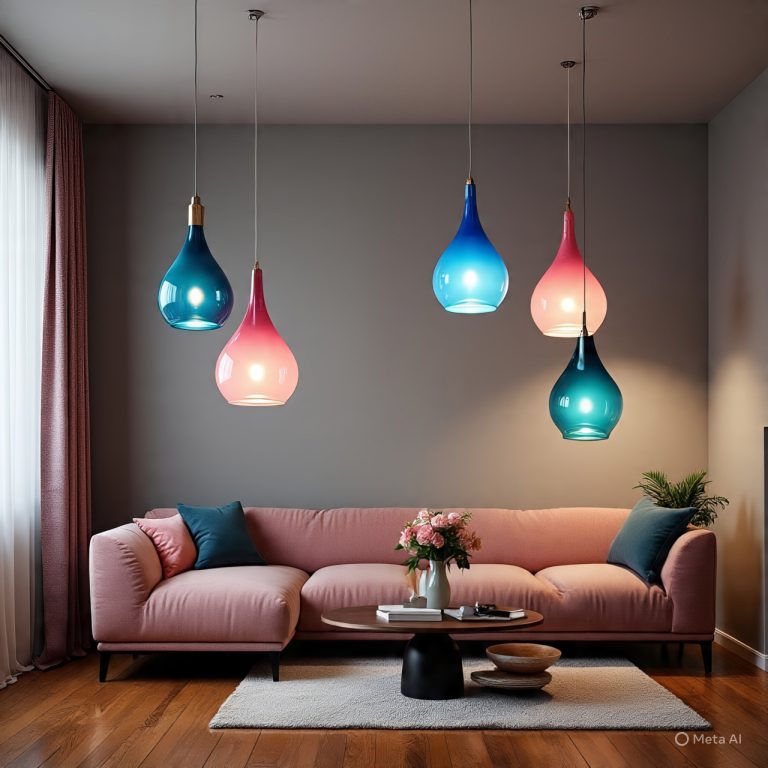
Lighting bridges modern and classic styles effortlessly. Simple chandeliers, elegant pendant lights, and soft wall sconces provide both function and atmosphere. In Transitional Home-Décor, lighting is never overly decorative or stark—it is balanced, warm, and purposeful.
6. Texture as a Design Connector
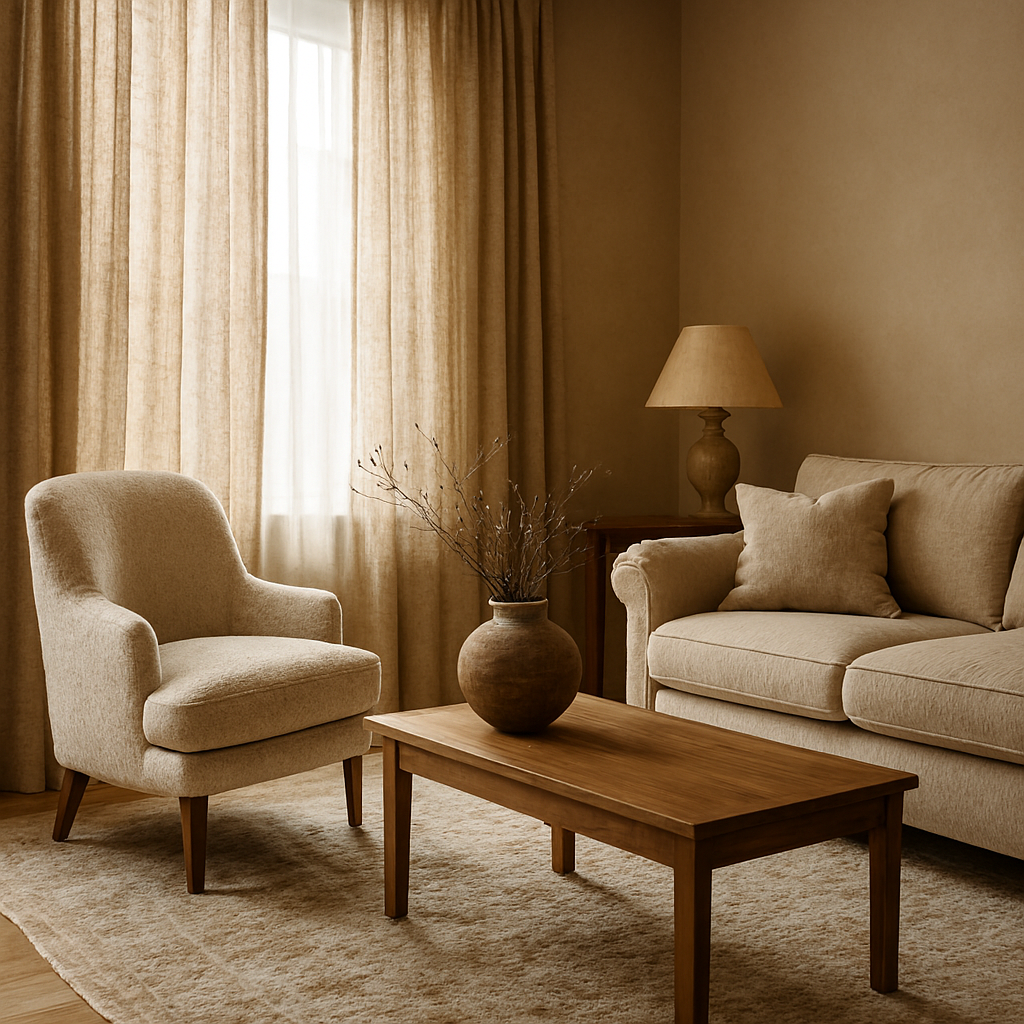
Texture helps soften clean lines and add visual interest. Layering textiles such as linen curtains, plush rugs, and cushioned seating creates warmth. These elements prevent modern features from feeling cold and allow traditional influences to feel lighter and more current.
7. Transitional Home Décor Through Thoughtful Accessories
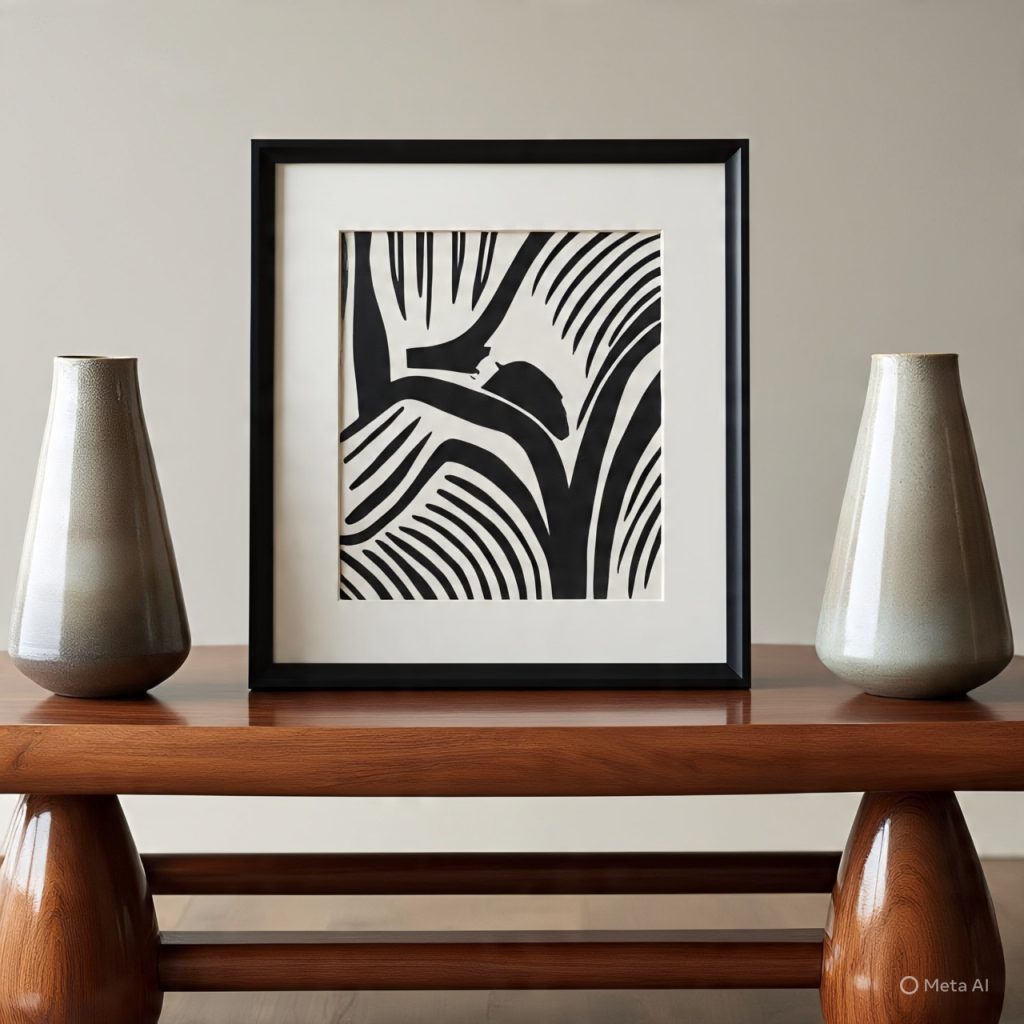
Accessories in transitional interiors are minimal but intentional. Decorative items like ceramic vases, framed artwork, or sculptural objects are chosen for quality rather than quantity. This approach ensures that Transitional Home-Décor remains uncluttered yet visually engaging.
8. Subtle Patterns Instead of Bold Prints

Instead of loud patterns, transitional spaces favor subtle designs such as soft stripes, gentle geometrics, or understated textures. These patterns add character without overpowering the room, helping maintain visual harmony between modern and classic influences.
9. Transitional Home Décor for Open-Plan Living

Open-plan homes benefit greatly from transitional design. Consistent color palettes, repeated materials, and unified furniture styles help define zones without creating separation. This makes Transitional Home-Décor especially suitable for modern lifestyles that value openness and flow.
10. Wall Treatments That Feel Timeless

Walls in transitional homes are often simple yet elegant. Neutral paint, subtle paneling, or lightly textured wallpapers add depth without distraction. Artwork is carefully scaled and placed to enhance the space rather than dominate it.
11. Storage That Blends Seamlessly

Clean, integrated storage solutions keep transitional interiors looking organized. Built-in cabinets, concealed shelving, and furniture with hidden storage maintain visual calm while supporting everyday functionality—an essential part of refined home design.
12. Transitional Home Décor as a Long-Term Style Choice

Unlike trend-driven designs, Transitional Home Décor ages gracefully. Its adaptability allows homeowners to update accessories or finishes over time without redesigning the entire space. This flexibility makes it a smart, sustainable choice for long-term living.
Final Thoughts:
A well-designed home does not need to choose between modern innovation and classic elegance. Transitional Home Décor proves that balance is the key to timeless beauty. By blending clean lines, neutral palettes, warm textures, and thoughtful details, this style creates interiors that feel sophisticated, comfortable, and enduring—perfect for homes designed to evolve with life.
In my experience, small and consistent efforts lead to the best results over time. Use this guide as your foundation, adapt it to your needs, and move forward with confidence.