Home Décor Mistakes That Ruin Even Well-Designed Houses.
A beautifully designed house can still feel uncomfortable, cluttered, or incomplete if certain design fundamentals are ignored. Many homeowners invest in quality furniture and stylish décor but unknowingly make common home decor mistakes that diminish the overall impact of their space. From poor lighting choices to incorrect furniture scale, these issues can disrupt harmony and functionality. Understanding and avoiding these mistakes helps transform a house into a refined, balanced, and inviting home.
1. Poor Furniture Placement.
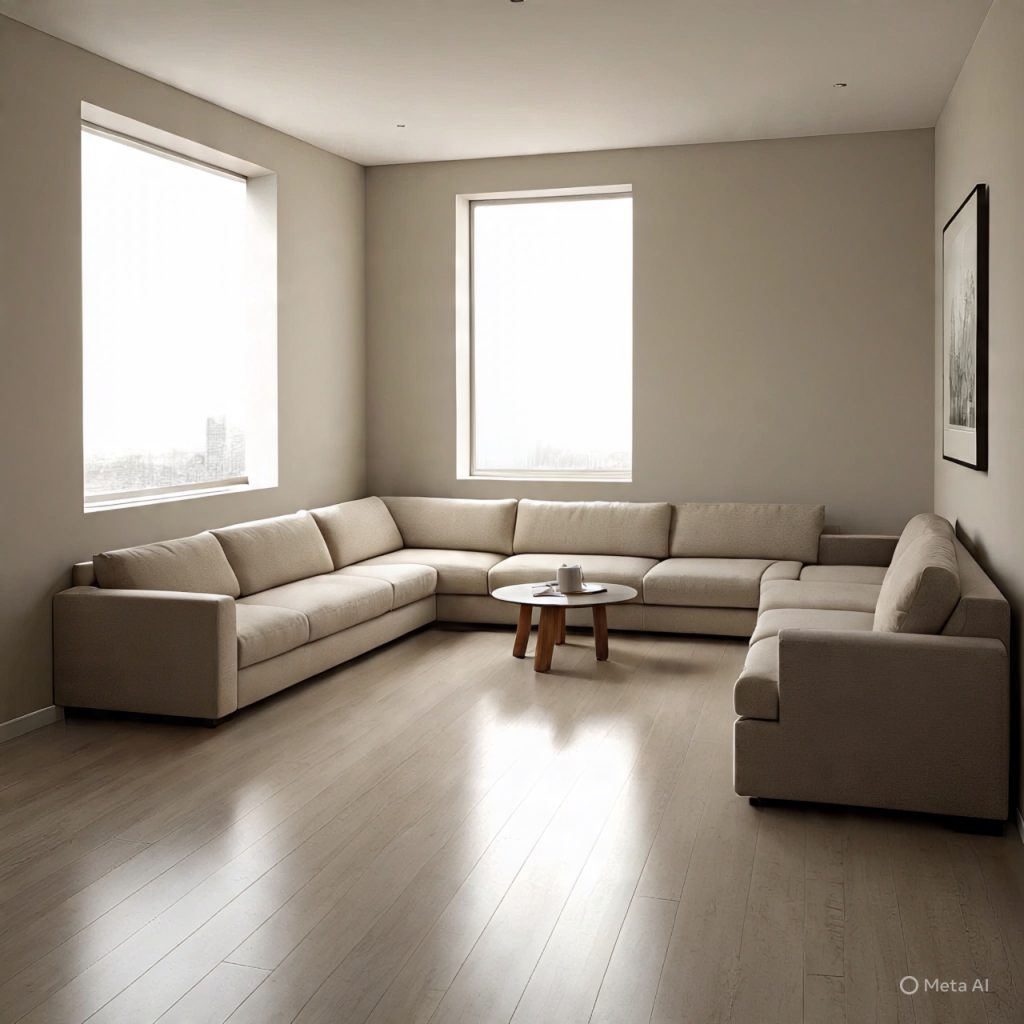
Furniture placement plays a crucial role in how a room functions and feels. When furniture blocks pathways or is pushed awkwardly against walls, the space loses flow and comfort.
Solution: Arrange furniture to encourage conversation, movement, and visual balance while maintaining clear walkways.
2. Ignoring Proper Lighting Layers.
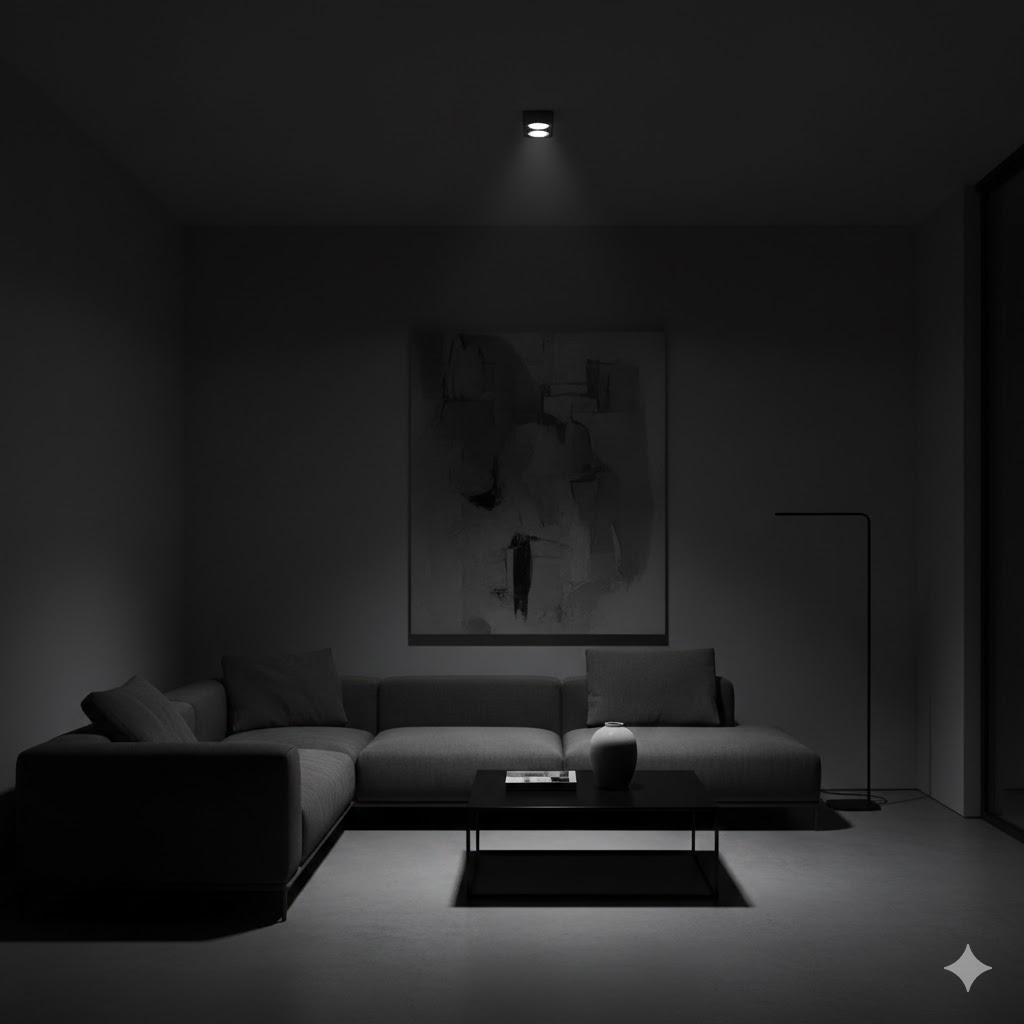
One of the most common home decor mistakes is relying on a single overhead light. This creates harsh shadows and flat interiors.
Fix: Use layered lighting—ambient, task, and accent lighting—to add warmth, depth, and functionality to every room.
3. Overcrowding the Space with Décor.
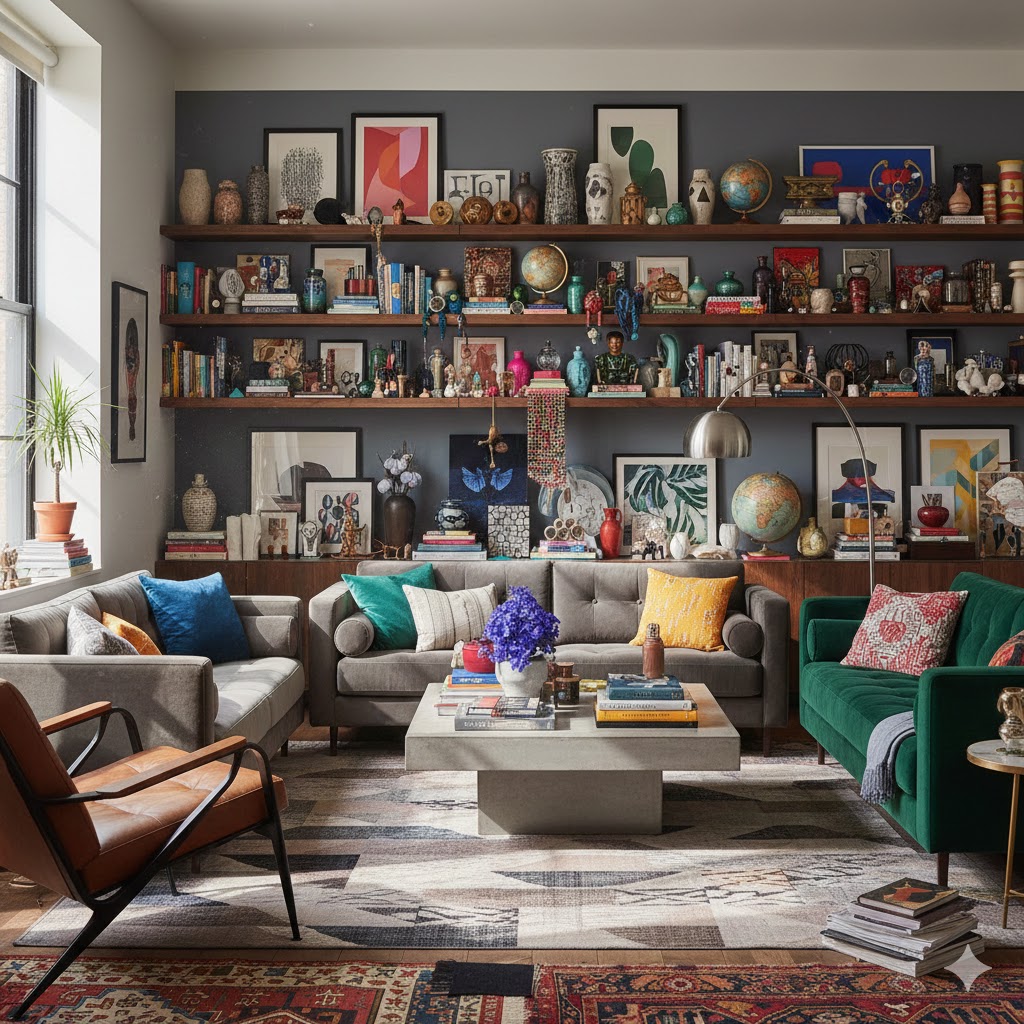
Too many decorative items make even large rooms feel chaotic. Excess décor distracts from key design elements and overwhelms the senses.
Rule: Curate your décor thoughtfully and allow negative space to highlight important pieces.
4. Choosing the Wrong Color Palette.
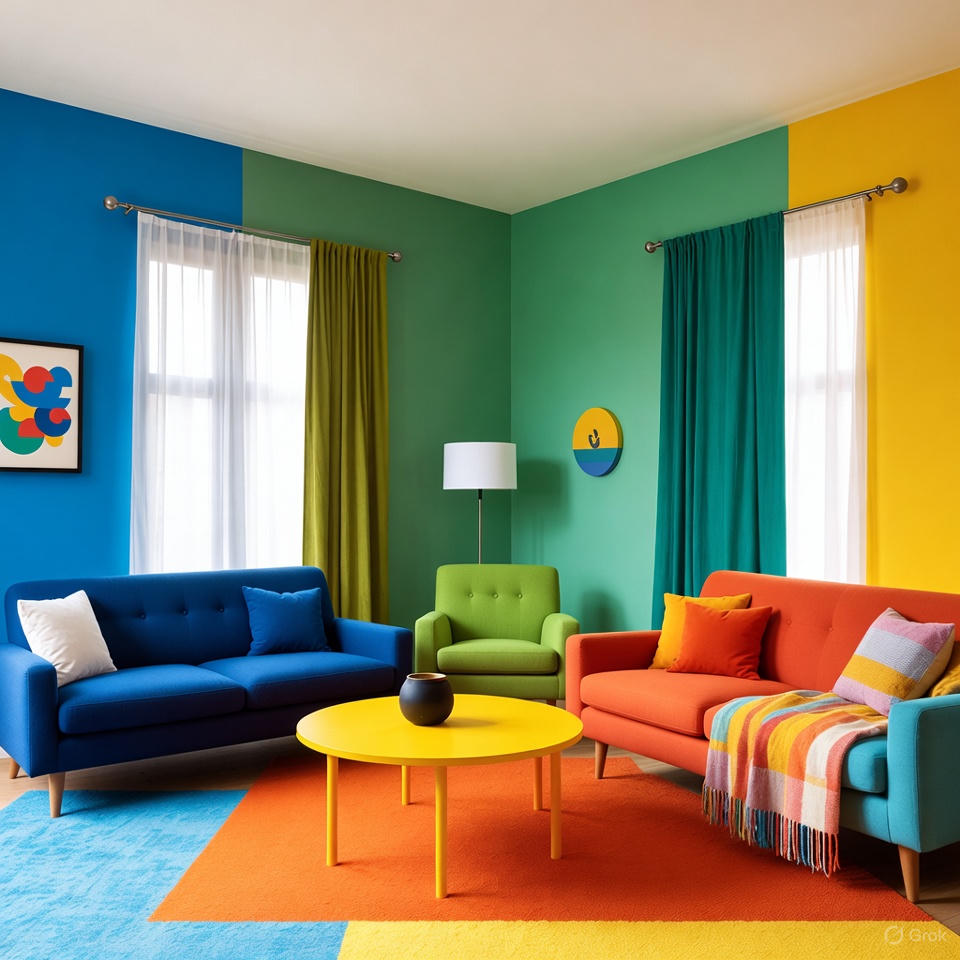
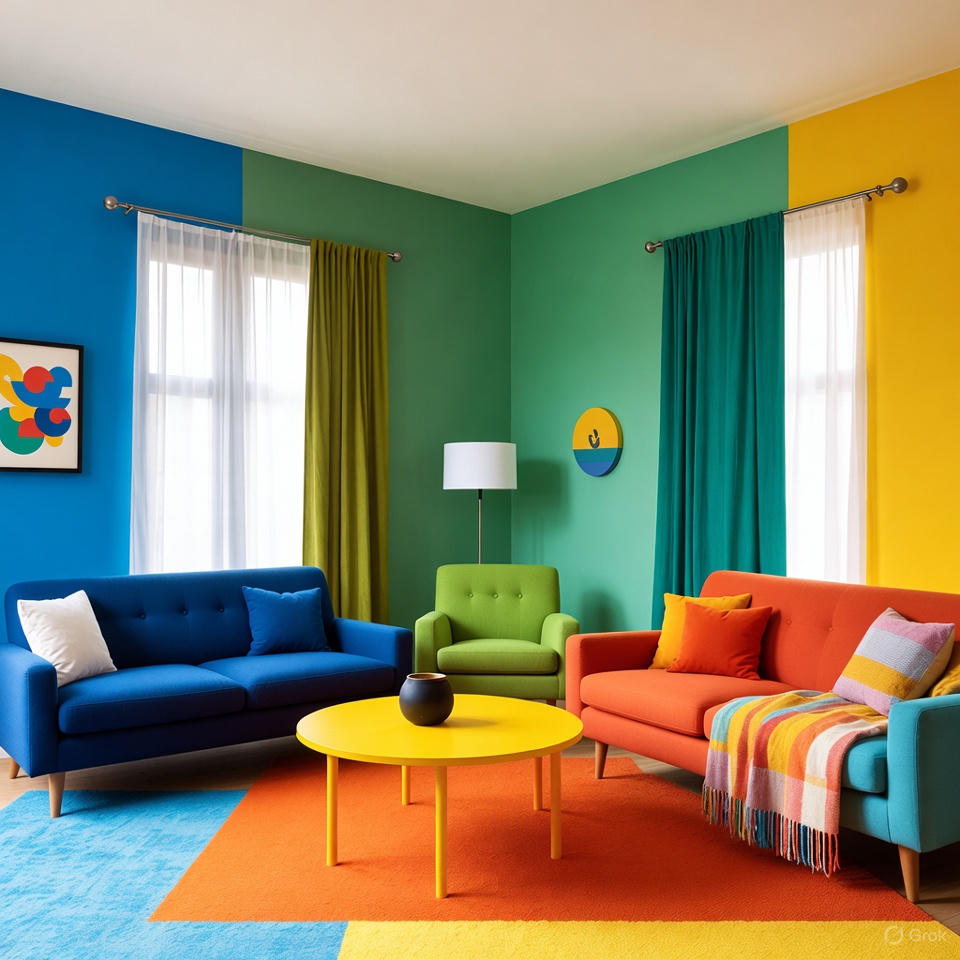
Color has a strong emotional and visual impact. Poorly chosen colors can make rooms feel smaller, darker, or unbalanced.
Best Practice: Stick to a cohesive color palette with neutral bases and carefully selected accent shades.
5. Ignoring Scale and Proportion.
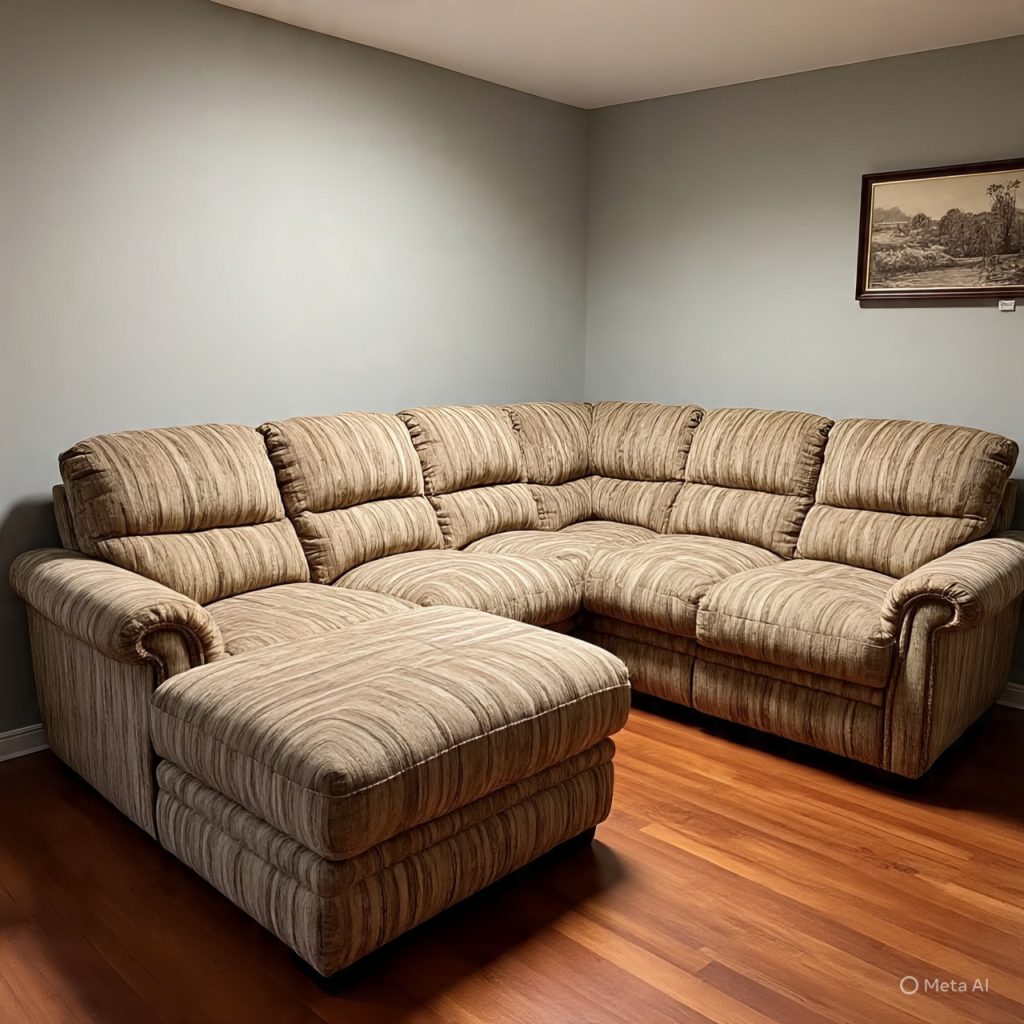
Oversized sofas in small rooms or tiny rugs in large spaces disrupt visual harmony. This is a subtle yet damaging home decor mistakes.
Tip: Always consider room size and ceiling height when selecting furniture and accessories.
6. Hanging Artwork Incorrectly.
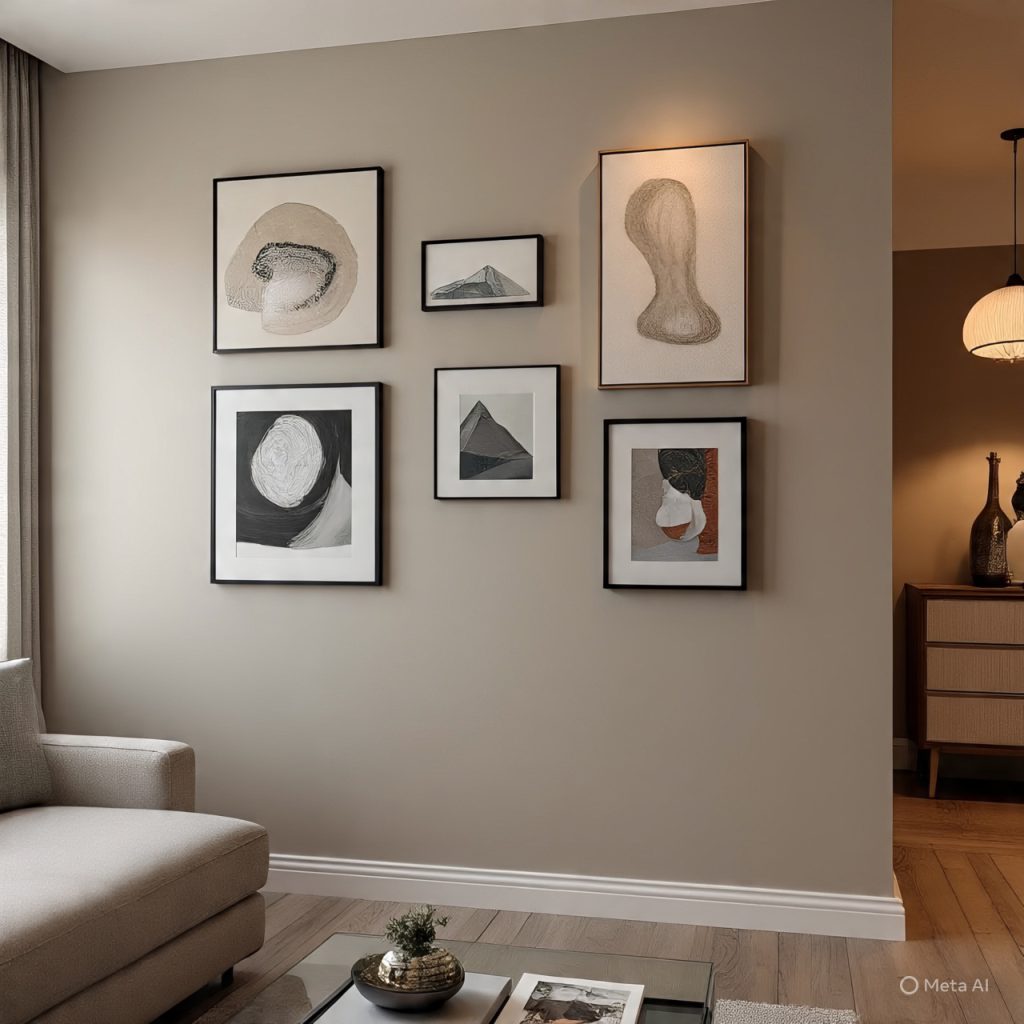
Artwork placed too high or scattered randomly across walls creates visual disconnect.
Guideline: Hang artwork at eye level and group pieces thoughtfully to maintain balance and flow.
7. Neglecting Smart Storage Solutions.
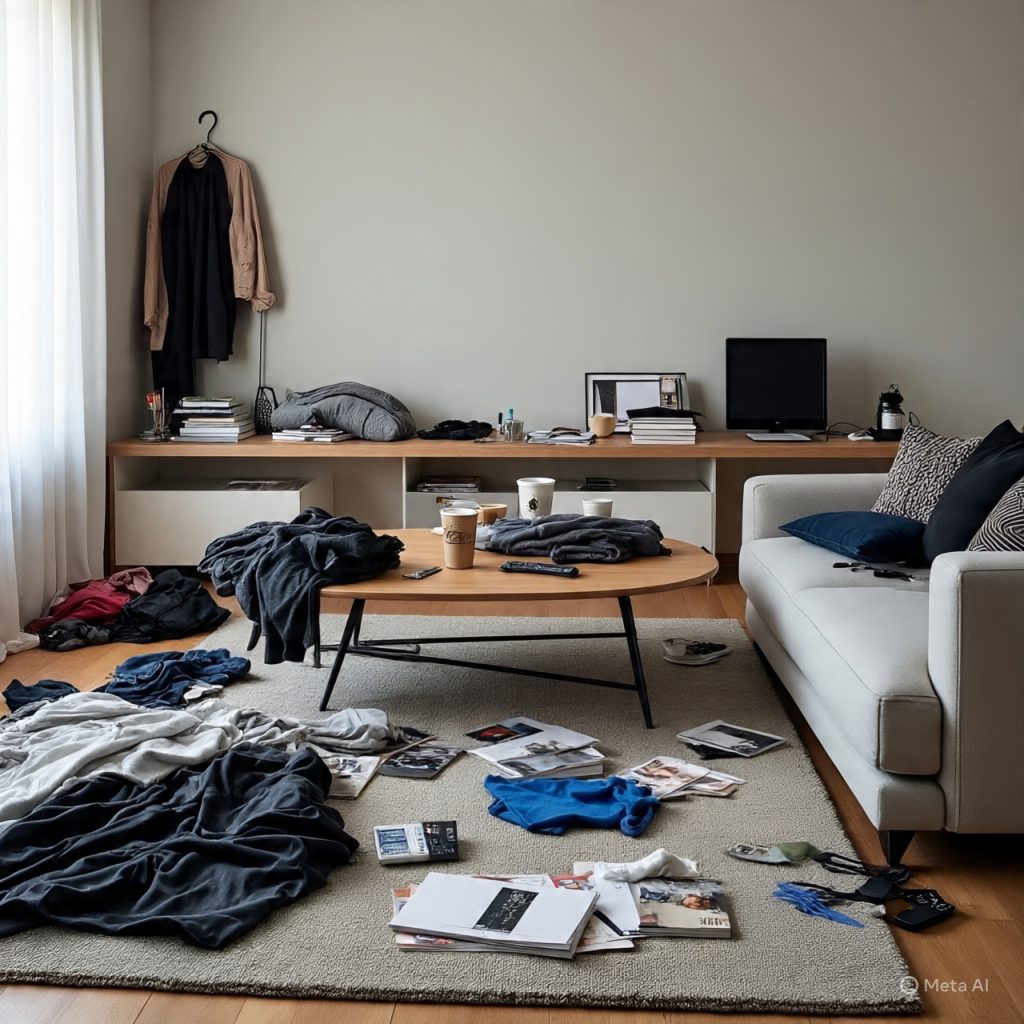
A lack of storage is one of the most common home decor mistakes, as clutter can instantly ruin even the most stylish interiors.
Solution: Use built-in cabinets, hidden compartments, and multifunctional furniture to maintain clean surfaces and better organization. Thoughtful storage planning prevents visual chaos and keeps the design refined and balanced.
8. Mixing Too Many Design Styles.
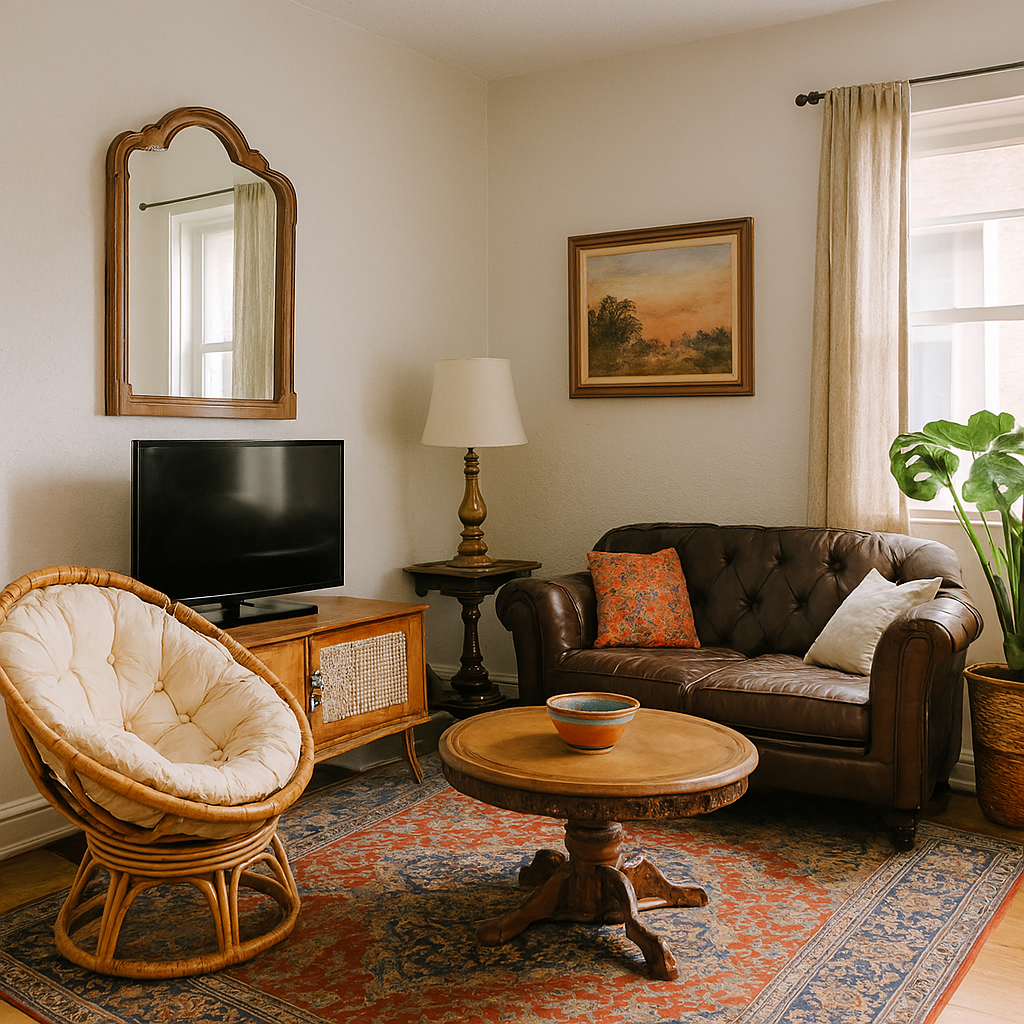
Blending multiple styles without intention results in visual confusion. This is one of the most overlooked home decor mistakes.
Advice: Choose one primary style and subtly layer secondary elements for a cohesive look.
9. Forgetting the Importance of Texture.
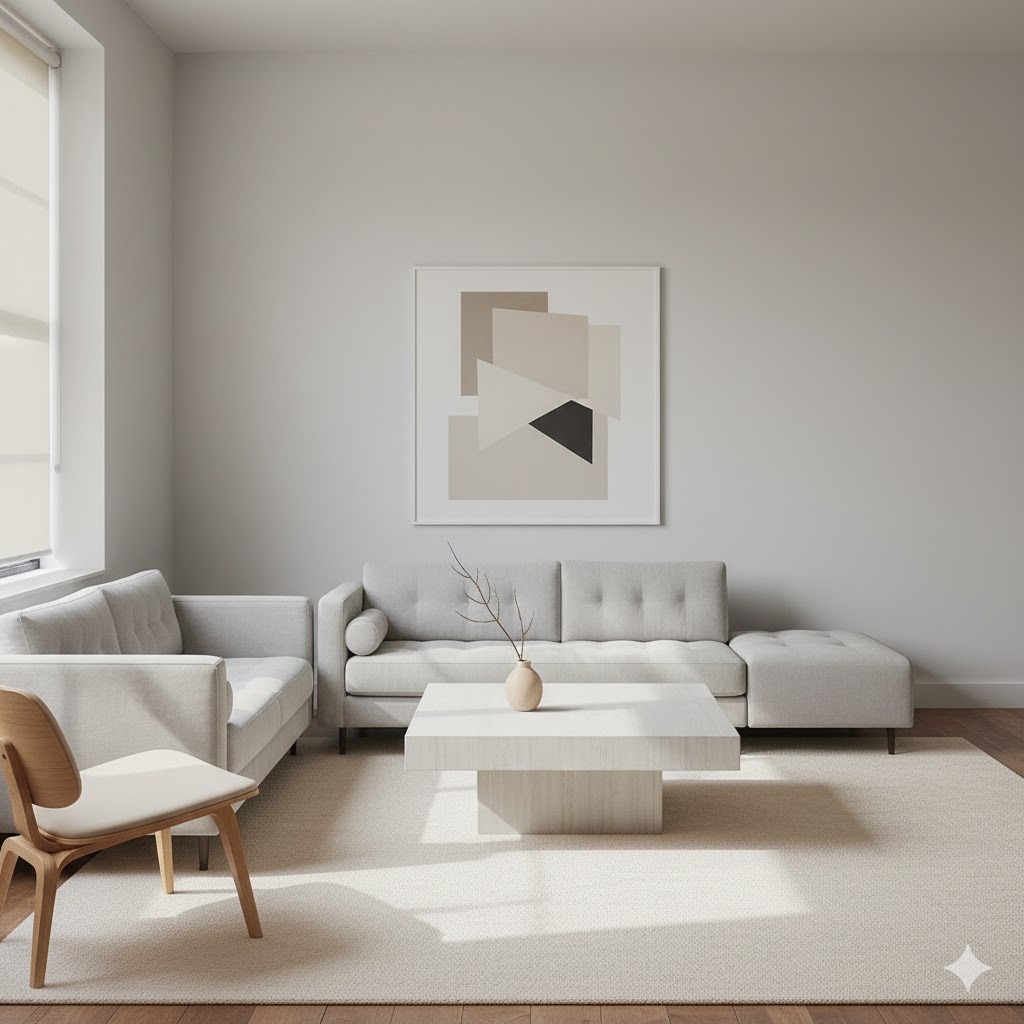
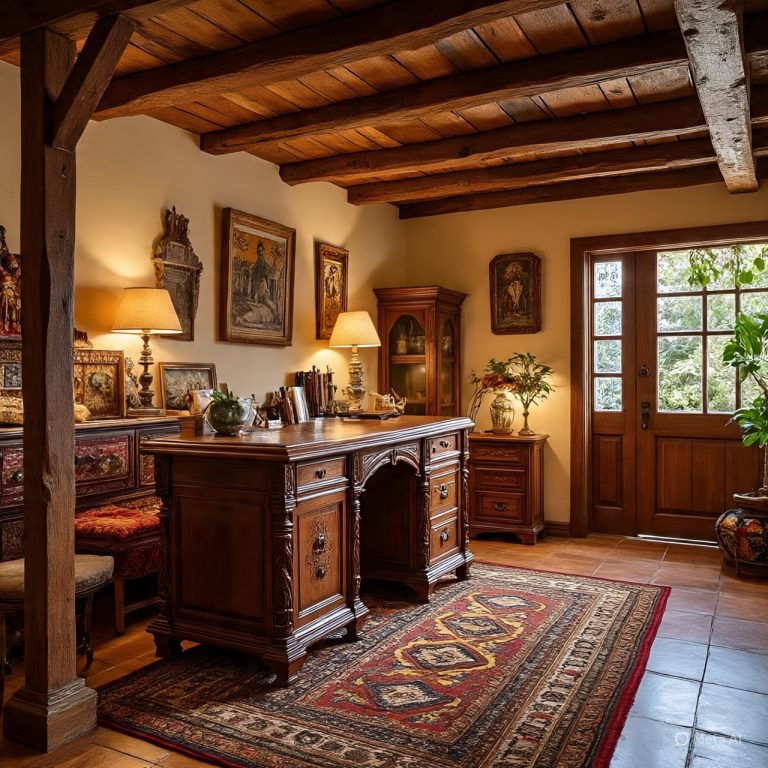
Introducing natural elements like wood, stone, or plants adds organic warmth and dimension to a space. However, ignoring scale and placement is one of the most common home decor mistakes. Skilled designers create depth by integrating these elements at different levels—such as tall plants, low wooden tables, or textured stone sculptures. When layered thoughtfully, natural textures complement interior fabrics and finishes, balancing the room while enhancing its visual richness.
10. Rugs That Are Too Small.
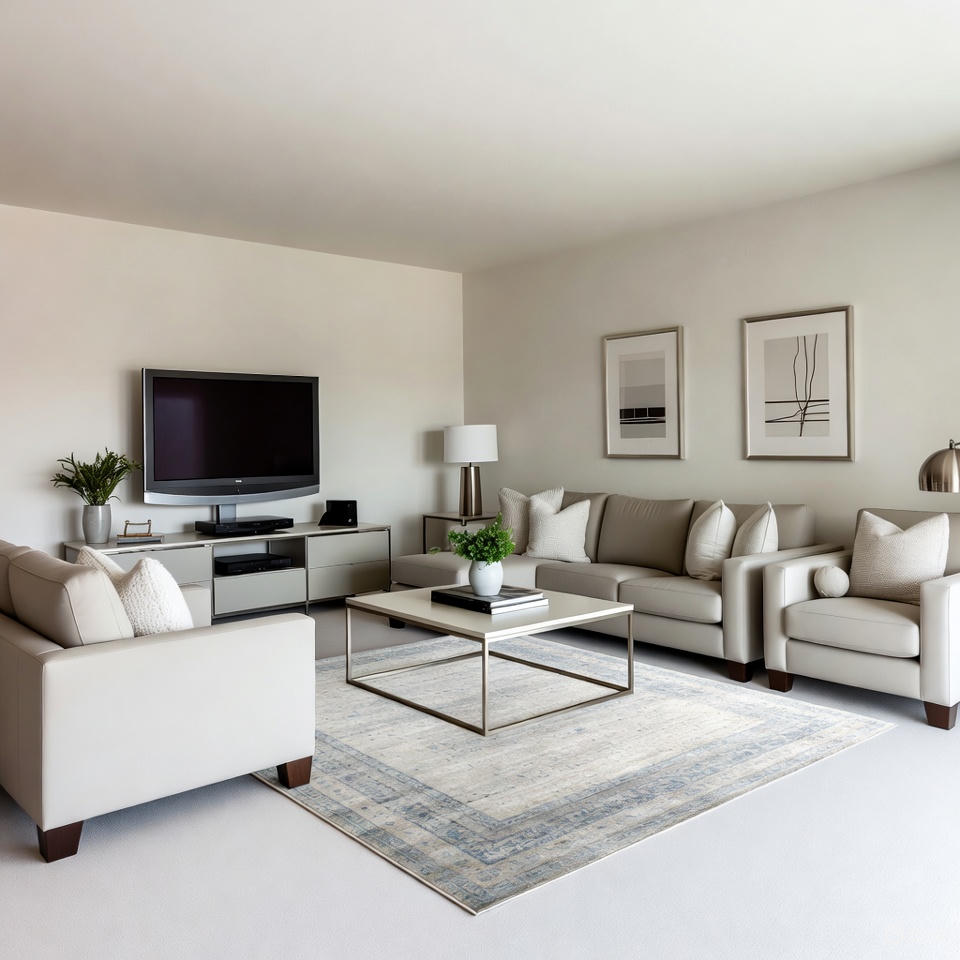
Every layered room needs a clear focal point, and overlooking this is among the frequent home decor mistakes that make spaces feel scattered. Designers create depth by directing attention to one or two key elements, such as a statement sofa, a curated gallery wall, or a distinctive light fixture. Intentional focal points prevent chaos, provide visual structure, and allow surrounding layers to harmonize within the overall design composition.
11. Overlooking Window Treatments.
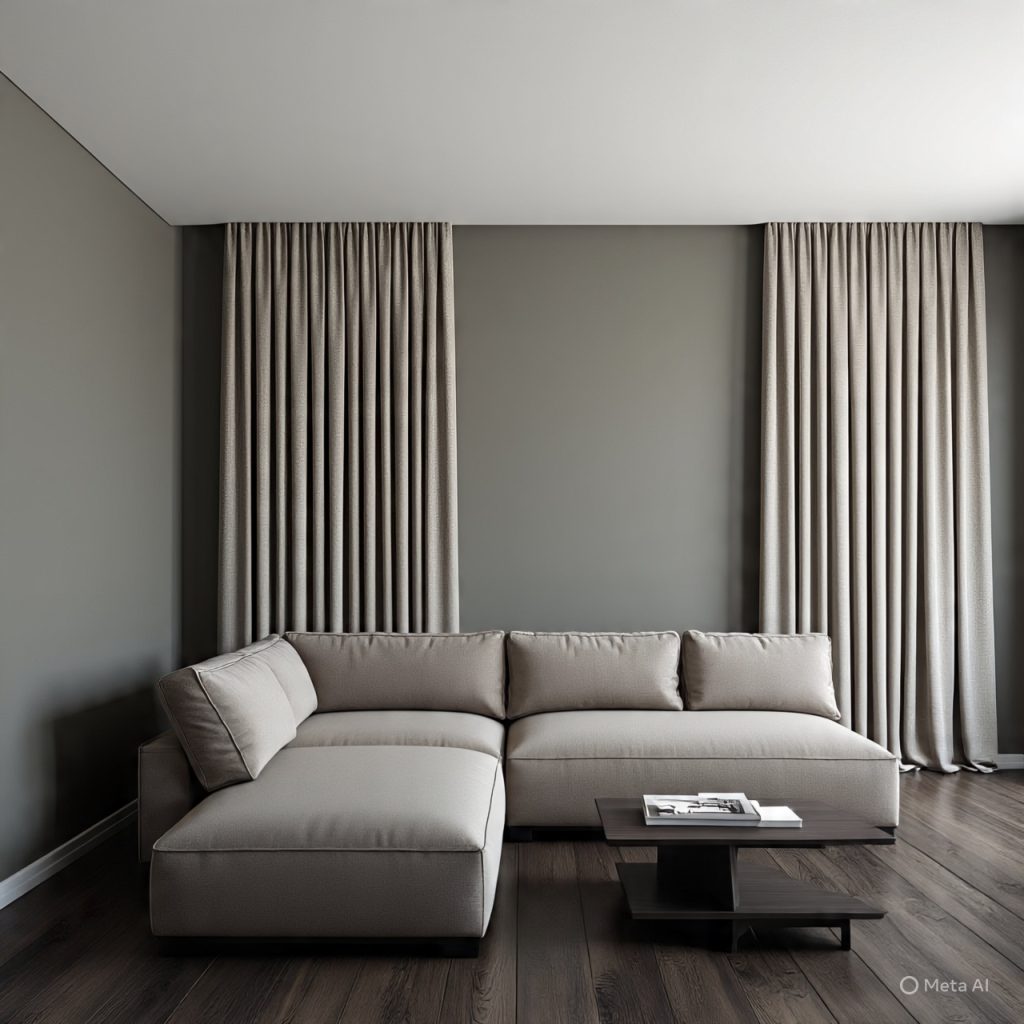
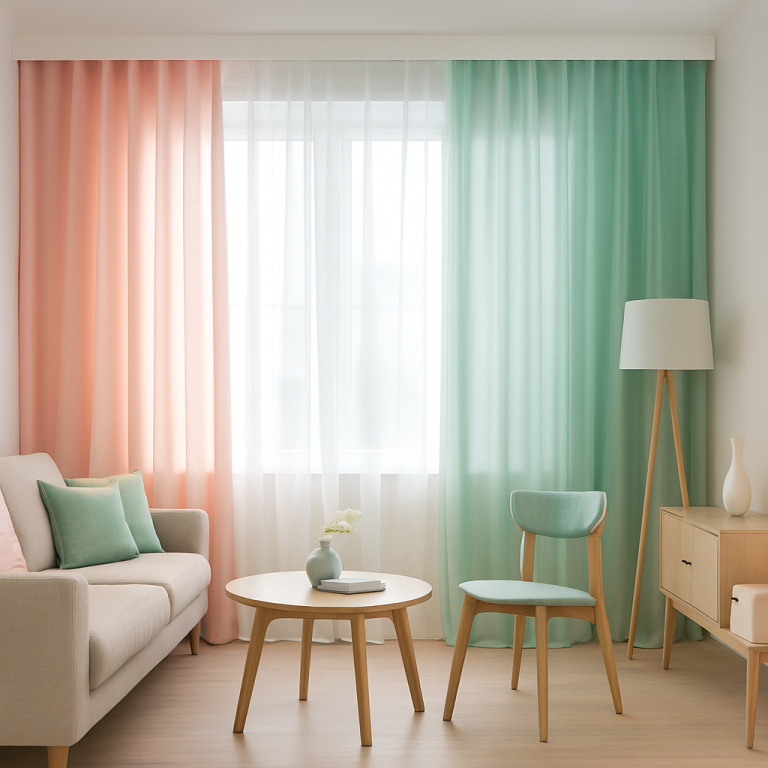
Choosing the wrong curtain length or hanging them too low is another frequent home decor mistakes issue that affects natural light, height perception, and overall elegance.
Tip: Hang curtains close to the ceiling and select fabrics that complement the room’s style and lighting needs. Proper placement enhances vertical space and creates a polished, cohesive look
12. Ignoring Personal Identity in Design.
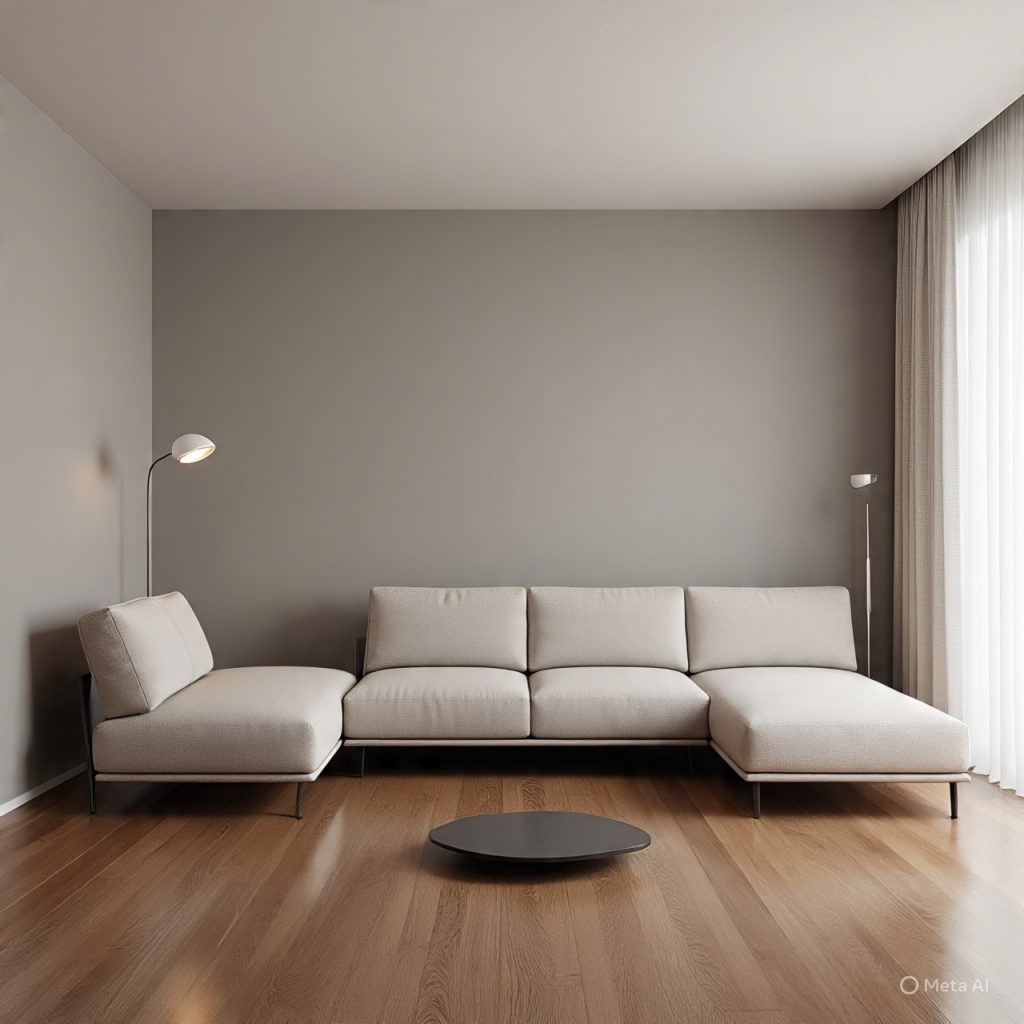
Copying trends without personalization makes a home feel staged and impersonal—another major home decor mistake.
Solution: Incorporate meaningful elements like artwork, books, heirlooms, or travel pieces to give your home character.
Final Thoughts:
A well-designed home is not about following every trend or filling every corner. It’s about balance, intention, and avoiding common home decor mistakes that disrupt comfort and harmony. When furniture, lighting, color, texture, and storage work together, a space feels calm, functional, and timeless. True design success lies in creating a home that not only looks beautiful but also feels right to live in.
Home decor is not just about appearance—it’s about creating a space that truly feels comfortable and functional. In my experience, when colors, lighting, and layout are balanced, the environment naturally feels better.
Instead of following every trend, focus on choices that match your lifestyle. Simple and functional design always lasts longer and feels more practical.
Use this home decor guide as a starting point, adjust it to your needs, and keep improving your space over time.
Related Topics:
- https://www.houzz.com/photos/home-decor-ideas-phbr0-bp~t_718https://www.architecturaldigest.com/story/home-decor-trends