Wall Décor Planning Based on Room Proportions
Introduction
Wall décor is not just about filling empty space—it is about balance, proportion, and visual harmony. When wall elements are planned without considering room size and layout, even expensive décor can feel misplaced. Wall Décor Planning focuses on aligning artwork, shelves, mirrors, and accents with room proportions so walls enhance the space rather than overpower it. Thoughtful wall décor makes rooms feel taller, wider, brighter, and more intentionally designed.
1. Understand Room Scale Before Choosing Wall Décor

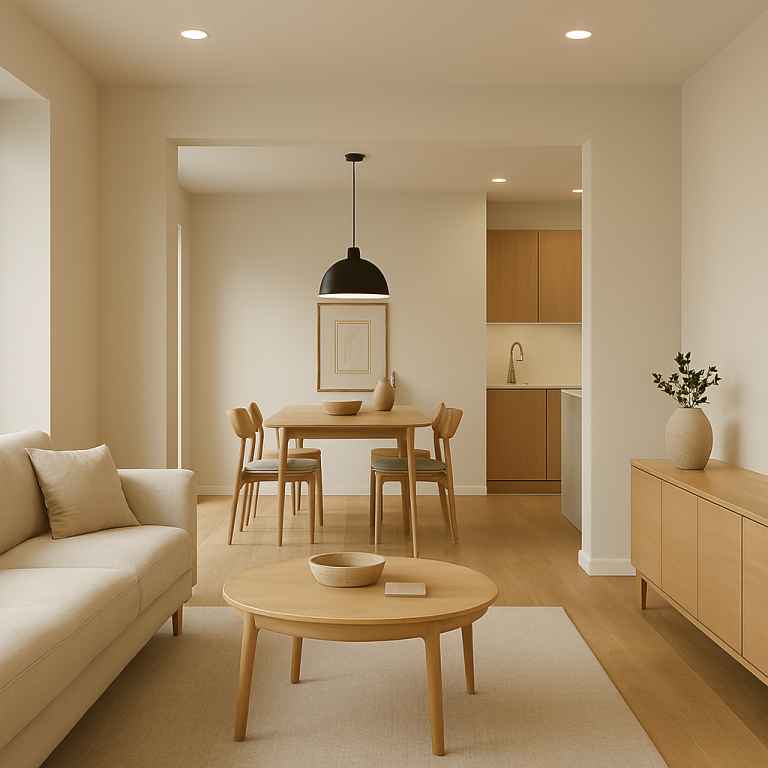
The first step in effective Wall Décor Planning is understanding the room’s scale. Large rooms can support bold artwork and wide compositions, while small rooms need lighter, more compact wall décor. Matching décor size to wall dimensions prevents visual imbalance.
2. Use Large Walls for Statement Pieces

Wide or uninterrupted walls benefit from oversized artwork, murals, or large mirrors. These elements visually anchor the space and prevent walls from feeling empty. Proper Wall Décor Planning ensures statement pieces feel intentional, not overwhelming.
3. Small Walls Need Visual Breathing Space

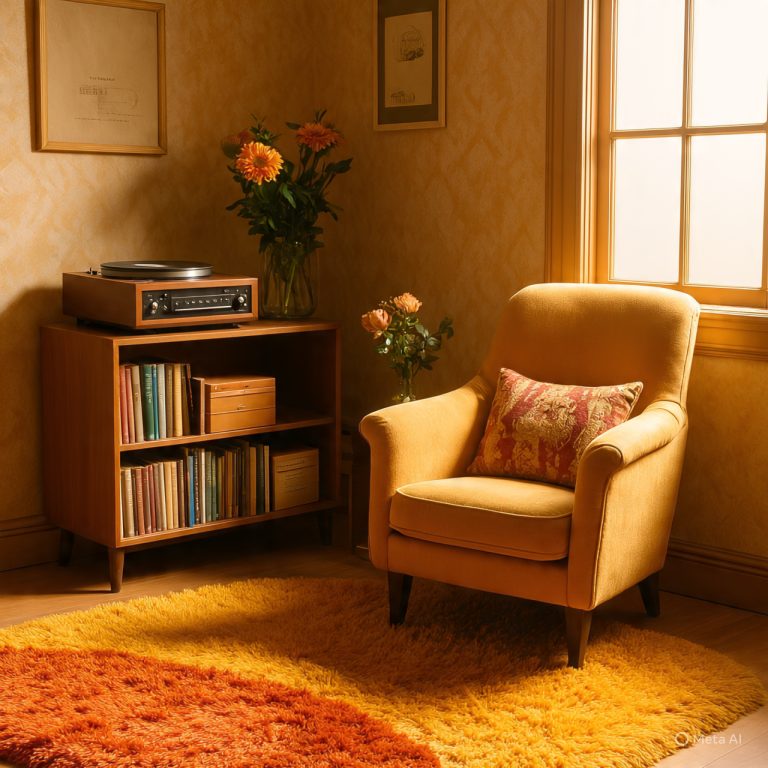
In compact rooms, too much wall décor creates clutter. One medium-sized frame, a slim shelf, or a vertical element works best. Negative space around décor allows walls to feel open and balanced.
4. Vertical Décor Makes Low Ceilings Feel Taller

Rooms with low ceilings benefit from vertical wall décor such as tall frames, narrow shelves, or vertical paneling. This Wall Décor Planning technique draws the eye upward, making ceilings appear higher and spaces more open.
5. Horizontal Arrangements Widen Narrow Rooms
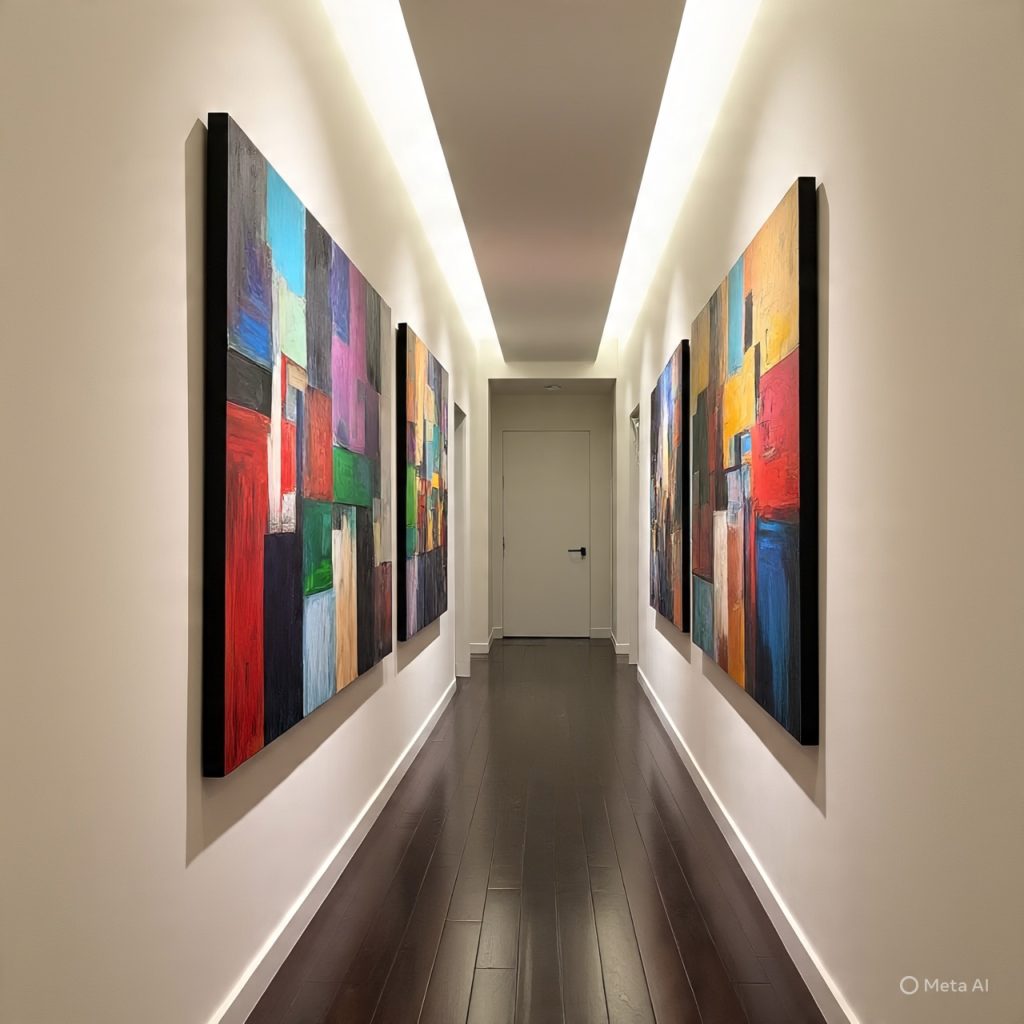
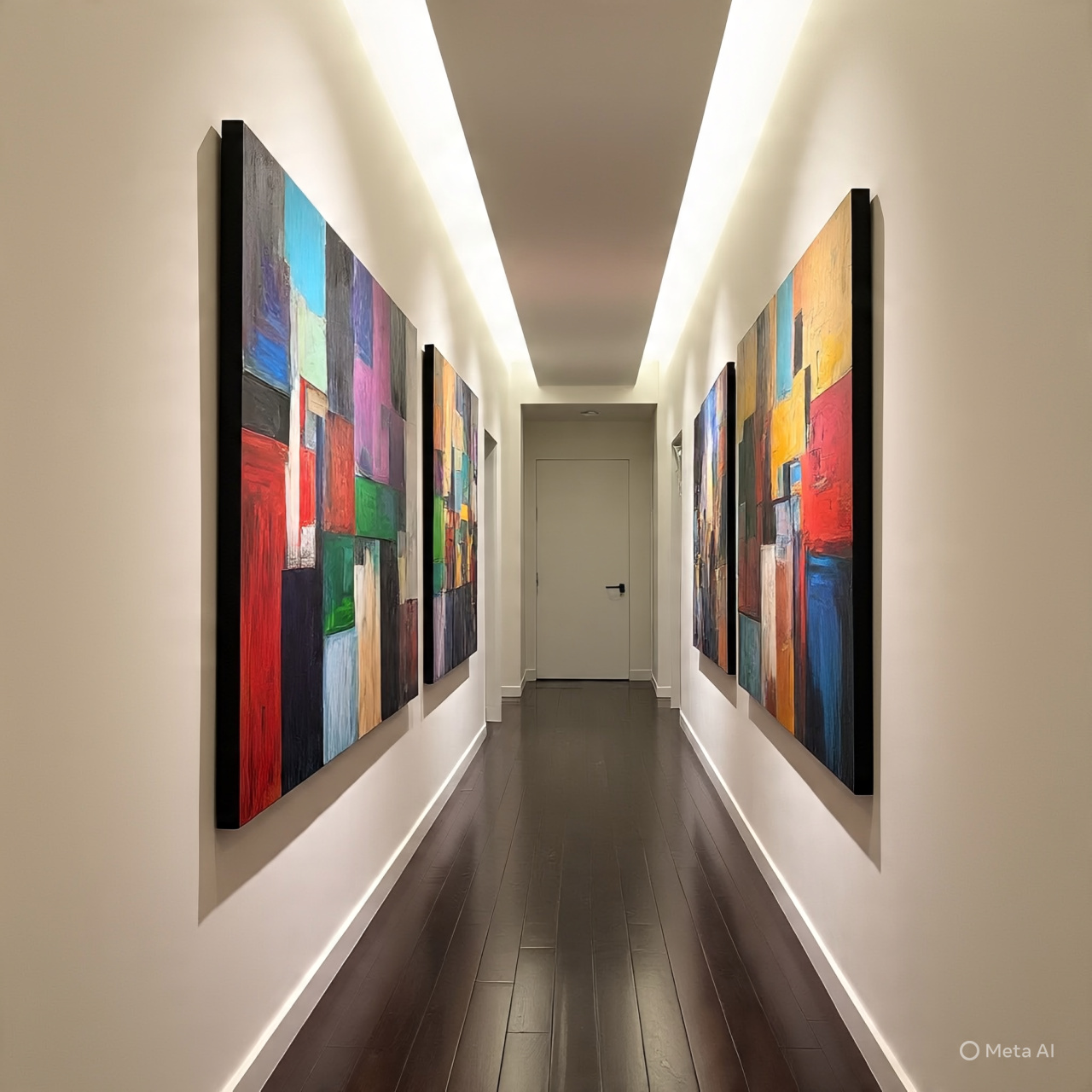
Horizontal artwork groupings, wide mirrors, or long shelves visually stretch narrow rooms. This approach is especially effective in hallways, small living rooms, and compact dining areas.
6. Gallery Walls Should Match Furniture Scale
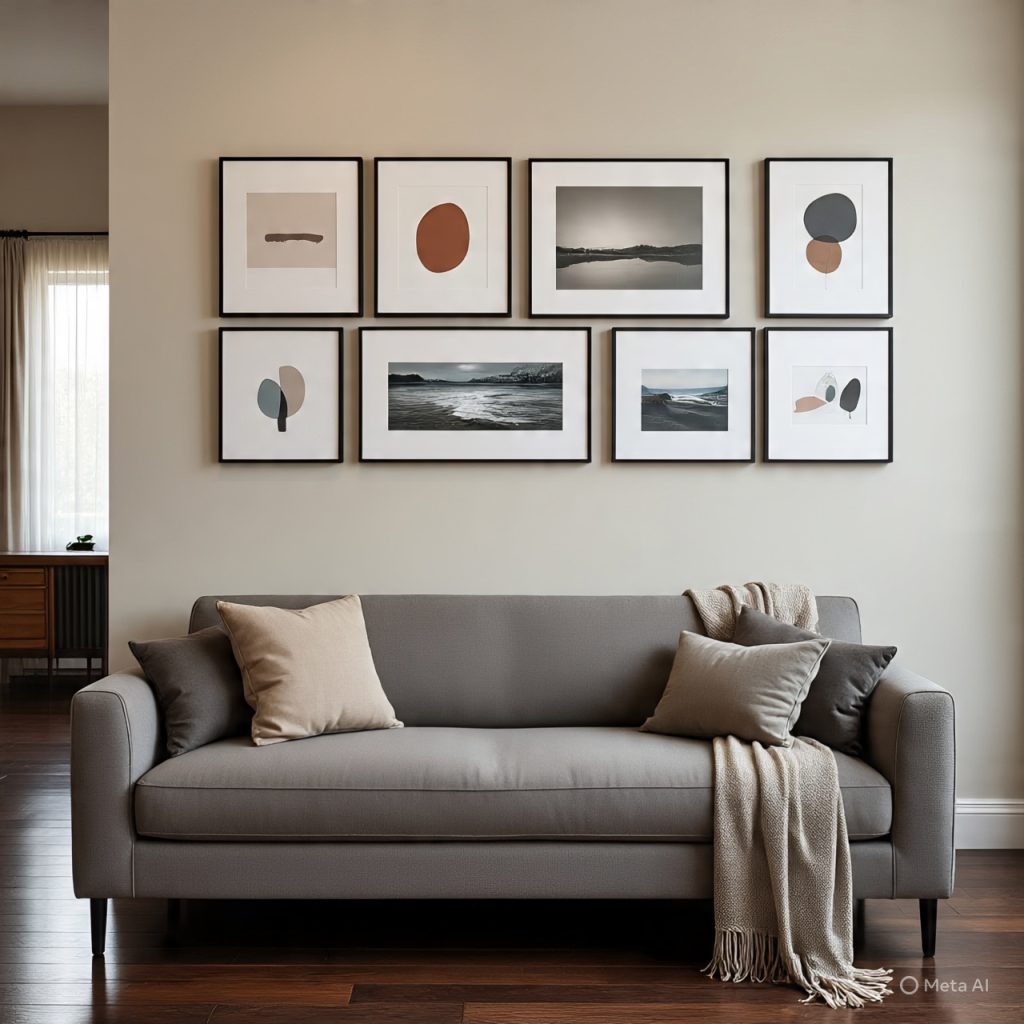
Gallery walls must relate to the furniture below them. A sofa or console should visually anchor the gallery. Balanced spacing and consistent alignment are key principles of successful Wall Décor Planning.
7. Mirrors Adjust Perceived Room Proportions
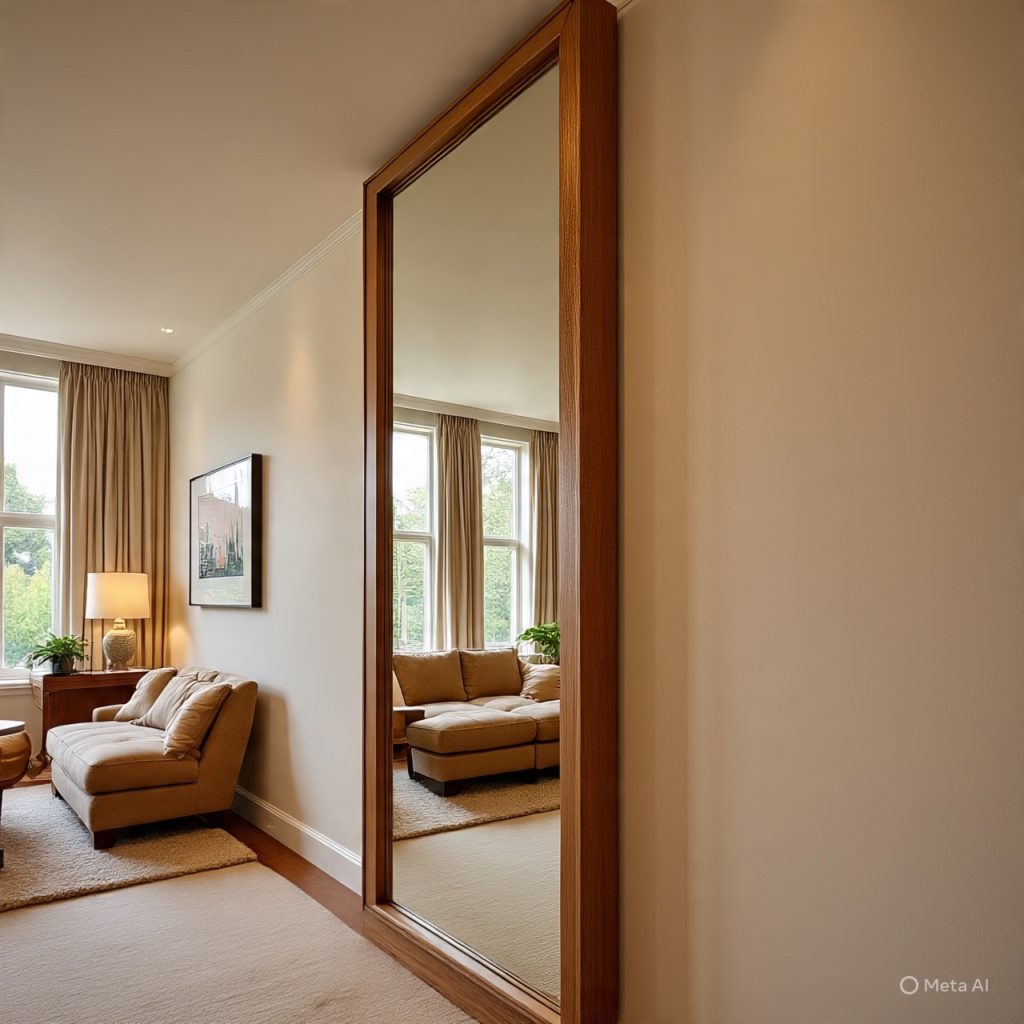
Mirrors reflect light and visually expand space. Tall mirrors enhance height, while wide mirrors add width. Choosing the right mirror size supports proportion-based wall décor design.
8. Shelving Should Respect Wall Width and Depth
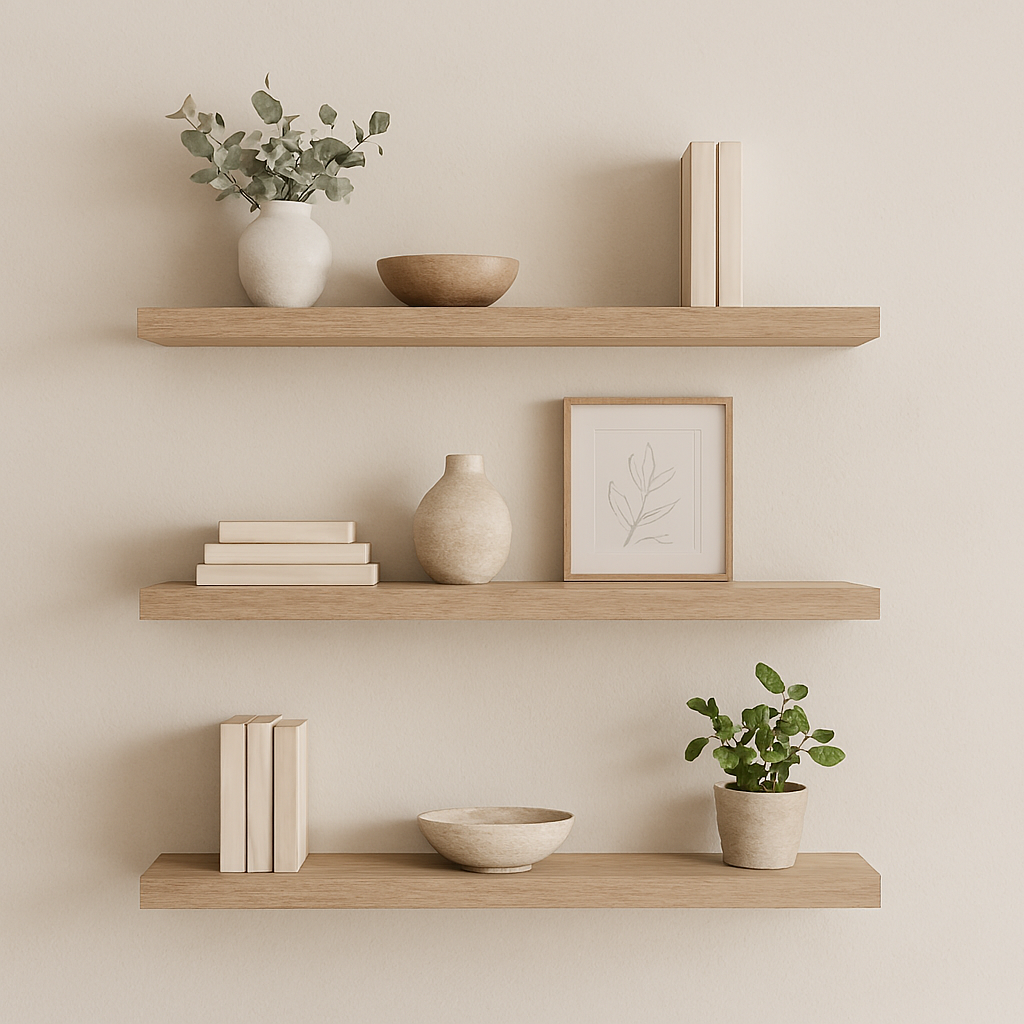
Floating shelves should align with wall width and furniture placement. Overcrowded shelves disrupt balance, while minimal styling keeps walls functional and visually light.
9. Wall Décor Placement Should Follow Eye Level

Artwork hung too high or too low breaks visual harmony. The center of wall décor should generally align with eye level. This rule keeps proportions comfortable and natural.
10. Accent Walls Need Controlled Décor
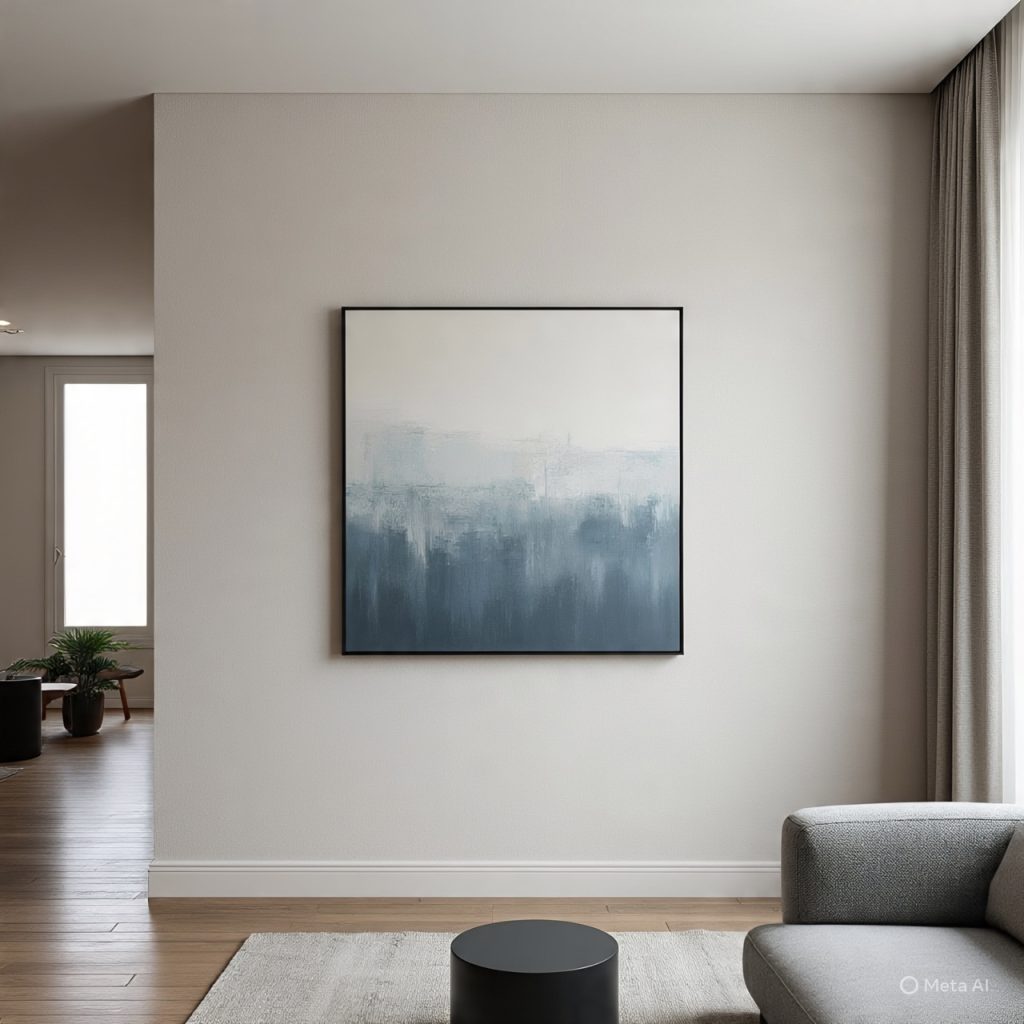
Accent walls already carry visual weight. Limiting décor on these walls prevents competition between color, texture, and accessories. Smart Wall Décor Planning ensures accent walls remain refined.
11. Lighting Enhances Wall Proportions
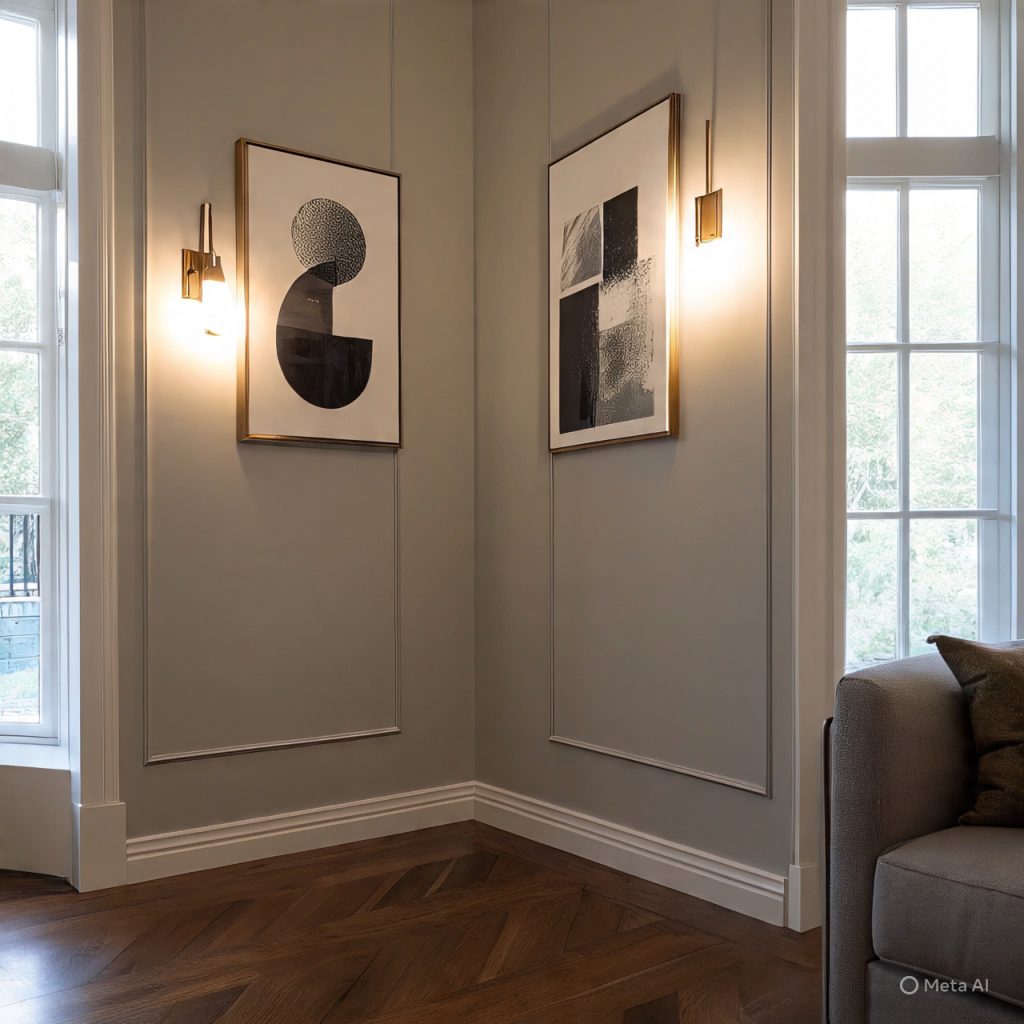
Wall sconces, picture lights, and indirect lighting highlight décor while shaping perception. Proper lighting enhances proportions and makes wall décor feel integrated into the room design.
12. Maintain Balance Between Function and Style
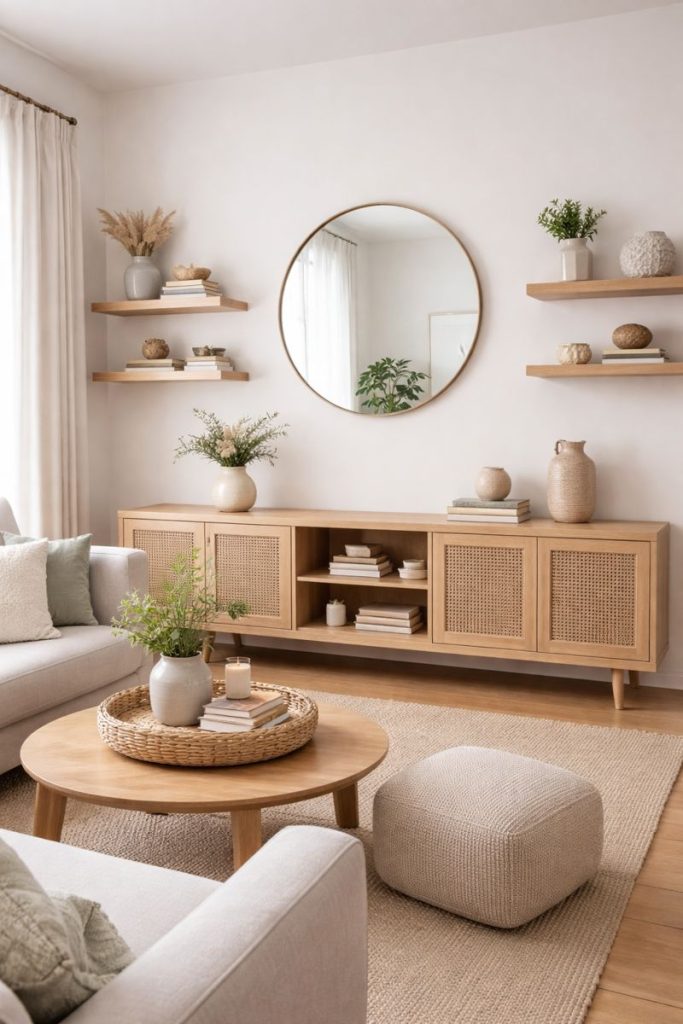
Functional wall elements like clocks, shelves, and organizers should blend seamlessly with décor. When function and aesthetics align, walls feel purposeful and visually calm.
13. Align Wall Décor With Natural Light Sources
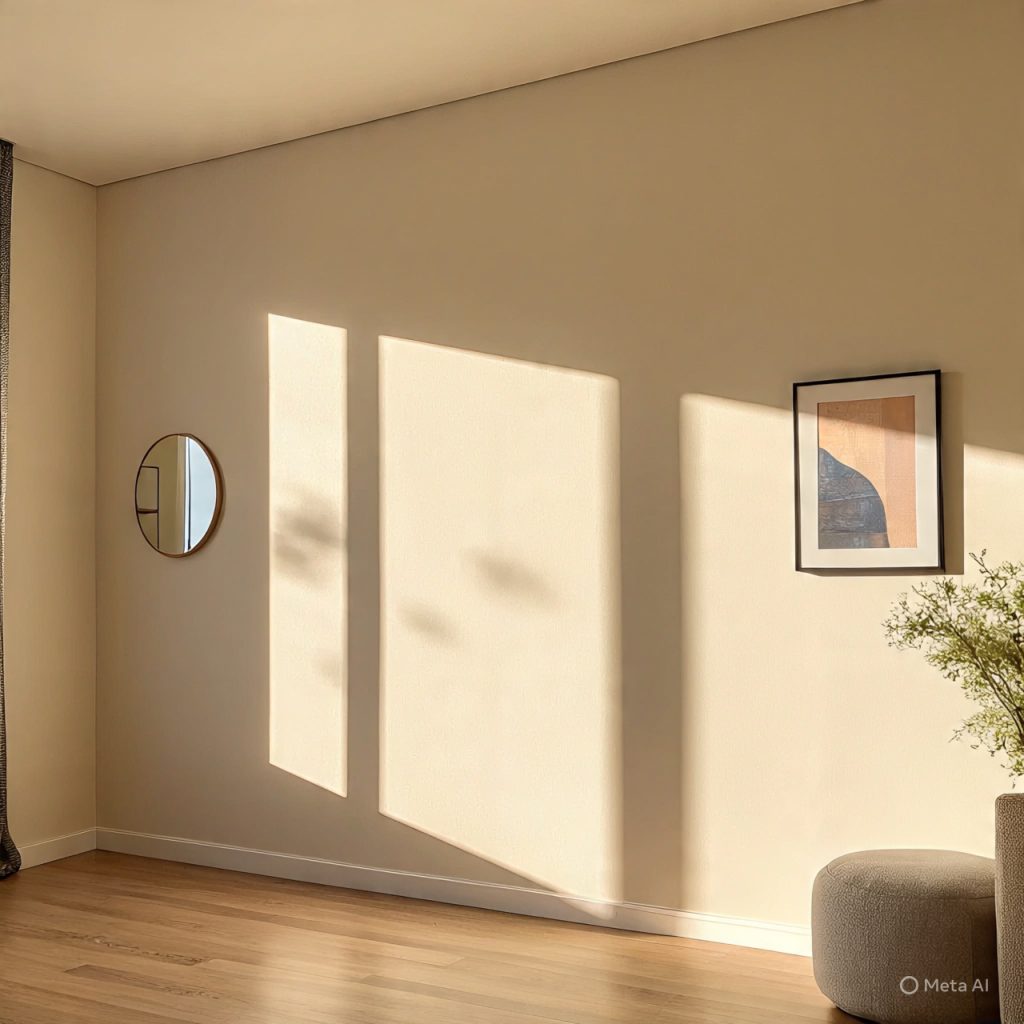
Natural light strongly influences how wall décor is perceived. Artwork, textures, and colors can appear dull or overly harsh if placed without considering sunlight direction. Thoughtful Wall Décor Planning involves positioning décor where natural light enhances rather than distorts visual balance. Placing mirrors opposite windows increases brightness, while avoiding glare on artwork maintains comfort. When wall décor works with light, rooms feel more open, balanced, and visually refined throughout the day
Final Thoughts
Well-designed walls are the result of intention, not excess. By understanding scale, spacing, and alignment, Wall Décor Planning transforms ordinary rooms into balanced, visually pleasing spaces. When décor respects room proportions, walls enhance comfort, style, and architectural harmony without overwhelming the interior.
In my experience, small and consistent efforts lead to the best results over time. Use this guide as your foundation, adapt it to your needs, and move forward with confidence.