Modern Small House Design: Smart Ideas for Stylish Living
Introduction to Modern Small House Design
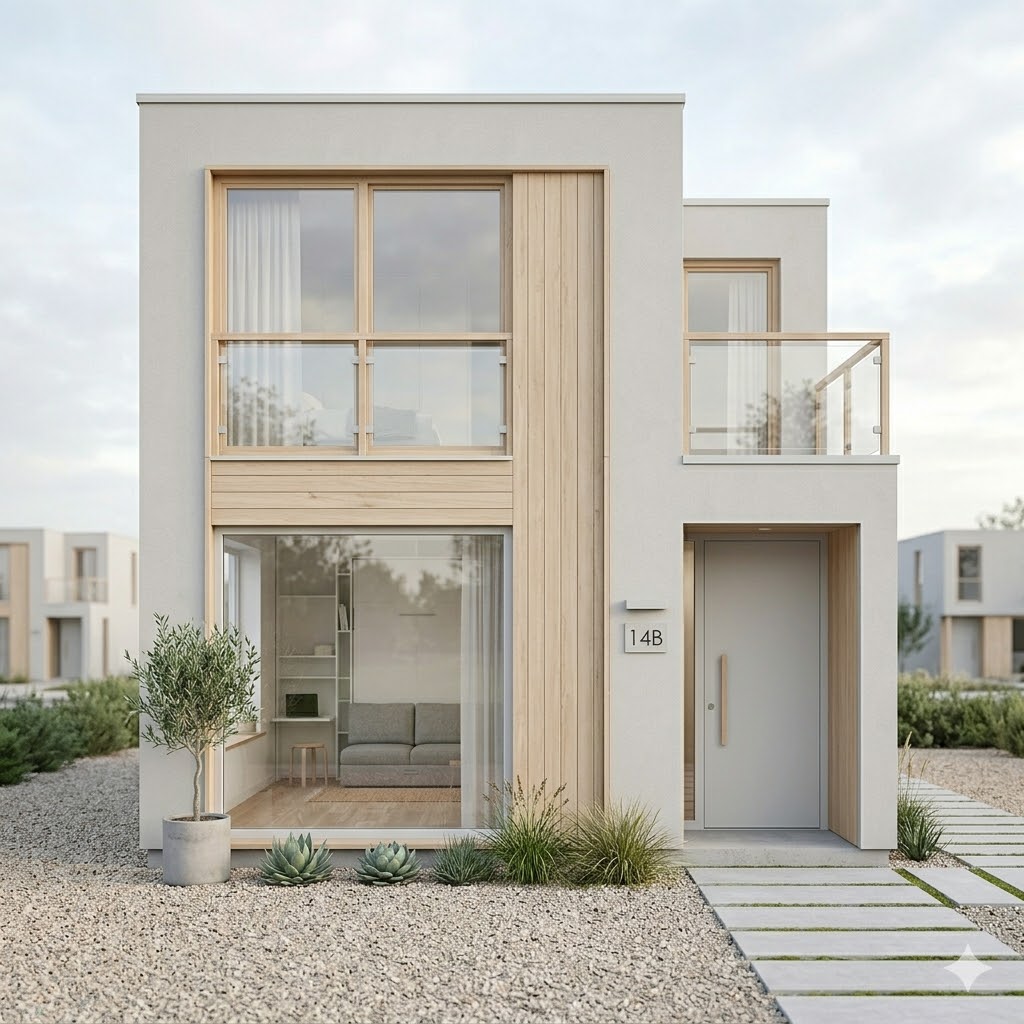
Modern small house design is becoming increasingly popular as people look for affordable, efficient, and stylish living solutions. With rising urbanization and limited space, homeowners are focusing on smart layouts that maximize functionality without compromising aesthetics. A well-designed small house can feel spacious, comfortable, and visually appealing when planned correctly.
1. Smart Space Planning in Modern Small House Design
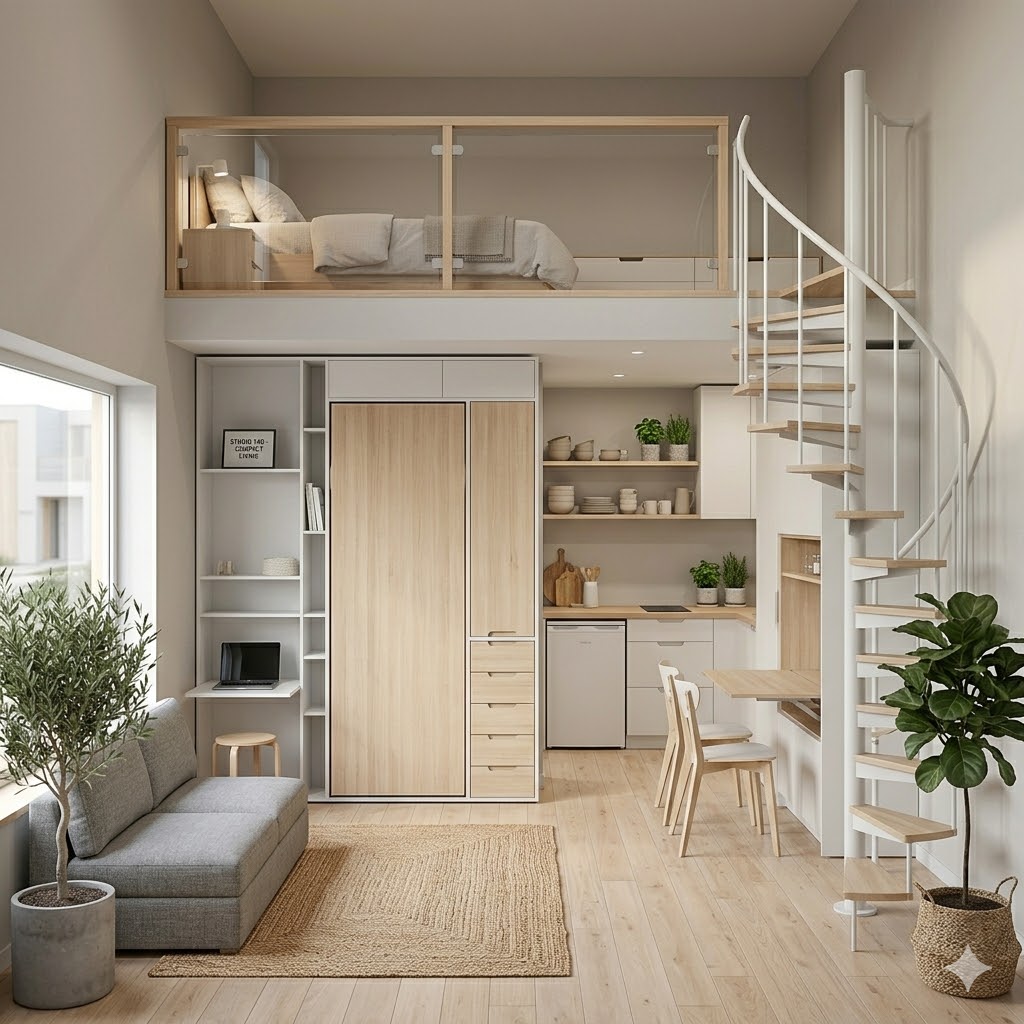
The foundation of any modern small house design is efficient space planning. Every square foot should serve a purpose. Open layouts, minimal partitions, and multi-functional areas help create a sense of openness. Smart zoning allows different activities without making the space feel crowded.
2. Open Floor Layout for Spacious Feel
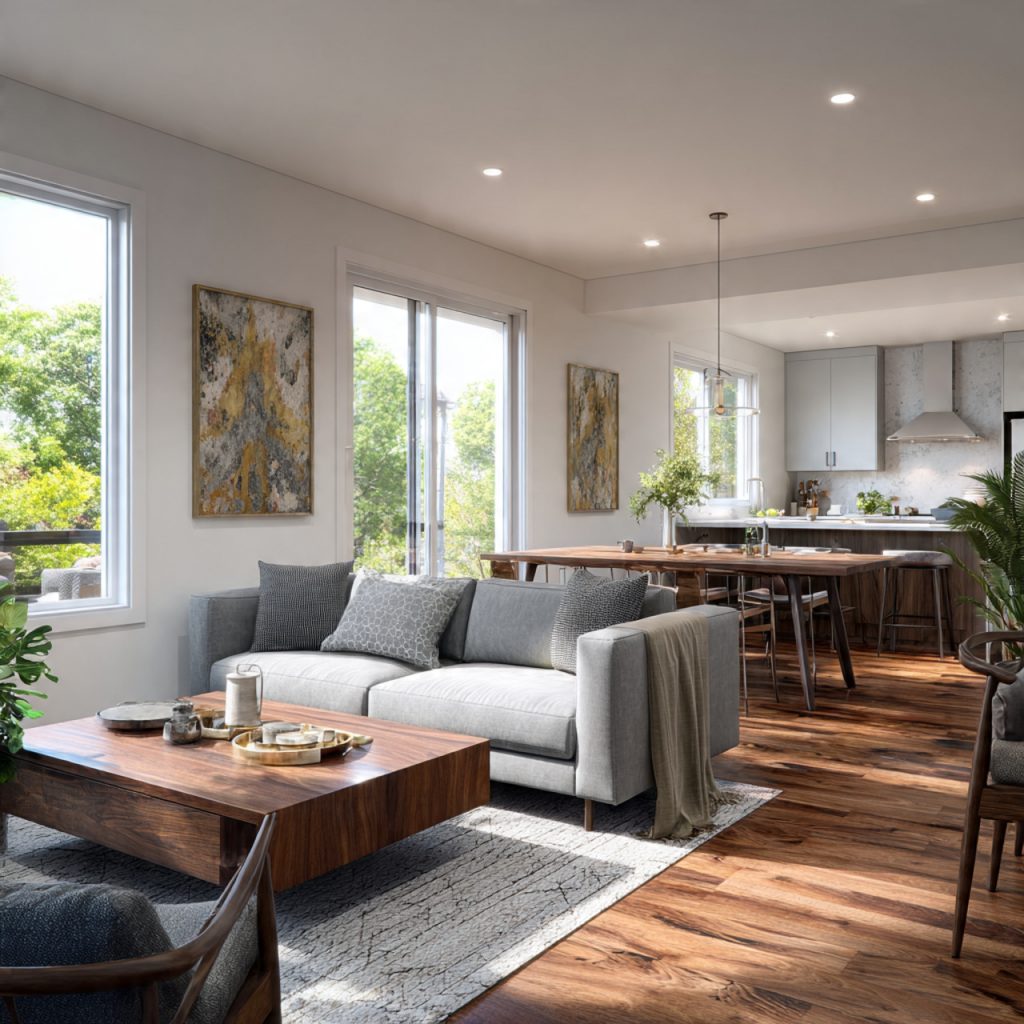
Open floor plans are essential in modern small house design. Combining living, dining, and kitchen areas eliminates unnecessary walls and creates a seamless flow. This not only improves movement but also makes the home appear larger than it actually is.
3. Use of Natural Light
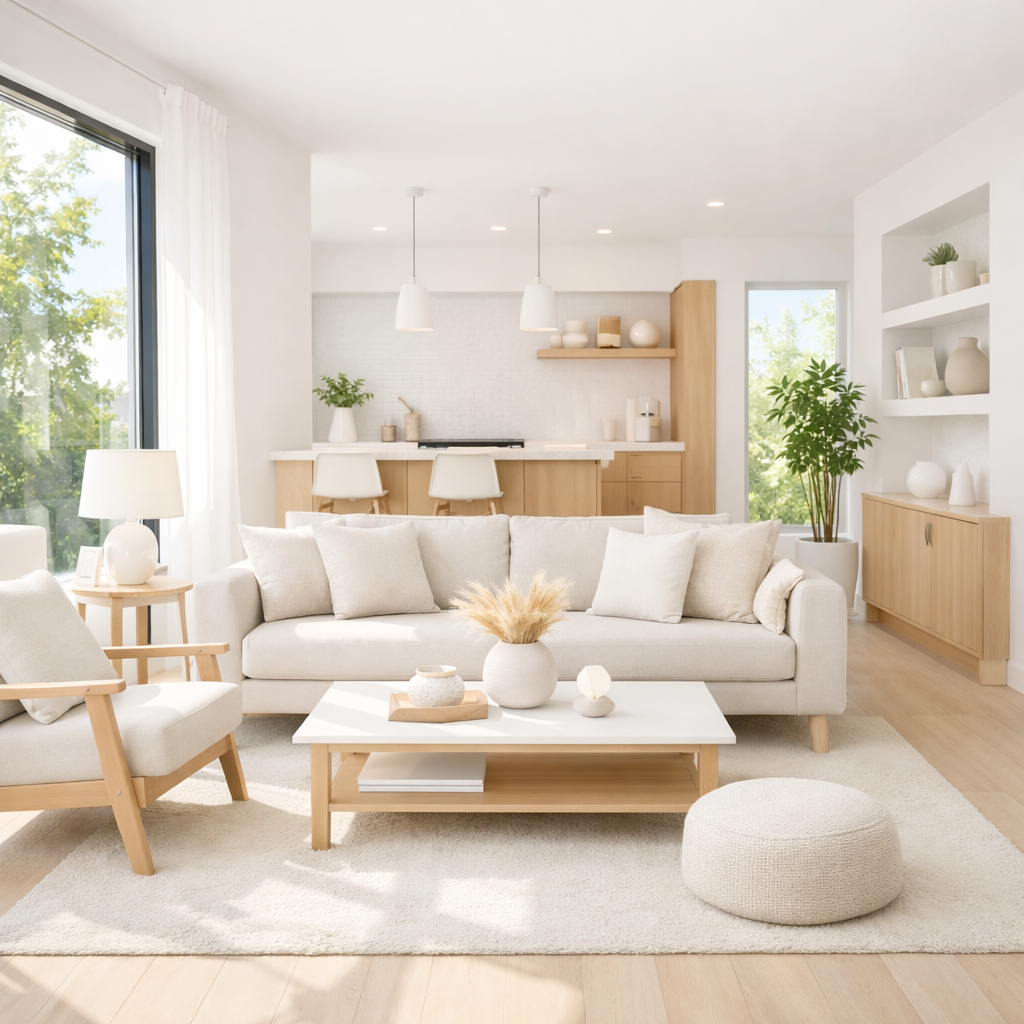
Natural light plays a crucial role in enhancing small spaces. Large windows, glass doors, and skylights brighten up interiors and reduce the need for artificial lighting. In modern small house design, light is used as a design element to create warmth and openness.
4. Minimalist Interior Approach
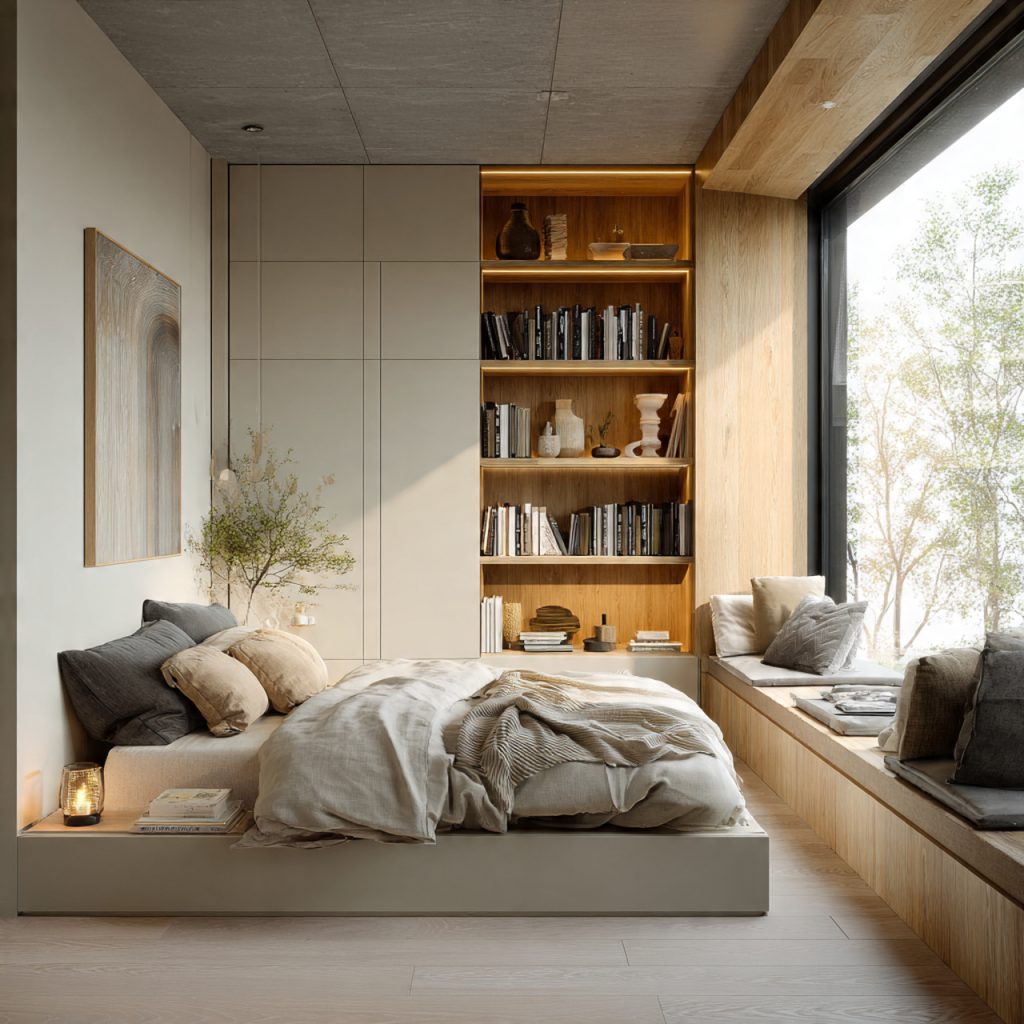
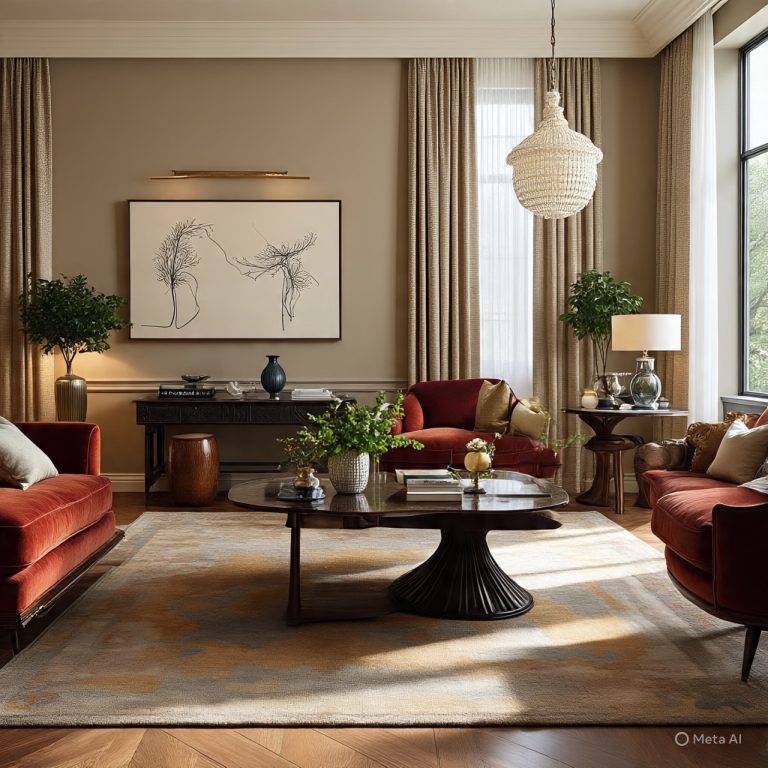
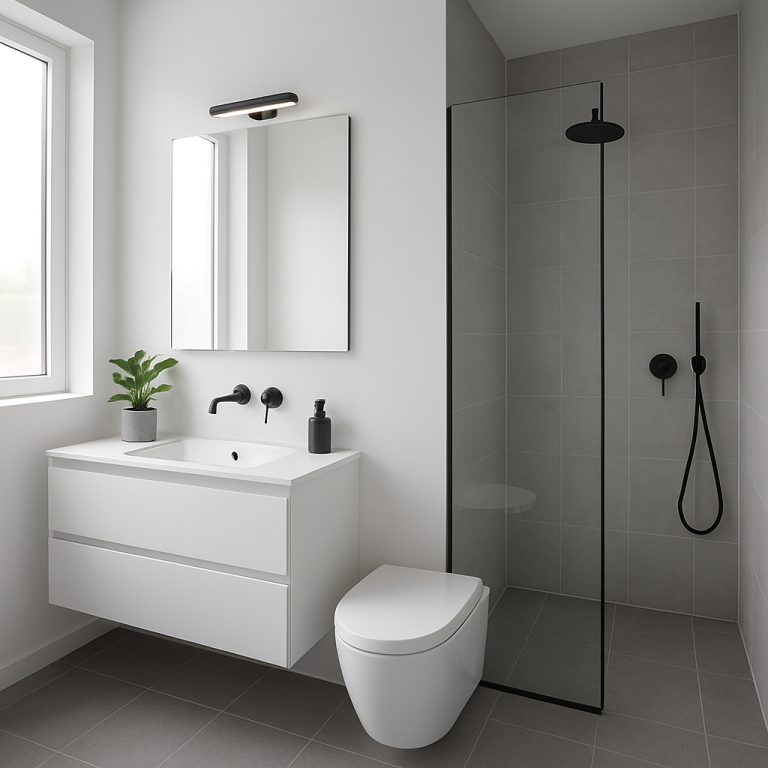
Minimalism is a key principle of modern small house design. Clean lines, neutral colors, and simple furniture help reduce visual clutter. A minimalist approach creates a calm and organized environment, making the space feel larger and more inviting.
5. Multi-Functional Furniture Solutions
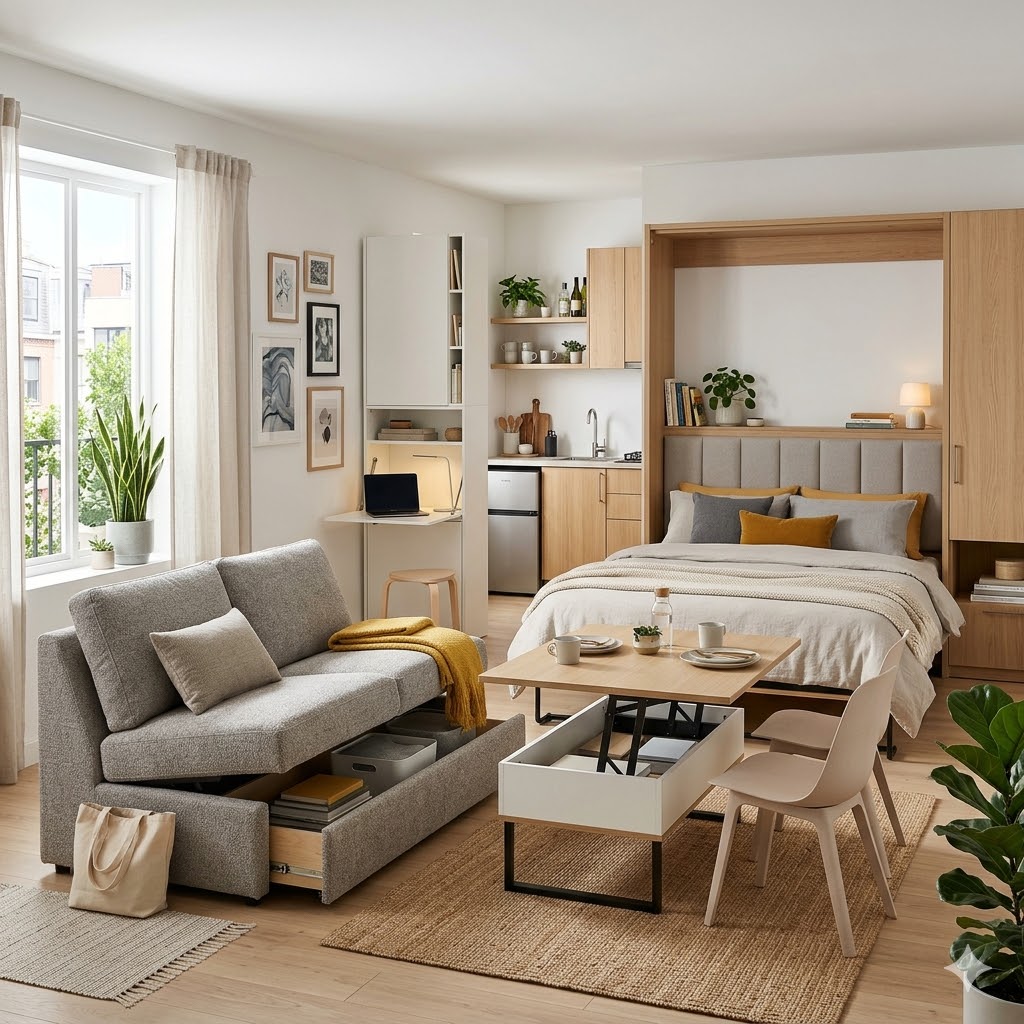
Furniture that serves multiple purposes is essential in small homes. Beds with storage, foldable tables, and convertible sofas help maximize utility. These smart solutions are a core part of modern small house design, allowing flexibility without sacrificing style.
6. Vertical Space Utilization
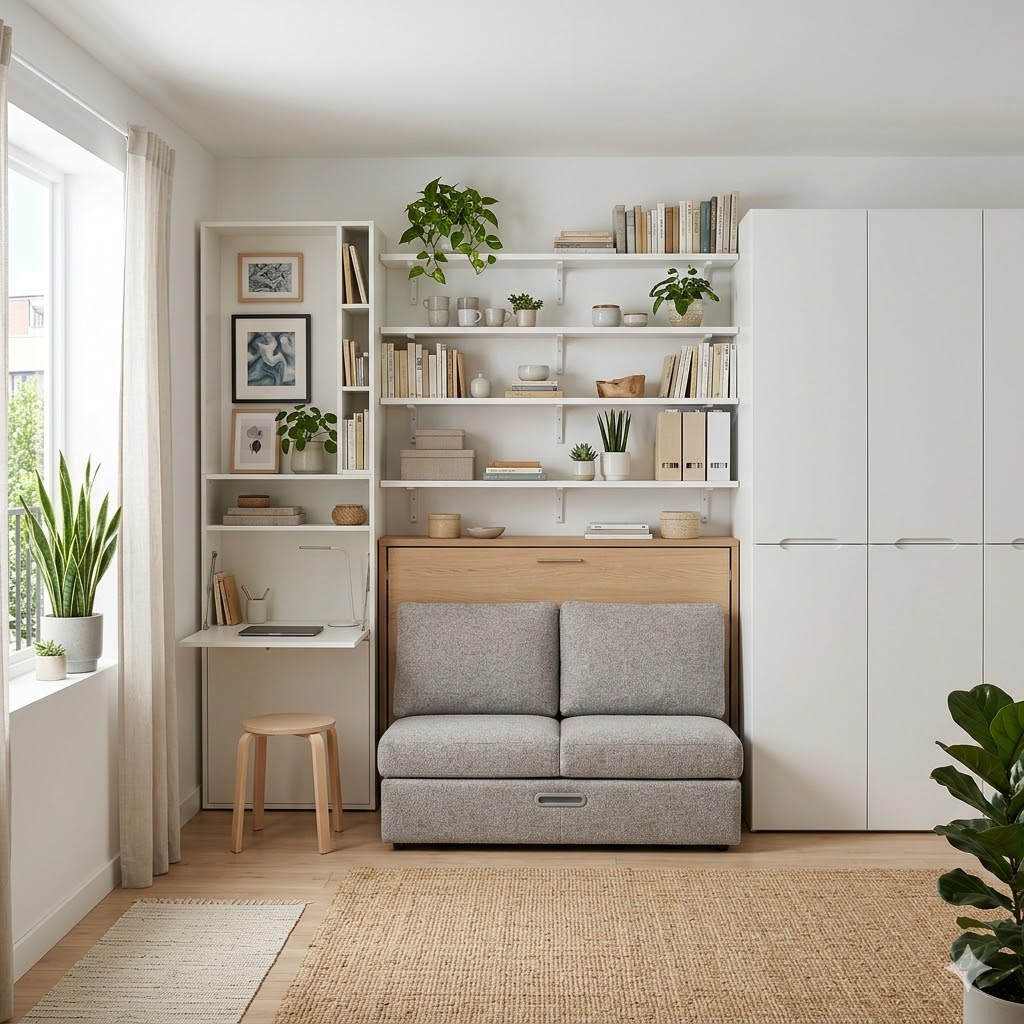
In modern small house design, vertical space is often underutilized. Wall-mounted shelves, tall cabinets, and vertical storage units help free up floor space. This technique keeps the home organized while maintaining a clean look.
7. Smart Storage Ideas
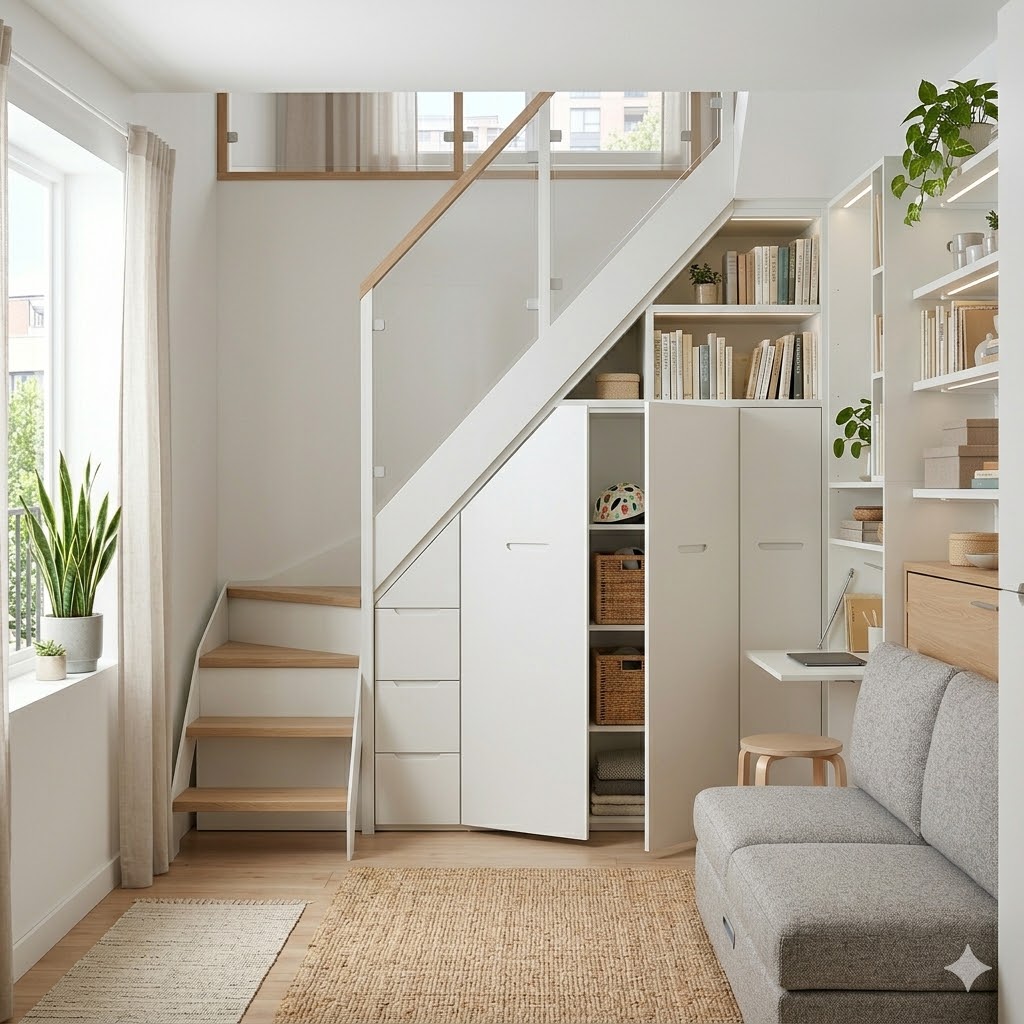
Hidden storage solutions are a game-changer. Under-stair storage, built-in cabinets, and concealed compartments keep clutter out of sight. Efficient storage ensures that even a small home remains tidy and functional.
8. Outdoor Integration
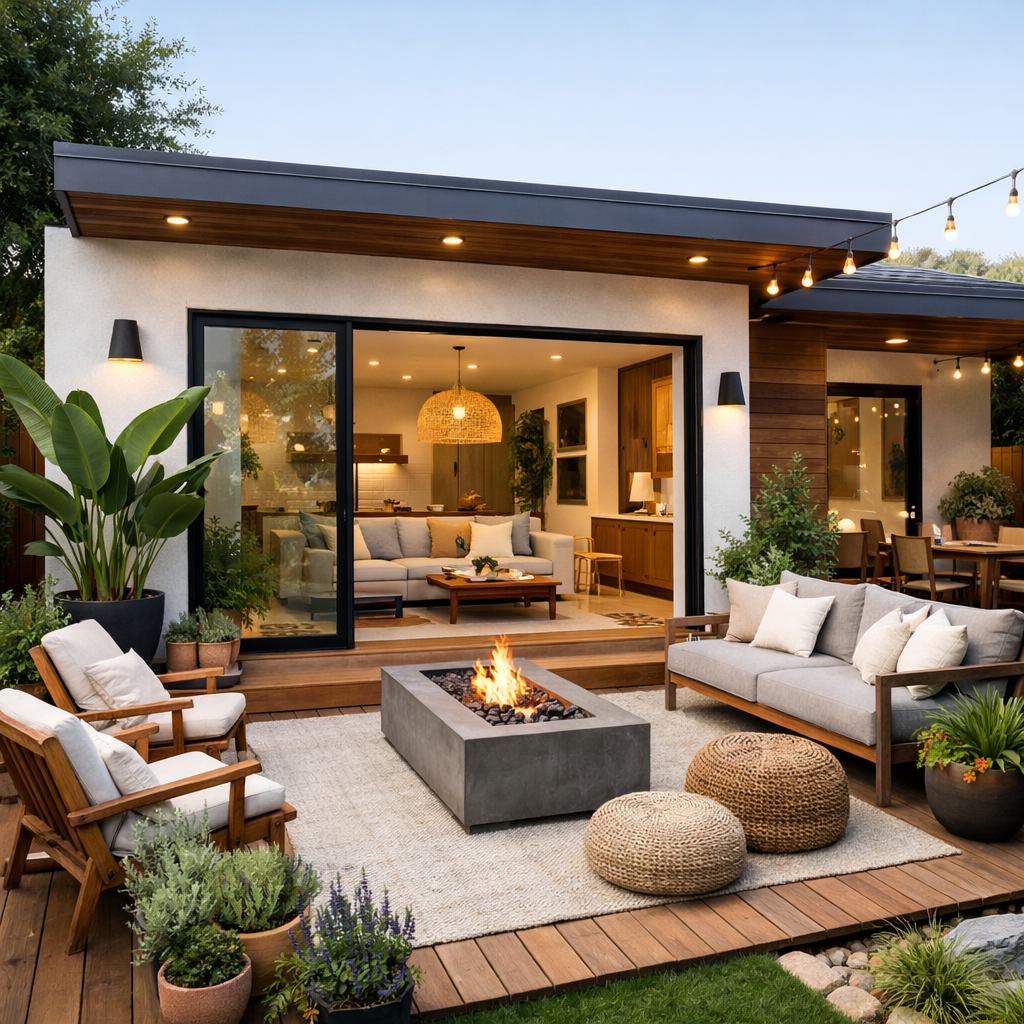
Connecting indoor spaces with outdoor areas enhances the overall experience. Small balconies, patios, or garden corners can make a big difference. Modern small house design often blends indoor and outdoor elements for a refreshing feel.
9. Neutral Color Palette
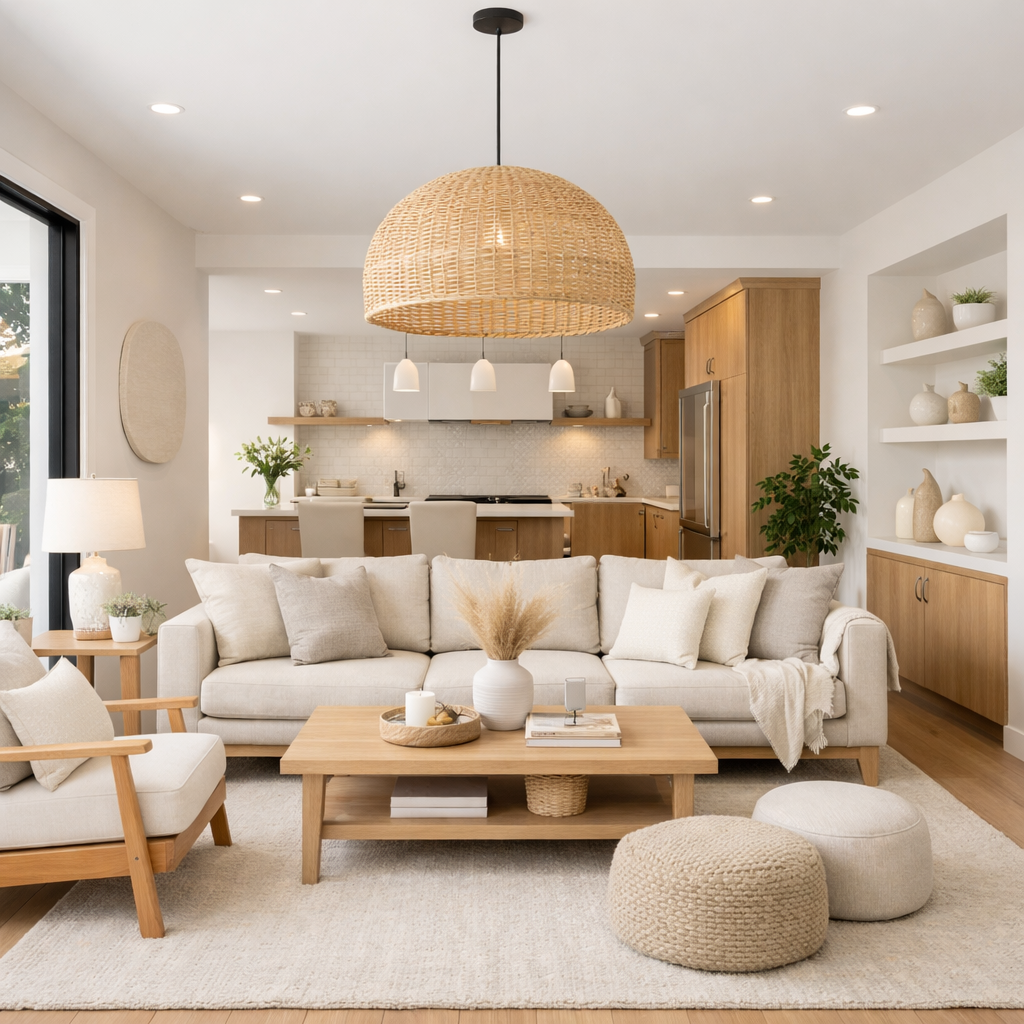
Colors have a significant impact on how space is perceived. Light and neutral tones such as white, beige, and soft gray reflect light and create an airy feel. In modern small house design, color selection is crucial for enhancing visual space.
10. Technology Integration in Small Homes
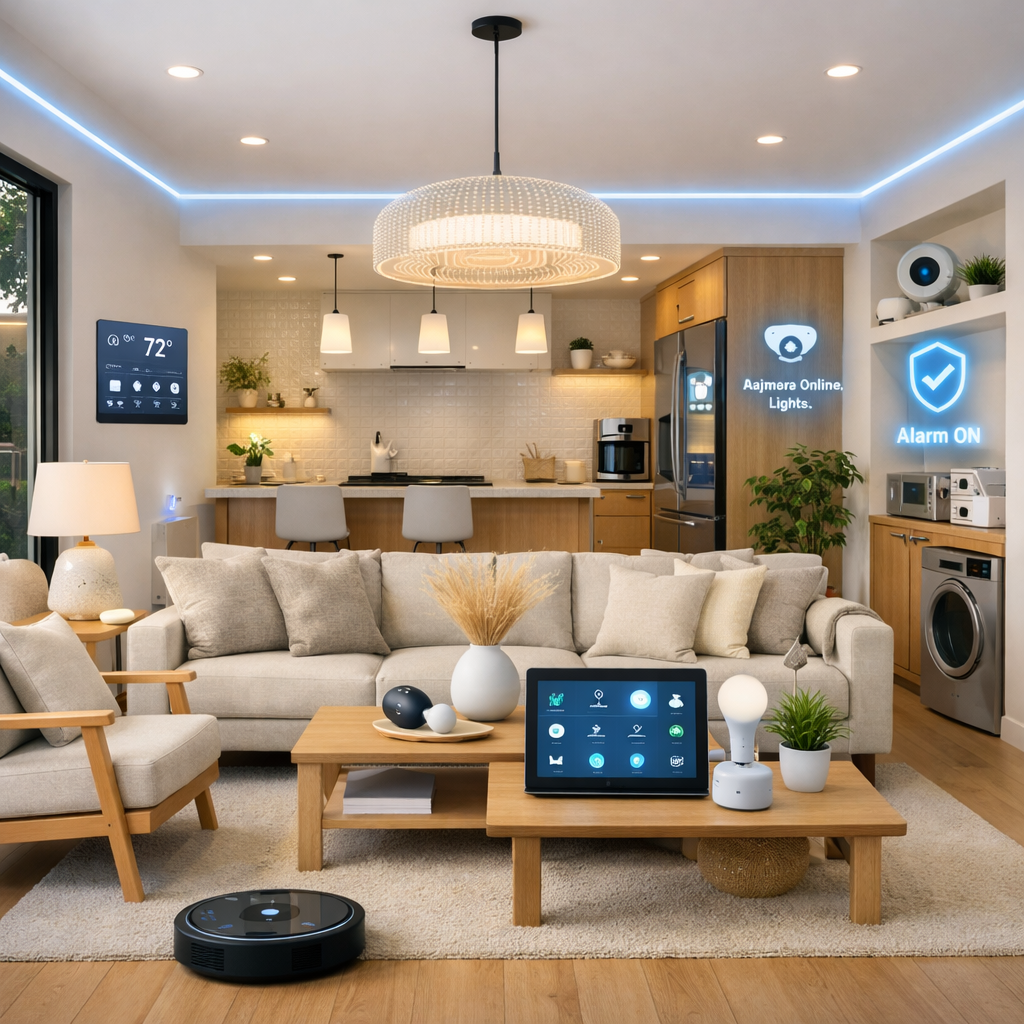
Smart home technology is becoming a part of modern small house design. Automated lighting, smart thermostats, and compact appliances improve convenience and efficiency. Technology helps optimize space while enhancing comfort.
11. Budget-Friendly Modern Design Tips
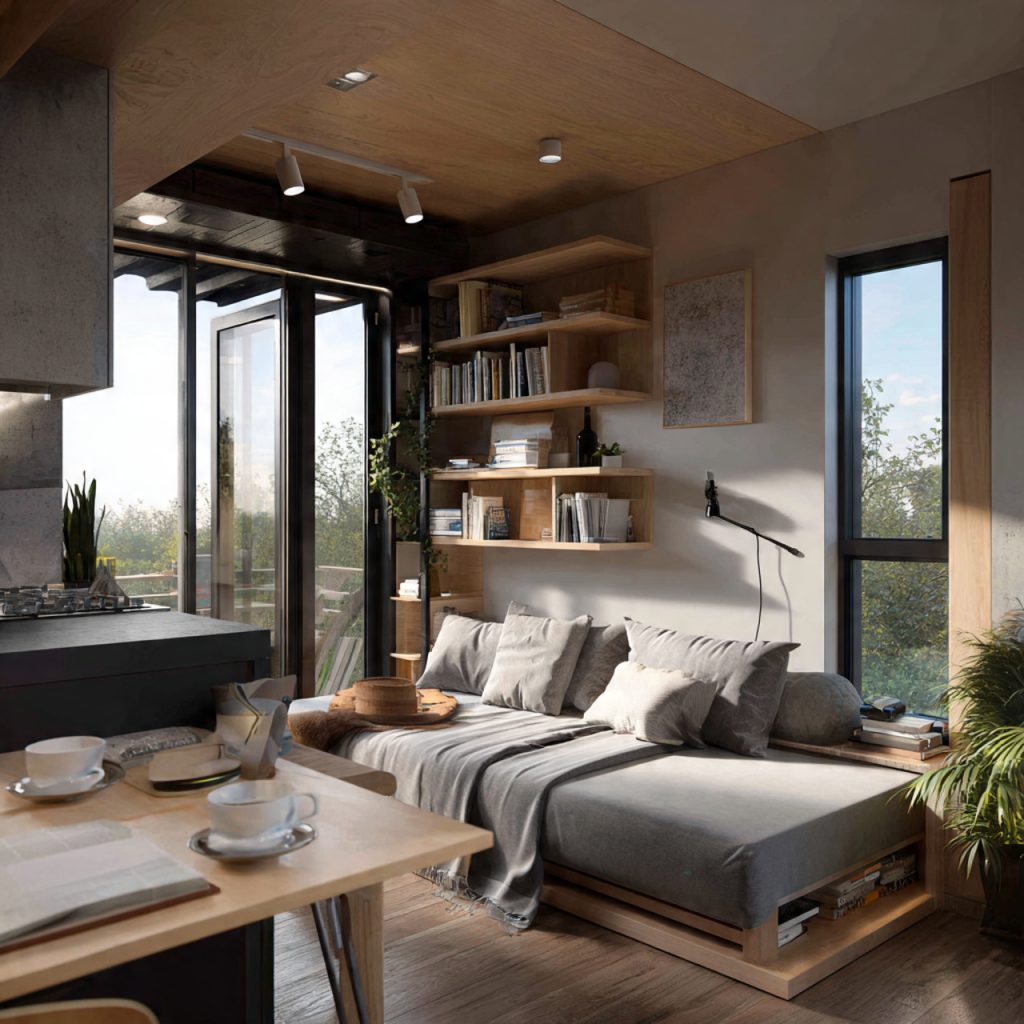
A modern small house design doesn’t have to be expensive. Simple materials, DIY decor, and smart planning can achieve a high-end look on a budget. Prioritizing essential elements ensures both style and affordability.
Cost Breakdown of Modern Small House Design
Understanding the cost of a modern small house design is essential before starting any project. The total budget depends on factors such as materials, location, labor, and design complexity. A small modern house can be cost-effective if planned wisely, but poor decisions can increase expenses quickly. Using locally available materials, simple structures, and efficient layouts can significantly reduce costs. It is always recommended to set a clear budget and prioritize essential features first.
2. Common Mistakes to Avoid in Small House Design
Many homeowners make critical mistakes while designing small homes. One of the most common issues is overcrowding the space with unnecessary furniture. Another mistake is ignoring natural light, which makes the house feel smaller. Poor storage planning and lack of ventilation can also reduce comfort. Avoiding these mistakes ensures that your modern small house design remains functional, comfortable, and visually appealing.
3. Best Materials for Modern Small Homes
Choosing the right materials plays a major role in durability and aesthetics. Materials like concrete, wood, glass, and steel are commonly used in modern small house design. Lightweight and low-maintenance materials are ideal for small homes. Additionally, sustainable materials not only reduce environmental impact but also lower long-term costs.
4. Climate-Based Design Considerations
Your house design should match your local climate. In hot regions, proper ventilation, shading, and reflective materials help keep the house cool. In colder areas, insulation and compact layouts help retain heat. A climate-responsive modern small house design improves comfort and reduces energy consumption.
5. How to Make a Small House Look Bigger
Even with limited space, smart design choices can create the illusion of a larger home. Using mirrors, light colors, and open layouts can visually expand the space. Keeping the design clutter-free and maintaining visual continuity between rooms also helps. This approach enhances both functionality and aesthetics.
6. Maintenance Tips for Small Houses
Maintaining a small house is easier than a large one, but it still requires regular attention. Keep surfaces clean, organize storage areas, and check fixtures periodically. Choosing low-maintenance materials and simple designs can reduce long-term upkeep efforts.
7. Sustainability in Modern Small House Design
Sustainability is becoming an important part of modern living. Incorporating energy-efficient appliances, solar panels, and natural ventilation can reduce environmental impact. A sustainable modern small house design not only saves energy but also reduces long-term costs.
8. Future-Proofing Your Small House
A good design considers future needs. Whether it’s adding a workspace, expanding storage, or adapting to a growing family, flexibility is key. Modular furniture and adaptable layouts make it easier to upgrade your home without major renovations.
9. Safety and Structural Considerations
Safety should never be overlooked. Ensure proper electrical planning, ventilation, and structural strength. Using quality materials and professional planning reduces risks and increases durability.
10. Final Expert Insight
Modern small house design is not just about style—it is about smart living. A well-planned small home combines functionality, comfort, and efficiency. By focusing on practical aspects such as cost, materials, and sustainability, you can create a home that is not only beautiful but also future-ready. The key is to design with purpose and make every element count.
For more inspiration and real-world examples, explore small house design ideas and inspiration to see how modern small homes are designed globally.