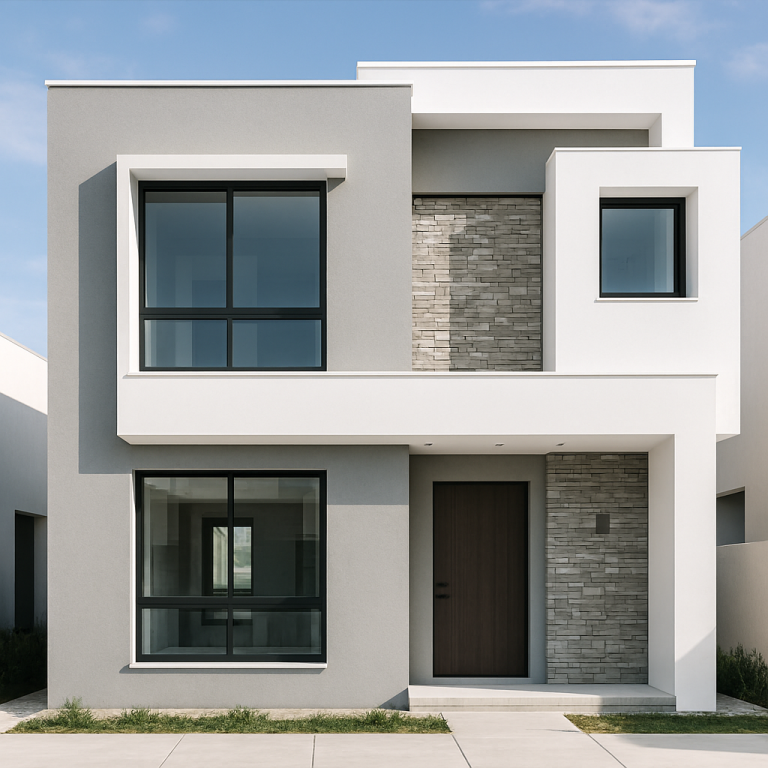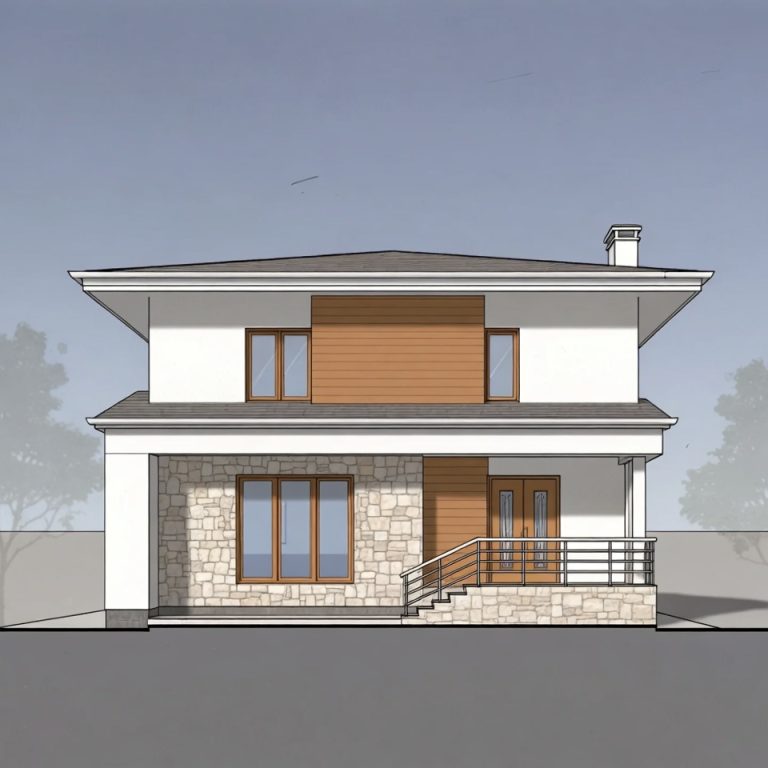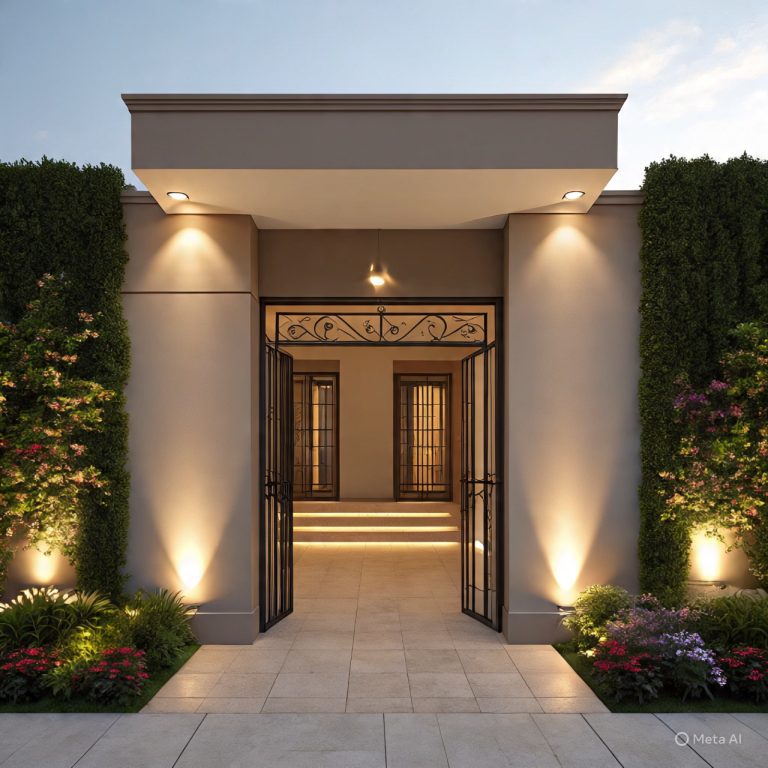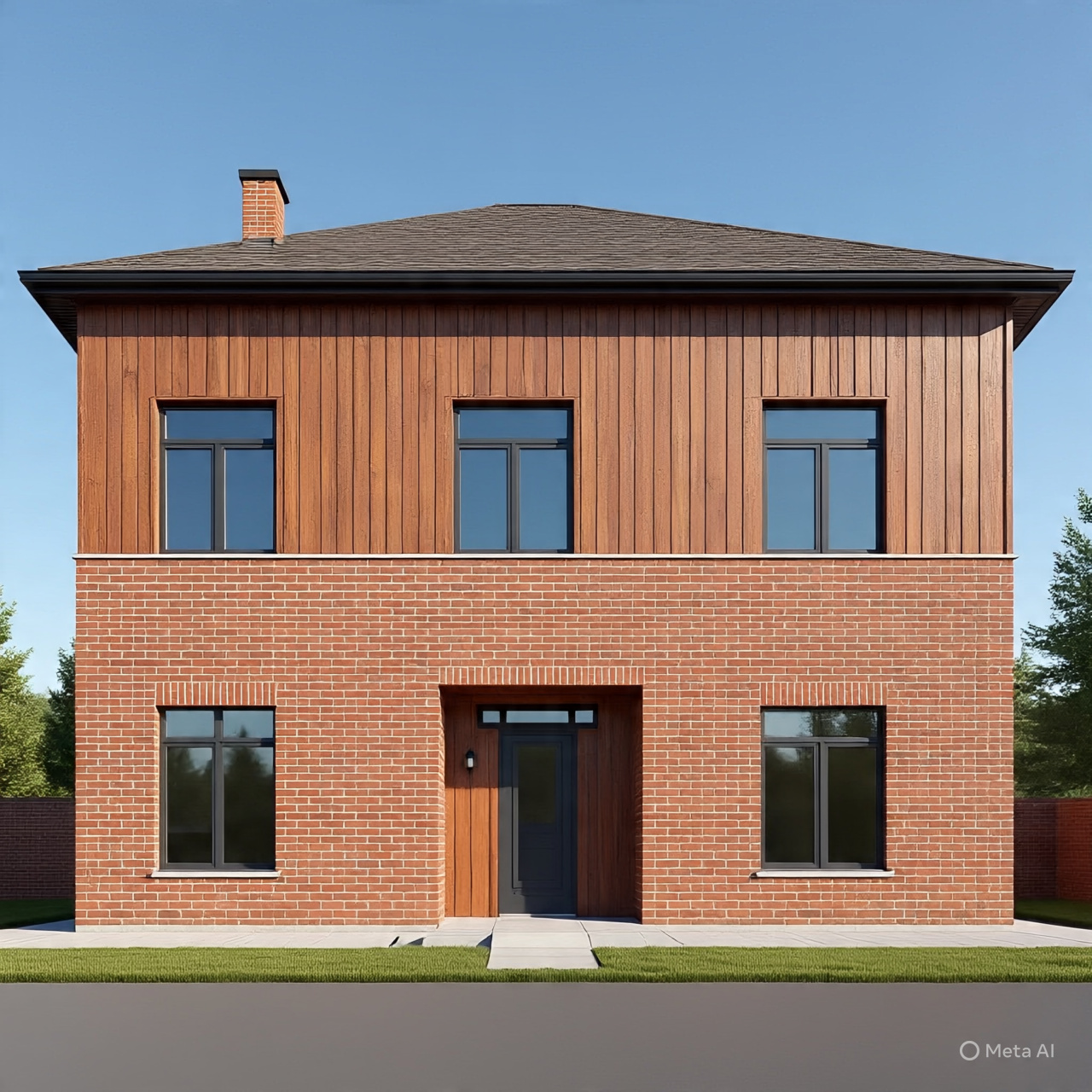
Front Elevation Mistakes Homeowners Regret After Construction.
FRONT ELEVATION MISTAKES: Front elevation is not just the visual face of a home—it plays a significant role in comfort, efficiency, maintenance, and long-term property value. Many homeowners invest heavily in exterior appearance without fully understanding how their design choices will perform over time. A facade that looks impressive at first may later create problems such as excessive heat gain, poor lighting balance, high upkeep costs, or visual imbalance.
These issues often become noticeable only after the home is occupied, when corrections are costly and disruptive. By understanding the most common front elevation mistakes in advance, homeowners can make informed decisions that combine aesthetics with practicality and durability. I have tried to highlight such mistakes in this blog which, if anticipated in advance, can avoid major problems in the future.
What is a Front Elevation Mistake?
A front elevation mistake is any design or planning decision that negatively affects the appearance, balance, or functionality of your house exterior.
These mistakes can occur during design selection, material choice, color planning, or execution. Some are visible immediately, while others become noticeable over time.
Understanding these mistakes helps you avoid costly corrections and ensures a better final result.
1. Prioritizing Style Over Function.
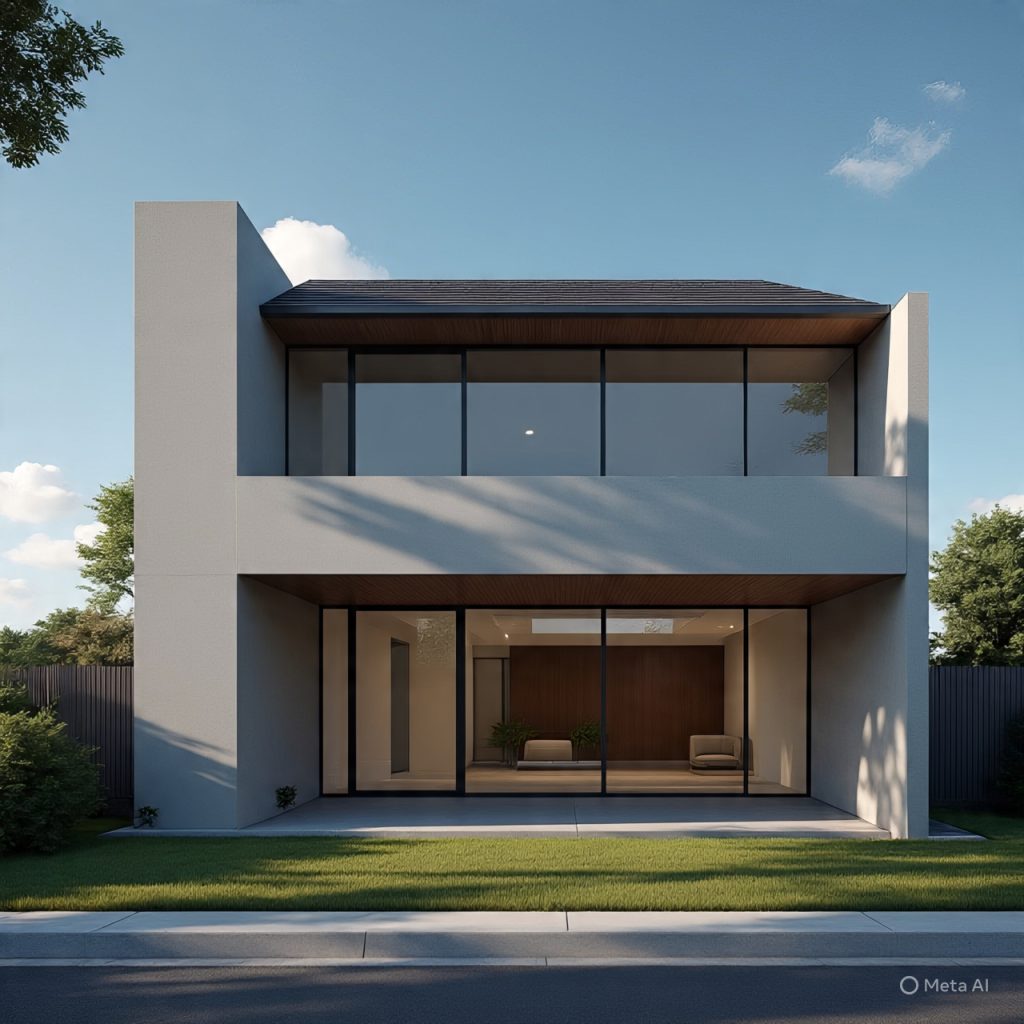
A visually striking elevation that ignores ventilation, shading, and usability is one of the most common front elevation mistakes homeowners make. Good design should enhance everyday living, not complicate it. Avoiding such front elevation mistakes ensures better comfort and long-term usability.
2. Blindly Following Design Trends.
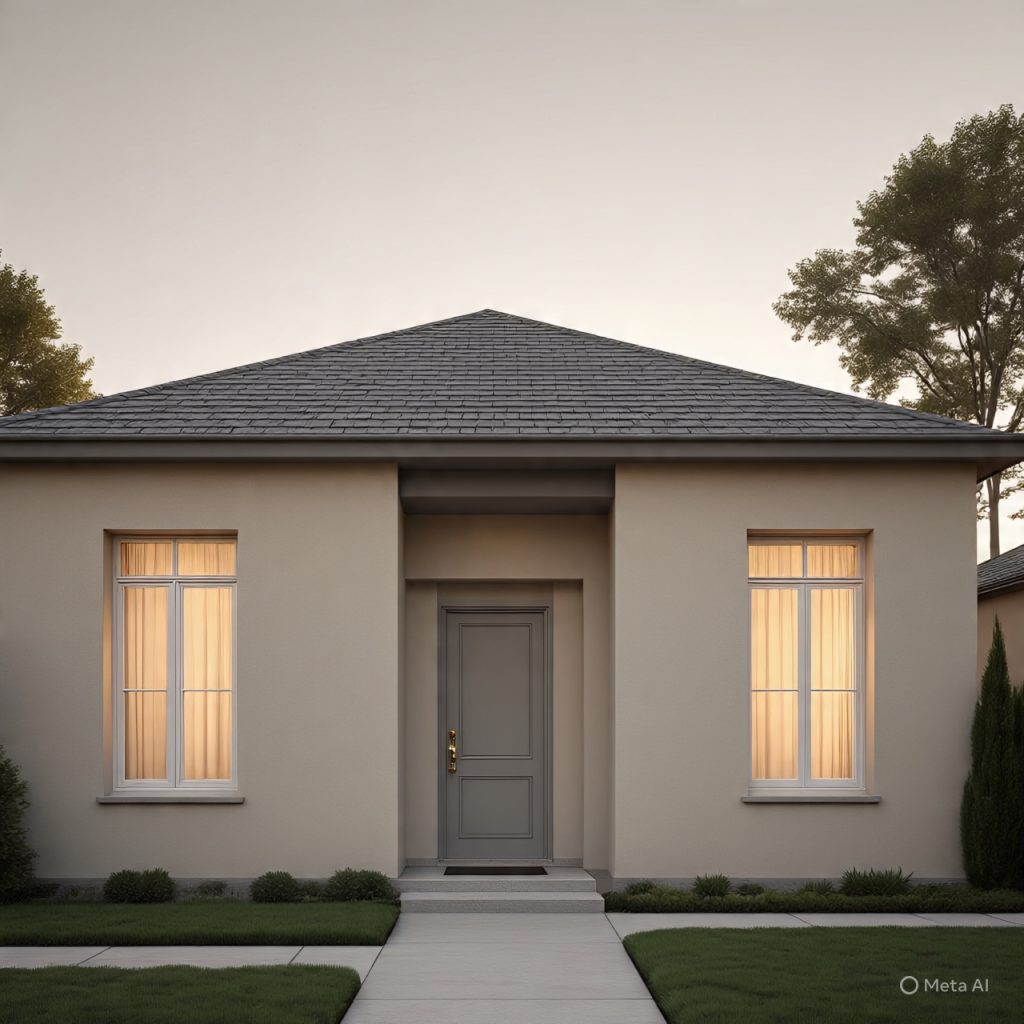
Trendy elevations inspired by social media or show homes may look modern initially but often age quickly. Choosing style over substance is among frequent front elevation mistakes. Timeless design choices help avoid these front elevation mistakes and maintain appeal for decades..
3. Ignoring Sun Direction and Climate.
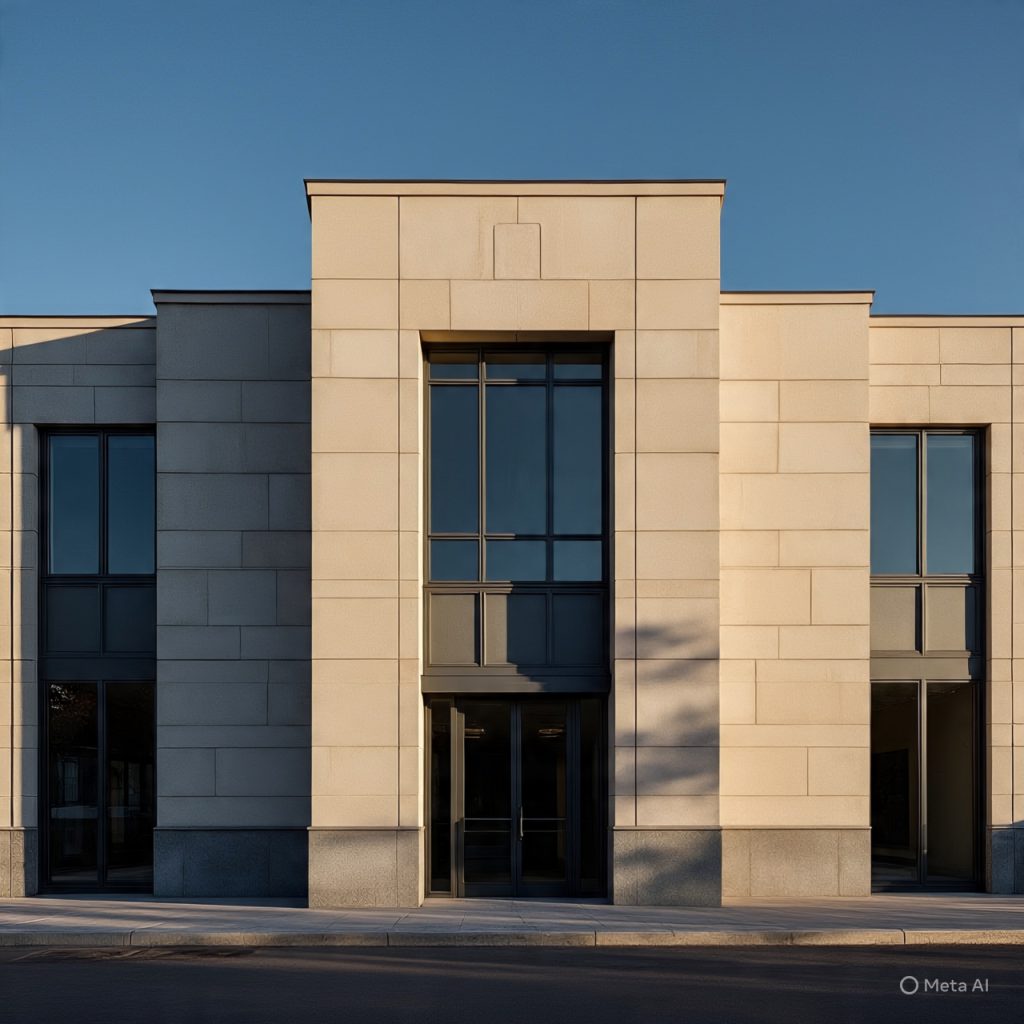
Failing to consider sun exposure can cause overheating, glare, or uneven daylight. These climate-related front elevation mistakes negatively impact indoor comfort and energy efficiency. Climate-responsive elevations reduce such front elevation mistakes and improve overall performance.
4. Overdesigning the Facade.
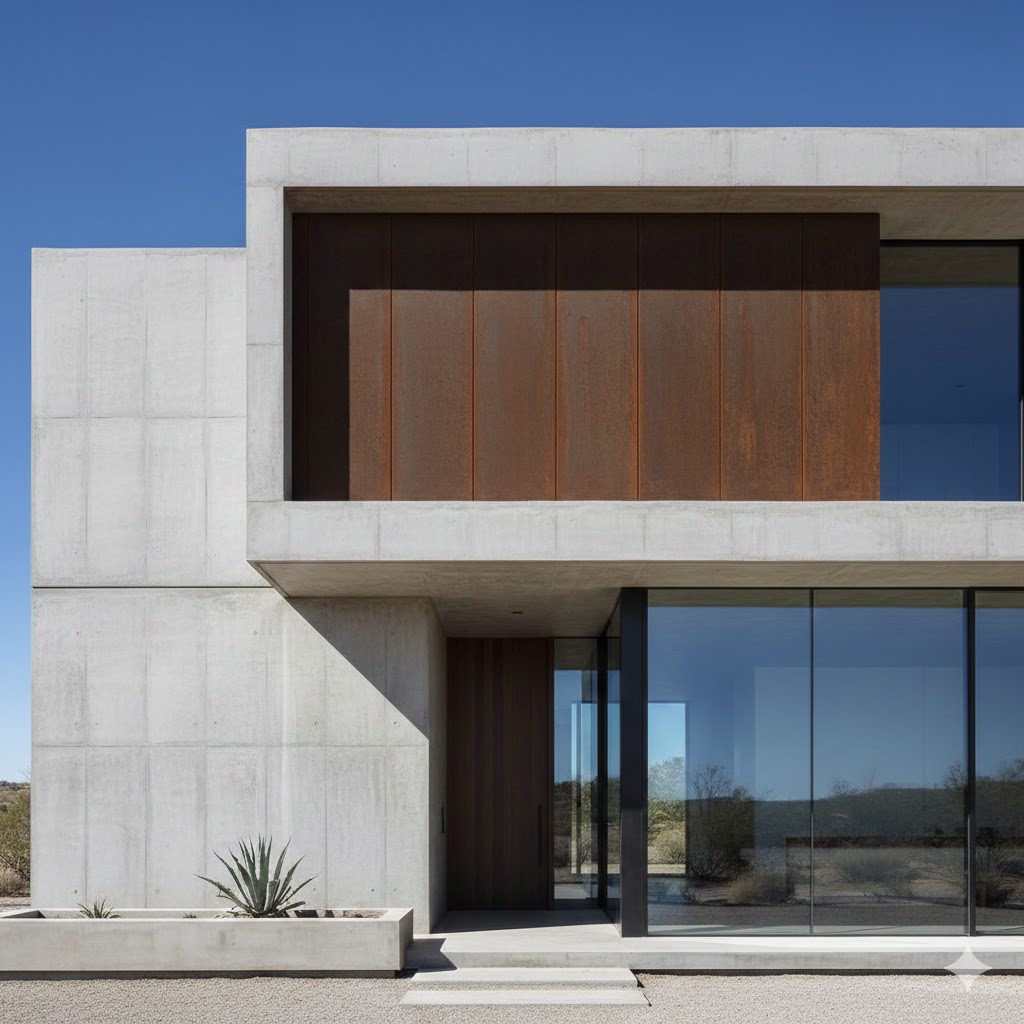
Too many materials, textures, and layers can make an elevation feel cluttered. Simpler designs often look more refined and age more gracefully.
5. Choosing Exterior Colors Without Planning.
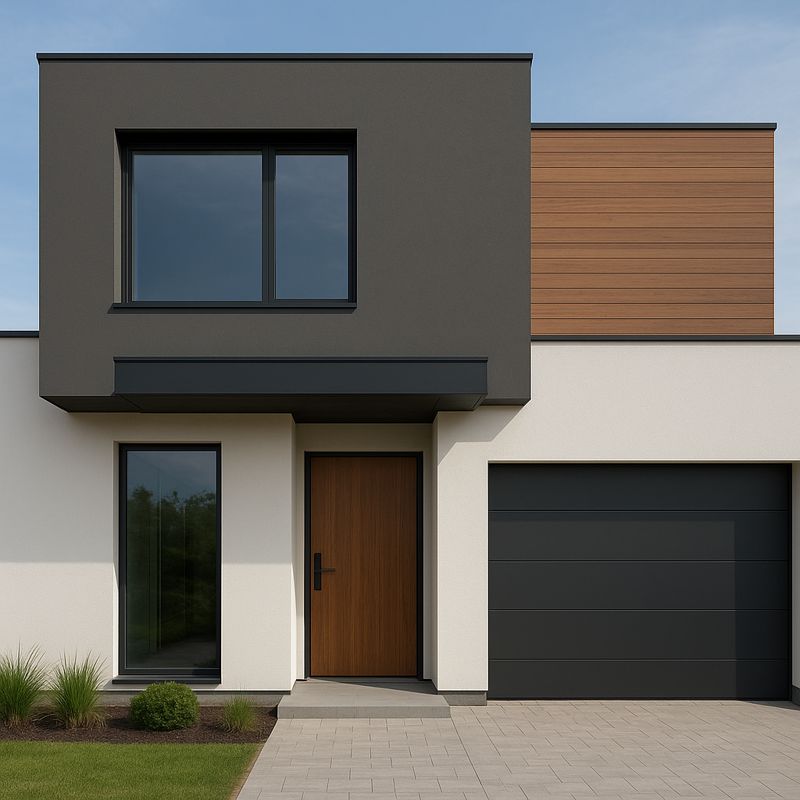
Colors that fade easily, absorb excessive heat, or show dirt quickly increase maintenance needs. Well-planned palettes offer both durability and balance.
6. Poor Exterior Lighting Strategy.
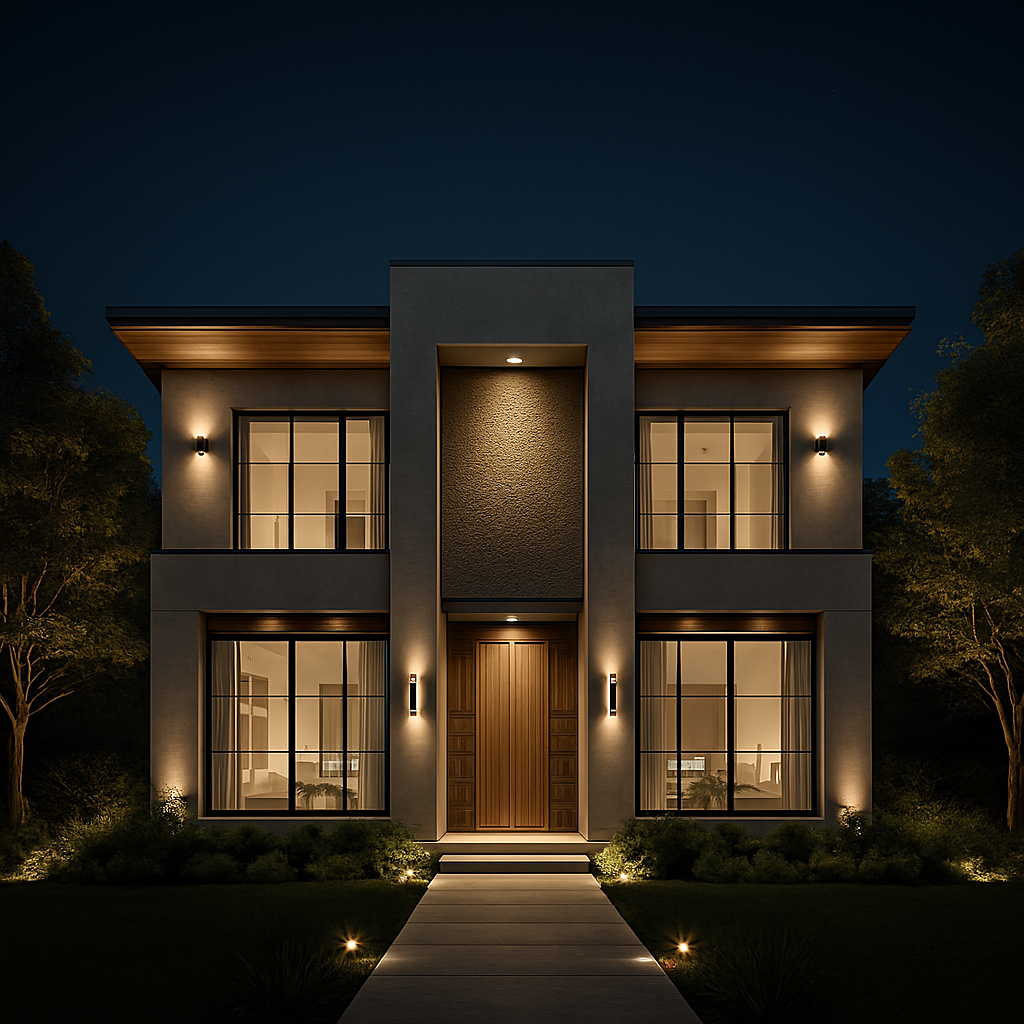
Random or excessive lighting can distort architectural features. Thoughtful lighting highlights structure, improves safety, and creates visual depth at night.
7. Gate Design That Doesn’t Match the Elevation.
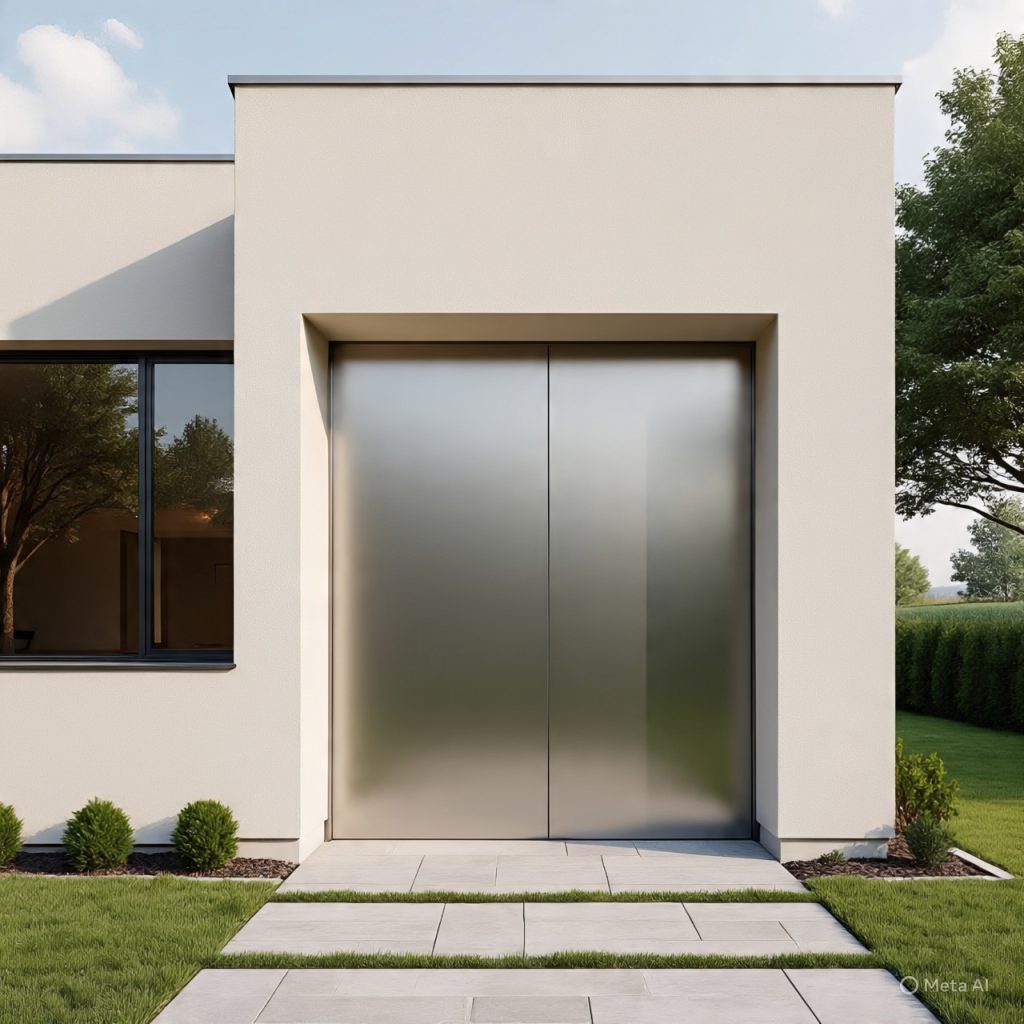
A gate that clashes in style or proportion breaks visual harmony. Coordinated materials and scale create a cohesive street presence.
8. Blocking Natural Airflow.
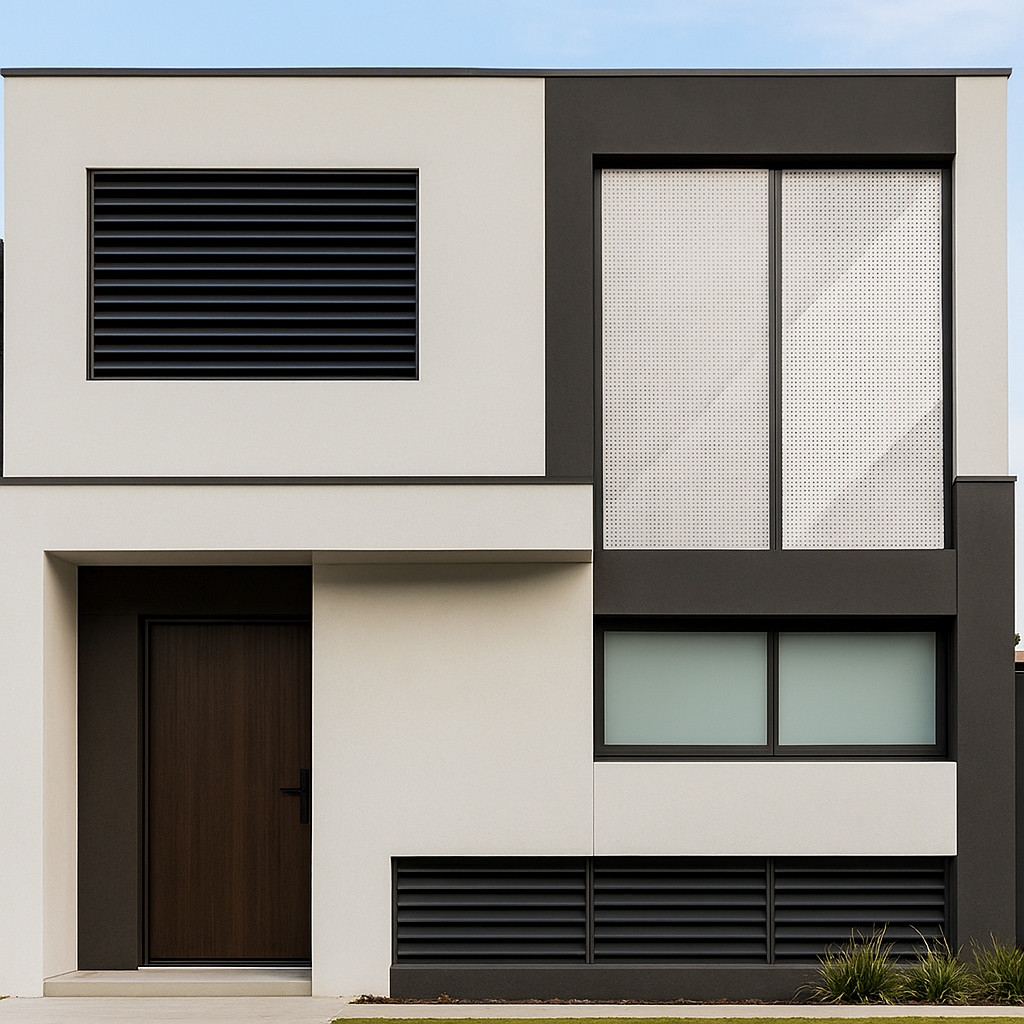
Sealed facades may appear sleek but often restrict ventilation, resulting in uncomfortable interiors and increased reliance on mechanical cooling.
9. Selecting High-Maintenance Materials.
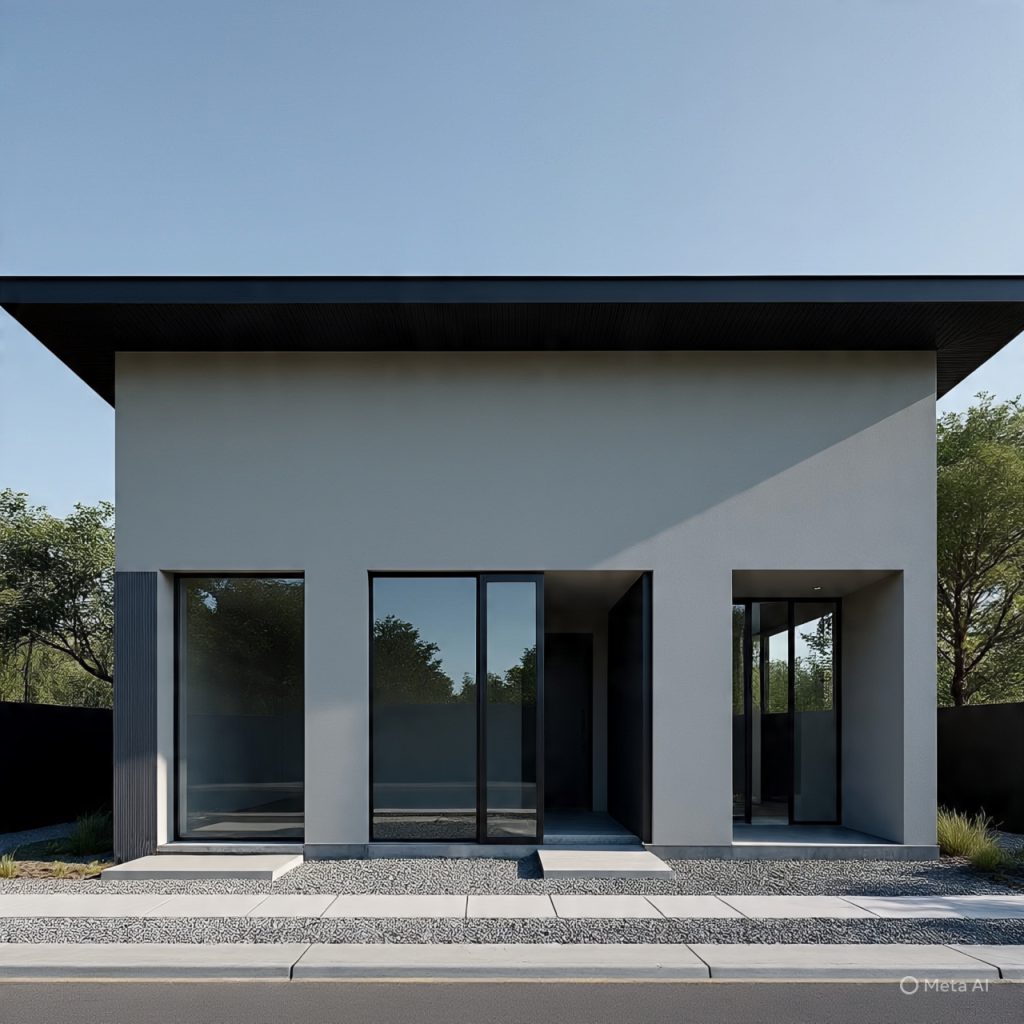
Materials requiring frequent cleaning or refinishing often become burdensome. Durable, low-maintenance options are more practical long term.
10. Inadequate Budget Planning.
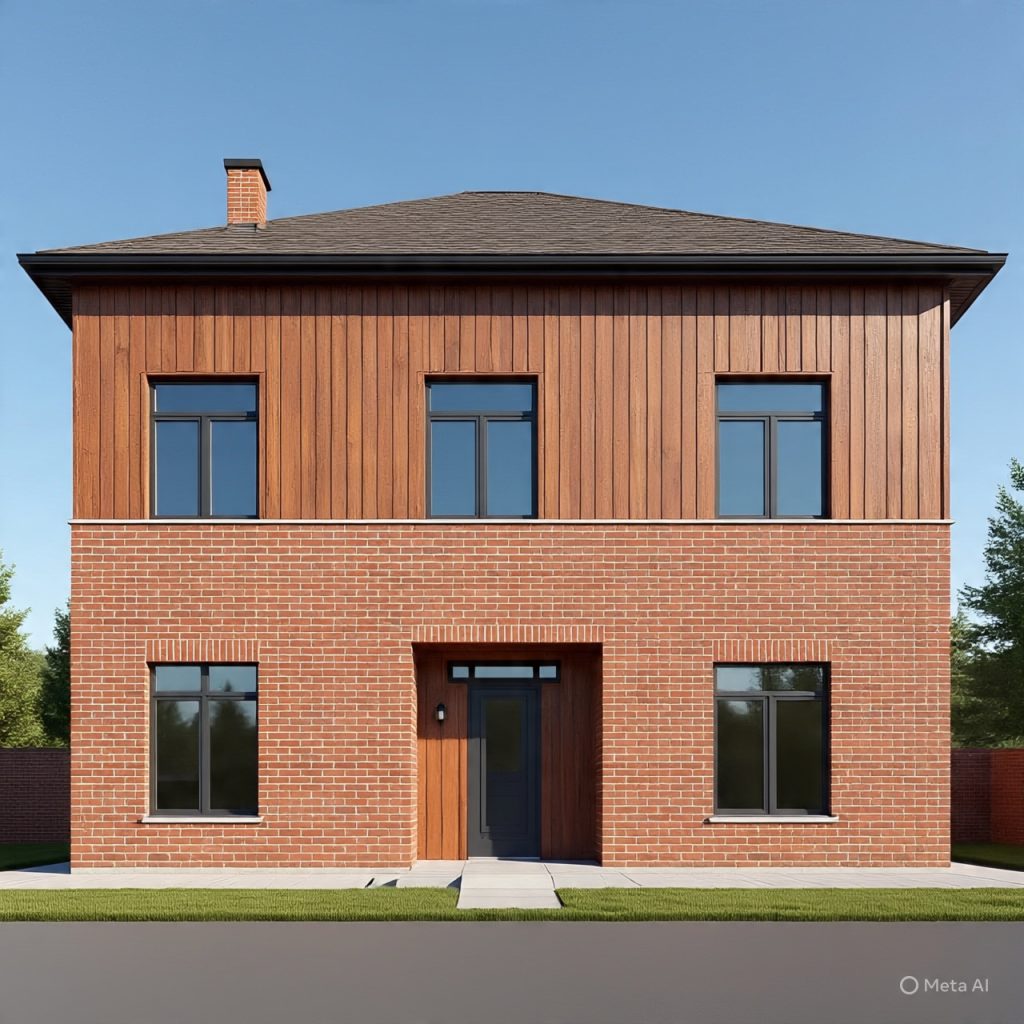
Designing without a realistic budget leads to compromises during construction, affecting finishes, proportions, and overall quality.
11. Ignoring the Surrounding Architecture.
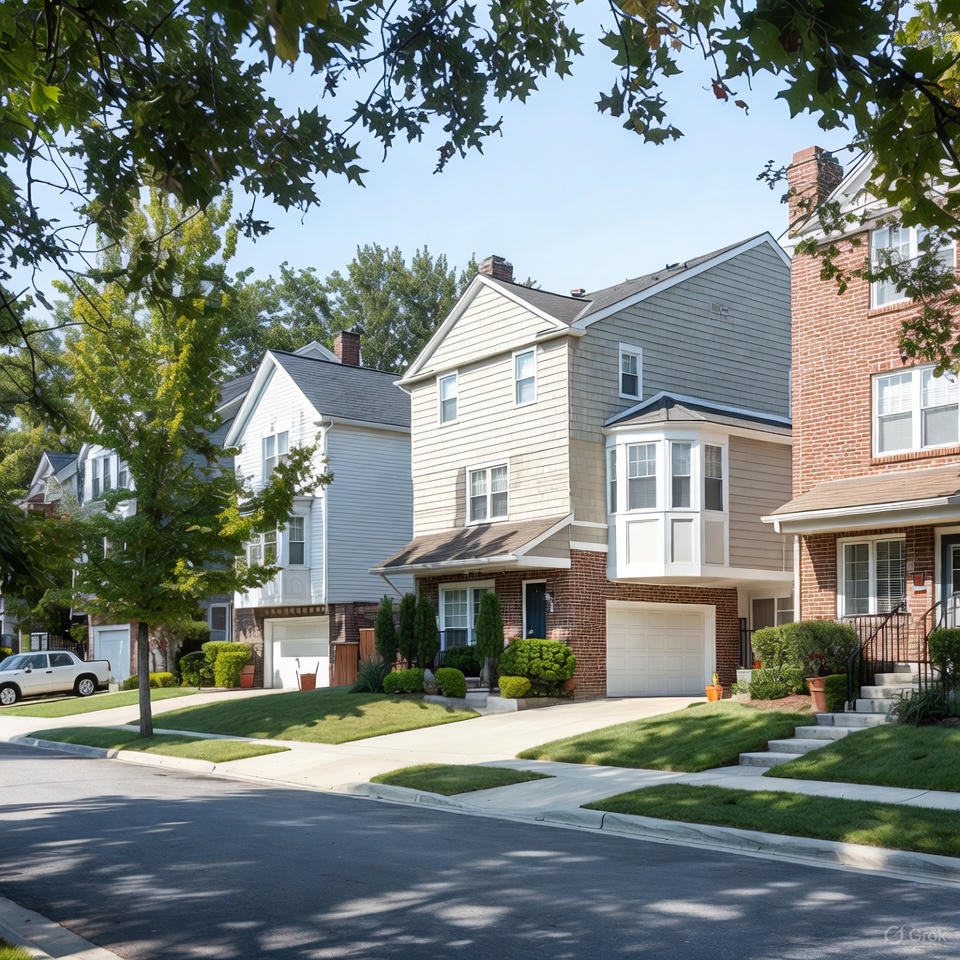
An elevation that strongly clashes with neighboring homes can reduce curb appeal and negatively impact resale value.
12. No Planning for Future Expansion.
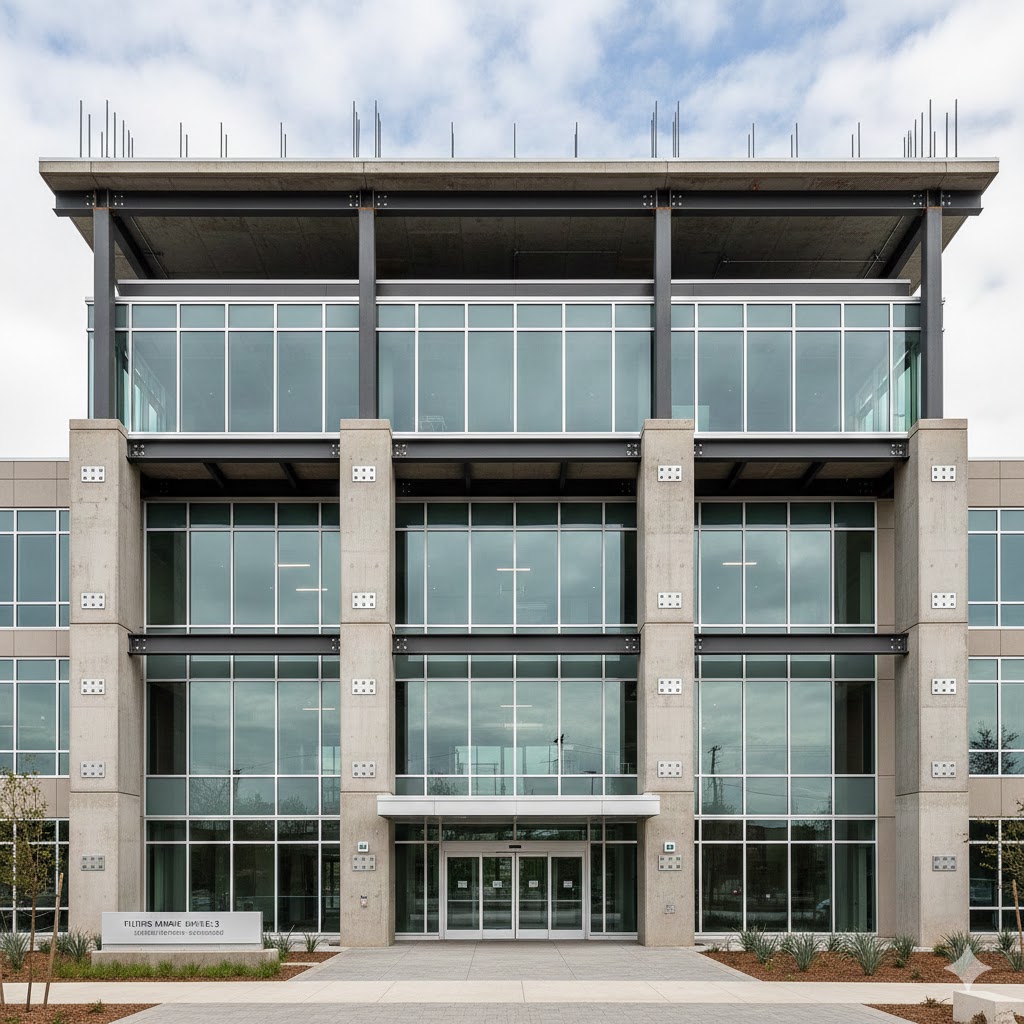
Many homeowners fail to consider future additions. Without foresight, later expansions can disrupt the original elevation design.
13. Excessive Glass Without Protection.
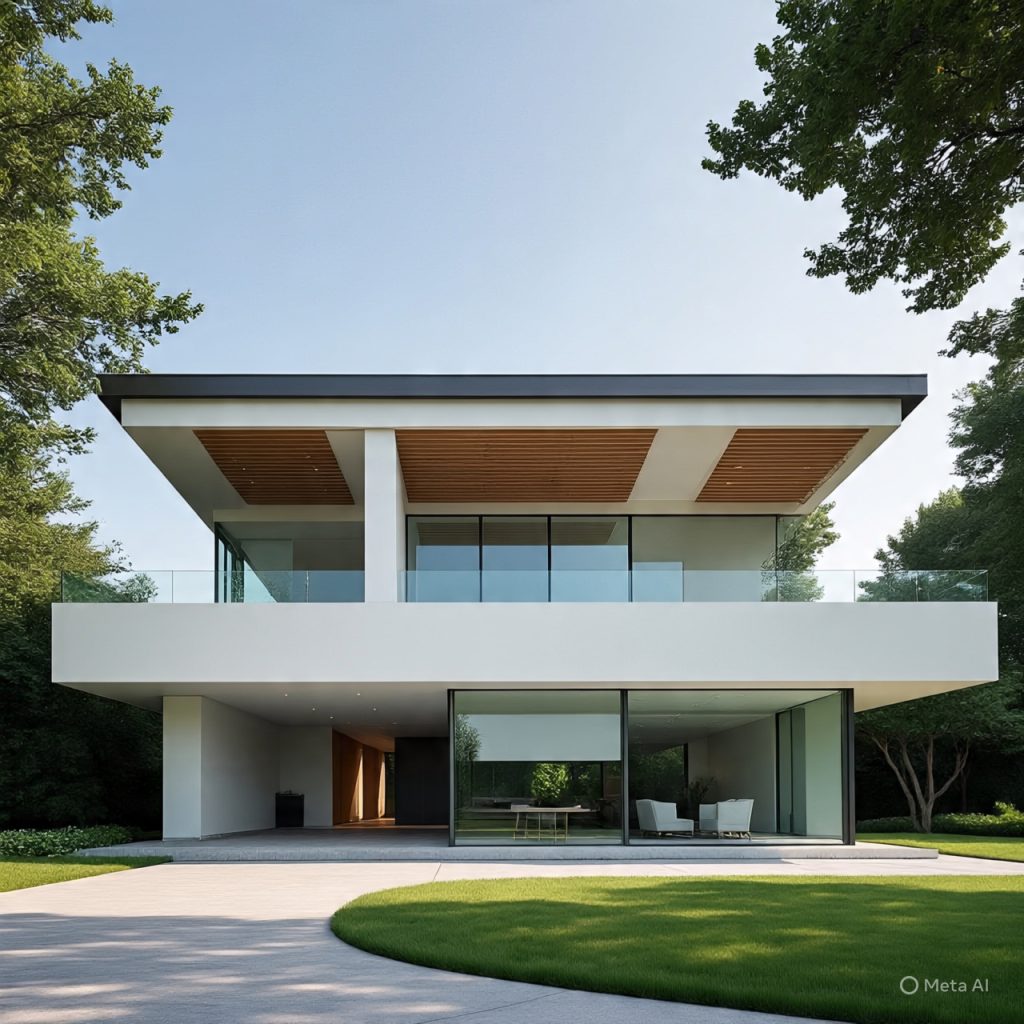
Large glass areas without shading increase heat gain and reduce privacy. Balanced placement improves comfort and efficiency.
14. Rushing Material Decisions.
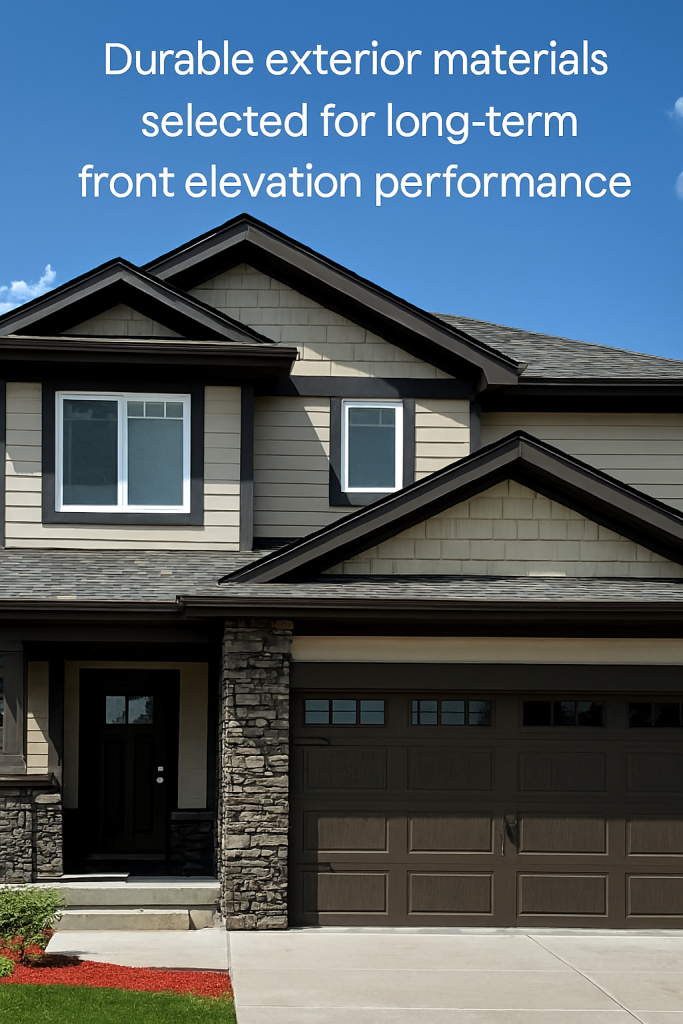
Quick material selection often overlooks durability and weather resistance, leading to early wear and replacement costs.
15. Avoiding Professional Guidance.
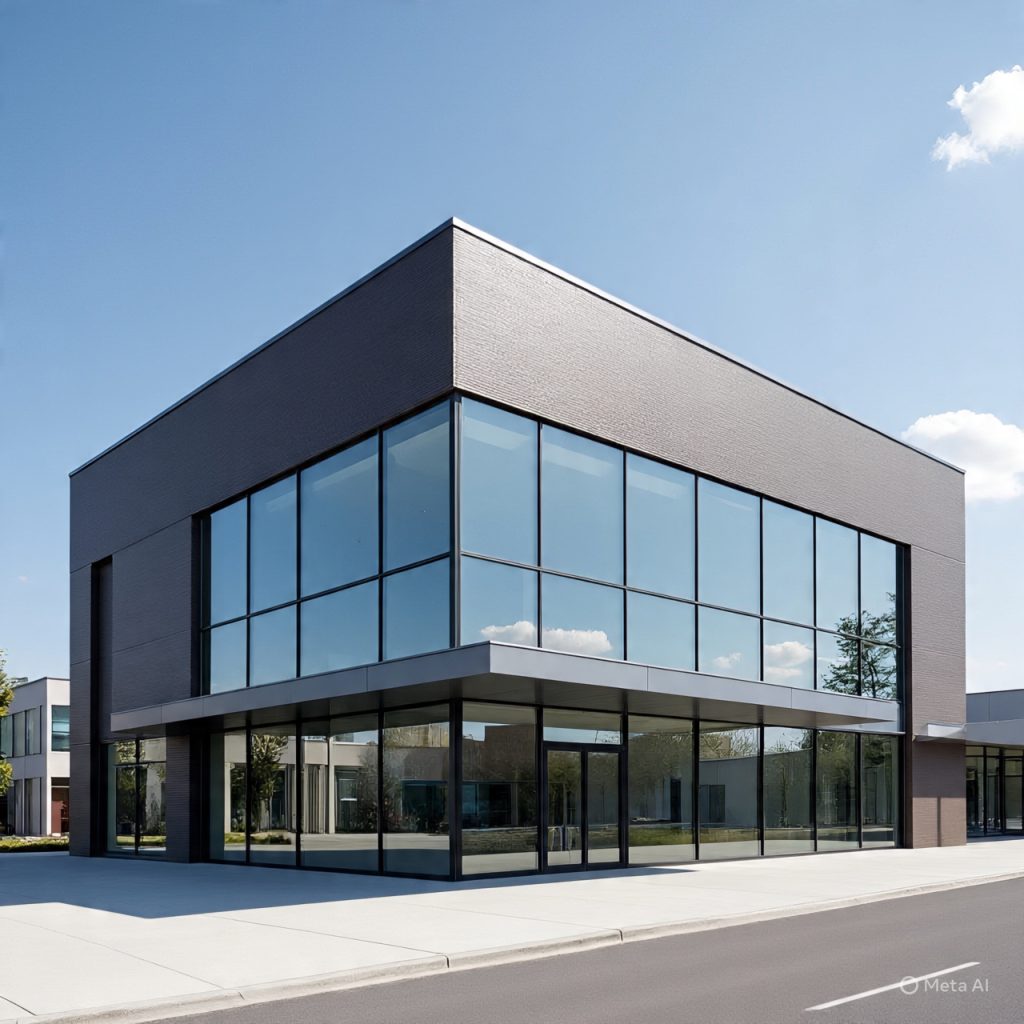
Relying only on personal preference while ignoring expert input can cause functional and structural issues that are difficult to fix later.
In my experience, a well-balanced front elevation design creates both visual appeal and long-term value. Use this guide as a foundation, adapt it to your needs, and build a design that feels modern, practical, and timeless.
Why Front Elevation Mistakes Ruin Even Good Designs
Front elevation mistakes are rarely about “bad ideas.” Most problems come from poor execution, imbalance, or ignoring practical factors.
A house can have expensive materials and still look wrong if:
- proportions are off
- elements are not aligned
- too many styles are mixed
- functionality is ignored
In fact, many facade failures happen because people focus only on looks and ignore performance factors like ventilation, lighting, and climate.
A well-designed elevation is not just visual—it is a combination of structure, function, and balance.
Most Common Front Elevation Design Mistakes (Explained Deeply)
1. Mixing Too Many Styles in One Design
Combining modern, traditional, and luxury elements without a clear direction creates visual confusion.
- modern lines + traditional columns = mismatch
- random decorative elements = no identity
Experts highlight that mixing styles without a dominant theme breaks visual consistency.
A strong elevation always follows one primary design language.
2. Poor Proportion and Scale
This is one of the biggest hidden problems.
- small windows on large walls
- oversized balconies
- weak entrance design
These issues make the house feel unbalanced. Even expensive designs fail if proportions are incorrect.
Elevation design is heavily dependent on scale, alignment, and visual weight.
3. Overuse of Materials
Using too many materials is a very common mistake.
- stone + wood + tiles + paint together
- multiple textures competing
Instead of looking rich, the house looks messy.
Design experts consistently recommend limiting materials to maintain clarity and structure.
4. Ignoring Lighting Design
Lighting is often treated as an afterthought, which ruins the final look.
Common issues:
- only one porch light
- no wall lighting
- harsh or uneven lighting
Poor lighting makes the elevation look flat, especially at night.
Lighting should be planned as part of the design, not added later.
5. Wrong Color Combinations
Color mistakes can instantly downgrade a design.
- too many colors
- poor contrast
- overly dark facade
Color should support structure, not overpower it.
Many homeowners copy colors from the internet without considering their own house context, which leads to poor results.
6. Ignoring Climate and Location
This is a technical mistake but very important.
- using heat-absorbing materials in hot areas
- ignoring sun direction
- no ventilation planning
Design must respond to climate conditions, otherwise it affects both durability and comfort.
7. Copying Designs Without Adaptation
This is one of the biggest real-world problems.
- copying Pinterest designs directly
- ignoring plot size and structure
- forcing designs that don’t fit
What looks good on one house may fail on another.
Elevation design must be customized, not copied.
8. Weak Focal Point
Every good elevation has a focal element.
Common mistakes:
- no clear entrance highlight
- no dominant feature
- everything looks equal
Without a highlighted area such as the entrance, balcony, or feature wall, the design looks flat and uninteresting.
A focal point draws attention and adds character.
9. Poor Material Selection
Choosing materials only based on appearance leads to long-term issues.
- low-quality materials fade quickly
- high-maintenance surfaces increase cost
- wrong material for climate reduces lifespan
Material selection should balance durability, maintenance, and design.
10. Ignoring Functional Design Elements
A front elevation is not just decoration.
Common functional mistakes:
- poor ventilation
- blocked natural light
- no shading elements
Ignoring function leads to uncomfortable living conditions even if the house looks good.
How to Avoid Front Elevation Mistakes (Practical Approach)
Instead of focusing only on ideas, follow this approach:
- choose one design style
- maintain proper proportions
- limit materials to 2–3
- plan lighting early
- select colors carefully
- design according to climate
- focus on both function and aesthetics
This ensures your elevation looks good and performs well over time.
Quick Checklist Before Finalizing Your Elevation Design
Before you finalize your house front, check:
- Is there a clear focal point?
- Are materials limited and balanced?
- Do colors complement each other?
- Is lighting planned properly?
- Does the design match your plot and climate?
If the answer is yes to all, your design is likely strong.
Final Insight
Front elevation mistakes are not always obvious. Most of them are subtle issues in balance, proportion, and planning.
That’s why some houses look “off” even when everything seems fine.
The best elevation designs are not the most complex ones.
They are the ones that are well-planned, balanced, and functionally correct.
The good or bad aspects of your home often stay with you for a lifetime. If proper steps are not taken during construction, making major changes later is difficult, if not impossible, which requires additional time and money, and the residents are also disturbed for some time.