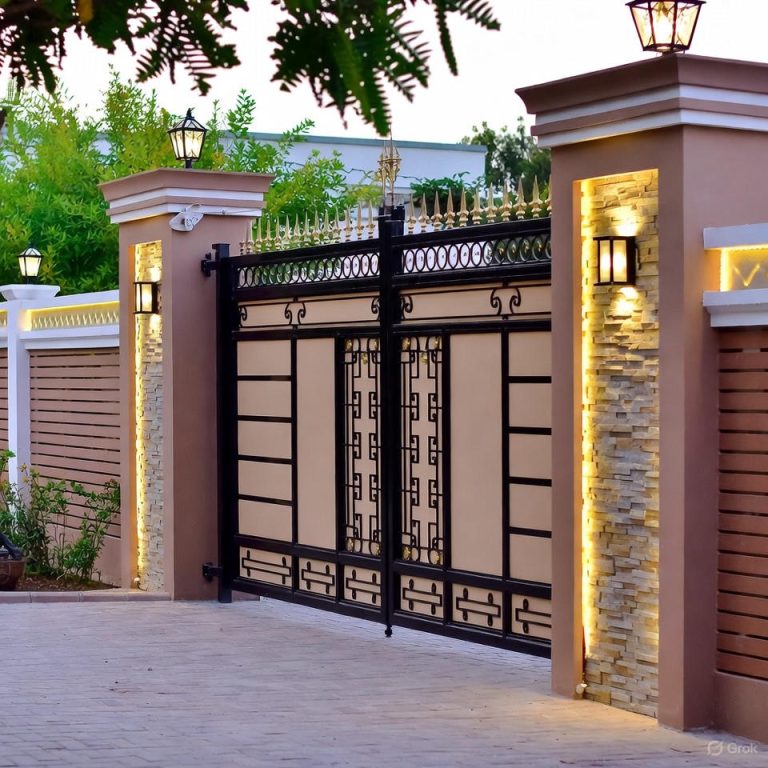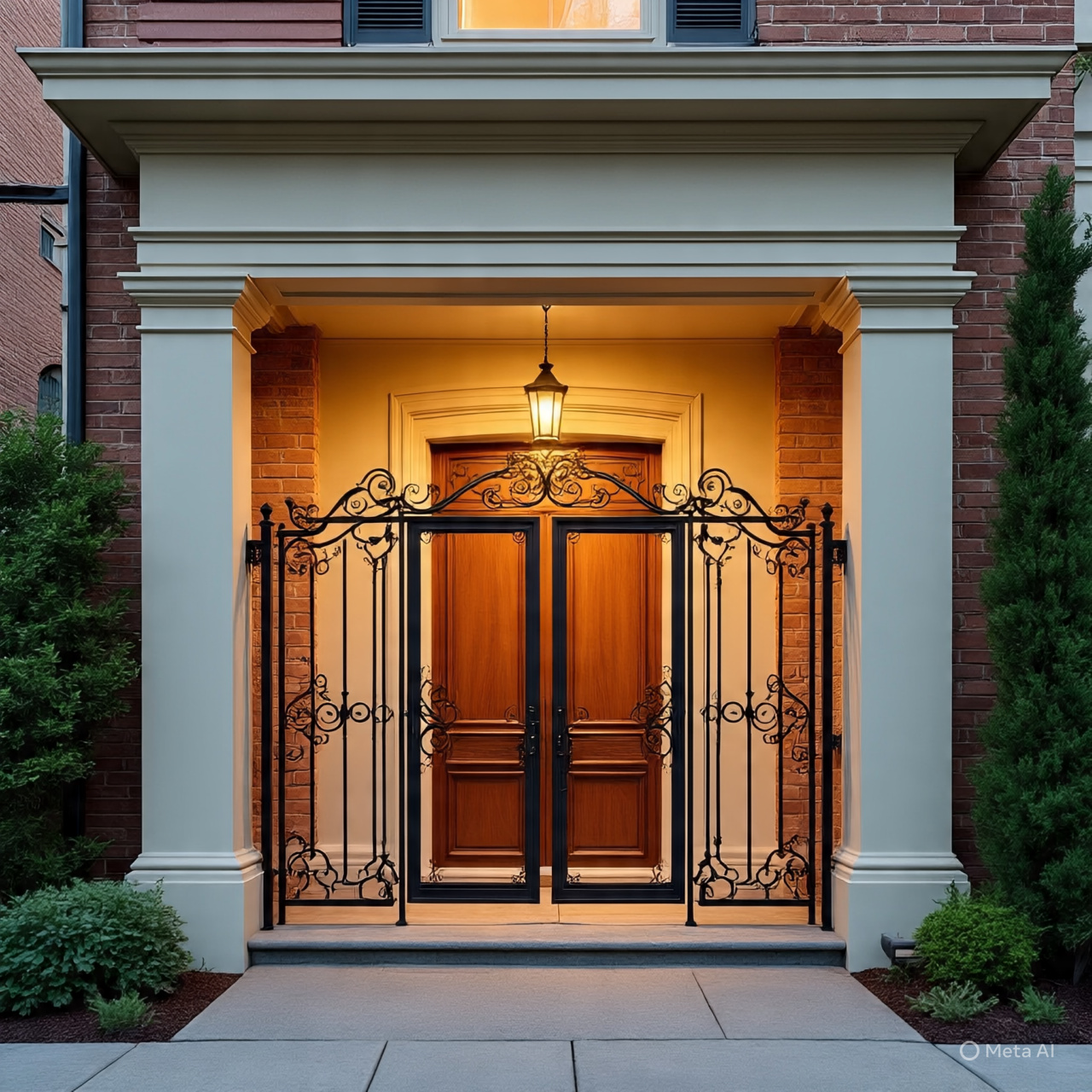
luxury small front elevation Ideas That Create a Powerful First Impression.
Introduction:
luxury small front elevation design is redefining how modern homes are perceived in global urban environments. In countries like the US, UK, Canada, Australia, and across Europe, compact plots are common—but visual luxury is never compromised. Today’s homeowners want elegance, balance, and architectural identity even when frontage width is limited. Through thoughtful color selection, refined materials, intelligent lighting, and a jewel-like main gate, a luxury small front elevation can project confidence, sophistication, and timeless appeal. This guide explores how global design principles turn modest fronts into premium architectural statements
1. Clean Architectural Lines in Luxury small front elevation.
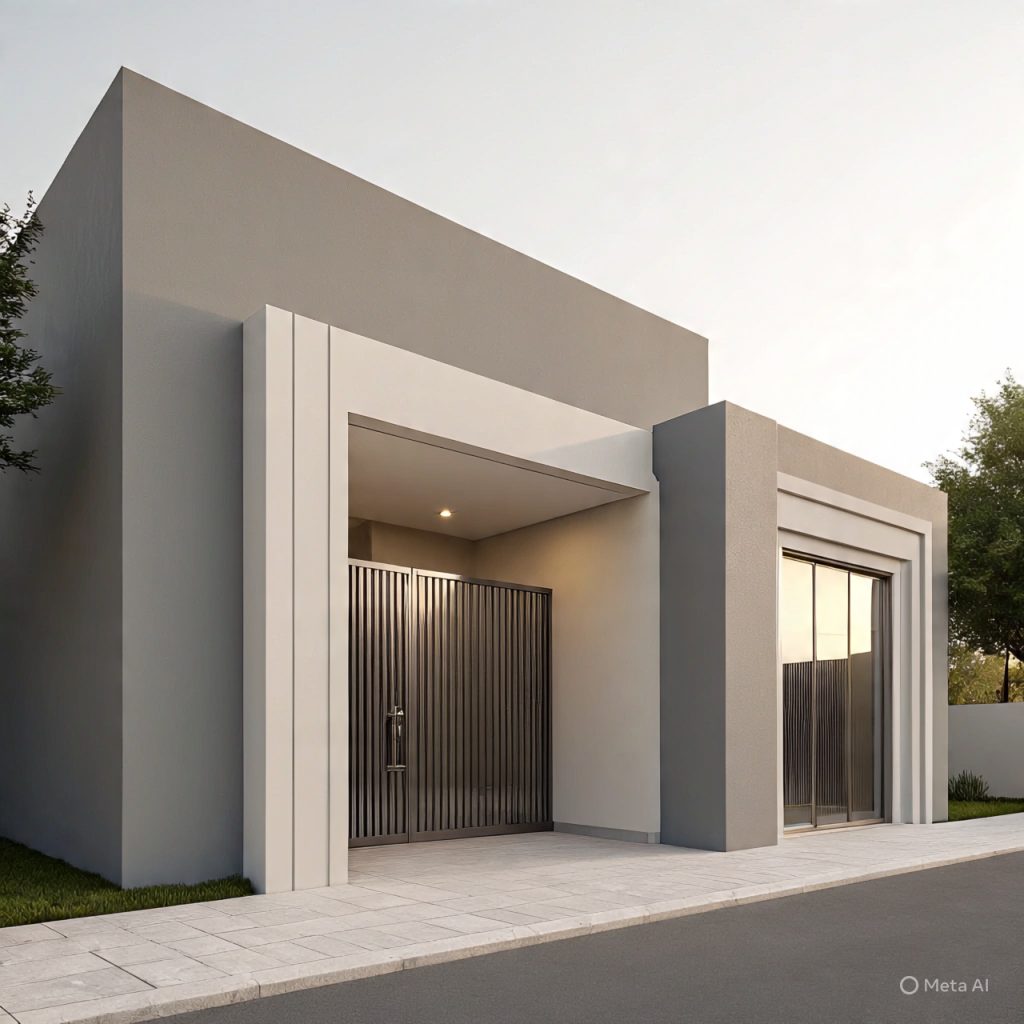
Clean lines are the foundation of luxury small front elevation. Straight edges, horizontal bands, and clearly defined volumes create a sense of order and confidence. In a luxury small-front elevation, unnecessary curves or decorative clutter can visually shrink the façade. Minimalist geometry allows the eye to flow smoothly, making the elevation feel wider, taller, and more intentional
2. Neutral Color Palettes with Rich Contrast.
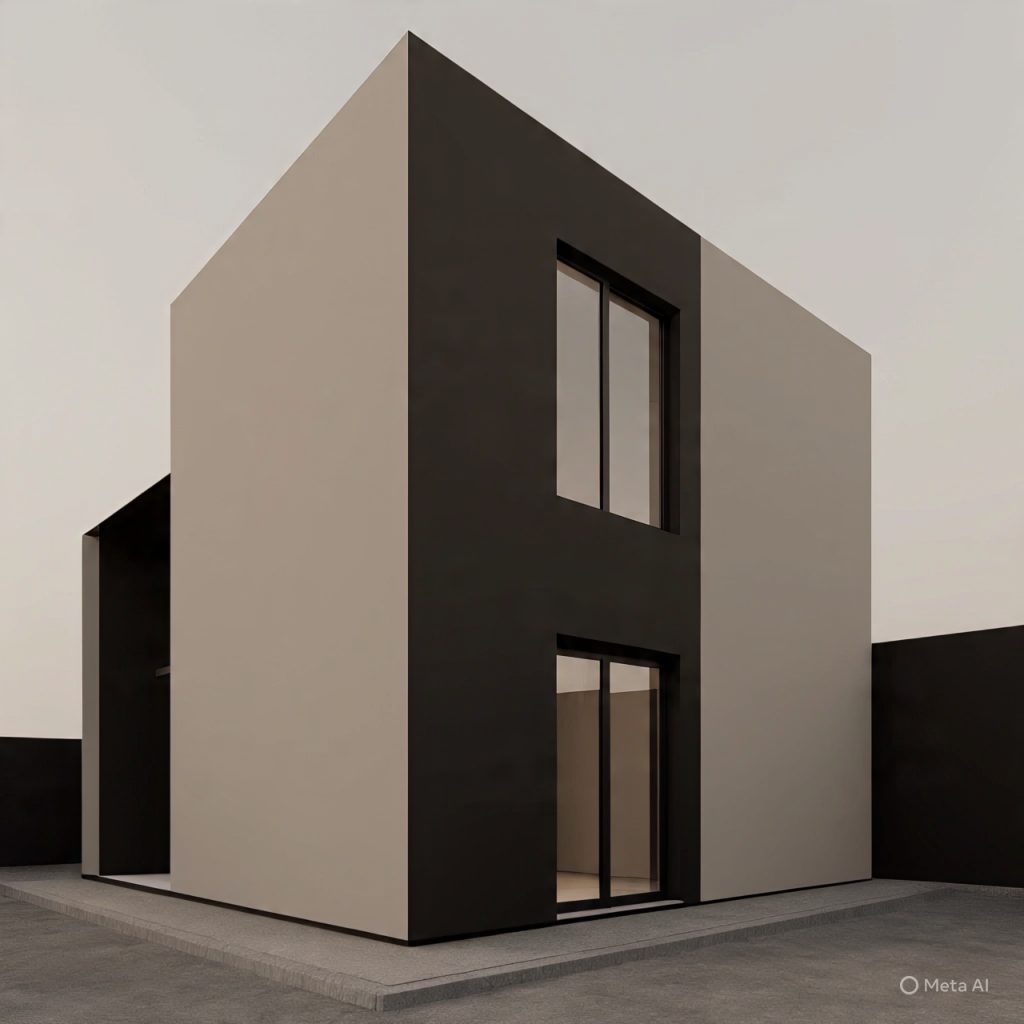
luxury small front elevation relies on restrained color palettes. Shades like soft ivory, warm grey, stone beige, and muted taupe provide a calm base. Darker accents frame architectural features and add depth without overpowering the compact front
3. A Statement Main Gate as a Design Jewel.
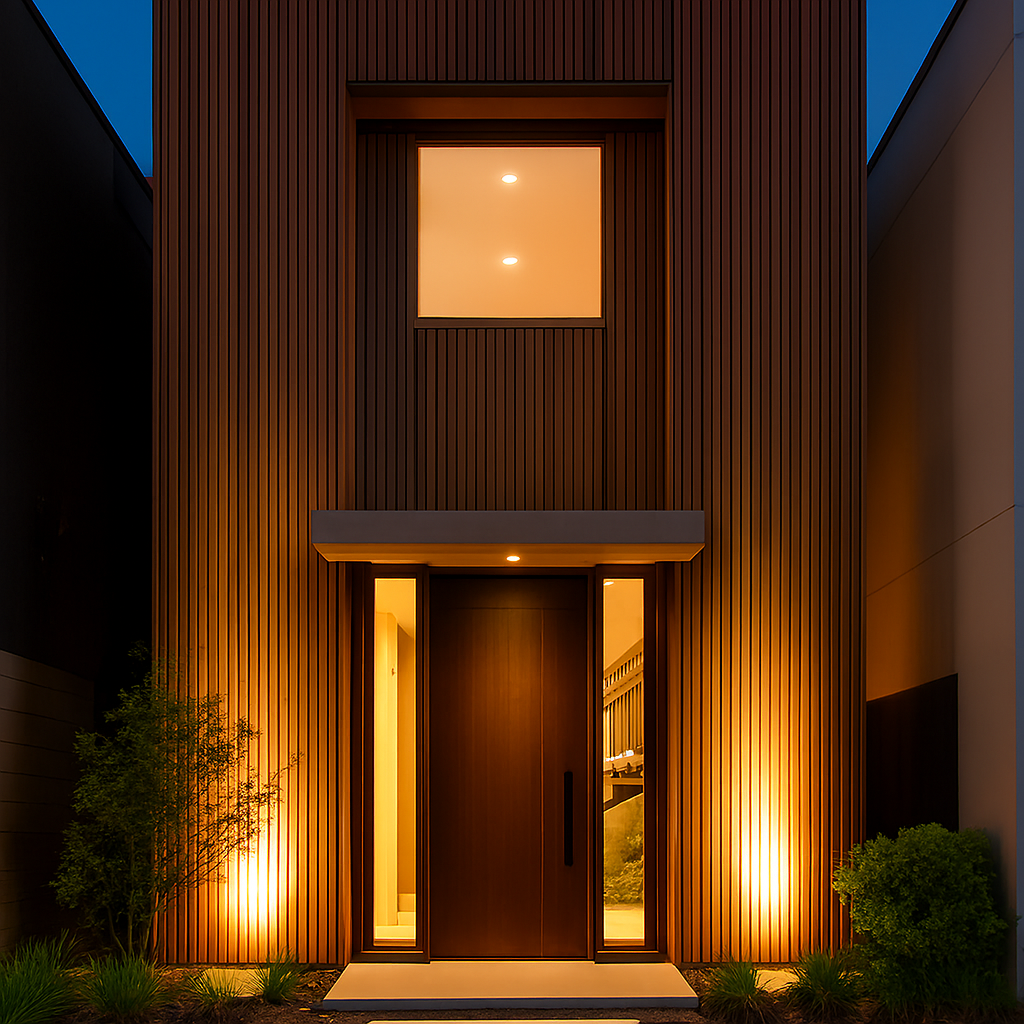
The main gate is the emotional focal point of a luxury small-front elevation. When designed thoughtfully, it feels like a gemstone set within the façade. Materials such as wood-textured metal, laser-cut panels, or matte-finish steel elevate the entrance. Subtle lighting around the gate enhances its importance without shouting for attention.
4. Strategic Exterior Lighting for Night Elegance.
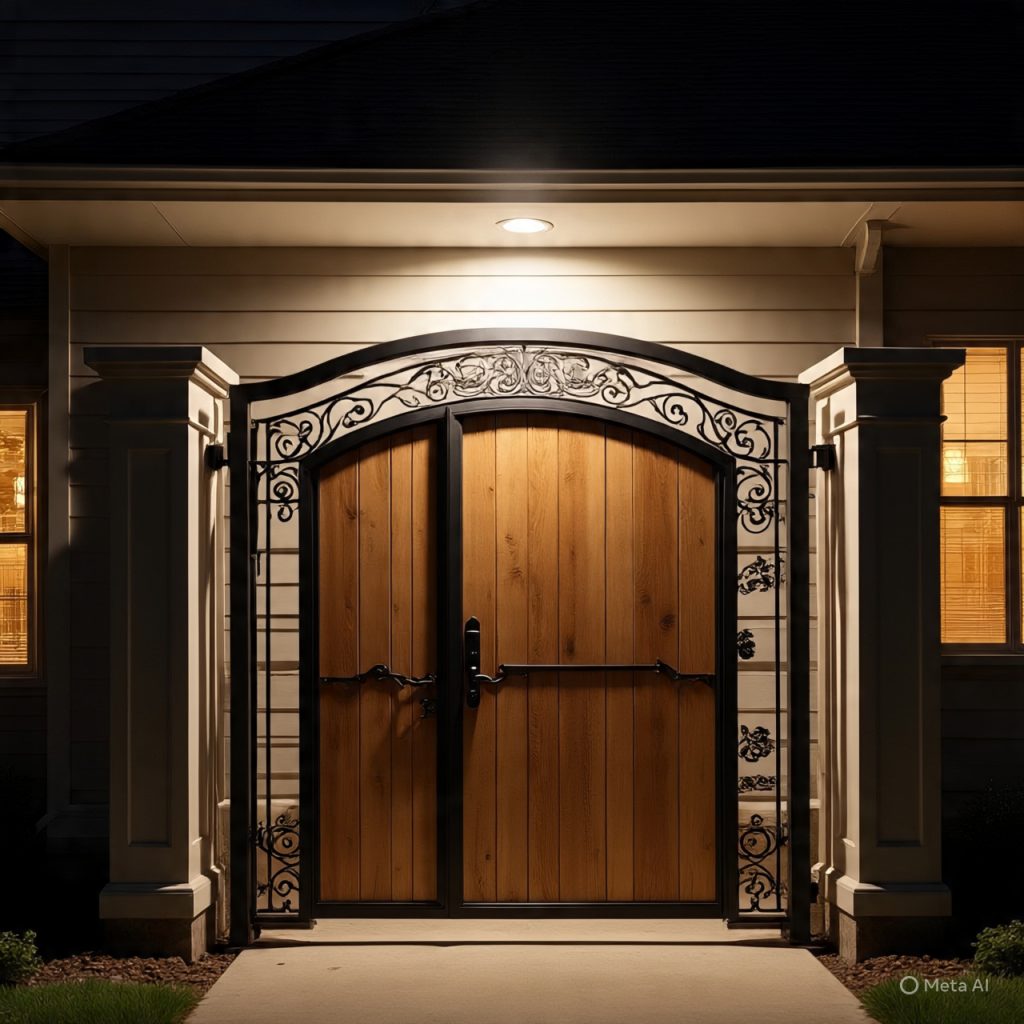
Lighting transforms architecture after sunset. Linear LED strips highlight grooves and edges, while warm wall-mounted lights soften solid surfaces. In compact fronts, lighting must be precise—too much can overwhelm, too little can flatten the design. Balanced lighting adds drama, depth, and a hotel-like glow.
5. Texture Play for Depth and Sophistication.
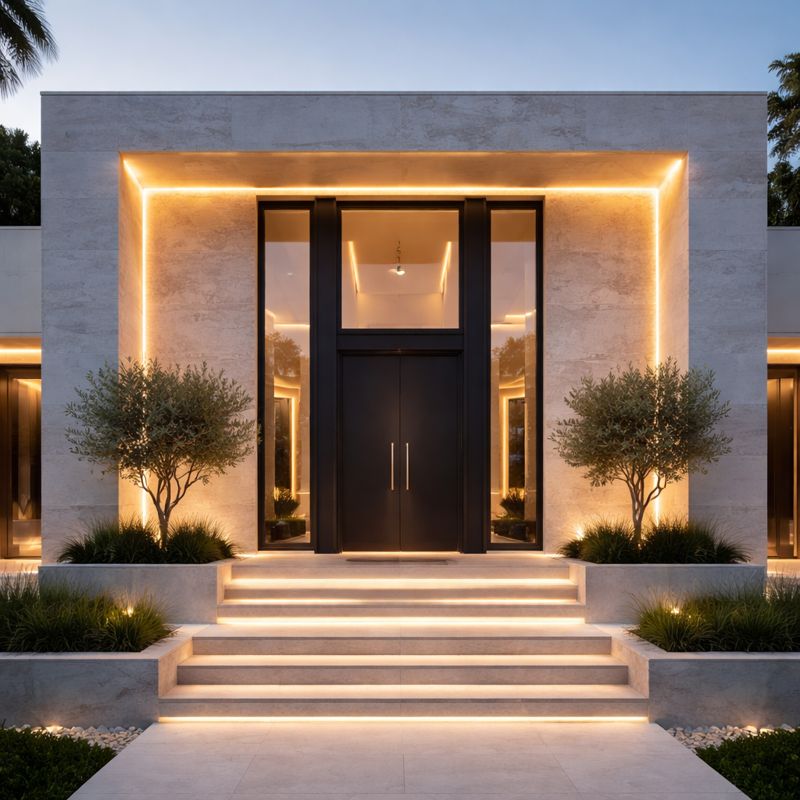
Textures prevent monotony. Stone cladding, fluted panels, concrete finishes, or wooden slats introduce tactile richness. In luxury small-front elevation design, textures are best used selectively—often around the entrance, boundary wall, or vertical features—to enhance depth without visual noise.
6. Vertical Elements to Enhance Height.
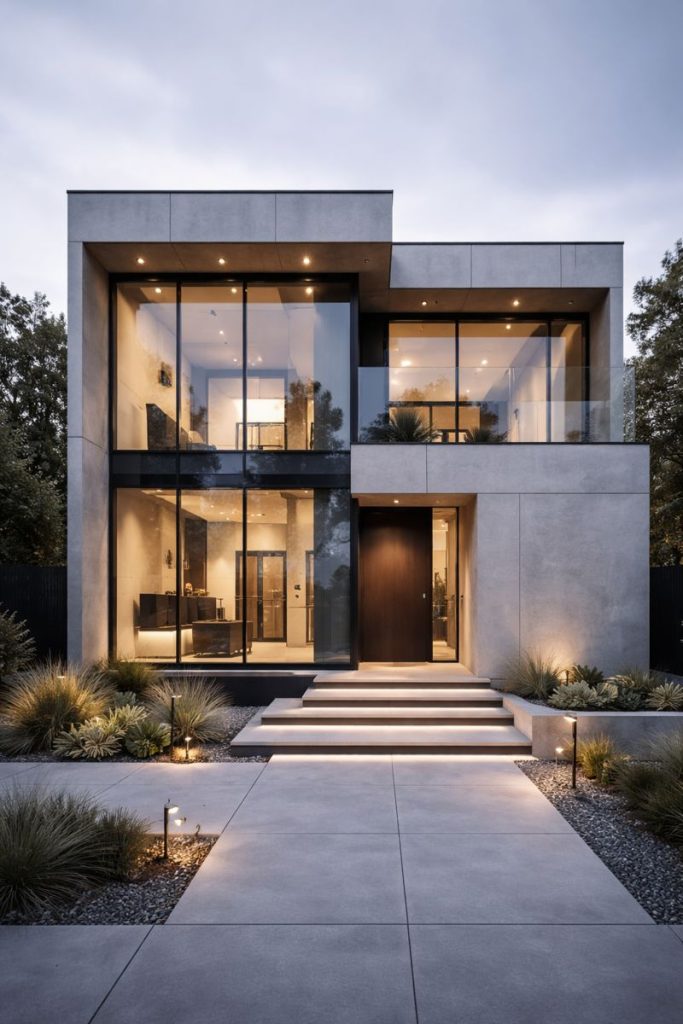
Vertical design elements visually stretch a small elevation upward. Tall window frames, vertical grooves, or slim columns help counteract narrow frontage. This technique is widely used in modern European and urban American homes to make compact houses feel architecturally grand.
7. Glass Accents for a Contemporary Touch.
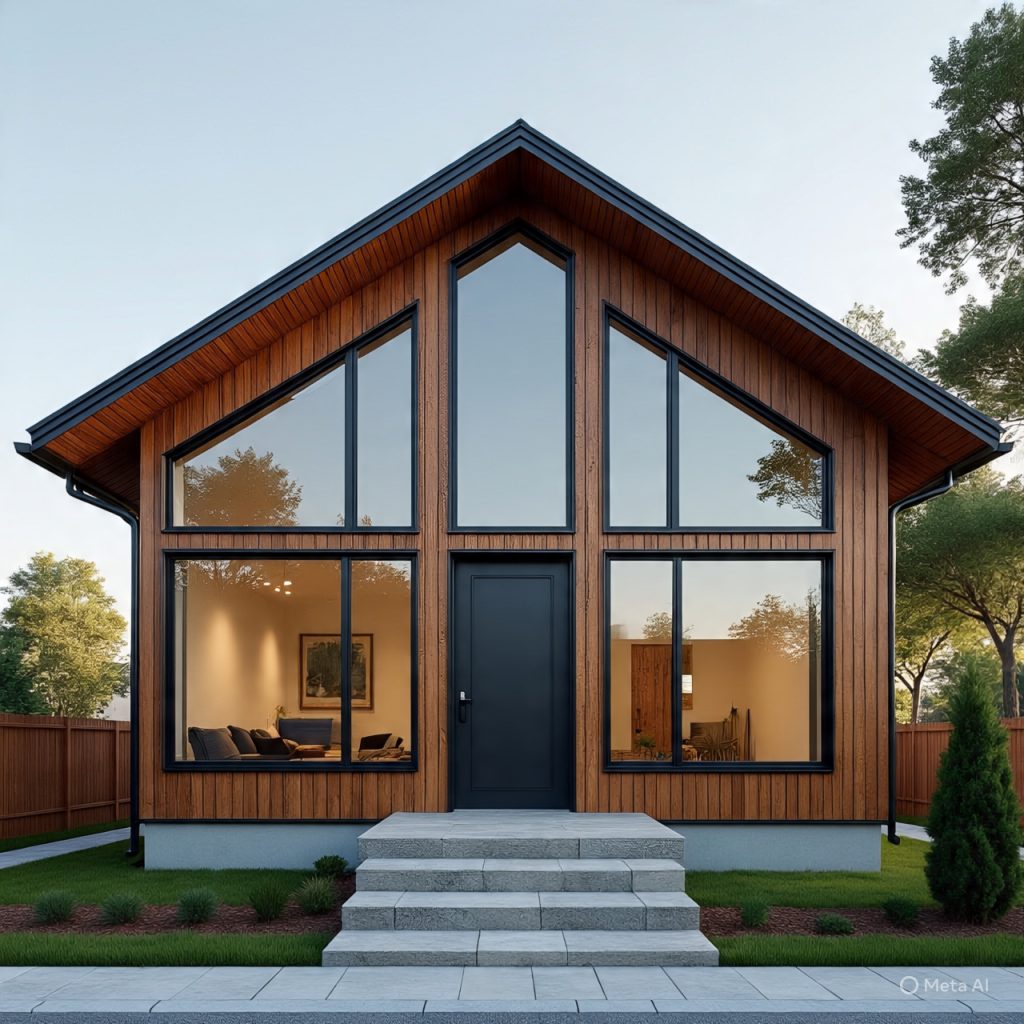
Glass is essential to modern luxury. Dark-framed windows, frosted glass panels, or narrow vertical glazing strips balance solid surfaces beautifully. Glass reflects light, adds sophistication, and prevents the elevation from feeling heavy—especially important for small-front homes.
8. Balanced Symmetry for Premium Appeal.
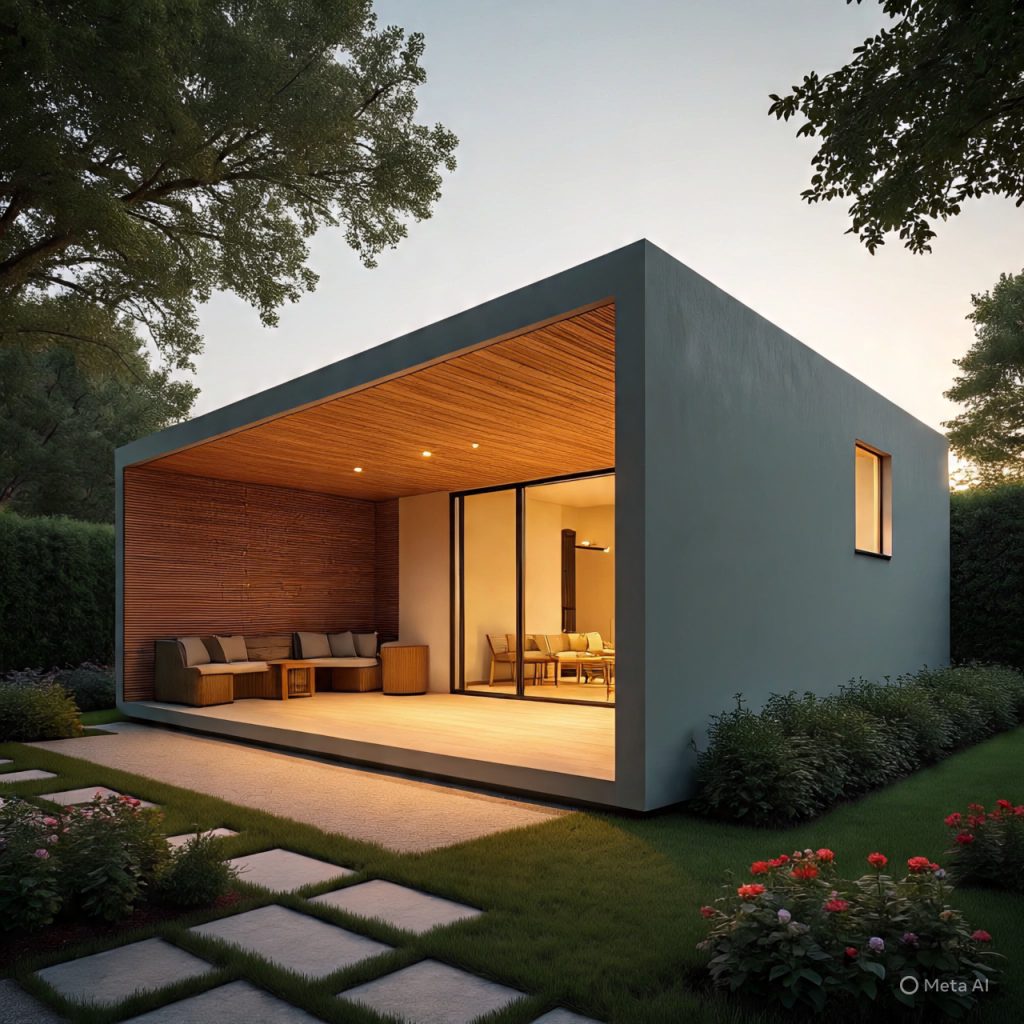
Symmetry brings calm and elegance. Even in asymmetrical layouts, visual balance can be achieved by aligning windows, lights, and textures. A centered or visually weighted gate anchors the elevation, creating harmony that feels naturally luxurious.
9. Minimal Landscaping That Complements Luxury.
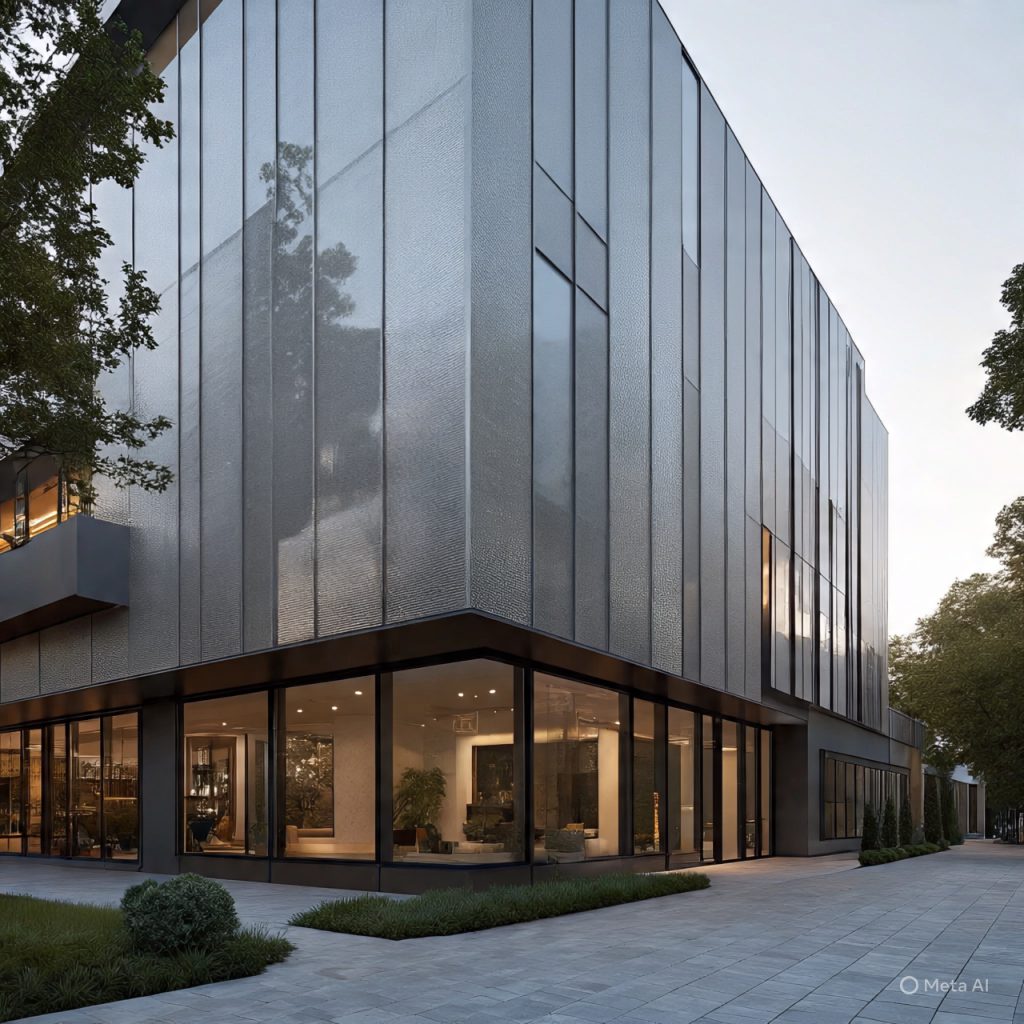
Landscaping should support—not compete with—the architecture. Low planters, ornamental grasses, or stone beds soften the base of the elevation. In small-front designs, minimal greenery adds warmth without consuming precious visual space.
10. Flat Roofs and Cantilevered Projections.
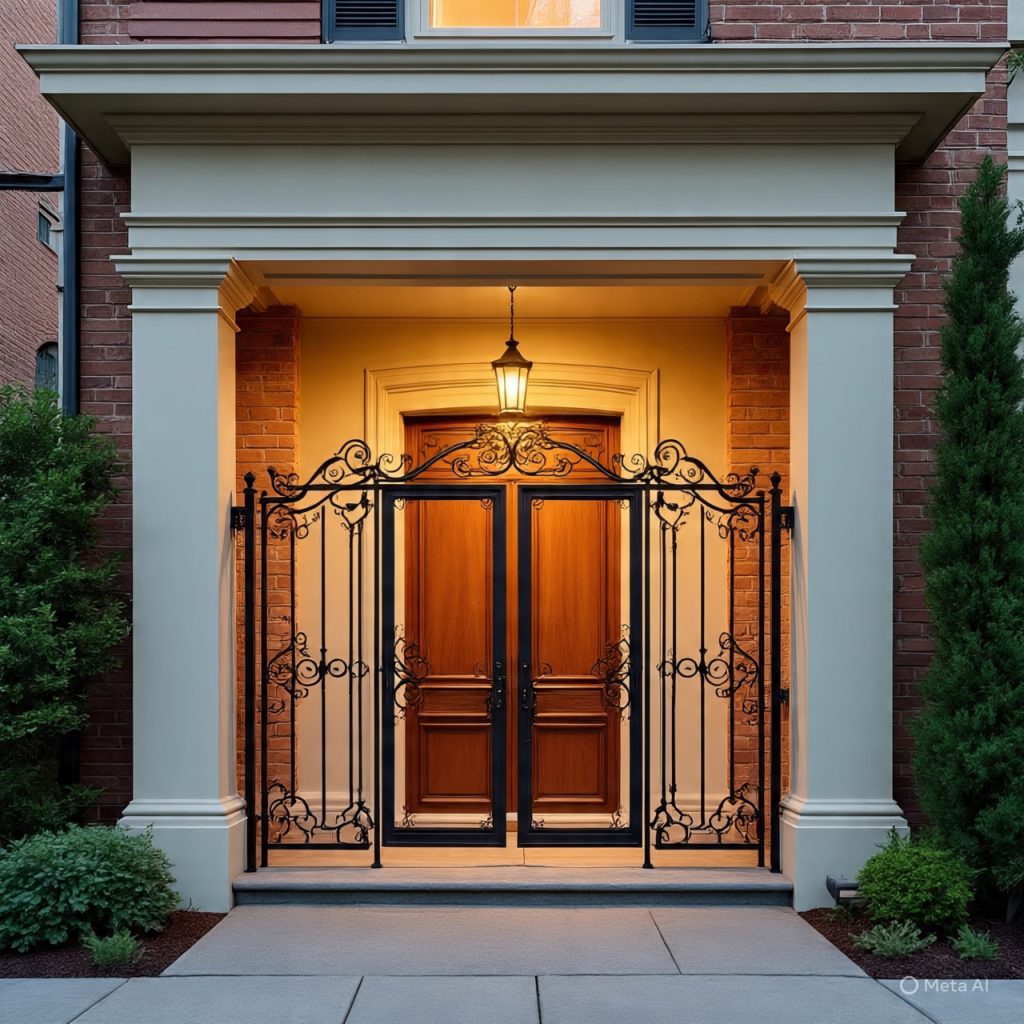
Flat roofs paired with cantilevered shades or entrance projections add modern character. These elements create shadow play and architectural layering, making the façade appear more dynamic and thoughtfully designed.
11. Material Harmony Across the Façade.
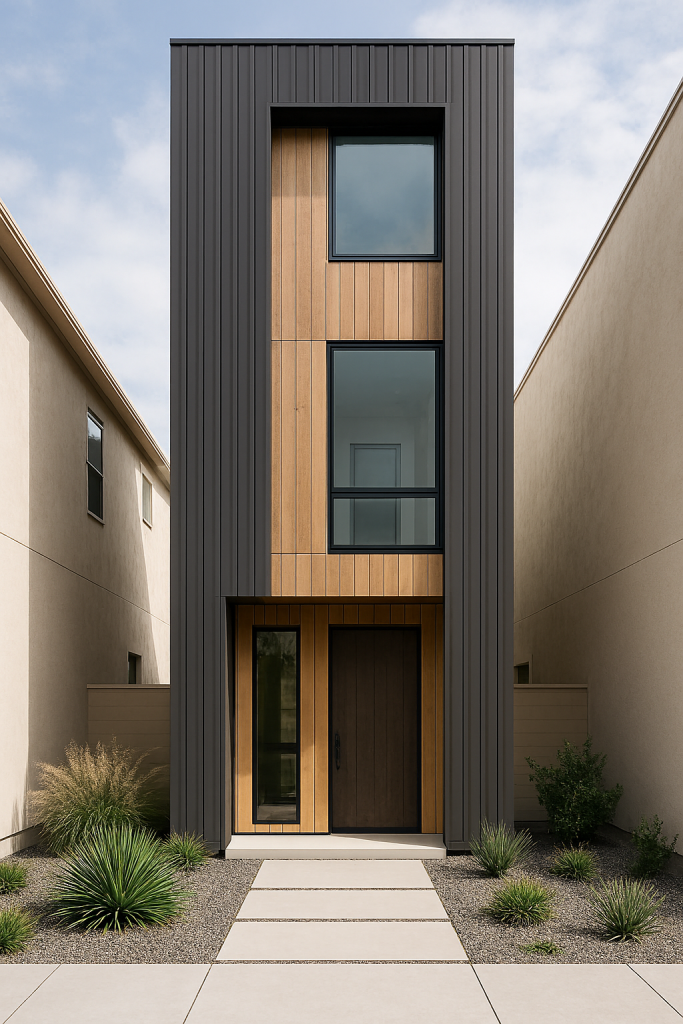
In a luxury small front elevation, luxury is felt when materials speak the same language. The color of the gate, boundary wall texture, window frames, and even the lighting temperature should feel visually connected. This harmony strengthens the overall composition of a luxury small front-elevation, creating visual calm—an essential trait of high-end design.
12. Timeless Design Over Short-Term Trends.
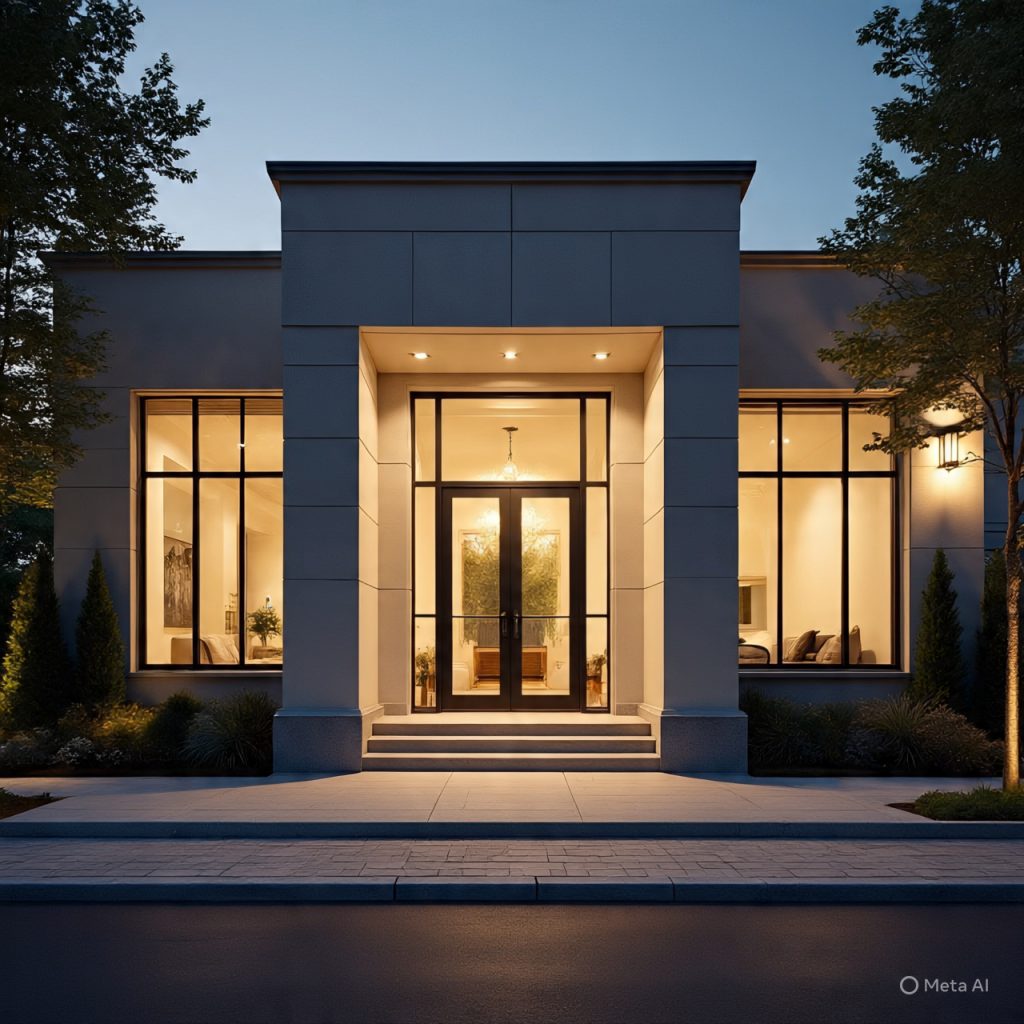
True luxury avoids short-lived trends. Neutral palettes, clean geometry, and quality materials ensure that a luxury small-front elevation remains elegant for years. Timeless design also protects resale value and long-term visual appeal.
Final Thoughts:
A luxury small front elevation proves that elegance is not about size—it is about thoughtful design. With clean lines, refined textures, balanced lighting, and a beautifully crafted main gate, even the smallest frontage can feel prestigious and globally relevant. When executed with restraint and intention, a luxury small front elevation achieves an architectural presence that rivals much larger properties.
In my experience, a well-balanced front elevation design creates both visual appeal and long-term value. Use this guide as a foundation, adapt it to your needs, and build a design that feels modern, practical, and timeless.