The Ultimate Guide to Front-Elevation-Design for Modern and Timeless Homes
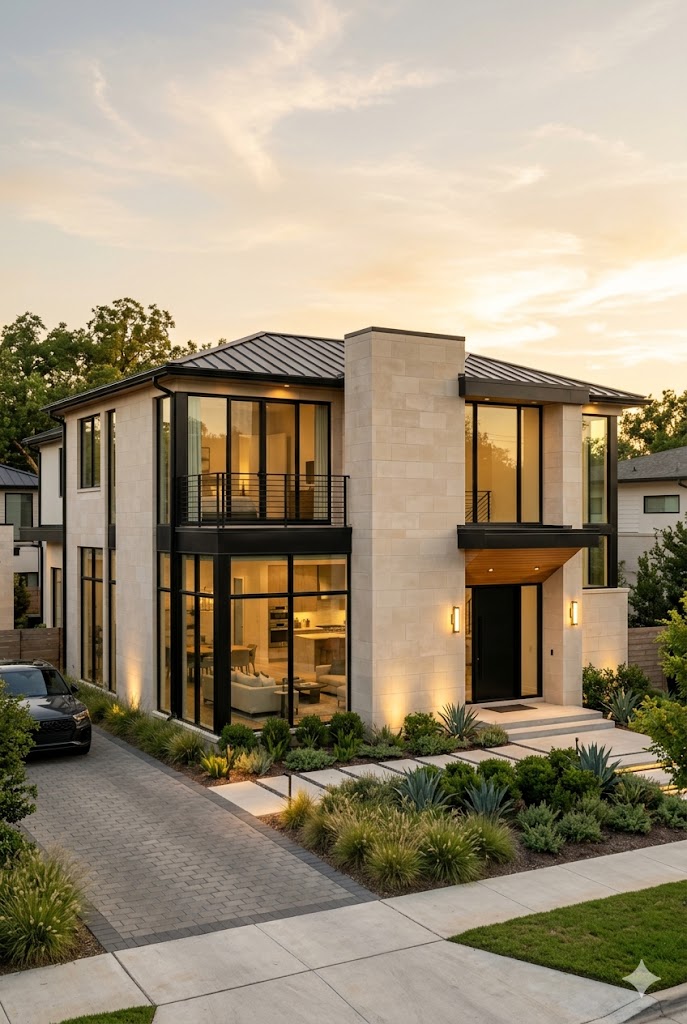
A thoughtfully planned Front-Elevation-Design defines the architectural identity of a home. It is the visual signature that communicates style, structure, and personality before anyone even steps inside. In contemporary architecture, the facade is no longer treated as a simple exterior wall; it is a carefully composed arrangement of materials, geometry, light, proportion, and landscaping.
Homeowners today expect more than decorative finishes. They want sustainability, climate responsiveness, and aesthetic refinement working together. A strong Front-Elevation-Design increases property value, enhances curb appeal, and improves environmental performance. From small urban homes to luxurious villas, elevation planning determines whether a house feels cohesive or incomplete.
Why Most Front Elevation Ideas Fail in Real Homes
Many homeowners save beautiful elevation ideas but struggle to apply them in real life.
The main problems:
- choosing designs without considering plot size
- mixing too many styles together
- ignoring proportion and structure
- copying ideas without adapting them
- no planning for lighting and materials
A good front elevation is not about copying ideas.
It is about choosing the right idea for your house.
What Makes a Front Elevation Design Look Modern
A modern front elevation is not defined by trends alone. It depends on:
- clean and simple geometry
- limited materials and colors
- proper alignment and proportion
- use of depth through layers and shadows
Well-designed elevations focus on balance and clarity, not complexity.
Types of Front Elevation Design Ideas Based on Style
Modern Minimalist Elevation Ideas
- clean lines
- flat surfaces
- neutral colors
best for urban homes
Read Full Guide: 10 Minimalist Front Elevation Design
Contemporary Elevation Ideas
- mix of materials
- geometric shapes
- bold but balanced
flexible for most houses
Read Full Guide: 10 Contemporary Front Elevation Ideas
Luxury Elevation Ideas
- premium materials
- glass + lighting
- symmetry
high-end visual appeal
Read Full Guide: luxury small front elevation Ideas
Natural / Earthy Elevation Ideas
- stone, wood, greenery
- soft color palette
calm and modern feel
This guide explores the complete framework required to design an exterior that is balanced, modern, and future-ready.
Read Full Guide: 10 Modern Brick Elevation Ideas
1. The Importance of First Impressions

First impressions shape perception within seconds. A well-executed Front-Elevation-Design establishes visual confidence through symmetry, clean lines, and thoughtful detailing. When proportions are balanced and materials are harmonized, the facade appears intentional rather than accidental.
Architectural depth, achieved through projections, recesses, or layered panels, creates shadow play that adds dimension. Even subtle features like framed entrances or highlighted window edges can elevate the exterior dramatically. A powerful first impression is not about excess ornamentation but about clarity of design. Homes with carefully planned elevations often feel more valuable and professionally designed, even when the structure itself is modest in size.
2. Climate-Responsive Planning

Climate should guide every major exterior decision. A climate-sensitive Front-Elevation-Design improves comfort and energy efficiency while maintaining beauty. In hot climates, deep overhangs and vertical fins reduce solar heat gain. In colder regions, larger sun-facing windows maximize daylight.
Ventilation strategies also influence facade planning. Strategically positioned openings encourage cross-breezes, reducing reliance on mechanical cooling. Materials must be chosen based on durability against rain, humidity, or extreme heat. By aligning architectural form with environmental conditions, homeowners create a facade that performs efficiently year-round without sacrificing aesthetic appeal.
3. Achieving Proportion and Balance

Proportion determines whether a home looks grounded or awkward. A balanced Front-Elevation-Design distributes visual weight evenly across structural elements. Windows should align with floor levels, balconies must not overpower the facade, and entrance features should feel proportionate to the overall mass.
Symmetry often creates timeless elegance, while controlled asymmetry introduces modern sophistication. The key lies in maintaining rhythm through consistent spacing and repetition. When proportions are carefully studied, the facade appears calm and structured rather than chaotic.
4. Designing Small Front Elevations

Limited frontage requires creative solutions. A compact Front-Elevation-Design can still look impressive by emphasizing vertical elements that create an illusion of height. Textured panels, slim columns, and contrasting color strips enhance depth.
Avoid overcrowding small facades with too many materials or decorative elements. Simplicity, paired with strategic lighting and color blocking, makes compact homes appear refined. Intelligent design ensures even modest houses achieve strong curb appeal.
Read Full Guide: 10 Small House Front Elevation Ideas
5. Luxury Through Material Selection

Luxury emerges from refinement and quality. Premium stone, natural wood, textured concrete, and large glass panels instantly elevate a Front-Elevation-Design.
Layering materials carefully creates contrast without overwhelming the facade. For example, pairing warm wooden accents with cool stone surfaces generates visual balance. High-quality finishes also ensure durability, maintaining elegance over time.
Read Full Guide: How to Choose the Right Material for Front Elevation
6. Color Combination Principles

Color influences emotion and perception. Neutral tones create timeless appeal, while bold accents draw attention to focal points. A two-tone Front-Elevation-Design often balances sophistication with visual interest.
Darker shades at the base create grounding, while lighter upper tones add openness. Strategic use of color highlights structural geometry without cluttering the facade.
Read Full Guide: Front Elevation Color Combinations
7. Gate and Boundary Integration

The entrance should feel cohesive with the main structure. A unified Front-Elevation-Design extends beyond the building to include the gate and boundary wall.
Whether minimalist metal or warm wood, the gate must echo facade materials. Alignment in color and geometry strengthens architectural harmony.
Read Full Guide: Luxury Main Gate Designs
8. Balcony and Window Detailing

Balconies add dimension and create depth through shadows. Window placement defines rhythm across the facade.
A thoughtful Front-Elevation-Design ensures that openings enhance symmetry and proportion while supporting ventilation and daylight.
9. Roofline Definition

The roof shapes the silhouette of the home. Flat roofs express modern simplicity, while sloped roofs add warmth and traditional influence.
Layered rooflines strengthen the architectural character of a Front-Elevation-Design, especially when paired with subtle lighting.
10. Sustainable Design Features

Eco-friendly elements such as sun-shading panels, green walls, and energy-efficient glazing improve performance.
A sustainable Front-Elevation-Design balances environmental responsibility with aesthetic refinement.
11. Texture and Surface Contrast

Texture prevents flatness. Combining smooth plaster with rough stone or ribbed panels creates visual richness.
A textured Front-Elevation-Design feels dynamic and layered rather than monotonous.
12. Landscaping Harmony

Landscaping softens architectural rigidity. Trees and hedges frame the facade naturally.
An integrated Front-Elevation-Design treats greenery as part of the architectural story.
13. Night-Time Lighting Strategy

Lighting transforms the facade after sunset. Uplights and wall washers create dramatic effects.
A well-lit Front-Elevation-Design ensures the home remains visually striking at night.
Read Full Guide: The Magic of Night-Time Elevations
14. Global Design Influences

Modern architecture draws from global inspirations. California ranch homes, Scandinavian minimalism, and Asian modern styles shape contemporary Front-Elevation-Design trends.
Studying global examples helps refine local execution.
15. Common Mistakes to Avoid

Overcomplicating materials, ignoring proportion, or neglecting lighting can weaken impact.
Careful planning ensures a timeless and cohesive Front-Elevation-Design.
Read Full Guide: Front Elevation Mistakes
How to Choose the Right Front Elevation Idea for Your House
Before selecting a design, consider:
Plot Size
Small → minimal design
Large → layered + detailed
Number of Floors
Single → horizontal focus
Double → vertical balance
Budget
Low → paint + simple structure
High → materials + lighting
Climate
Hot → light colors
Cold → darker tones
Front Elevation Color and Material Combinations That Work
Instead of random ideas, explain logic:
- light base + dark accents → modern contrast
- neutral tones → timeless look
- wood + paint → warm modern feel
- stone + glass → luxury finish
Color and material should support the structure, not overpower it.
Common Mistakes When Choosing Front Elevation Ideas
- copying designs without adapting
- using too many materials
- ignoring proportions
- poor color combinations
- no lighting planning
These mistakes make even good ideas look bad in real homes.
How to Turn Any Elevation Idea into a Premium Design
- simplify the design
- limit materials to 2–3
- add lighting
- create one focal point
- maintain symmetry
How Lighting Transforms Front Elevation Design
Lighting is one of the most powerful design elements.
- highlights textures
- creates depth at night
- improves curb appeal
Even simple designs look premium with proper lighting.
FAQs
What is the best front elevation design?
Modern minimalist designs are the most popular and versatile.
How do I choose the right elevation idea?
Based on plot size, budget, and house structure.
Can I combine different elevation styles?
Yes, but only if they are balanced and not overdone.
Final Thoughts
A successful Front-Elevation-Design merges creativity, proportion, sustainability, and functionality. When every component works in harmony, the result is an exterior that feels balanced, modern, and enduring.
Beyond aesthetics, a well-planned facade strengthens structural identity, improves energy performance, and enhances long-term property value. Thoughtful detailing, coordinated materials, and proper lighting ensure the design remains relevant for years. A timeless Front-Elevation-Design is not about trends—it is about architectural clarity and purposeful decisions