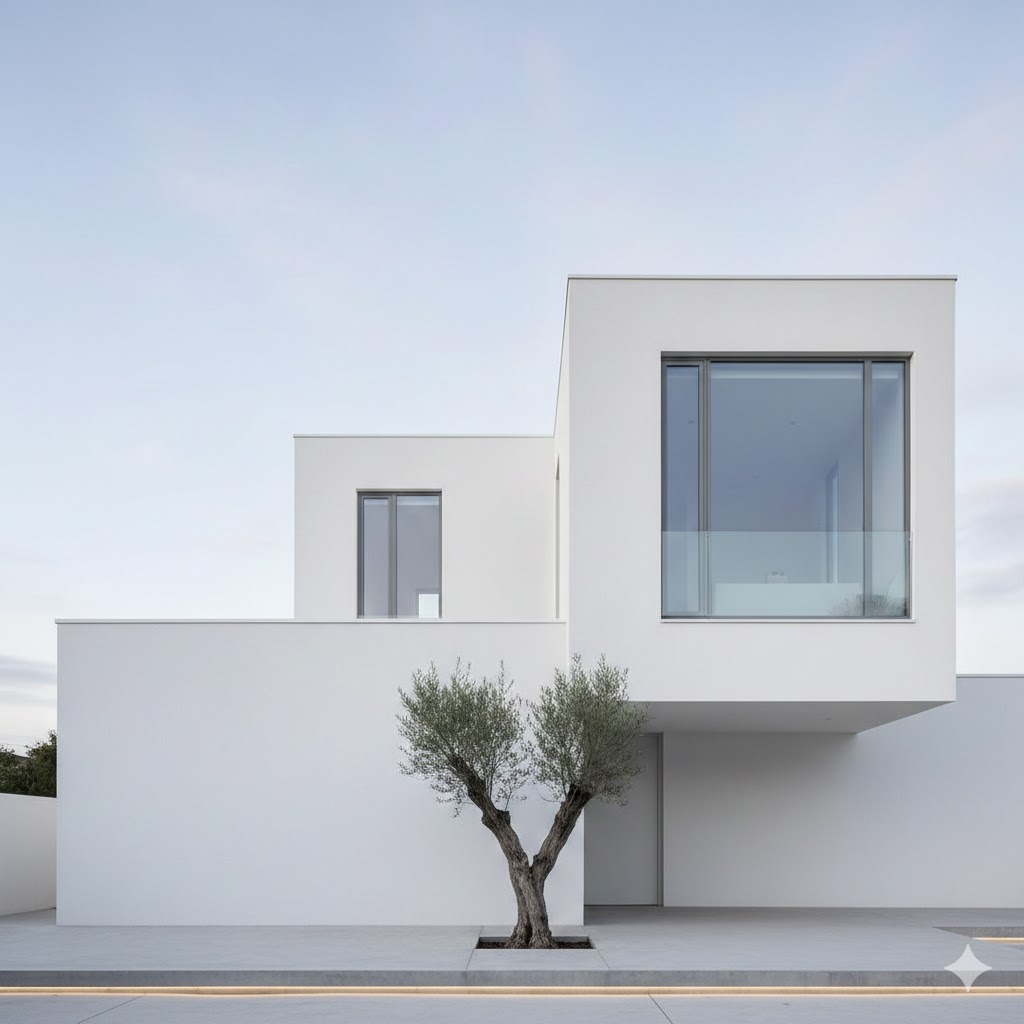
10 Minimalist Front Elevation Designs for Simple, Elegant & Future-Ready Homes.
Introduction:
Minimalist front elevation designs have become one of the most in-demand architectural styles across the world. Clean lines, soft colors, natural textures, and clutter-free layouts make a home look elegant, peaceful, and luxurious without being overwhelming. Whether you have a small plot, a two-story home, or a spacious villa, minimalist front elevation designs offer timeless beauty along with functionality. These designs give your home a refreshing, modern identity that remains stylish for years.
1. Clean Lines and Simple Geometry in Minimalist Front Elevation Designs.
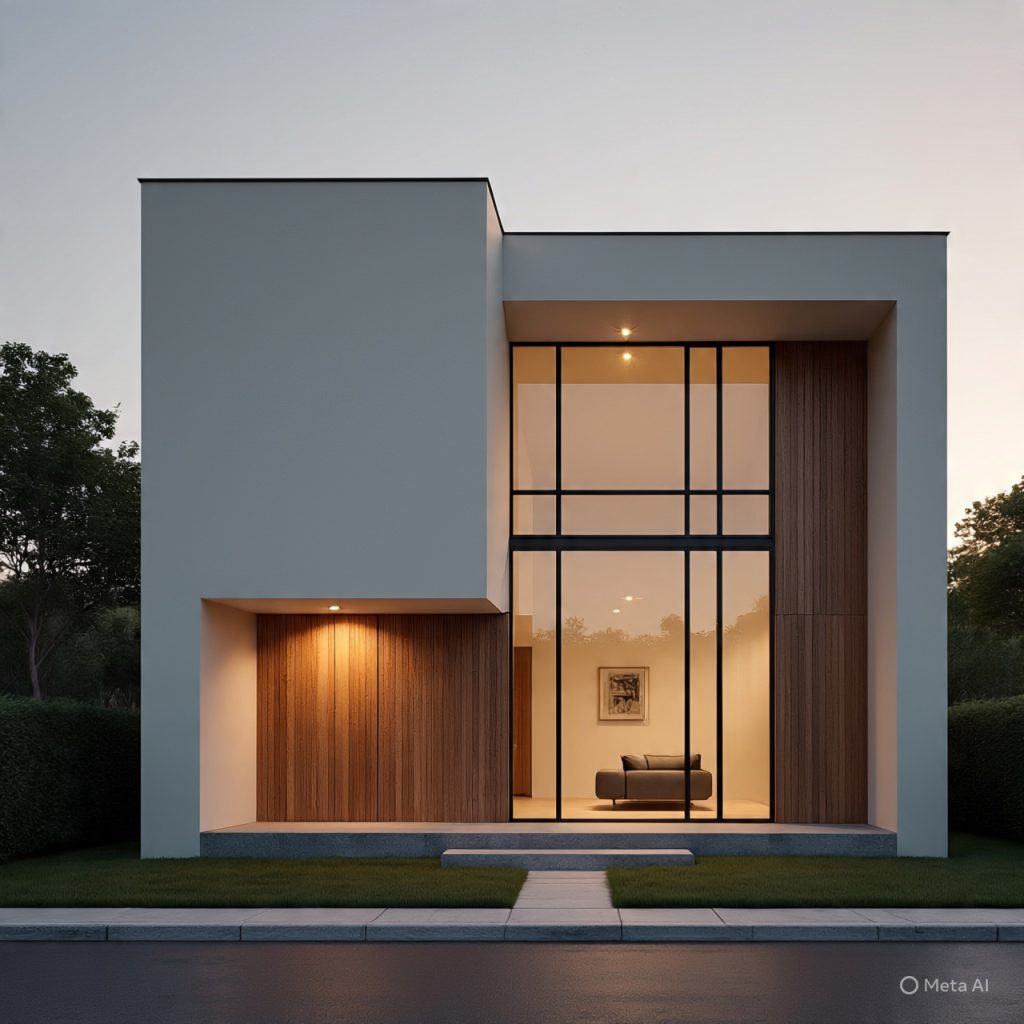
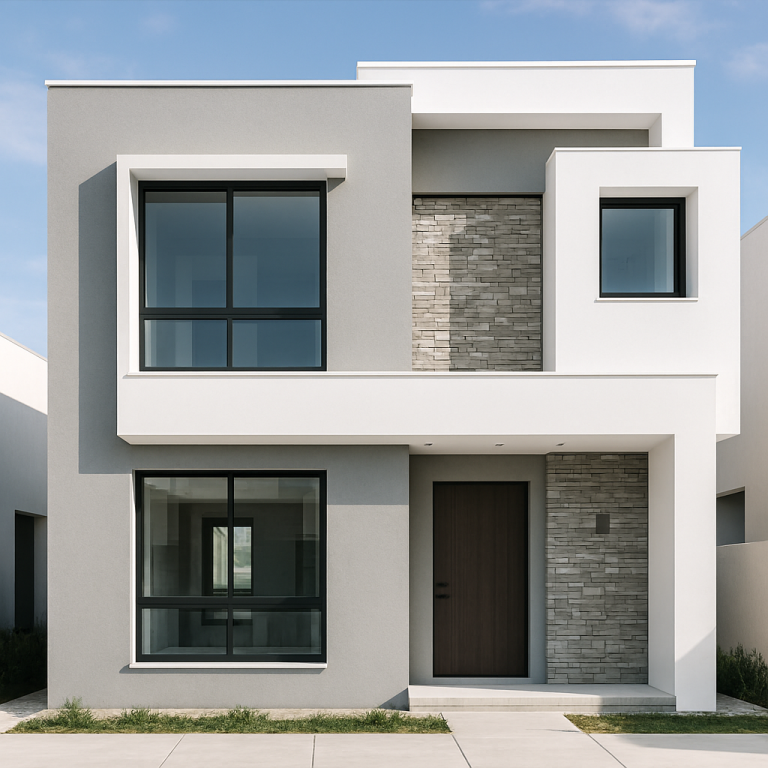
Minimalist front elevations are built around straight lines and simple geometric shapes. Instead of unnecessary curves or decorative elements, the design focuses on a neat and structured appearance. This simplicity not only makes the home look modern but also gives it a sophisticated personality. Rectangular frames, clear horizontal divisions, and balanced proportions create harmony that feels spacious and calm.
2. Neutral and Earthy Color Palettes for Minimalist Homes.
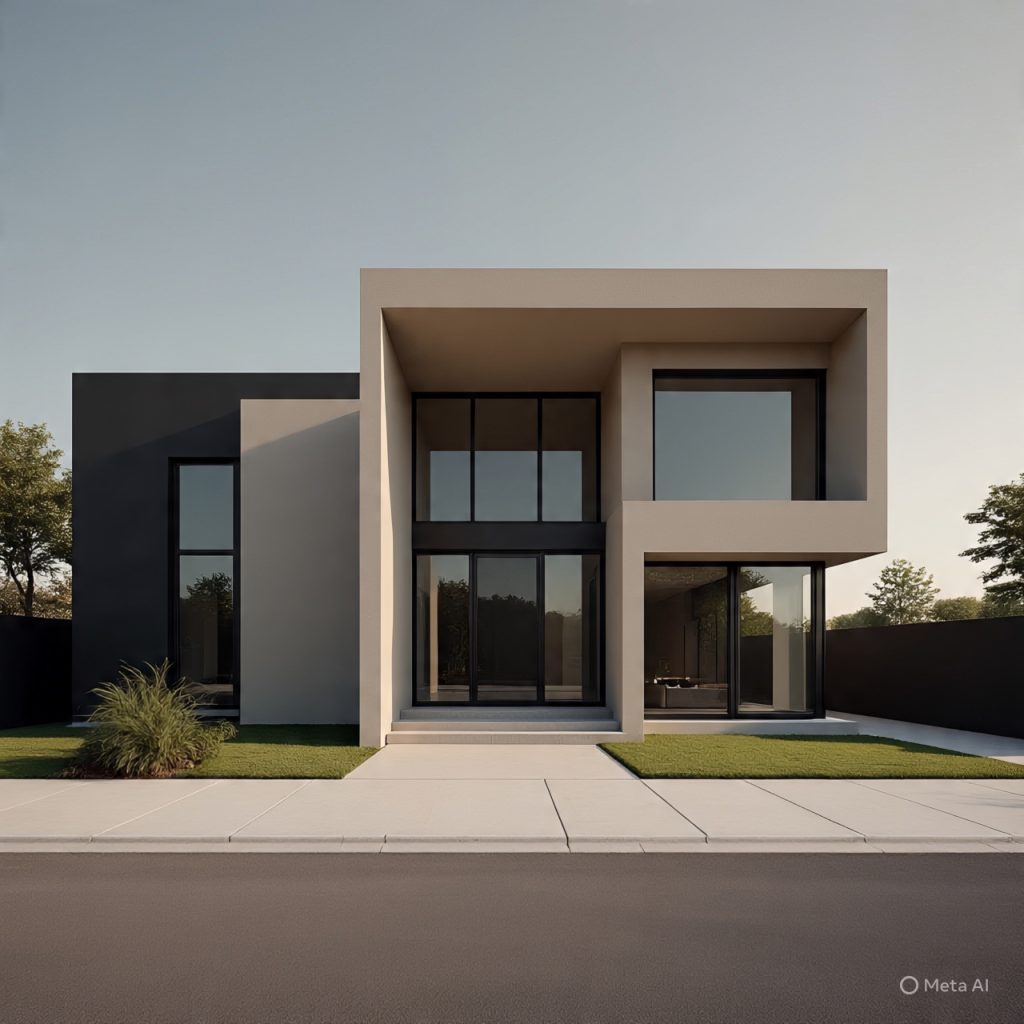
One of the strongest features of minimalist architecture is its use of neutral colors. Shades such as white, grey, beige, taupe, and charcoal dominate the façade. These colors create a soft and welcoming look, while earthy tones provide warmth and natural beauty. The palette is intentionally subtle so the overall design looks elegant and uncluttered.
3. Glass as a Major Element in Minimalist Front Elevation Designs.
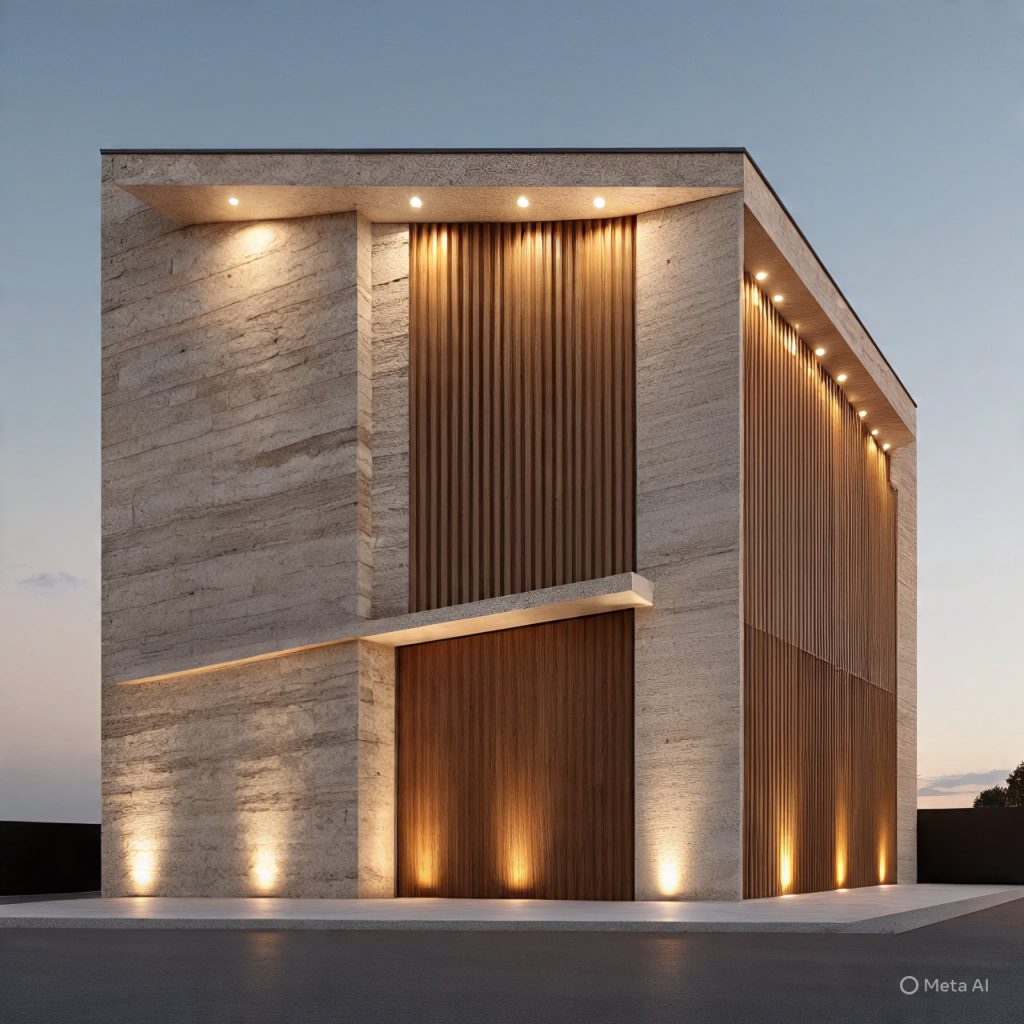
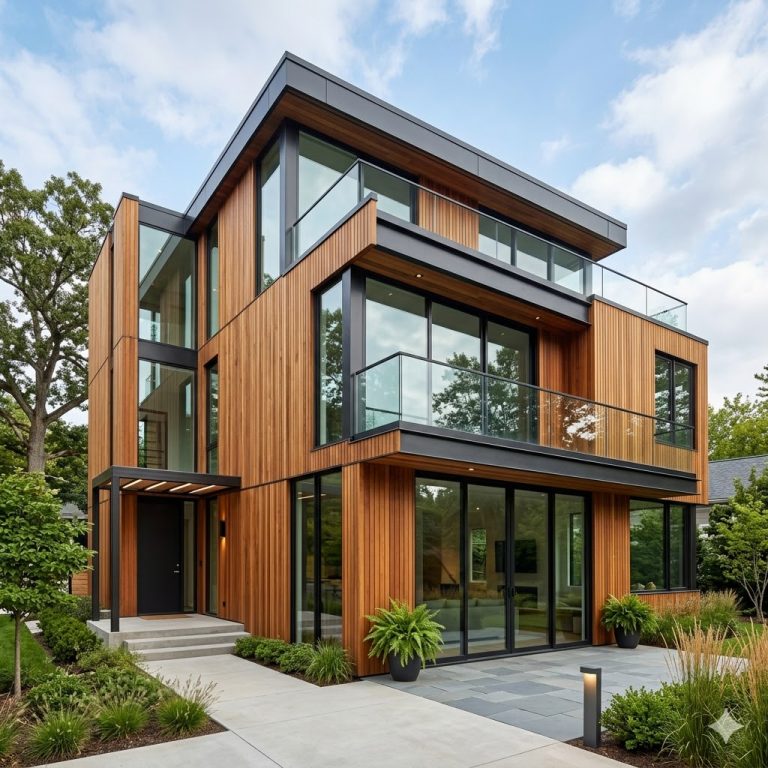
Large windows and glass panels play an important role in minimalist front elevations. Glass helps create a seamless connection between indoor and outdoor spaces, making the home appear brighter and more open. Full-height windows, corner glass, and sliding panels bring in natural light while maintaining a clean aesthetic. When paired with dark frames, they add a modern sense of contrast.
4. Natural Materials for Warmth and Texture.
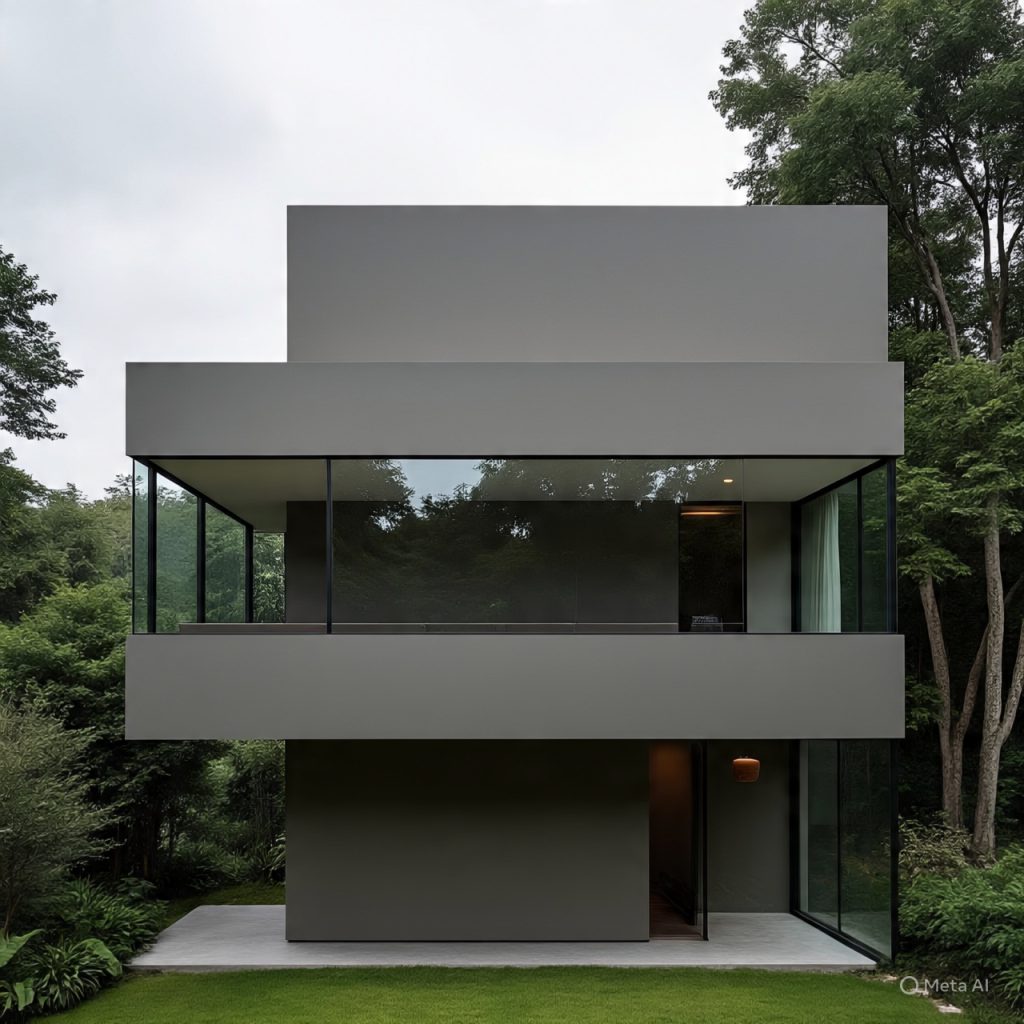
To prevent minimalist front elevation designs from appearing too plain, materials like natural wood, stone, and concrete are added for texture. Wooden panels bring warmth and charm, stone cladding adds depth, and exposed concrete gives a stylish industrial touch. These materials balance simplicity while creating a visually rich exterior that still feels minimal.
5. Modern Lighting to Highlight the Architecture.
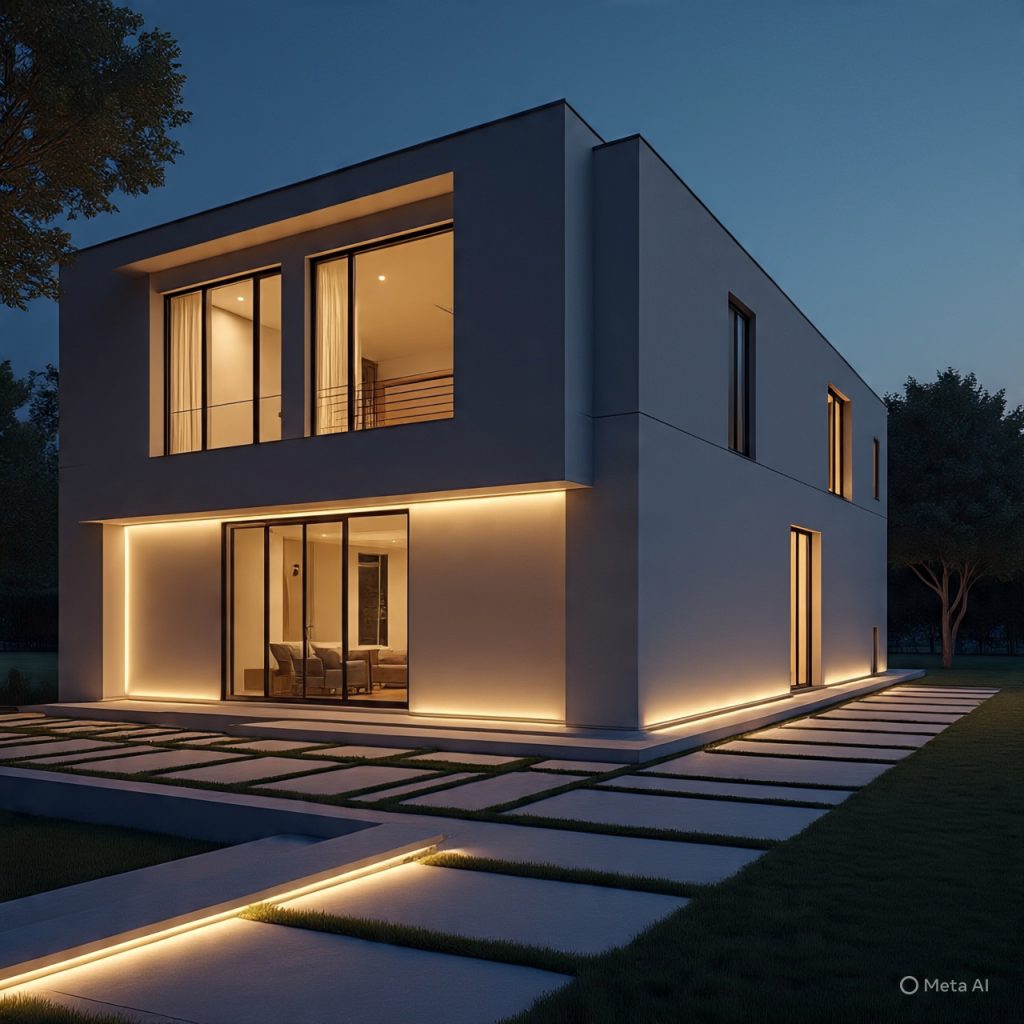
Lighting plays a crucial role in enhancing minimalist front elevation designs. Warm LED strip lights along walls, under balconies, or across pathways create a calm and luxurious atmosphere. Subtle lighting enhances textures and makes the elevation look stunning at night without adding visual clutter
6. Balanced Landscaping That Complements Simplicity.
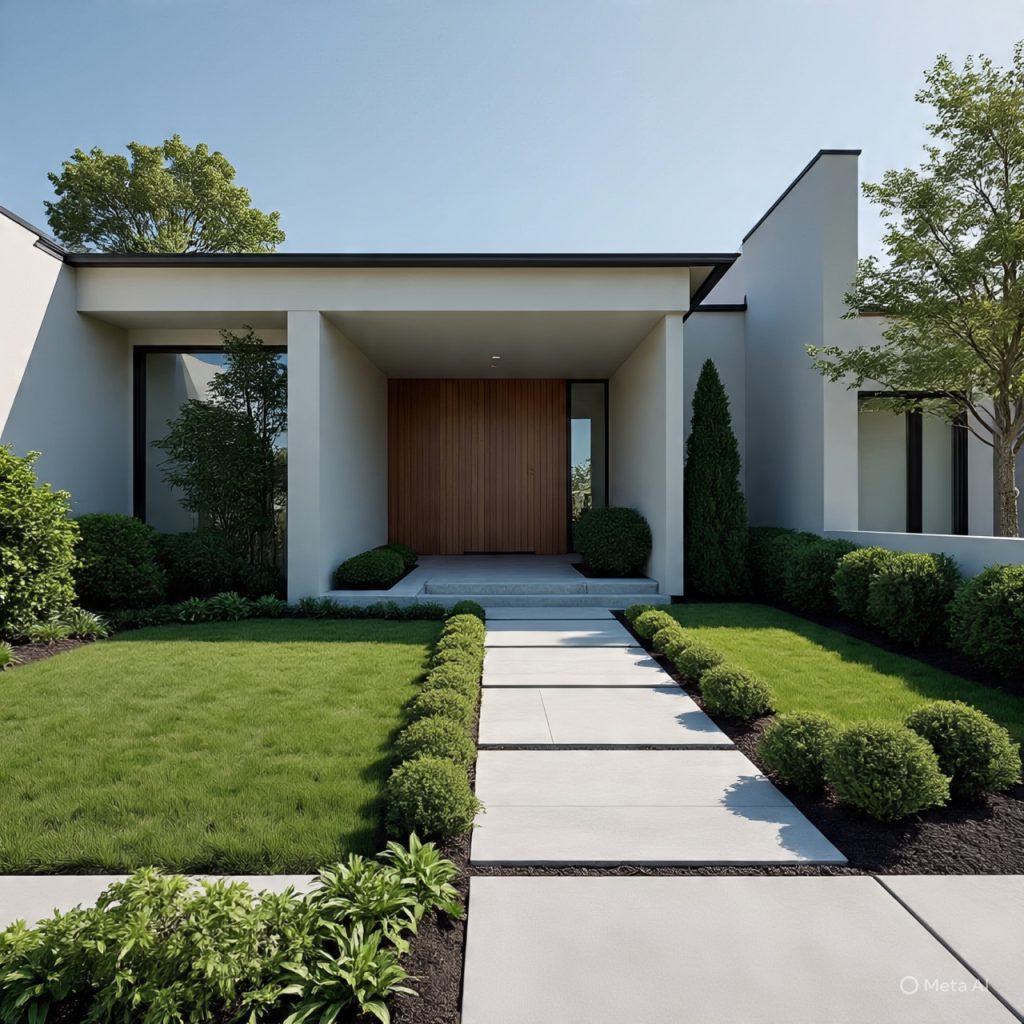
Landscaping is an essential part of well-planned minimalist front elevation designs. Instead of heavy plantation, clean and organized greenery is preferred. Neatly trimmed shrubs, structured plants, stone pathways, and simple grass patches create a balanced exterior that complements the home’s geometry.
7. Seamless and Stylish Boundary Walls.
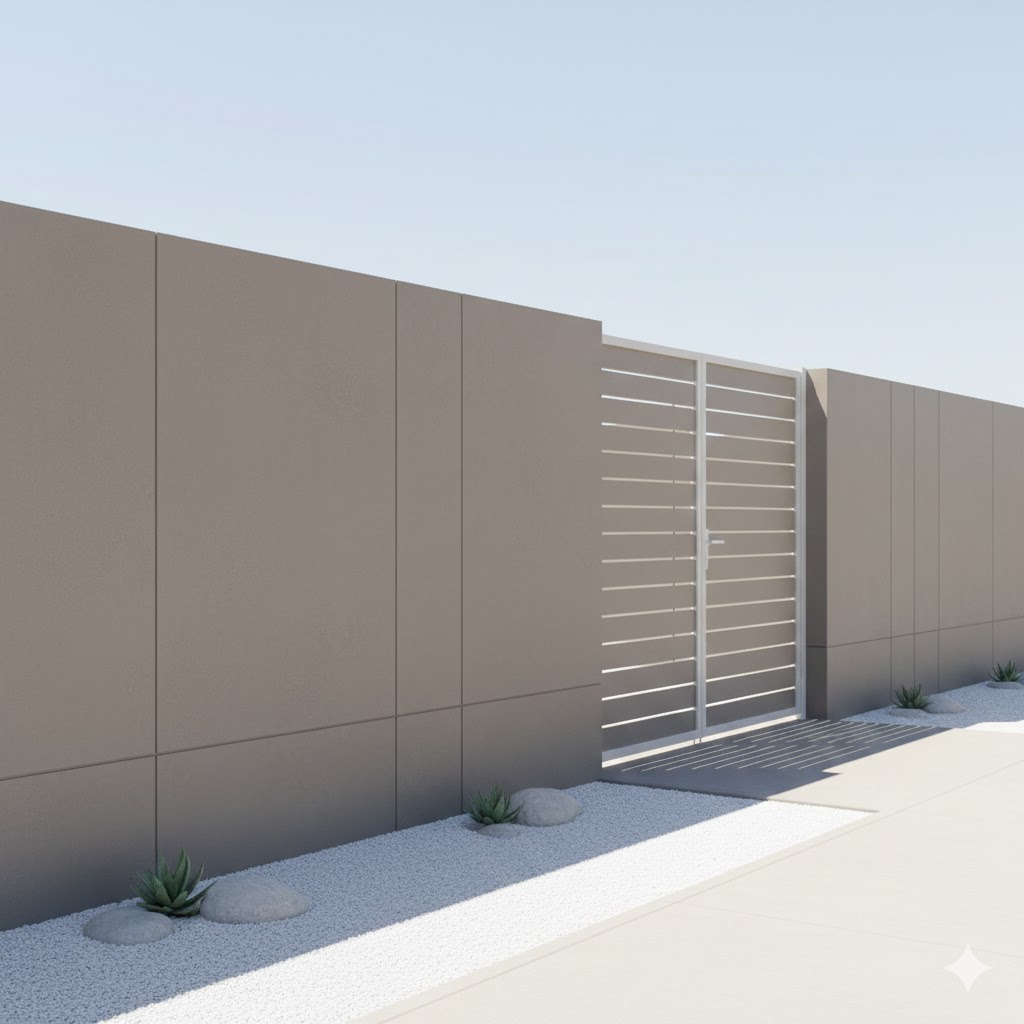
Minimalist homes often include boundary walls that align with the overall minimalist front-elevation designs. These walls are smooth, symmetrical, and neutral in tone. Simple gates with flat panels or horizontal slats maintain visual continuity and create a unified exterior appearance.
8. Flat Roofs and Cantilevered Shades.
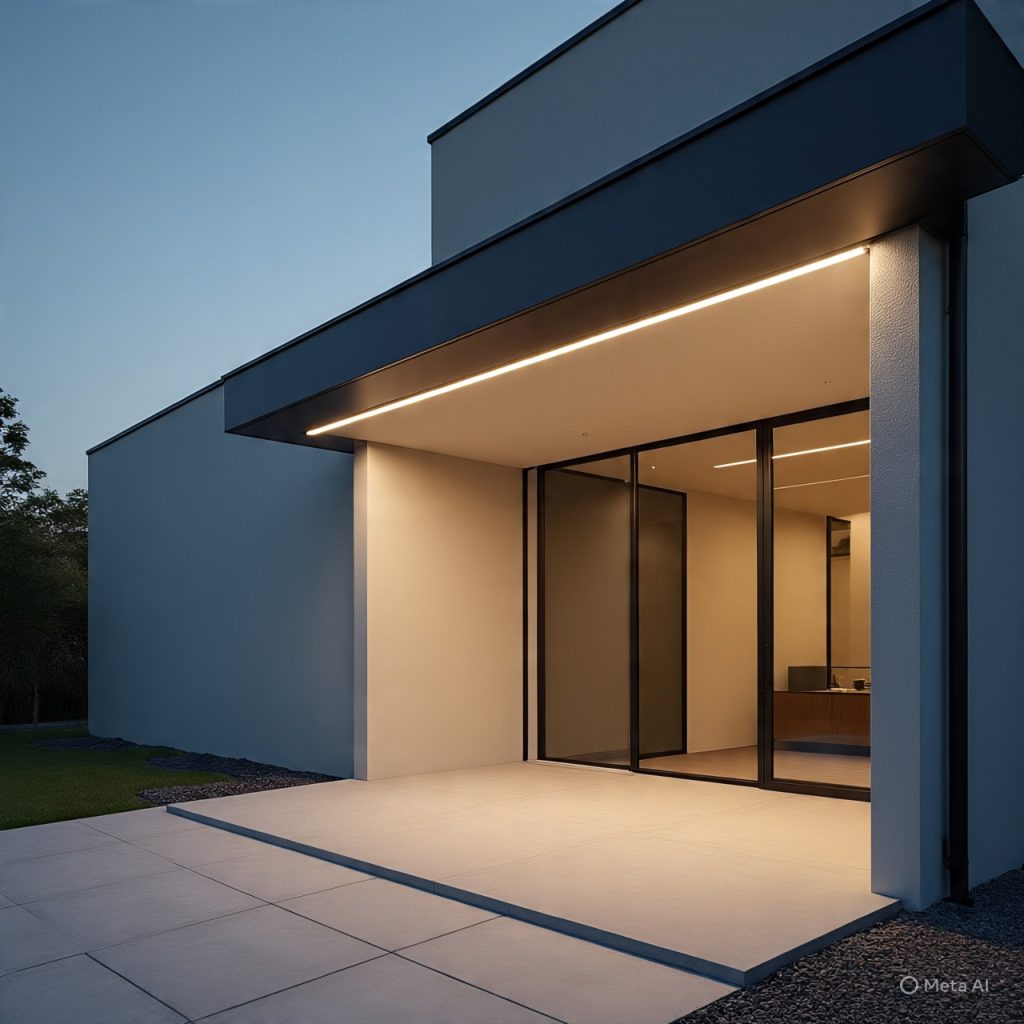
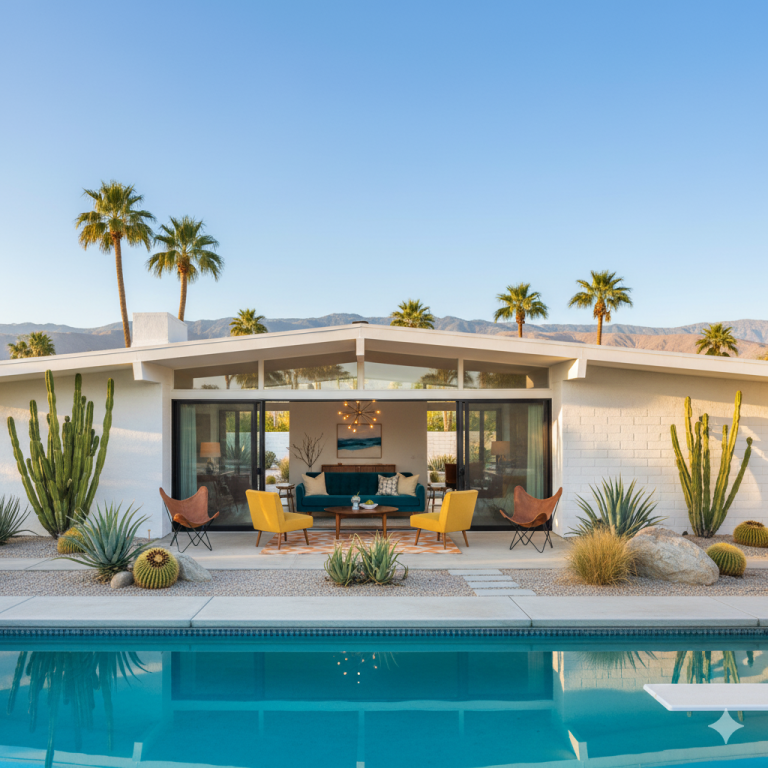
Flat roofs are a signature feature of modern minimalist houses. They contribute to the clean aesthetic and provide a sleek, contemporary look. In many designs, cantilevered shades extend from the roof, creating beautiful shadows while protecting the entrance area. These sharp, floating elements make the home look more architectural and thoughtfully designed.
9. Functional Design With a Visual Purpose.
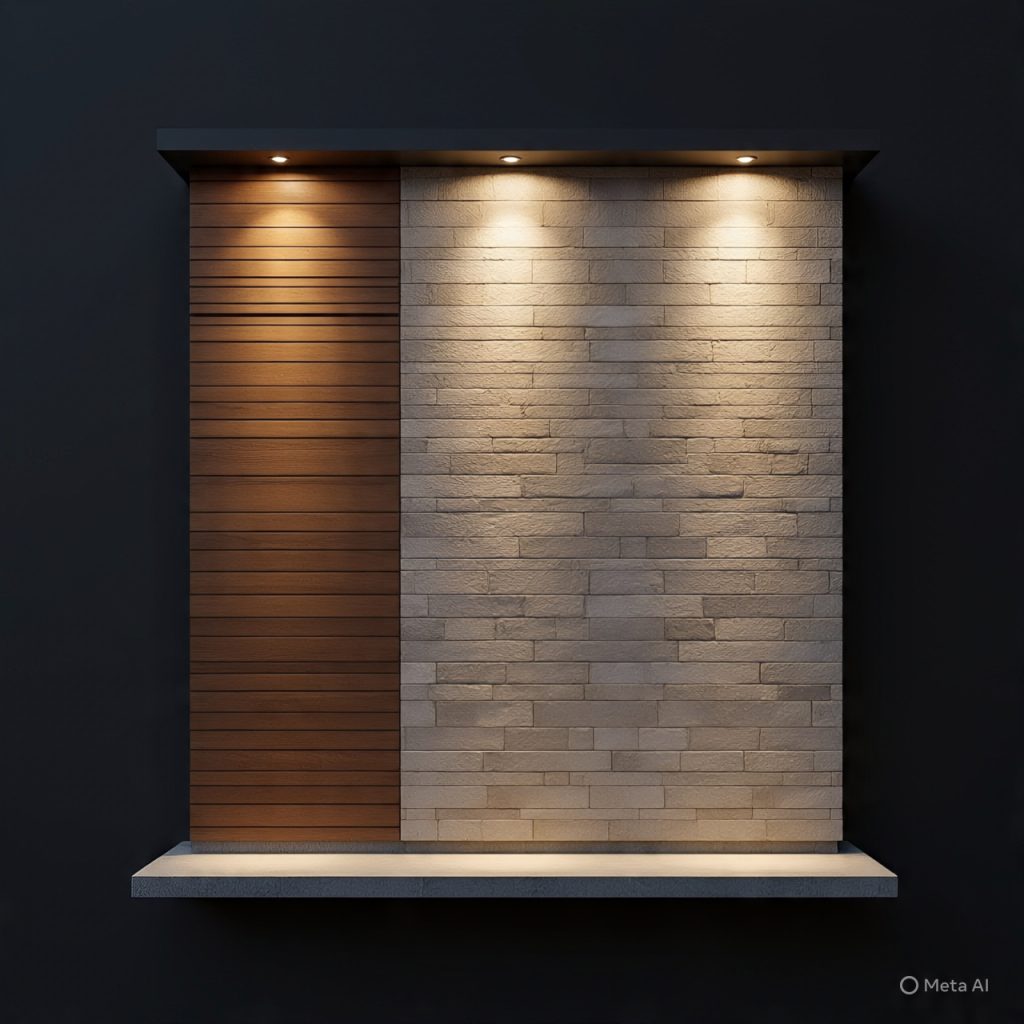
Minimalism prioritizes function over form, but in an artistic way. Every element — from windows to walls to textures — has a defined purpose. The façade avoids unnecessary details and instead focuses on structural beauty. This makes the home easier to maintain, visually appealing, and highly practical for daily living.
10. A Timeless Style for All Home Sizes.
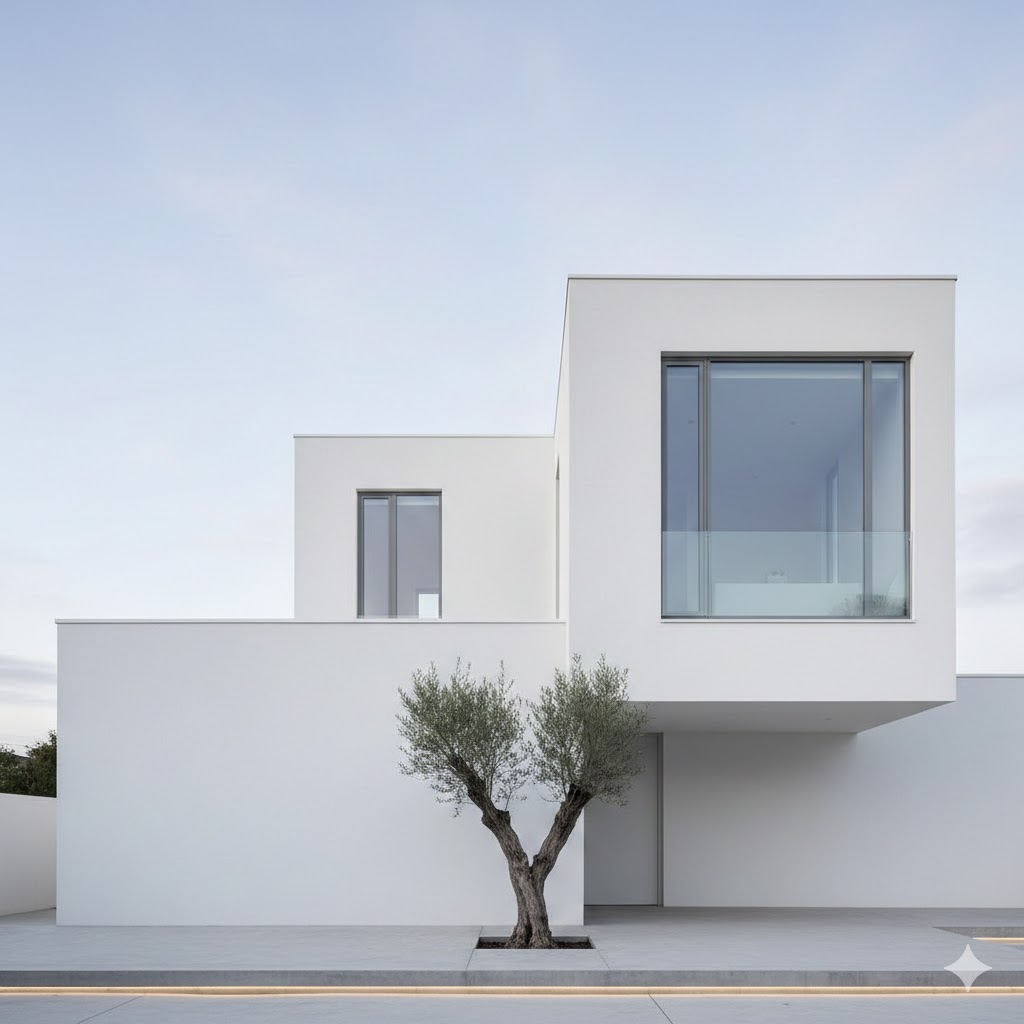
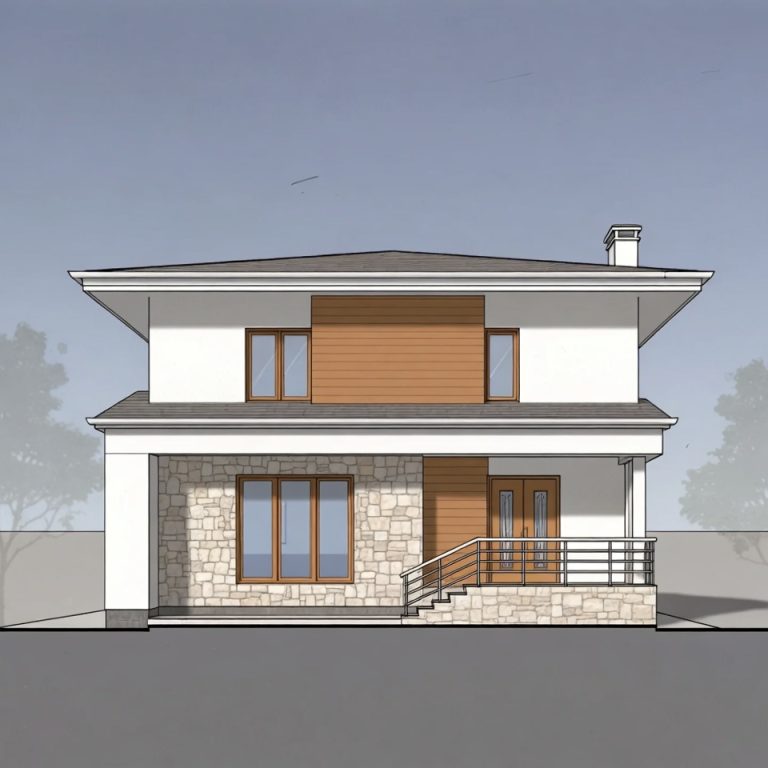
One of the greatest strengths of minimalist front elevation design is its versatility. Whether it’s a small 5-marla home, a traditional double-story house, or a luxury villa, the minimalist approach can elevate any structure. It brings a fresh, modern personality to older homes and enhances the sleekness of newly built ones. Its timeless appeal ensures that the home never looks outdated.
Final Thoughts:
Minimalist front elevation designs are more than a trend — they represent a long-term architectural philosophy. By combining simplicity, elegance, and natural harmony, they create homes that feel peaceful, beautiful, and future-ready. With clean lines, soft tones, thoughtful lighting, and functional layouts, minimalist front elevation designs bring calm sophistication to modern living. Whether renovating or building new, this timeless style ensures lasting visual appeal.
In my experience, a well-balanced front elevation design creates both visual appeal and long-term value. Use this guide as a foundation, adapt it to your needs, and build a design that feels modern, practical, and timeless.