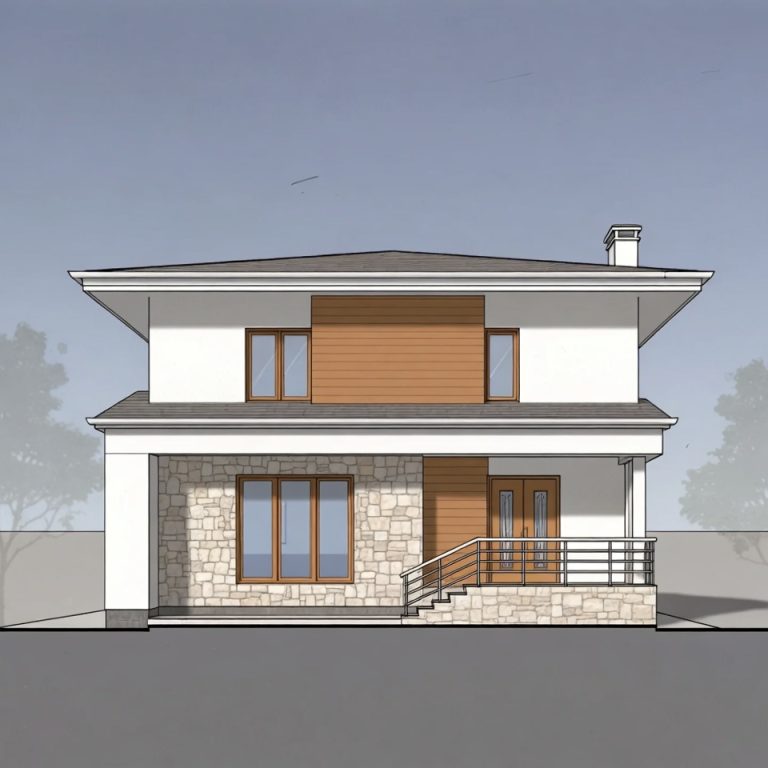
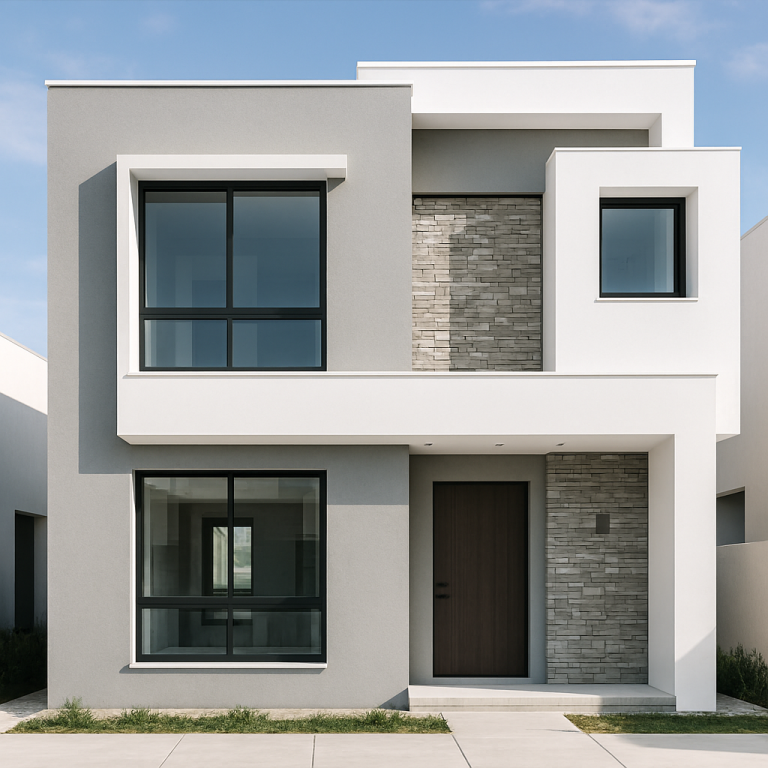
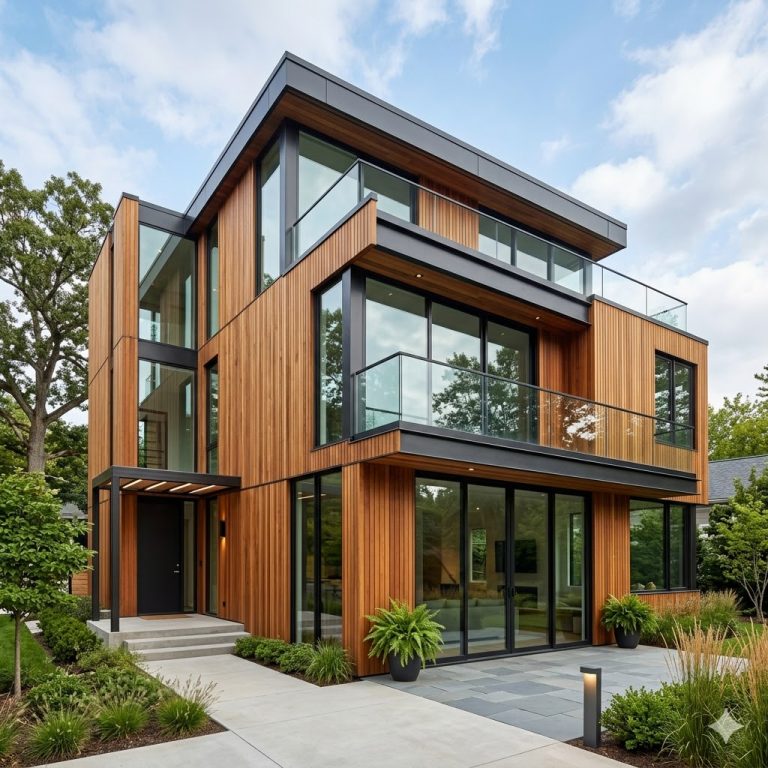
Front Elevation Materials Guide: Choosing the Right Materials for a Lasting Exterior.
The front elevation of a house is more than just an exterior surface—it represents the character, quality, and long-term value of the home. Selecting the right front elevation materials plays a vital role in defining visual appeal, durability, and maintenance requirements. A thoughtful material strategy ensures that the elevation not only looks attractive on day one but continues to perform well for years.
Why Most People Choose the Wrong Front Elevation Materials
Most homeowners select materials based only on appearance. That is where things go wrong.
The real issues usually appear later:
- materials fade or lose texture
- surfaces crack or stain
- high maintenance becomes a burden
- poor heat resistance affects comfort
Front elevation material is not just about looks.
It directly impacts durability, maintenance, and long-term value of your house.
What Role Do Materials Play in Front Elevation Design?
Materials are not decorative elements. They define how your house performs over time.
A well-chosen material does three things:
- protects the structure from weather conditions
- maintains visual quality over years
- adds depth and character to the facade
The front elevation is both a visual layer and a protective system, which is why material selection is critical.
This guide explains the most commonly used materials, their advantages, and how to combine them intelligently for a balanced and modern exterior.
1. Why Material Selection Matters in Front Elevation.
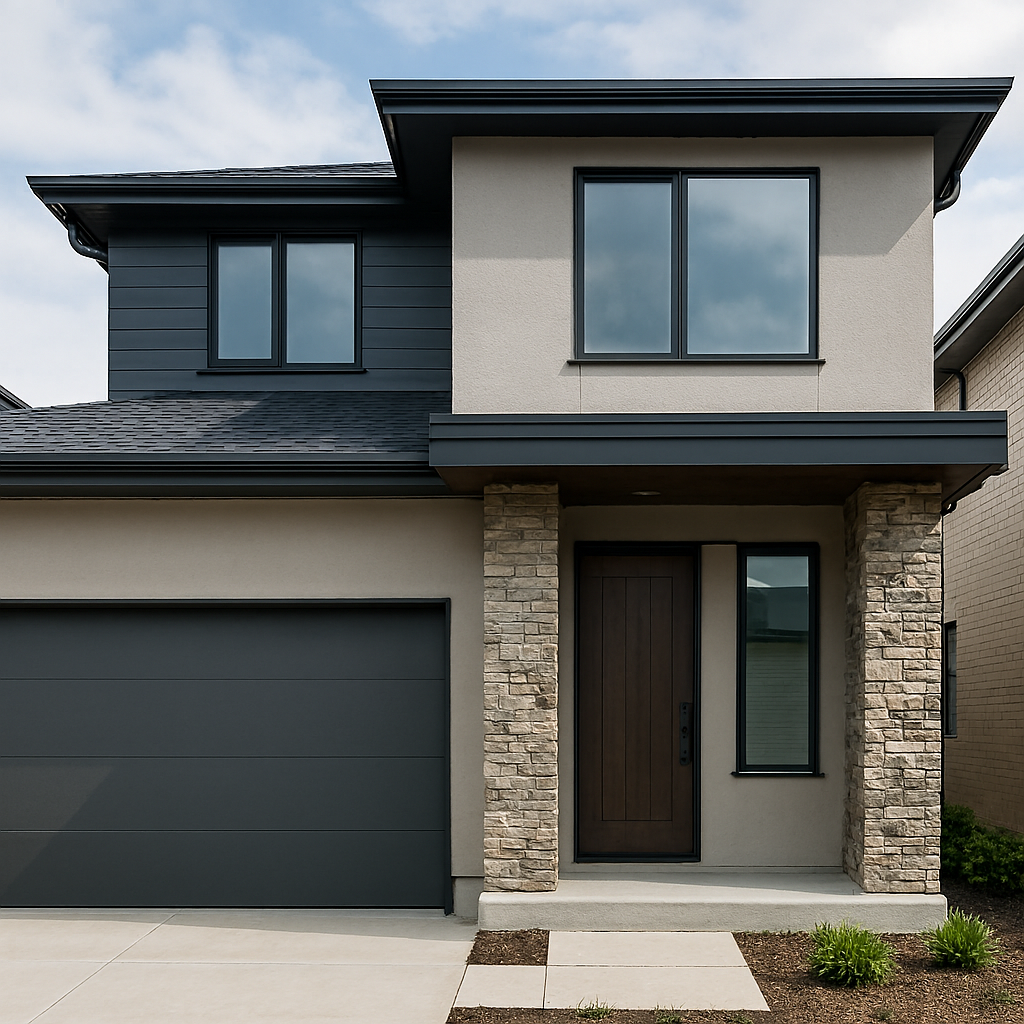
Material choice directly affects how a home looks, ages, and performs under environmental stress. In front elevation materials planning, durability, climate suitability, and visual harmony must work together. Poor material selection can lead to fading, cracking, and frequent repairs, while smart choices enhance longevity and curb appeal.
2. Cement Plaster as the Base Material.
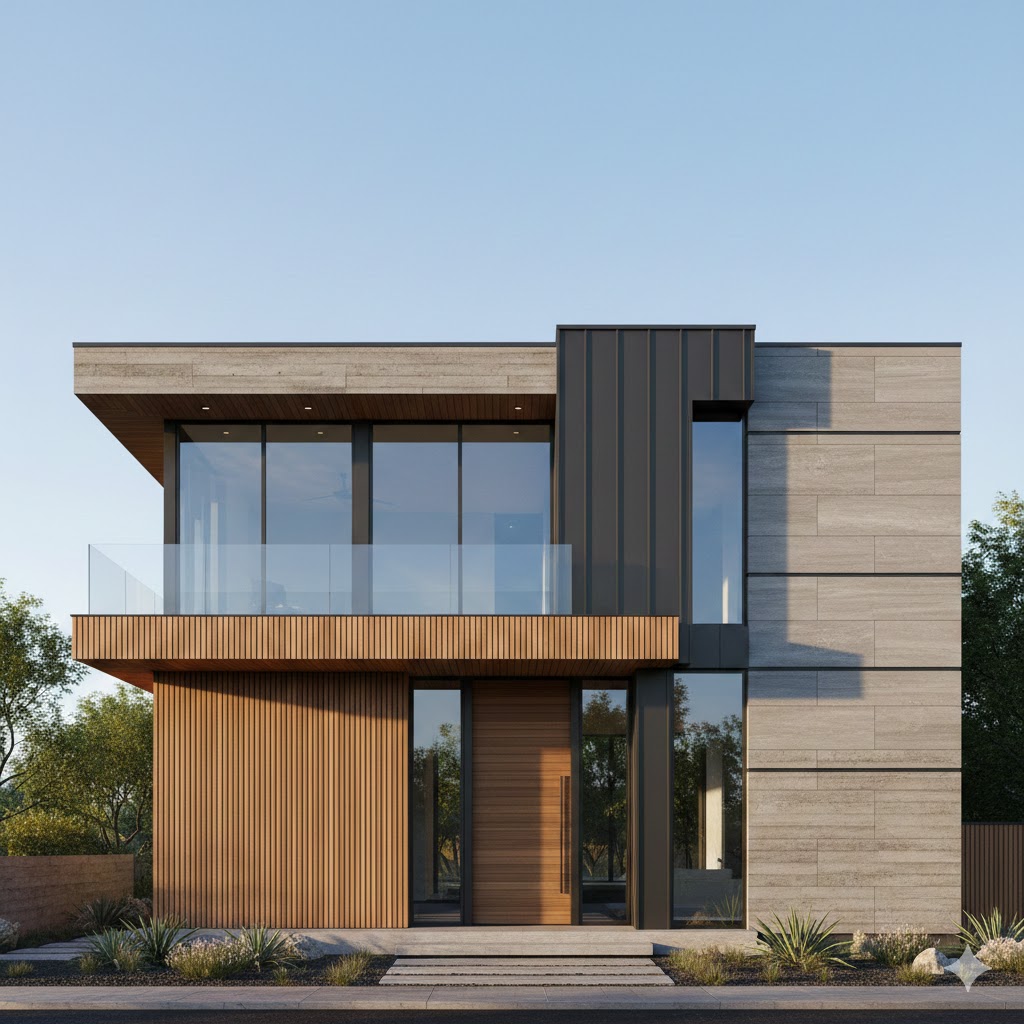
Cement plaster remains the foundation of most residential elevations. Among front elevation materials, it is valued for its affordability, versatility, and compatibility with paints and textures. Smooth plaster suits minimal designs, while patterned or grooved plaster adds subtle depth without increasing cost.
3. Exterior Paint and Protective Coatings.

Paint is both decorative and protective. High-quality exterior paints form a critical layer in front-elevation materials, shielding walls from UV rays, moisture, and dust. Weather-resistant coatings also help retain color vibrancy and reduce long-term maintenance
4. Natural and Engineered Stone Cladding.

Stone cladding introduces richness and permanence. In front-elevation materials, natural stone offers authenticity, while engineered stone provides uniformity and lower cost. Stone is best used on feature walls, entrance areas, or vertical panels to avoid visual heaviness
5. Tile Finishes for Clean and Modern Facades.

Porcelain and ceramic tiles are popular front-elevation materials for structured and contemporary designs. Their resistance to stains, pollution, and moisture makes them ideal for urban homes. Vertical tile layouts can also enhance the perceived height of the elevation.
6. Wood and Wood-Finish Exterior Panels.
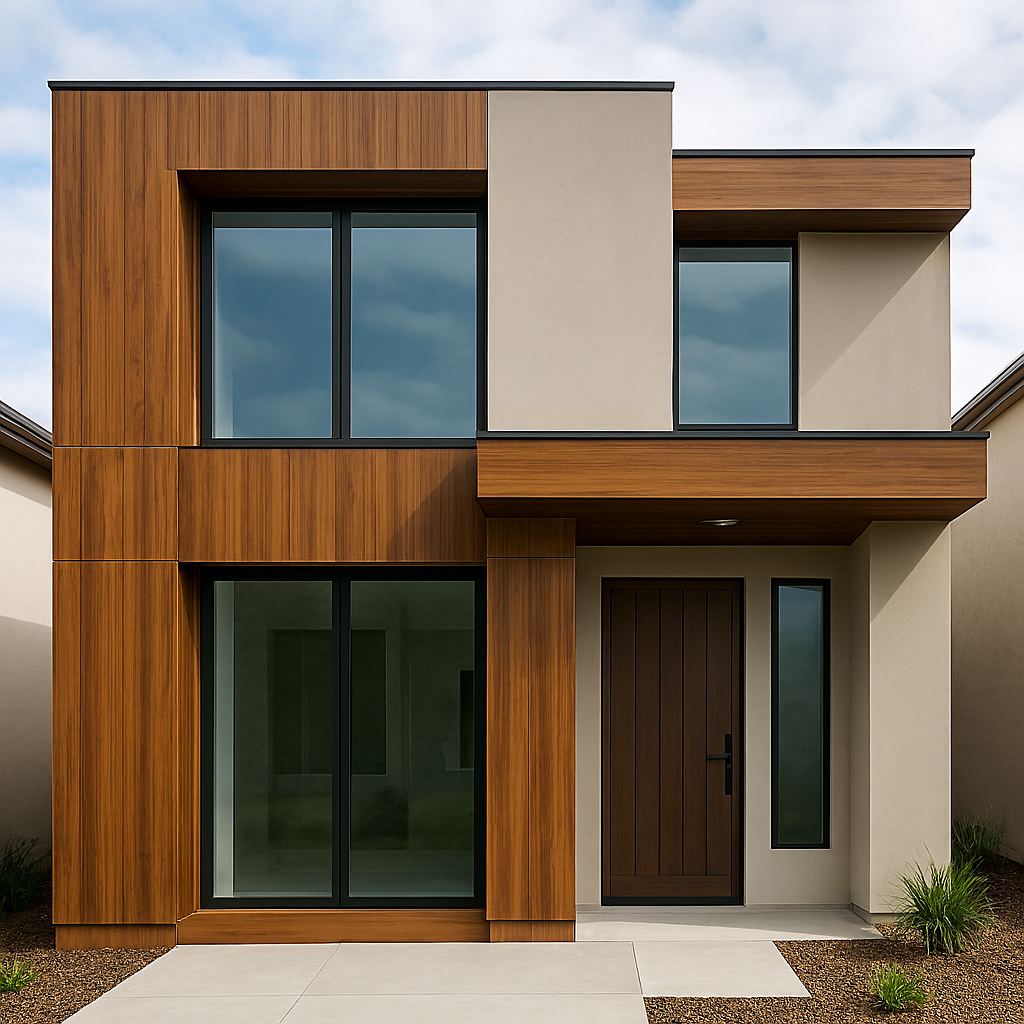
Wood adds warmth and natural character. In modern front-elevation materials, wood-finish HPL or WPC panels are preferred over natural wood due to better resistance to moisture, termites, and sunlight, while still delivering a premium appearance
7. Metal Elements for Sharp Architectural Lines.

Metal components such as aluminum panels, mild steel railings, and laser-cut screens introduce clean geometry. Within front-elevation materials, metal is often used to highlight balconies, gates, or shading elements, enhancing modern aesthetics
8. Glass Features and Transparent Elements.

Glass brings lightness and openness to elevations. In front-elevation materials, tempered or laminated glass is used for railings, windows, and façade accents. When combined with metal or concrete, glass enhances modern appeal without clutter
9. Textured Finishes for Depth and Shadow Play.

Textures create visual interest through light and shadow. Rough plaster, exposed concrete, and patterned finishes are effective front elevation materials for breaking flat surfaces and adding dimension without excessive ornamentation
10. Climate-Based Material Selection.

Climate plays a crucial role in material performance. Smart front elevation materials selection considers heat, humidity, rainfall, and dust. For hot climates, lighter shades and heat-resistant finishes work best, while moisture-resistant materials suit humid regions
11. Maintenance and Aging Behavior of Materials.

Every material ages differently. In front elevation materials planning, understanding aging patterns helps reduce future costs. Low-maintenance materials like tiles, stone, and coatings retain appearance longer than untreated surfaces
12. Balancing Budget with Material Quality.
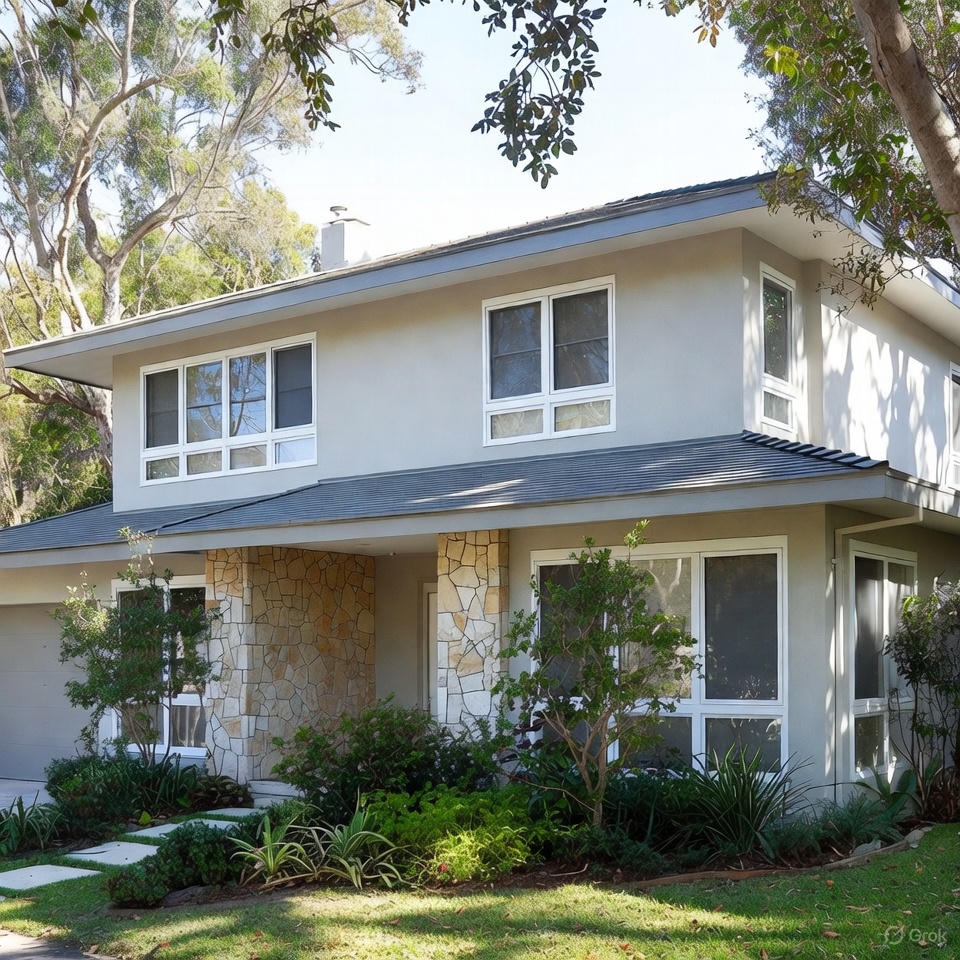
A visually strong elevation does not require premium materials everywhere. Successful front-elevation materials strategies combine cost-effective base finishes with selective premium accents, achieving high impact while staying within budget
Which material is best for front elevation?
It depends on climate, budget, and design style.
What is the most durable material?
Stone, brick, and concrete are among the most durable options.
Which material requires the least maintenance?
Concrete panels and metal cladding require minimal upkeep.
Can I combine multiple materials?
Yes, but limit to 2–3 for a balanced design.
Is glass good for house front elevation?
Yes, but it should be used with proper insulation.
Final Thoughts: Building a Timeless Front Elevation.
Choosing the right materials is a long-term investment in your home’s appearance and performance. Thoughtful front elevation materials selection ensures durability, aesthetic balance, and reduced maintenance over time. By understanding material behavior, climate suitability, and design harmony, homeowners can create front elevations that remain elegant, functional, and visually appealing for decades.
In my experience, a well-balanced front elevation design creates both visual appeal and long-term value. Use this guide as a foundation, adapt it to your needs, and build a design that feels modern, practical, and timeless.