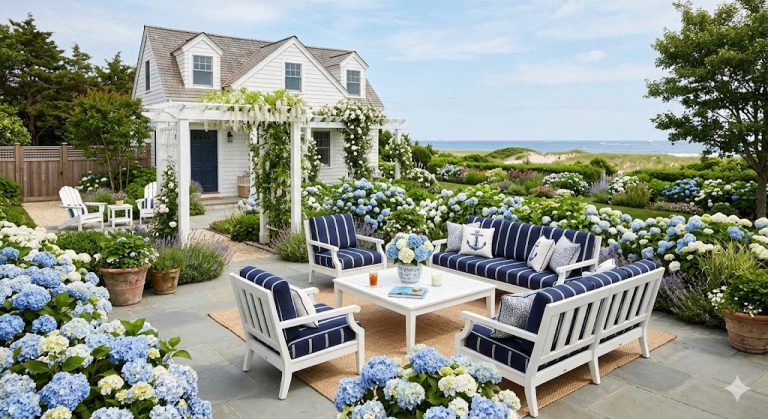
12 Powerful Residential Outdoor Design Ideas That Truly Work
Residential outdoor design is no longer limited to decoration or luxury homes. It has become a practical design approach that blends architecture, lifestyle needs, and natural elements into one cohesive experience. A thoughtfully planned residential outdoor design connects front elevation aesthetics with gardens, terraces, balconies, and open outdoor spaces to create comfort, beauty, and long-term value.
Modern homeowners seek spaces that feel calm, breathable, and connected to nature. Whether it is a small urban house or a countryside-inspired home, residential outdoor design improves daily living by balancing structure with greenery, privacy with openness, and design with functionality. When planned correctly, outdoor spaces become natural extensions of the home rather than unused leftover areas.
1. What Defines Modern Residential Outdoor Design
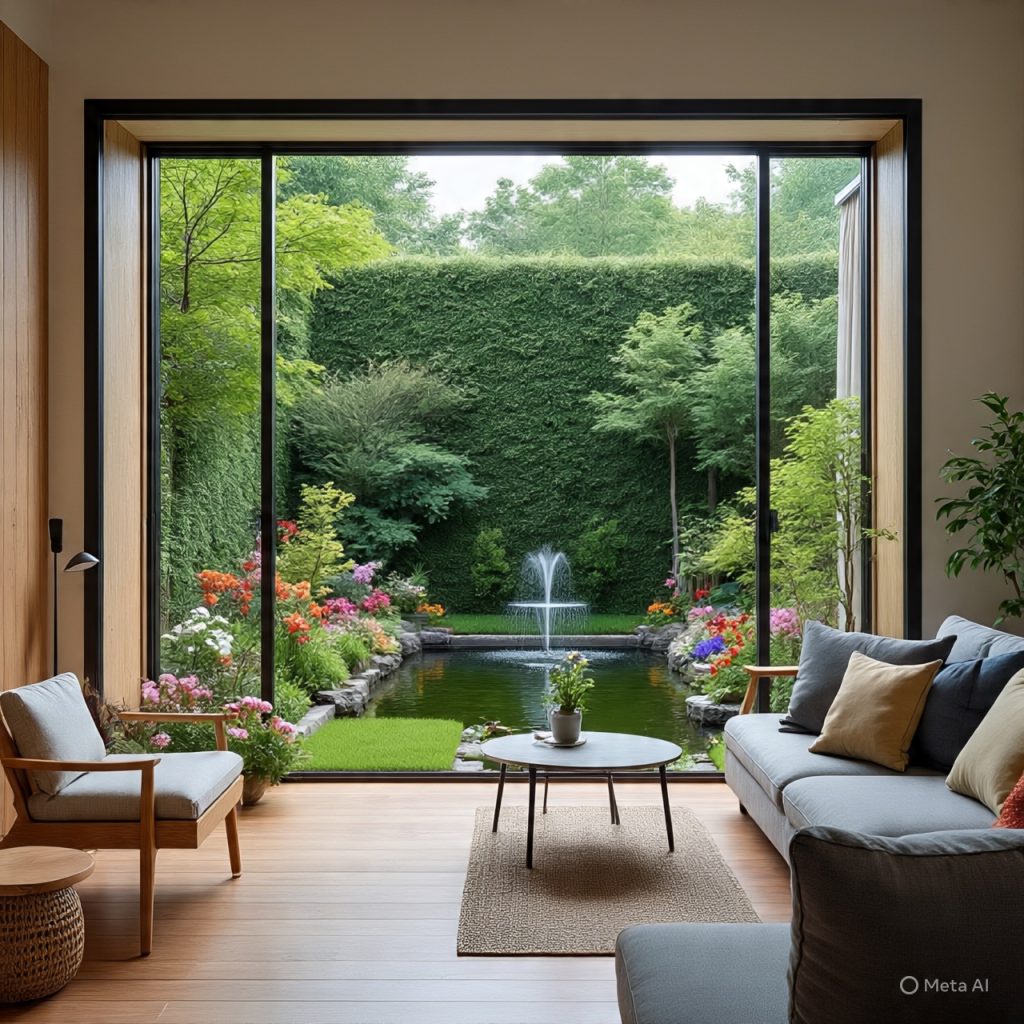
Residential outdoor design focuses on how exterior spaces function alongside the home’s architecture. It considers layout flow, climate response, visual balance, and user comfort. Instead of treating outdoor areas as optional features, modern design integrates them into daily living.
A strong residential outdoor design allows smooth transitions between indoor and outdoor areas, encouraging natural light, ventilation, and usability. This approach works equally well for compact city homes and spacious rural residences.
2. Front Elevation as the First Outdoor Statement
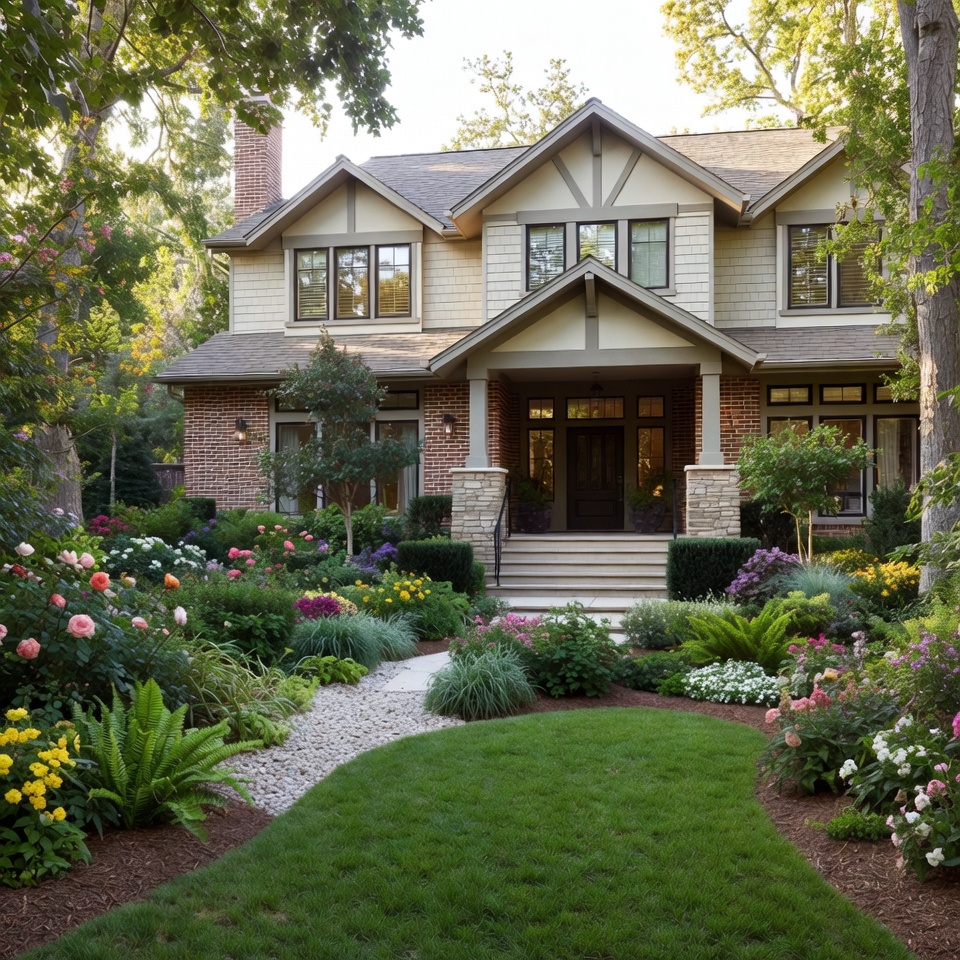
The front elevation is the most visible part of residential outdoor design. It sets expectations before anyone enters the home. Proportions, materials, textures, and colors all contribute to the first impression.
A well-designed front elevation connects visually with outdoor elements such as boundary walls, entry landscaping, pathways, and lighting. Clean lines, controlled material palettes, and subtle greenery create timeless appeal without excessive cost.
3. Home Gardens as Functional Living Extensions
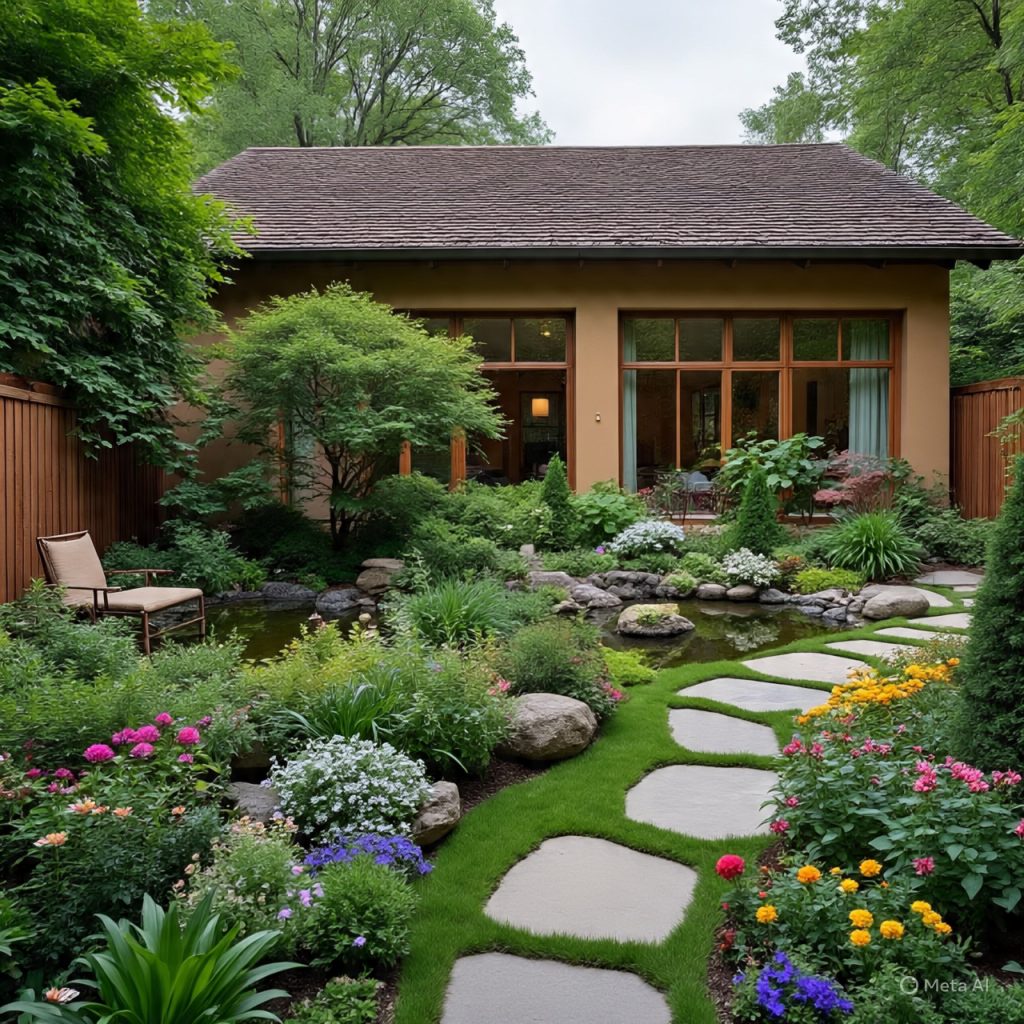
Home gardens play a central role in residential outdoor design. They are no longer decorative corners but active living spaces used for relaxation, gatherings, and daily comfort.
Thoughtful garden layouts improve air quality, reduce heat, and soften architectural forms. Whether planted with flowers, shrubs, or edible plants, home gardens add emotional warmth and visual depth to outdoor spaces while supporting sustainability.
4. Terrace and Balcony Spaces in Urban Homes
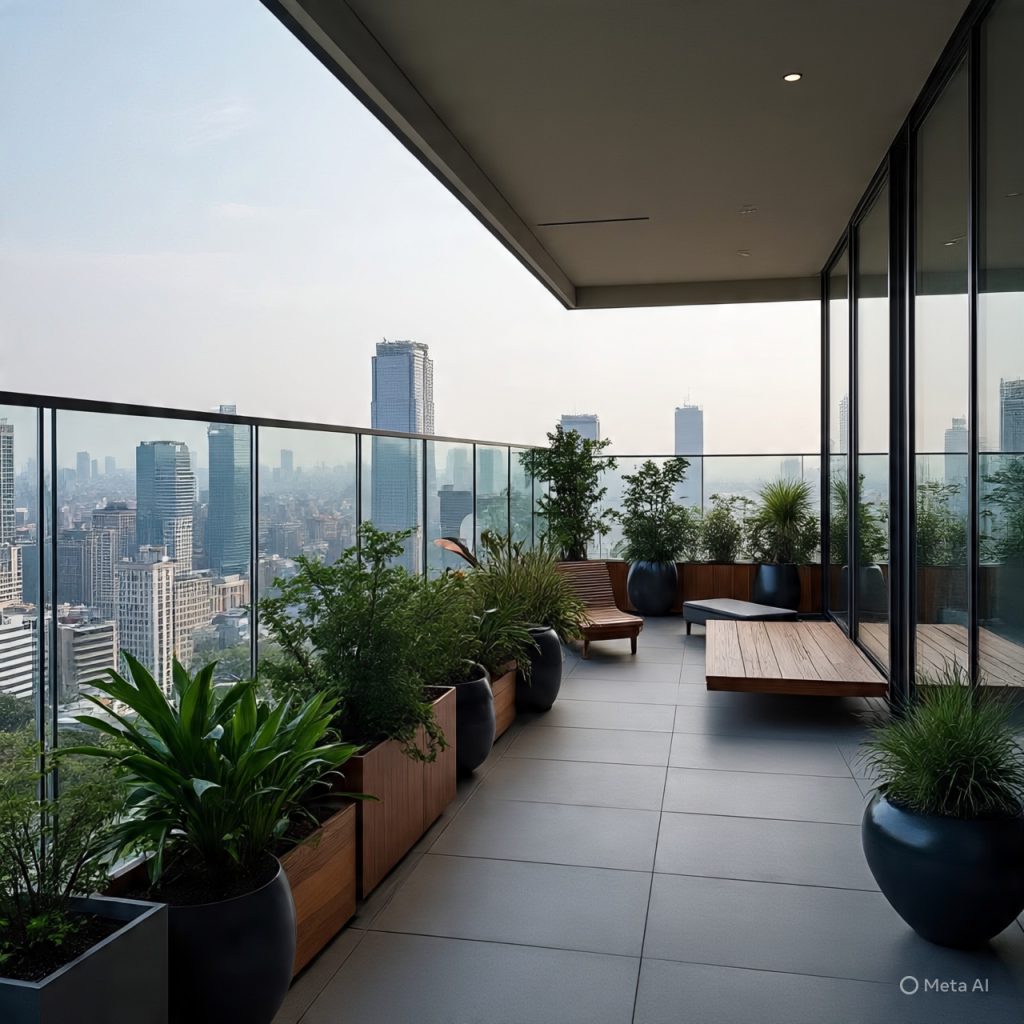
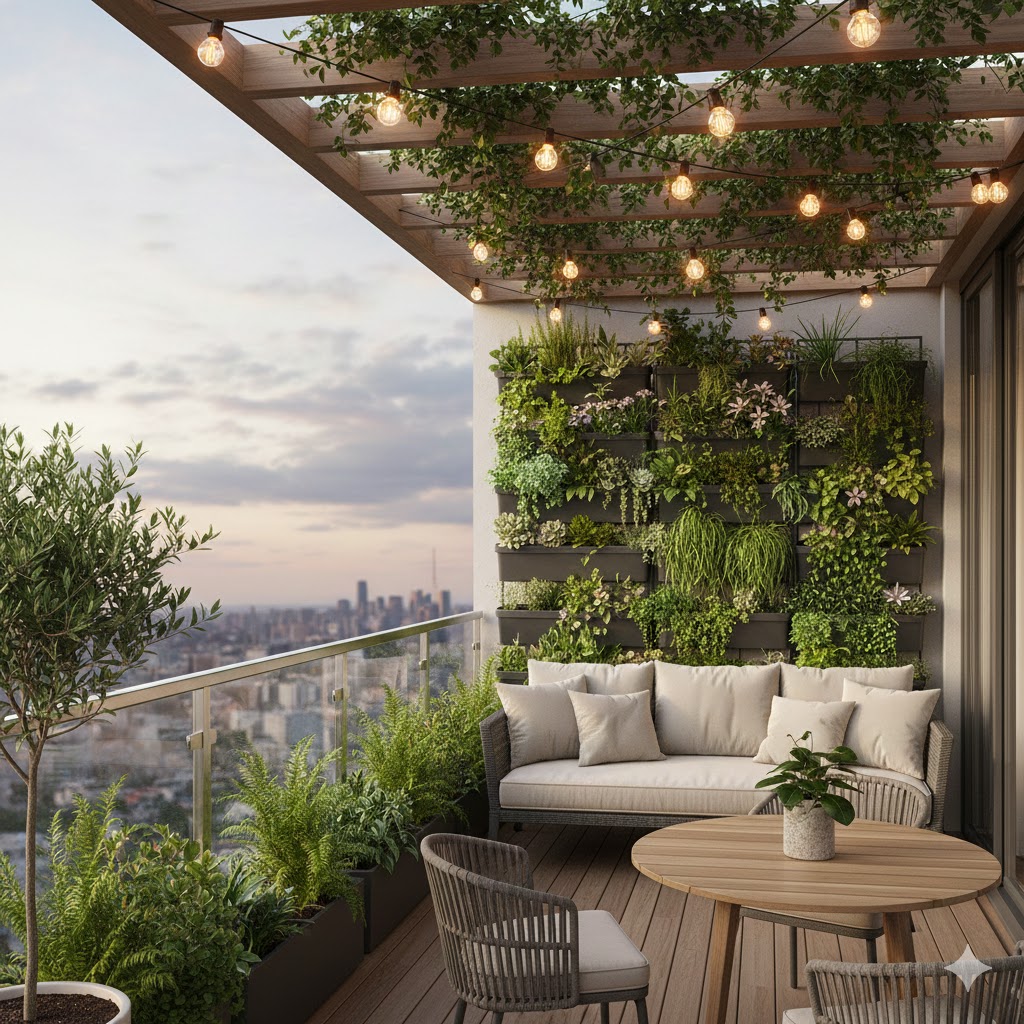
In urban settings, terraces and balconies are essential components of residential outdoor design. These elevated spaces compensate for limited ground-level gardens and provide private outdoor retreats.
Smart furniture placement, vertical planting, and lightweight materials allow terraces and balconies to feel open rather than crowded. When designed with intention, even small outdoor spaces become functional and visually pleasing extensions of indoor living areas.
5. Ranch-Style Outdoor Living and Open Layouts
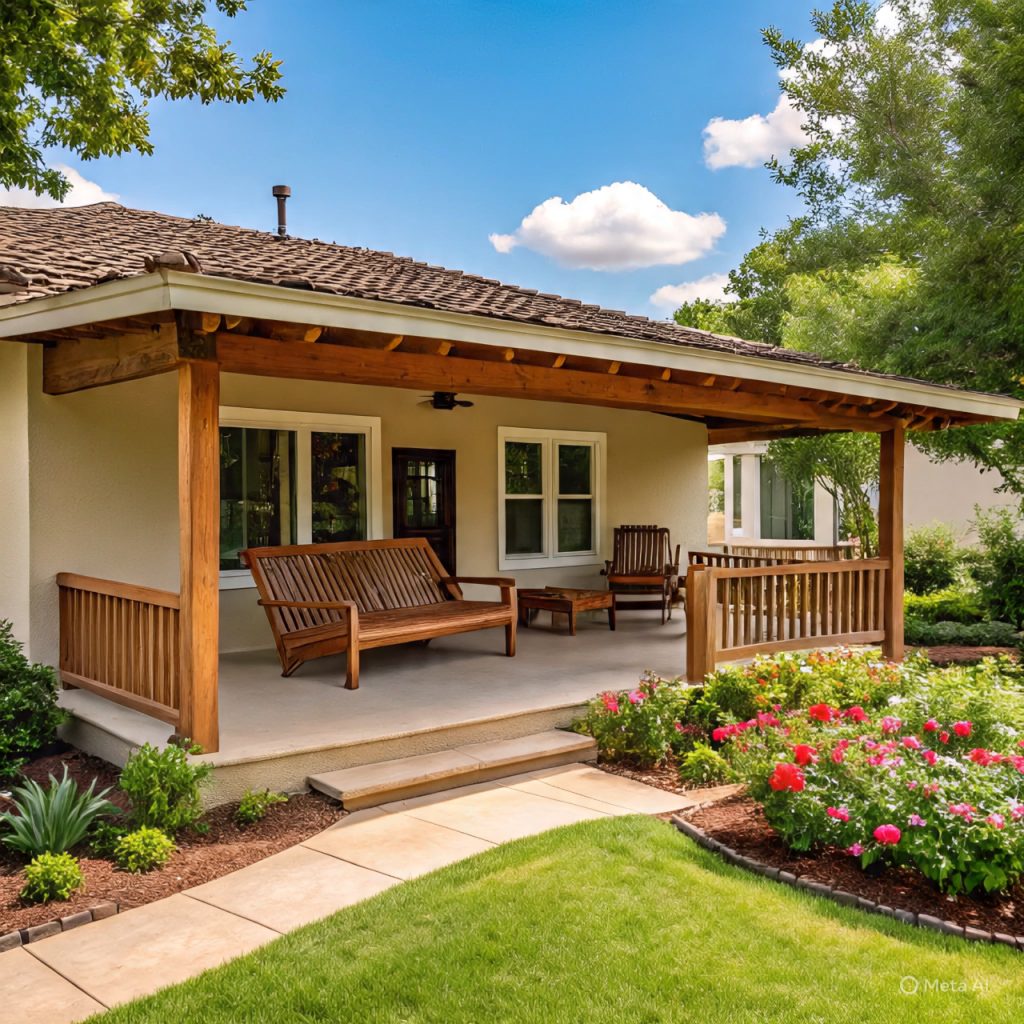
Ranch-style homes emphasize openness, horizontal layouts, and strong connections with nature. This philosophy fits naturally within residential outdoor design principles.
Wide verandas, shaded outdoor seating, and seamless garden connections create relaxed environments suited for countryside and suburban living. Ranch-inspired outdoor design values comfort, simplicity, and long-term usability over decorative excess.
6. Climate-Based Residential Outdoor Design Planning
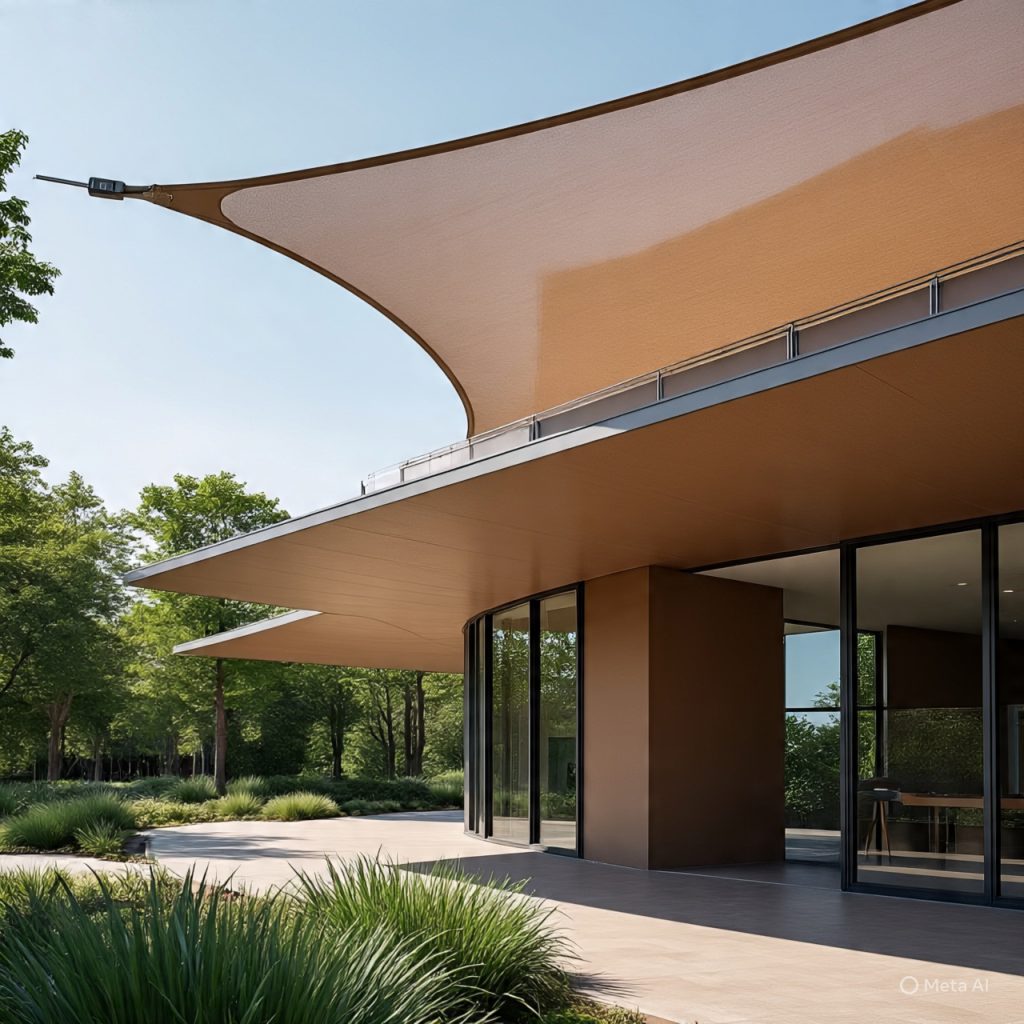
Climate plays a critical role in outdoor design decisions. Residential outdoor design must respond to sunlight, rainfall, wind direction, and temperature variations.
Shading structures, plant selection, drainage planning, and material choices should all align with local climate conditions. Climate-responsive design reduces maintenance needs while improving comfort and durability throughout the year.
7. Material Selection for Long-Lasting Outdoor Spaces
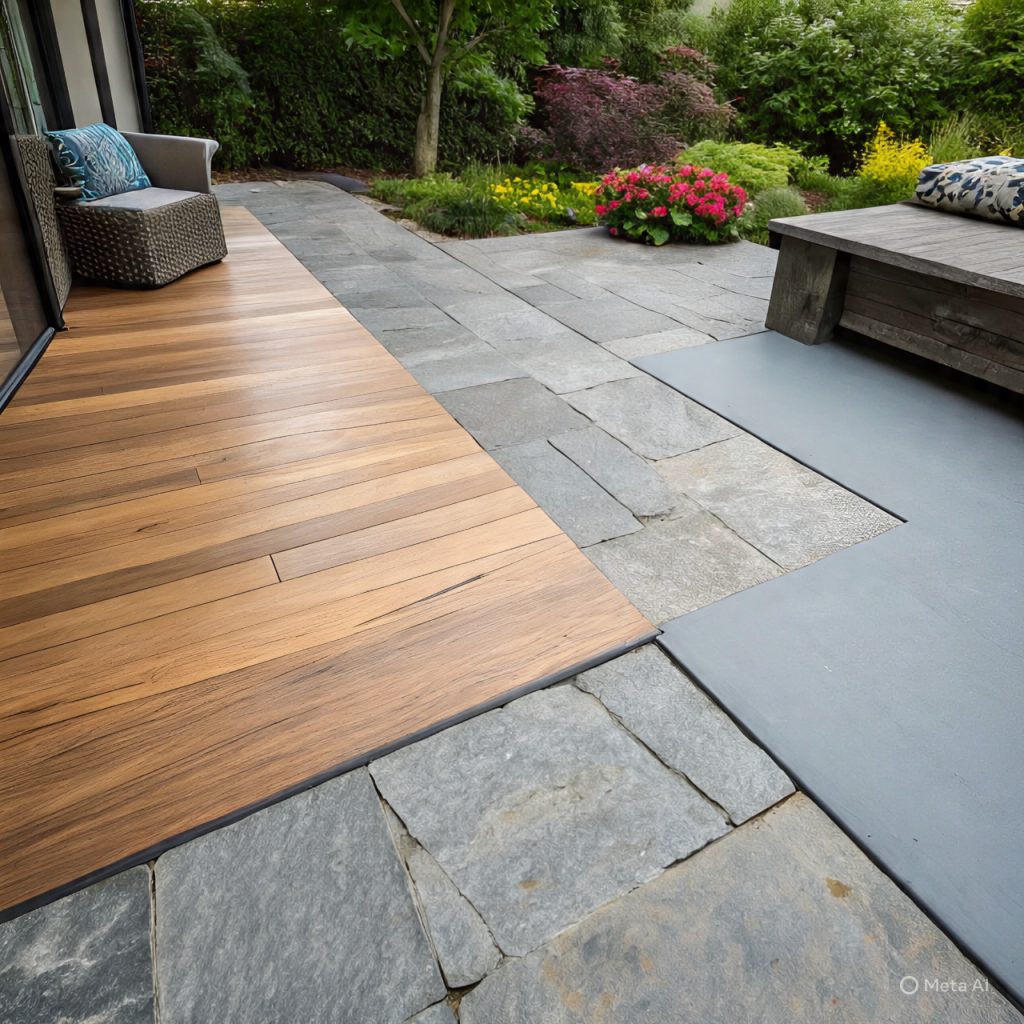
Materials define the durability and character of residential outdoor design. Exterior finishes must withstand weather exposure while maintaining visual harmony with the home.
Natural stone, textured plaster, treated wood, concrete, and metal elements are commonly used for outdoor areas. Limiting material variety while focusing on quality ensures timeless appeal and easier maintenance.
8. Lighting and Natural Flow in Outdoor Areas
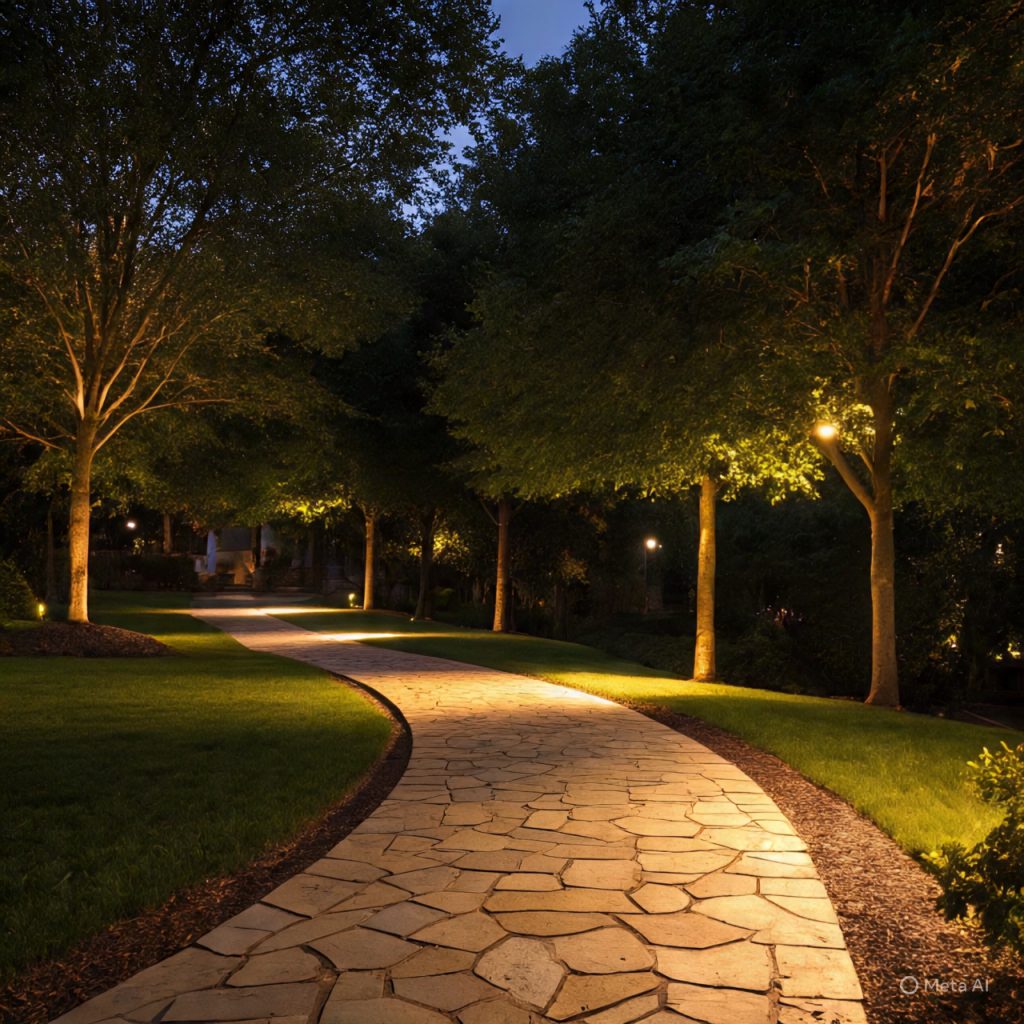
Lighting transforms residential outdoor design after sunset. Soft, warm lighting enhances safety, highlights architectural features, and creates inviting atmospheres.
Wall-mounted lights, pathway lighting, and subtle garden illumination improve visibility without overwhelming the space. Proper lighting design also supports natural movement between different outdoor zones.
9. Privacy and Comfort in Residential Outdoor Design
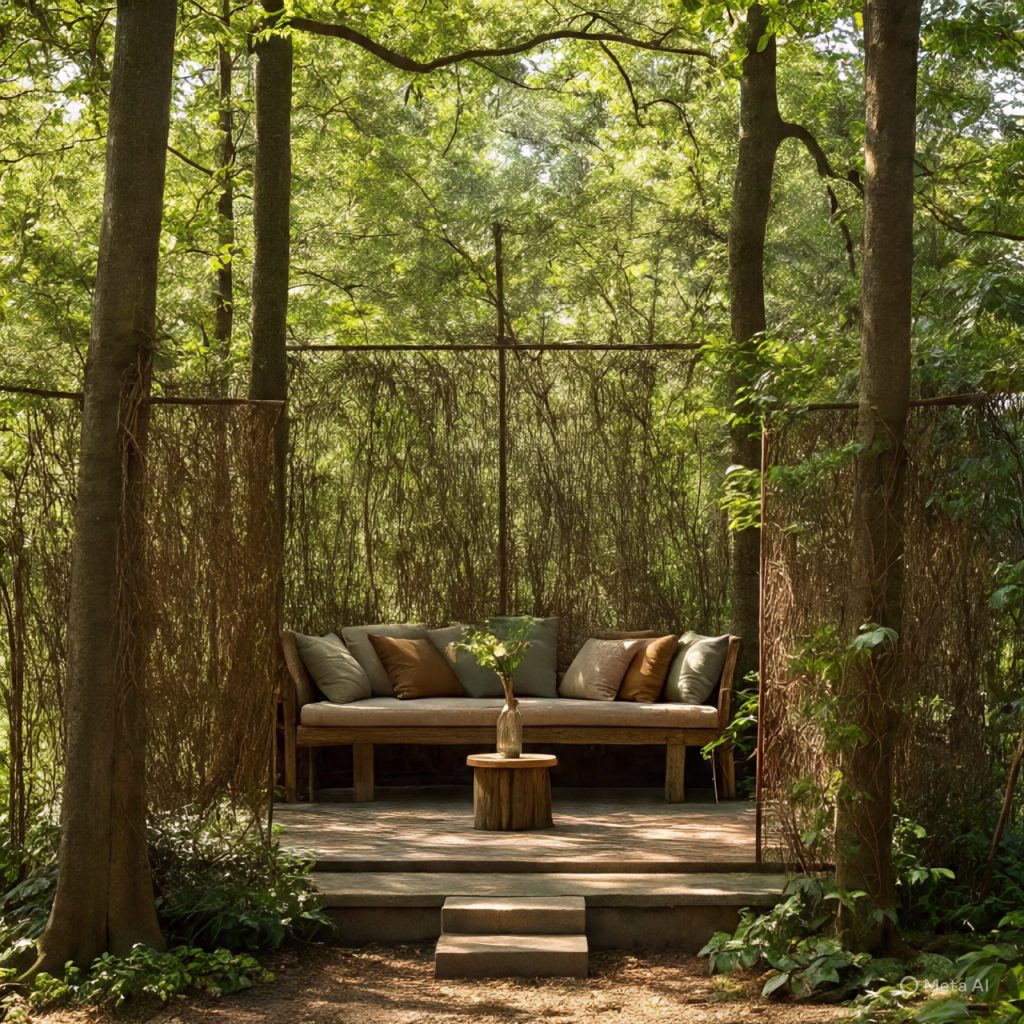
Privacy is essential for enjoying outdoor spaces fully. Residential outdoor design uses screens, plants, walls, and layout planning to create comfortable boundaries.
Tall greenery, pergolas, and partial partitions allow openness while maintaining seclusion. Balanced privacy solutions ensure outdoor areas feel secure without appearing closed or heavy.
10. Sustainable Outdoor Living Strategies
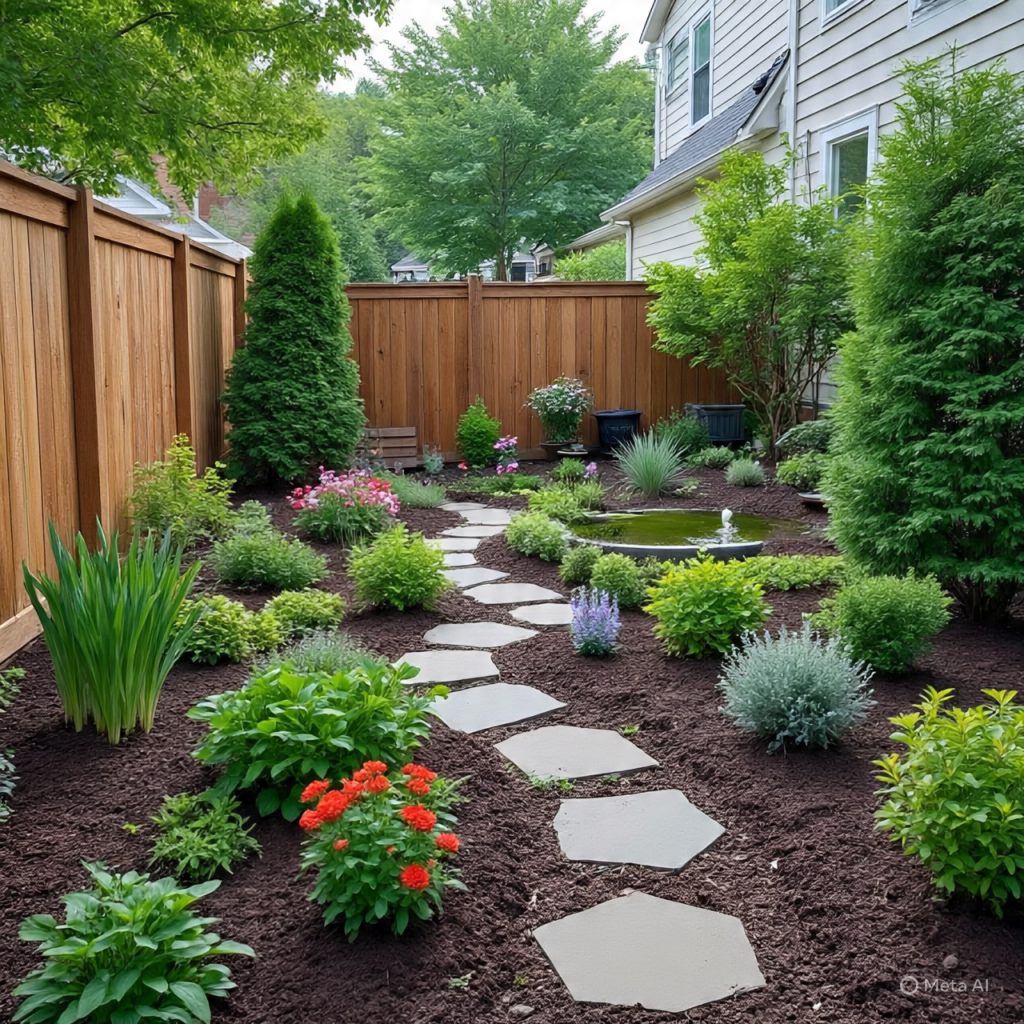
Sustainability adds long-term value to residential outdoor design. Rainwater harvesting, native plants, composting, and eco-friendly materials reduce environmental impact while lowering maintenance costs.
Sustainable design choices support healthier living environments and align with modern lifestyle priorities focused on responsibility and efficiency.
11. Common Mistakes in Outdoor Design Planning
Many outdoor spaces fail due to poor planning rather than lack of budget. Common mistakes include overcrowding, ignoring climate factors, using unsuitable materials, and neglecting maintenance requirements.
A successful residential outdoor design avoids trends that age quickly and instead focuses on functionality, proportion, and long-term usability.
12. How to Build a Timeless Residential Outdoor Design
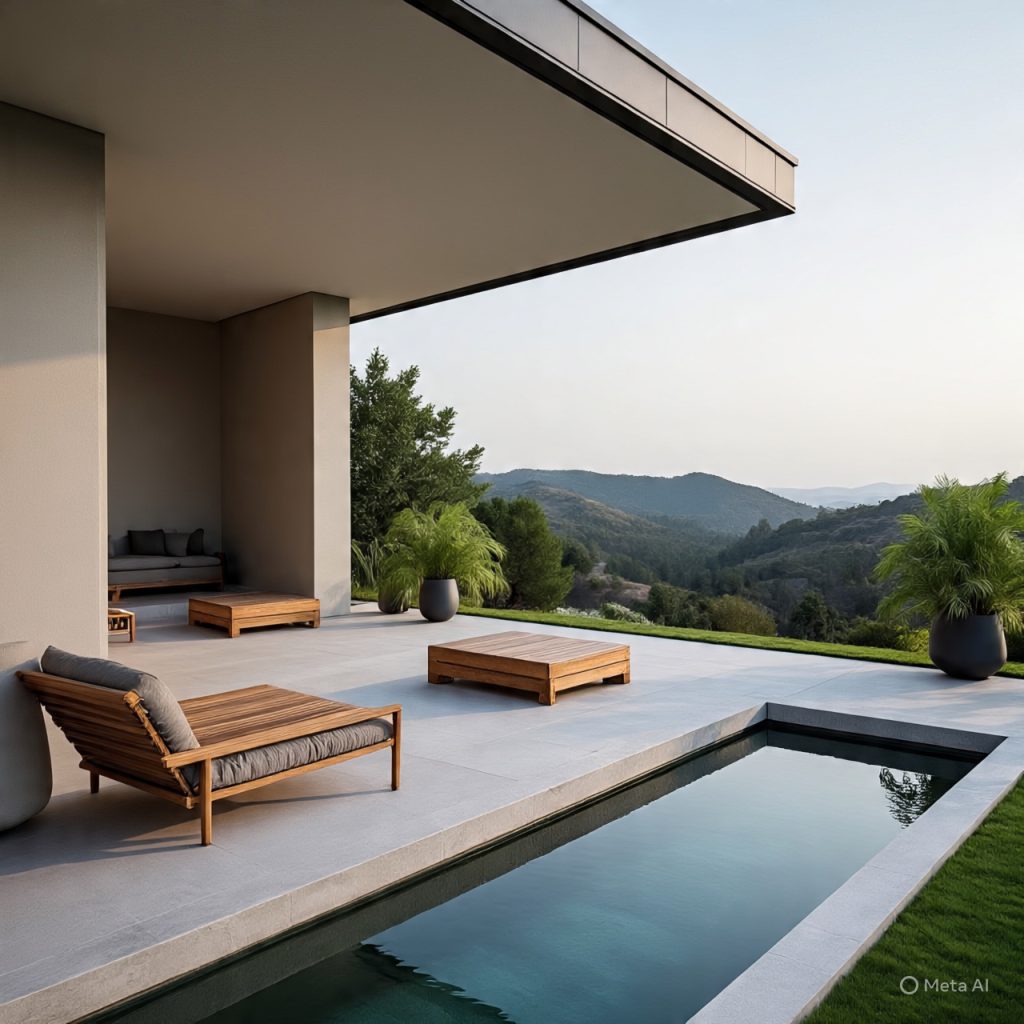
Timeless design comes from simplicity, balance, and thoughtful planning. Residential outdoor design should evolve naturally with the home and its occupants.
By prioritizing comfort, durability, and visual harmony, homeowners can create outdoor spaces that remain relevant and enjoyable for years without constant redesign.
Final Thoughts:
Residential outdoor design is not about luxury—it is about thoughtful living. When front elevation, gardens, terraces, and outdoor spaces are designed as one connected system, homes become healthier, calmer, and more welcoming. A strong residential outdoor design enhances daily routines, supports sustainability, and increases long-term property value.
By focusing on functionality, climate awareness, and timeless materials, homeowners can transform outdoor areas into meaningful spaces that truly support modern living rather than simply decorate it