Colombia Ranch Houses: Wooden Structures for Cold Climates
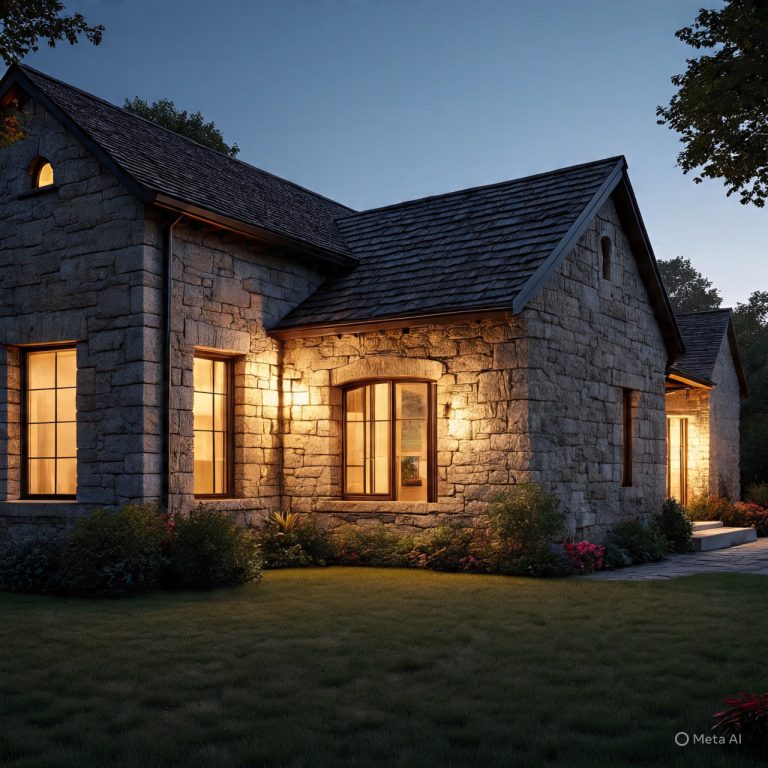
In the mountainous regions of Colombia, where temperatures drop and misty landscapes dominate, Colombia Ranch Houses reflect a thoughtful blend of tradition, climate adaptation, and natural materials. These homes are especially known for their wooden structures, which provide warmth, insulation, and visual harmony with the surrounding environment.
Unlike tropical lowland homes, ranch houses in colder Colombian regions focus on heat retention, compact layouts, and protective architectural elements. Their designs celebrate craftsmanship, sustainability, and rural living, making them a unique and inspiring housing style rooted in nature and culture.
1. Geographic Influence on Colombia Ranch Houses
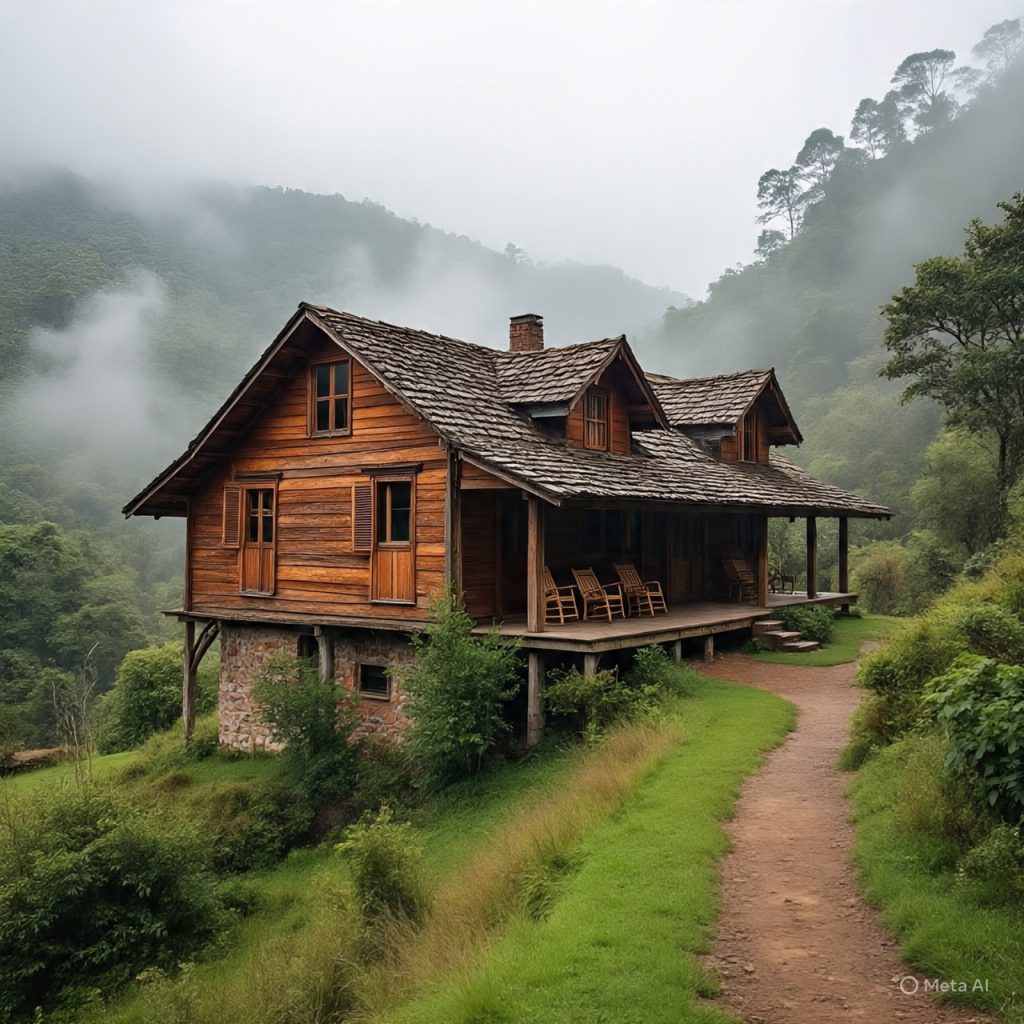
The design of Colombia Ranch Houses is heavily influenced by the Andean highlands, where cold nights and fluctuating temperatures are common. Homes are positioned to capture sunlight during the day while remaining shielded from strong mountain winds.
Sloping terrain encourages raised wooden floors, which protect against moisture and cold ground temperatures. This geographic awareness ensures comfort throughout the year and reinforces the strong connection between architecture and landscape.
2. Importance of Wood in Cold-Climate Construction
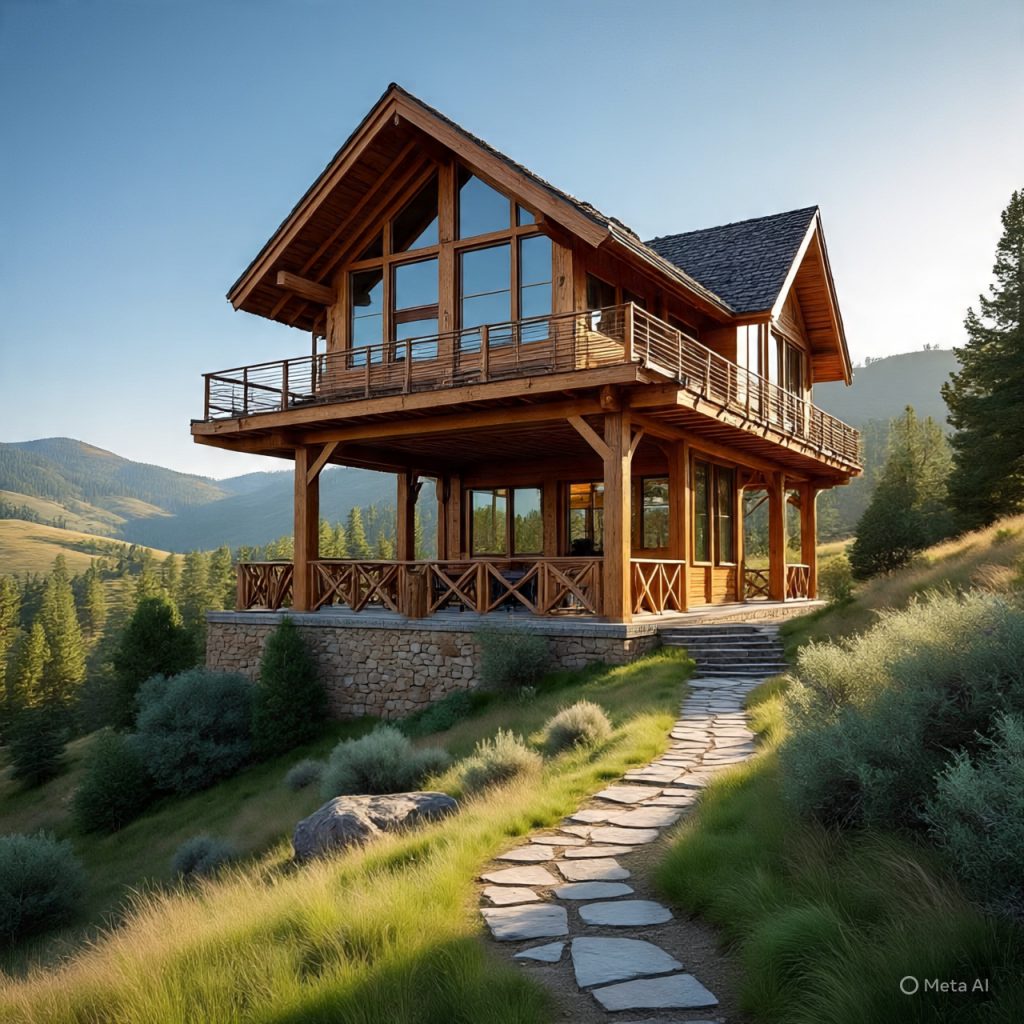
Wood plays a central role in ranch house construction due to its excellent insulation properties. Timber walls, beams, and ceilings help maintain indoor warmth during cold evenings.
In Colombian rural areas, locally sourced wood reduces costs and environmental impact. The natural texture of wood also adds warmth and character to interiors, making homes feel cozy and inviting even in harsh weather conditions.
3. Traditional Layout Planning for Warmth
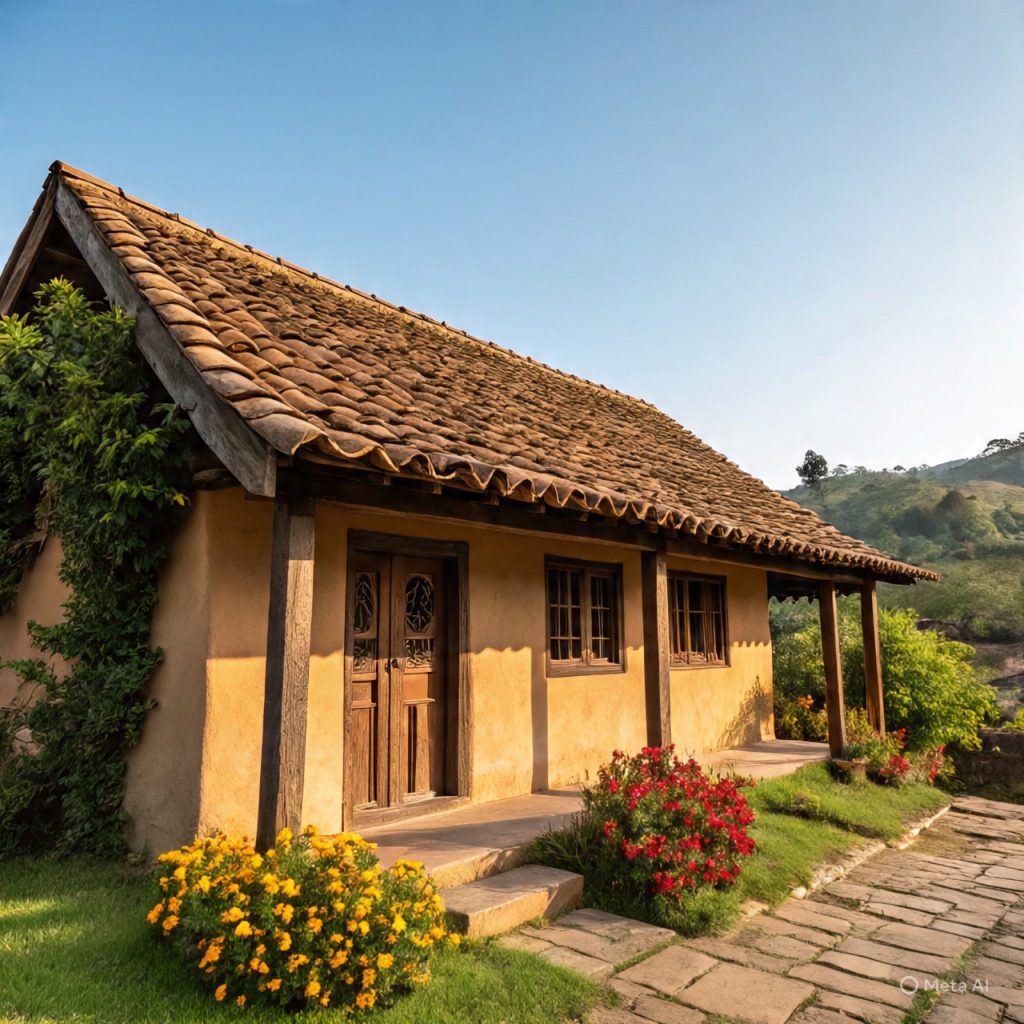
Layouts in Colombia Ranch Houses are typically compact and inward-focused to conserve heat. Rooms are arranged around central living areas, allowing warmth from fireplaces or stoves to circulate efficiently.
Bedrooms are often positioned away from exterior walls, while kitchens contribute additional warmth through daily cooking activities. This thoughtful planning enhances thermal comfort without relying heavily on artificial heating systems.
4. Roof Design and Weather Protection
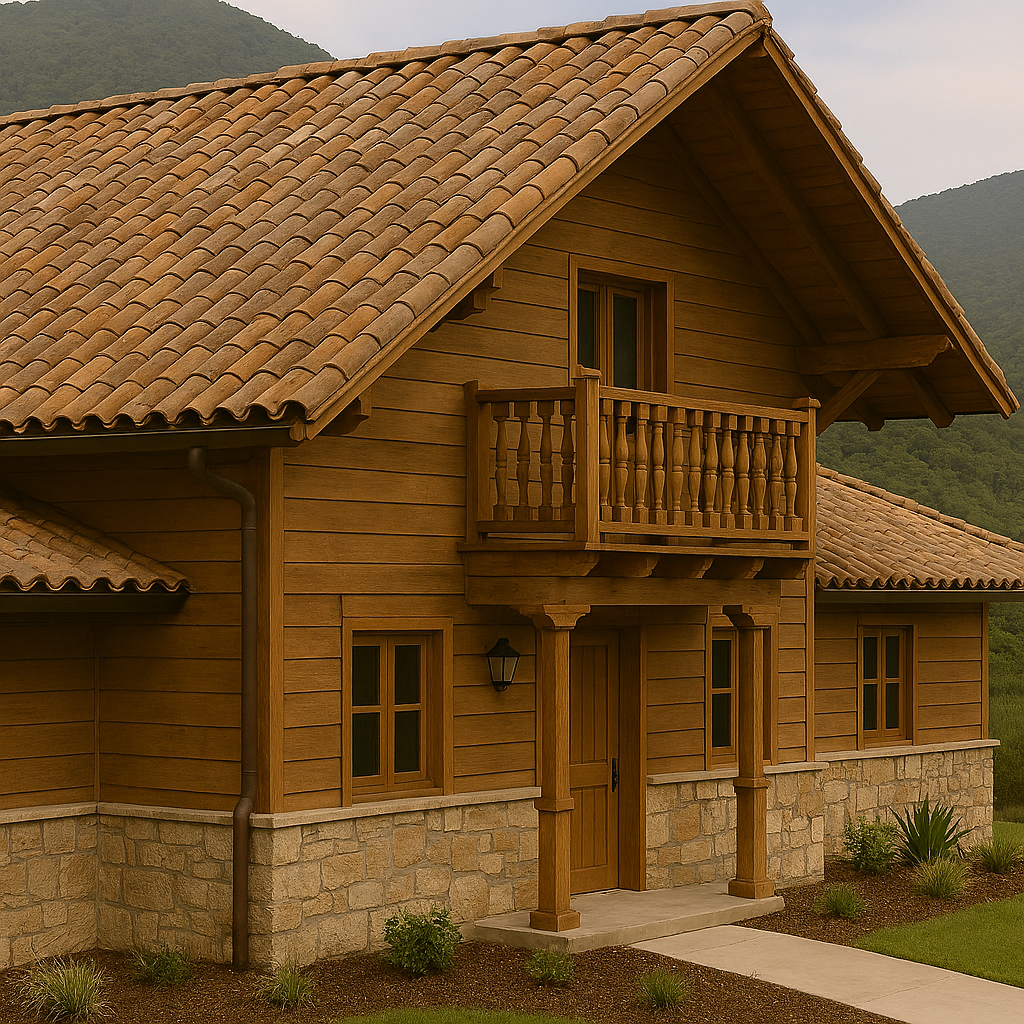
Steeply pitched roofs are a defining feature of Colombia Ranch Houses, designed to shed rain quickly and prevent moisture buildup. Clay tiles or metal roofing materials are commonly used for durability and insulation.
Extended roof overhangs protect wooden walls from rain and frost, increasing the lifespan of the structure. These roofs also create covered outdoor areas that remain usable even during cold or wet seasons.
5. Exterior Aesthetics of Colombia Ranch Houses
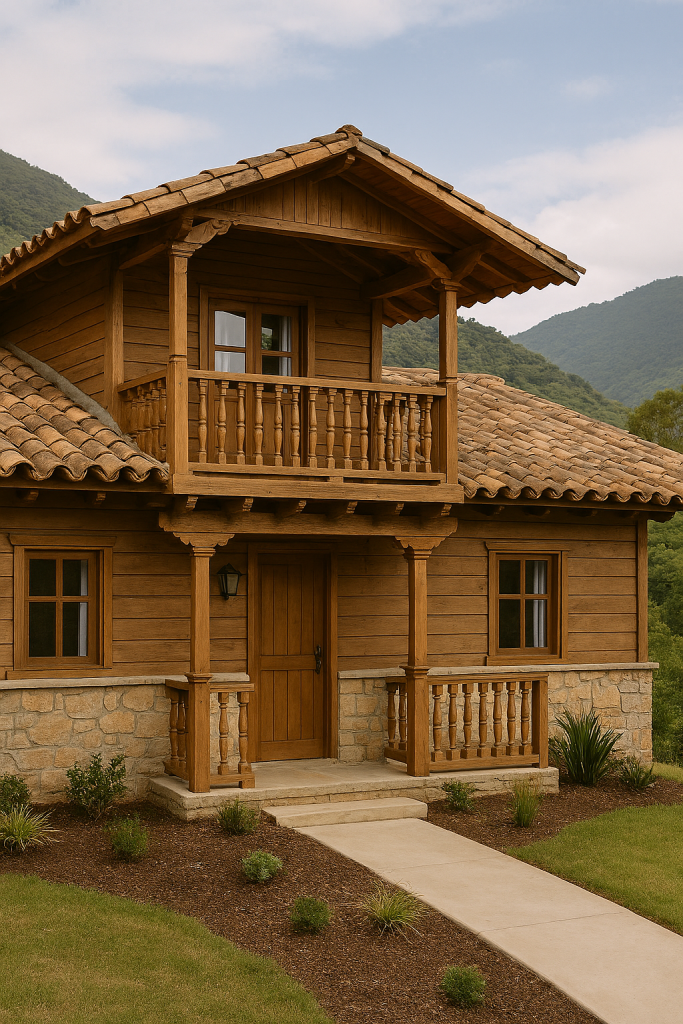
The exterior appearance of Colombia Ranch Houses is simple yet charming. Natural wood finishes, muted earth tones, and handcrafted details create visual harmony with mountainous landscapes.
Decorative wooden balconies and railings are common, offering views of valleys and forests. These design elements balance functionality with rural elegance, giving the homes a timeless countryside appeal.
6. Interior Comfort and Wooden Finishes
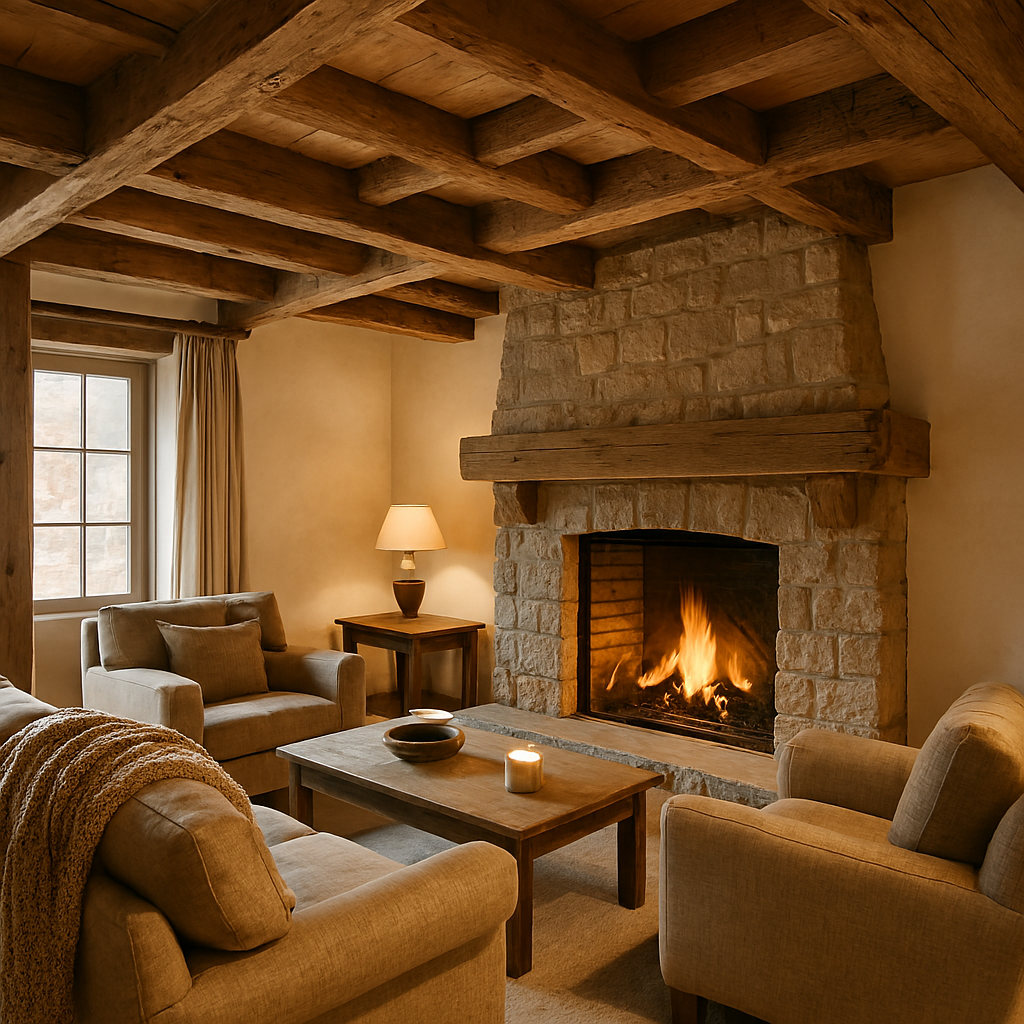
Interiors emphasize warmth and practicality. Exposed wooden beams, plank flooring, and paneled walls trap heat while adding rustic charm. Soft furnishings, wool textiles, and layered rugs further enhance comfort.
Natural light is carefully controlled through smaller windows to reduce heat loss while still providing adequate brightness. The result is a cozy, peaceful interior environment ideal for cold climates.
7. Fireplaces and Heating Solutions
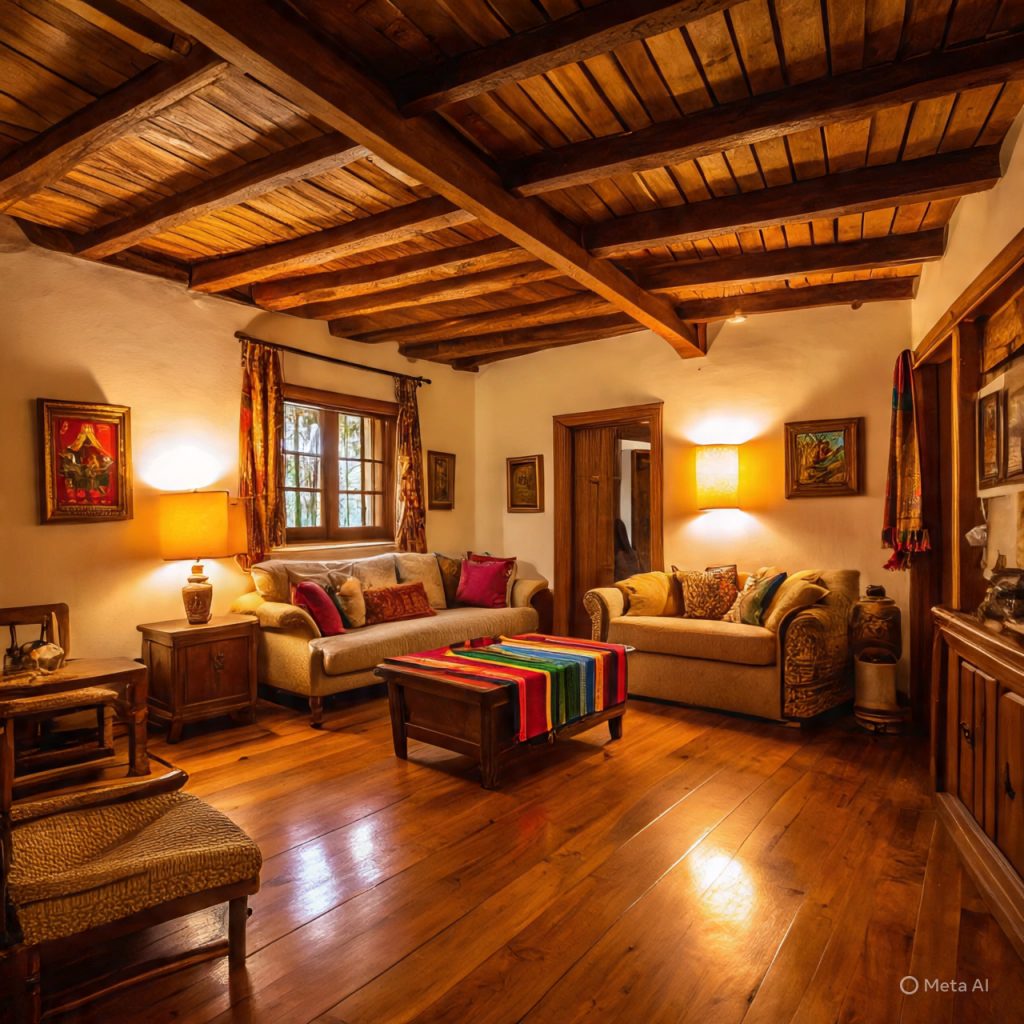
Fireplaces are essential in Colombia Ranch Houses, serving both functional and social purposes. Traditionally built with stone or brick, they provide consistent warmth during cold nights.
Modern ranch homes may integrate efficient wood-burning stoves or underfloor heating systems. These solutions maintain comfort while respecting the traditional character of the house.
8. Relationship Between Ranch Houses and Farmland
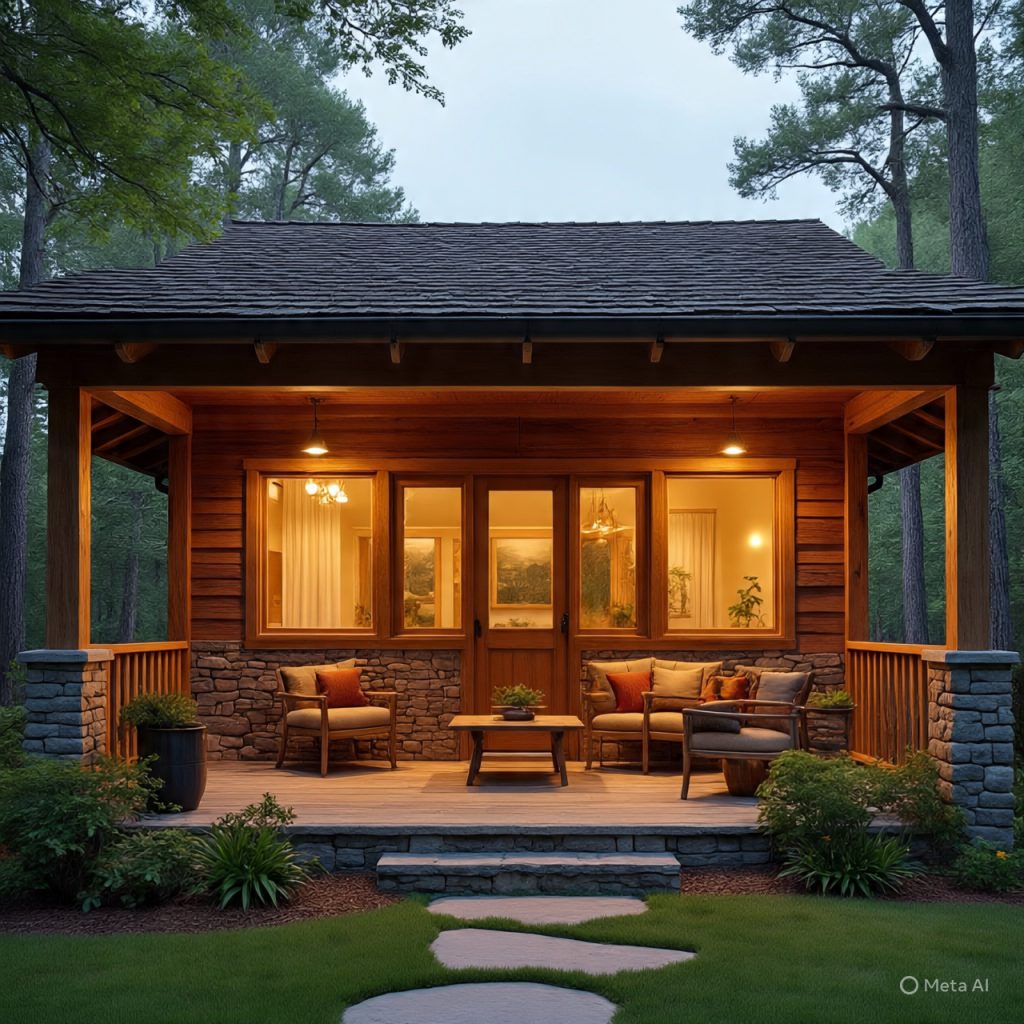
Ranch houses are closely tied to agricultural life. They are often located near grazing fields, barns, and storage areas to support daily rural activities.
Covered walkways and utility zones allow movement between spaces without exposure to cold winds. This close integration ensures efficiency and reinforces the self-sufficient nature of rural Colombian living.
9. Sustainable Building Practices in Cold Regions
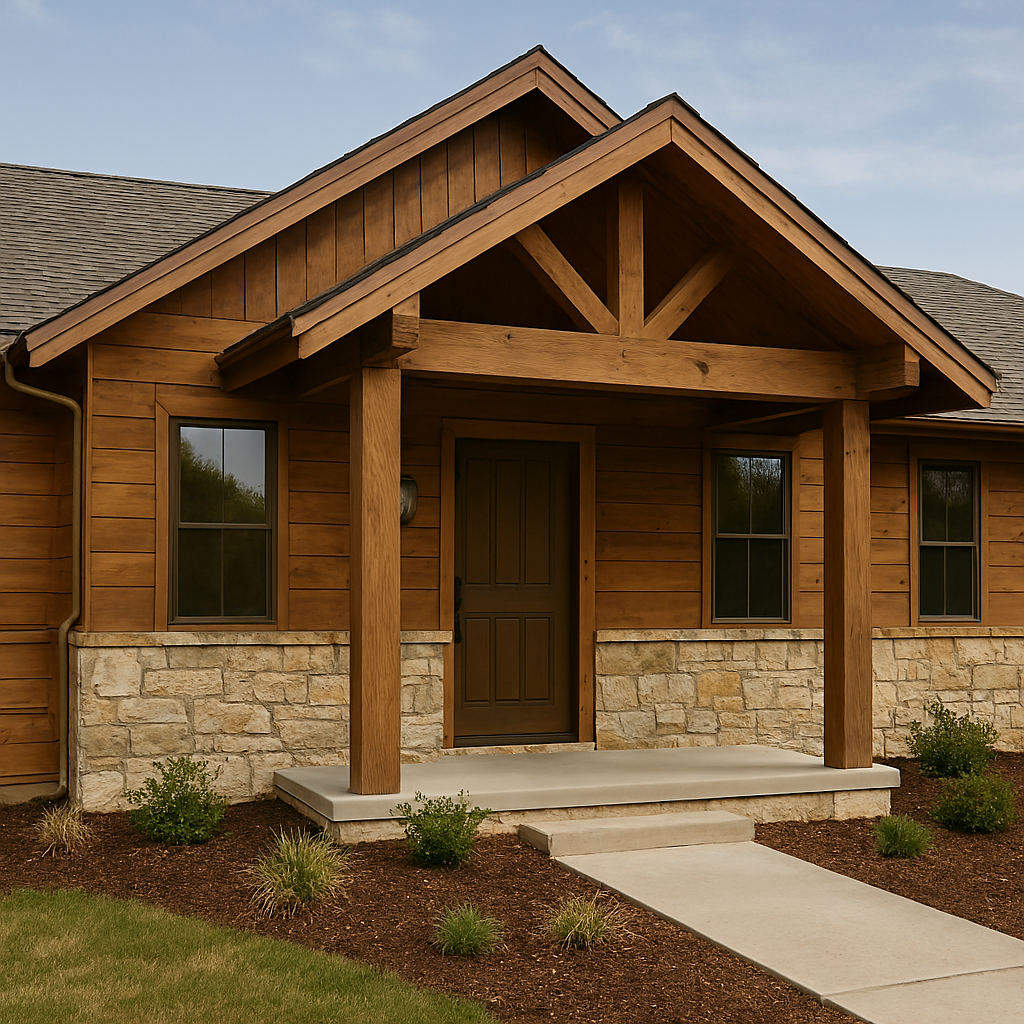
Sustainability is deeply embedded in ranch house design. Thick wooden walls, minimal openings, and natural ventilation reduce energy consumption.
Rainwater harvesting and locally sourced materials further minimize environmental impact. These practices make ranch houses both eco-friendly and economically practical for rural communities.
10. Modern Interpretations of Colombia Ranch Houses
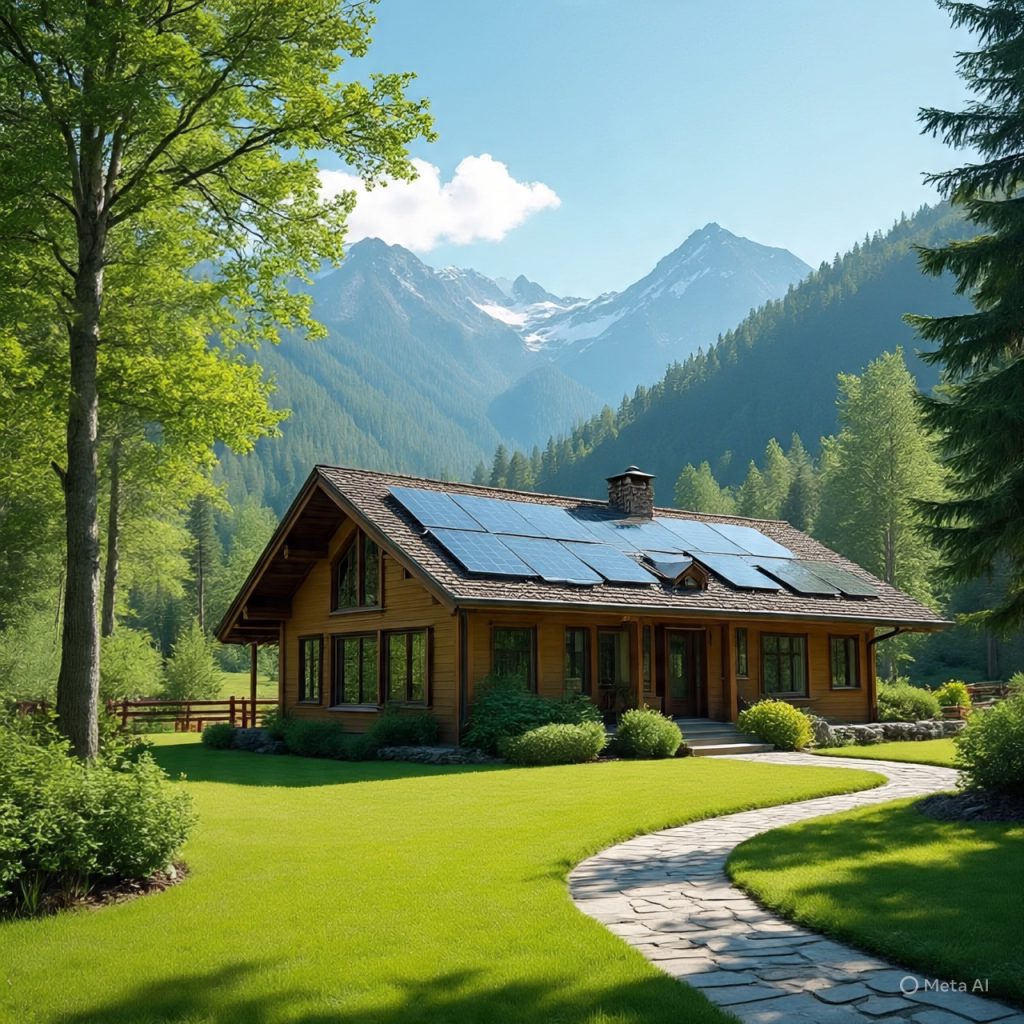
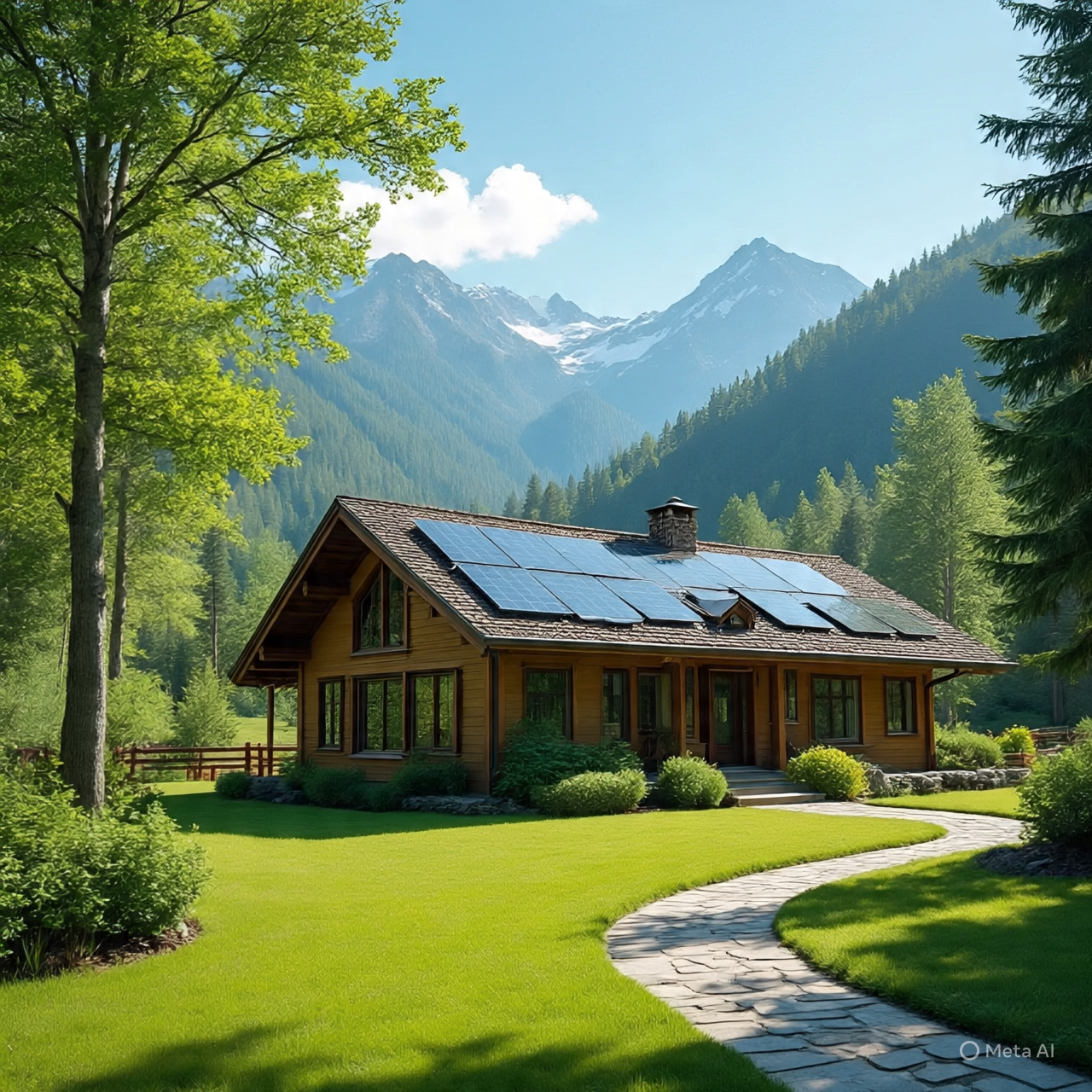
Contemporary architects are reimagining Colombia Ranch Houses with modern comforts while preserving traditional forms. Large insulated windows, solar panels, and improved insulation systems are now integrated.
Despite modernization, wood remains the dominant material, ensuring that new designs stay connected to regional identity and climate needs.
11. Lifestyle Appeal of Cold-Climate Ranch Living
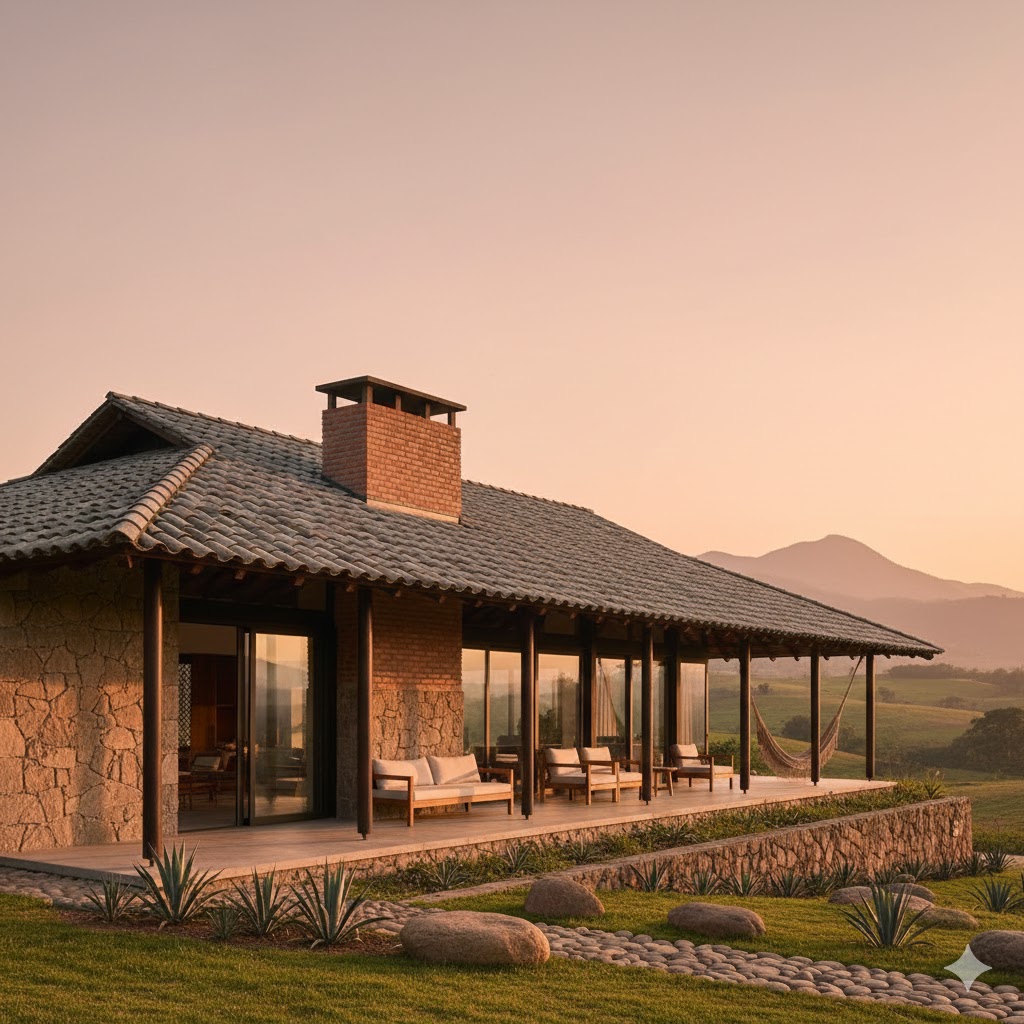
Living in a Colombian ranch house offers tranquility, privacy, and a deep connection to nature. The slower pace of rural life, combined with warm interiors, promotes mental well-being.
These homes attract families and retirees seeking comfort, sustainability, and an escape from urban stress while still enjoying architectural beauty.
Final Thoughts
Colombia Ranch Houses showcase how wooden structures can successfully adapt to cold climates without sacrificing comfort or style. Their climate-responsive design, natural materials, and rural charm make them timeless examples of sustainable living. Whether preserved in traditional form or updated for modern needs, these ranch houses continue to define meaningful countryside architecture in Colombia.