Mexican Countryside Ranch Houses: Bold Textures and Earthy Architecture
Introduction
Mexican Ranch Houses reflect the soul of countryside living shaped by history, climate, and craftsmanship. These homes are known for bold textures, earthy materials, and strong indoor–outdoor relationships. Rooted in tradition yet adaptable to modern lifestyles, Mexican countryside ranch houses celebrate warmth, color, and cultural identity while offering durable and comfortable rural living solutions.
1. Cultural Influence on Mexican Countryside Ranch Houses
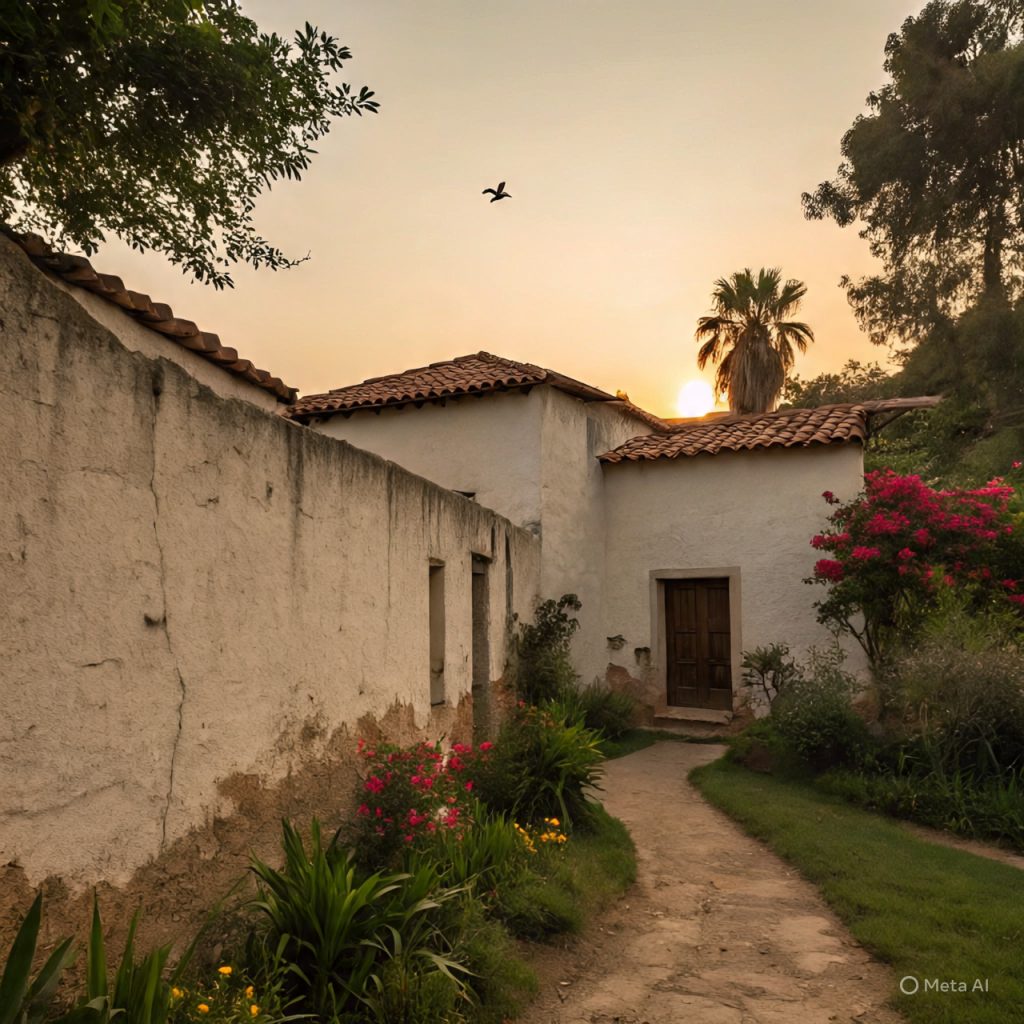
Rural architecture in Mexico is deeply influenced by indigenous traditions, Spanish colonial heritage, and agricultural lifestyles. Family-oriented planning and outdoor social spaces define countryside ranch houses.
2. Earthy Architecture as a Design Foundation
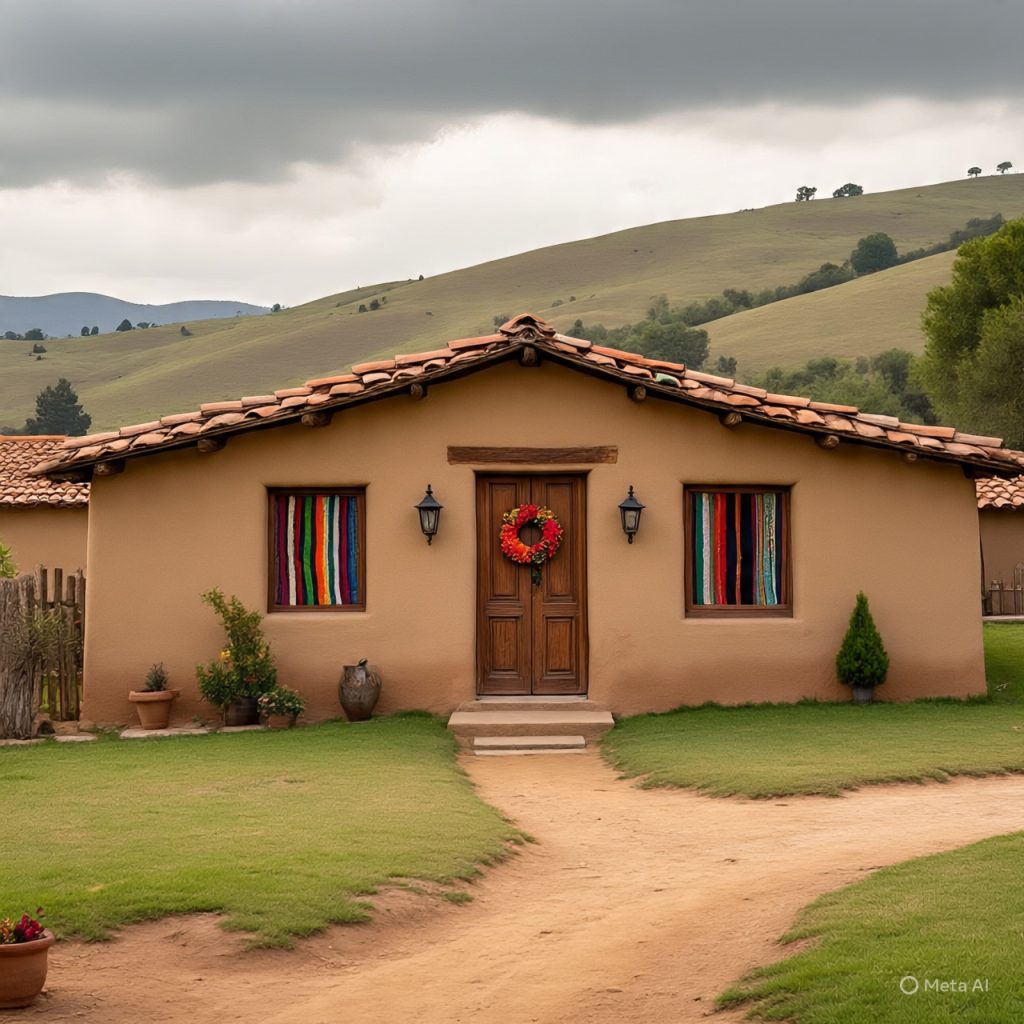
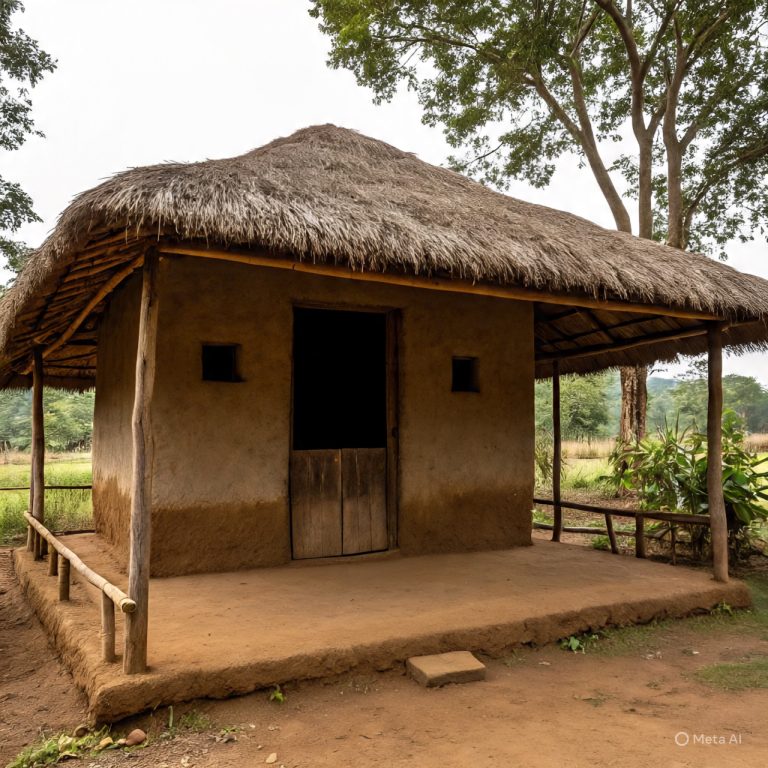
Natural, earth-driven architecture forms the backbone of countryside homes across Mexico. Thick masonry walls, solid volumes, and grounded proportions help Mexican Ranch Houses maintain thermal stability in hot and dry regions. These earthy structures not only regulate indoor temperatures but also create a sense of permanence and protection. The use of raw finishes and handcrafted surfaces reflects a deep respect for local materials and building traditions. Over time, this architectural approach has proven to be both visually timeless and structurally resilient, making it ideal for long-term rural living where durability and comfort are equally important
3. Use of Bold Textures in Rural Homes
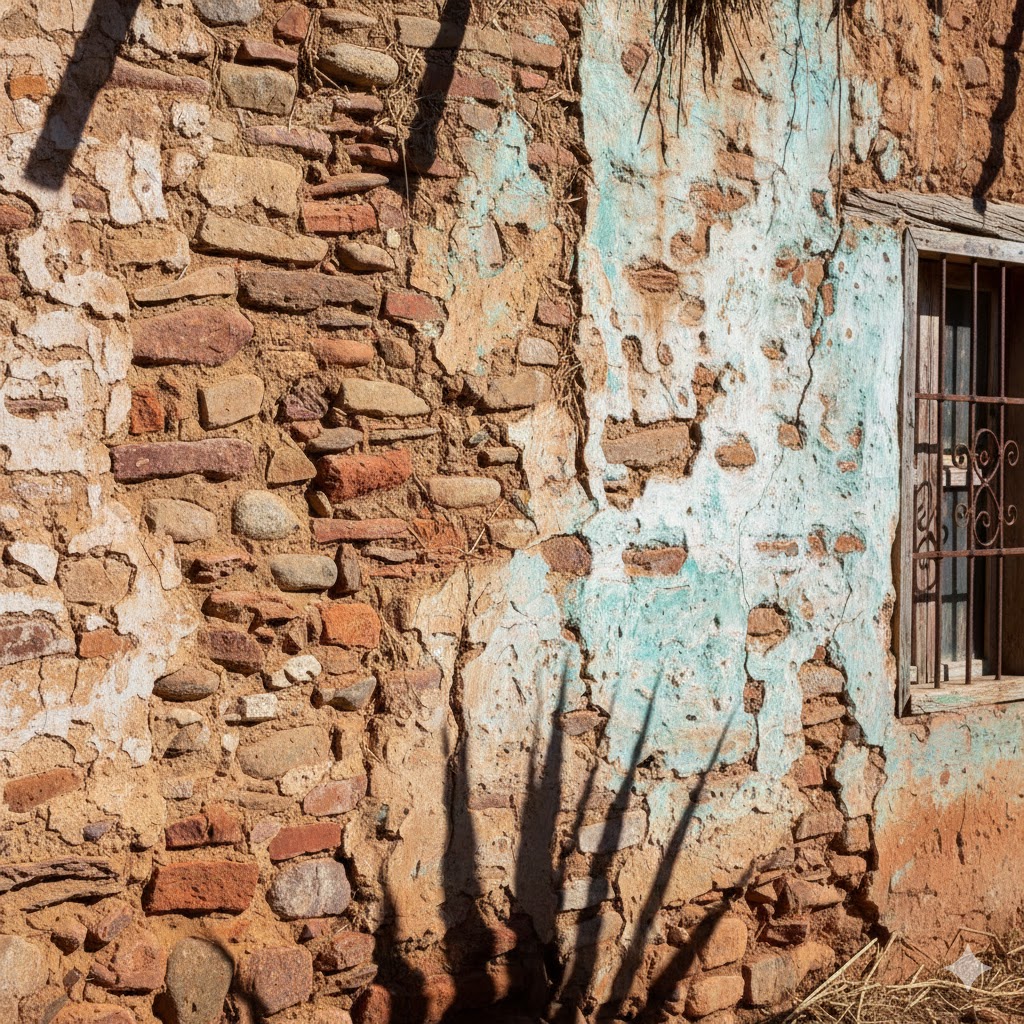
Textured plaster, exposed brick, and stone surfaces add depth and character, making countryside ranch houses visually rich without excessive ornamentation.
4. Mexican Ranch Houses and Climate Adaptation
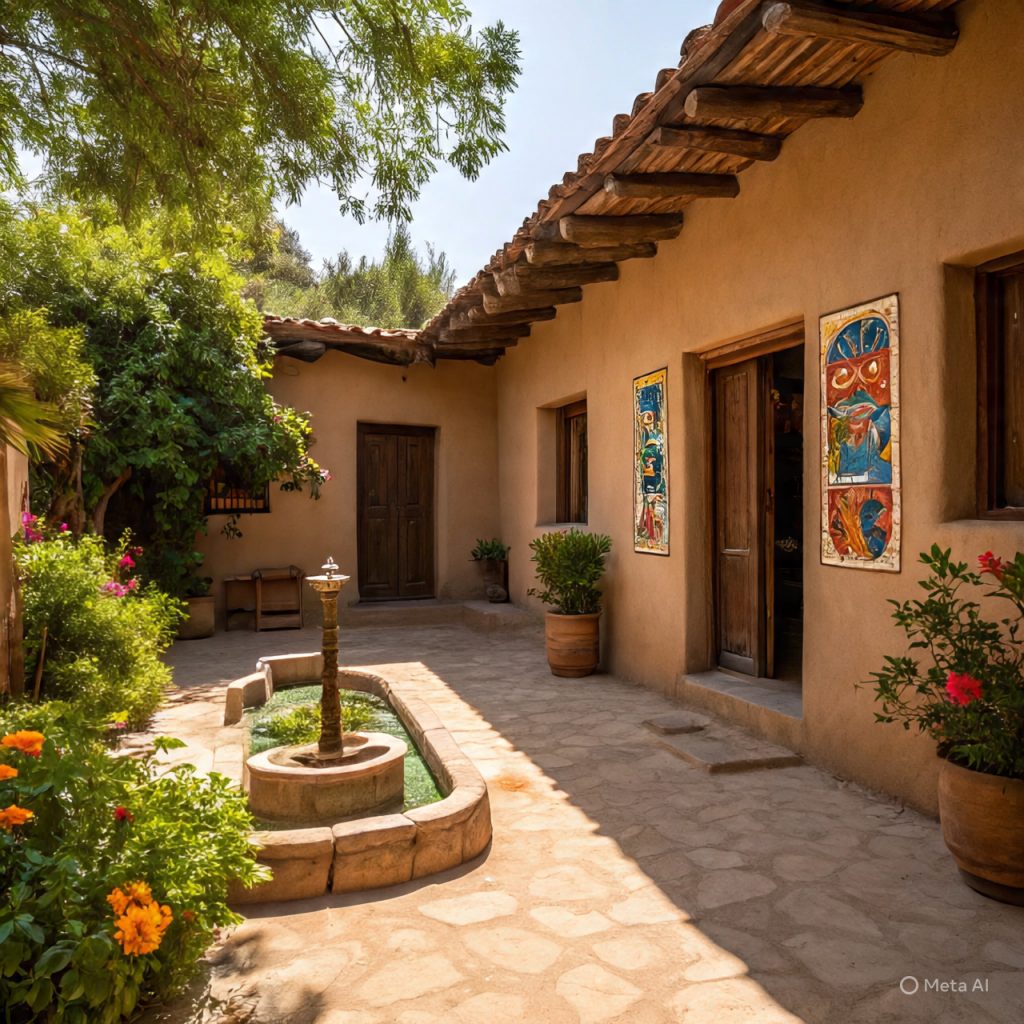
Mexican Ranch Houses respond to hot climates through shaded courtyards, deep verandas, and limited direct sun exposure, ensuring cooler interiors.
5. Courtyards as Social and Climatic Spaces
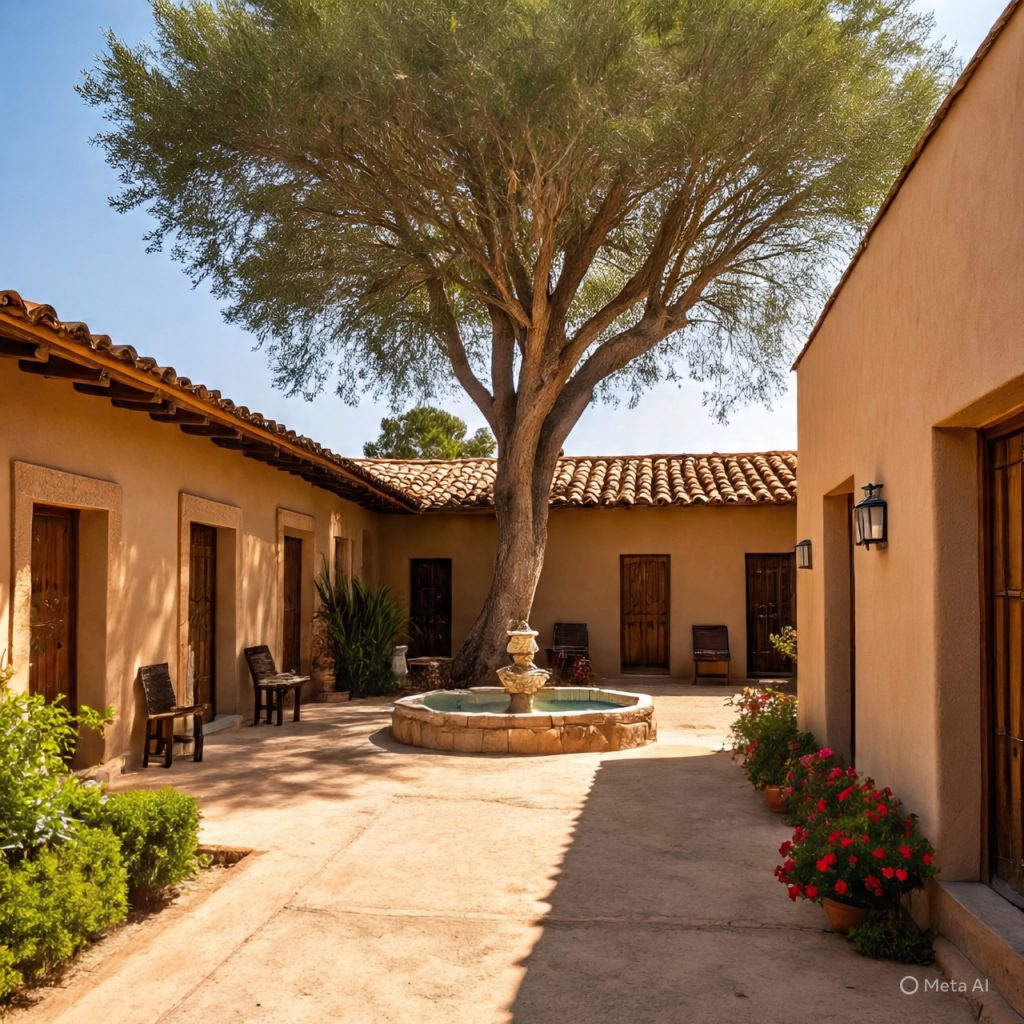
Central courtyards provide ventilation, natural light, and family gathering areas, strengthening the connection between indoor and outdoor living.
6. Traditional Materials in Mexican Ranch Houses
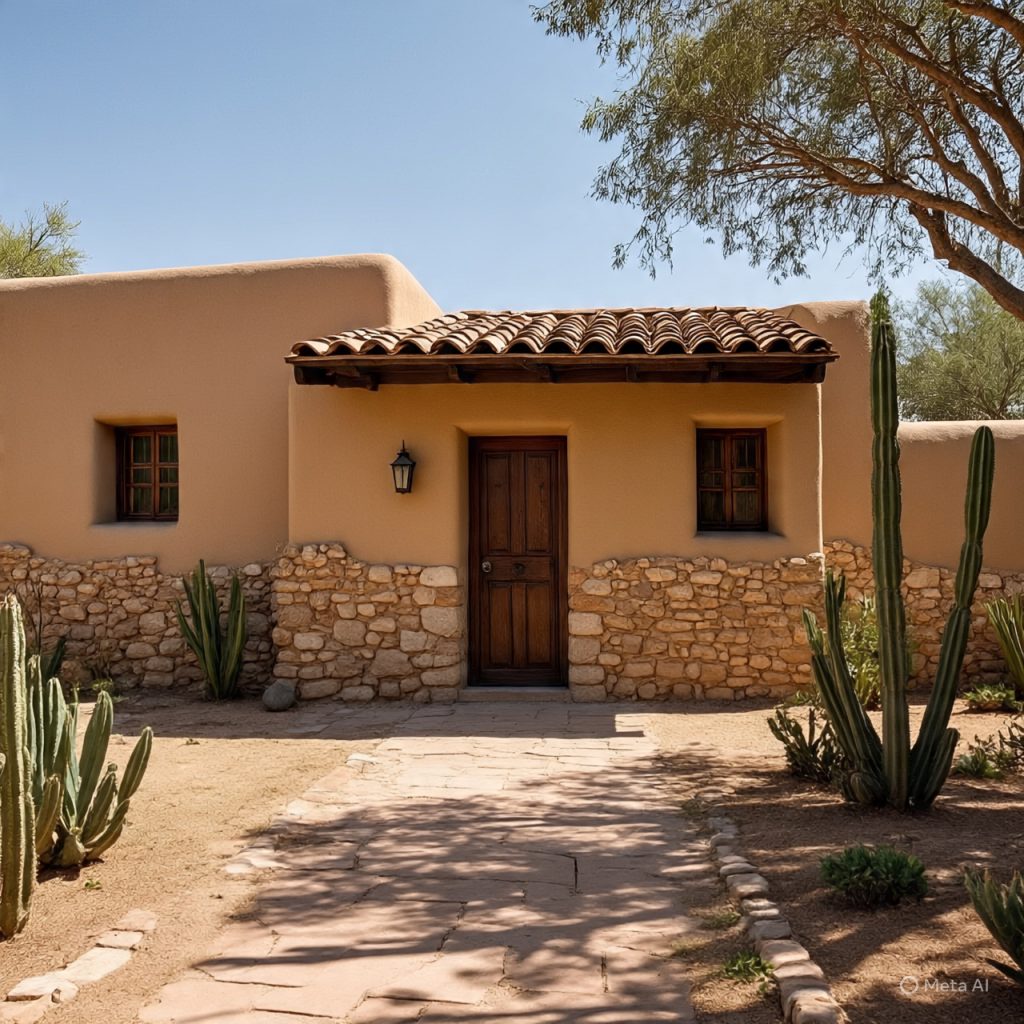
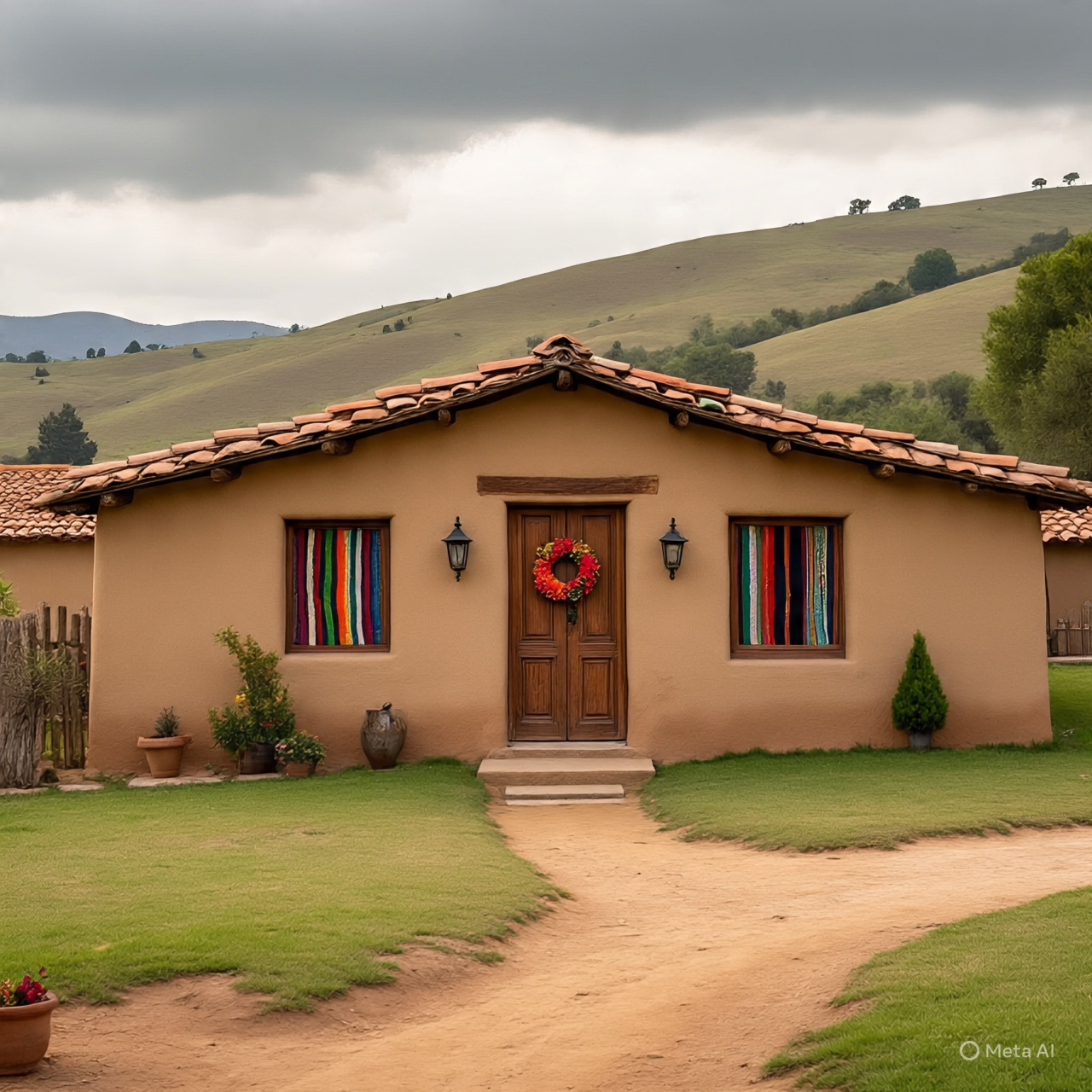
Adobe, clay tiles, natural stone, and timber beams are core materials in Mexican Ranch Houses, offering durability and cultural authenticity.
7. Color Palettes Inspired by the Land
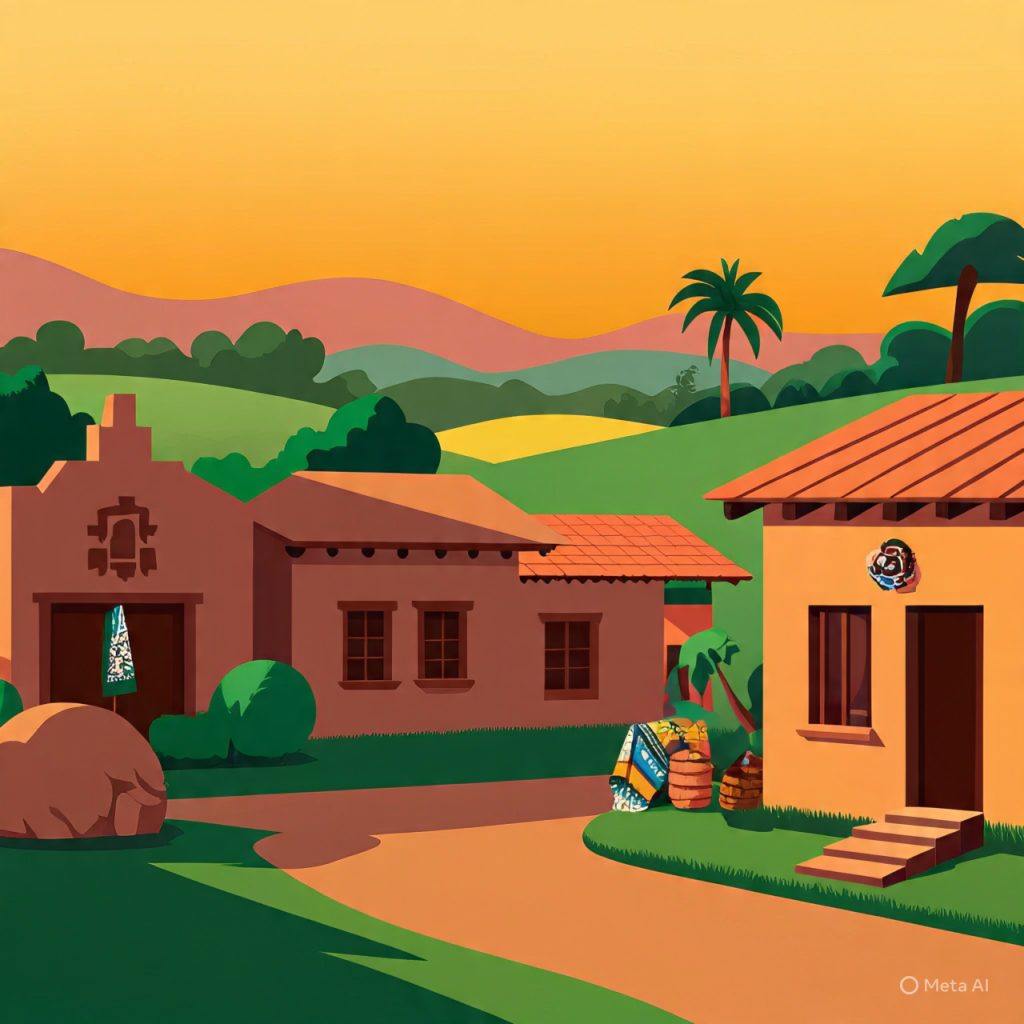
Color plays a powerful role in shaping the identity of countryside homes. In Mexican Ranch Houses, warm and earthy tones such as terracotta, clay red, sun-washed yellow, and soft browns dominate exterior and interior spaces. These shades are inspired by soil, desert landscapes, and historic villages, allowing homes to blend naturally with their surroundings. Beyond aesthetics, such colors age gracefully under sunlight and dust, requiring minimal maintenance. The thoughtful use of accent colors around doors, arches, and courtyards adds vibrancy while preserving the overall rustic harmony of the architecture
8. Interior Layouts for Relaxed Living
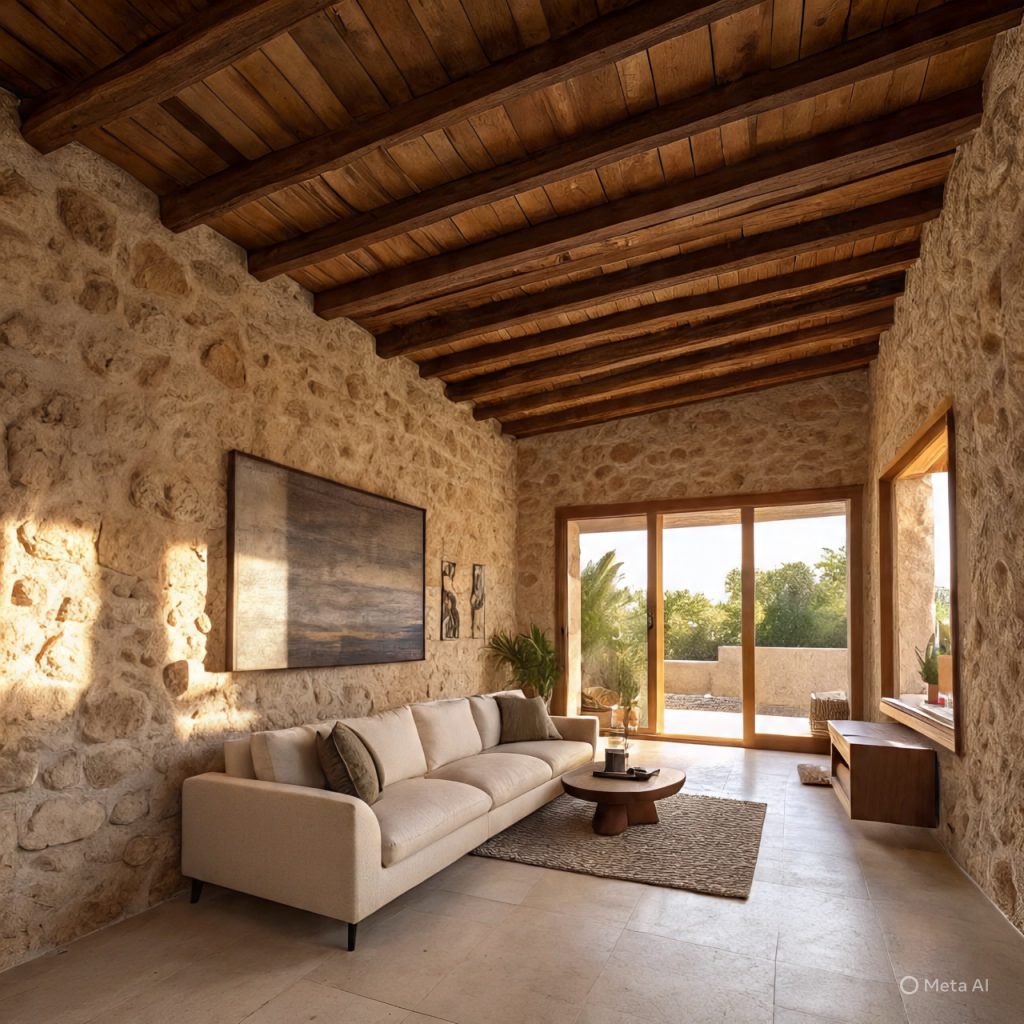
Open living areas, thick walls, and high ceilings support airflow and create calm, shaded interiors suitable for rural lifestyles.
9. Mexican Ranch Houses and Outdoor Living
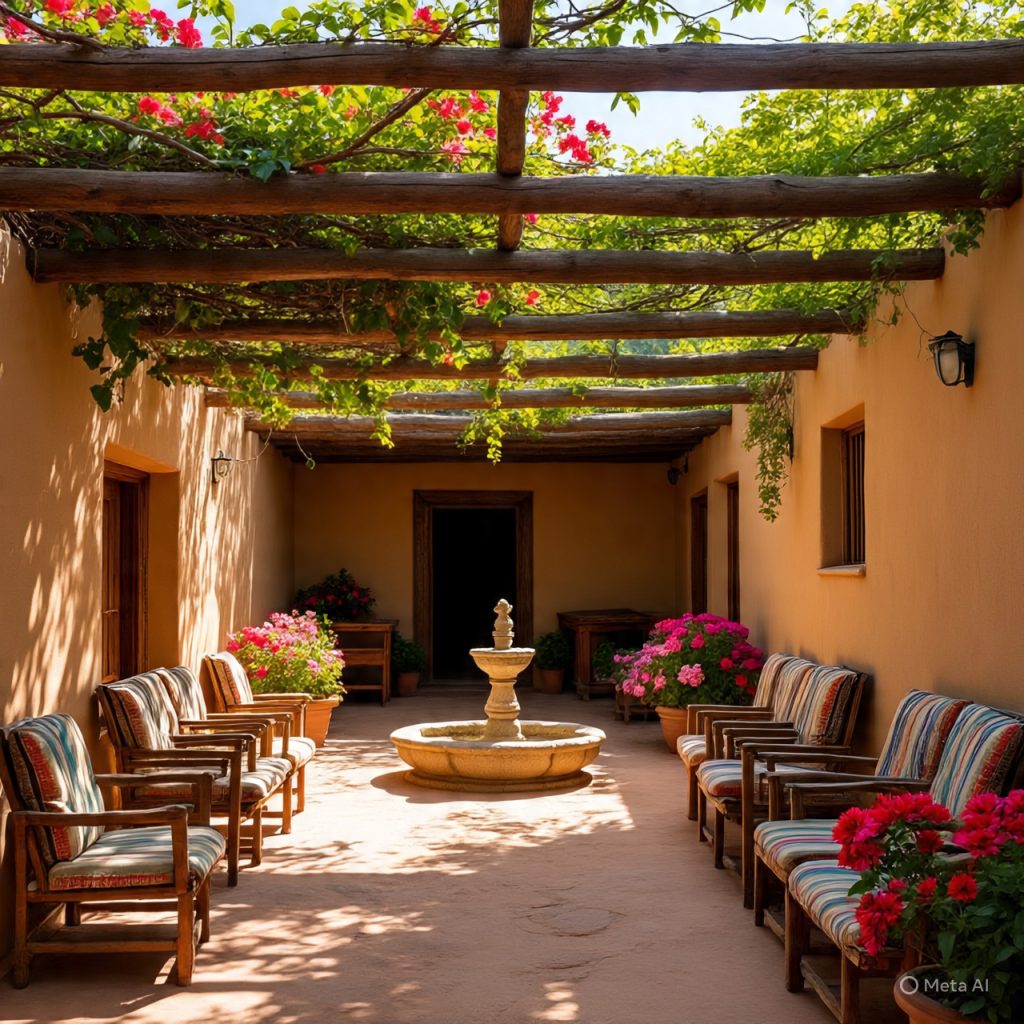
Outdoor patios, shaded corridors, and garden spaces are essential elements of Mexican Ranch Houses, encouraging social interaction and daily outdoor use.
10. Roof Forms and Shading Techniques
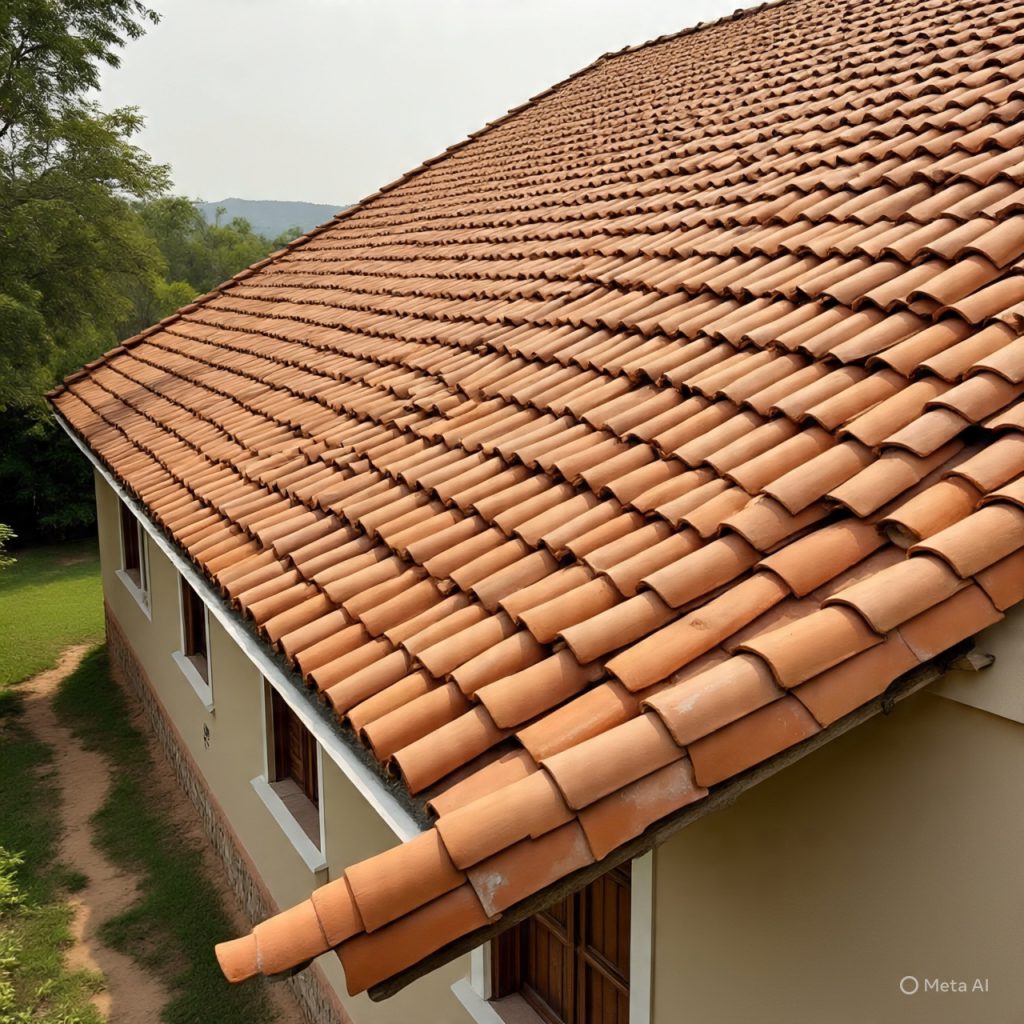
Clay-tiled sloped roofs and extended eaves protect homes from heat and rain while adding architectural character.
11. Sustainability in Countryside Architecture
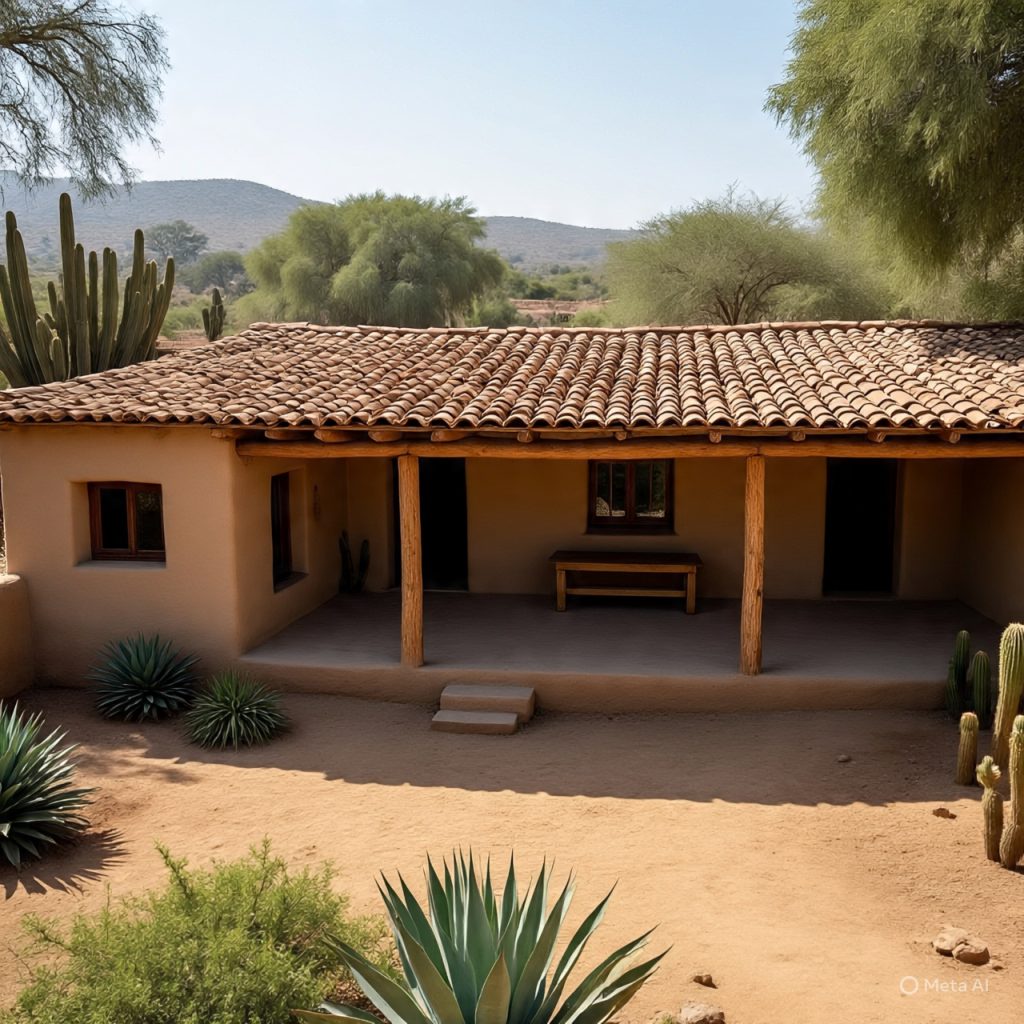
Sustainability in rural Mexico has long existed as a necessity rather than a trend. Mexican Ranch Houses rely on passive cooling methods, including thick walls, shaded patios, and natural ventilation, to reduce energy consumption. Locally sourced materials minimize transportation impact while supporting regional craftsmanship. Rainwater collection, solar integration, and low-energy lighting are increasingly incorporated into modern countryside homes. These sustainable strategies not only lower long-term costs but also ensure that ranch houses remain environmentally responsible, self-sufficient, and well-adapted to changing climate conditions in rural areas
12. Modern Touches in Traditional Ranch Homes
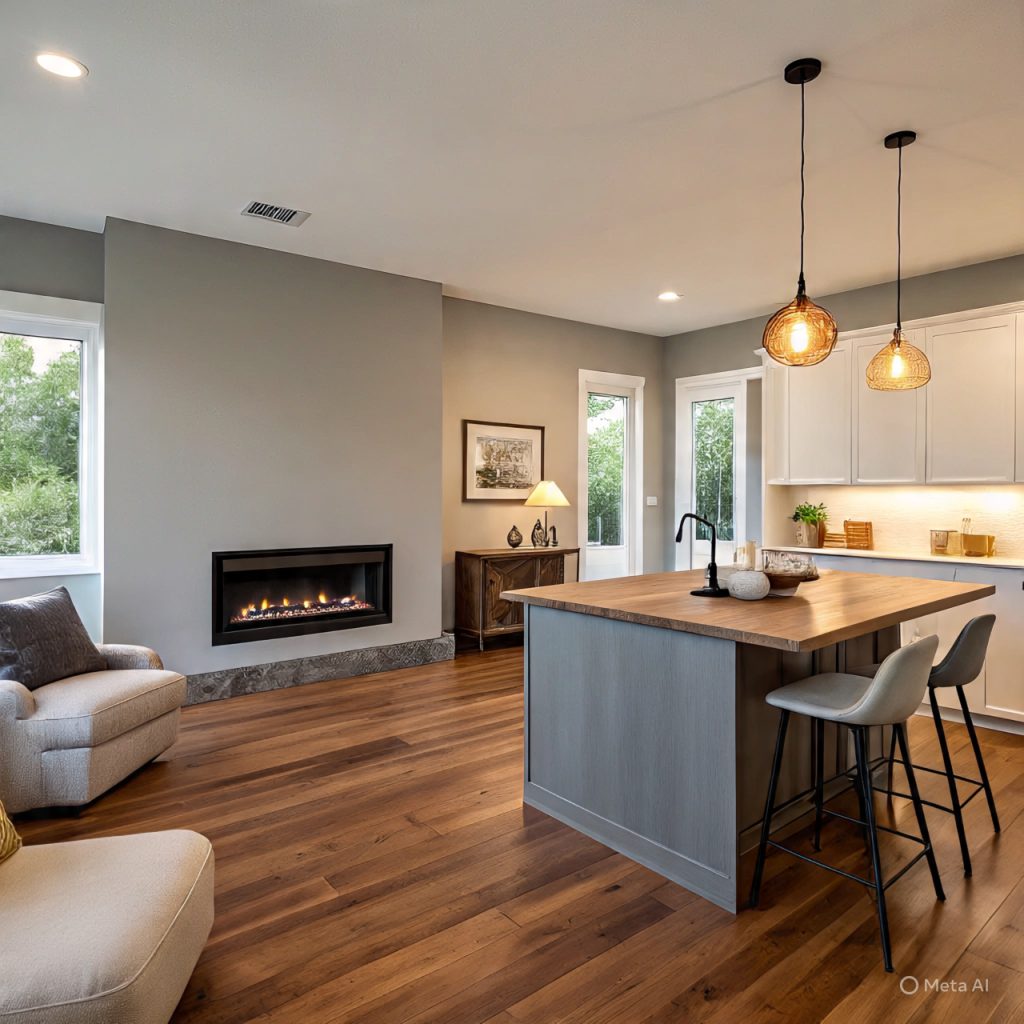
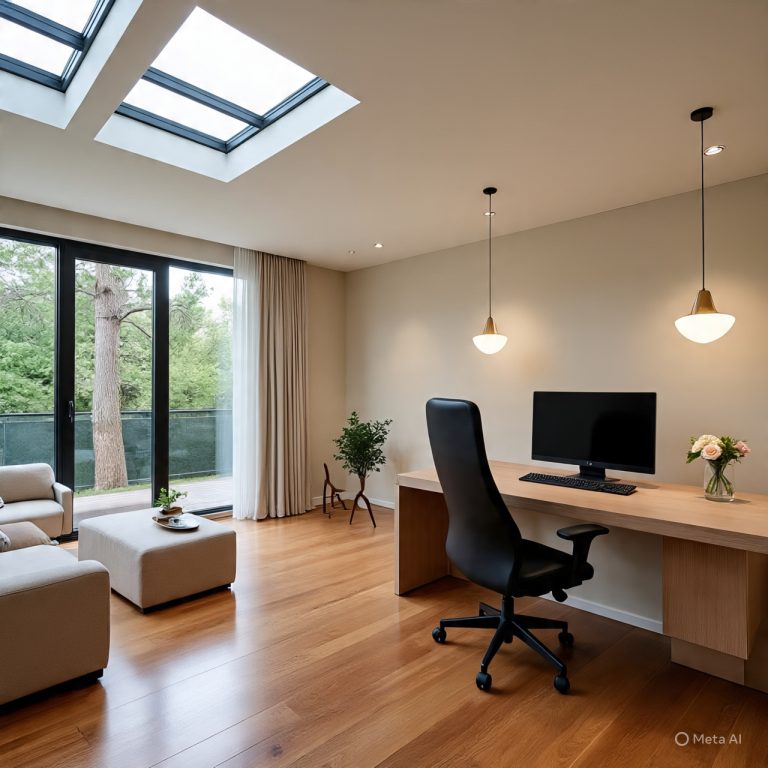
Glass openings, updated utilities, and minimalist interiors allow countryside ranch houses to meet modern expectations without losing identity.
13. Timeless Appeal of Mexican Ranch Houses
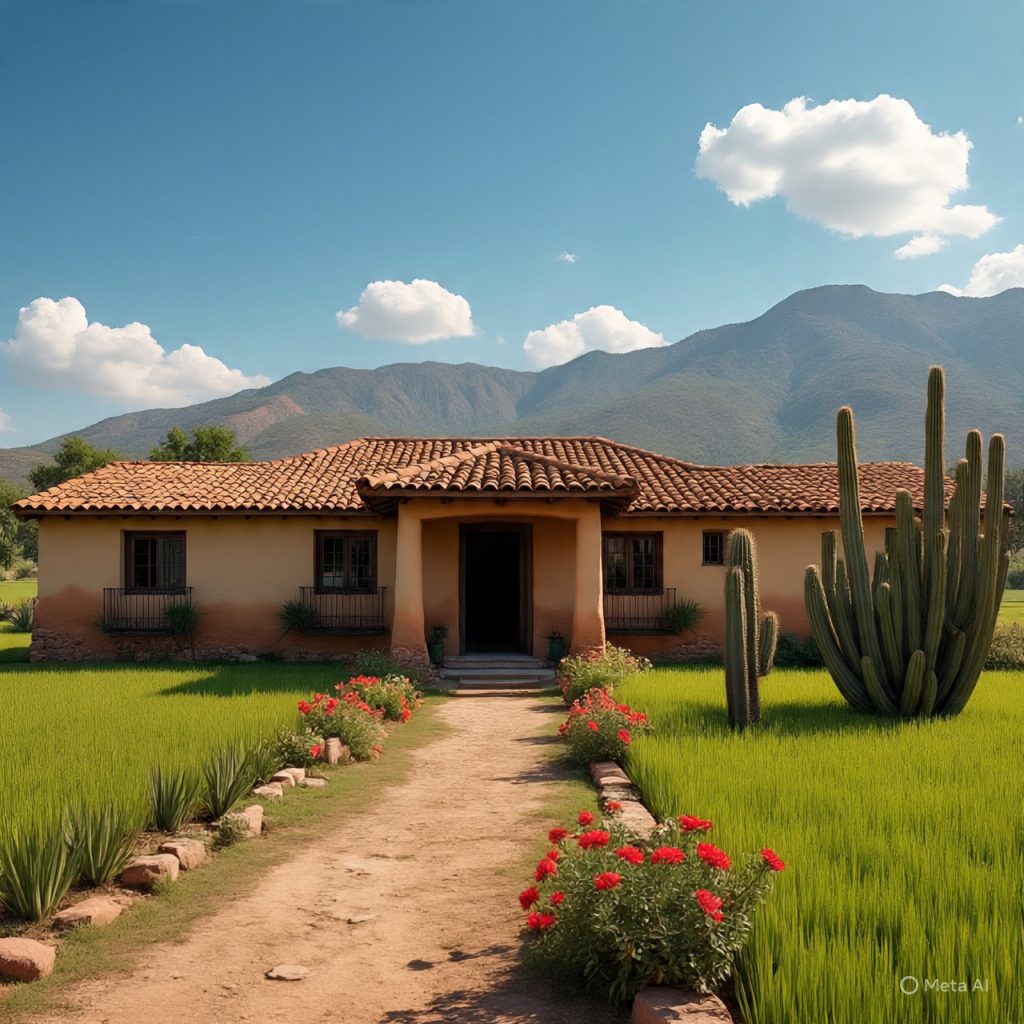
By blending tradition with practicality, Mexican Ranch Houses remain timeless expressions of countryside architecture that age gracefully.
Final Thoughts
Mexican Ranch Houses beautifully capture countryside living through bold textures, earthy materials, and climate-responsive design. Their warm colors, strong forms, and outdoor-centered layouts create homes that feel inviting, durable, and culturally rich. By combining tradition with modern comfort, Mexican countryside ranch houses continue to inspire architects and homeowners seeking authenticity, sustainability, and a deep connection to land and heritage.