Modern House Design: Complete Guide to Planning, Style & Function
Modern house design is not just about how a home looks — it is about how it works, feels, and adapts to daily life. A well-planned modern home balances aesthetics with functionality, ensuring comfort, efficiency, and long-term value. From layout planning and elevation design to interior flow and smart features, modern house design focuses on simplicity, practicality, and timeless appeal.
Today’s homeowners seek spaces that are visually clean, energy-efficient, and flexible for changing lifestyles. Whether you are building from scratch or renovating an existing structure, understanding modern house design principles helps you create a home that is beautiful, functional, and future-ready.
Modern House Design Ideas
1. Smart Planning as the Foundation of Modern House Design
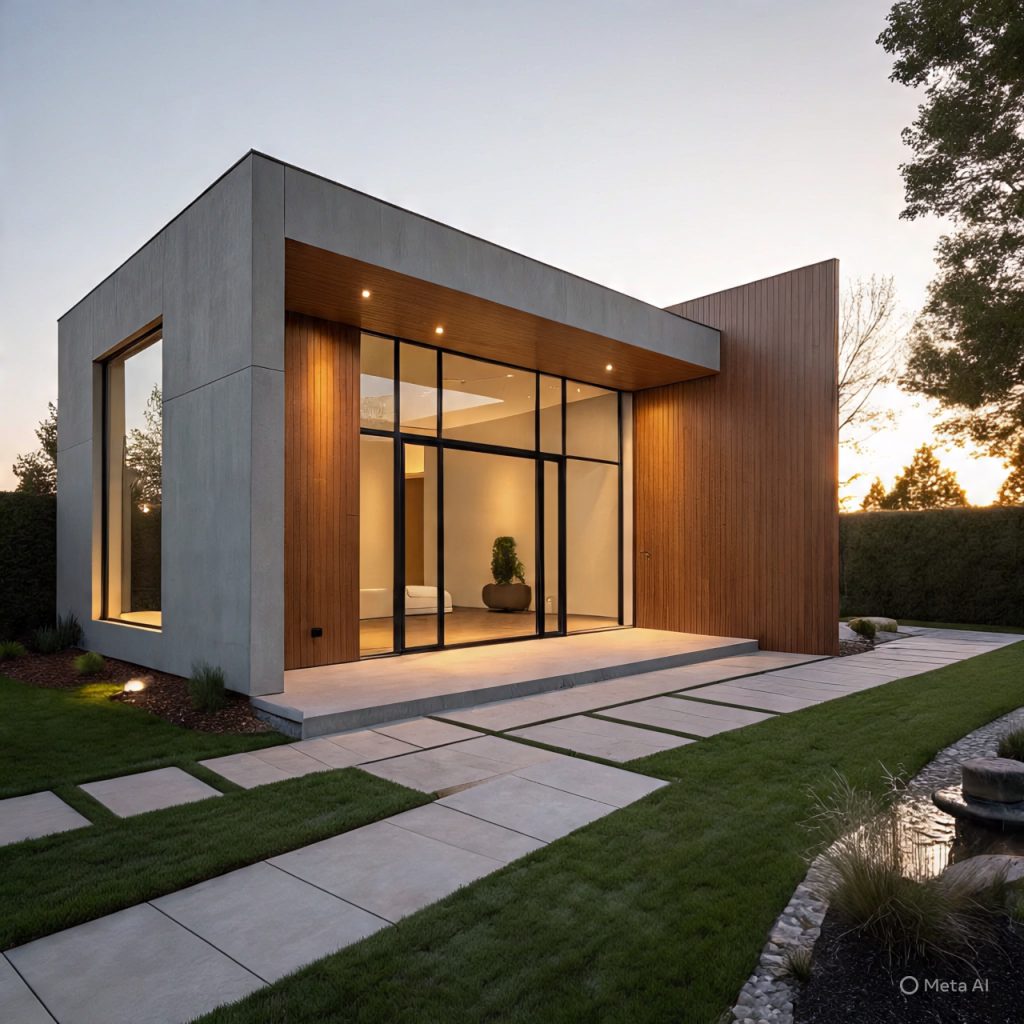
The journey to an exceptional modern home begins with intelligent planning. Consider your plot’s size, orientation to the sun, prevailing winds, and natural topography to maximize light, airflow, and views. Thoughtful zoning separates public areas (like living and entertaining spaces) from private zones (bedrooms and workspaces), while anticipating future needs—such as growing families or aging in place—ensures longevity. Professional site analysis and 3D modeling tools make this phase exciting, turning potential challenges into opportunities for optimized comfort and efficiency.
2. Clean Architectural Lines and Simple Forms
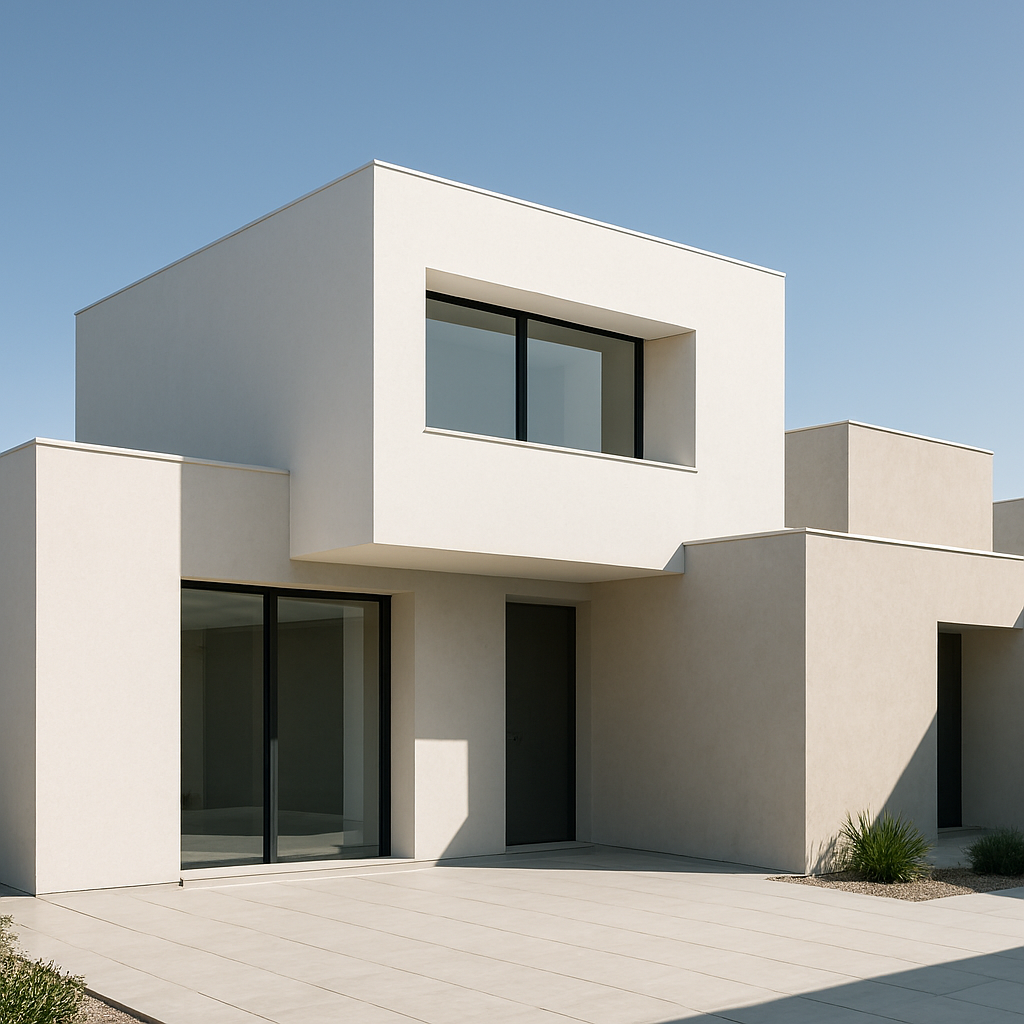
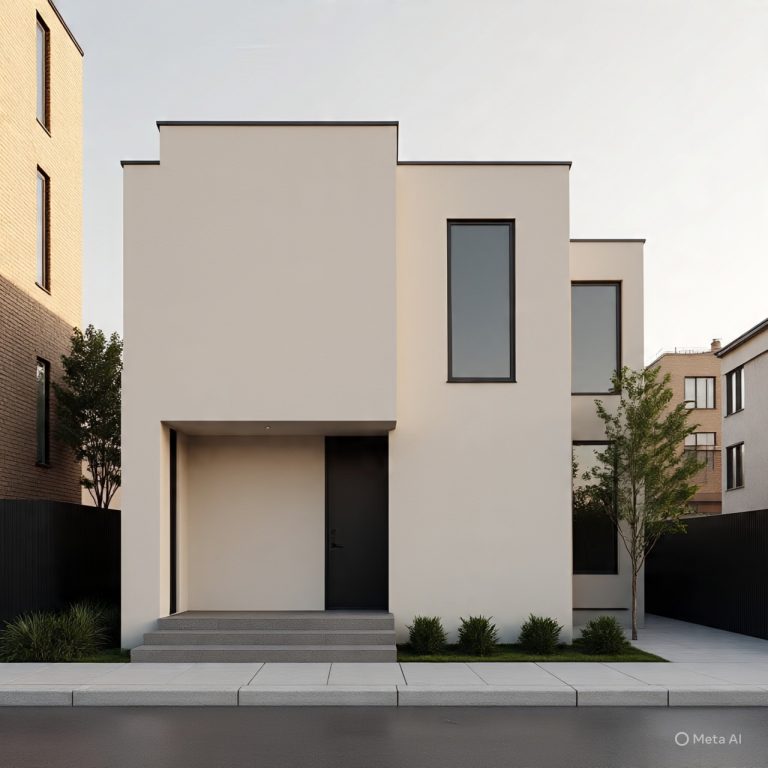
At the heart of modern house design are crisp, geometric forms and uncluttered silhouettes. Flat or low-pitched roofs, rectangular volumes, and balanced proportions create an elegant, sophisticated look that’s inherently timeless. These straightforward shapes eliminate unnecessary ornamentation, allowing the home’s form to speak through proportion and material honesty. The result is a structure that feels contemporary yet enduring, never succumbing to fleeting fads.
3. Functional Layout and Open Floor Plans
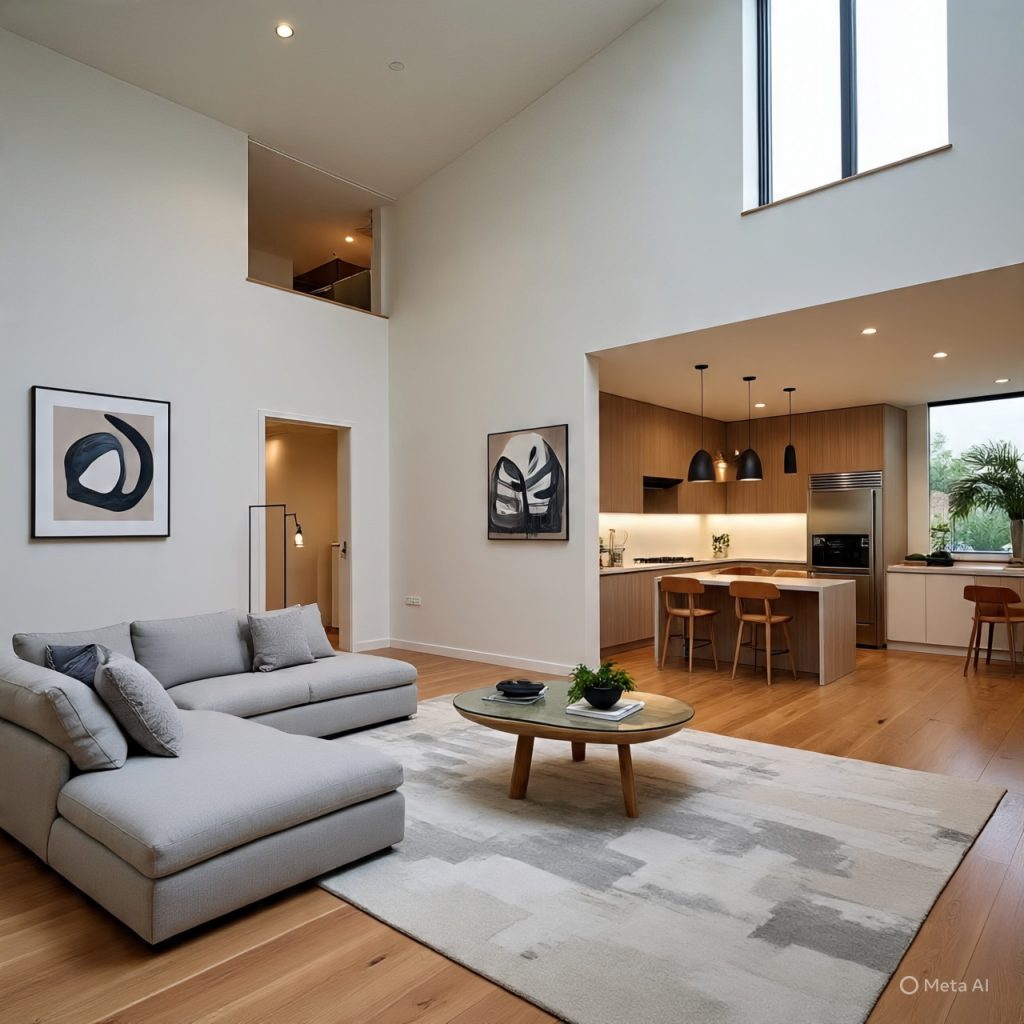
Open floor plans remain a cornerstone of modern house design, fostering natural flow between living, dining, and kitchen areas. By minimizing walls, these layouts encourage social interaction, make spaces feel larger, and improve circulation. Flexible zones—such as multi-purpose rooms that transition from home offices to guest suites—add versatility, perfectly suiting dynamic modern families. This approach not only enhances daily convenience but also boosts the home’s overall livability and resale value.
4. Front Elevation That Reflects Modern Character
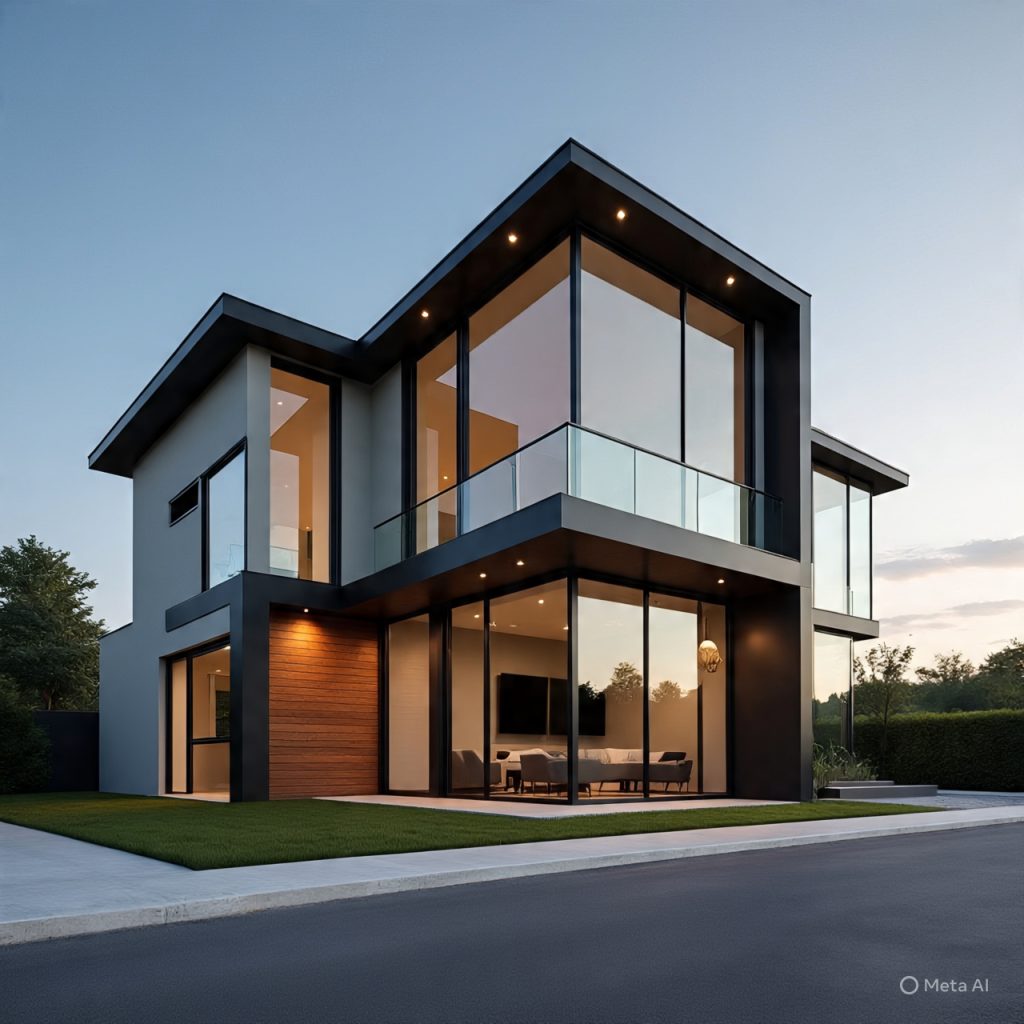
The facade sets the tone for the entire home. Modern elevations shine with mixed materials like smooth concrete, warm wood, stone accents, and expansive glass. Neutral palettes create understated elegance, while strategic lighting highlights textures and forms after dark. Subtle asymmetries or cantilevered elements add visual interest without overwhelming simplicity. A well-designed front elevation welcomes you home with confidence and sophistication.
Further relevant links:
5. Natural Light and Ventilation as Design Priorities
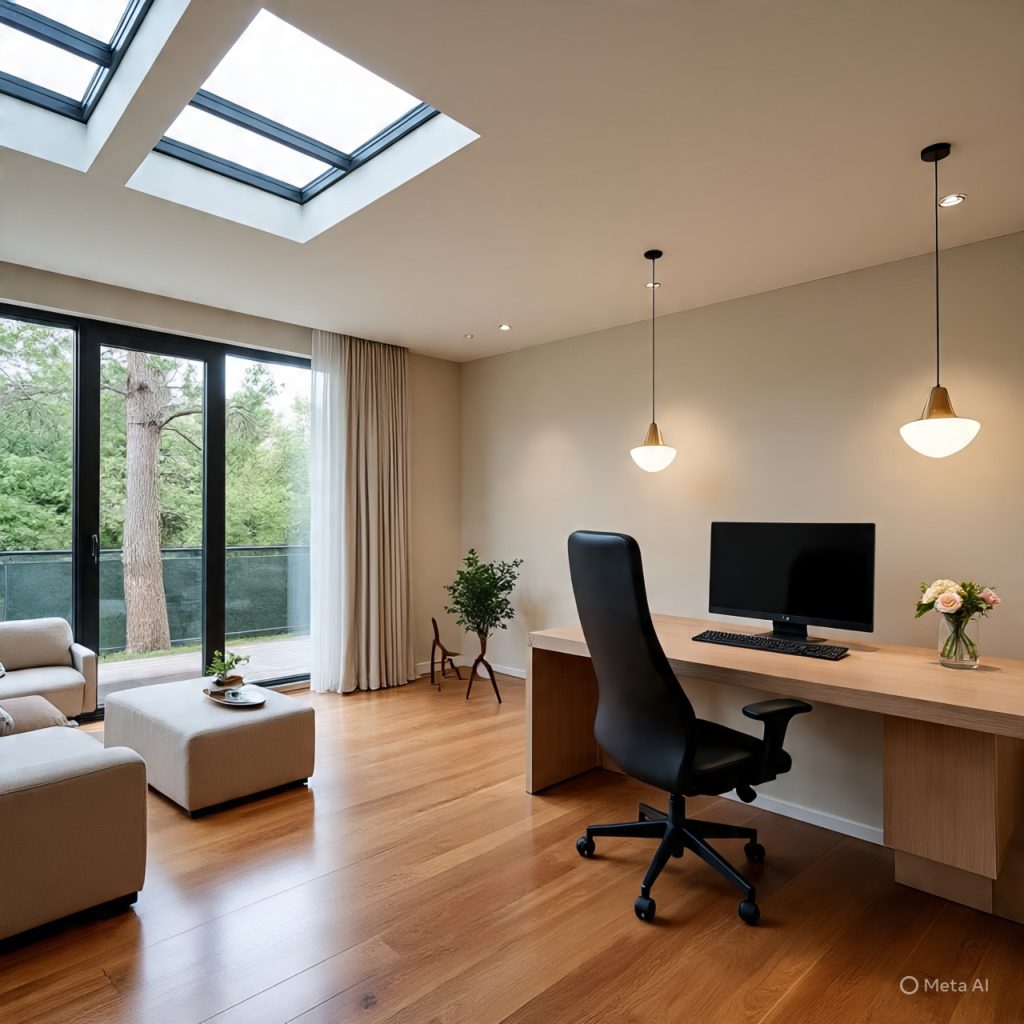
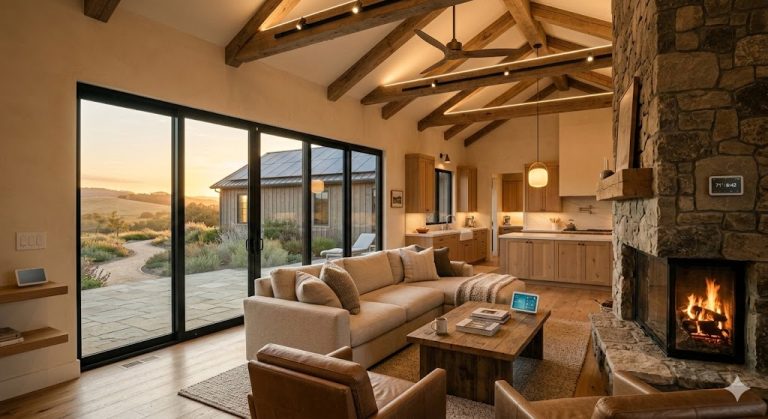
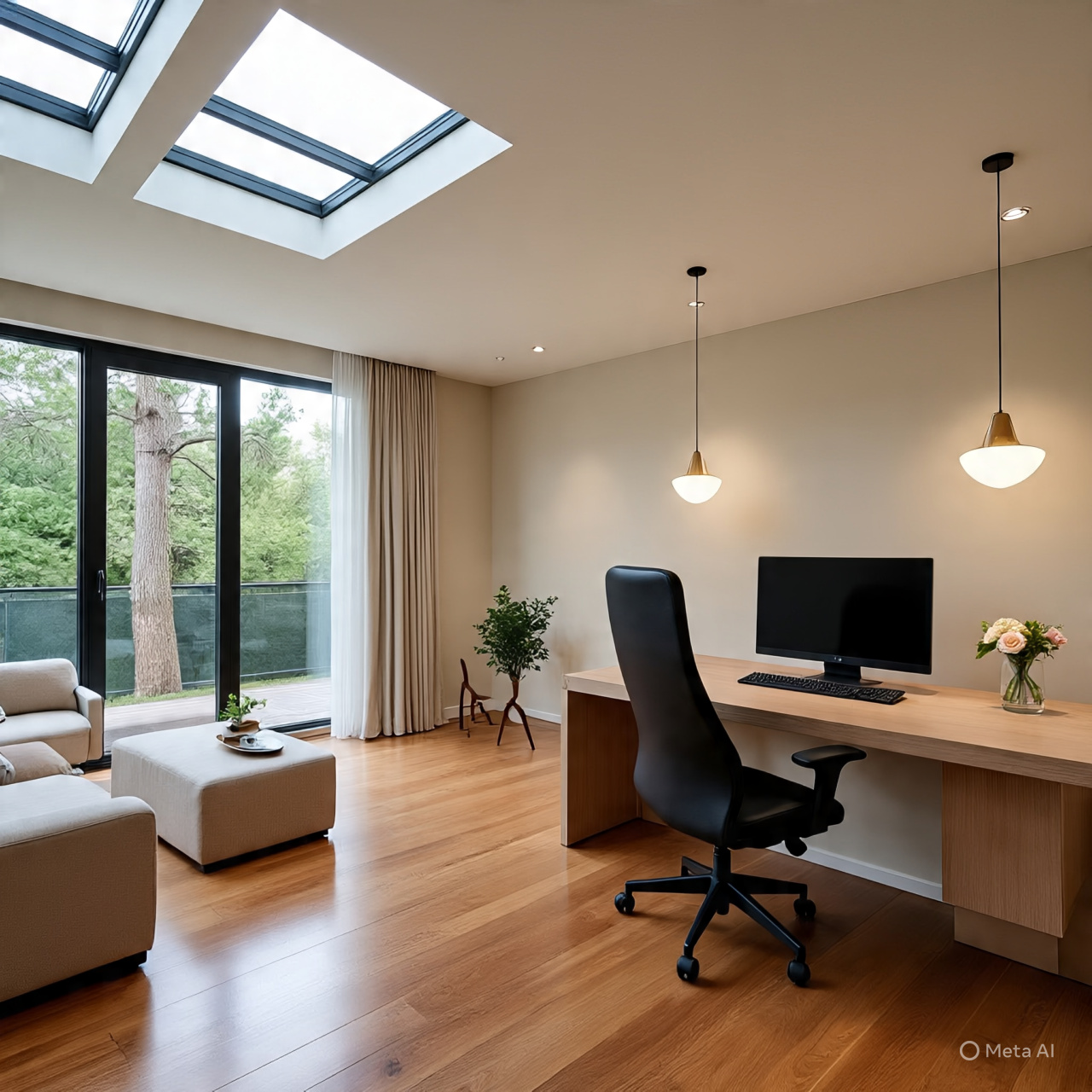
Abundant natural light and cross-ventilation define premium modern house design. Floor-to-ceiling windows, clerestory glazing, skylights, and strategically placed openings flood interiors with daylight, reducing reliance on artificial lighting and improving mood. Courtyards, atriums, or light wells enhance airflow, keeping spaces fresh and comfortable year-round. These features lower energy bills while creating healthier, more invigorating environments.
6. Neutral Color Palettes with Balanced Accents
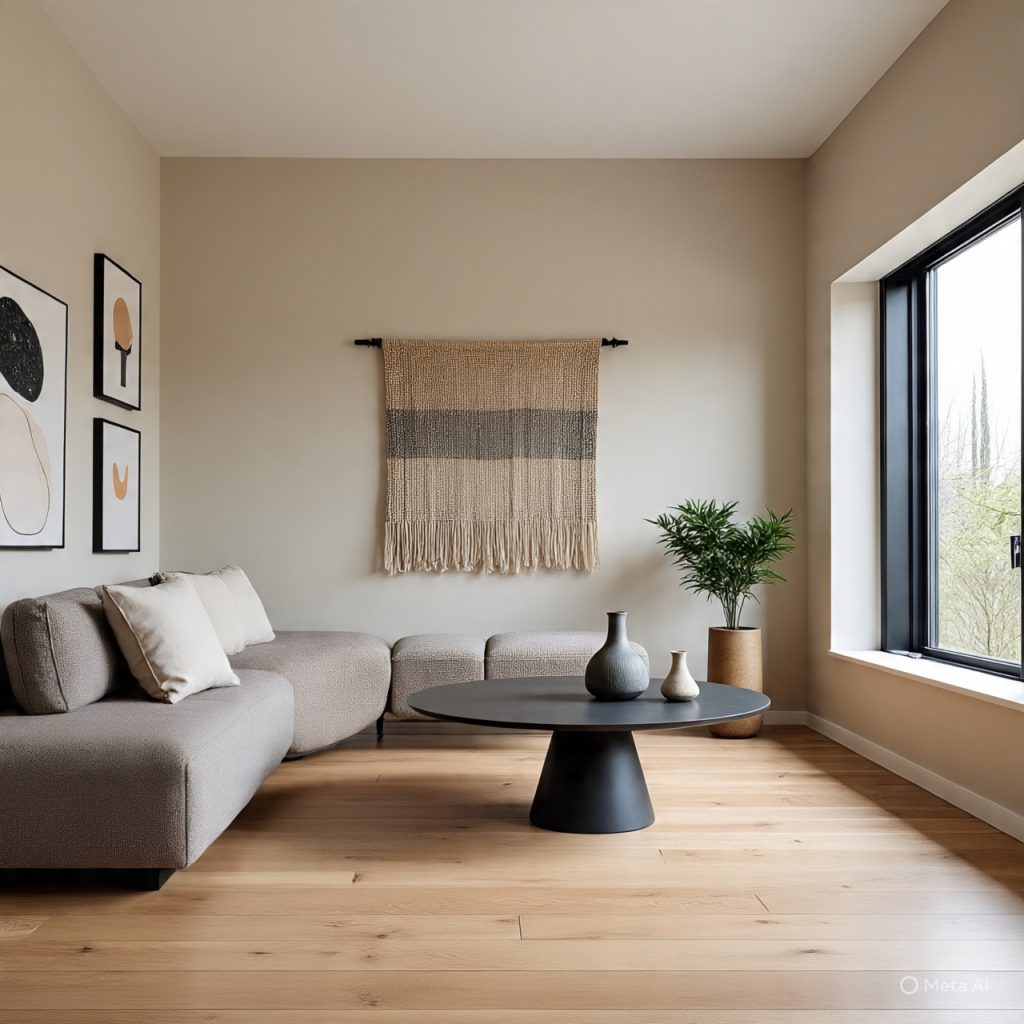
Modern interiors thrive on serene neutrals—soft whites, warm greys, taupes, and natural beiges—that provide a calm backdrop. These tones promote spaciousness and timelessness. Thoughtful accents, introduced via textured fabrics, artwork, plants, or bold feature walls, add personality without clutter. This balanced approach ensures the home feels cohesive, restful, and adaptable to changing tastes.
7. Modern Kitchen Design for Daily Efficiency
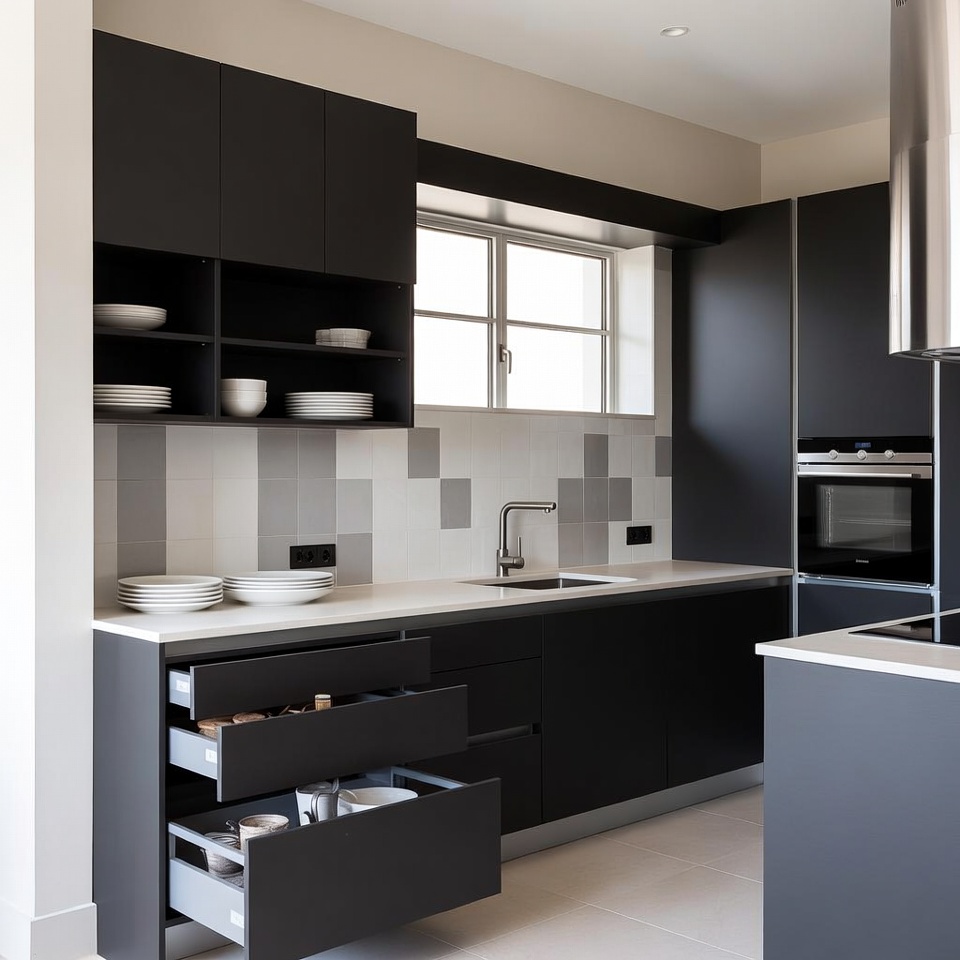
The kitchen stands as the home’s command center in modern house design. Streamlined cabinetry with handle-less designs, durable quartz or concrete countertops, and integrated appliances create a sleek, easy-to-maintain space. Efficient layouts like the work triangle optimize movement, while smart storage solutions—pull-out pantries, hidden drawers, and island prep zones—keep everything organized. Islands with seating encourage family gatherings, blending function with warmth.
8. Bedroom Design Focused on Comfort and Calm
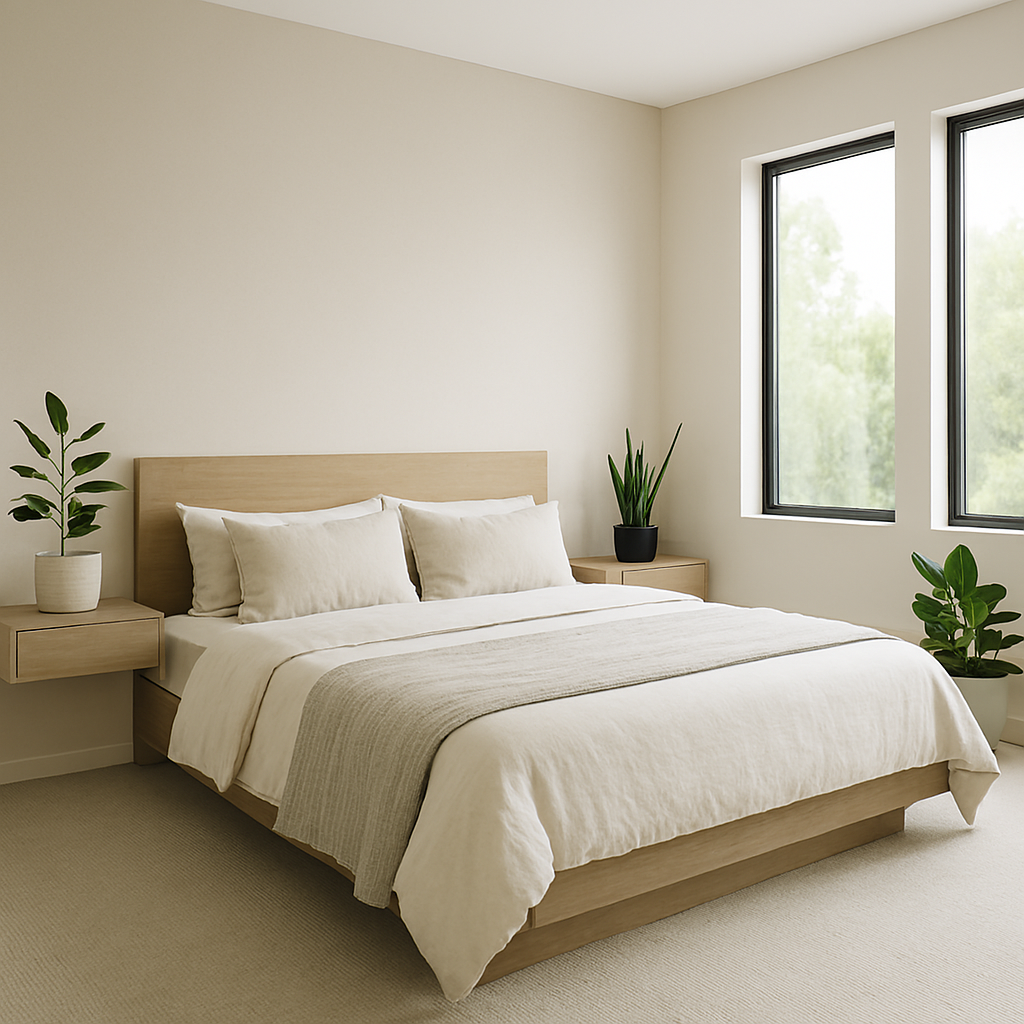
Modern bedrooms prioritize tranquility and rest. Minimal furniture arrangements, plush bedding in soft neutrals, and layered lighting (dimmable overheads, bedside sconces, and ambient strips) foster relaxation. Large windows with blackout options balance views and privacy, while acoustic elements like upholstered headboards reduce noise. The emphasis on clutter-free surfaces and serene palettes creates a personal sanctuary for rejuvenation.
9. Smart Storage and Space Optimization
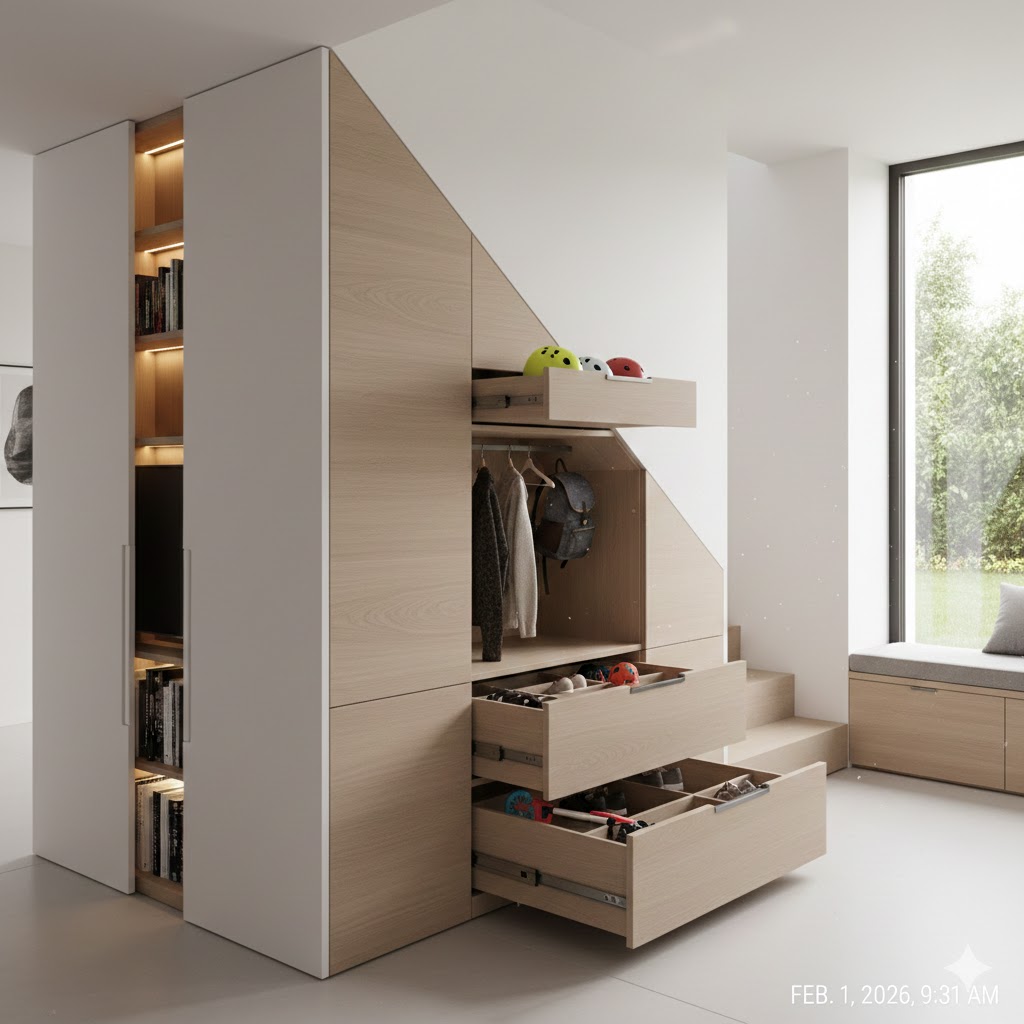
Clever storage keeps modern homes feeling open and serene. Built-in wardrobes, floor-to-ceiling cabinets, under-stair drawers, and multifunctional pieces (like ottomans with hidden compartments) maximize every inch. Vertical storage and custom solutions eliminate visual chaos, allowing the architecture and lifestyle to take center stage. This thoughtful approach maintains cleanliness and efficiency effortlessly.
10. Lighting Design That Enhances Mood and Function
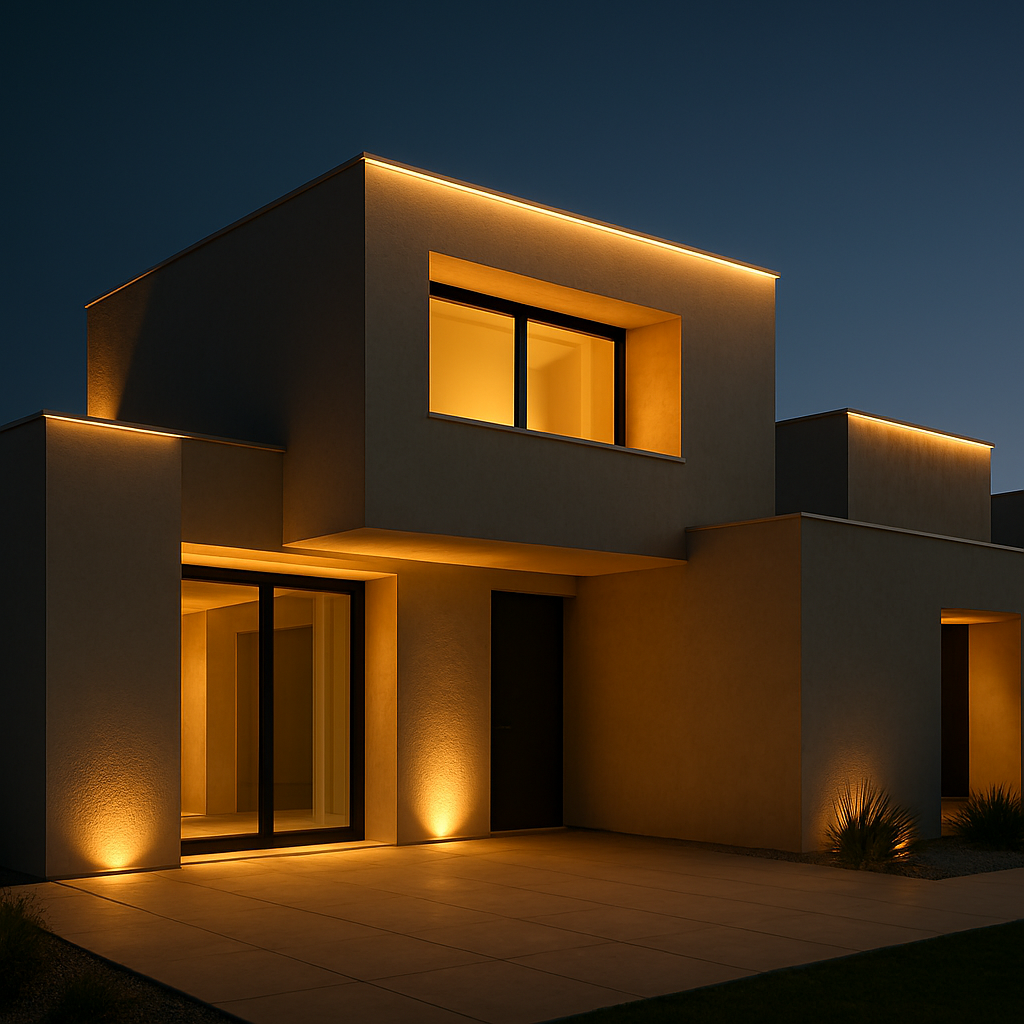
Layered lighting elevates modern house design. Ambient sources provide overall illumination, task lighting supports activities (like kitchen counters or reading nooks), and accent lights highlight architectural details or artwork. Dimmable LEDs, recessed fixtures, pendant statements, and smart controls allow effortless mood adjustments. Well-planned lighting transforms spaces from functional during the day to inviting and dramatic at night.
11. Material Selection for Durability and Style
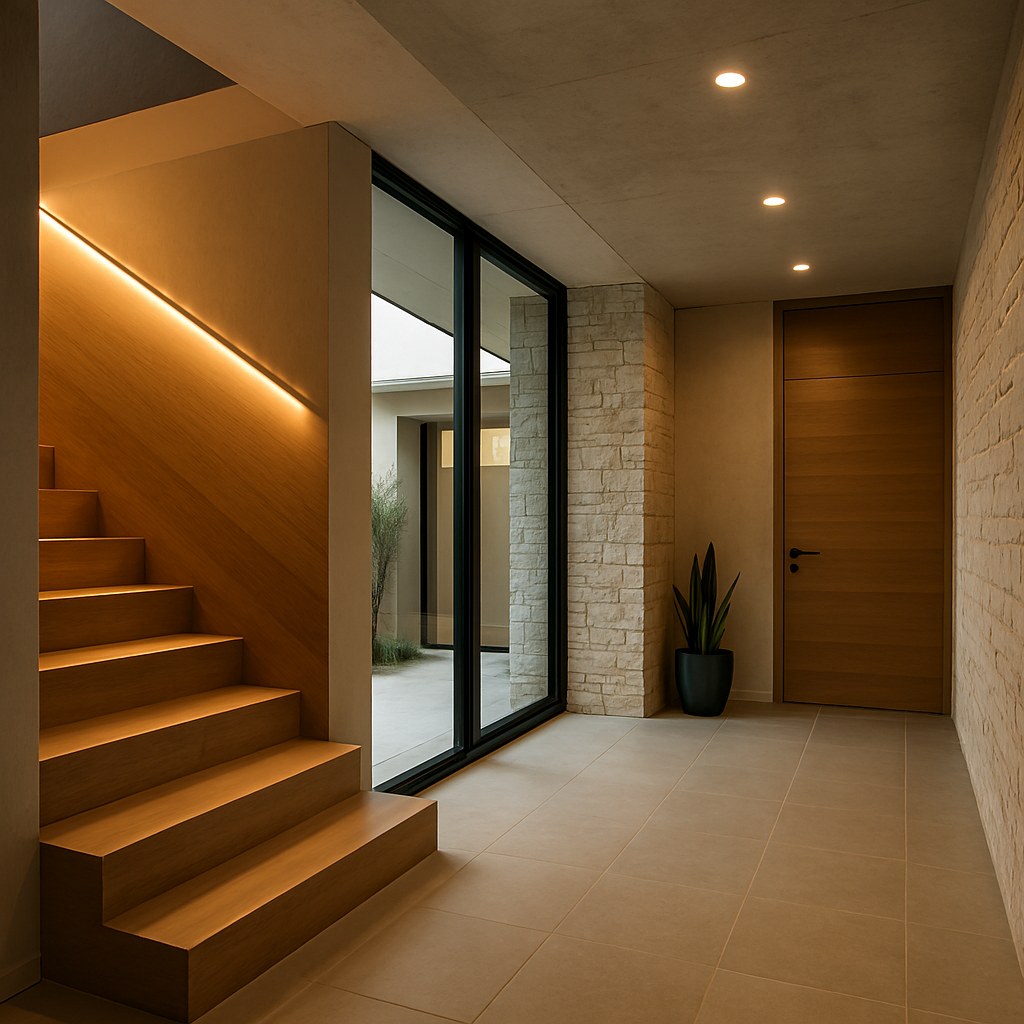
Modern house design celebrates honest, high-performance materials: glass for transparency, concrete for strength, natural wood for warmth, stone for texture, and metals for sleek accents. These choices offer longevity, low maintenance, and visual richness. Sustainable options like reclaimed timber or recycled composites add eco-appeal without compromising aesthetics, creating homes that age gracefully.
12. Indoor–Outdoor Connection in Modern Homes
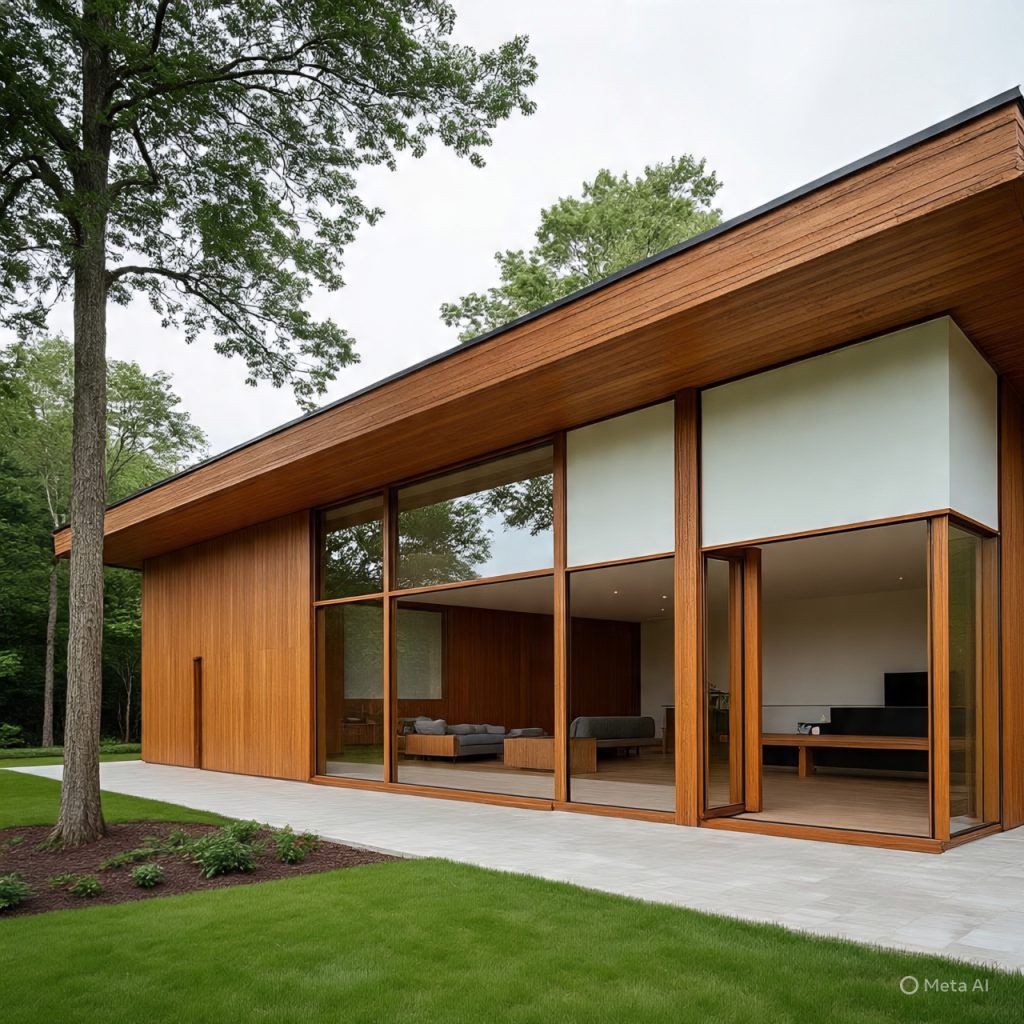
Blurring boundaries between inside and out enhances well-being. Expansive sliding glass doors, large terraces, rooftop gardens, and covered patios extend living spaces into nature. This seamless integration brings in fresh air, natural views, and biophilic benefits, making homes feel more expansive and connected to the environment.
13. Technology and Smart Home Integration
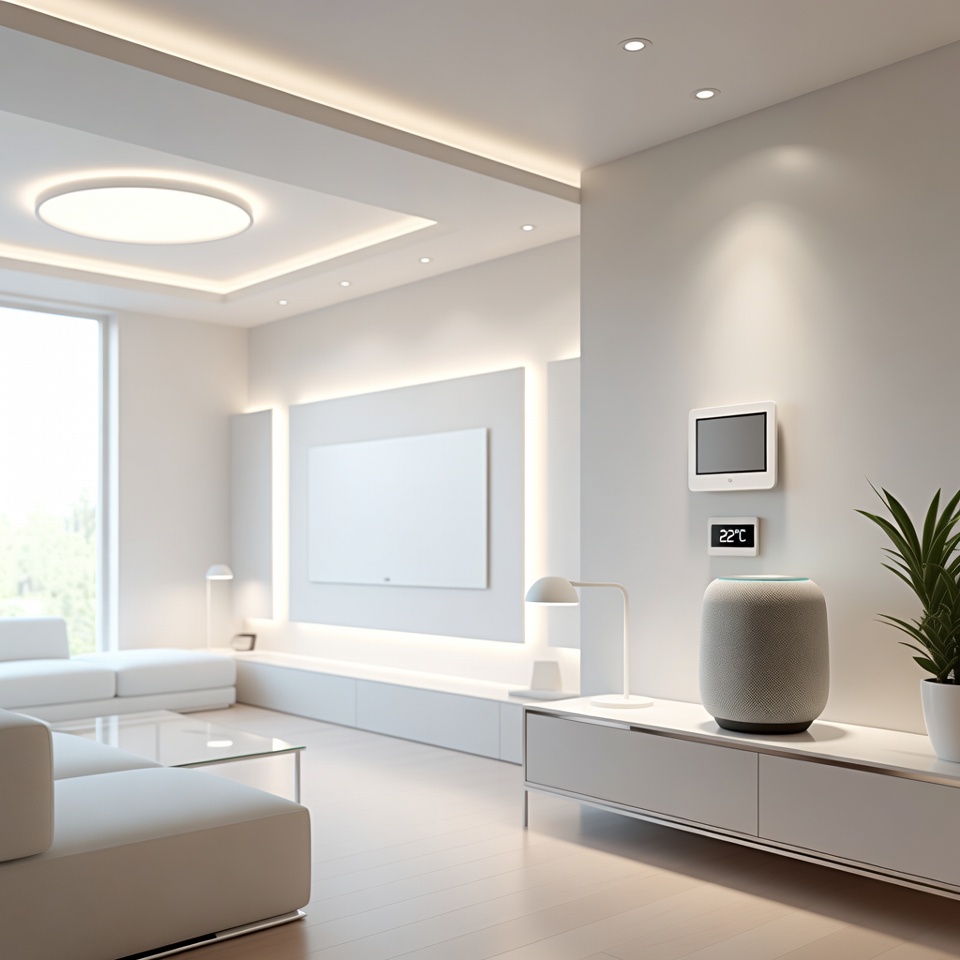
Smart features bring convenience and efficiency to modern house design. Automated lighting, climate control, security cameras, voice-activated systems, and app-controlled appliances simplify daily routines. Energy-monitoring tools optimize usage, while integrated entertainment systems enhance leisure. These technologies support modern lifestyles without dominating the design.
14. Sustainable and Energy-Efficient Design Choices
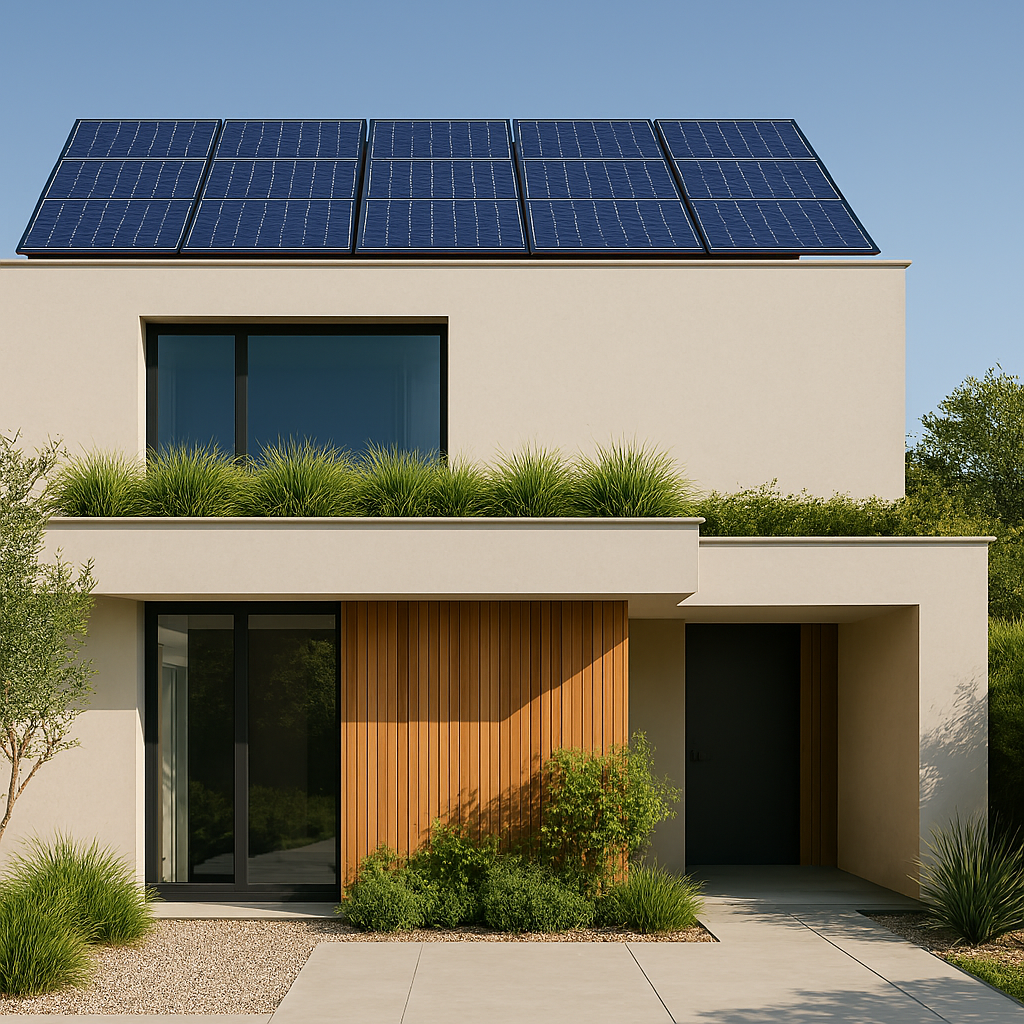
Sustainability powers forward-thinking modern homes. High-performance insulation, solar panels, rainwater harvesting, passive solar orientation, and energy-efficient windows reduce environmental impact and costs. Green roofs, native landscaping, and eco-materials contribute to healthier living. These choices align with global priorities while delivering long-term savings and resilience.
15. Designing for Future Flexibility
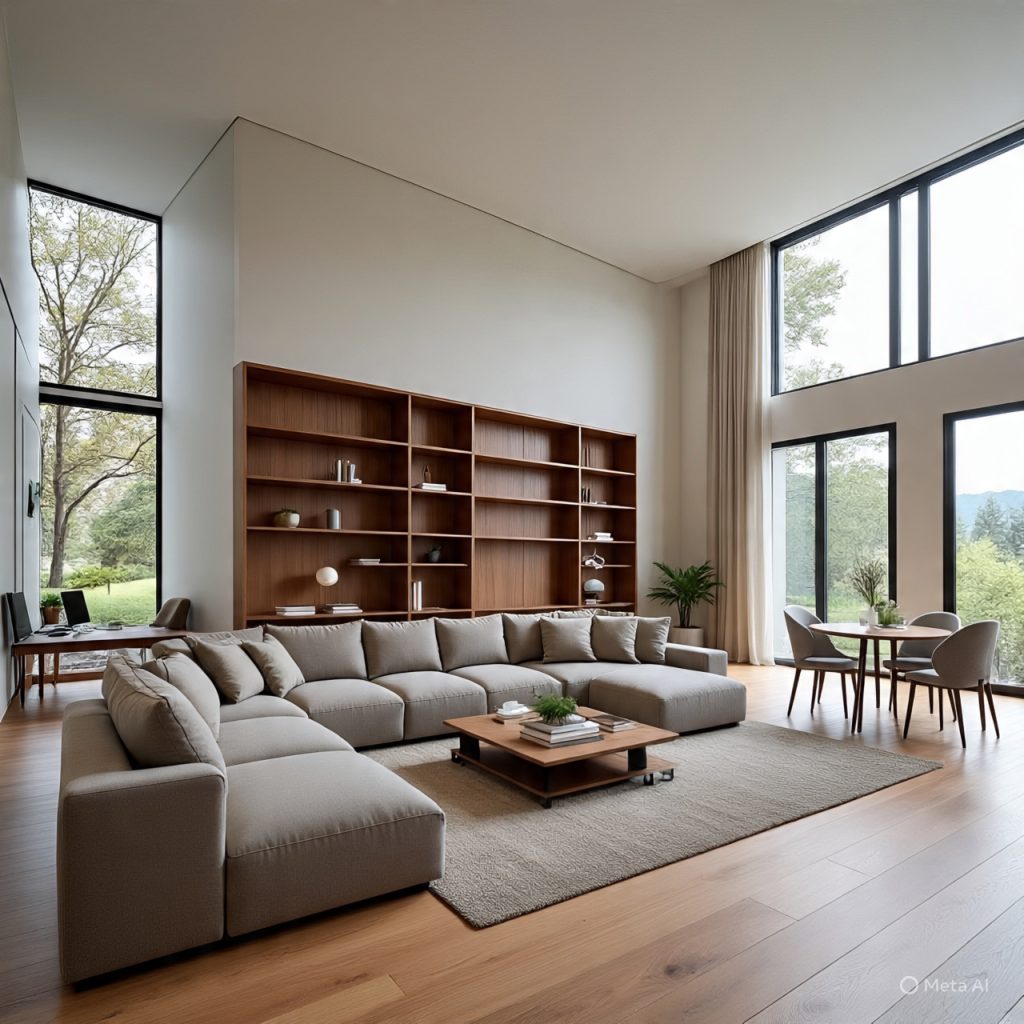
Modern house design anticipates change. Adaptable rooms, movable partitions, expandable floor plans, and universal design elements (like wider doorways and zero-threshold showers) ensure the home evolves with you. This foresight protects your investment and keeps the space relevant for decades.
Final Thoughts
Modern house design masterfully blends aesthetic appeal with practical intelligence, resulting in homes that inspire joy, support wellness, and stand the test of time. By focusing on smart planning, clean forms, efficient layouts, natural elements, and innovative features, you create more than a building—you craft a nurturing environment tailored to contemporary life.
Embracing these principles empowers you to build or renovate a home that’s elegant, sustainable, and deeply personal. Start with thoughtful planning, prioritize what enhances your daily experience, and watch your vision become a rewarding reality. A well-executed modern home isn’t just a place to live—it’s a celebration of how beautifully design can elevate life.