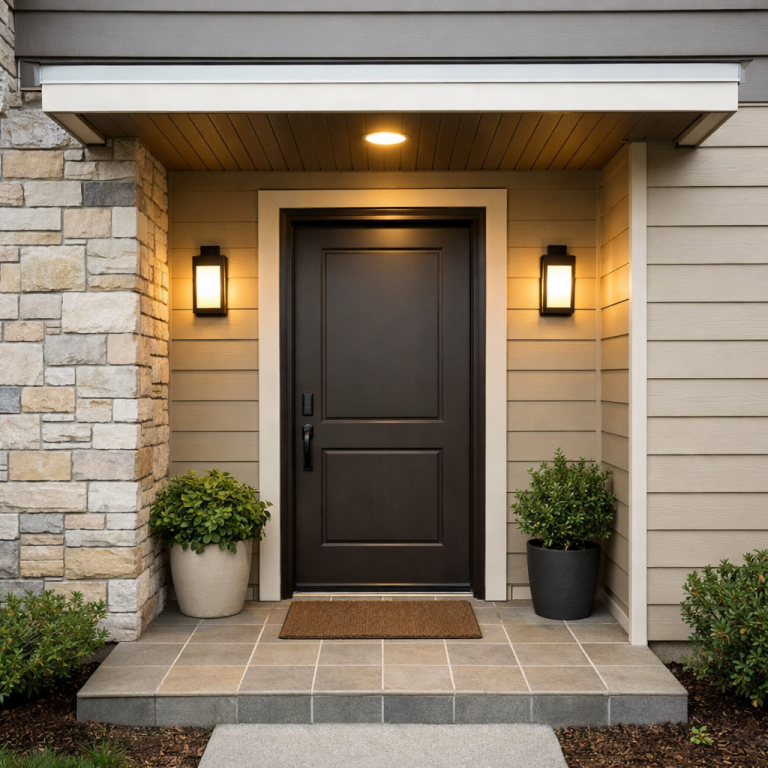
German Countryside Ranch Houses: Simple Forms with Functional Beauty
Introduction
German countryside architecture is known for its clarity, balance, and long-lasting functionality. Among rural housing styles, German Ranch Houses stand out for their simple forms, efficient layouts, and strong relationship with nature. These homes are not about luxury or excess; instead, they reflect disciplined design thinking, durable materials, and practical living suited to countryside lifestyles. From clean elevations to climate-responsive construction, German ranch homes offer timeless inspiration for those who value functionality blended with understated beauty.
1. Origins of German Countryside Ranch Houses
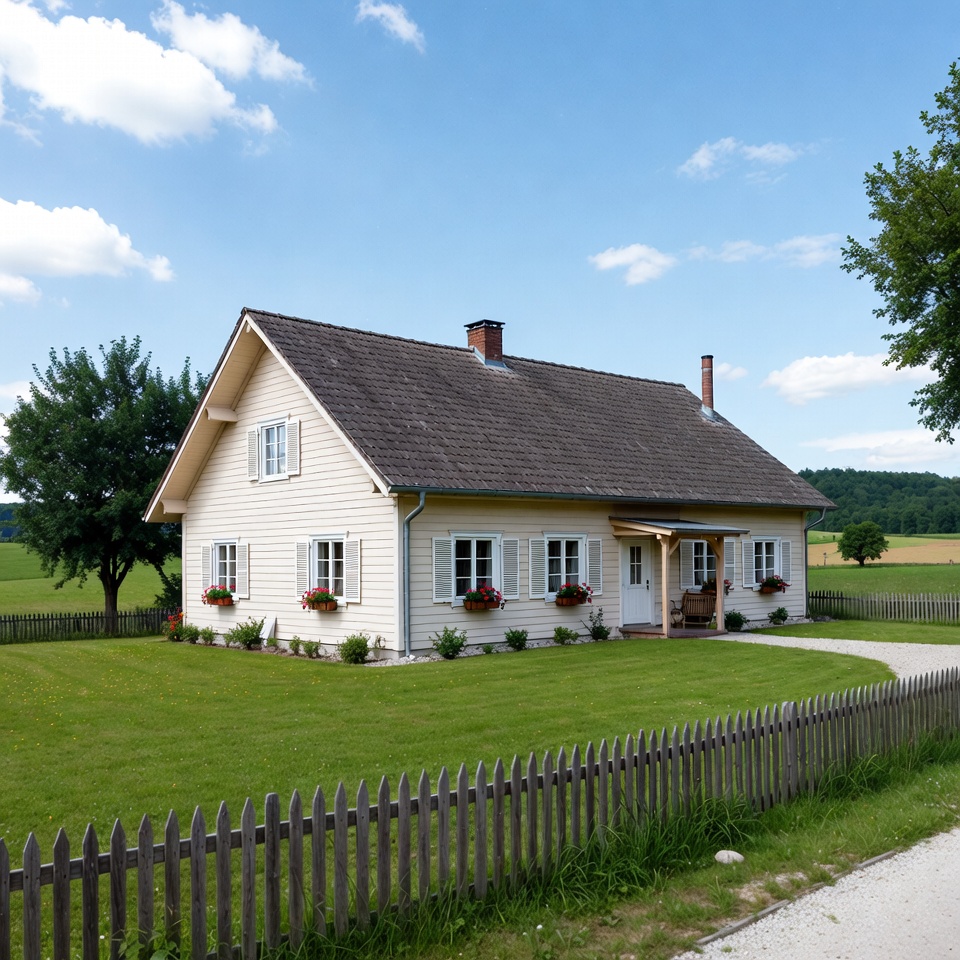
German ranch houses evolved from traditional farm dwellings designed for efficiency and durability. Early rural homes focused on shelter, storage, and family living under one roof. Over time, this evolved into single-story or low-profile homes emphasizing horizontal spread. German Ranch Houses inherited these principles, combining agricultural practicality with modern residential needs.
2. Simplicity as a Core Design Philosophy
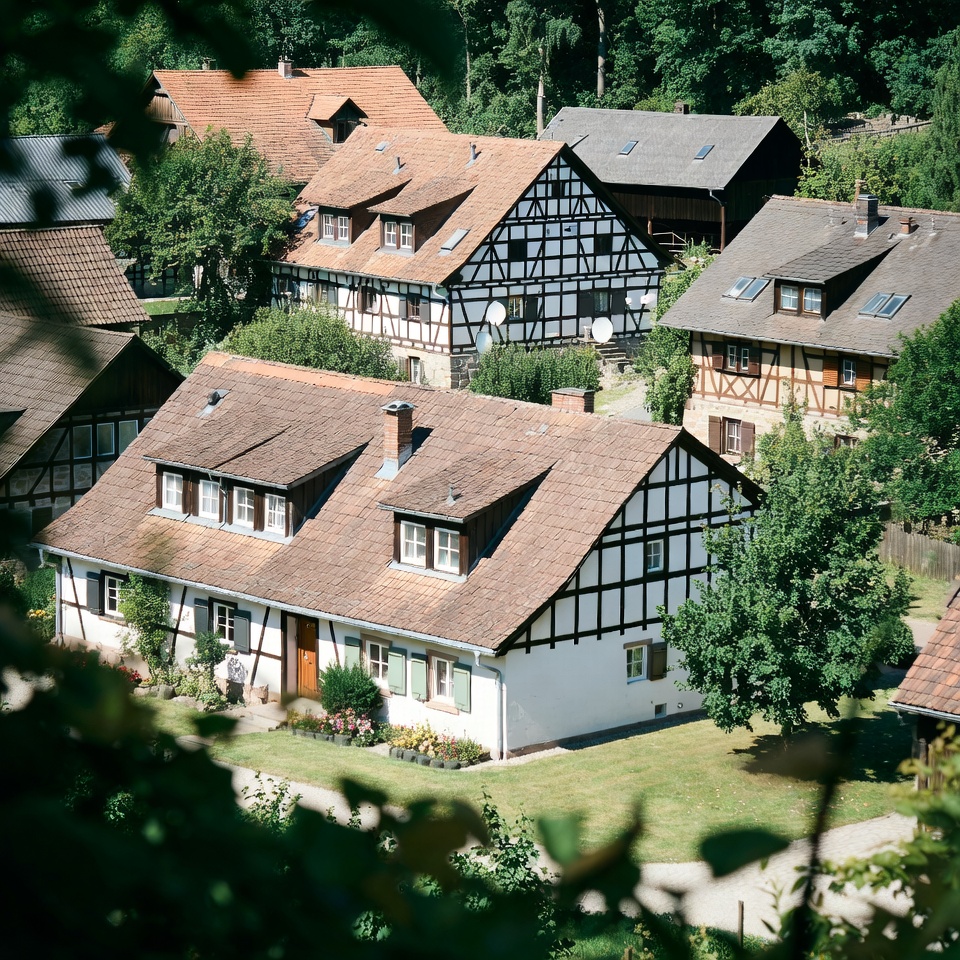
Simplicity defines rural German architecture. Instead of decorative excess, clean geometry and balanced proportions take priority. German Ranch Houses use straightforward shapes that reduce construction complexity and long-term maintenance, creating calm and visually pleasing countryside homes.
3. Layout Planning and Functional Zoning
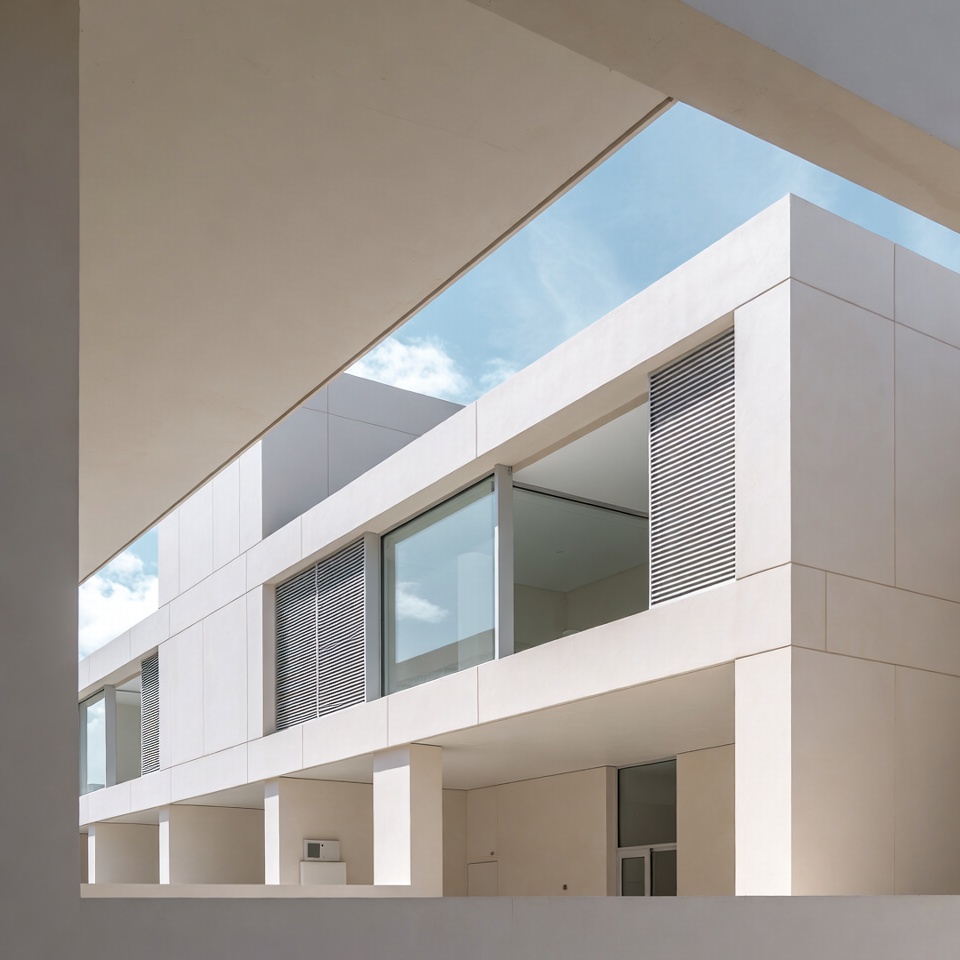
Interior layouts are planned with efficiency in mind. Living areas, kitchens, and bedrooms are clearly zoned to support daily routines. Open connections between spaces improve circulation while maintaining privacy. This functional zoning is a defining feature of German Ranch Houses.
4. Roof Forms in German Ranch Architecture
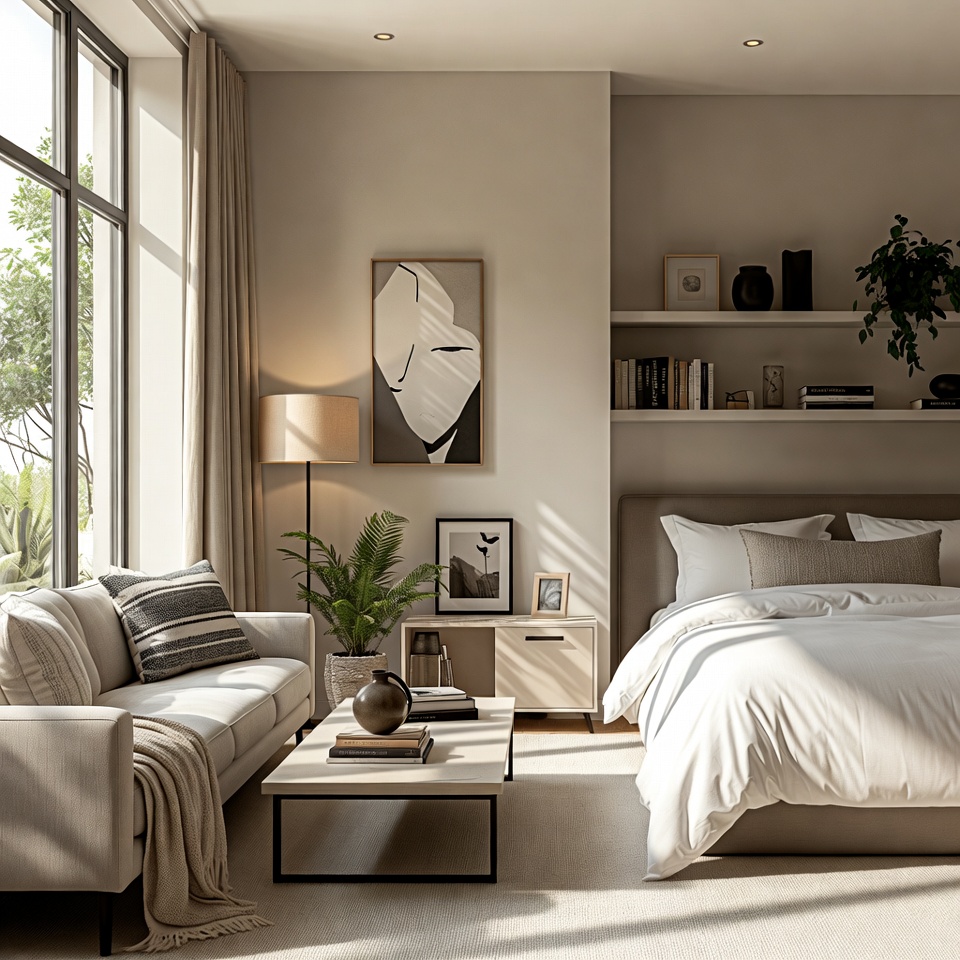
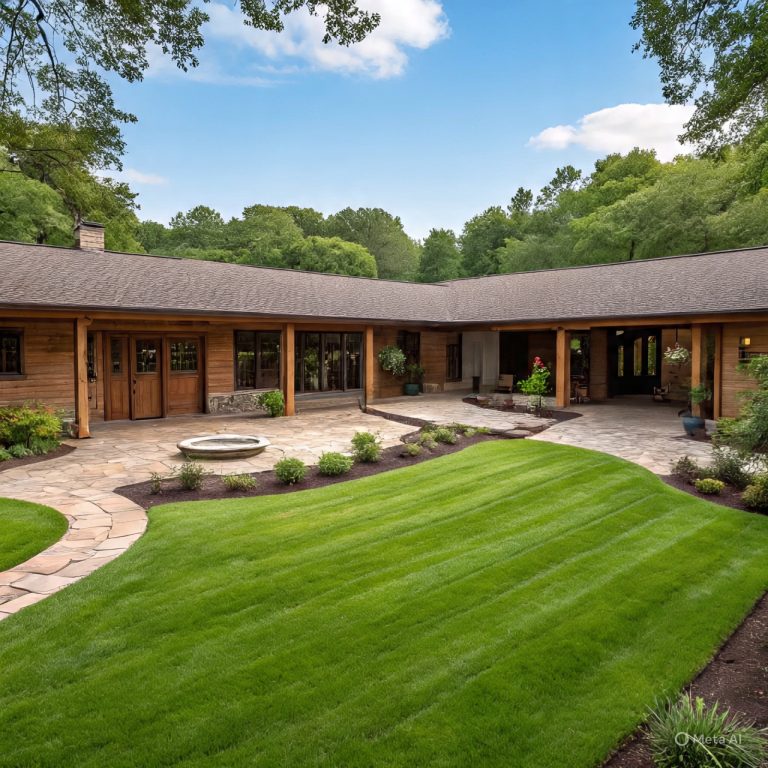
Low-pitched gable and hip roofs dominate German countryside homes. These roof types handle rain and snow effectively while preserving the home’s horizontal character. The roof design supports insulation efficiency and contributes to the practical identity of German Ranch Houses.
5. Materials Commonly Used in Rural Germany
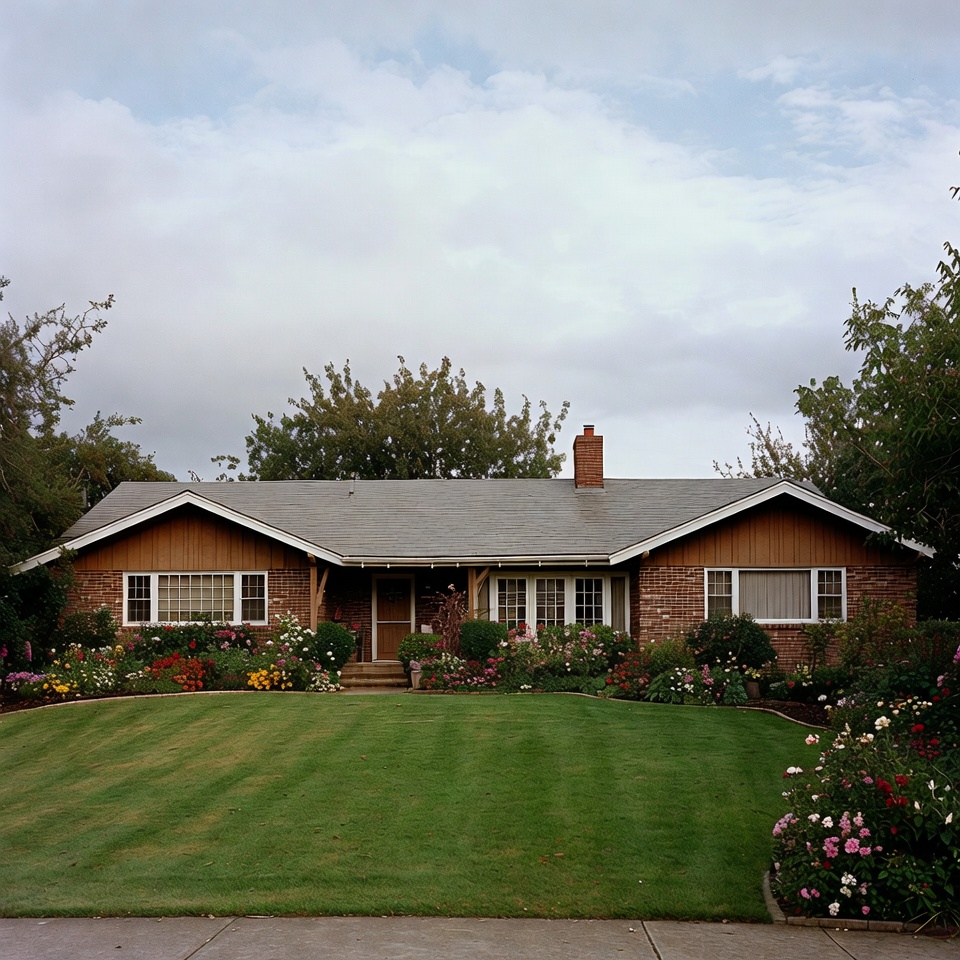
Brick, natural stone, timber, and plaster are widely used due to availability and durability. These materials age gracefully and perform well in varied climates. In German Ranch Houses, material selection focuses on longevity rather than trend-based aesthetics.
6. Front Elevation Characteristics
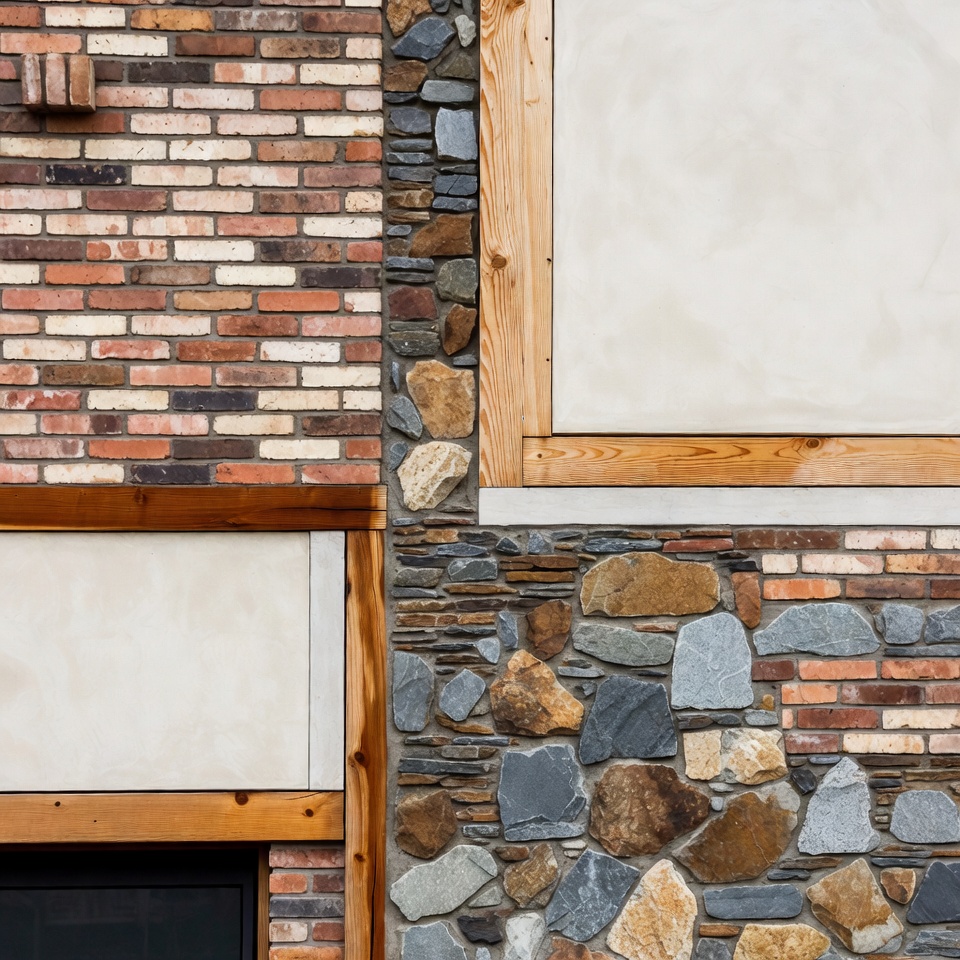
Front elevations remain modest and well-proportioned. Symmetry, controlled window placement, and muted colors define the exterior. German Ranch Houses often feature understated entrances that reflect discipline and architectural restraint rather than visual dominance.
7. Climate-Responsive Design Solutions
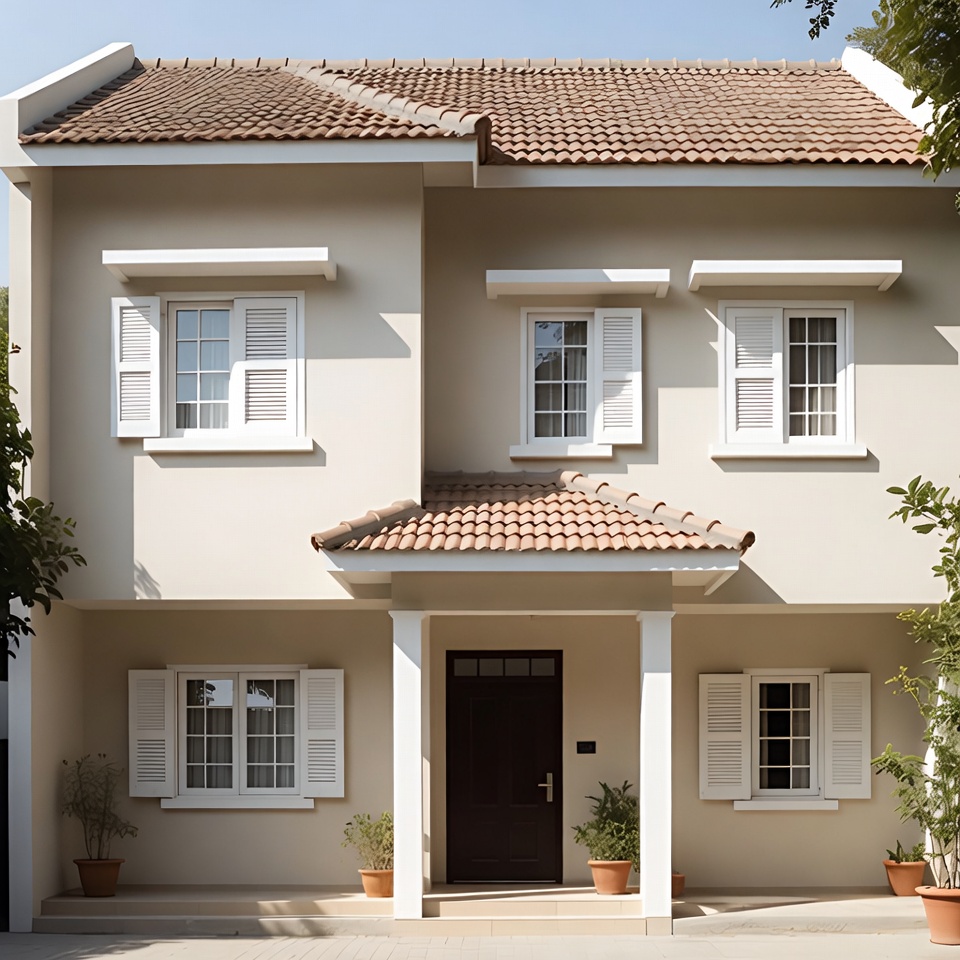
Germany’s changing seasons require thoughtful climate adaptation. Thick walls, proper insulation, shaded windows, and efficient ventilation help regulate indoor temperatures. These features make German Ranch Houses energy-efficient and comfortable year-round.
8. Interior Design Approach
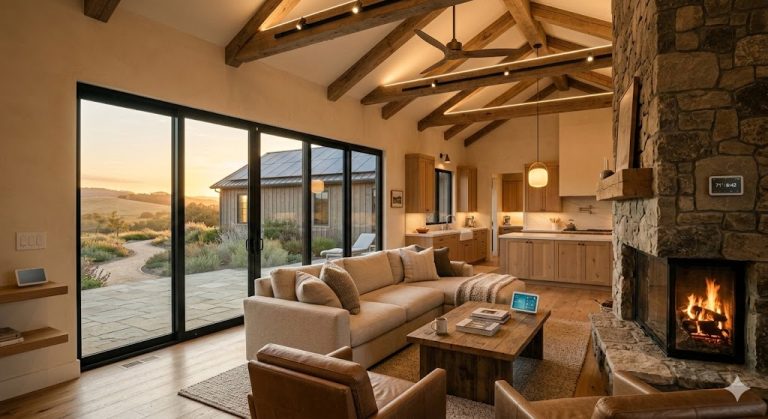
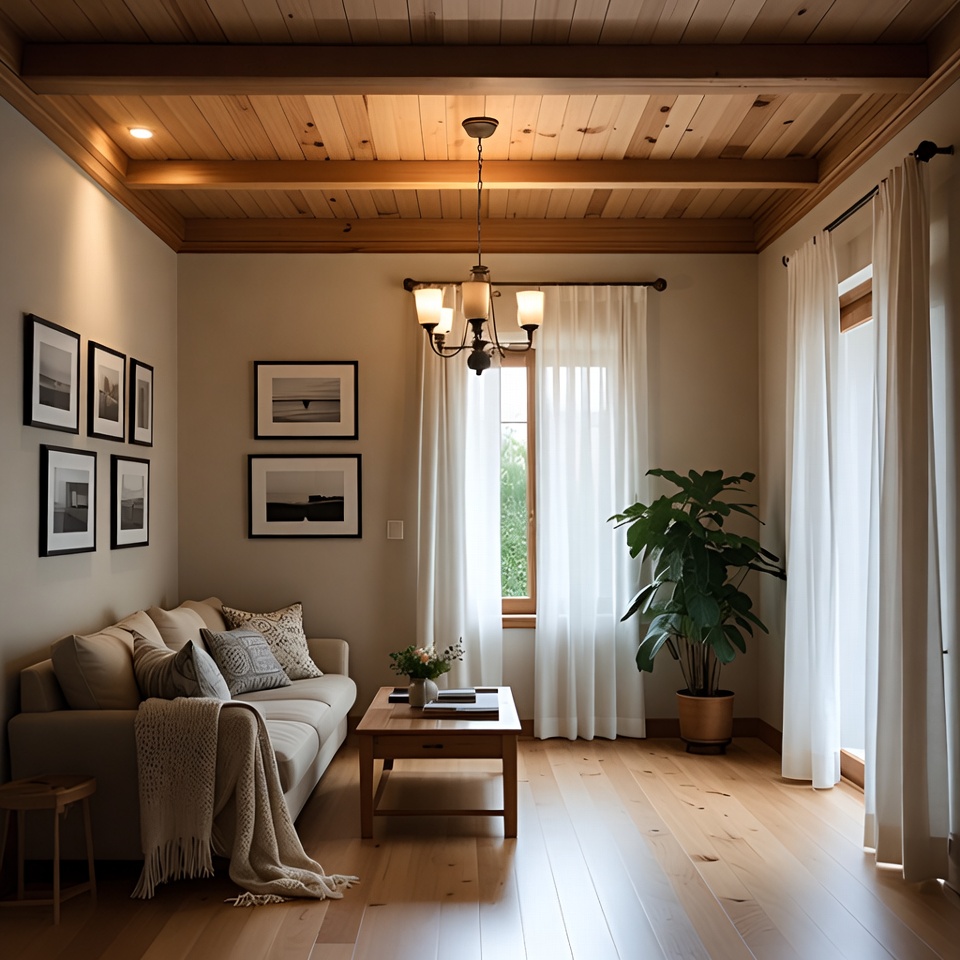
Interiors favor neutral tones, natural textures, and minimal ornamentation. Wood finishes and soft lighting enhance warmth without clutter. This restrained approach aligns perfectly with the philosophy behind German countryside living.
9. Connection with Landscape and Outdoors
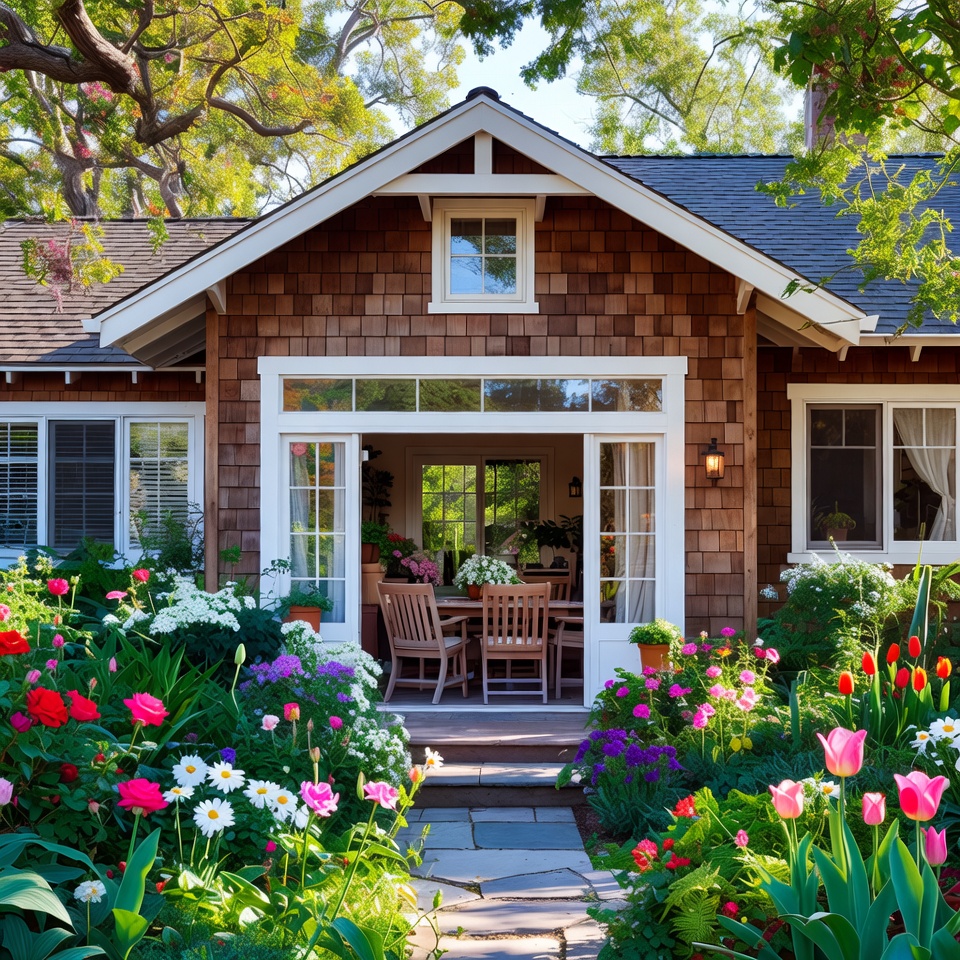
Ranch homes in the German countryside maintain a close relationship with surrounding land. Gardens, patios, and outdoor seating areas are designed as extensions of interior spaces, encouraging outdoor living and seasonal activities.
10. Modern Adaptations of Traditional Ranch Homes
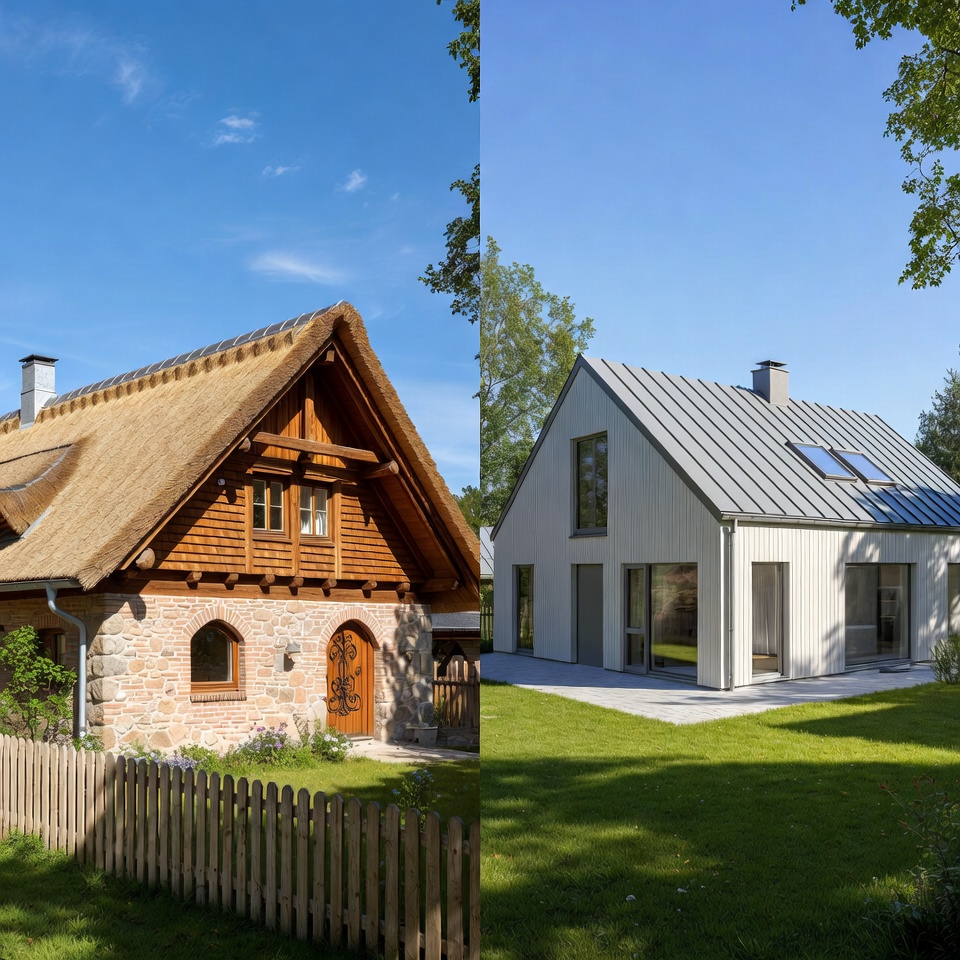
Contemporary German ranch houses integrate modern technology while preserving traditional values. Energy-efficient windows, solar panels, and smart heating systems modernize the home without compromising simplicity.
11. Common Design Mistakes to Avoid
Overcomplicating elevations, mixing too many materials, or adding unnecessary decorative elements disrupts visual harmony. Successful ranch homes stay true to clarity and purpose—key principles behind German countryside design.
12. Budget Considerations and Long-Term Value
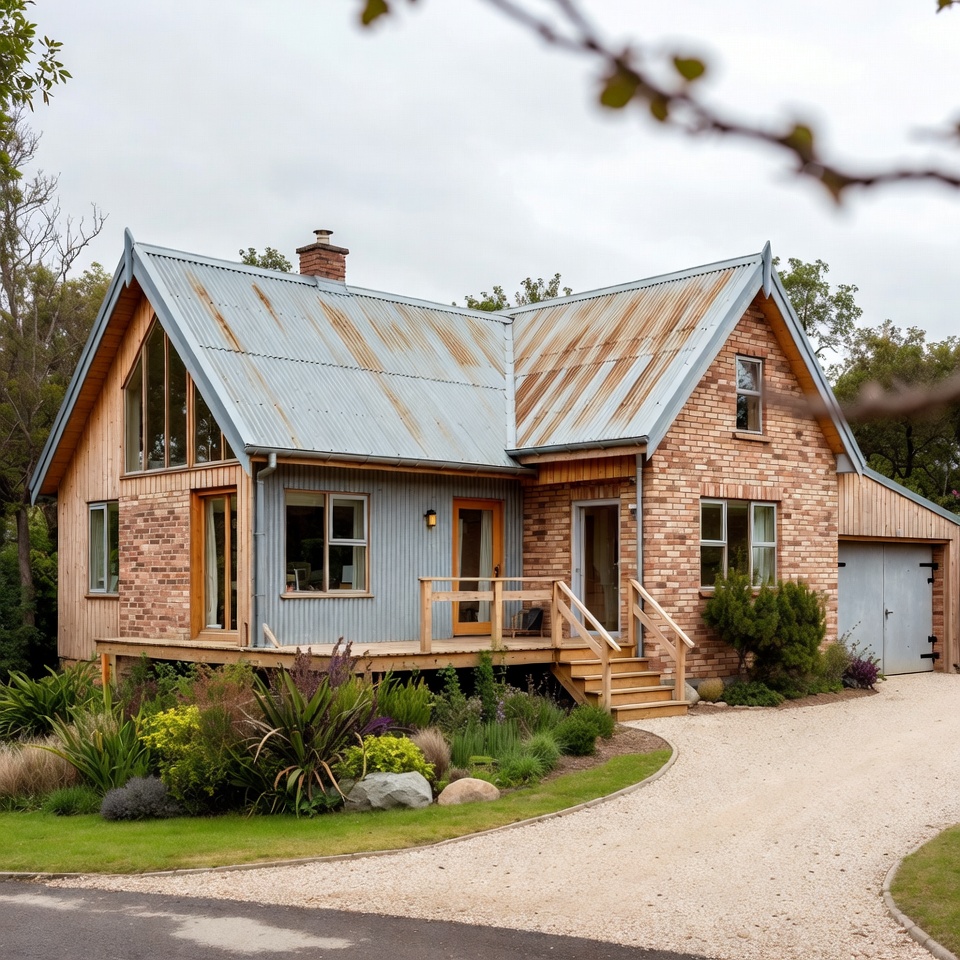
While initial construction may appear modest, the long-term value of German ranch houses lies in durability and low maintenance. Smart material choices and simple forms reduce costs over time while maintaining architectural integrity.
Final Thoughts
German Ranch Houses represent a perfect balance between form and function. Their disciplined design, durable materials, and climate-responsive planning make them ideal for countryside living. By embracing simplicity and practicality, these homes remain timeless, efficient, and deeply connected to nature, offering valuable inspiration for modern rural housing across the world.