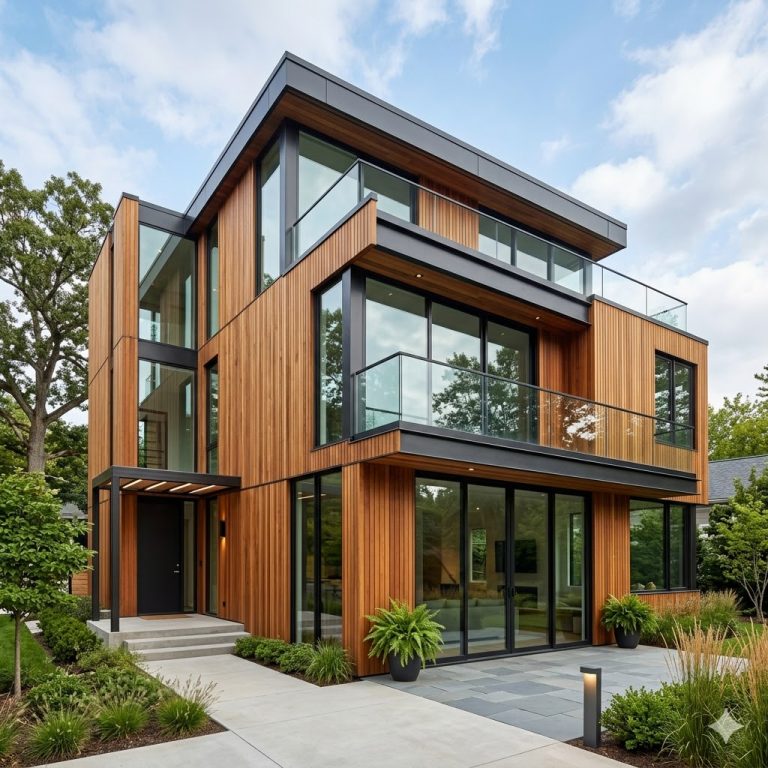
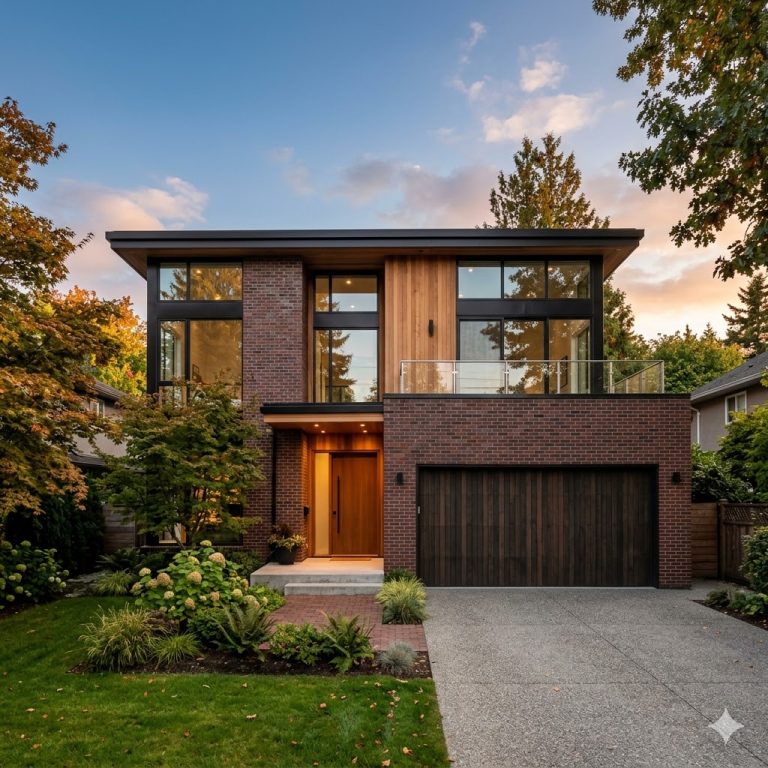
Art Deco House Exterior Designs for a Bold & Luxurious Look
Art Deco house exterior are among the most visually striking architectural styles ever created. Emerging in the 1920s and 1930s, this design movement blended luxury, geometry, and modernity into bold, unforgettable facades. Even today, Art Deco homes stand out for their dramatic presence, symmetrical composition, and refined detailing.
In this blog, we’ll explore the best examples of Art Deco house exterior designs, breaking down what makes them unique and how you can draw inspiration from them.
What Defines an Art Deco House Exterior?
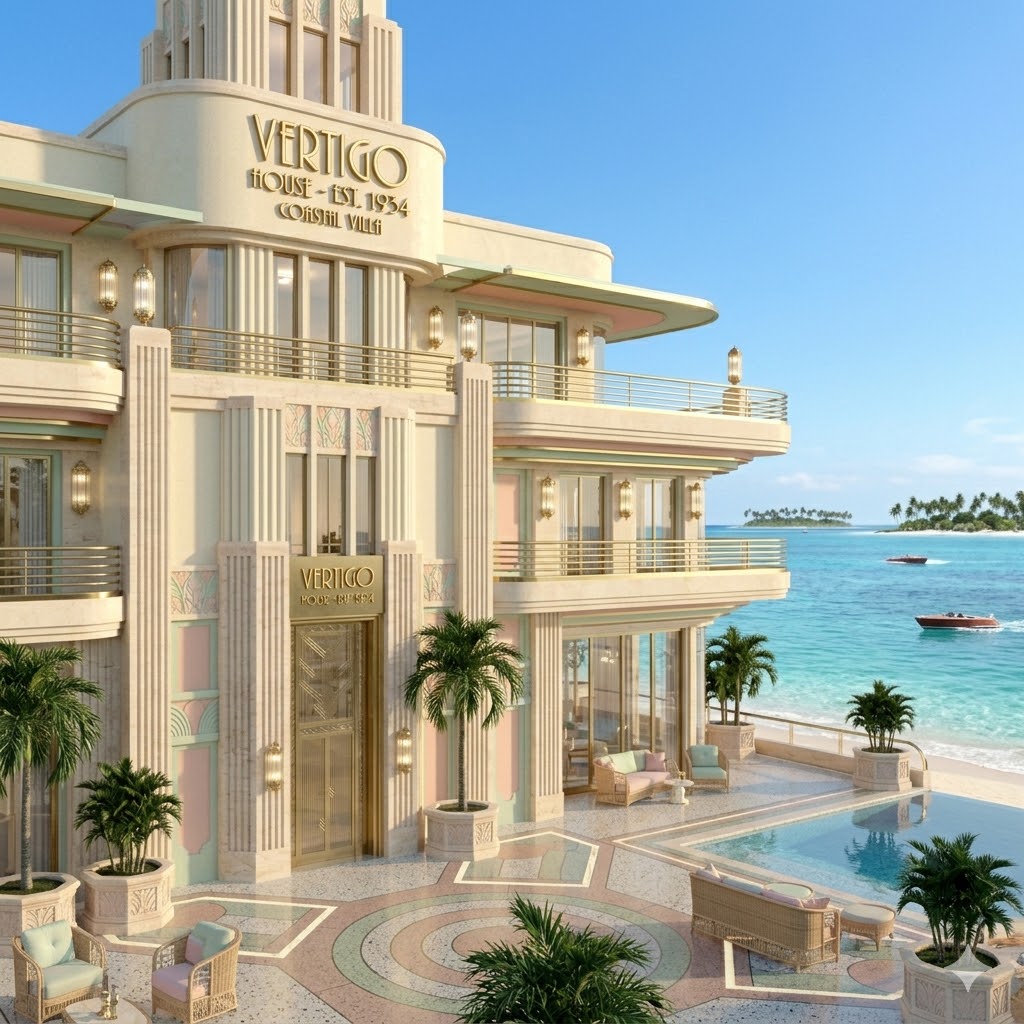
Before diving into examples, it’s important to understand the core elements that define this style.
Art Deco architecture is known for:
- Bold geometric patterns like zigzags, chevrons, and sunbursts
- Smooth, clean facades often finished in stucco or concrete
- Symmetry and strong vertical emphasis
- Flat roofs with stepped or layered profiles
- Luxurious materials such as glass, chrome, and metal accents
These features combine to create homes that feel both elegant and futuristic—even decades after they were first built.
1. Symmetrical Facade with Central Entrance
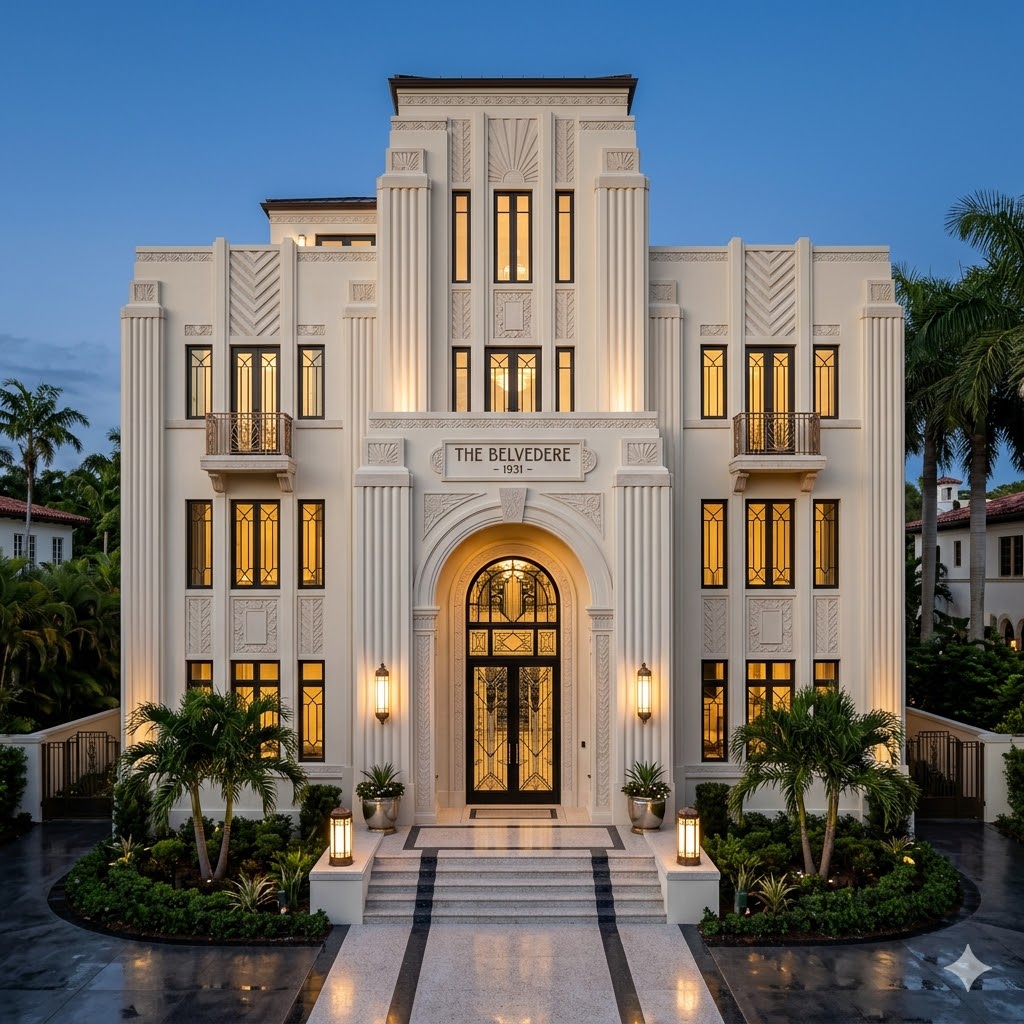
One of the most iconic examples of Art Deco design is a perfectly balanced, symmetrical facade.
In this style:
- The main entrance is positioned at the center
- Windows and decorative elements mirror each other
- Vertical lines enhance height and grandeur
This creates a powerful first impression and gives the home a sense of order and sophistication. Symmetry is a defining trait that makes Art Deco homes instantly recognizable.
Why it works:
It feels luxurious, structured, and visually calm despite bold details.
2. Ziggurat (Stepped) Roofline Design
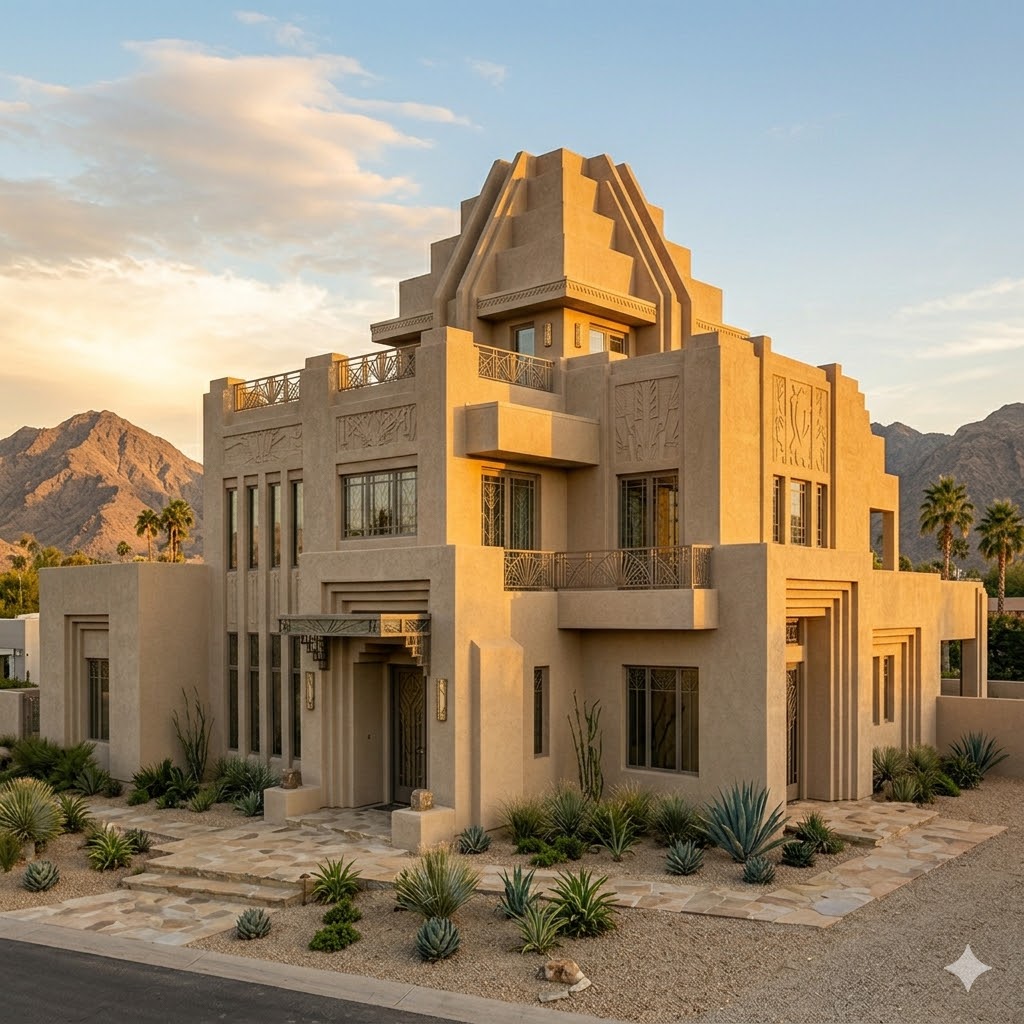
Inspired by ancient temples, stepped rooflines are one of the most dramatic Art Deco features.
These homes typically include:
- Layered or tiered roof structures
- A pyramid-like silhouette
- Strong horizontal and vertical interplay
This design creates a sense of upward movement and architectural drama.
Why it works:
It adds depth and makes even smaller homes look monumental and iconic.
3. Streamline Moderne Exterior (Curved Design)
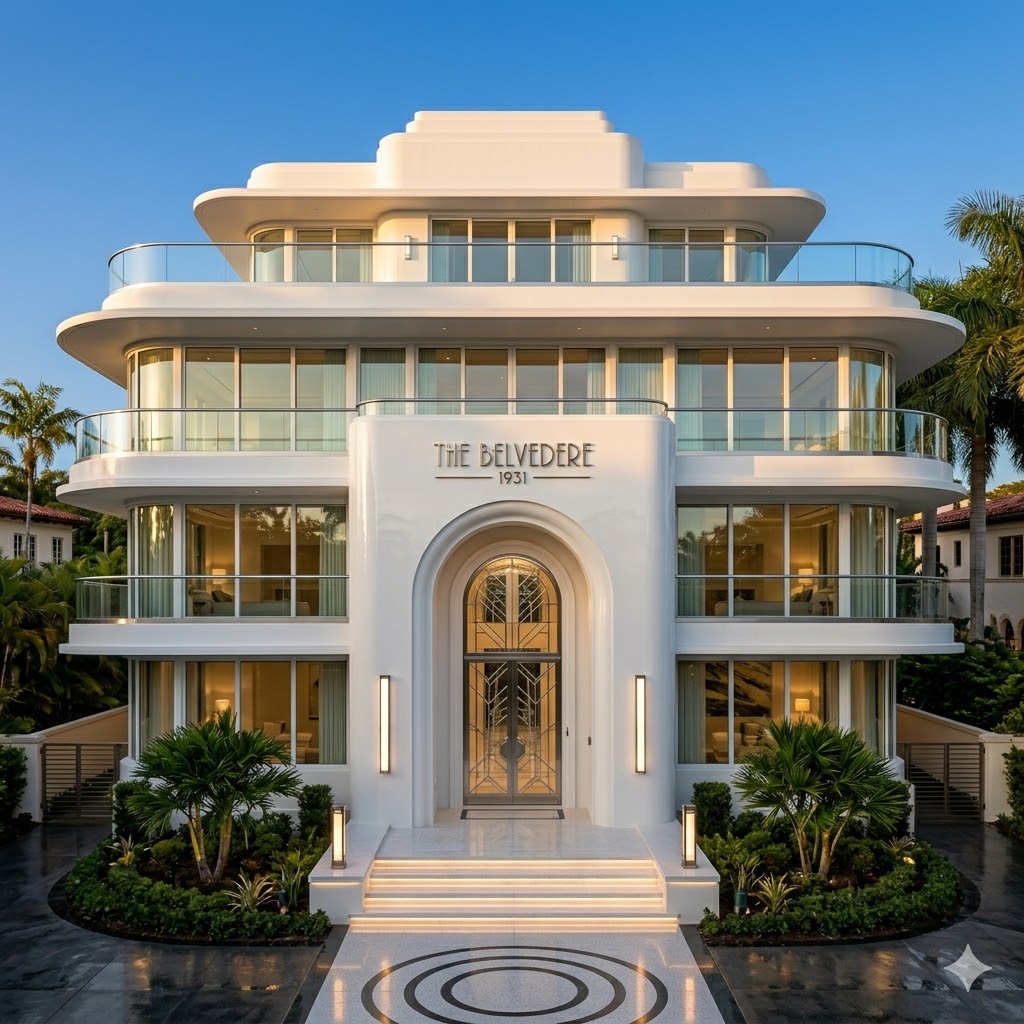
A softer evolution of Art Deco, Streamline Moderne emphasizes curves and flow.
Key features include:
- Rounded corners
- Curved balconies or walls
- Horizontal lines inspired by ships and airplanes
This design reflects the “machine age” fascination with speed and motion.
Why it works:
It feels sleek, modern, and aerodynamic—perfect for contemporary reinterpretations.
4. Geometric Relief Panels and Decorative Facades
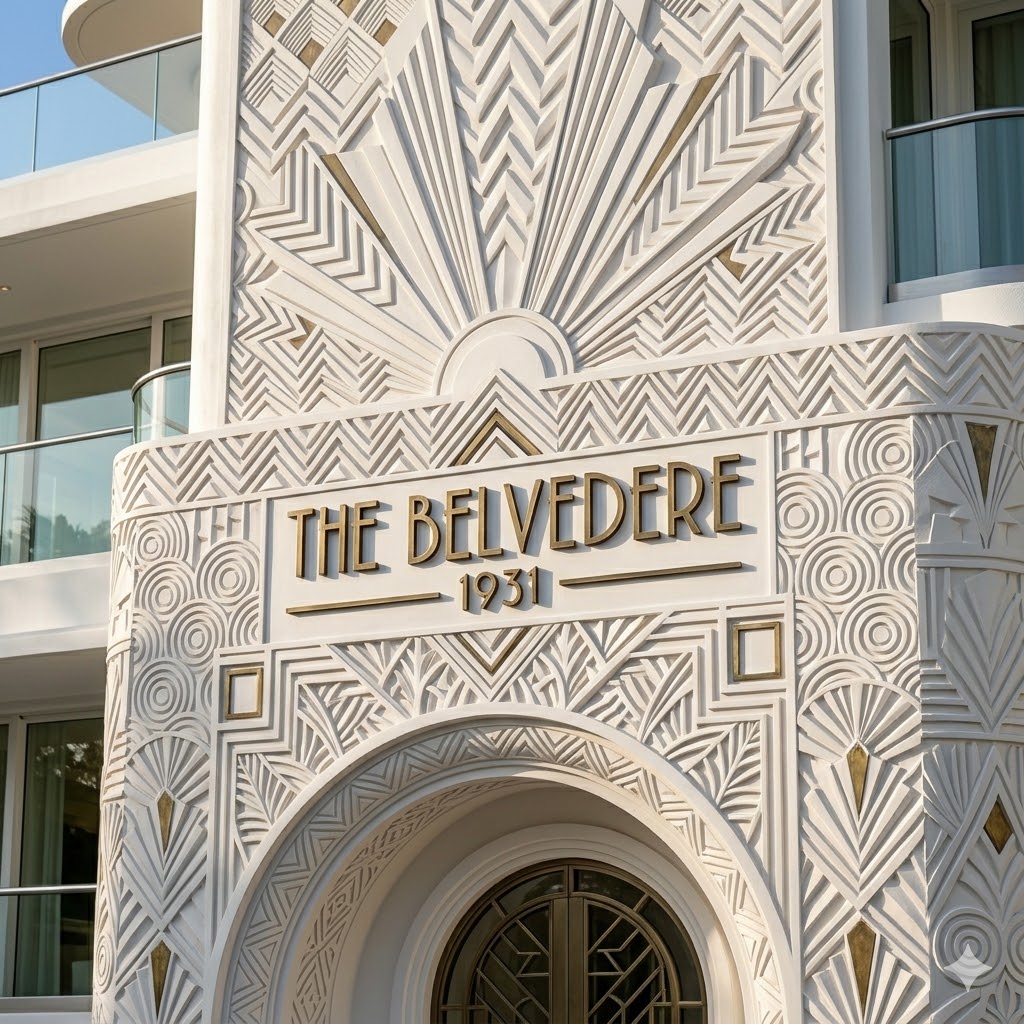
Art Deco homes are never plain—they celebrate artistry through detailed facade elements.
Common decorative features:
- Sunburst motifs above entrances
- Zigzag or chevron carvings
- Stylized floral or abstract panels
These elements are often integrated into the structure rather than added later.
Why it works:
It turns the house exterior into a piece of art while maintaining clean lines.
5. Smooth Stucco with Minimal Ornamentation
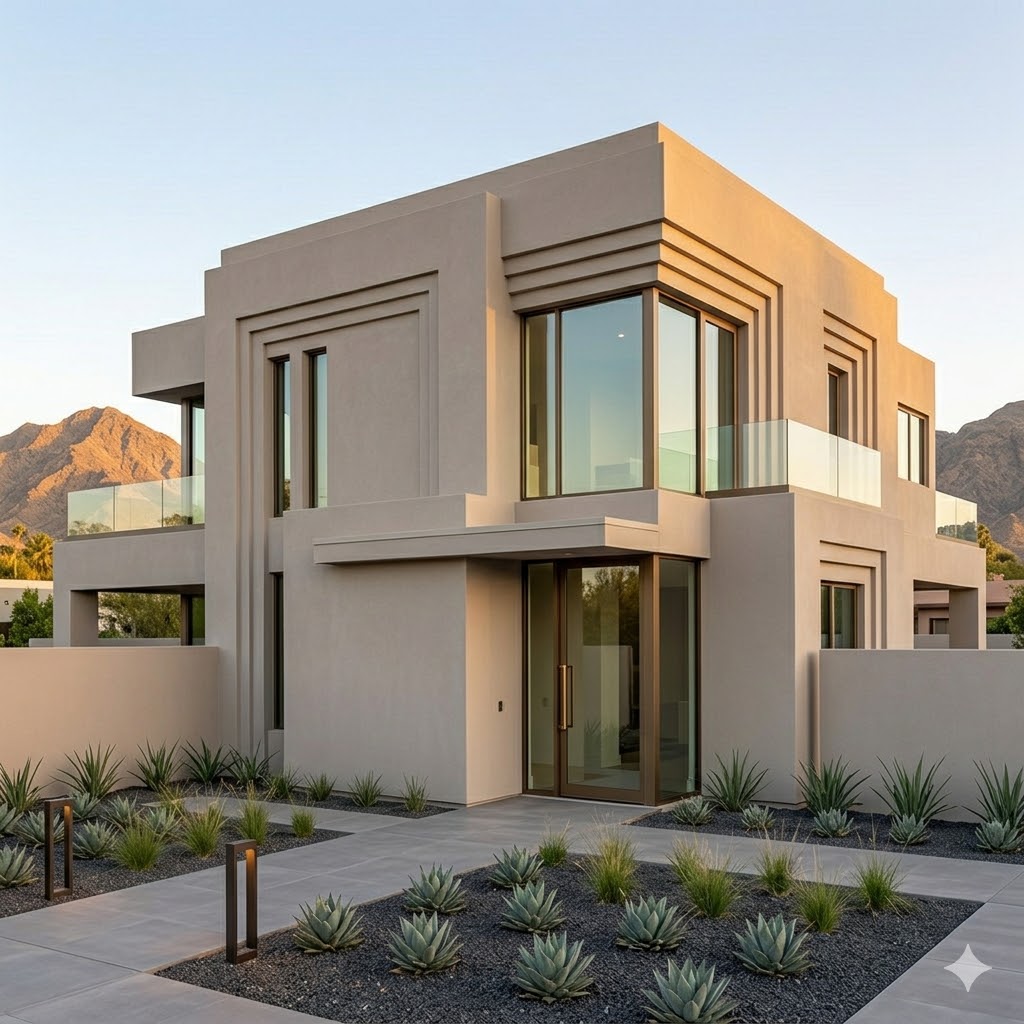
Unlike overly decorative styles, Art Deco balances detail with simplicity.
Typical characteristics:
- Flat, smooth walls
- Neutral or pastel color palettes
- Limited but impactful ornamentation
This gives the home a clean, polished look while allowing key features to stand out.
Why it works:
It creates a refined, timeless appearance that doesn’t feel cluttered.
6. Porthole and Glass Block Windows
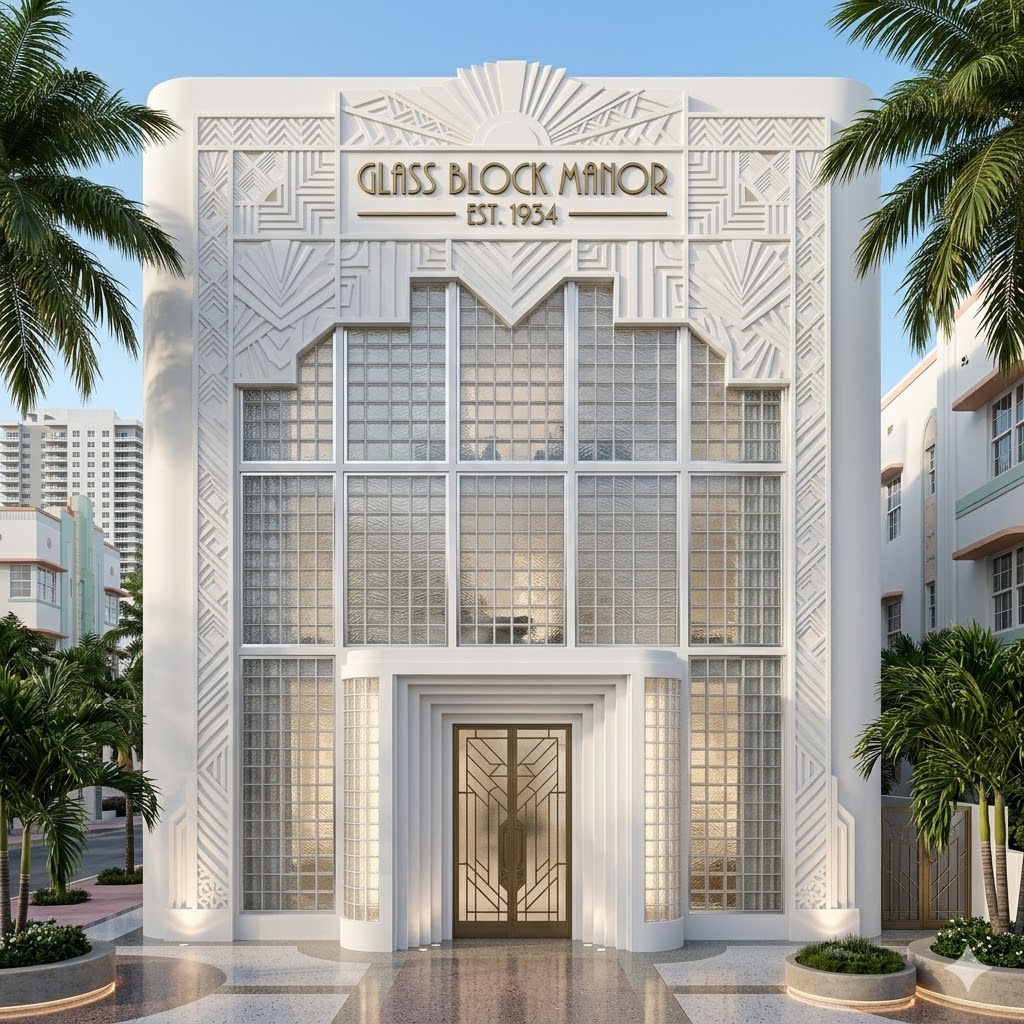
Unique window designs are another hallmark of Art Deco exteriors.
Examples include:
- Circular “porthole” windows
- Glass block panels for diffused light
- Steel-framed casement windows
These features enhance both aesthetics and functionality.
Why it works:
They add character and reinforce the modern, industrial influence of the era.
7. Dramatic Entryways with Vertical Emphasis
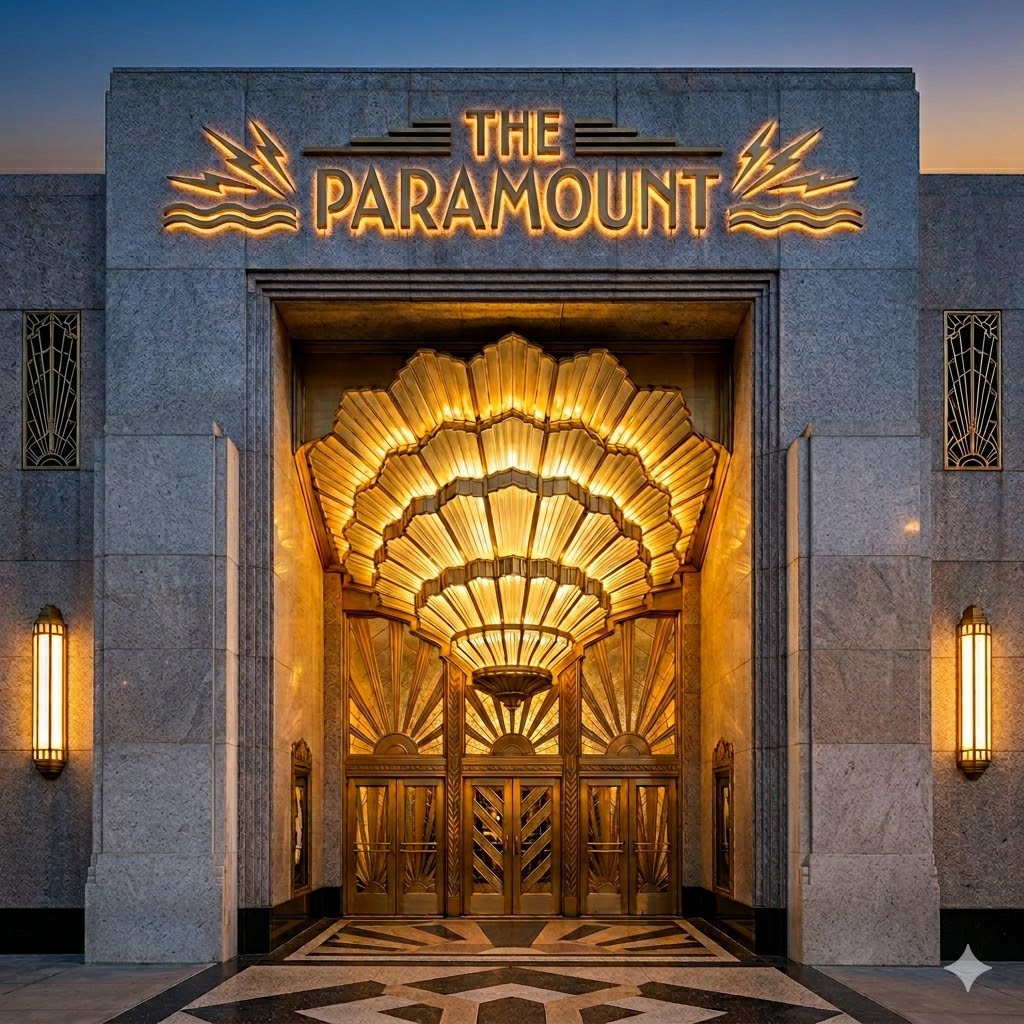
Art Deco homes often feature bold, eye-catching entrances.
Design elements include:
- Tall door frames
- Vertical pilasters or columns
- Decorative metal or stone detailing
Entrances act as the focal point, guiding the viewer’s eye directly to the center of the home.
Why it works:
It creates a sense of luxury and importance right at the front door.
8. Metallic and Luxurious Exterior Accents
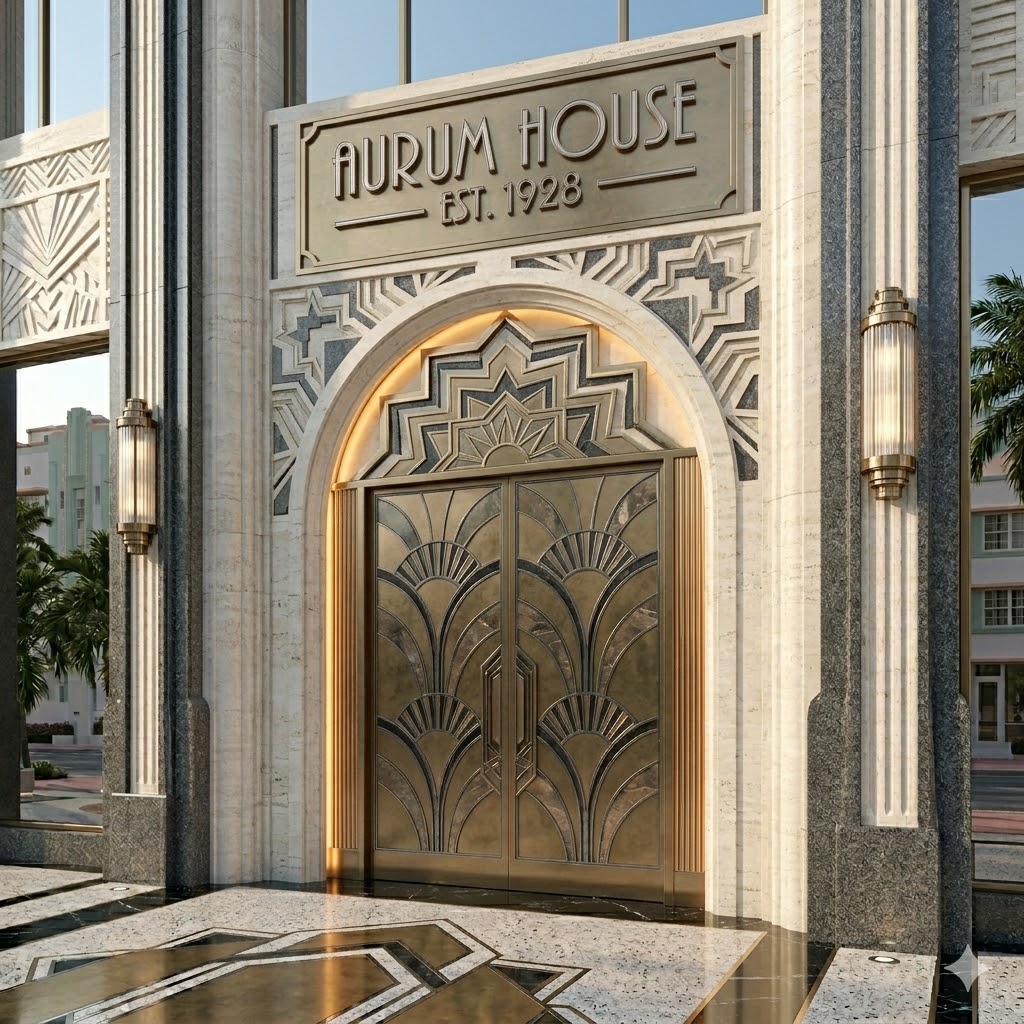
Art Deco is deeply connected to glamour and opulence.
Exterior materials often include:
- Chrome or stainless steel trims
- Bronze detailing
- Polished stone or marble elements
These materials reflect light and elevate the overall design.
Why it works:
It adds richness and sophistication without overwhelming the structure.
9. Rounded Corners and Layered Forms
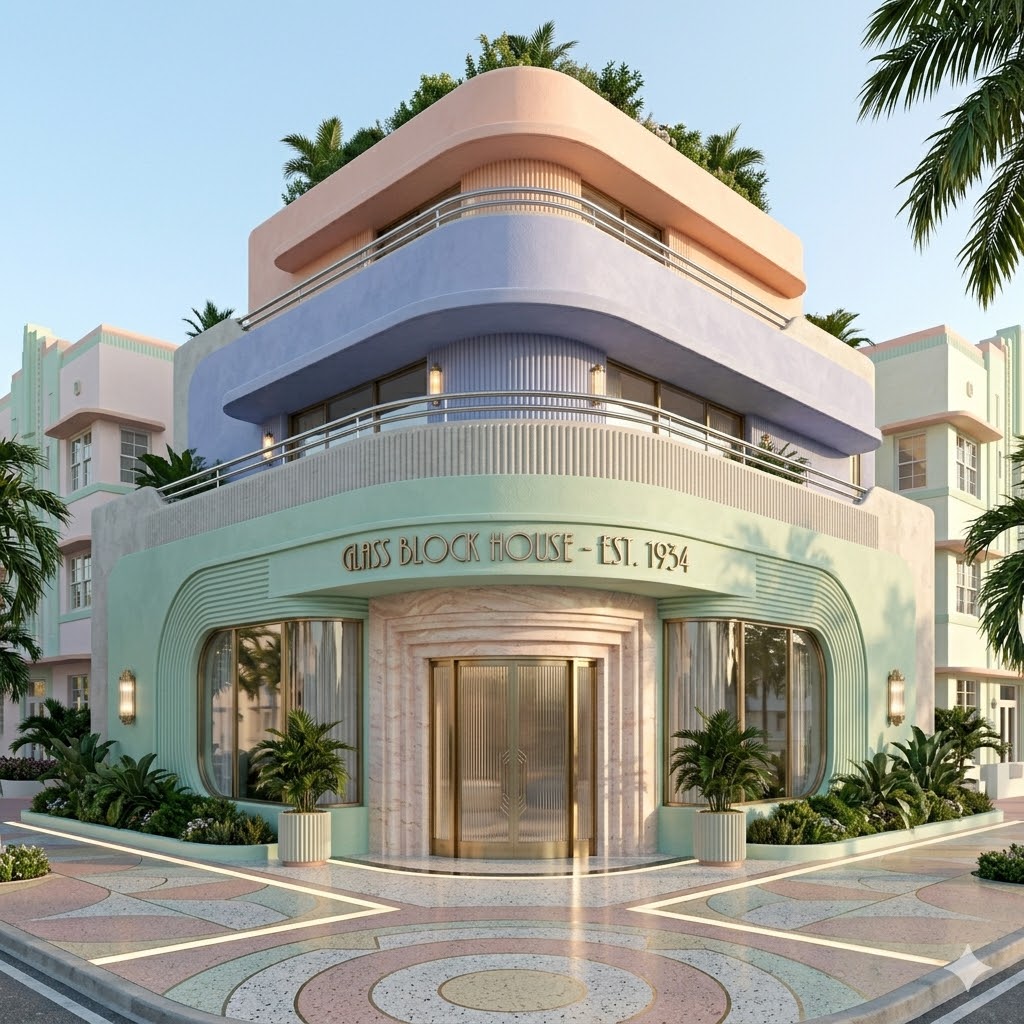
Another standout feature is the use of soft geometry alongside sharp lines.
Design highlights:
- Curved building edges
- Layered volumes
- Mixed geometric shapes
This combination creates visual contrast and architectural interest.
Why it works:
It balances boldness with elegance, making the design more dynamic.
10. Vertical Pilasters and Height Illusion
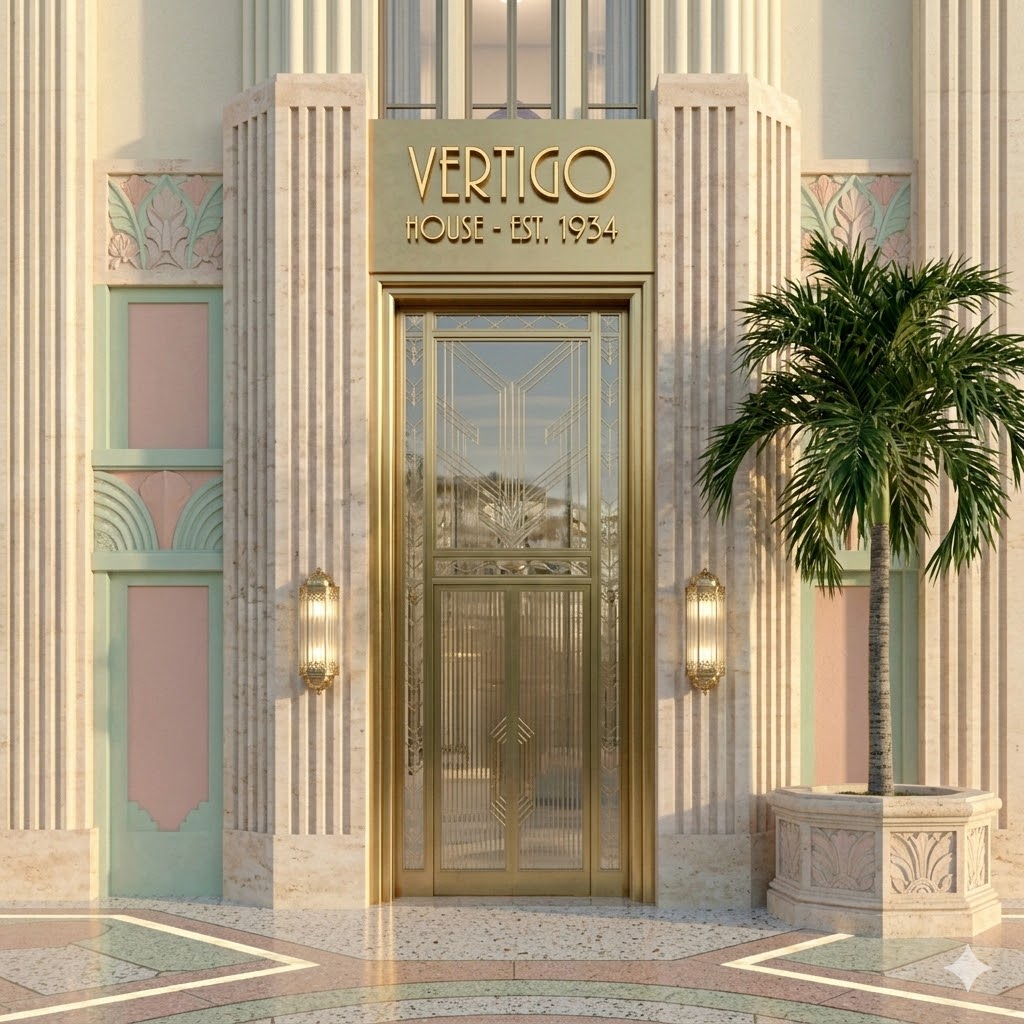
Art Deco homes often appear taller than they actually are.
This is achieved through:
- Vertical lines and projections
- Narrow window groupings
- Tall facade divisions
These elements emphasize upward movement and grandeur.
Why it works:
It gives the home a commanding presence, even on smaller plots.
Why Art Deco Exteriors Still Stand Out Today
Art Deco homes continue to attract attention because they strike a rare balance:
- Modern yet historic
- Simple yet detailed
- Bold yet elegant
Their geometric precision and luxurious finishes make them feel timeless. In a world of minimalist or overly complex designs, Art Deco offers something unique—structured creativity with personality.
For a deeper understanding of the origins and defining characteristics of this style, you can explore the history and key features of Art Deco architecture.
Final Thoughts
The best examples of Art Deco house exterior designs are not just about appearance—they are about expression. Every line, shape, and detail is intentional, creating a home that feels like a work of art.
If you’re planning to design or renovate your house, incorporating Art Deco elements can instantly elevate your exterior. Start with symmetry, add geometric details, introduce luxurious materials, and maintain clean lines.
The result? A home that doesn’t just blend in—but truly stands out.