Spanish Countryside Ranch Houses: Warm Colors and Mediterranean Charm
Spain’s countryside architecture is deeply influenced by climate, culture, and centuries-old Mediterranean traditions. In rural regions, Spanish Ranch Houses reflect warmth, openness, and a strong connection to outdoor living. These homes are designed to handle hot summers, mild winters, and a lifestyle that values family gatherings, courtyards, and shaded spaces. Characterized by earthy colors, textured walls, and relaxed layouts, Spanish countryside ranch houses blend rustic charm with functional planning. Their timeless appeal lies in simplicity, climate intelligence, and an effortless harmony between architecture and landscape.
1. Origins of Spanish Countryside Ranch Houses
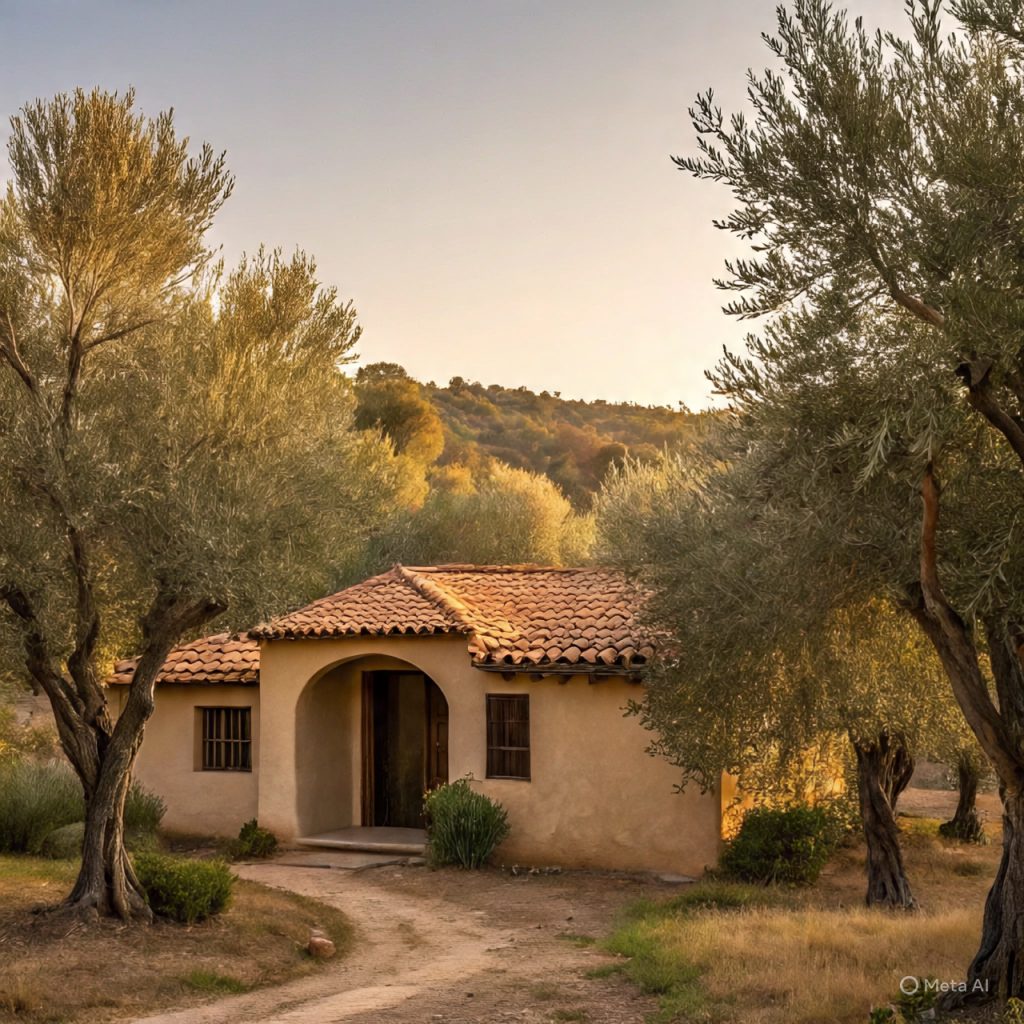
Spanish ranch houses evolved from rural farm dwellings and hacienda-style homes built for agricultural communities. Early structures focused on shelter, storage, and shaded living areas. Over time, Spanish Ranch Houses adapted these traditional forms into single-story or low-profile homes suited for countryside living.
2. Mediterranean Influence on Rural Architecture
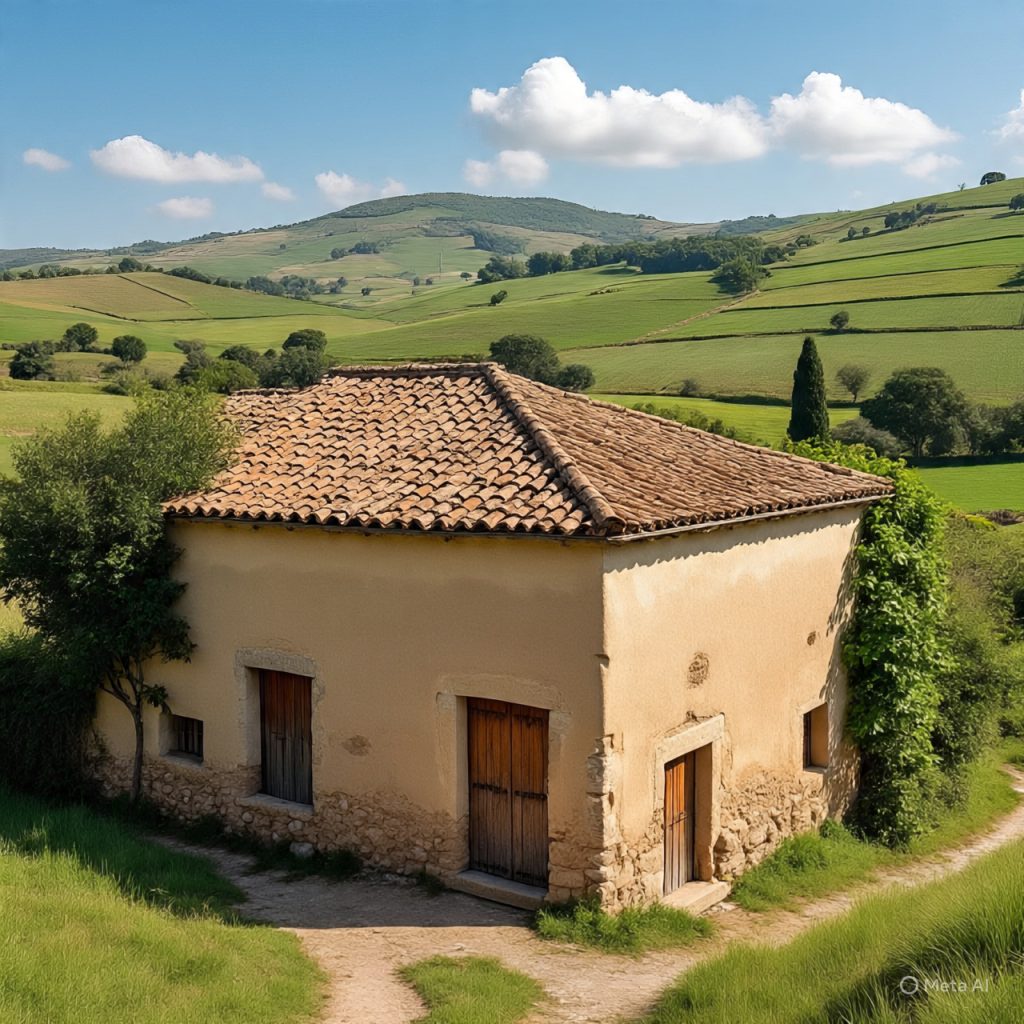
Mediterranean culture strongly shapes Spanish countryside homes. Thick walls, inner courtyards, and shaded verandas are common features. These elements help Spanish Ranch Houses remain cool while enhancing visual warmth and regional identity.
3. Warm Color Palettes and Earthy Tones
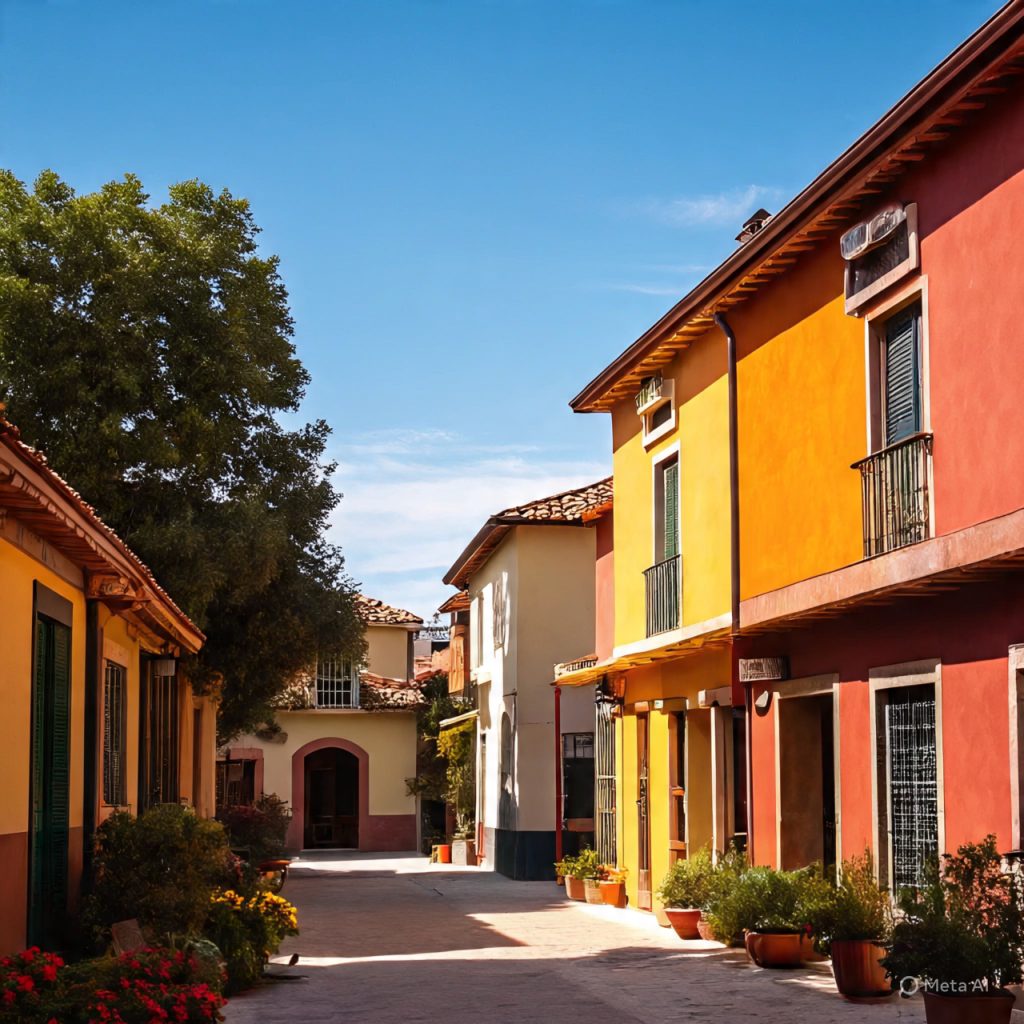
Color plays a vital role in Spanish design. Terracotta, beige, sand, olive, and soft white dominate exteriors. These warm shades allow Spanish Ranch Houses to blend naturally with dry landscapes and sunlit surroundings.
4. Typical Layout Planning in Spanish Ranch Homes
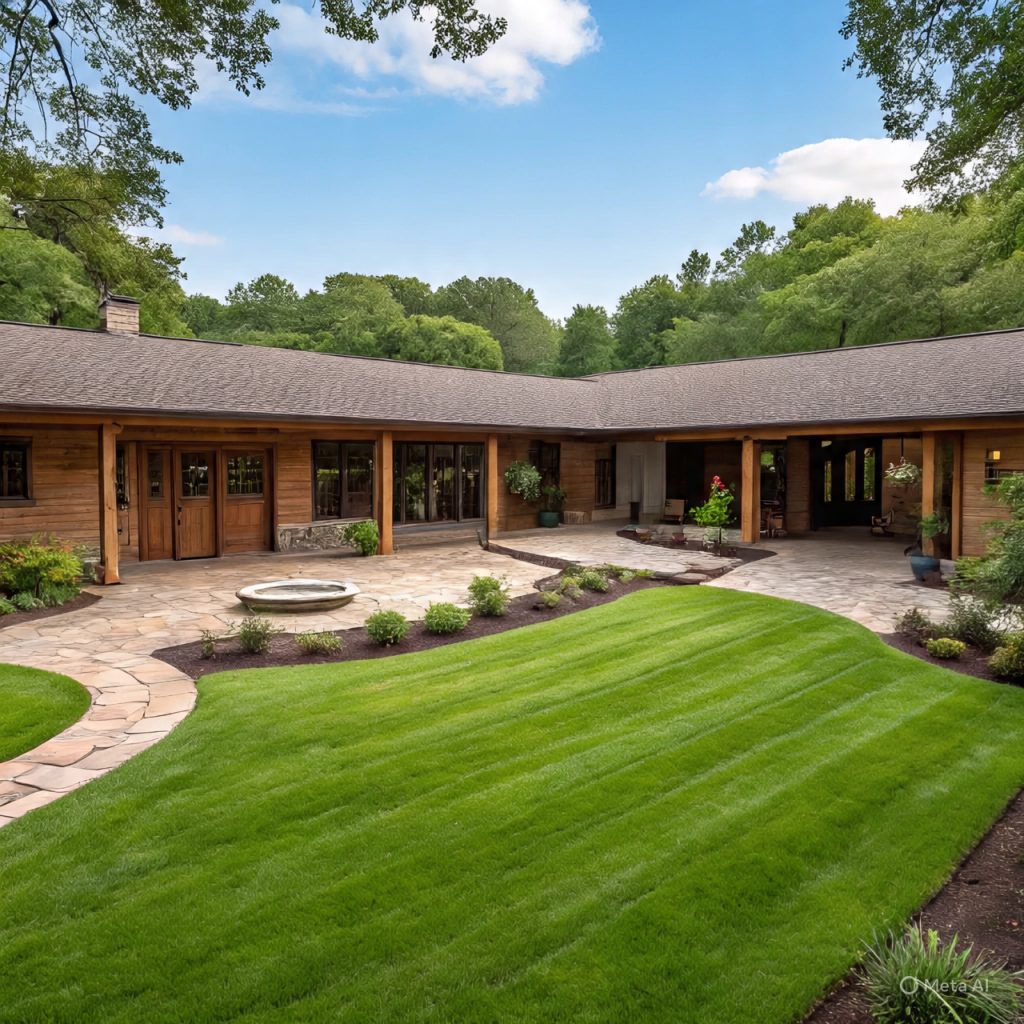
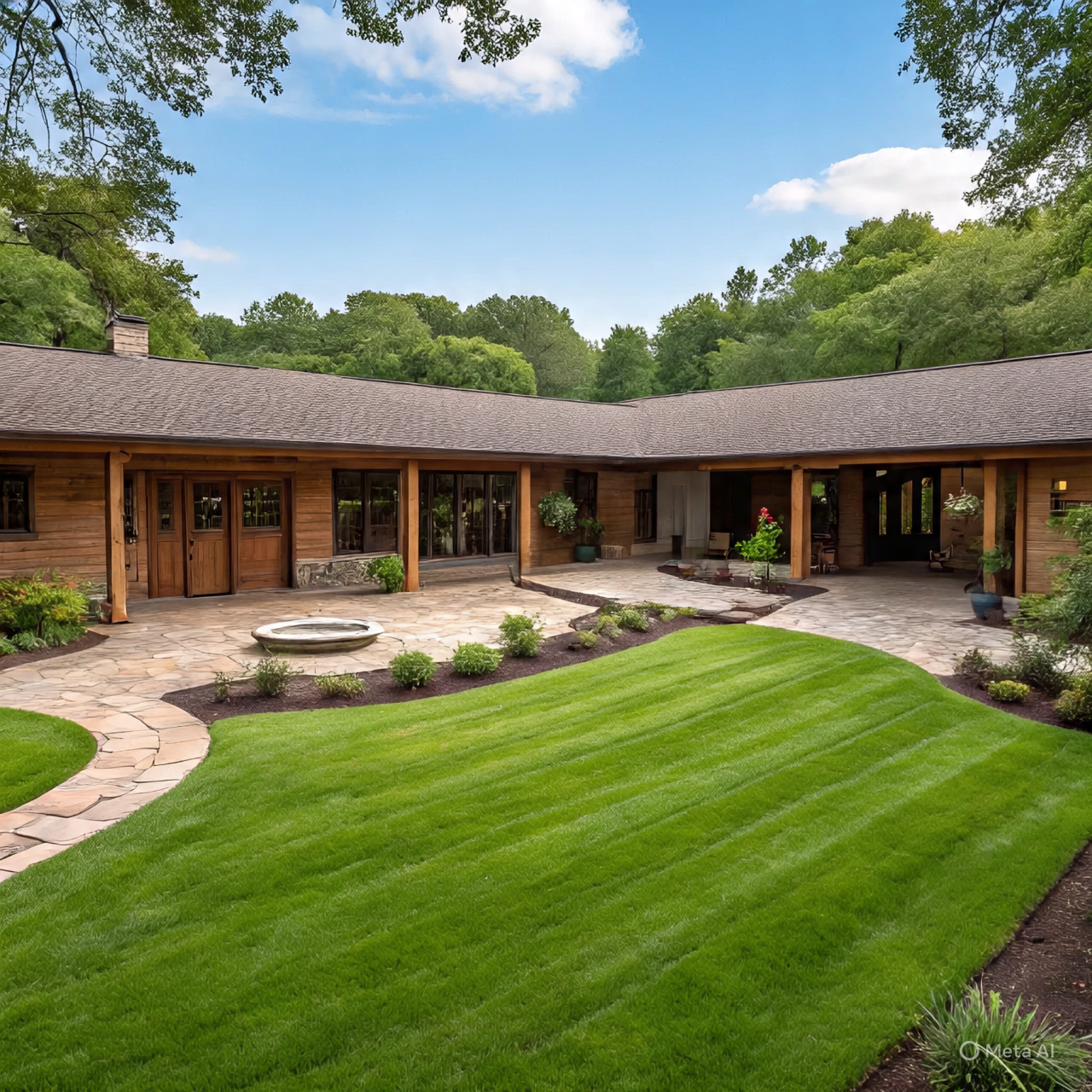
Layouts prioritize comfort and airflow. Living areas remain central, while bedrooms are positioned for privacy. Courtyards and patios connect indoor spaces with nature, a hallmark of Spanish Ranch Houses in rural settings.
5. Roof Styles and Mediterranean Forms
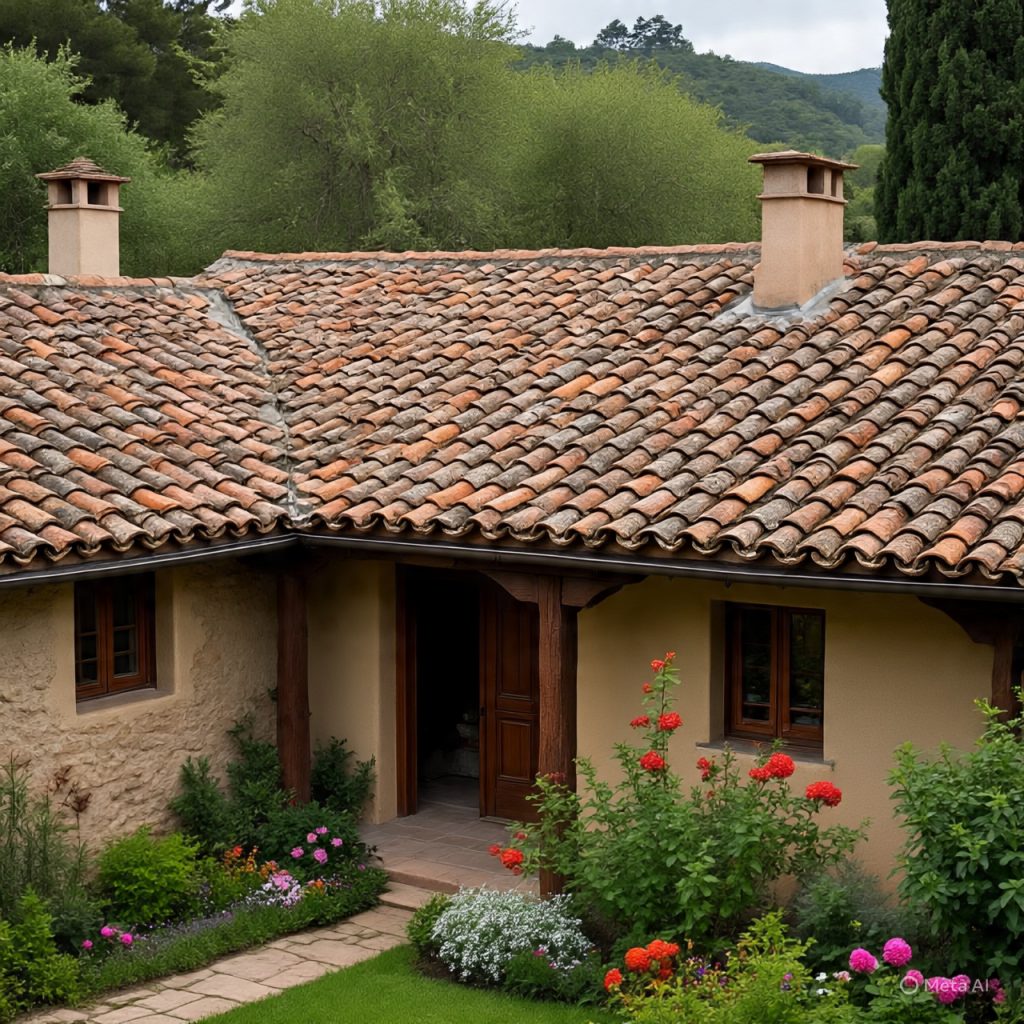
Low-pitched roofs with clay tiles define Spanish countryside architecture. Extended eaves provide shade and rain protection. These roof forms enhance durability and contribute to the iconic appearance of Spanish Ranch Houses.
6. Materials Commonly Used in Rural Spain
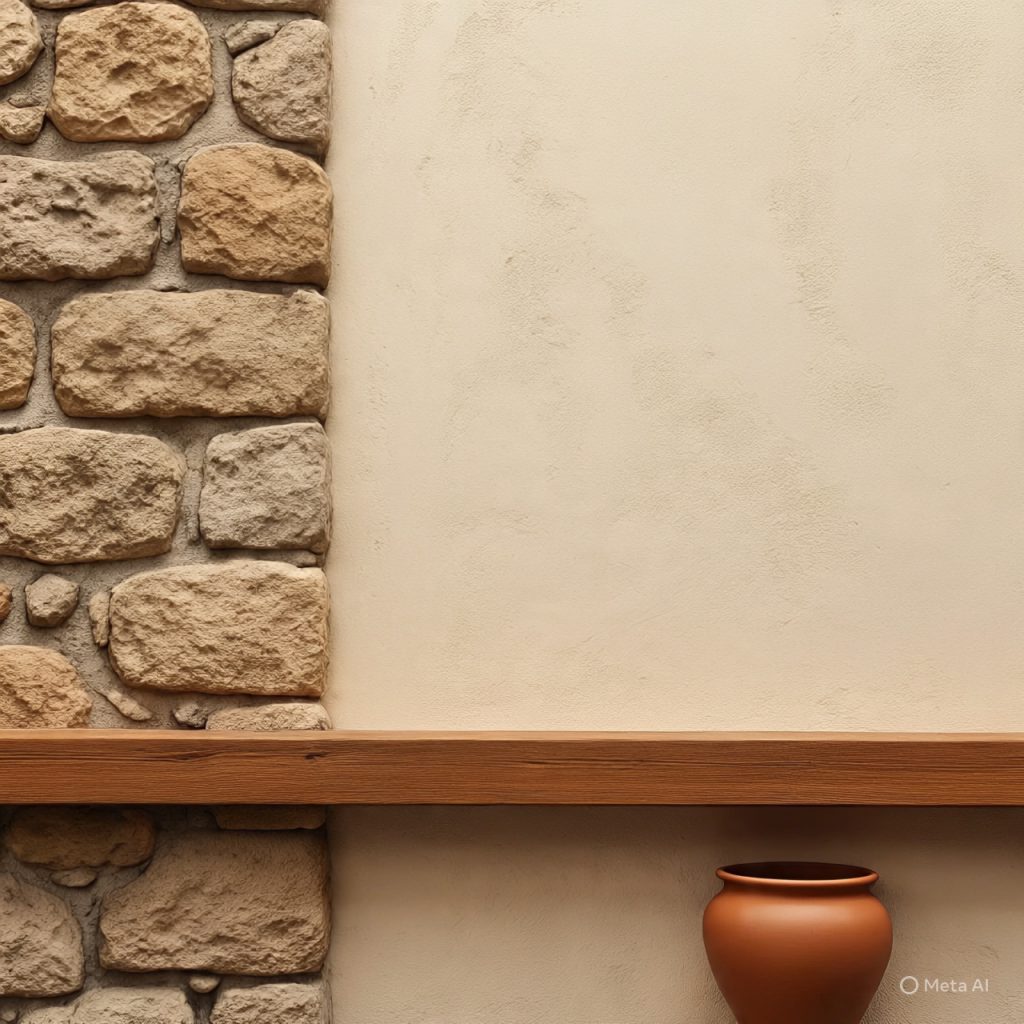
Stone, stucco, terracotta tiles, and timber are widely used for their durability and thermal performance. In Spanish Ranch Houses, materials are chosen to age gracefully while requiring minimal maintenance.
7. Front Elevation Characteristics

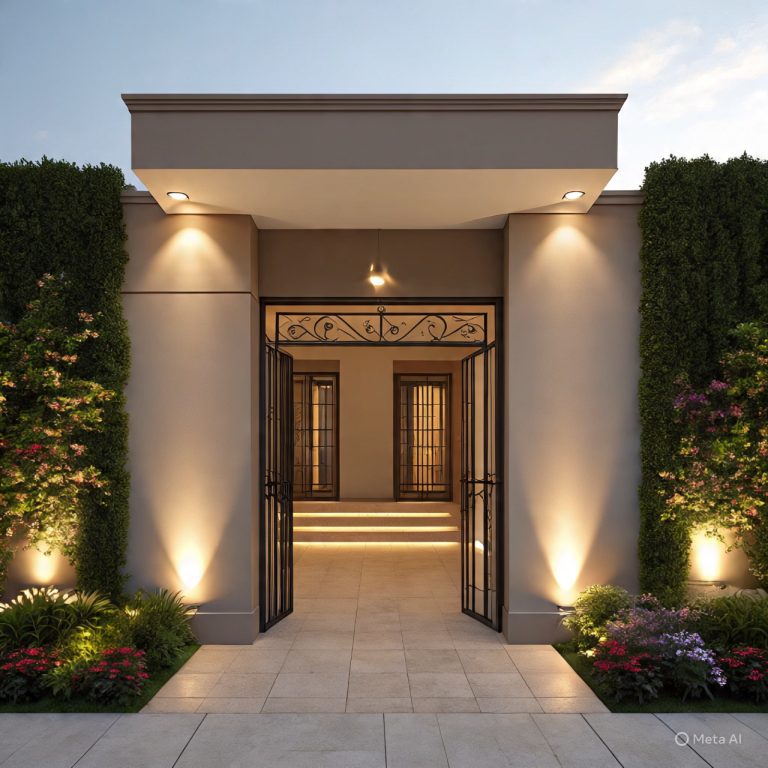
Front elevations are welcoming and understated. Arched doorways, wooden shutters, textured walls, and iron details define the façade. Spanish Ranch Houses emphasize balance and warmth rather than bold architectural statements.
8. Interior Design Philosophy
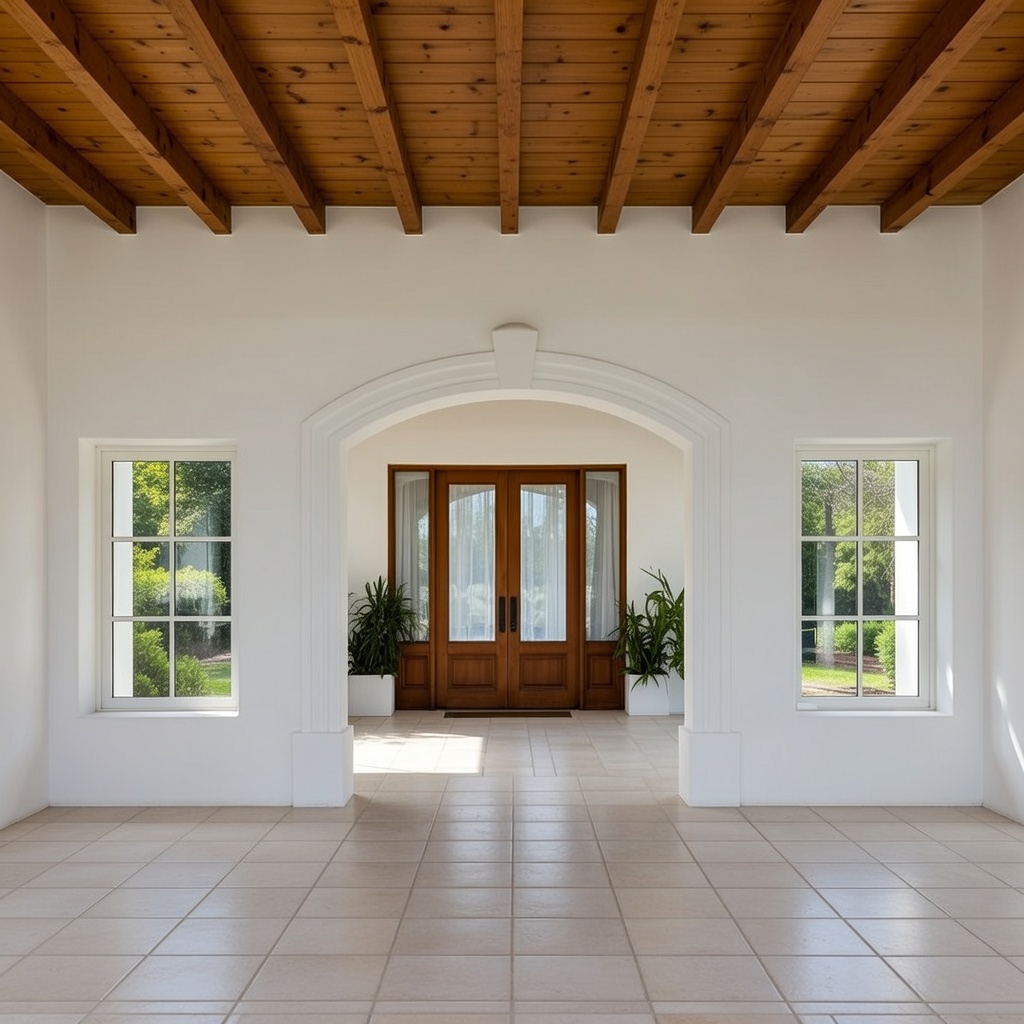
Interiors favor natural light, breathable spaces, and handcrafted elements. Neutral walls, wooden beams, tiled floors, and artisanal décor reflect relaxed countryside living without visual clutter.
9. Courtyards and Outdoor Living Spaces
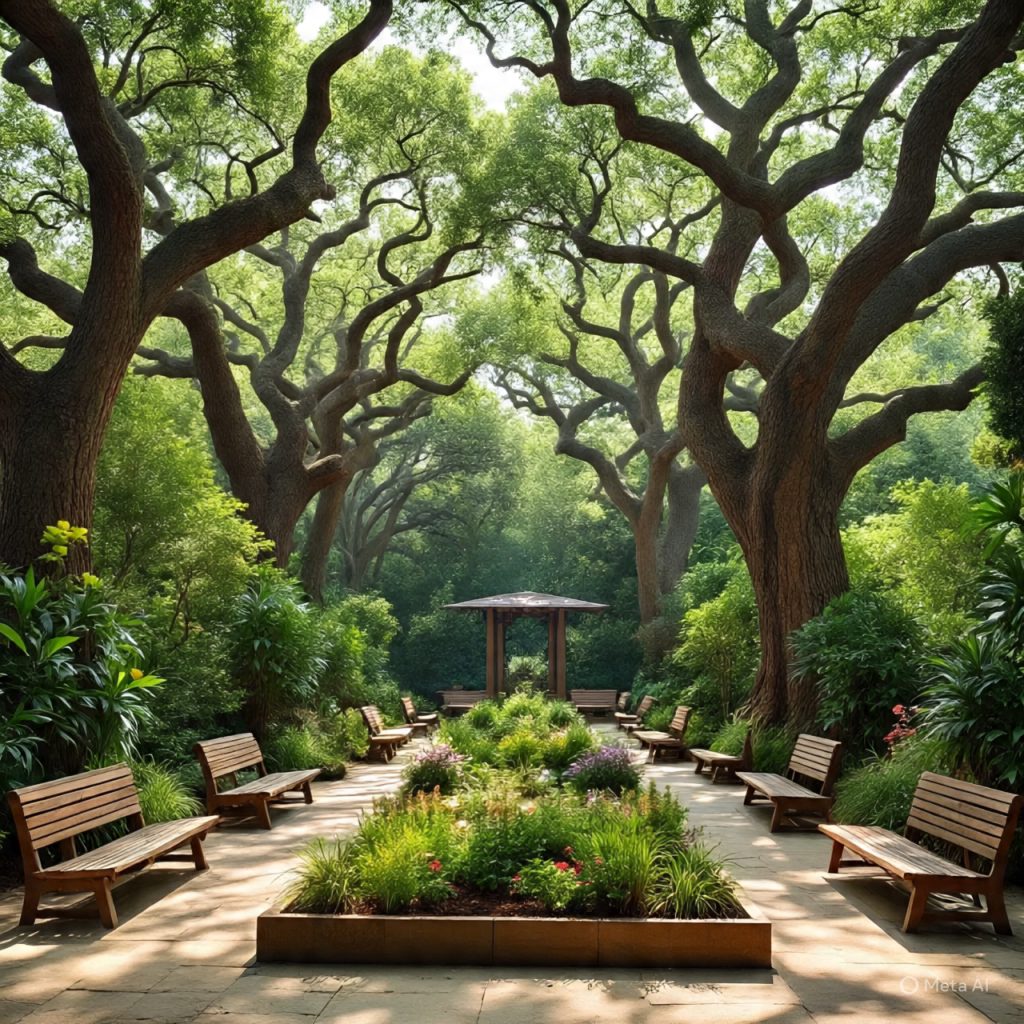
Courtyards are central to Spanish rural life. They provide shaded social spaces and improve ventilation. This indoor–outdoor relationship allows Spanish Ranch Houses to support seasonal living and family gatherings.
10. Climate-Responsive Design Strategies

Spain’s hot climate demands smart design. Thick walls, small shaded openings, and cross-ventilation help regulate indoor temperatures. These features make Spanish Ranch Houses energy-efficient and comfortable year-round.
11. Modern Adaptations of Spanish Ranch Houses

Modern ranch homes integrate solar panels, efficient glazing, and contemporary interiors while preserving traditional aesthetics. This balance allows Spanish Ranch Houses to evolve with modern needs without losing cultural identity.
12. Budget Planning and Long-Term Value
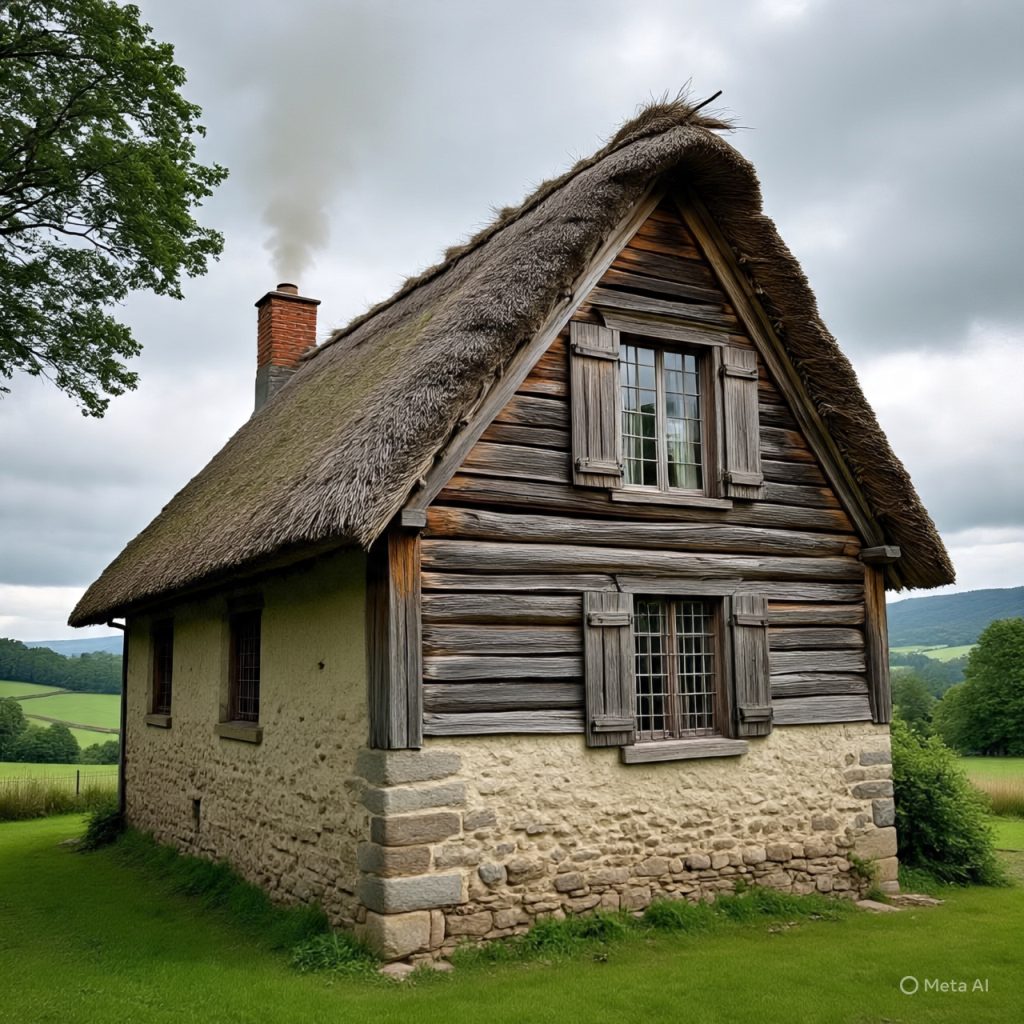
Spanish countryside ranch houses focus on long-term value rather than luxury finishes. Simple forms, durable materials, and passive cooling strategies reduce operational costs while maintaining timeless appeal.
Final Thoughts
Spanish Ranch Houses capture the essence of Mediterranean countryside living through warm colors, climate-aware design, and strong outdoor connections. Their rustic elegance, practical layouts, and material authenticity create homes that feel inviting, durable, and timeless. By embracing tradition while adapting to modern lifestyles, Spanish countryside ranch houses continue to inspire architects and homeowners seeking comfort, beauty, harmony with nature, and a relaxed lifestyle rooted in cultural heritage and sustainable rural design