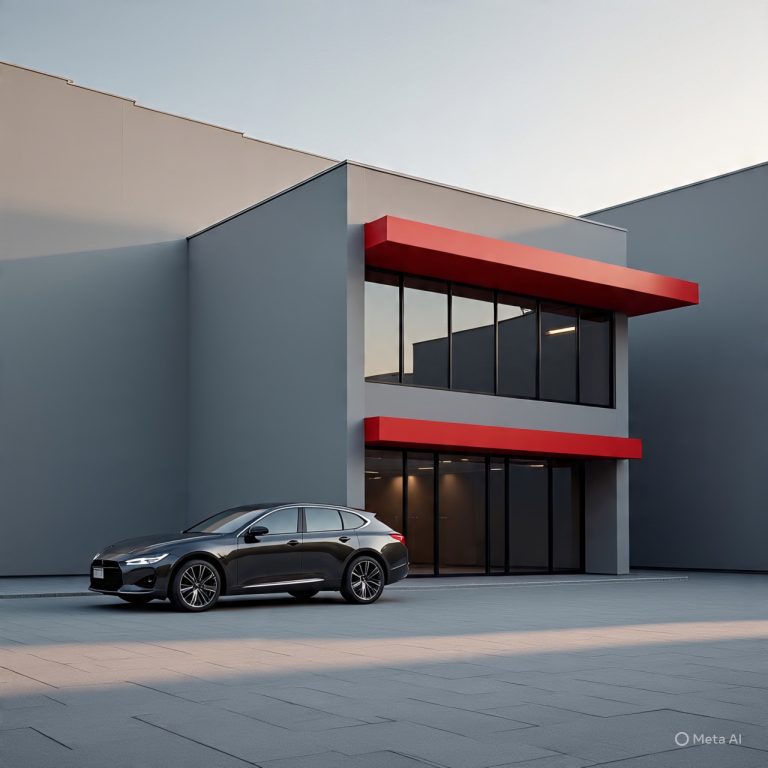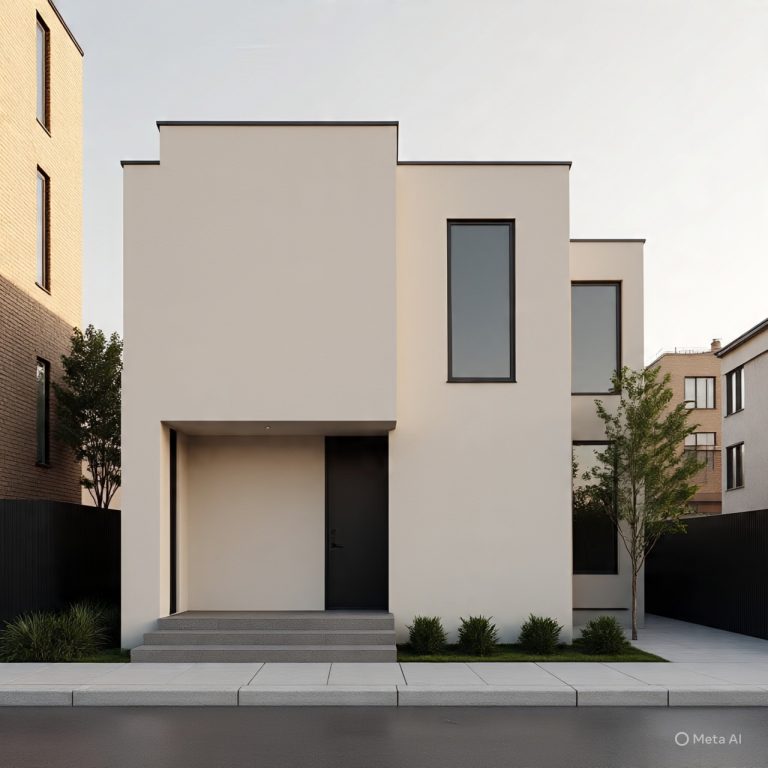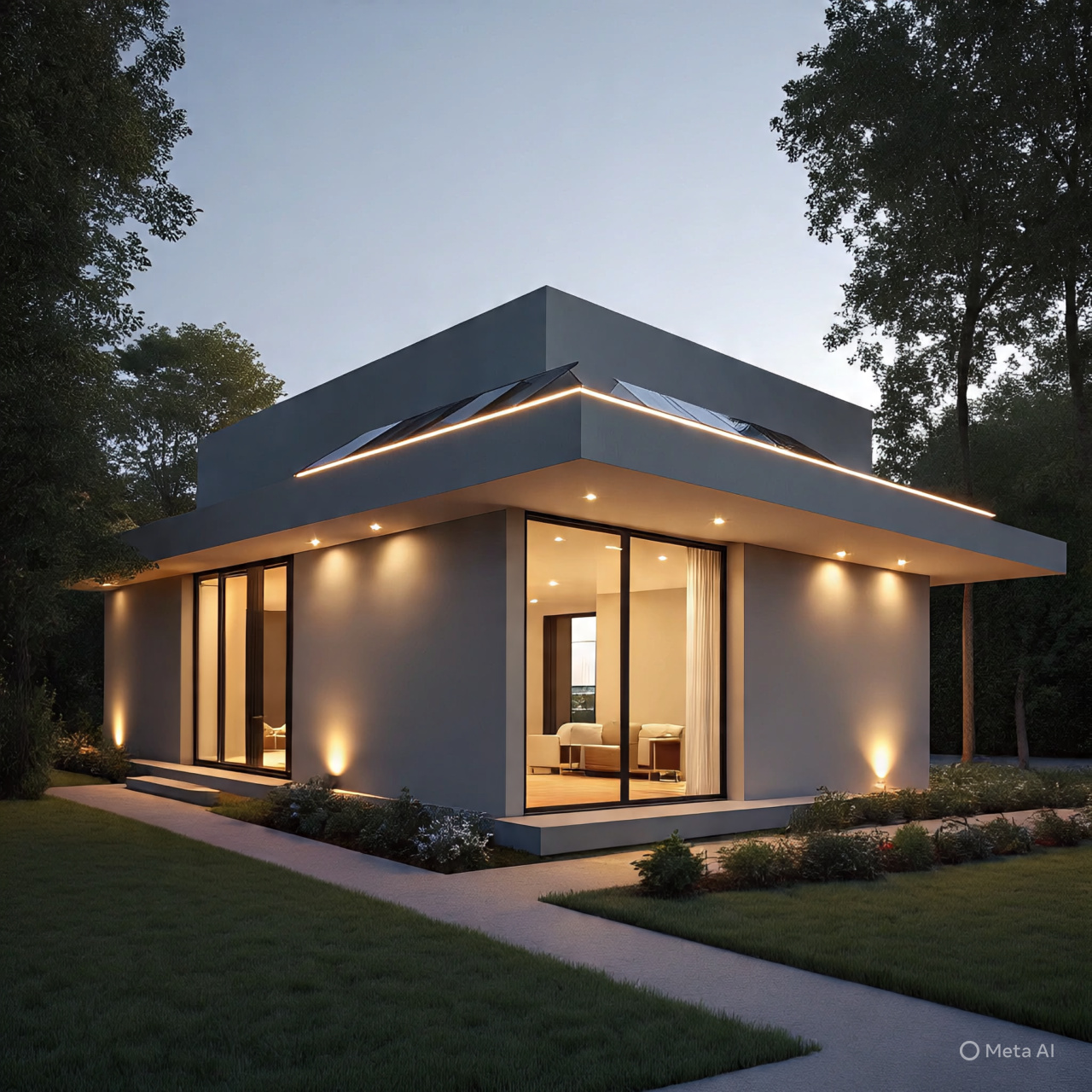
Sustainable Elevation Design — Smart & Eco-Friendly Home Exteriors
Introduction:
Modern homeowners increasingly want homes that look stylish while consuming less energy. Sustainable elevation design responds to this need by combining environmental responsibility with intelligent architectural planning. Instead of relying on heavy mechanical systems, climate-smart elevations use natural light, ventilation, shading, and eco-friendly materials to reduce heat gain, lower energy costs, and minimize environmental impact.
These thoughtfully designed exteriors are not only visually appealing but also support long-term comfort, satisfaction, durability, and savings. For homeowners, builders, and anyone interested in future-ready construction, sustainable elevation design offers a practical and responsible solutiono build a sustainable and modern home will benefit from this blog.
Sustainable Elevation and Climate-Responsive Orientation.
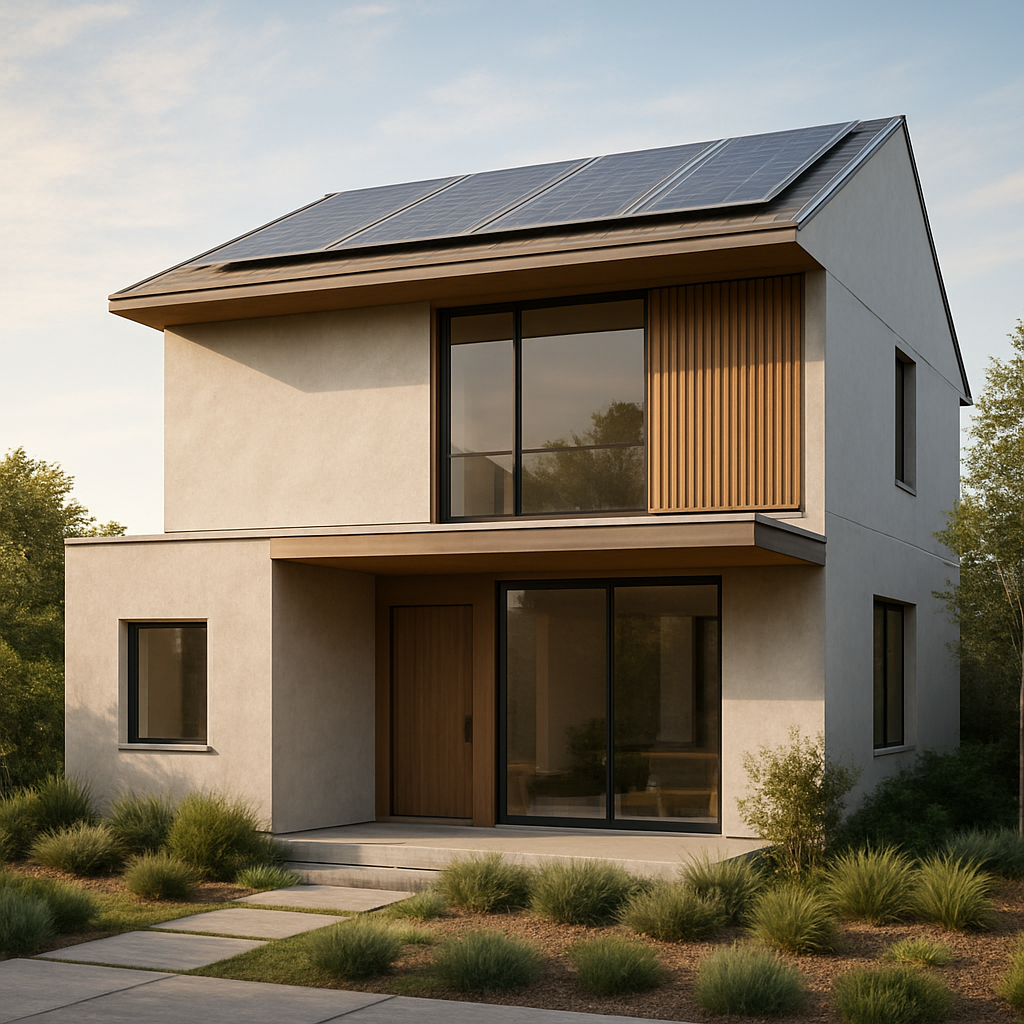
A sustainable elevation begins with proper orientation. Positioning the home to reduce direct heat exposure while maximizing daylight helps maintain indoor comfort naturally. This reduces dependence on artificial cooling and lighting systems throughout the year.
2. Eco-Friendly Building Materials.
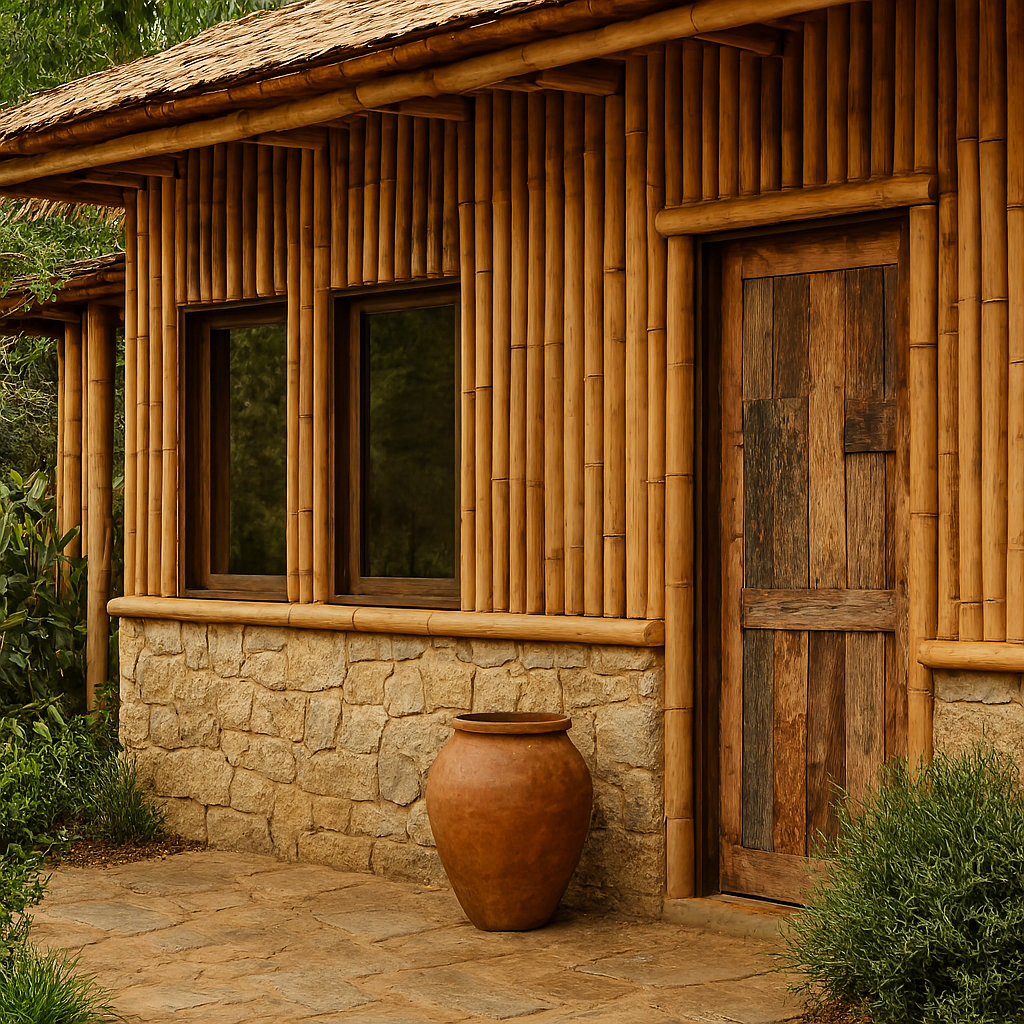
Using locally sourced stone, recycled wood, fly-ash bricks, or low-carbon concrete significantly lowers environmental impact. These materials also improve thermal performance and durability, making sustainable-elevation design both practical and long-lasting.
3. Energy-Saving Windows and Shading.

Double-glazed windows, deep overhangs, louvers, and pergolas control heat and glare without blocking airflow. Smart shading elements protect interiors from harsh sunlight while preserving natural brightness.
4. Green Façades and Vertical Gardens.
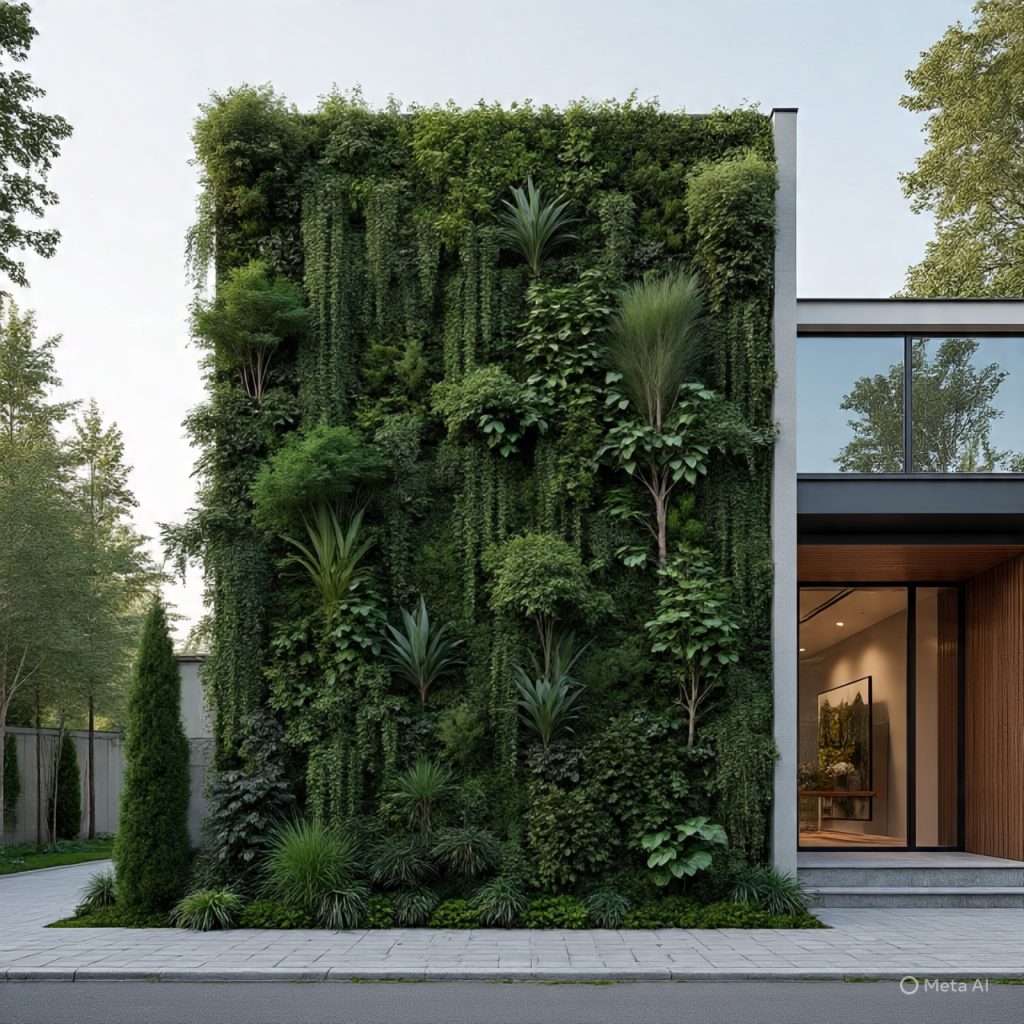
Living walls and green façades act as natural insulation. They cool the exterior surface, improve air quality, and add visual softness to modern elevations while supporting sustainable design goals.
5. Solar Integration in Elevation Design.
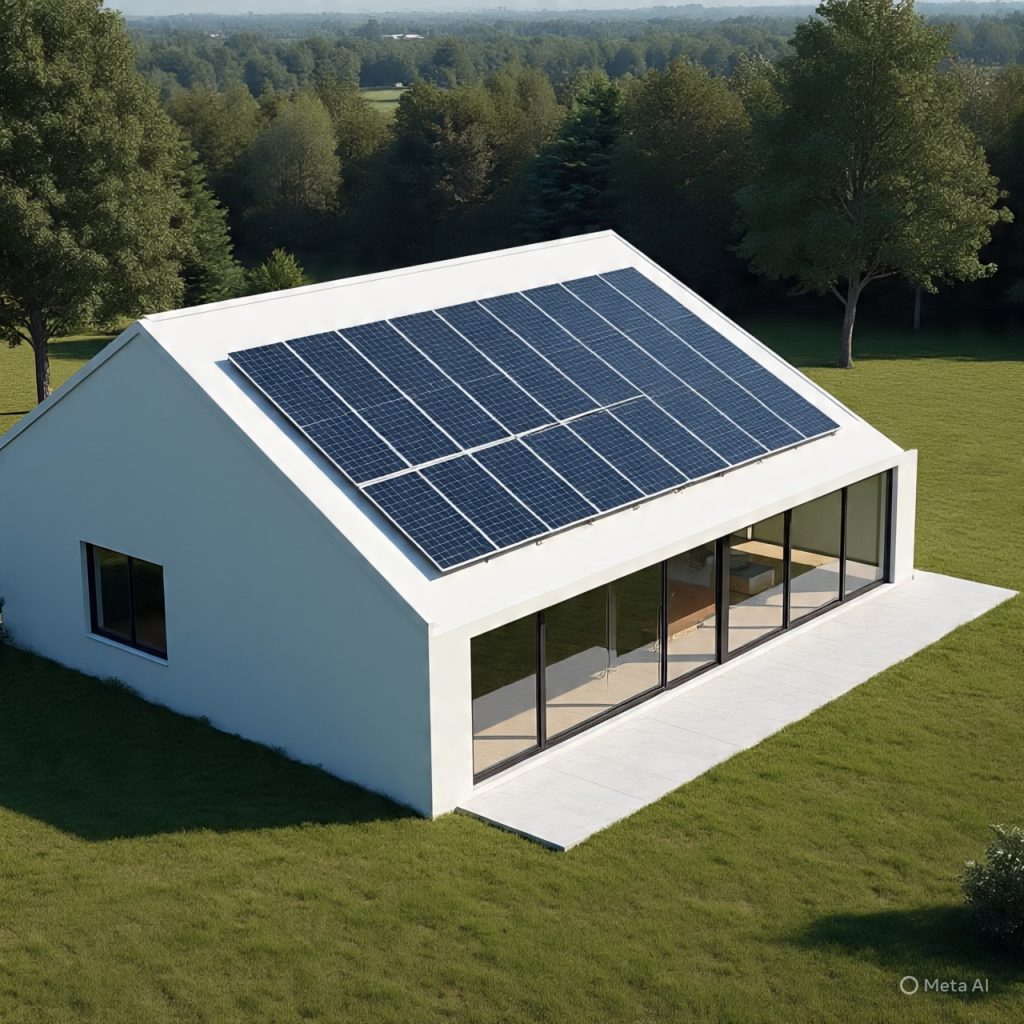
Solar panels, solar pergolas, or façade-mounted systems convert sunlight into clean energy. Integrating solar elements directly into the elevation improves efficiency without compromising aesthetics.
6. Natural Ventilation and Airflow Paths.
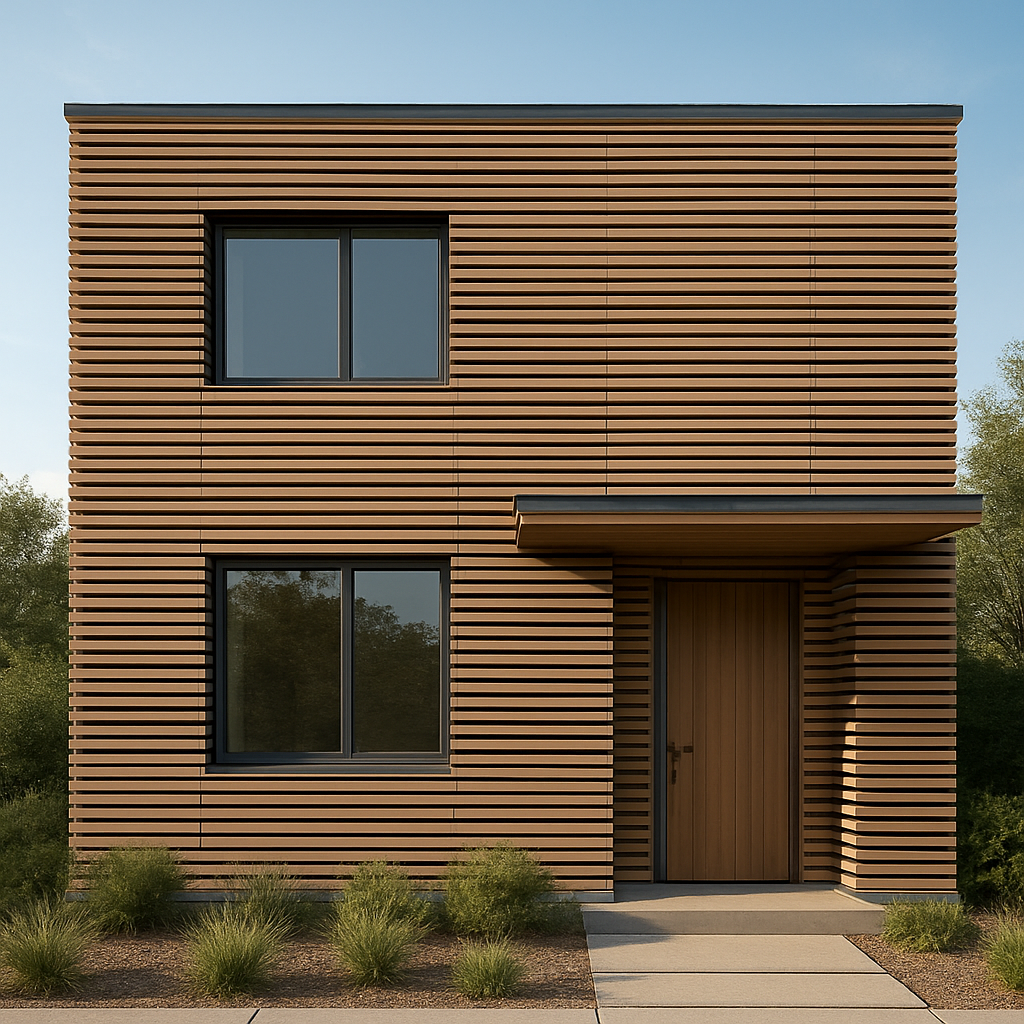
Cross-ventilation, ventilation blocks, and breathable façades allow hot air to escape naturally. These features reduce indoor heat buildup and lower reliance on air-conditioning systems.
7. Low-Energy Exterior Lighting.
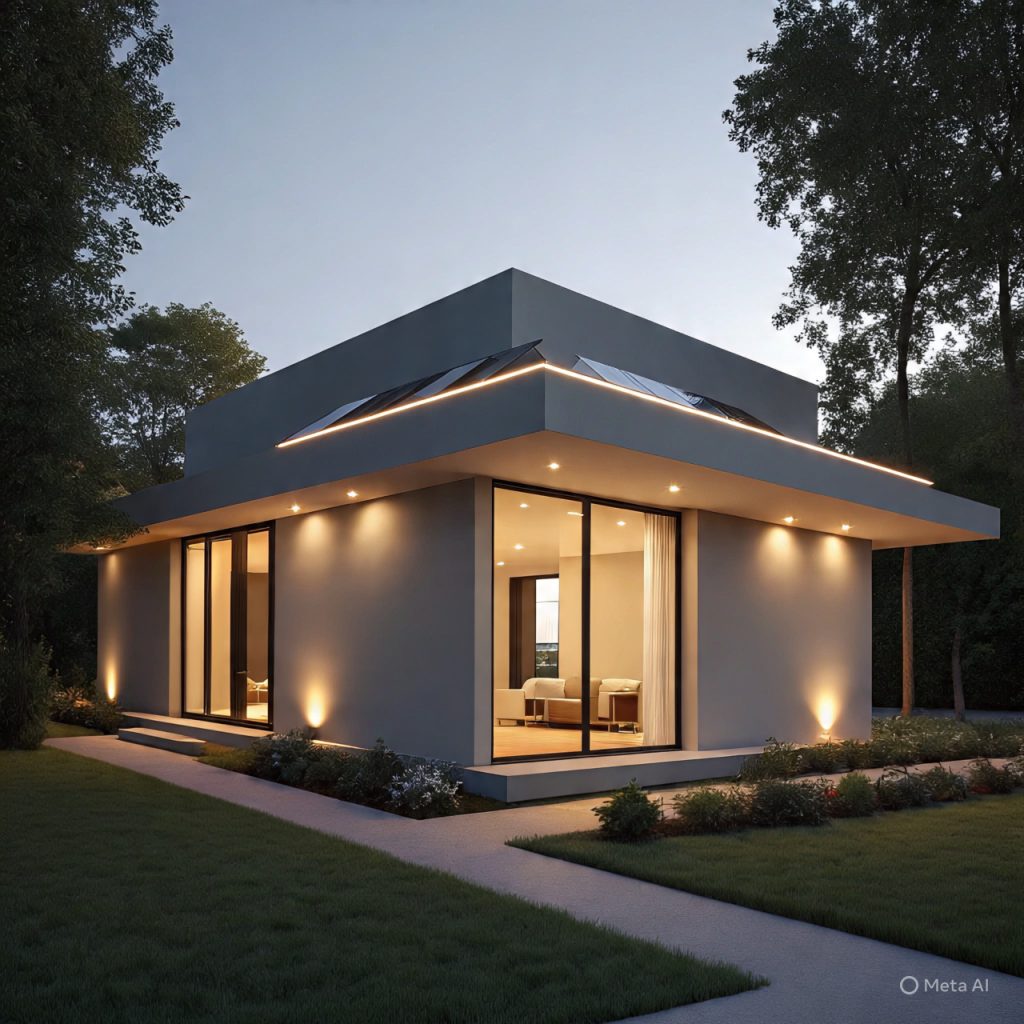
LED lighting, solar wall lights, and motion-sensor fixtures minimize energy consumption while enhancing nighttime safety and visual appeal. Thoughtful lighting design complements the sustainable elevation concept.
8. Rainwater-Smart Elevation Features.
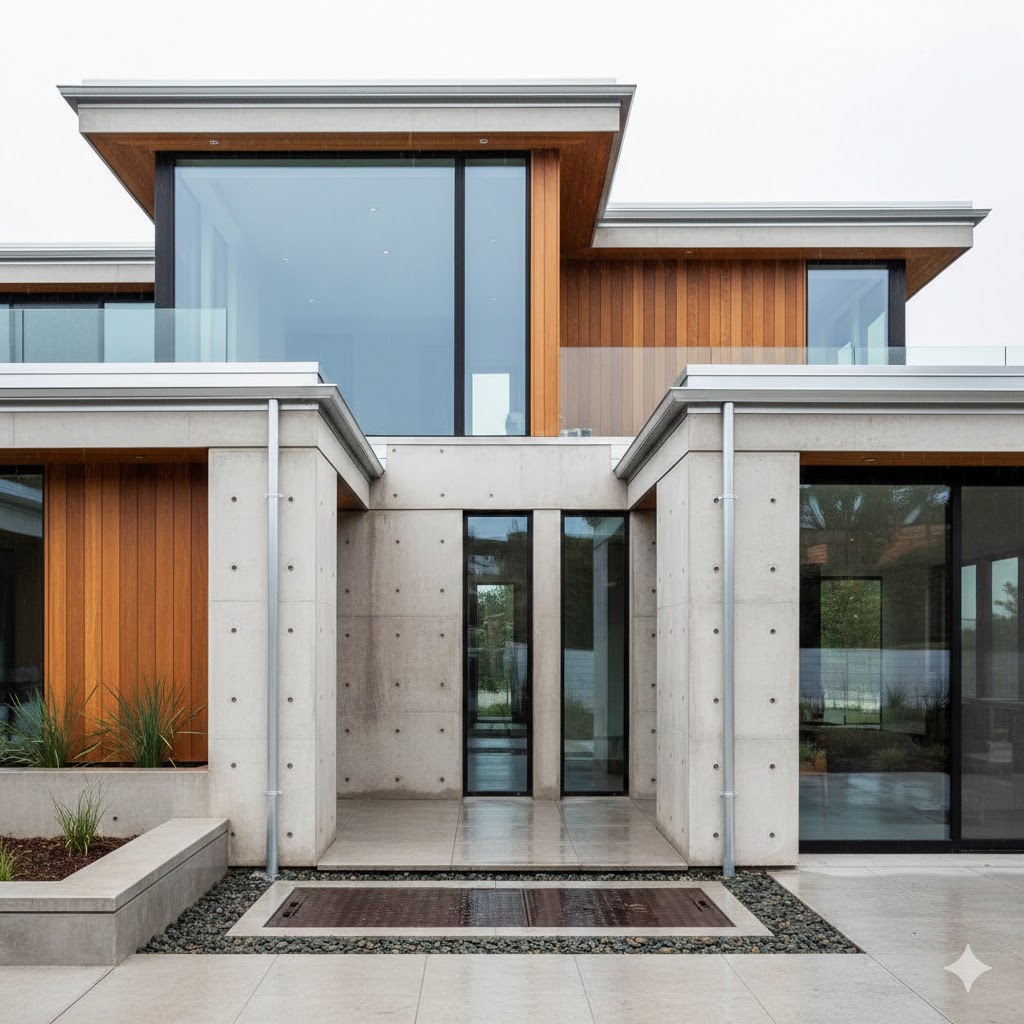
Sloped roofs, concealed gutters, and rainwater channels guide water toward harvesting systems. These elevation features support water conservation and reduce surface runoff.
9. Smart Landscaping for Heat Reduction.
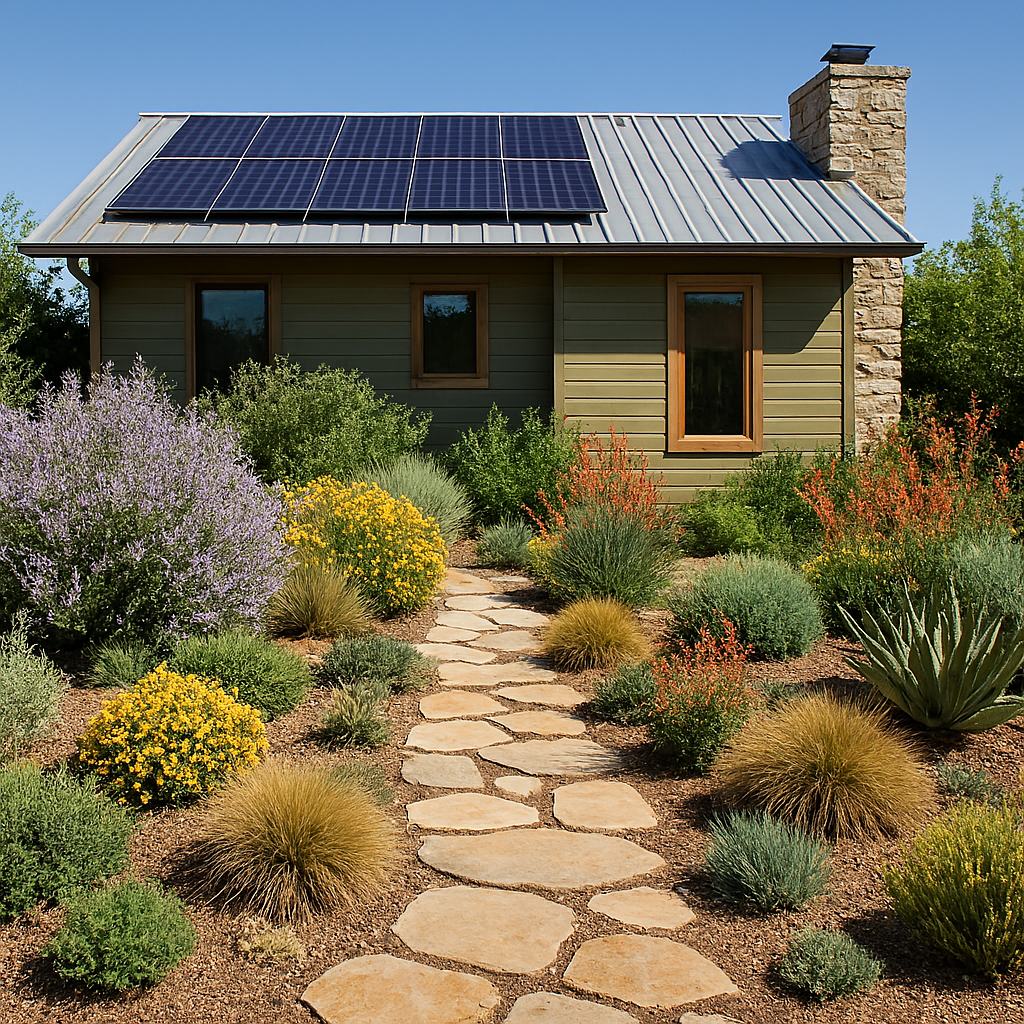
Native plants, shaded pathways, and permeable surfaces reduce reflected heat around the home. Landscaping works hand-in-hand with sustainable-elevation design to create a cooler microclimate.
10. Breathable Exterior Paints and Coatings.
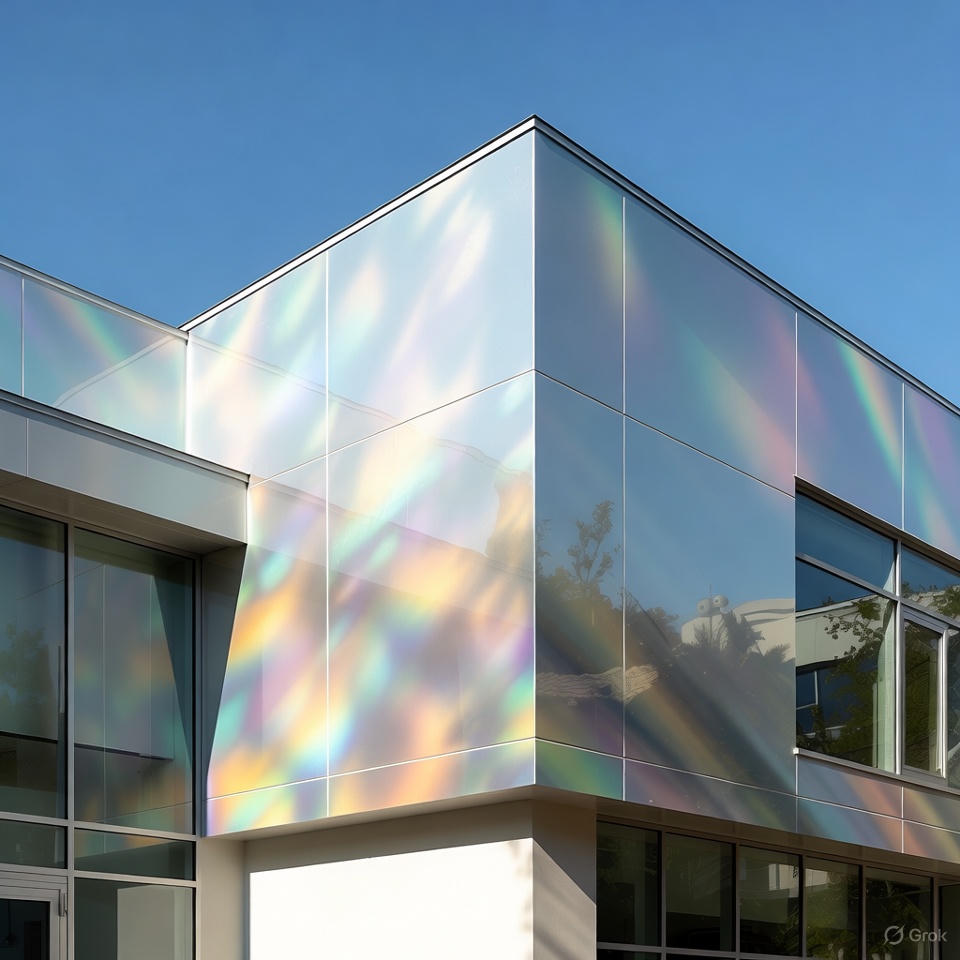
Lime-based or breathable paints allow moisture to escape while reflecting heat. These coatings protect walls, extend material life, and improve overall thermal comfort.
11. Sustainable Boundary Wall Design.
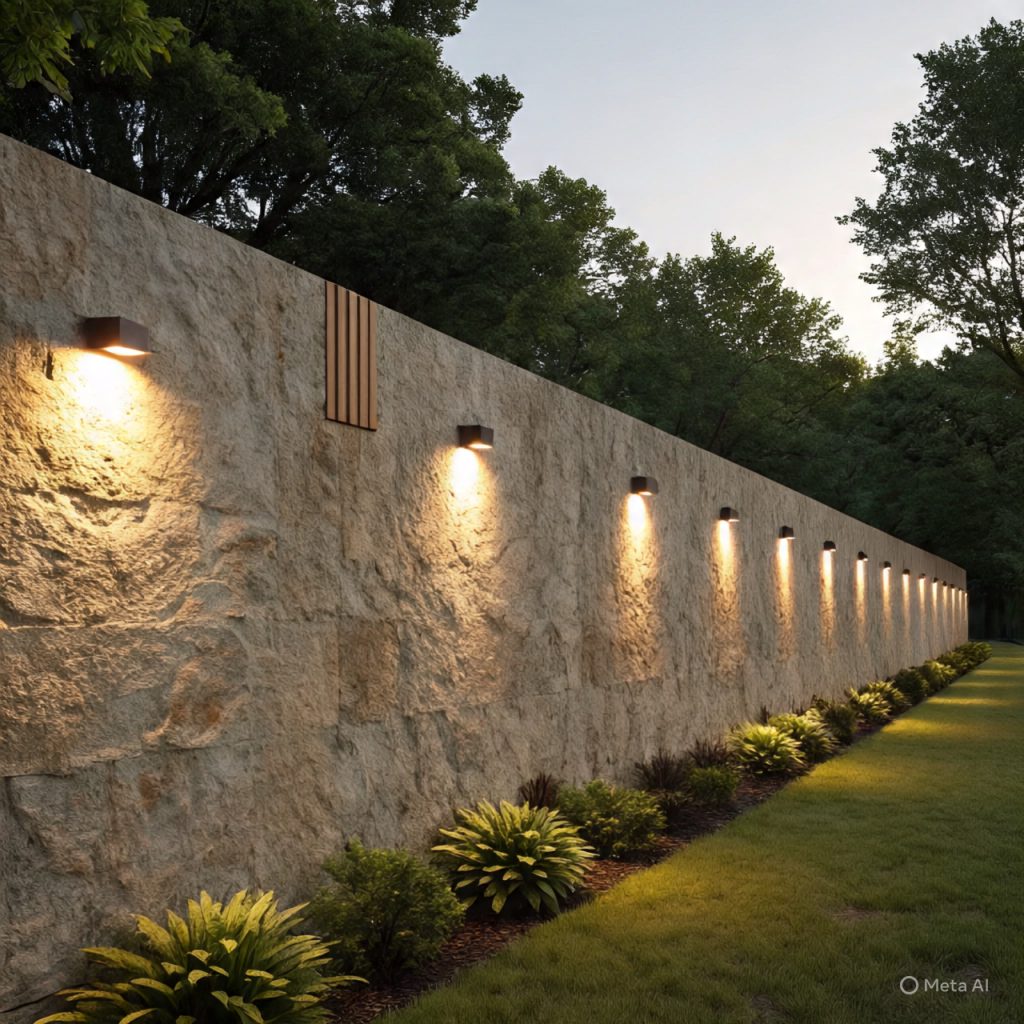
Boundary walls built with perforated blocks, recycled materials, or green screens allow airflow and reduce heat accumulation, enhancing both privacy and environmental performance.
Sustainable–Elevation Through Minimalism for Efficiency.
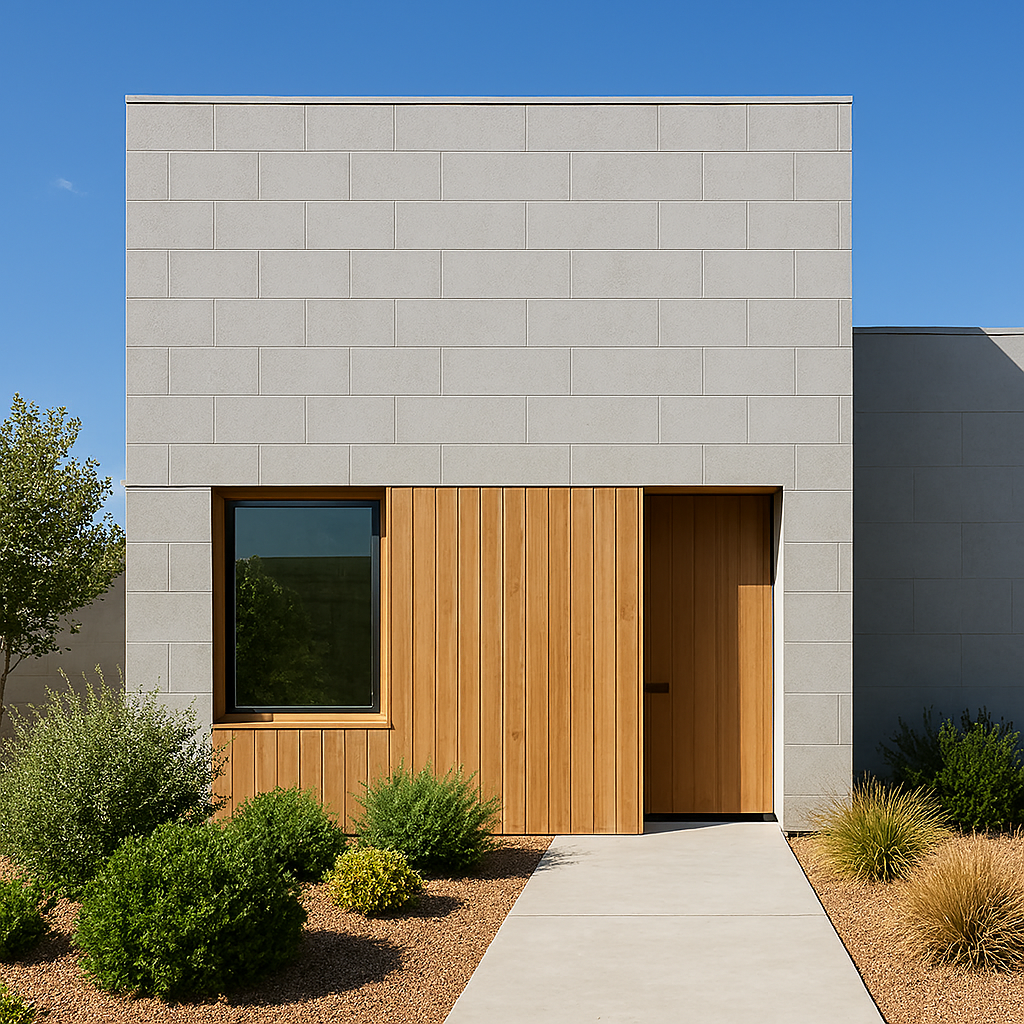
Minimalist elevation design avoids unnecessary projections and materials. Clean forms, simple lines, and functional detailing reduce construction waste and improve long-term maintenance efficiency.
Minimalist elevation planning also simplifies long-term maintenance and reduces material waste. Fewer structural projections mean lower construction costs, easier repairs, and improved durability. When combined with sustainable materials and smart orientation, minimalist elevations enhance energy efficiency while maintaining a clean, modern appearance that remains relevant across changing architectural trends۔
Final Thoughts:
Sustainable elevation design is a long-term investment that blends beauty, comfort, and responsibility. By choosing eco-friendly materials, climate-responsive planning, natural ventilation, smart shading, and renewable energy integration, homeowners can significantly reduce environmental impact while enhancing daily comfort.
A well-designed sustainable-elevation not only lowers energy costs and increases property value but also supports a healthier and more efficient future. As climate awareness grows, sustainable elevation design stands out as a smart, forward-thinking choice for modern homes.