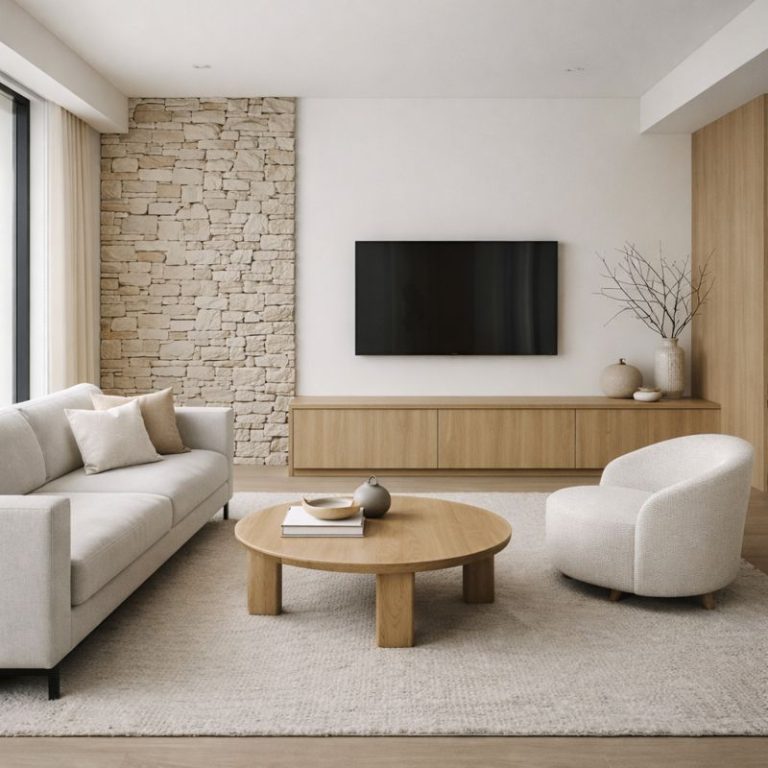
Décor Elements That Visually Improve Room Layout
Introduction:
A well-designed room is not only about furniture placement but also about how décor elements guide the eye and influence perception. Smart décor choices can make a space feel larger, brighter, and more balanced without structural changes. Room Layout Décor focuses on visual techniques that enhance flow, proportion, and functionality, helping even ordinary rooms feel professionally styled and thoughtfully arranged.
1. Strategic Furniture Placement for Visual Balance

Furniture plays a major role in shaping how a room is experienced. Keeping larger pieces aligned with walls or centered around a focal point helps maintain visual order. Avoid overcrowding by leaving breathing space between items. In Room Layout Décor, balanced spacing improves movement and prevents rooms from feeling cramped or chaotic.
2. Rugs That Define and Organize Space

Rugs are powerful layout tools. A properly sized rug anchors furniture and visually separates zones in open layouts. Using rugs to define seating or dining areas improves structure and clarity. This approach is essential in Room Layout Décor, especially for multipurpose rooms where boundaries need subtle definition.
3. Mirrors That Expand Visual Space

Mirrors reflect light and depth, making rooms appear larger and more open. Placing mirrors opposite windows or along narrow walls widens the visual field. In Room Layout Décor, mirrors are often used to correct awkward proportions and enhance brightness without altering architecture.
4. Lighting Layers That Guide Movement

Lighting affects how the eye travels through a room. Layered lighting—ambient, task, and accent—creates visual direction and balance. Floor lamps can elongate corners, while wall sconces expand vertical space. Thoughtful lighting strengthens Room Layout Décor by improving clarity and atmosphere.
5. Color Zoning for Layout Clarity

Color can subtly shape a room’s layout. Lighter shades visually expand areas, while deeper tones create focus zones. Using consistent color palettes across connected spaces maintains flow. In Room Layout Décor, color zoning helps define function without walls.
6. Vertical Décor That Enhances Height

Tall shelves, vertical artwork, and floor-to-ceiling curtains draw the eye upward. These elements make ceilings appear higher and rooms more proportionate. Vertical emphasis is a key principle of Room Layout Décor, especially in compact or low-ceiling spaces.
7. Wall Art Placement for Visual Flow

Wall décor should support the room’s layout rather than disrupt it. Art placed at eye level maintains balance, while grouped pieces guide movement along walls. Proper spacing ensures walls feel cohesive instead of cluttered, improving overall room structure.
8. Curtains That Frame and Expand

Curtains influence perceived window size and room width. Hanging curtains higher and wider than the window visually enlarges openings. This simple technique is widely used in layout-focused décor to improve proportions and soften hard architectural lines.
9. Open Shelving for Lightness and Function

Open shelving keeps rooms visually light while providing storage. When styled minimally, shelves maintain airflow and prevent visual heaviness. This balance is essential in modern room planning, especially in smaller homes.
10. Symmetry for Calm and Order

Symmetry brings instant visual harmony. Matching lamps, chairs, or décor elements around a focal point create balance and calm. While perfect symmetry isn’t required, subtle repetition strengthens layout clarity.
11. Negative Space That Improves Flow

Empty space is just as important as filled space. Allowing areas to remain uncluttered improves movement and visual rest. In layout-driven interiors, negative space enhances clarity and sophistication.
12. Textures That Add Depth Without Bulk

Layered textures—such as soft fabrics, natural wood, or matte finishes—add richness without overcrowding. Texture variation supports visual interest while keeping the layout clean and breathable.
Final Thoughts:
Improving a room’s layout doesn’t always require renovation. Thoughtful décor choices can reshape how a space feels, flows, and functions. By applying Room Layout Décor principles—balance, light, proportion, and visual clarity—any room can feel more spacious, organized, and intentionally designed without structural changes.