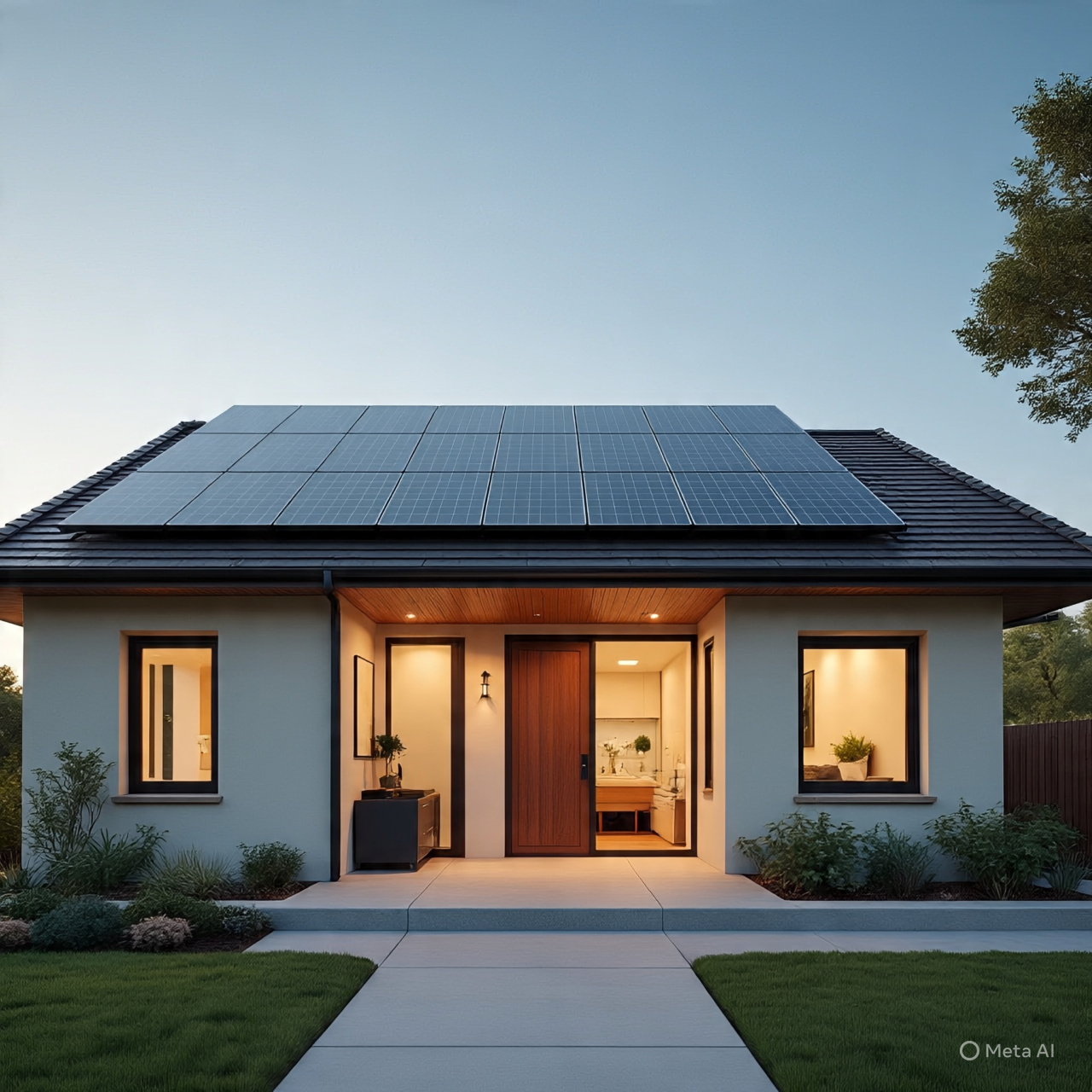
The Best of Modern Homes: The Ultimate Guide
Introduction:
Modern homes are more than just a design style—they represent a lifestyle built on simplicity, functionality, and innovation. Clean lines, open floor plans, and seamless indoor-outdoor connections define today’s modern living spaces. Whether you’re planning a new build or upgrading your current home, the secret lies in balancing aesthetics, comfort, and smart technology.
In this ultimate guide, we’ll explore what makes modern-homes truly exceptional—from architectural features and sustainable materials to decor ideas and intelligent systems that transform everyday living.
1. Defining Modern Homes.
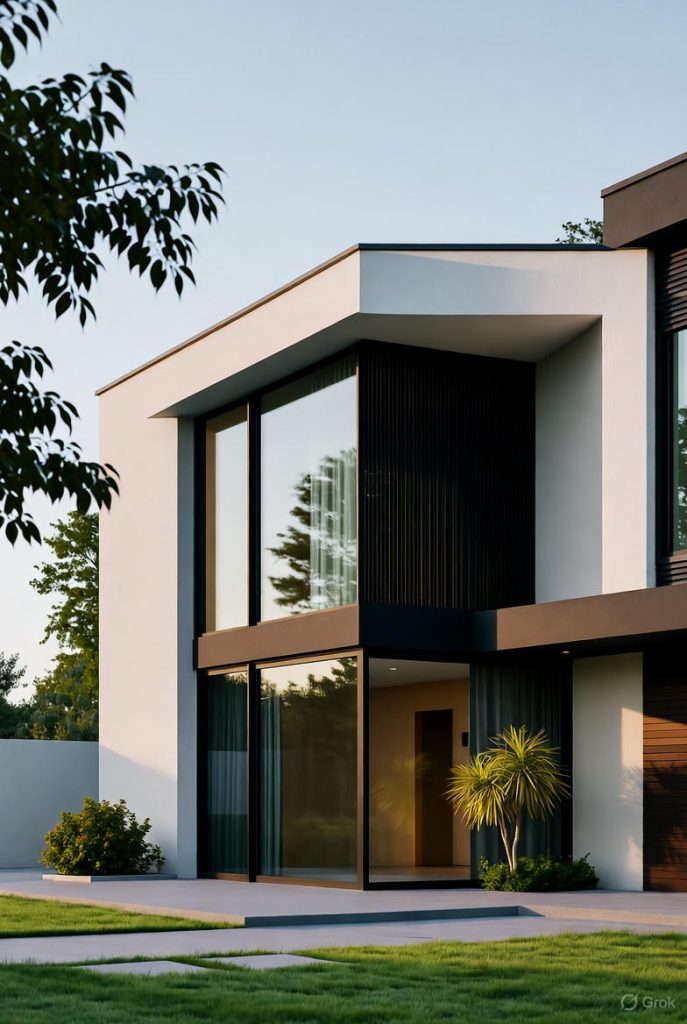
Modern homes emphasize simplicity, functionality, and connection to nature. Originating in the early to mid-20th century, modern architecture broke away from ornate designs and embraced clean geometry and open spaces.
Today, “modern” often blends with “contemporary,” featuring minimalist lines, large glass panels, and natural textures that reflect both form and function.
2. The Core Principles of Modern Design.
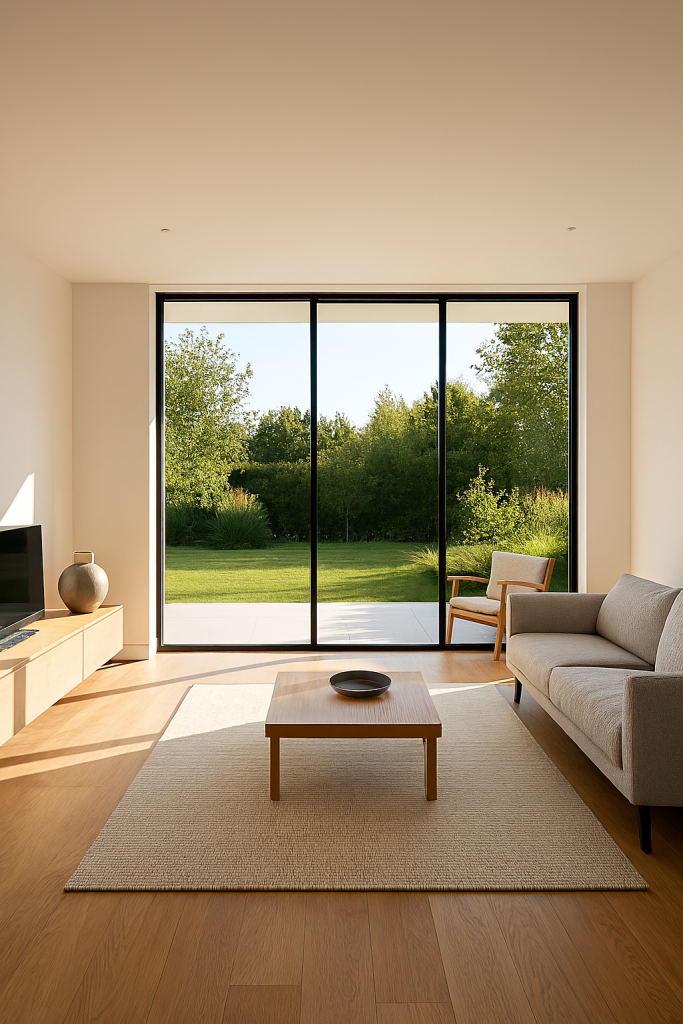
At the heart of every modern home are three essential principles:
- Simplicity: Clean lines and uncluttered layouts promote calm and focus.
- Functionality: Every element serves a purpose—no excess, no visual noise.
- Integration: Indoor and outdoor spaces merge seamlessly, often through glass walls or sliding doors that blur boundaries.
3. Modern Architecture: Key Features.
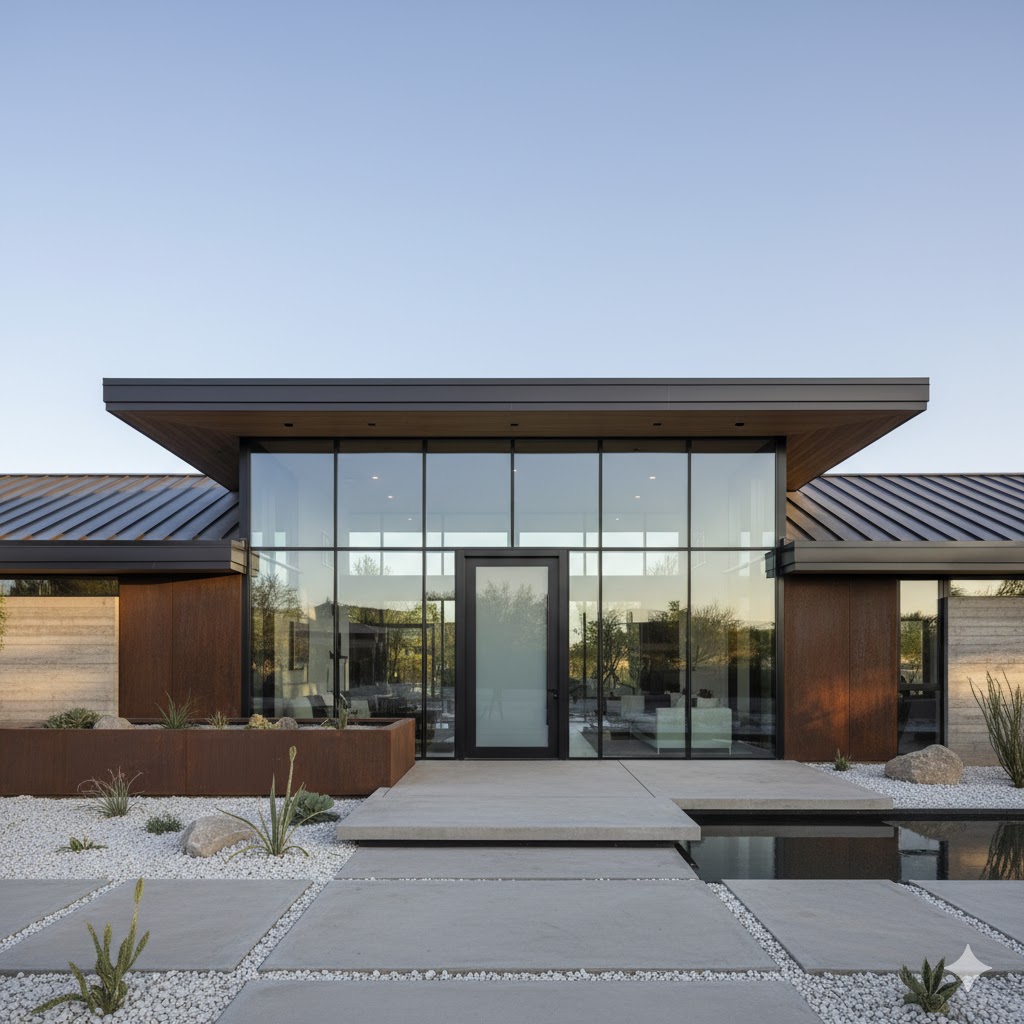
Modern homes stand out through their architectural design:
- Flat or low-pitched roofs
- Open-concept floor plans
- Floor-to-ceiling windows
- Emphasis on horizontal lines
- Use of industrial materials like steel, glass, and concrete
These homes often prioritize natural light, energy efficiency, and connection with the surrounding environment.
4. Materials That Define the Look.
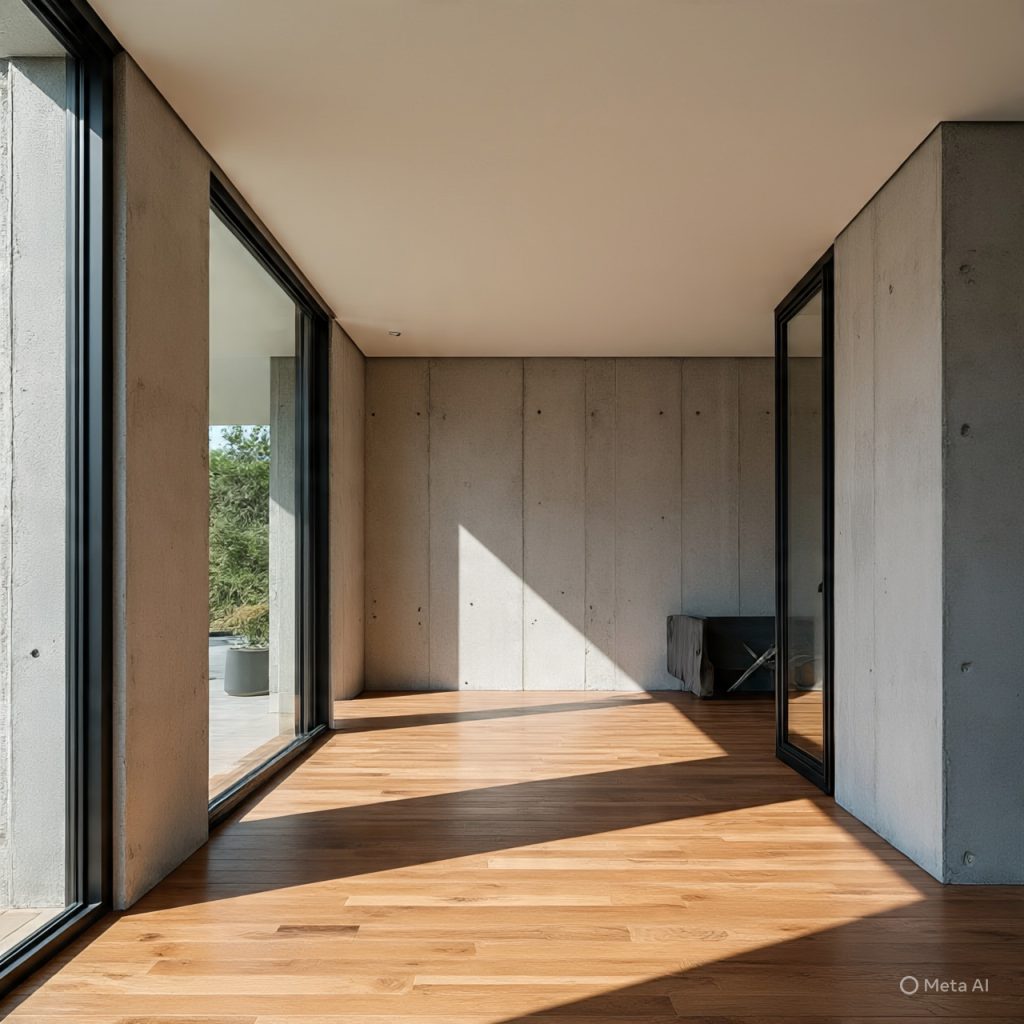
Materials play a huge role in defining modern aesthetics.
Common choices include:
- Concrete: For a raw, industrial touch
- Glass: To enhance transparency and openness
- Wood: To bring warmth and balance to minimal interiors
- Metal: For structure and sleek finishing
- Stone: As an organic counterpoint to smooth modern lines
5. The Perfect Modern Color Palette.
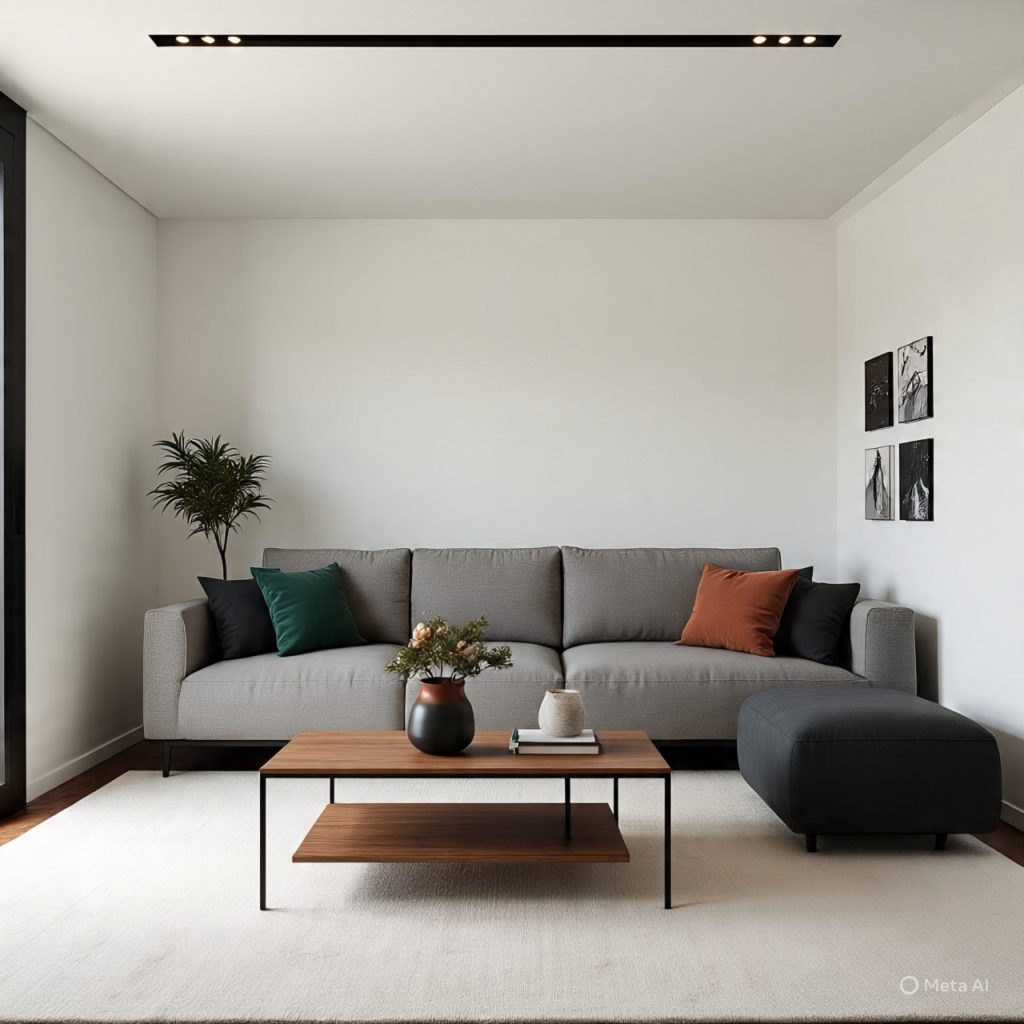
A neutral base defines the modern color story—think whites, greys, blacks, and beiges. These tones create a clean backdrop, allowing natural materials or statement furniture to shine.
To add personality, accents of deep green, terracotta, or navy can be layered subtly through textiles, art, or accent walls.
6. Modern Home Layouts That Work.
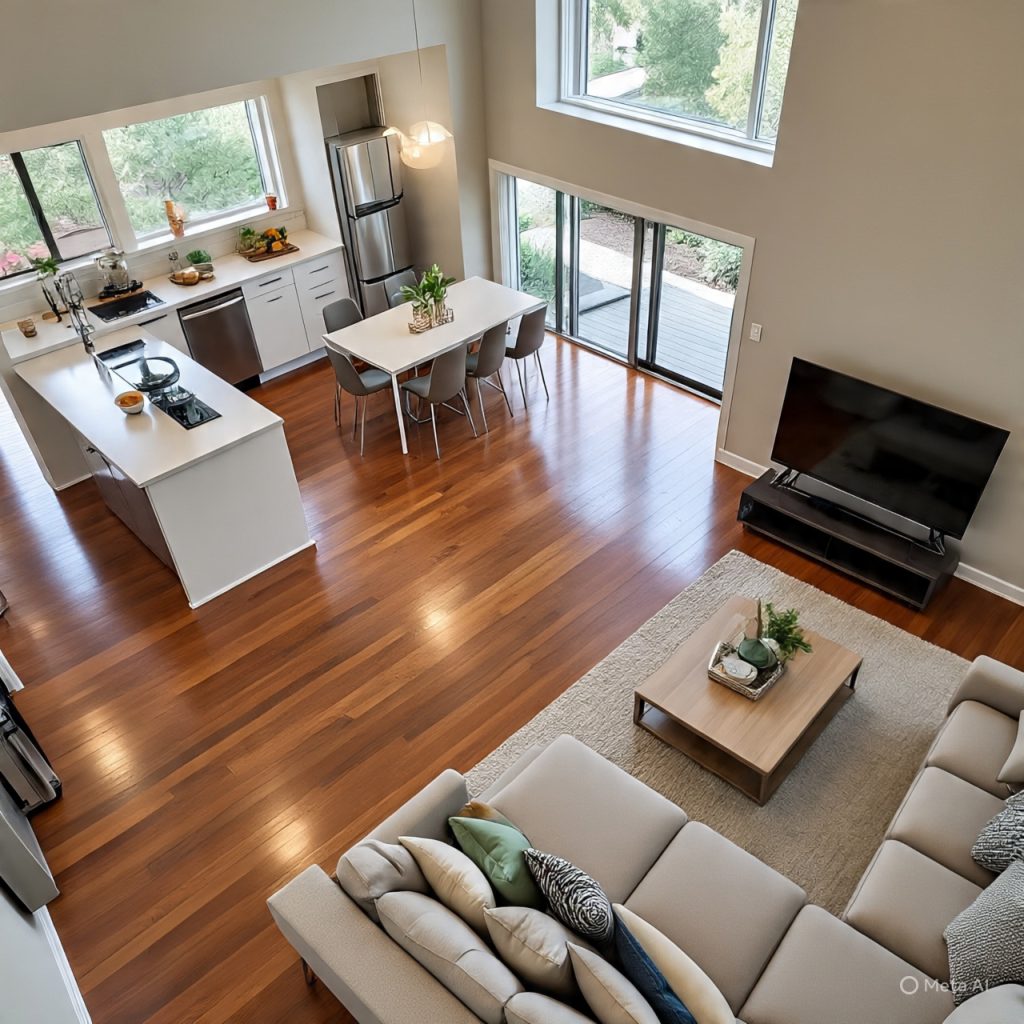
Open-plan living is a cornerstone of modern design. The kitchen, dining, and living areas flow together effortlessly, encouraging interaction and flexibility.
Zoning through furniture placement, lighting, or partial dividers helps maintain definition without sacrificing openness.
7. Minimalism Meets Comfort.
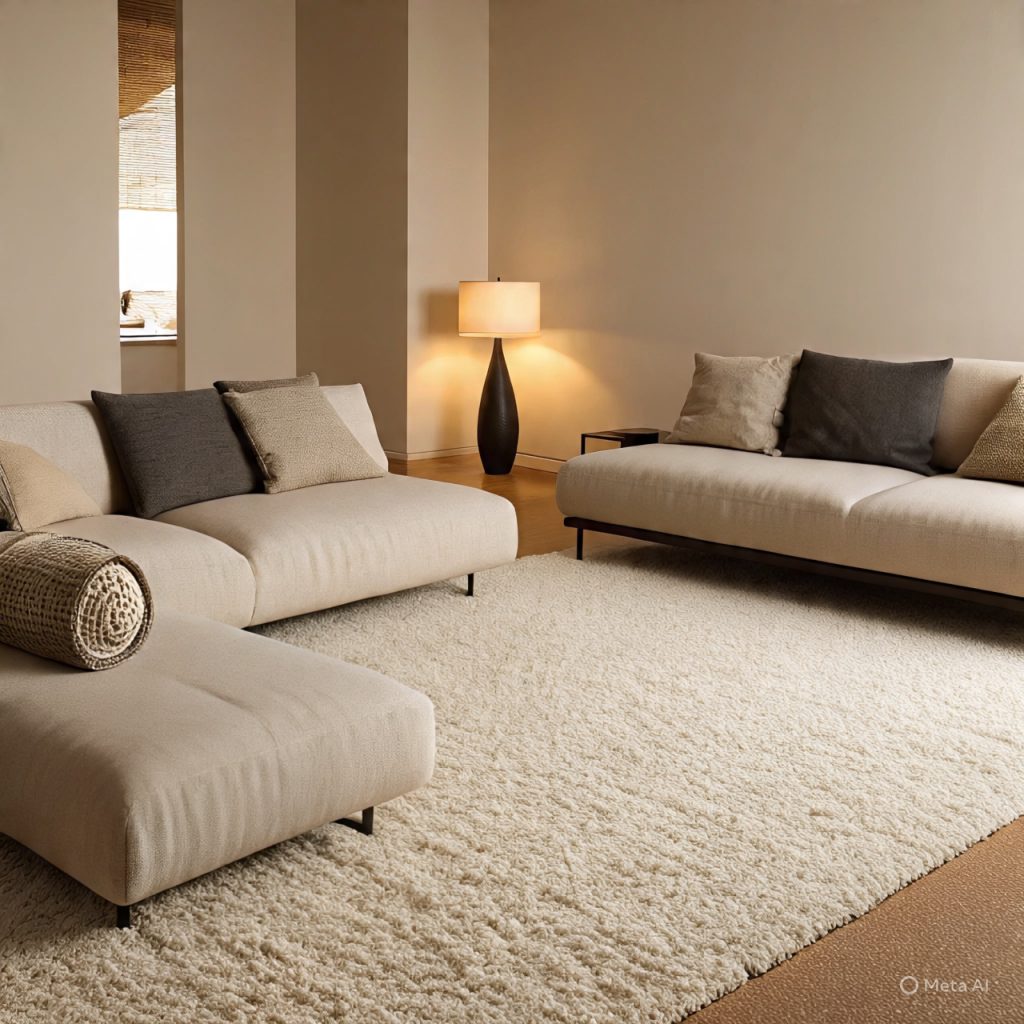
Contrary to the myth, modern homes aren’t cold or sterile. The right combination of soft furnishings, textured rugs, and ambient lighting can make minimalist spaces feel cozy and lived-in.
The key lies in restraint—less décor, but better quality pieces that make a statement.
8. The Role of Natural Light.
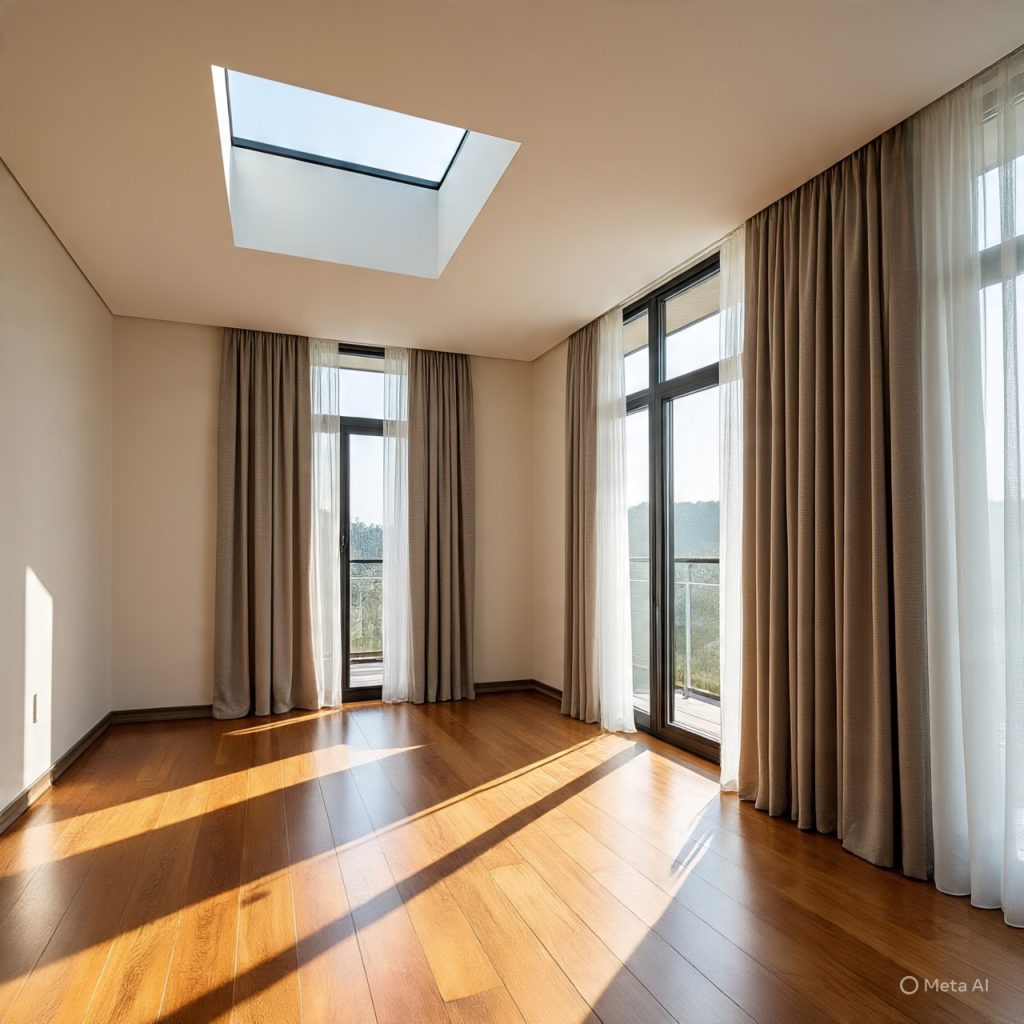
Large windows, skylights, and glass doors are essential features of modern homes. They reduce the need for artificial lighting, enhance energy efficiency, and create an ever-changing play of light throughout the day.
Lighting is both functional and decorative—think recessed LEDs, pendant lights, and sculptural lamps.
9. Smart Technology and Sustainability.
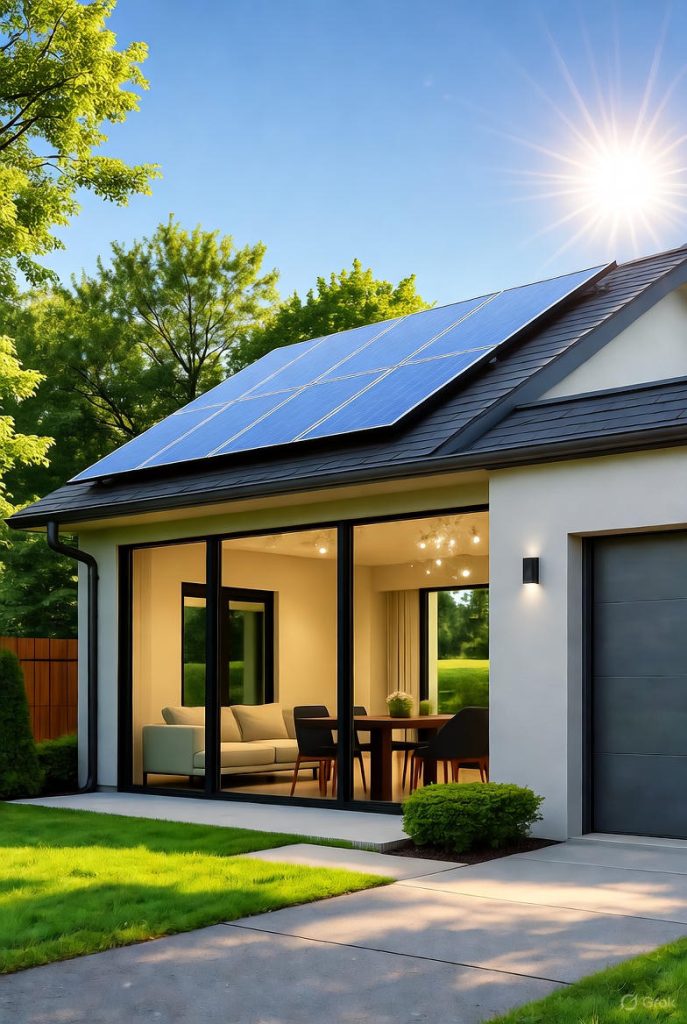
Today’s modern homes are smart, sustainable, and efficient.
Features often include:
- Automated lighting and temperature control
- Energy-efficient appliances
- Solar panels and green roofs
- Rainwater harvesting systems
- Smart security setups
These innovations make homes not only stylish but also future-ready.
10. Modern Kitchens: The Heart of the Home.
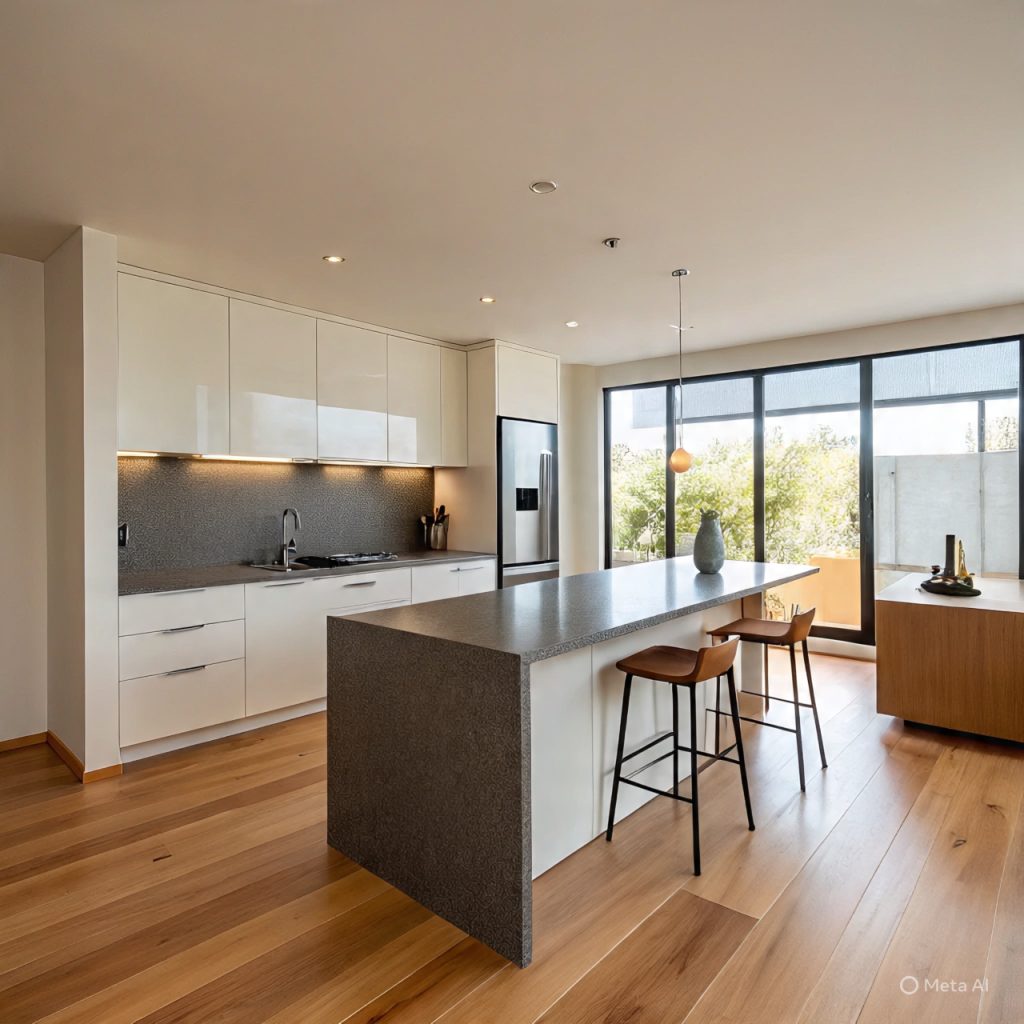
The modern kitchen is sleek, open, and highly functional. Expect handle-less cabinetry, integrated appliances, and stone or quartz countertops.
A kitchen island often doubles as a social hub—perfect for cooking, dining, or working from home.
11. Spa-Inspired Modern Bathrooms.
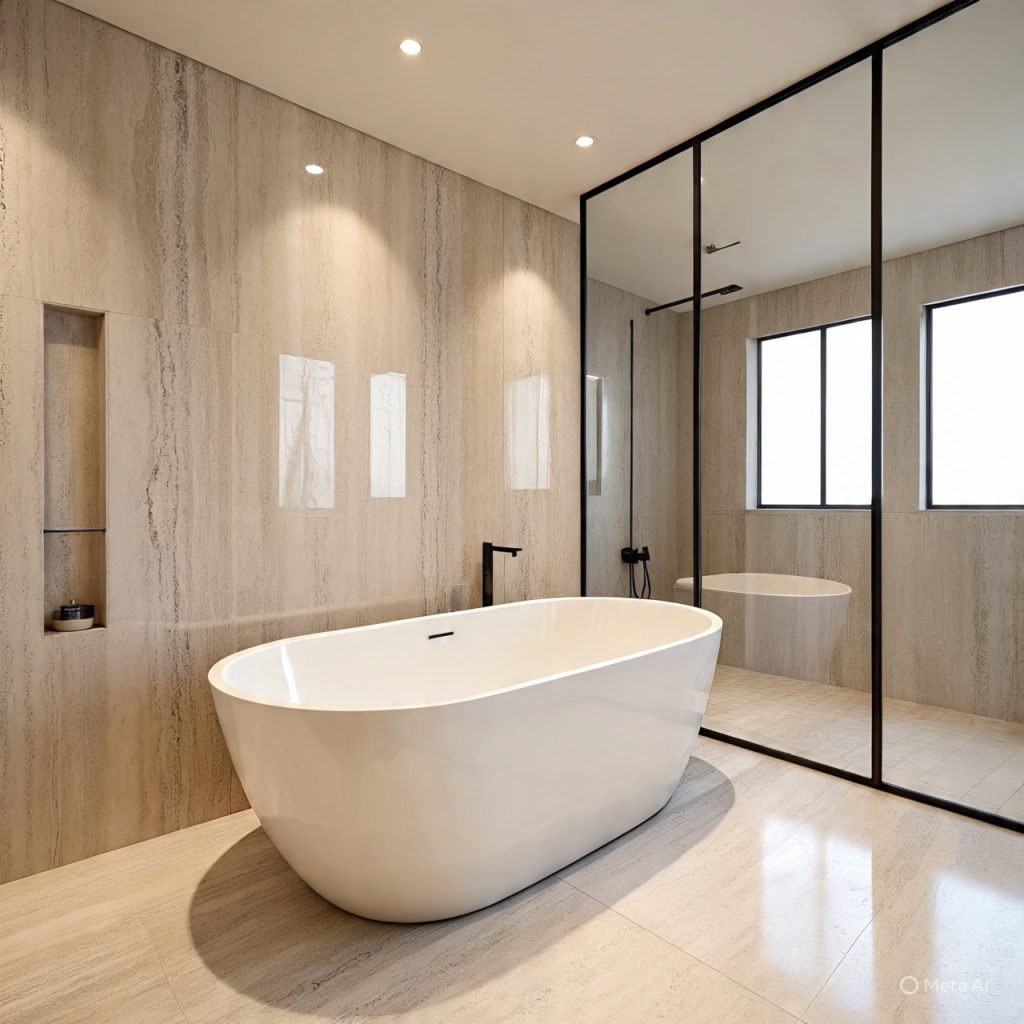
Modern bathrooms are designed as private retreats. Neutral color palettes, frameless showers, floating vanities, and freestanding tubs set the tone.
Incorporating natural elements like wood or stone enhances the serene, spa-like ambiance.
12. Modern Living Rooms: Balance and Style.
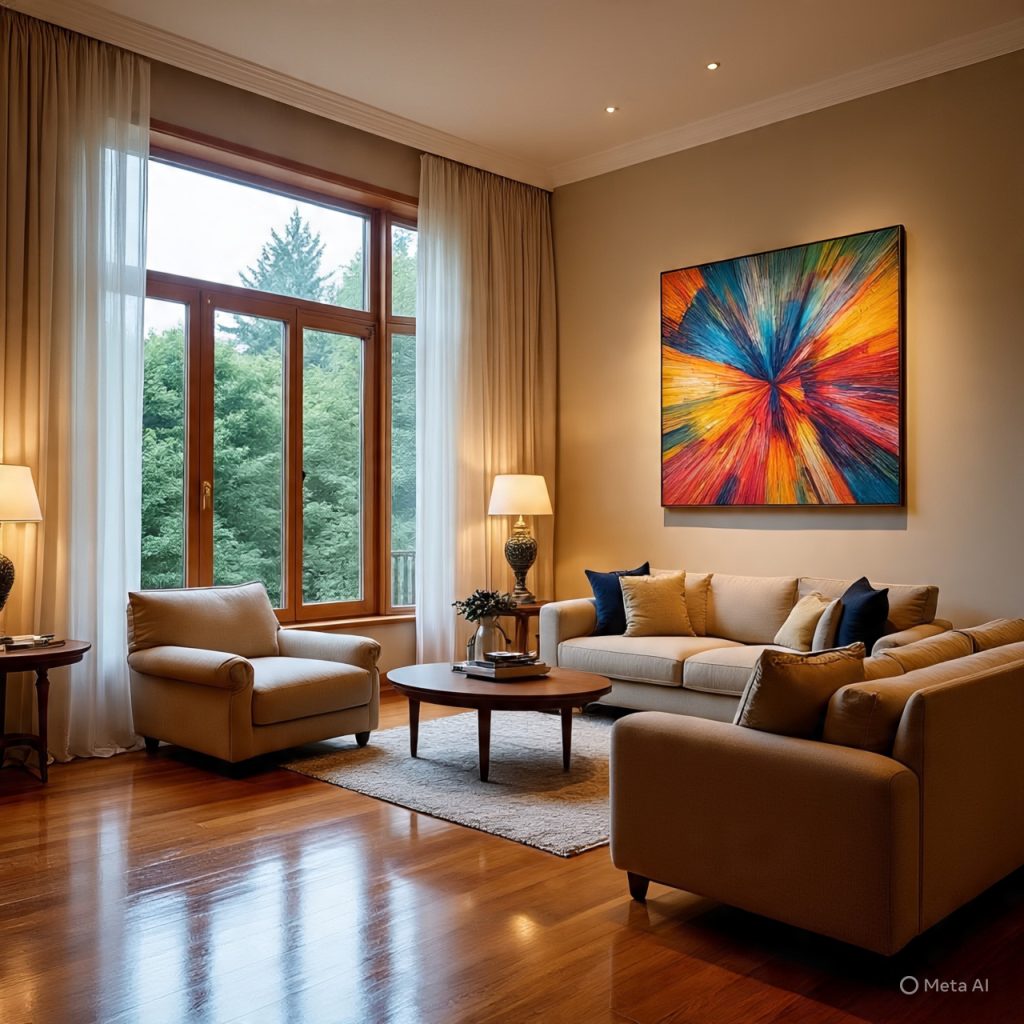
A modern living room thrives on open space and symmetry.
Low-profile furniture, statement art pieces, and layered lighting create visual interest without clutter.
Keep accessories minimal but meaningful—each object should contribute to the story of your home.
13. The Outdoor Connection.
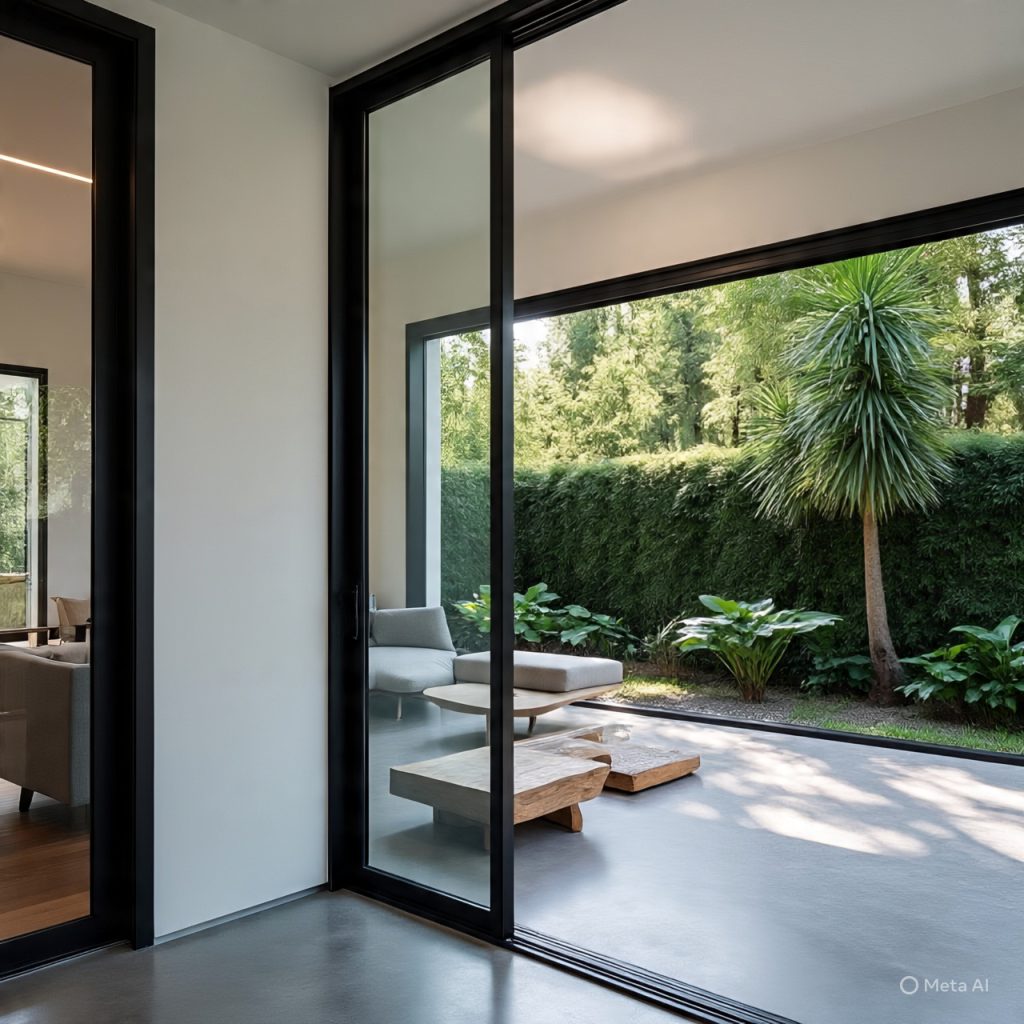
A modern home isn’t complete without a strong connection to the outdoors. Courtyards, patios, and terraces act as natural extensions of the interior.
Sliding glass walls, outdoor kitchens, and minimalist landscaping strengthen this link between architecture and nature.
14. Furnishing the Modern Way.
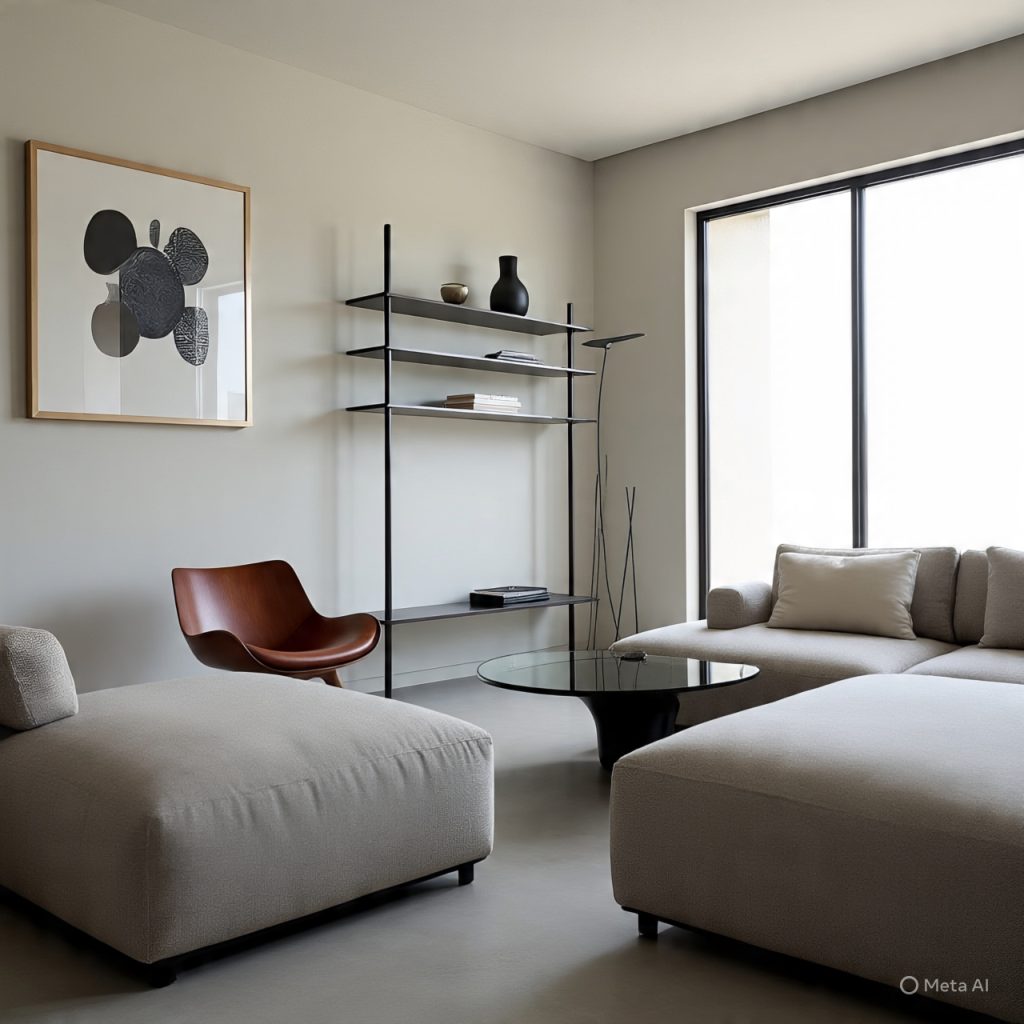
When choosing furniture for a modern home, look for clean silhouettes, functional design, and quality craftsmanship.
Opt for pieces that combine comfort with sculptural form—mid-century classics, modular sofas, and minimalist shelving are timeless choices.
15. Bringing It All Together.
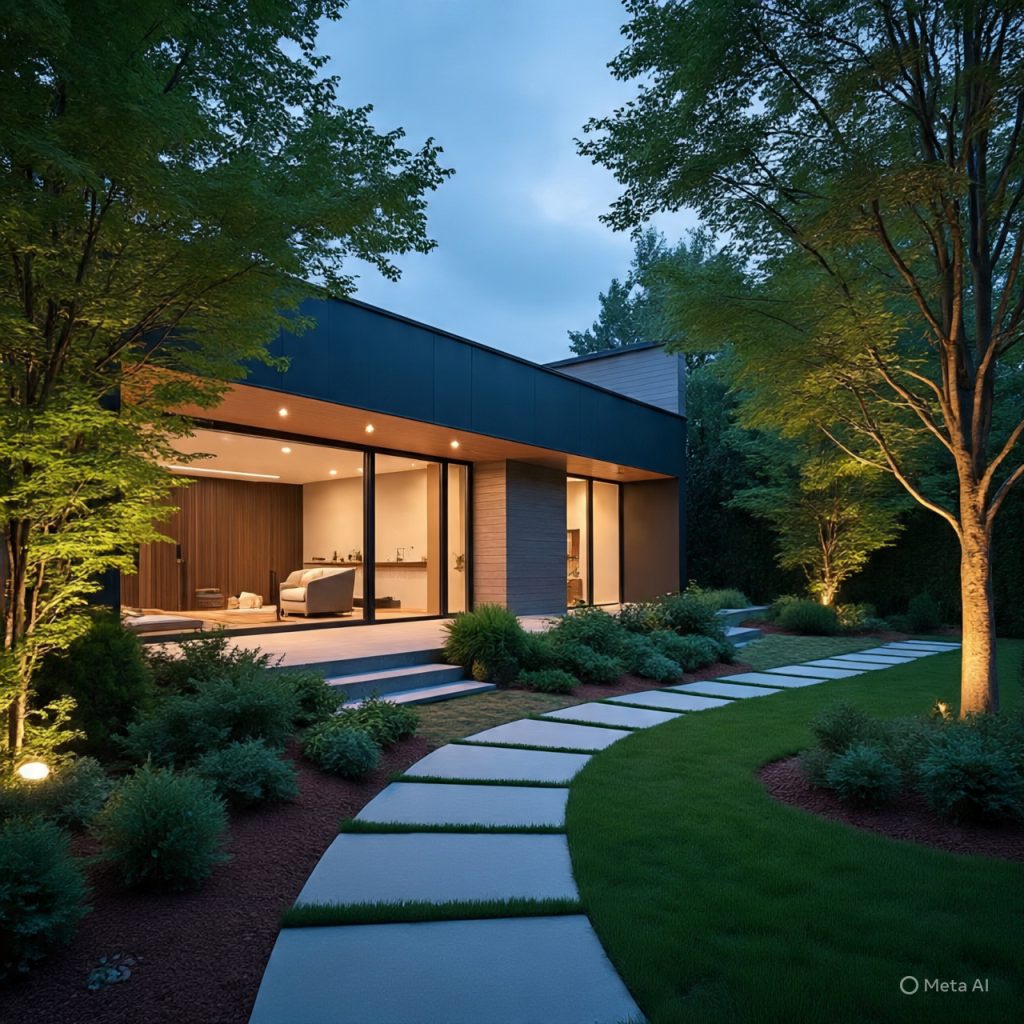
Creating a modern home is about harmony. It’s a blend of space, light, and materials that feels effortless yet intentional.
The best modern homes are not just visually appealing—they reflect how people truly live today: connected, conscious, and creative.
Conclusion.
Modern home design is more than a passing trend—it’s a philosophy rooted in clarity, innovation, and intentional living. By embracing clean architecture, thoughtful layouts, and smart functionality, you create a space that enhances both beauty and everyday comfort.
Whether you’re designing from the ground up or refreshing a single room, the principles of modern homes can help you craft a space that feels timeless, practical, and inspiring for years to come.